Top 5 Natural Monuments around Junas
Best natural monuments around Junas include sites that blend historical significance with natural formations. The region is characterized by its ancient quarries, which have been exploited for over 2000 years, creating unique geological features. Visitors can explore impressive rock formations and locations that showcase both human construction and natural elements. The area offers a variety of natural monuments, from historical quarries to scenic viewpoints.
Best natural monuments around Junas
- The most popular natural monuments is Carrières de Junas, an…
Last updated: August 13, 2026
Carrières de Junas
Highlight • Structure
Translated by Google •
Tip by

Roc du Midi Orientation Table
Highlight • Viewpoint
Translated by Google •
Tip by
Sign up now to discover places like this
Get recommendations on the best single tracks, peaks, & plenty of other exciting outdoor places.
Sign up for free
Roc de Gachone – 4 Windmills
Highlight • Viewpoint
Translated by Google •
Tip by
Roman Fountain of Ranquet
Highlight • Historical Site
Translated by Google •
Tip by

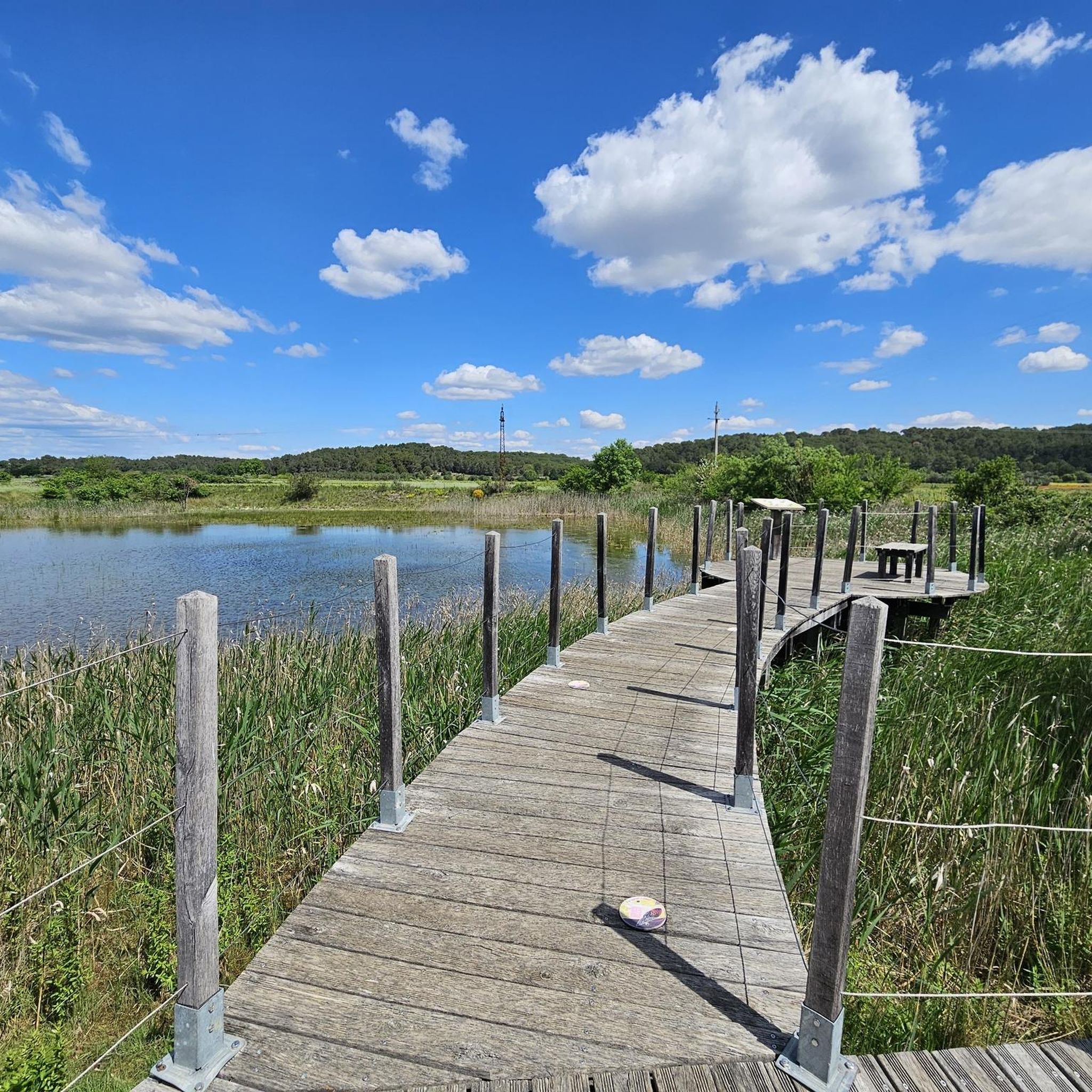
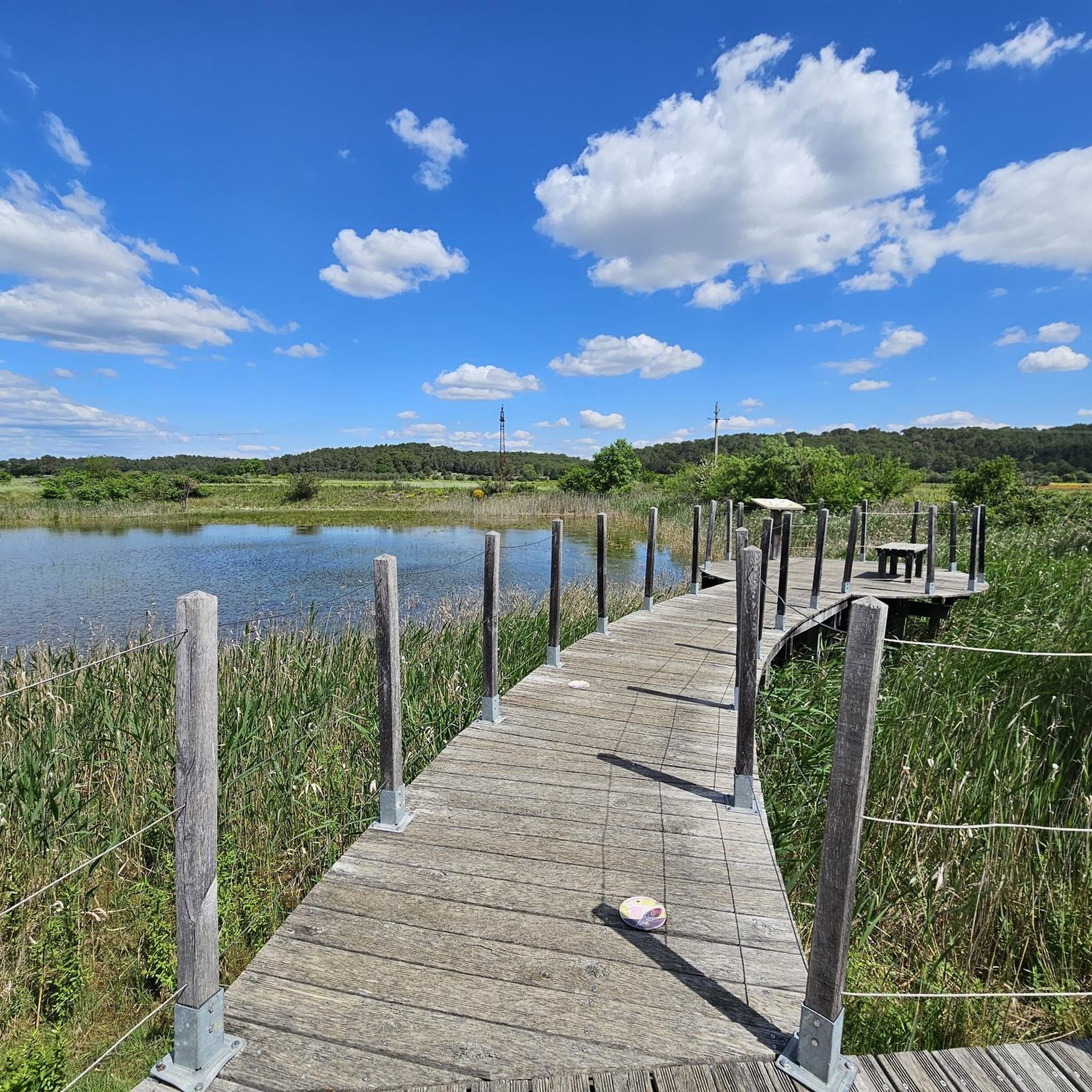
Stepping Stones at the Large Rock
Highlight • Bridge
Translated by Google •
Tip by

Start today with a free account
Your next adventure awaits.
Login or Signup

Tips from the Community


Beautiful place and beautiful view. The trail to get there is quiet (although it climbs). The single tracks are much more technical!
0
1

very nice hike to see and do not miss the cave of the Bois de Paris be careful slippery and lamp necessary
0
0

You have to sweat to get there! Come on, go!
0
0

Beautiful stone site, remnant of a building which in Roman times housed the Ranquet spring which provided water to the inhabitants of the oppidum of Roque de Viou. It supplied two tanks measuring 24m x 4.6m, which are now partially destroyed. Located at the junction of rue de la Fontaine Romaine and rue de l'Agau de Nages, the place, decorated with a small stone bench, is charming.
1
0

Incredible spot, on the other hand the orientation table which indicates Moscow or Abidjan could have been a little more informative and indicated Mont Ventoux closer to us for example.
1
0

A grandiose and magical place, forged by more than 2000 years of rock quarrying using an unchanged manual method, hundreds of cubic meters of stone quarried there were used in particular to build the Pont de Sommières, then later in Aigues-Mortes and Vigan .
8
0

The summit of Roc de Gachone (167m above sea level) is "capped" by 3 windmills and offers a magnificent view of the plain.
0
0
Frequently Asked Questions
What unique geological features can I explore around Junas?
The most prominent geological features are found at Carrières de Junas. These ancient stone quarries, exploited for over 2000 years, feature distinct 'Laisses' – tapered rock formations created by manual extraction. The local 'Junas stone' itself is a significant geological and historical element of the region.
What is the historical significance of the natural monuments in Junas?
Junas' natural monuments are deeply intertwined with its history. Carrières de Junas, for instance, has been a site of stone extraction since Antiquity, with its stone used in structures like the Pont de Sommières. You can also visit the Roman Fountain of Ranquet, a remnant of a Roman-era building that housed a spring providing water to the ancient oppidum of Roque de Viou.
Are there family-friendly natural monuments to visit in Junas?
Yes, several natural monuments are suitable for families. Carrières de Junas is categorized as family-friendly, offering an impressive landscape that sparks imagination. The Roman Fountain of Ranquet is also a charming and accessible historical site for all ages.
Where can I find the best panoramic views of the Junas region?
For magnificent panoramic views, head to Roc de Gachone – 4 Windmills. From its summit, you'll get a sweeping view of the plain, marked by three windmills. Another excellent spot is the Roc du Midi Orientation Table, which offers a grand panorama over the plain of Asperes.
Are there hiking trails near the natural monuments in Junas?
Absolutely. The region offers various hiking opportunities. You can explore routes like the 'Junas Stone Discovery Trail' or the 'Carrières de Junas – Junas Stone Sculptures loop'. For more options, check out the Hiking around Junas guide.
What cycling opportunities are available near Junas' natural monuments?
Junas is great for cycling. You can find routes like the 'Sommières Bridge – Sommières–Cardet Greenway loop' for road cycling or explore gravel biking options such as the 'Lunel huts – Lunel Canal loop'. Discover more routes in the Cycling around Junas and Gravel biking around Junas guides.
What do visitors enjoy most about the natural monuments in Junas?
Visitors frequently praise the blend of natural beauty and historical significance. The impressive rock formations at Carrières de Junas, which evoke human constructions, are a major draw. The panoramic views from spots like Roc de Gachone are also highly appreciated.
Can I find unique natural formations beyond the quarries?
Yes, beyond the quarries, you can discover other interesting natural formations. For example, the Stepping Stones at the Large Rock offer a picturesque spot with a large rock and a ford, providing a charming and unexpected natural corner.
Are there cultural events held at the natural monuments?
Yes, Carrières de Junas is not just a historical site but also a vibrant cultural venue. It hosts an internationally recognized Jazz festival and the 'Rencontre de la Pierre,' which gathers stone cutters from across Europe. Artworks by various artisans are also displayed within the quarries and the village.
What is the best season to visit the natural monuments around Junas?
While specific seasonal tips aren't provided for all sites, the region's Mediterranean climate generally makes spring and autumn ideal for exploring natural monuments. The weather is milder, perfect for hiking and enjoying the outdoor sites like the quarries and viewpoints without the intense summer heat.
Is there an interpretive trail to learn more about the natural monuments?
Yes, at Carrières de Junas, an interpretive trail called 'Living Stone' is available. This trail enhances the visitor experience by providing insights into the history, geology, and cultural significance of the ancient quarries and the local 'Junas stone'.
Most popular attractions around Junas

Get inspired with the komoot mobile app


Explore more
Extend your search for the best caves by checking out these guides of the top ones around Junas:
