Attractions and Places To See around Soazza - Top 20
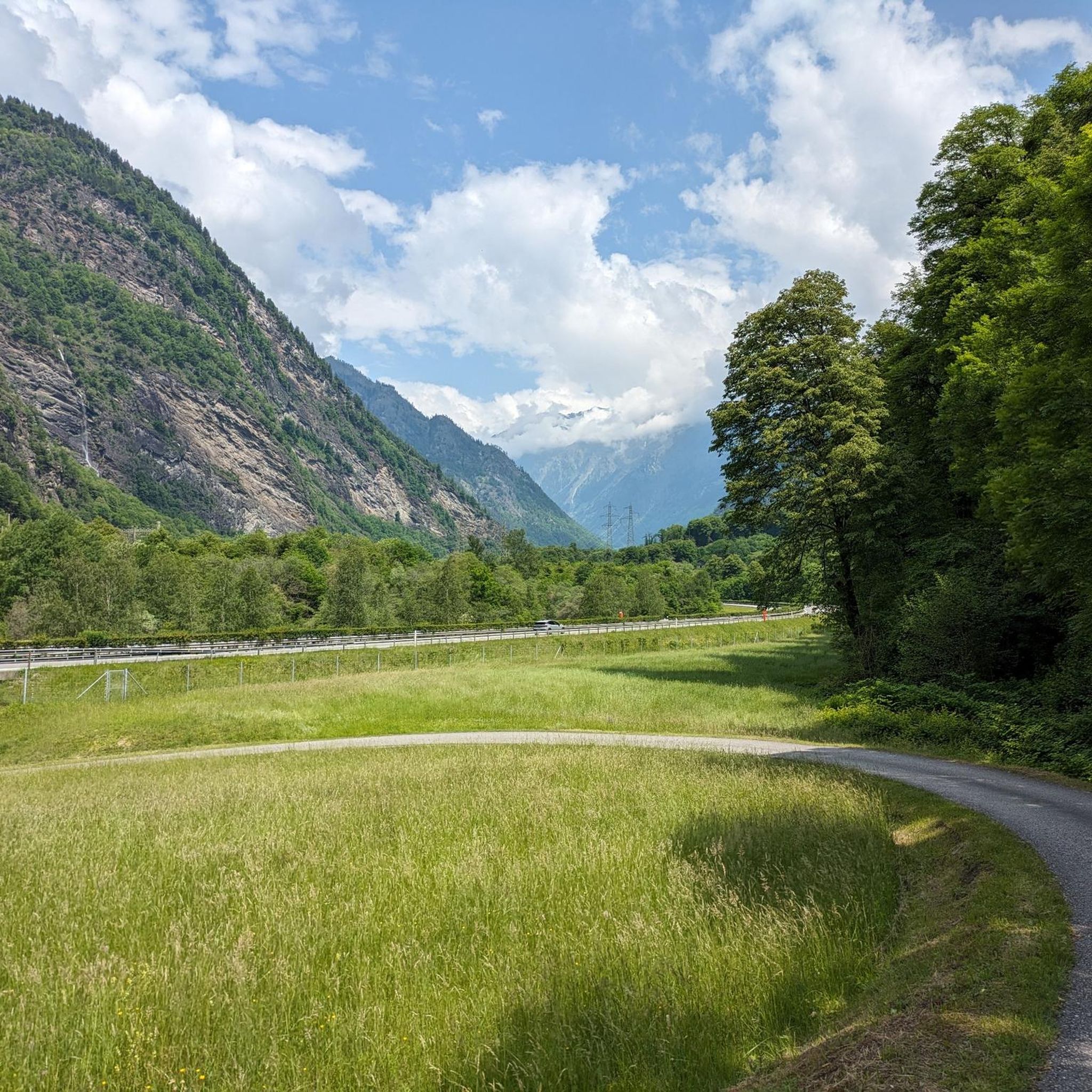
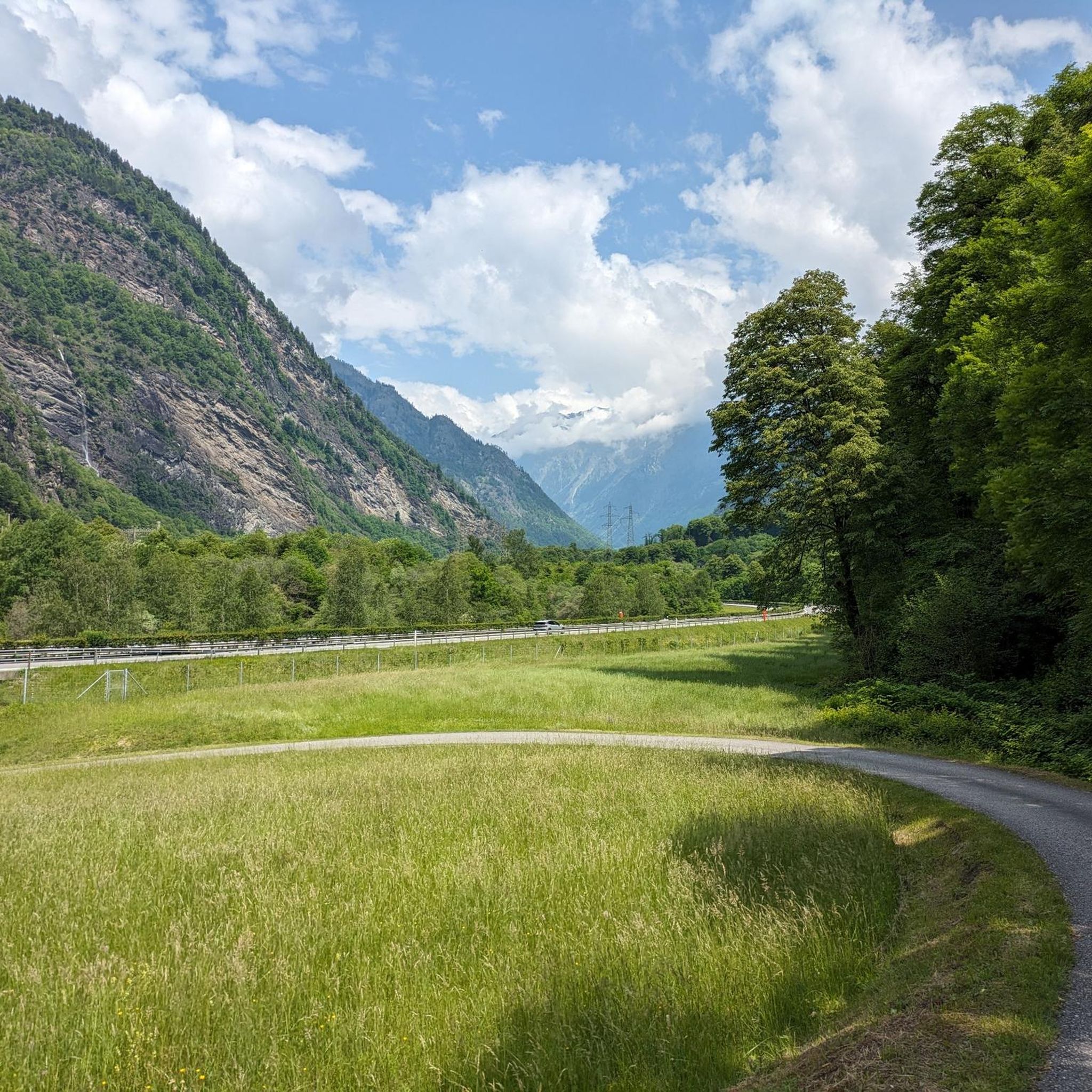
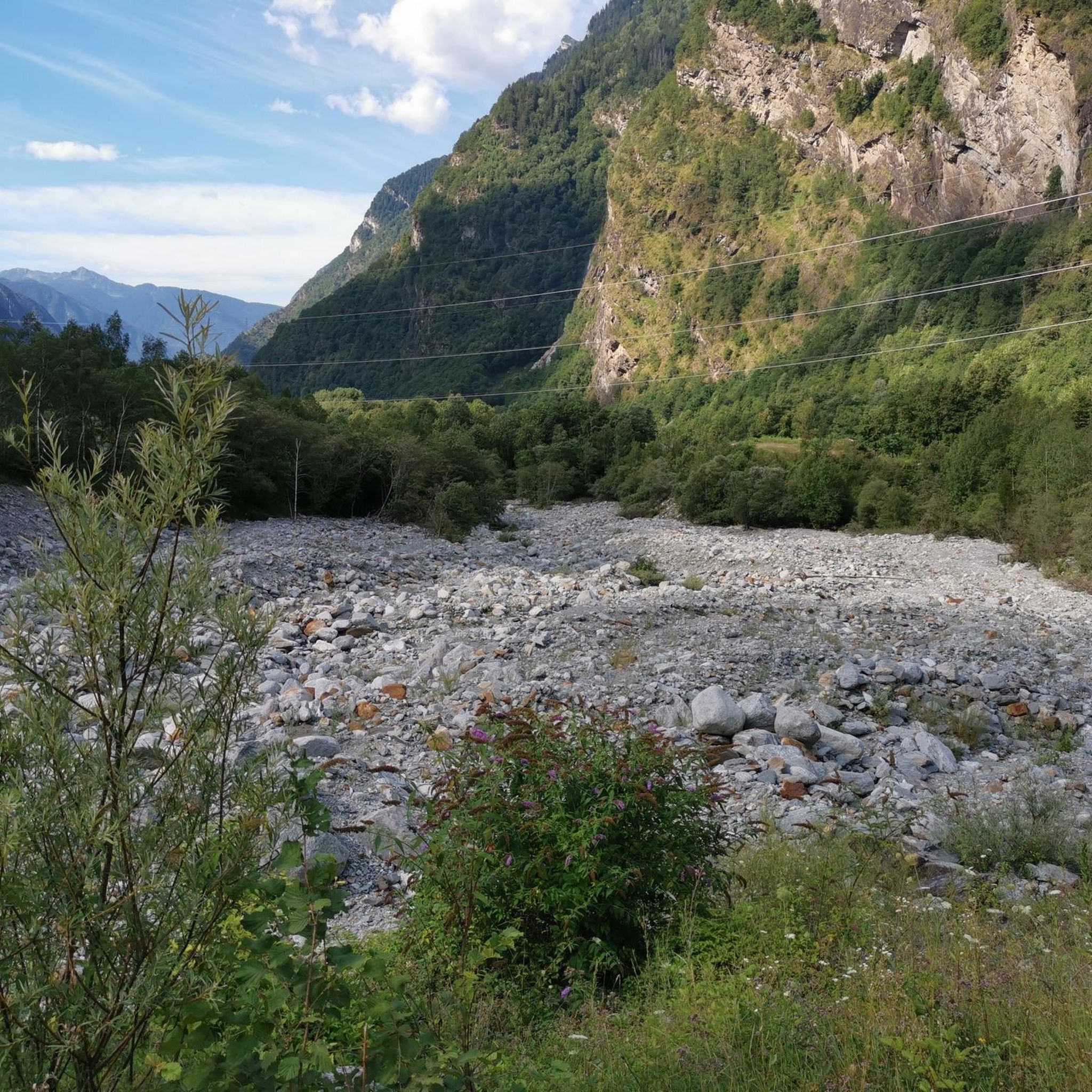
Best attractions and places to see around Soazza include historical sites, cultural centers, and natural features within the Valle Mesolcina in Graubünden, Switzerland. The village is situated on a terraced slope, surrounded by densely forested mountain slopes. Soazza offers a blend of historical charm and natural beauty, making it a destination for exploration.
Best attractions and places to see around Soazza
- The most popular attractions is Porta di Santa Maria, Chiavenna, a historical site that serves as a city…
Last updated: July 20, 2026
Mesocco Castle
Highlight • Castle
Translated by Google •
Tip by

Porta di Santa Maria, Chiavenna
Highlight • Historical Site
Located at the intersection of the Bergell and the Val San Giacomo, Chiavenna (formerly German Cläven, Kleven) is the center of the Valchiavenna, which together with the Valtellina makes …
Translated by Google •
Tip by

Sign up now to discover places like this
Get recommendations on the best single tracks, peaks, & plenty of other exciting outdoor places.
Sign up for free
Collegiate Church of St. Lawrence
Highlight • Religious Site
Translated by Google •
Tip by

Lake Dosso
Highlight • Lake
Translated by Google •
Tip by

Secondary road through the Mesolcina Valley to the San Bernardino Pass
Highlight • Cycleway
An exhilarating descent through the Mesolcina Valley. Eagerly absorbing the mild southern climate. In Mesocco, cyclists enjoy the largest ruin in Switzerland and, at …
Translated by Google •
Tip by
Sign up for free to discover even more attractions around Soazza.
Sign up for free
Already have an account?
Start today with a free account
Your next adventure awaits.
Login or Signup


Tips from the Community

Beautiful nature and many views that cannot be seen from the pass road
0
0

A true insider tip! The guide who welcomes visitors is extremely friendly and competent. An absolute must when visiting Chiavenna. The flair of Chiavenna is wonderful.
2
0
Beautiful campanile with a special baptistery and Romanesque baptismal font.
2
0

Stage 7: San Bernardino – Bellinzona An exhilarating descent through the Mesolcina Valley. Eagerly absorbing the mild southern climate. In Mesocco, cyclists enjoy the largest ruin in Switzerland and, at the end of the tour, in Bellinzona, the defiant towers and walls of the tre castelli. Refreshed, they follow the rushing Moësa River out of the lively resort town of San Bernardino. The 46-kilometer-long tributary of the Ticino rises at the San Bernardino Pass and gives its name to the Mesolcina Valley (Misox). Although Italian is spoken in the valley, as in the Poschiavo and Bregaglia valleys, it has always maintained close ties to Graubünden. In the smaller villages, where many of the houses are covered with stone slabs, time seems to have stood still. You hardly stop on your bike during the rapid descent towards the south. Surrounded by rocky cliffs, you roar along a well-maintained road with countless skid marks. The highway, which practically hangs from the mountain, seems a bit surreal. Later, a varied side road leads down to Mesocco. Magnificent views of the valley are revealed. Below the village, perched on a rocky outcrop, are the ruins of the Castello di Mesocco, the 11th-century ancestral castle of the Count of Misox. It is considered one of the most important in Graubünden and the largest in Switzerland. Roveredo is the main town in the lower Misox Valley. And what could be nicer here than a break in a cool grotto, enjoying a typical lunch menu and a glass of local wine? The village also boasts several beautiful 17th-century houses, such as the one designed by local architect and builder Enrico Zuccalli. A secluded stretch follows near Lumino, just after crossing the highway and the river. A forest path leads along the Moësa River over hill and dale. Passing an inviting forest garden grotto and some secluded swimming spots, you reach Arbedo-Castione. Here, the Moësa flows into the Ticino River. Text / Source: Schweizmobil.ch https://schweizmobil.ch/de/veloland/route-6/etappe-7
14
0
Mesocco Castle San Bernardino Castle Mesolcina Calanca The ruins of Mesocco Castle stand on top of an imposing rocky hill that rises steeply from the valley floor. This imposing fortress stands in the center of the valley, forcing the Moesa River into a wide bend in a narrow, impassable gorge, leaving only a narrow passage to the west. Mesocco Castle is protected on three sides by steep cliffs. Only to the northeast, on the upstream side of the valley, does the slope slope more gently. Climbing up the old access road to the castle from the north side, you first reach the Church of St. Maria del Castello and are already on the castle grounds, which were once surrounded by a defensive wall. The impressive ruins consist mainly of the remains of defensive works built in the last decades of the 15th century, i.e., during the final phase of the castle's life. Among them are numerous ruins from earlier eras, so that the castle's current appearance reveals its eventful history, which has its roots in the early Middle Ages. Graubünden Ferien, Alexanderstrasse 24, 7001 Chur https://www.graubuenden.ch/de/ausflugsziele/castello-di-mesocco
14
0

The lake can be bypassed with a mountain bike. Two gates can only be bypassed by stopping and pushing. :-(
1
0

After a short climb you reach the entrance
1
0
Portone di Santa Maria, Chiavenna since 1741 City gate (Portone), which was built in 1741 in honor of the Graubünden commissioner Ercole Salis Text / Source: wikivoyage.org https://de.wikivoyage.org/wiki/Chiavenna
10
0
Frequently Asked Questions
What historical sites can I explore in and around Soazza?
Soazza and its surroundings are rich in history. A prominent historical landmark is Mesocco Castle, one of the largest castle complexes in Graubünden, offering insights into the valley's past from its perch at 752 meters above sea level. In the nearby town of Chiavenna, you can visit the Porta di Santa Maria, a historical city gate built in 1741, and the Collegiate Church of St. Lawrence, a significant religious and historical site.
Are there any scenic routes or viewpoints near Soazza?
Yes, the region offers several scenic routes and viewpoints. The Secondary road through the Mesolcina Valley to the San Bernardino Pass provides a picturesque cycling route with stunning views of the landscape. Additionally, the Cyclopedestrian Bridge over the Liro River in Chiavenna offers beautiful river views. Soazza itself, nestled on a terraced slope within the Valle Mesolcina, provides a tranquil atmosphere with natural beauty.
What kind of outdoor activities can I do around Soazza?
The area around Soazza is ideal for various outdoor activities. You can explore numerous hiking trails, including a 'Walk from Mesocco to Soazza, between churches and castles' or a 'Culture and Nature Trail between castle and chestnut groves'. For more options, check out the dedicated guides for Hiking around Soazza, Cycling around Soazza, and MTB Trails around Soazza.
Are there family-friendly attractions in the Soazza area?
Absolutely. Several attractions are suitable for families. Mesocco Castle is considered family-friendly, offering an engaging historical experience. In Chiavenna, the Porta di Santa Maria and the Collegiate Church of St. Lawrence are also family-friendly historical sites. The Cyclopedestrian Bridge over the Liro River provides a pleasant spot for a family stroll.
Can I bring my dog to the attractions around Soazza?
Yes, many outdoor attractions are dog-friendly. For instance, the ruins of Mesocco Castle welcome dogs, making it a great spot for a historical walk with your canine companion. When exploring trails, always ensure your dog is on a leash and you follow local regulations.
What natural features define the landscape of Soazza?
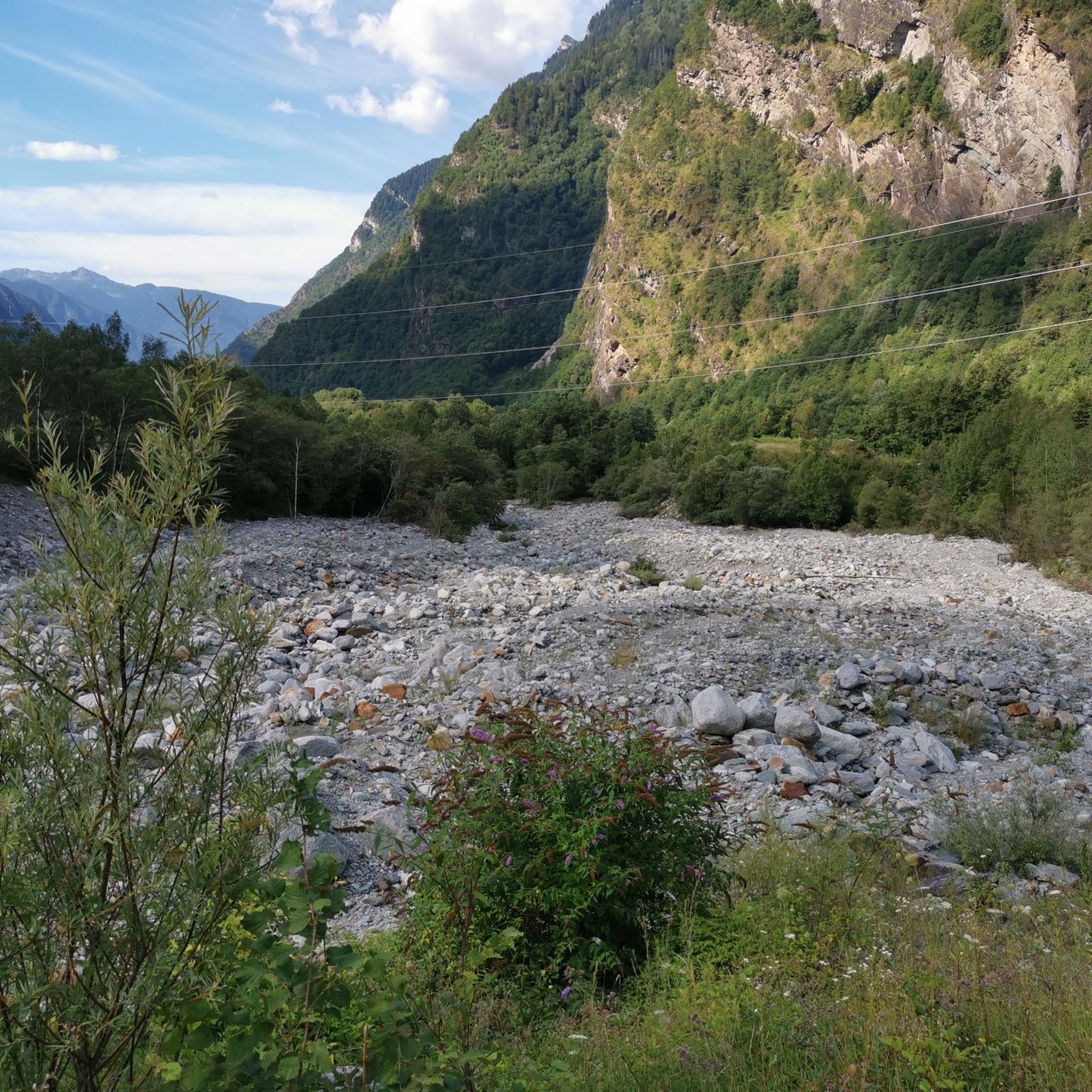
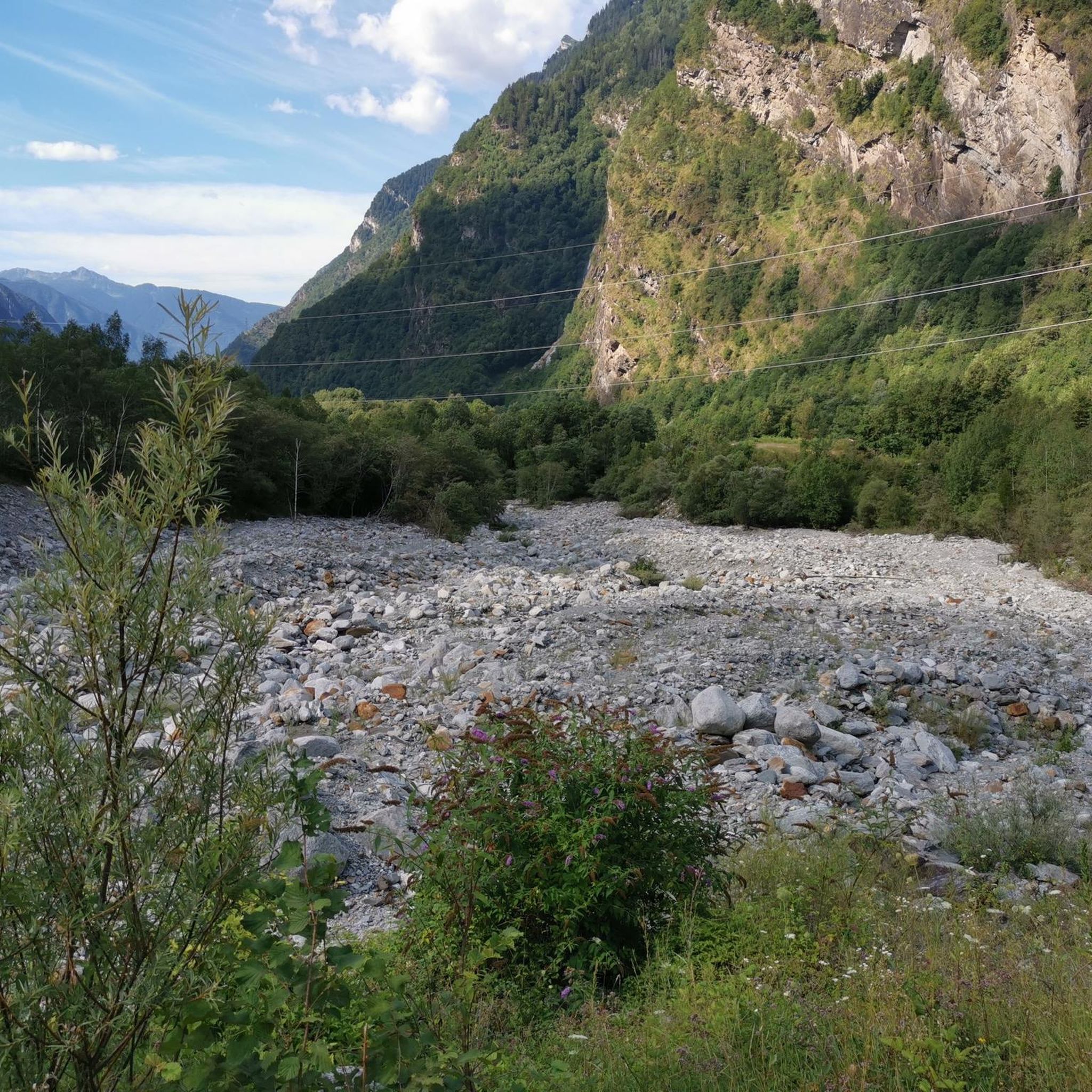
Soazza is nestled within the Italian-speaking Valle Mesolcina, characterized by steep, densely forested, craggy mountain slopes. The village itself is situated on a terraced slope, offering a stunning natural backdrop. The Moesa River flows through the valley, contributing to the picturesque scenery. The region is ideal for experiencing the tranquility of nature.
Where can I find cultural centers or unique local experiences in Soazza?
Soazza offers a few unique cultural spots. The Centro Culturale Soazza, housed in the renovated old station building, serves as the municipal library and cultural archive. For a glimpse into local history, visit La Vita de una Volta... il Sogno di Michi, a micro-museum in a renovated stable that showcases 'The life of once upon a time... Michi's Dream'.
Are there any easy hiking trails suitable for beginners near Soazza?
Yes, there are moderate hiking options available. For example, the 'Walk from Mesocco to Soazza, between churches and castles' is a moderate trail that allows you to explore the local area without extreme difficulty. You can find more details and other suitable routes in the Hiking around Soazza guide.
What is the best way to experience the Mesolcina Valley by bike?
The Secondary road through the Mesolcina Valley to the San Bernardino Pass is an excellent way to experience the valley by bike, offering a scenic route away from heavy traffic. This route allows for a better immersion in nature. For more cycling adventures, refer to the Cycling around Soazza guide.
Are there any hidden gems or less-known spots worth visiting in Soazza?
Beyond the main landmarks, Soazza itself is a charming 'hidden gem'. Its well-preserved core features pretty laneways that blend urban elegance with rustic, rural mountain character. The Parish Church of San Martino, perched on a hill, offers not only valuable art but also wonderful views and a tranquil atmosphere, often considered the biggest attraction within the village.
What is the significance of the Parish Church of San Martino in Soazza?
The Parish Church of San Martino is considered the biggest attraction in Soazza. Perched on a hill, it offers wonderful views and houses valuable works of art, including a 'Vedani' organ. At the foot of its impressive staircase, you'll find the Chapel of Madonna Addolorata, completing a harmonious and historically rich scene.
Can I find information about the local architecture in Soazza?
Soazza showcases a blend of architectural styles. The village features stately 19th-century townhouses like the Palazzo à Marca, which stand alongside more rustic stone-clad cottages. The main street, Hauptgasse, highlights this urban elegance, while other areas retain a traditional feel, reflecting the region's historical development.
Most popular routes around Soazza
Most popular attractions around Soazza

Get inspired with the komoot mobile app


Explore more
Still not found the Highlight you’re looking for? See guides of the top attractions in other regions:
