Top 6 Natural Monuments around Vers-Pont-Du-Gard
Best natural monuments around Vers-Pont-Du-Gard are characterized by the Gardon River and its gorges, offering a landscape shaped by both natural features and historical human engineering. The region is notable for the Pont du Gard, an ancient Roman aqueduct bridge situated within a natural setting. This area provides opportunities for outdoor exploration alongside cultural immersion. The local geology, including quarries, also contributes to the natural and historical context.
Best natural monuments around Vers-Pont-Du-Gard
- The most popular natural monument is View…
Last updated: September 23, 2026
La Baume Saint-Vérédème Cave and Chapel
Highlight • Cave
Translated by Google •
Tip by

Salpêtrière Prehistoric Shelter
Highlight • Gorge
It is the eponymous …
Translated by Google •
Tip by

Sign up now to discover places like this
Get recommendations on the best single tracks, peaks, & plenty of other exciting outdoor places.
Source of the Eure
Highlight • River
Translated by Google •
Tip by

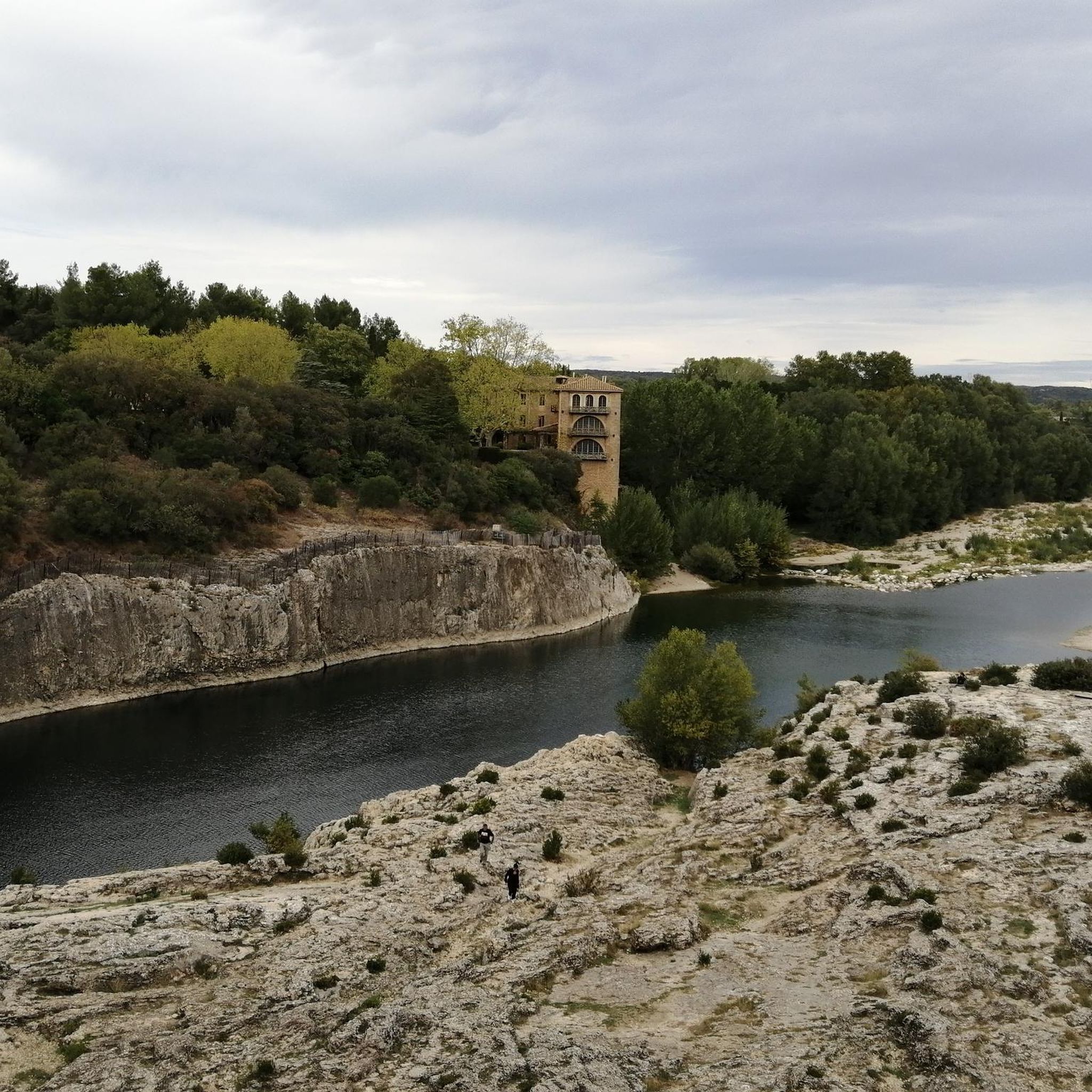
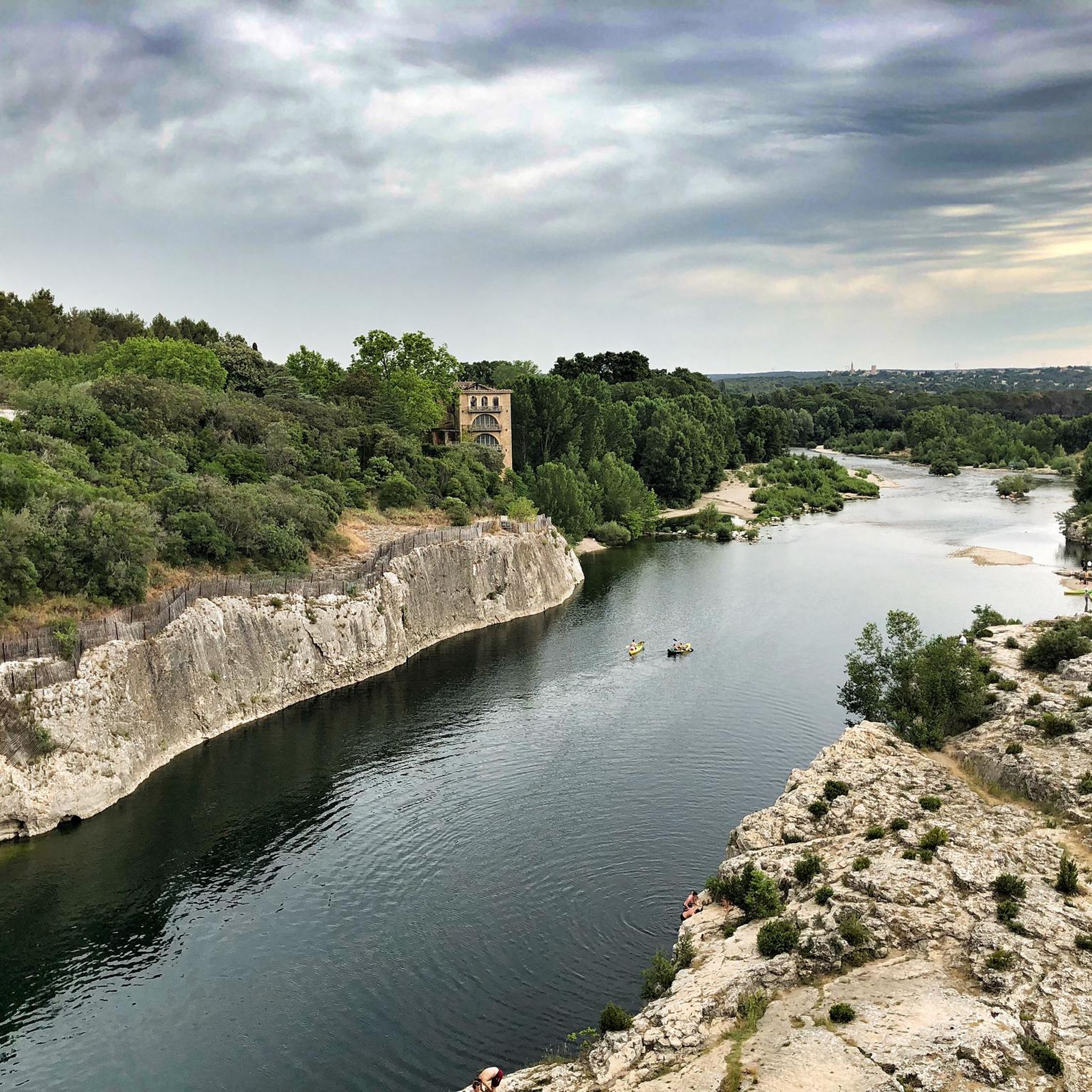
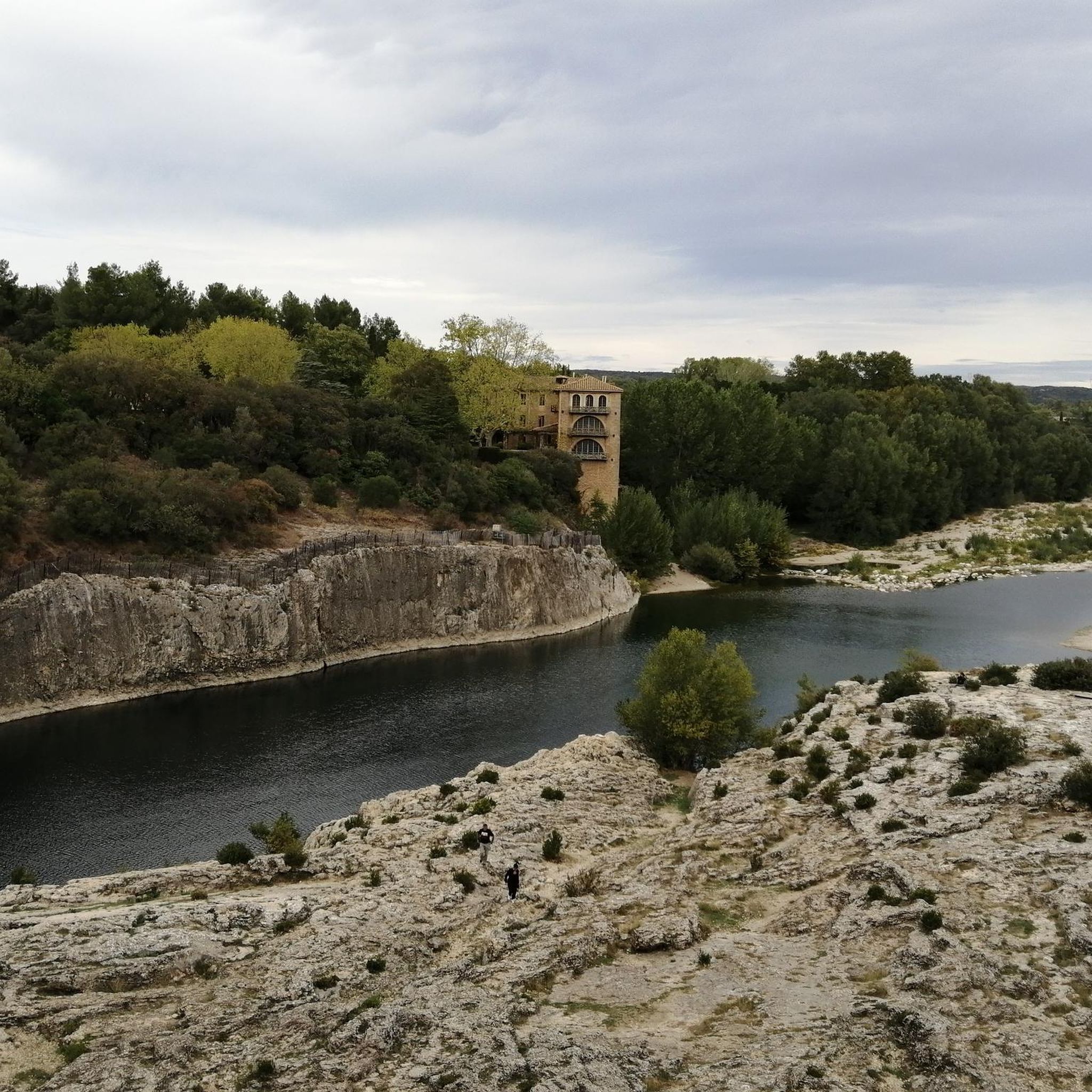
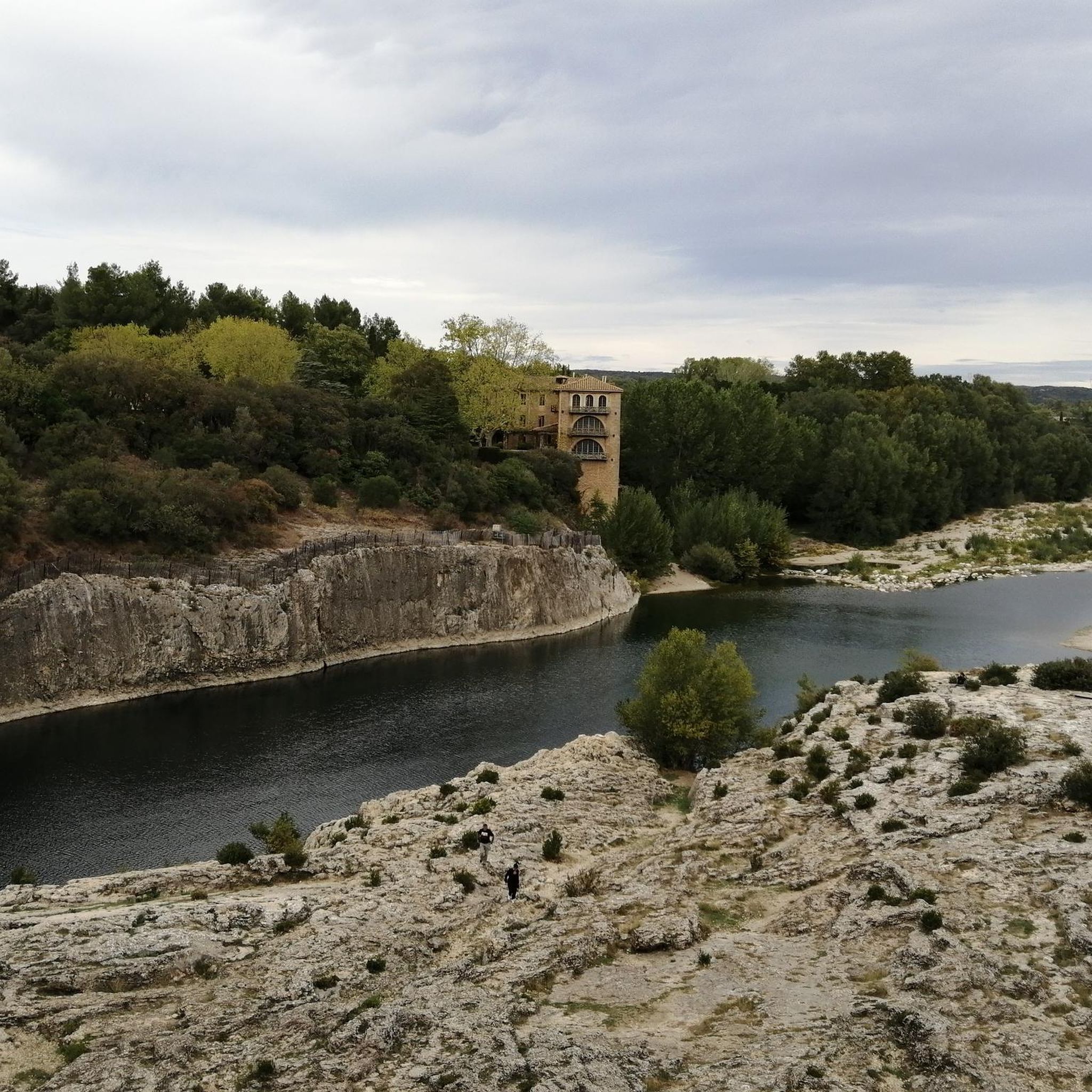
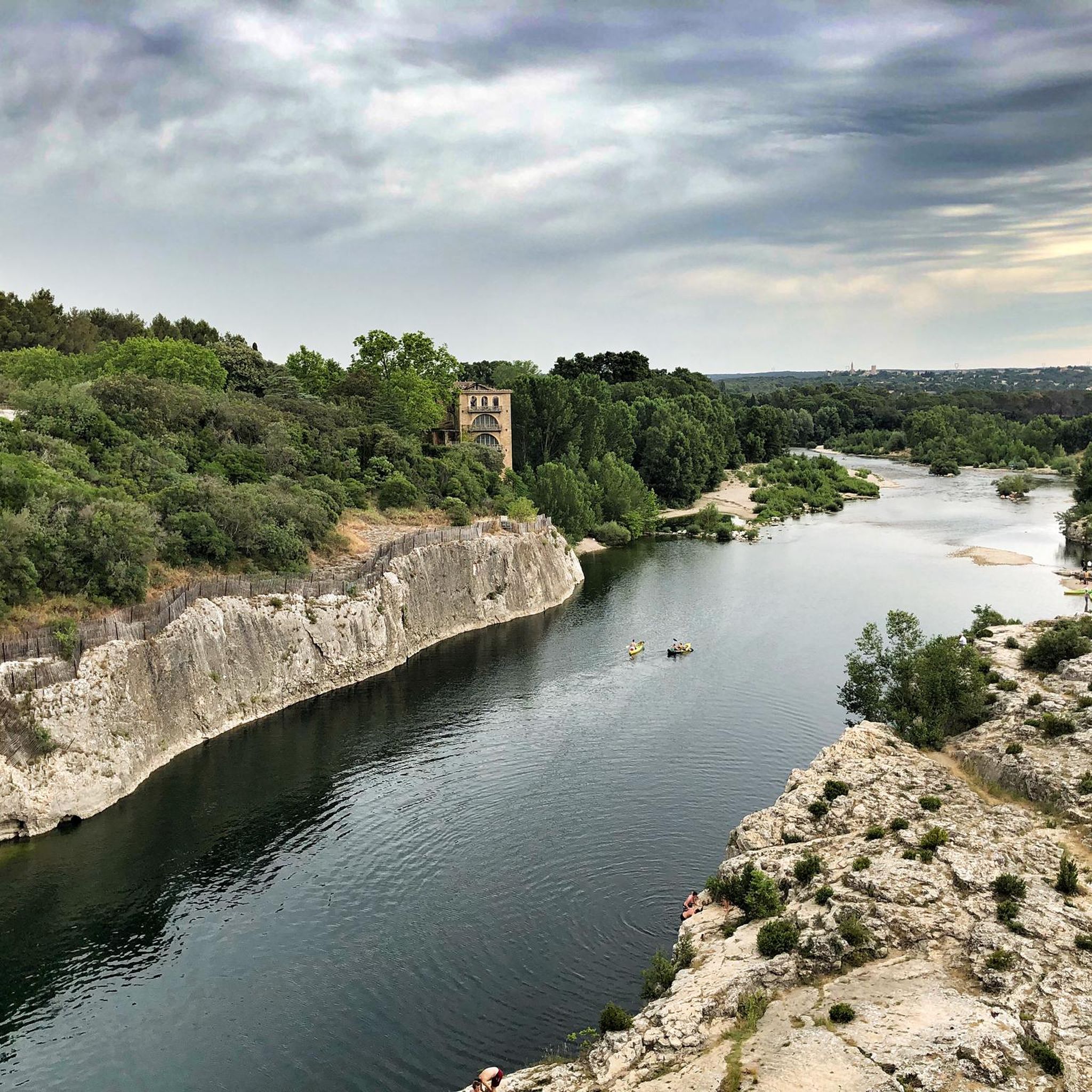
View of a bend in the Gardon River
Highlight • Viewpoint
Translated by Google •
Tip by

Gardon River
Highlight • River
Translated by Google •
Tip by

Start today with a free account
Your next adventure awaits.
Tips from the Community

Just a few minutes from the famous Pont du Gard lies the prehistoric rock shelter of Salpêtrière – a real insider tip for history and nature lovers. People lived here thousands of years ago, using the natural rock overhang as shelter. Archaeological finds attest to settlement from the Paleolithic to the Neolithic period. The path there is short and leads through a quiet, Mediterranean landscape. Those who visit the Pont du Gard can wonderfully combine the rock shelter with a hike and get an impression of how our ancestors lived in this historically rich place.
0
0

In the 1st century AD, the Romans harnessed the abundant water supply of the Alzon River, the source of the Eure River, located in a small valley at the foot of the city. It is here that the water begins its long journey (over 50 km) to Nîmes via an aqueduct, the most spectacular part of which remains the Pont du Gard, a UNESCO World Heritage Site, spanning the Gardon River. The Eure Valley is a must-see destination for walks for both the residents of Uzès and tourists.
0
0

Simply beautiful to look at and a great building that has stood for centuries
0
0

Gorges du Gardon Biosphere Reserve. The Gardon is a river in the French region of Occitanie. It flows beneath the Pont du Gard. The aqueduct is one of the best-preserved Roman structures in all of Europe. Magnificent, imposing, and truly ingenious.
0
0

A beautiful loop from Collias. However, the "lower" section will be much more interesting than the "plateau" (T3). There are still a few tricky sections to note in the lower section (T2).
0
0
Access is only available during certain periods of the year, due to the conservation of the small inhabitants that inhabit the area. The cave is open from August 16th to November 14th, and from March 16th to April 30th. Bring a good flashlight, as the crossing can take approximately 5 to 10 minutes. This cave is nothing more than the former underground passage of the Gardon River. Accessible to all, be careful, however, once you have crossed, you will be close to the cliff on the other side. The path beyond (T2/T3) can be daunting for some people. Don't hesitate to turn back if you have any hesitation.
1
0

The source that was channeled by the Romans via a long canal and the Pont du Gard to Nimes.
0
0

Due to the very steep climb, once the cave is passed, over rocks with places where even steel handrails had to be placed, this walk cannot be classified as “easy for every walker”.
5
1
Frequently Asked Questions
What are the most popular natural monuments around Vers-Pont-du-Gard?
Visitors frequently enjoy the View of a bend in the Gardon River, which offers a stunning bird's eye perspective of the river. Another highly regarded site is La Baume Saint-Vérédème Cave and Chapel, a historical cave occupied since the Paleolithic era. The Source of the Eure is also popular, marking the beginning of the ancient Roman aqueduct's journey to Nîmes.
Are there family-friendly natural monuments in the area?
Yes, the Source of the Eure is considered family-friendly, offering a pleasant area for walks. The Gardon River itself, flowing beneath the Pont du Gard, also provides opportunities for family activities like picnicking and enjoying the natural setting.
What historical insights can I gain from visiting these natural monuments?
The region is rich in history. The La Baume Saint-Vérédème Cave and Chapel has been a site of human occupation since the Paleolithic era and later a place of pilgrimage. The Salpêtrière Prehistoric Shelter is an important Stone Age camp site. Furthermore, the Pierre de Vers Nature Trail guides visitors through ancient quarries, including the Estel quarry, which supplied stone for the construction of the Pont du Gard, offering insight into Roman engineering and local geology.
What kind of geological features can be explored?
The area is characterized by the dramatic gorges of the Gardon River, carved into the landscape. You can also explore the historical quarries along the Pierre de Vers Nature Trail, which reveal the local geology and the importance of stone extraction in the region's history. The caves, such as La Baume Saint-Vérédème Cave and Chapel and Salpêtrière Prehistoric Shelter, are also significant geological formations.
What outdoor activities can I do near the natural monuments?
The natural setting around Vers-Pont-du-Gard is ideal for various outdoor activities. You can enjoy hiking along trails that lead to viewpoints like the View of a bend in the Gardon River. Canoeing or kayaking on the Gardon River is also popular. For cycling enthusiasts, there are numerous routes, including gravel biking, mountain biking, and road cycling options. You can find more details on these activities in the Gravel biking around Vers-Pont-Du-Gard, MTB Trails around Vers-Pont-Du-Gard, and Road Cycling Routes around Vers-Pont-Du-Gard guides.
Are there challenging hikes or viewpoints with steep ascents?
Yes, for those seeking a challenge, the ascent to the View of a bend in the Gardon River can be quite steep, involving stairs and iron handrails in some sections. Similarly, reaching La Baume Saint-Vérédème Cave and Chapel involves a very steep climb over rocks, with steel handrails in place for assistance.
What is the best time to visit the natural monuments around Vers-Pont-du-Gard?
The region offers beauty throughout the year, but spring and autumn generally provide the most pleasant weather for outdoor activities like hiking and exploring. The Pont du Gard greenway, for example, offers breathtaking landscapes that are enjoyable in milder temperatures. Summer can be hot, making water activities on the Gardon River particularly appealing.
Can I find any hidden natural gems or less-known spots?
While the Pont du Gard is a major attraction, exploring the Pierre de Vers Nature Trail offers a deeper dive into the local geology and historical quarrying techniques, which might be less frequented by general tourists. The scrubland surrounding the village also features many dry-stone cabins, which, while man-made, blend into the natural landscape and offer a glimpse into historical agricultural practices.
What is the significance of the Gardon River in this region?
The Gardon River is central to the natural landscape of Vers-Pont-du-Gard, flowing through dramatic gorges and beneath the iconic Pont du Gard. It is part of the Gorges du Gardon Biosphere Reserve and offers opportunities for water-based activities. Its presence was also crucial for the Roman aqueduct, which spanned its waters to transport water to Nîmes.
Are there any natural monuments that are particularly good for photography?
The View of a bend in the Gardon River offers spectacular panoramic views, perfect for landscape photography. The Pont du Gard itself, especially when viewed from the surrounding natural setting or from the river, provides stunning photographic opportunities, capturing both natural beauty and ancient architecture. The unique rock formations and historical elements of La Baume Saint-Vérédème Cave and Chapel also make for interesting subjects.
What do visitors enjoy most about the natural monuments in Vers-Pont-du-Gard?
Visitors particularly appreciate the blend of natural beauty and historical significance. The sheer scale and ingenuity of Roman engineering at the Pont du Gard, set within the unspoiled natural environment of the Gardon River gorges, is a major draw. The opportunity for outdoor activities like walking, cycling, and canoeing, combined with the rich history of sites like the ancient caves and quarries, creates a unique and memorable experience.
Most popular routes around Vers-Pont-Du-Gard
Most popular attractions around Vers-Pont-Du-Gard

Get inspired with the komoot mobile app


Explore more
Extend your search for the best caves by checking out these guides of the top ones around Vers-Pont-Du-Gard:
