Top 14 Castles around Seewis im Prättigau
Best castles around Seewis im Prättigau are found in the picturesque municipality in the Canton of Graubünden, Switzerland. This region is characterized by its mountainous landscape and historical significance. The area features various historical structures, including castle ruins that offer insights into medieval architecture and strategic locations. Exploring these sites provides a combination of historical interest and scenic walks.
Best castles around Seewis im Prättigau
- The most popular castles is Freudenberg Castle Ruins, a castle that features remains from…
Last updated: May 3, 2026
Gutenberg Castle
Highlight • Castle
Long before Gutenberg Castle was built, the rock head was used by the people who lived here. The oldest archaeological finds date back to the Neolithic period (5th …
Translated by Google •
Tip by

Freudenberg Castle Ruins
Highlight • Castle
Translated by Google •
Tip by

Sign up now to discover places like this
Get recommendations on the best single tracks, peaks, & plenty of other exciting outdoor places.
Sign up for free
Salenegg Castle
Highlight • Castle
Salenegg Castle near Maienfeld has begun its journey through history under a different name. It was called Prestenegg at the time. The construction of Prestenegg was commissioned …
Translated by Google •
Tip by
Valcastiel Castle Ruins
Highlight • Castle
Not much is known about …
Translated by Google •
Tip by

Neuenburg Castle Ruins
Highlight • Castle
Translated by Google •
Tip by

Sign up for free to discover even more castles around Seewis im Prättigau.
Sign up for free
Already have an account?
Start today with a free account
Your next adventure awaits.
Login or Signup
Popular around Seewis im Prättigau
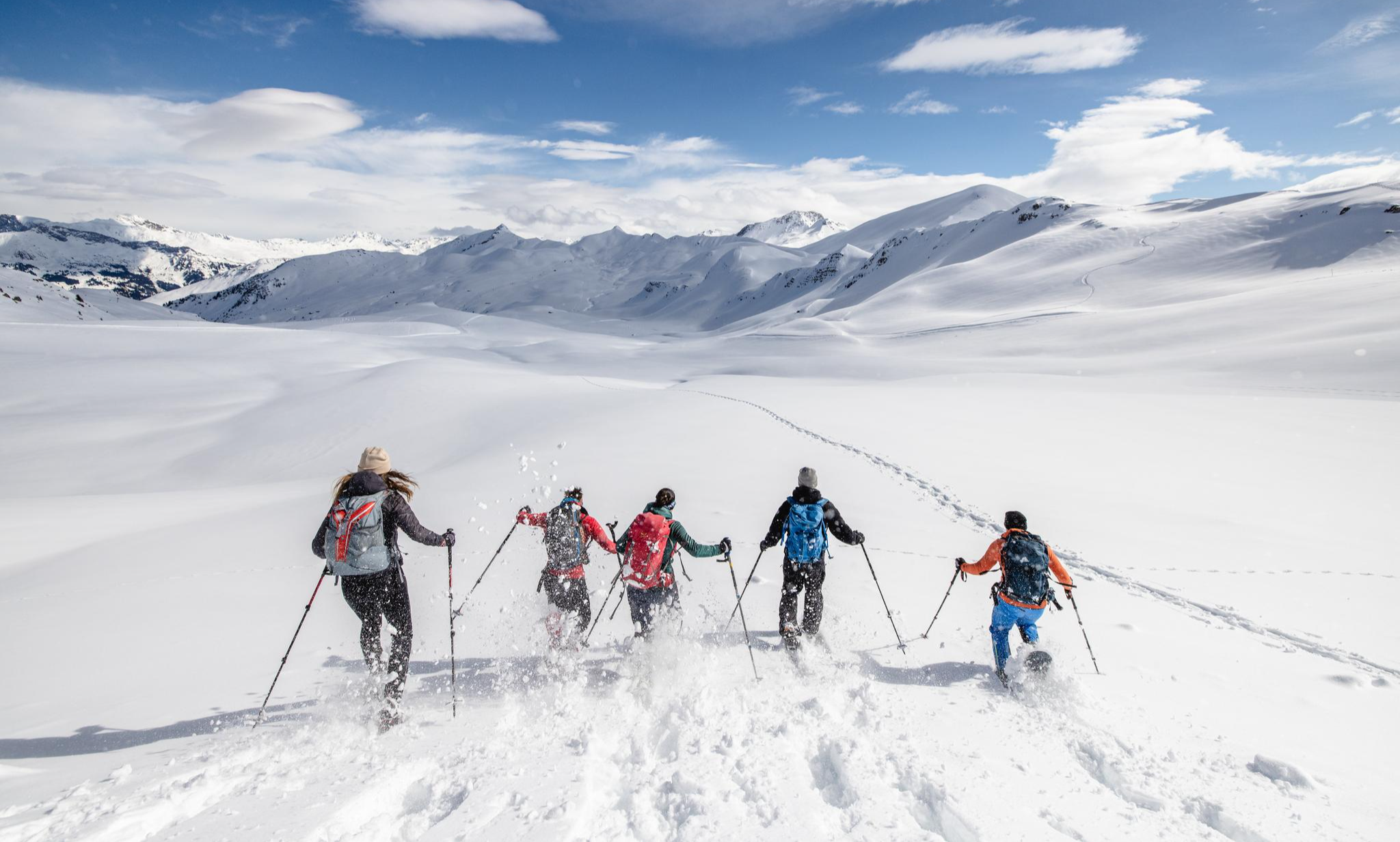
Snowy fun and hut cuisine – Winter Adventures in the Prättigau
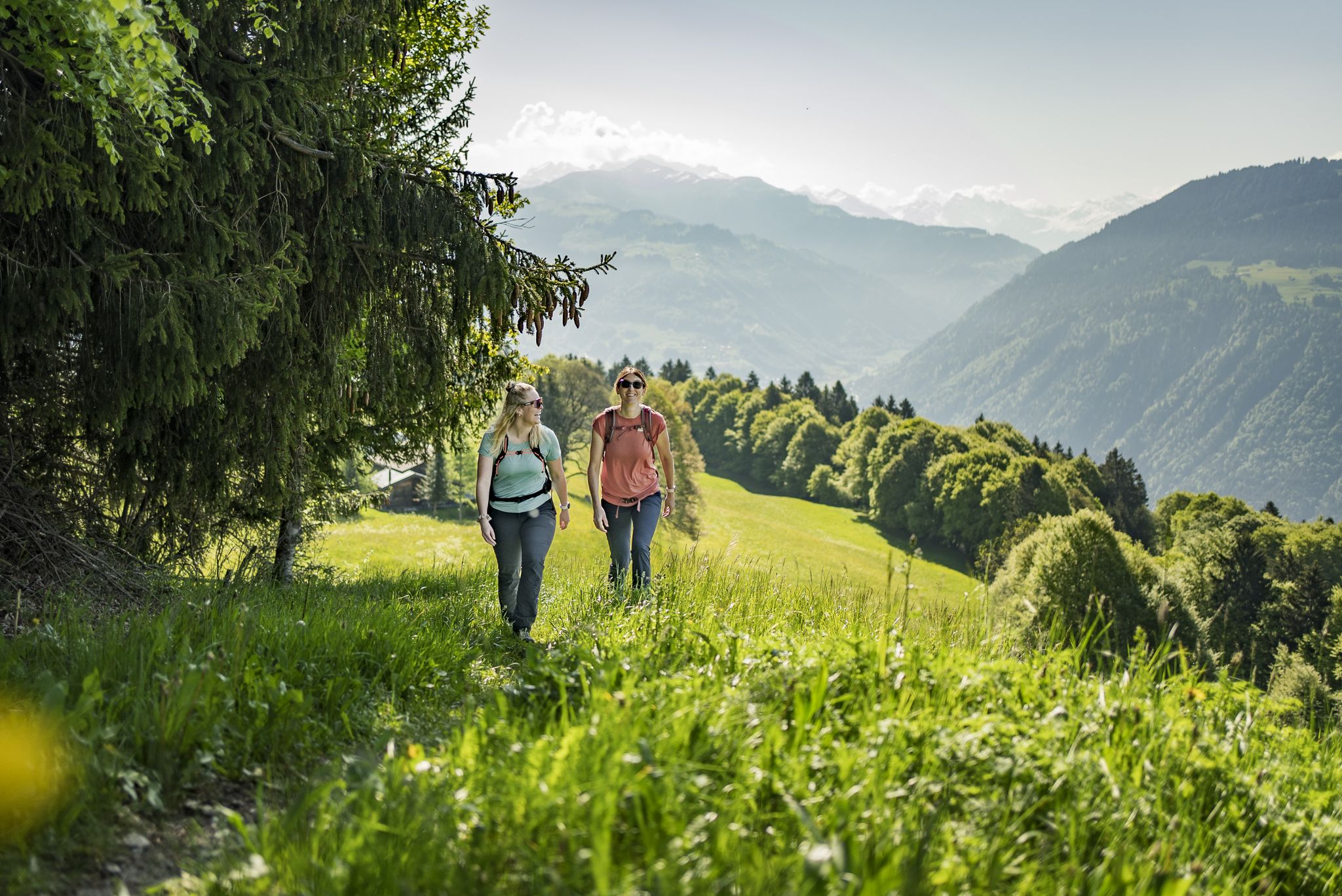
Step into the hiking season – spring routes in Graubünden
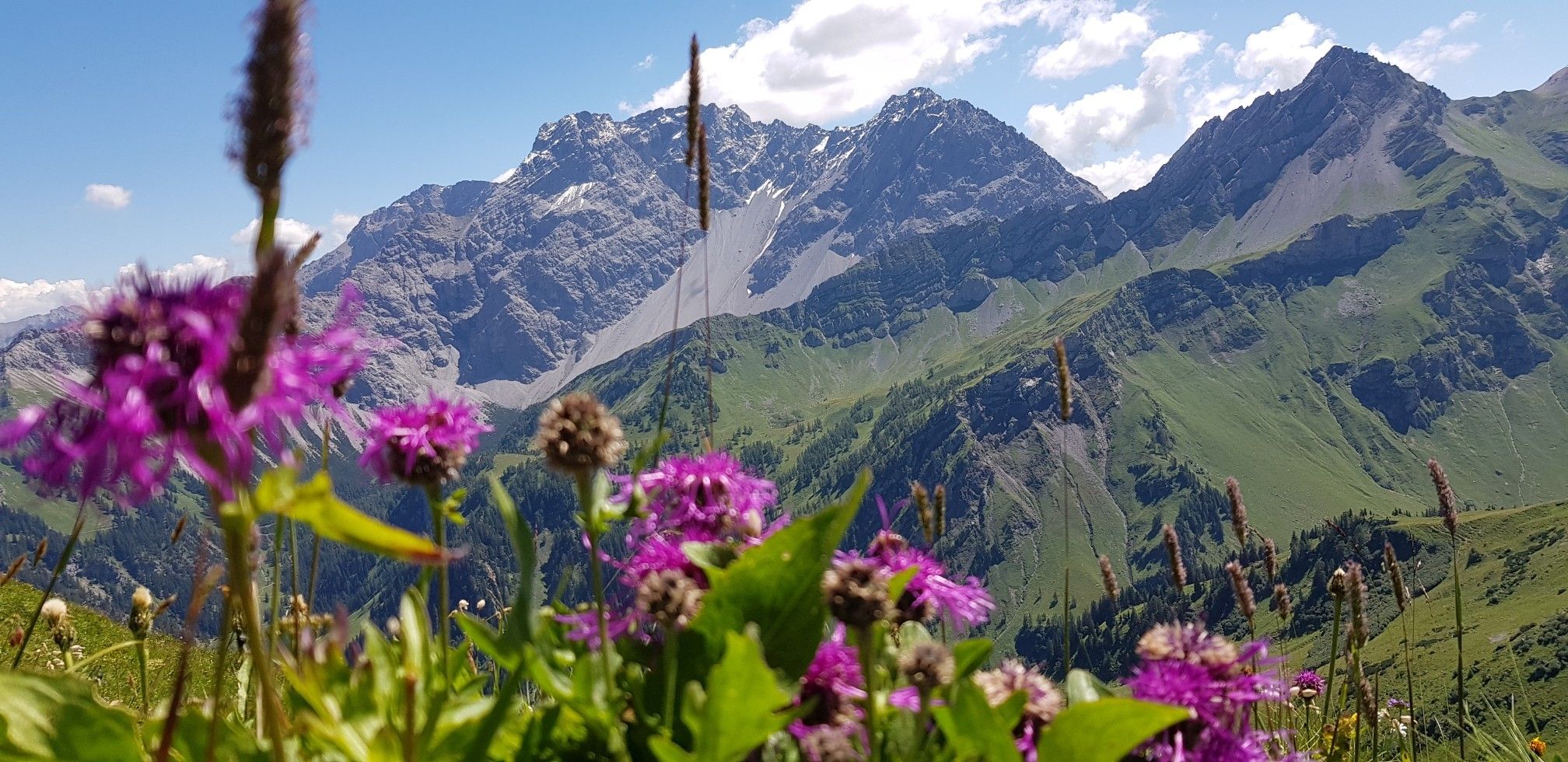
Trans-Rätikon – an adventure in the Tri-Border Region
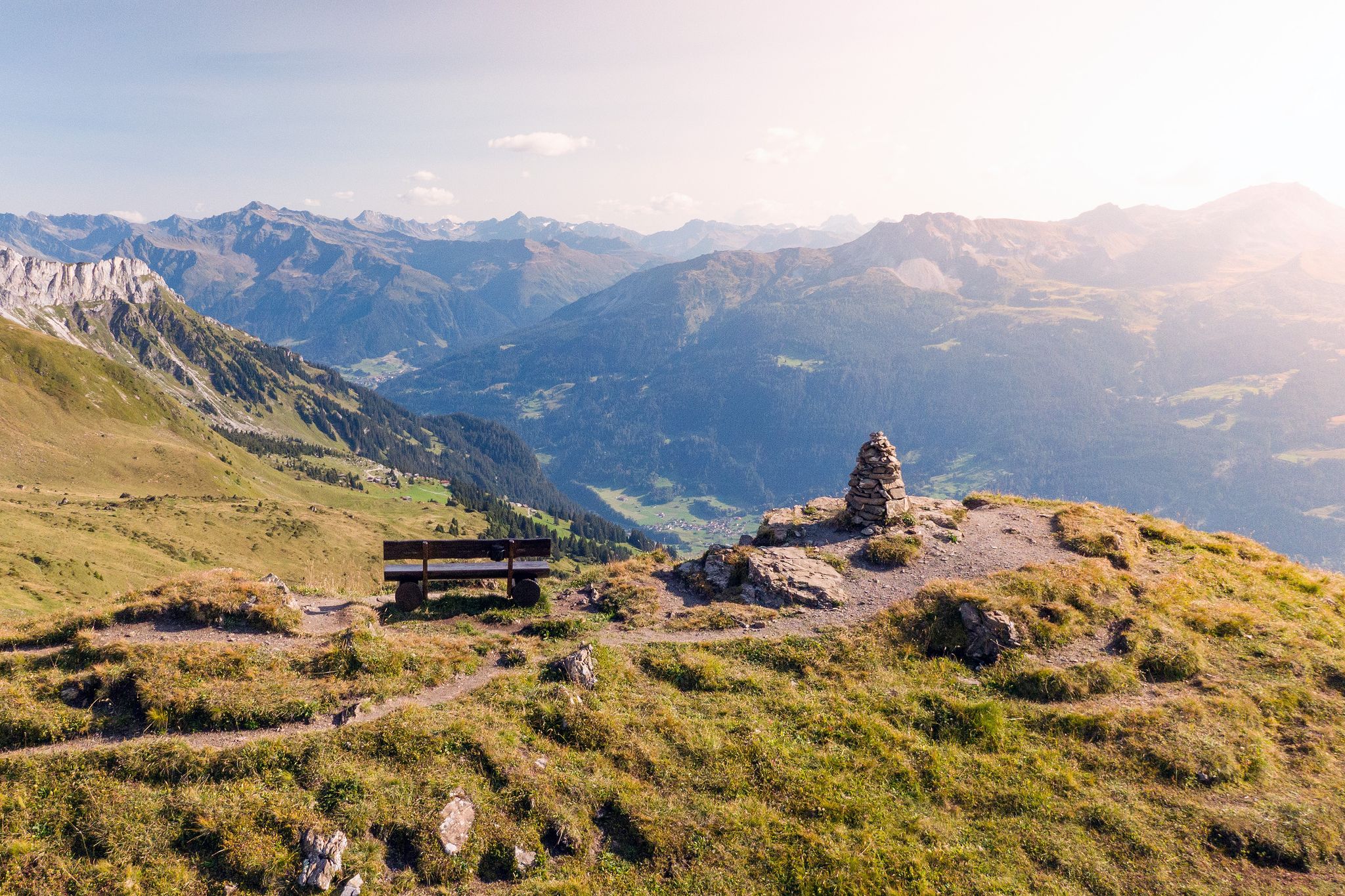
Prättigau High Trail – discover the sunny side of the Rätikon
Long-distance hiking in the Grisons — 3 routes in Switzerland
Mountain Hikes around Seewis im Prättigau
Hiking around Seewis im Prättigau
MTB Trails around Seewis im Prättigau
Cycling around Seewis im Prättigau
Road Cycling Routes around Seewis im Prättigau
Other adventures around Seewis im Prättigau


Tips from the Community

You can ride your bike all the way up and into it on a good gravel road.
1
0

A beautiful castle. Like something out of a picture book.
0
0

a winery and restaurant where you can stop for a drink
0
0


Situated on the foothills of the Calanda massif, this ruined castle offers a beautiful view of the Rhine Valley, in addition to being an interesting outing objective in itself. Reaching it requires a certain but accessible effort.
0
0

Here you can admire the remains of Freudenberg Castle from the 13th century. Today this is a wonderful place for a long break. You can enjoy fantastic panoramic views of the Sarganserland and into the Graubünden region. The Quelle Rock OpenAir takes place here once a year.
2
0

Gutenberg Castle Long before Gutenberg Castle was built, the rock head was used by the people who lived here. The oldest archaeological finds date back to the Neolithic period (5th millennium BC). Nine found bronze statuettes from the younger Iron Age (5th-1st century BC), the so-called Gutenberg votive statuettes, indicate a pre-Christian sanctuary on Gutenberg. A cemetery was laid out from the 7th century. The chapel of St. Donatus, demolished in the 18th century, was probably built at the same time. The medieval castle itself was probably built around 1200. From the end of the 13th century it was owned by the Barons of Frauenberg from Graubünden. From 1314 to 1824 it was owned by the House of Habsburg. During this time, the fortress was besieged several times, e.g. in the Swabian War (1499) or during the Thirty Years' War (1618-1648), but was always able to hold out. After 1750 the fortress was no longer inhabited, was left to decay and became a ruin. In 1905, the Vaduz architect and sculptor Egon Rheinberger (1870-1936) acquired the badly damaged complex and expanded it by 1910 in the spirit of castle romance to give it its current appearance. Together with his wife Maria he ran an inn on Gutenberg from 1920 until his death in 1936. During this time, numerous concerts and events took place, making the castle a cultural stronghold in the region. After several changes of ownership - engineer Otto Haas with his family and then the filmmaker couple Hermine Kindle de Contreras Torres and Miguel Contreras Torres - the castle complex came into the possession of the state of Liechtenstein through purchase in 1979. Text: Municipality of Balzers https://www.balzers.li/de/balzers-erleben/kultur-und-geschichte/burg-gutenberg/tblid/343
17
0

Don't expect too much from the ruins. It is more of a remaining tower or today a small viewing platform.
1
0
Frequently Asked Questions
Which castles around Seewis im Prättigau are particularly popular with visitors?
Visitors frequently enjoy the Freudenberg Castle Ruins, known for its 13th-century remains and panoramic views. Another favorite is the Neuenburg Castle Ruins, offering impressive views of the Rhine Valley from its hilltop location.
Are there any family-friendly castle walks in the region?
Yes, the trail to Freudenberg Castle Ruins is considered family-friendly. It offers a rewarding experience with historical exploration and scenic views that can be enjoyed by all ages.
What kind of historical significance do the castles in Seewis im Prättigau hold?
The castles in the region, such as Solavers Castle, have deep historical roots. Solavers, for instance, dates back to the 11th century, initially serving as a fortified church before becoming a feudal castle. These sites reflect centuries of regional power struggles and architectural evolution, from Romanesque to Gothic influences.
Can I combine a castle visit with other outdoor activities?
Absolutely. Many castles, like Solavers Castle, are situated along hiking trails, offering a blend of historical exploration and scenic walks. You can also find various cycling and mountain biking routes in the broader region. For more ideas, explore the cycling routes around Seewis im Prättigau or mountain hikes.
Which castle offers the best panoramic views?
The Freudenberg Castle Ruins provide fantastic panoramic views of the Sarganserland and into the Graubünden region. Similarly, the Neuenburg Castle Ruins offer beautiful vistas of the Rhine Valley.
Is there a castle with a unique feature or history?
Yes, Salenegg Castle stands out as the home of the oldest winery in Europe, with a history dating back to around 950 AD. It has been continuously owned by the Gugelberg von Moos family since 1654 and is a cradle of wine culture in Graubünden.
Are there any challenging castle hikes for experienced trekkers?
For those seeking a more challenging experience, the Valcastiel Castle Ruins near Vandans offer a demanding hike. The trail involves navigating a sharp rock ridge, with the final section requiring steep wooden steps and paths secured with steel cables.
What is the best time of year to visit the castles in Seewis im Prättigau?
While specific opening times vary, the spring, summer, and autumn months generally offer the most pleasant weather for exploring the outdoor castle ruins and hiking trails. Winter visits are possible, but trails may be snow-covered, requiring appropriate gear and caution.
Can I reach any of the castle ruins by public transport?
Many castle ruins, including Solavers Castle, are accessible via hiking trails that can be reached from nearby villages. Public transport options to these villages, such as Seewis or Grüsch, are available, from where you can commence your hike to the castle sites.
What are some of the oldest historical sites among the castles?
Gutenberg Castle has archaeological finds dating back to the Neolithic period (5th millennium BC), indicating pre-Christian use of the site. The medieval castle itself was built around 1200. Solavers Castle also boasts ancient origins from the 11th century.
Are there any amenities like cafes or restaurants near the castles?
While most castle ruins are in natural settings, some, like Salenegg Castle, feature a restaurant and winery on-site. For other ruins, you'll typically find cafes and restaurants in the nearby villages such as Seewis im Prättigau or Grüsch, which serve as starting points for your explorations.
What do visitors say about the castle experiences?
Visitors often highlight the stunning panoramic views, the historical atmosphere, and the opportunity to combine cultural exploration with outdoor activities. Many appreciate the well-preserved remnants and the peaceful, natural surroundings of these ancient sites.
Most popular routes around Seewis im Prättigau
Most popular attractions around Seewis im Prättigau

Get inspired with the komoot mobile app


Explore more
Looking for the best castles somewhere else? Discover other guides around Seewis im Prättigau:
