Top 9 Natural Monuments around Quiberon
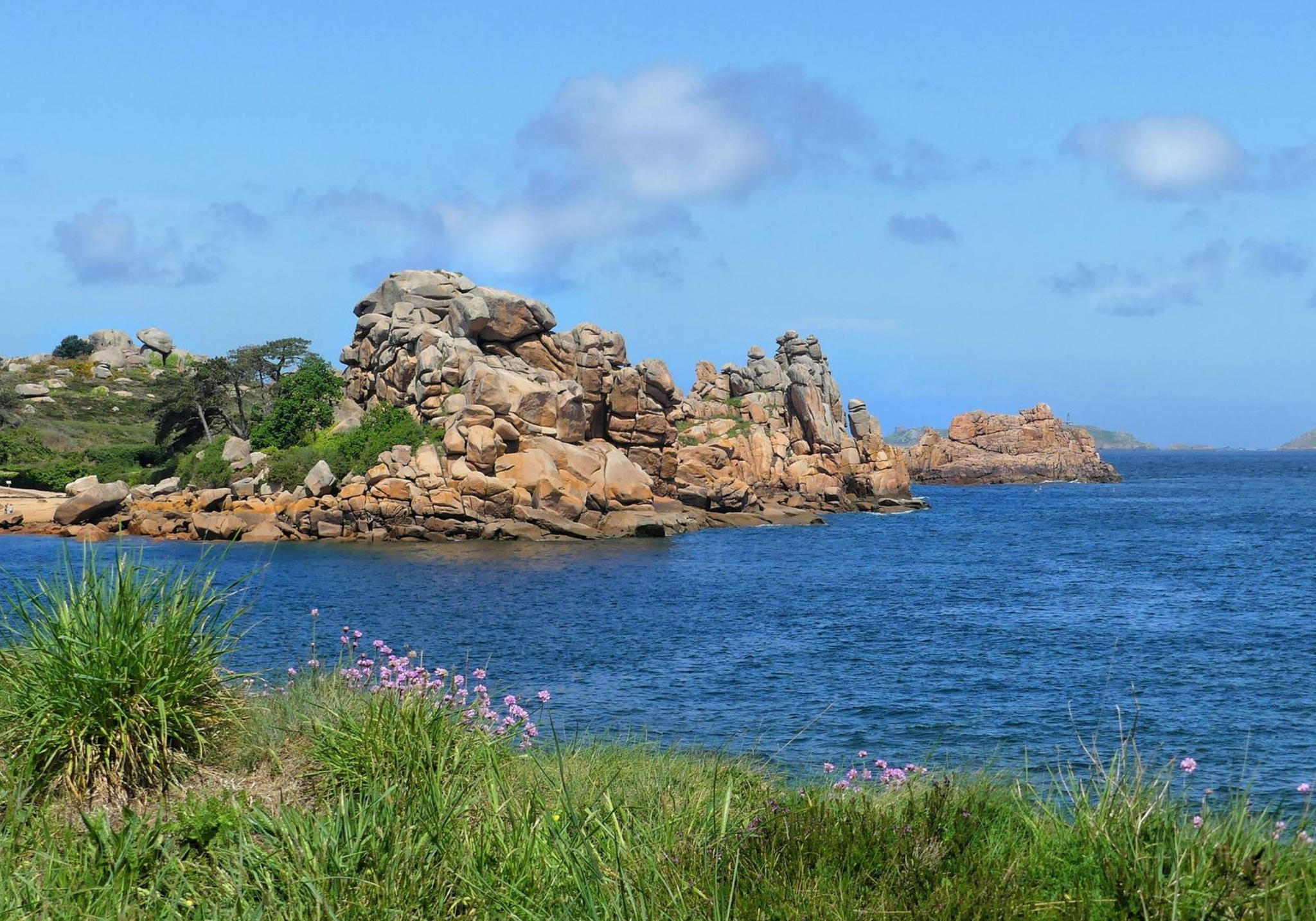
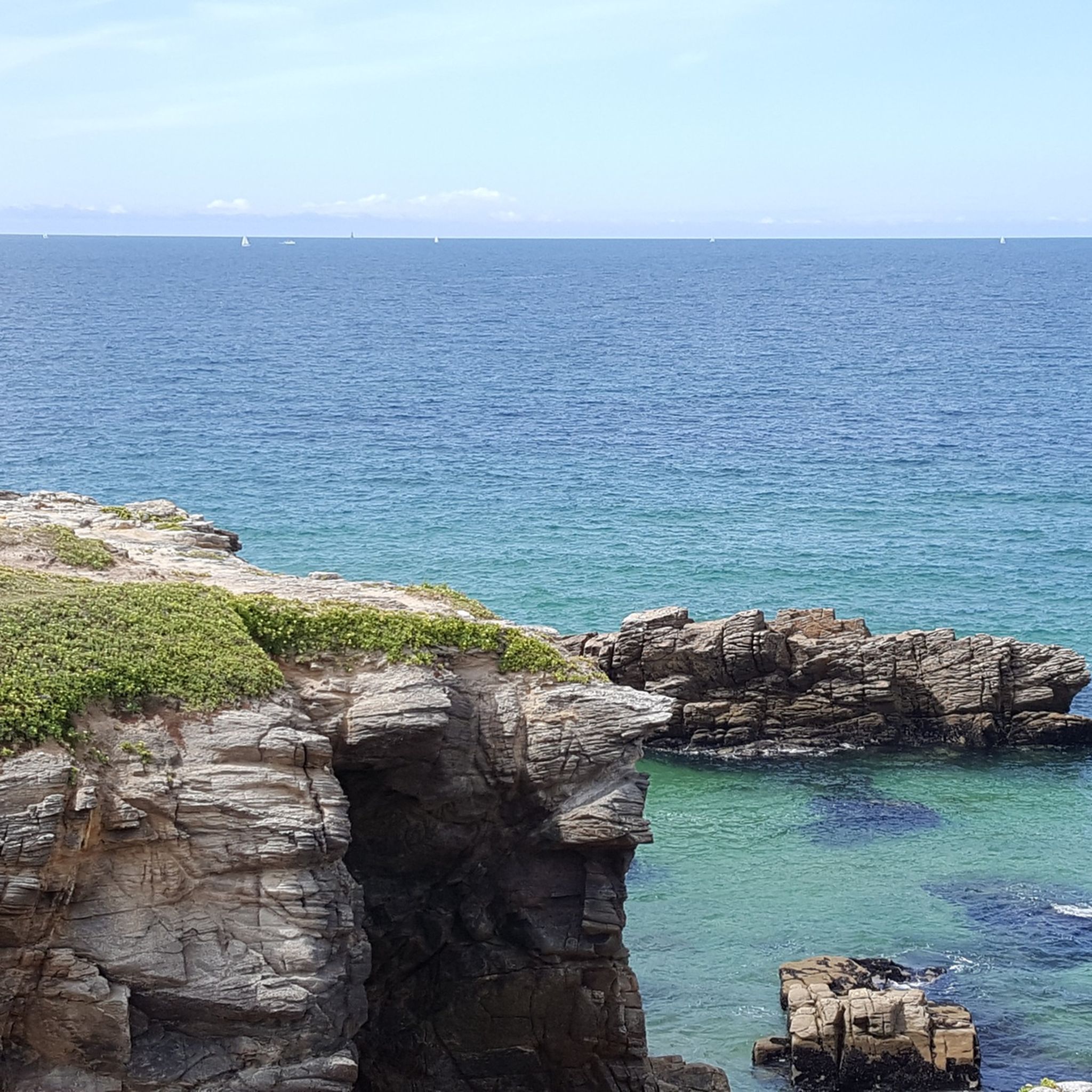
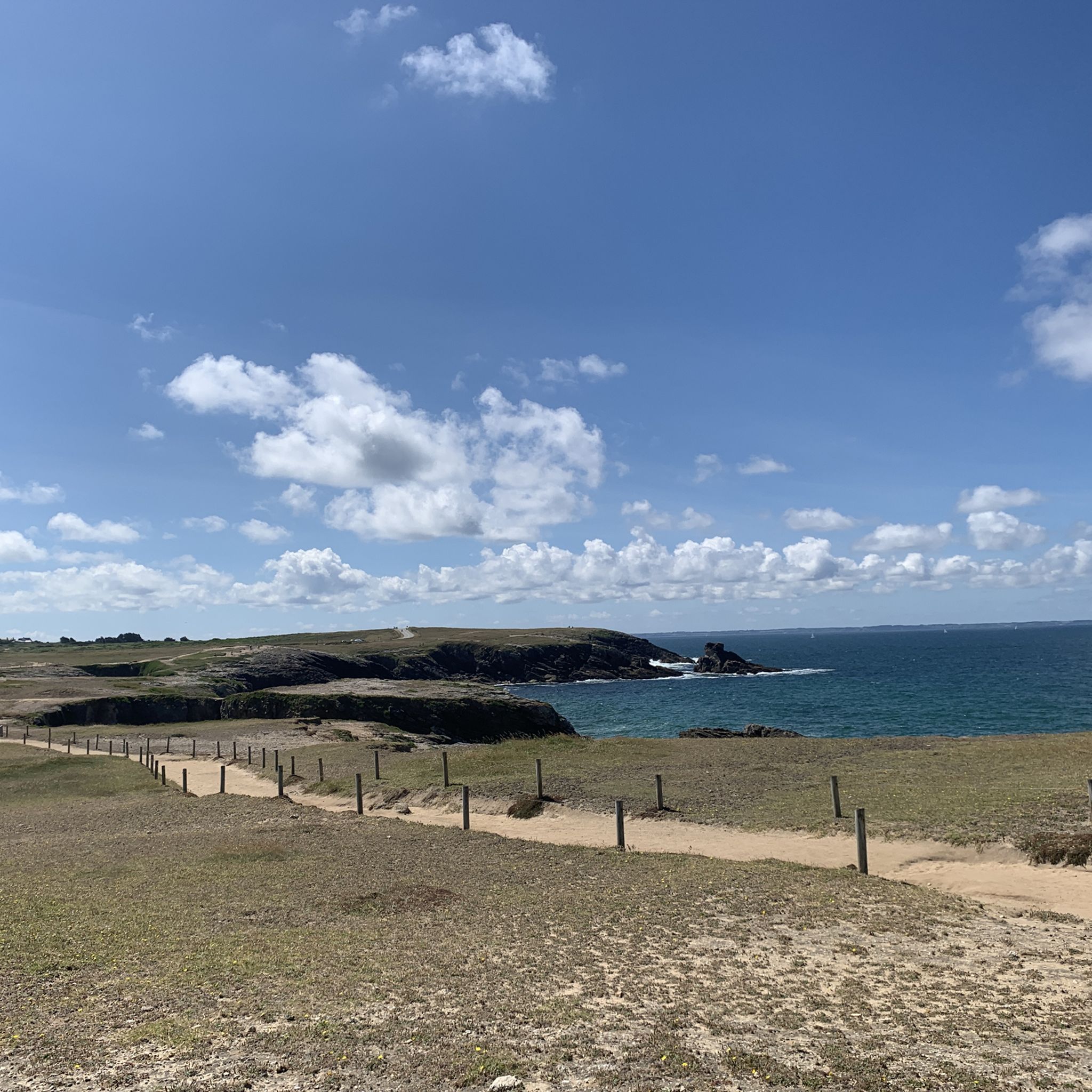
Natural monuments around Quiberon showcase the dramatic coastal landscapes of this peninsula in Brittany, France. The region is characterized by rugged cliffs, powerful waves, and diverse dune systems. These natural features offer opportunities to explore the unique interplay of land and sea. Quiberon's natural sites provide a varied experience for those interested in geological formations and coastal environments.
Best natural monuments around Quiberon
- The most popular natural monuments is Isthmus of Penthièvre, a unique natural feature that connects the…
Last updated: July 17, 2026
Isthmus of Penthièvre
Highlight • Natural
On these few meters a road, a railway line and the cycle …
Translated by Google •
Tip by

Port Blanc Arch
Highlight • Natural Monument
Translated by Google •
Tip by

Sign up now to discover places like this
Get recommendations on the best single tracks, peaks, & plenty of other exciting outdoor places.
Sign up for free
Kerbourgnec Stone Alignments
Highlight • Historical Site
Translated by Google •
Tip by
Dolmen de Roc-en-Aud
Highlight • Historical Site
Translated by Google •
Tip by

Port Bara
Highlight • Beach
Translated by Google •
Tip by
Sign up for free to discover even more natural monuments around Quiberon.
Sign up for free
Already have an account?
Start today with a free account
Your next adventure awaits.
Login or Signup

Other adventures around Quiberon

Tips from the Community

When the wind blows from the east, kitesurfers flock here. Beautiful views of Carnac.
0
0

The Quiberon Peninsula loop from Erdeven (50 km) is a must-do. More than 40 km of cycle path. Magnificent scenery.
0
0


The Roc-en-Aud dolmen is located in the town of Saint-Pierre-Quiberon. This tomb was erected in the Neolithic period. This dolmen has been restored twice.
1
0

It is a strip of land, about twenty meters wide, which connects the Quiberon peninsula to the continent. On these few meters a road, a railway line and the cycle path coexist. You can also enjoy the beaches that border the isthmus.
2
0

And again the Hinkelstein greets you
0
0
Brilliant isthmus with railway beach and more riders on the beach on the right and left ;)
1
1
Seen almost drove past it at the last moment
0
0
Frequently Asked Questions
What are some unique natural features to explore in Quiberon?
Quiberon offers a diverse range of natural features. You can explore the dramatic coastal landscapes of the Port Blanc Arch, a striking natural rock formation carved by the sea. The Isthmus of Penthièvre is another unique feature, a narrow strip of land where a road, railway, and cycle path coexist, bordered by beaches on both sides. The peninsula also features rugged cliffs, powerful waves, and extensive dune systems, particularly along the Côte Sauvage.
Are there any historical natural monuments in the Quiberon area?
Yes, Quiberon is home to several historical sites that are also considered natural monuments. The Kerbourgnec Stone Alignments feature megalithic complexes, including a stone circle and rows of stones, some visible at low tide. Additionally, the Dolmen de Roc-en-Aud is a Neolithic tomb that has been restored, showcasing ancient human history within the natural landscape.
What kind of coastal landscapes can I expect to see along the Côte Sauvage?
The Côte Sauvage, or Wild Coast, is Quiberon's most iconic natural feature, stretching for 8 kilometers. It is characterized by dramatic, jagged cliffs, powerful crashing waves, and secluded coves. This area is part of the larger 'Grand Site de France' of the wild dunes from Gâvres to Quiberon, which includes unique shifting, grey, and raised dune systems. You'll find numerous stopping points to take in the raw beauty of the Atlantic.
Are there family-friendly natural monuments around Quiberon?
Many of Quiberon's natural monuments are suitable for families. The Isthmus of Penthièvre offers easy access with its cycle path and beaches. The Kerbourgnec Stone Alignments and the Dolmen de Roc-en-Aud are also family-friendly historical sites set in natural surroundings, providing an educational and engaging experience.
Can I bring my dog to the natural monuments in Quiberon?
Yes, some natural monuments in Quiberon are dog-friendly. For instance, the Dolmen de Roc-en-Aud is noted as being dog-friendly. When visiting other natural areas, it's always advisable to keep dogs on a leash and respect local regulations, especially in protected zones or near wildlife.
What are the best viewpoints to experience the dramatic coastline?
For incredible panoramic views of the Atlantic and offshore islands like Belle-Île-en-Mer and Groix, visit Pointe du Percho. This 30-meter-high point offers a spectacular vantage for observing the powerful ocean. Another excellent spot is Pointe du Conguel, at the southernmost tip of the peninsula, providing extensive views across Quiberon Bay and a sense of being at the 'end of the world'.
What outdoor activities can I do near Quiberon's natural monuments?
The natural monuments around Quiberon are perfect starting points for various outdoor activities. You can enjoy extensive hiking along the coastal paths, particularly on the Côte Sauvage. Cycling is also popular, with dedicated paths like the one on the Isthmus of Penthièvre. For more detailed routes, you can explore options for hiking, touring bicycle, and gravel biking around Quiberon.
Are there specific hiking trails recommended to see the natural monuments?
Yes, the coastal paths are ideal for exploring the natural monuments. For example, the path along the Côte Sauvage provides an 'indescribable experience' of a rocky, rugged, and colorful coastline, leading to features like the Port Blanc Arch. You can find various routes, such as the 'Pointe du Conguel – loop on the Quiberon peninsula' or 'Côte Sauvage – Château de Turpault loop from Port Maria', in the hiking guide for Quiberon.
What is the best time of year to visit Quiberon's natural monuments?
Quiberon's natural monuments can be enjoyed year-round, but the best time often depends on your preferred activities. Spring and autumn offer pleasant temperatures for hiking and cycling, with fewer crowds. Summer is ideal for enjoying the beaches and coastal activities, though it can be busier. Even in winter, the dramatic coastal landscapes provide a powerful and memorable experience, especially along the Côte Sauvage.
Is there parking available near the natural monuments?
Yes, parking is generally available near many of Quiberon's natural monuments. For instance, Port Bara is noted for having parking in the immediate vicinity, making it easily accessible. Along the Côte Sauvage, there are numerous stopping points with parking to allow visitors to take in the scenery.
What makes the Isthmus of Penthièvre a unique natural monument?
The Isthmus of Penthièvre is unique in France due to its extremely narrow width, only about twenty meters at its narrowest point. This strip of land remarkably accommodates a road, a railway line, and a cycle path, all bordered by beaches on both sides. This distinctive landscape, with the sea visible on both sides simultaneously, creates a truly special experience.
Are there any natural areas in Quiberon known for wildlife or biodiversity?
Yes, Anse du Pô is particularly known for its rich biodiversity. This area attracts numerous birds and is a significant spot for oyster fishermen. Visitors can observe fishing boats during low tide and find local mussels. It is also part of a Natura 2000 protected area, highlighting its ecological importance.
What are the geological features that define Quiberon's natural sites?
Quiberon's natural sites are defined by a fascinating interplay of geological features shaped by the Atlantic. Key features include rugged cliffs, such as those along the Côte Sauvage, which are constantly eroded by powerful waves. Natural rock formations like the Port Blanc Arch are prime examples of this marine erosion. The peninsula also features unique dune systems, including shifting, grey, and raised dunes, which are part of the 'Grand Site de France' of the wild dunes from Gâvres to Quiberon.
Most popular routes around Quiberon
Most popular attractions around Quiberon

Get inspired with the komoot mobile app


Explore more
Extend your search for the best caves by checking out these guides of the top ones around Quiberon:
