Top 4 Natural Monuments around Le Mesnil-Benoist
Best natural monuments around Le Mesnil-Benoist are found within the Bocage virois and the Vire basin, offering notable natural attractions. The region is characterized by varied landscapes, including forests and hedged farmland. These areas provide ecological and scenic value for visitors. Le Mesnil-Benoist's natural heritage includes several protected areas and significant natural features.
Best natural monuments around Le Mesnil-Benoist
- The most popular natural monument is Lac du Gast, a lake that serves as a drinking water reserve covering 66…
Last updated: May 6, 2026
Lac du Gast
Highlight • Lake
Translated by Google •
Tip by

Ornithological Reserve
Highlight • Lake
Translated by Google •
Tip by
Sign up now to discover places like this
Get recommendations on the best single tracks, peaks, & plenty of other exciting outdoor places.
Sign up for free
Étang de Coulanges
Highlight • Lake
Vissière forest road, the Coulanges pond is only accessible on foot or by mountain …
Translated by Google •
Tip by
Granite Route
Highlight • Trail
Translated by Google •
Tip by
The Bœufs of the Croix Denise
Highlight • Natural Monument
Translated by Google •
Tip by
Start today with a free account
Your next adventure awaits.
Login or Signup



Tips from the Community

Binoculars are recommended
1
0

Great habitat for waterfowl. Binoculars are worth it!
2
0

we really liked this passage in osmosis with nature, trees, rock, really beautiful....👏😉👍
3
0

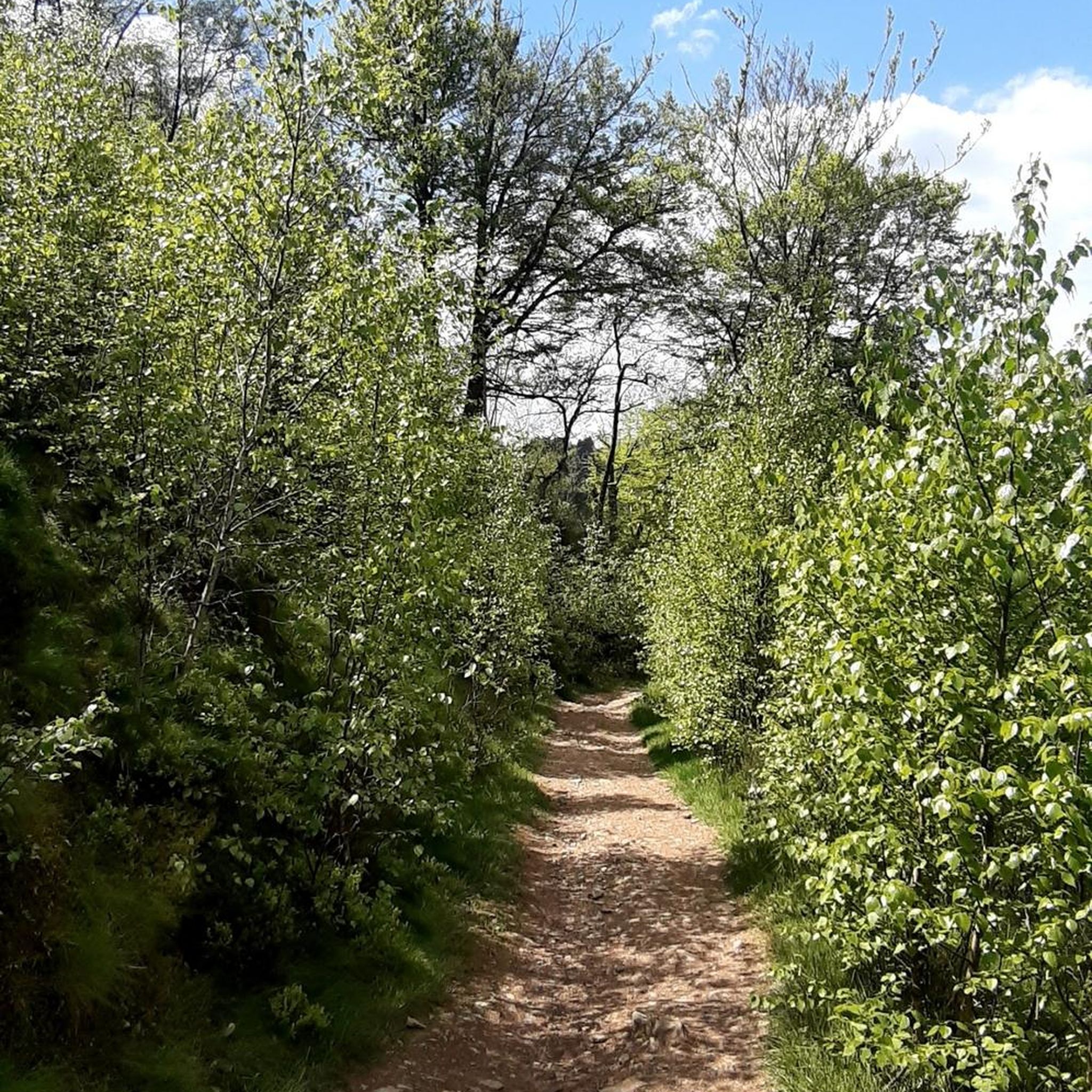
Today, only one quarry still extracts the “Bleu de Vire” granite. It is used to produce cobblestones for pedestrian areas in cities, tombstones for funerary monuments and for high technology (space conquest, robotics). Hikers will encounter pierced granite stones along this route.
2
0
Large blocks of granite with rounded shapes outcrop in the meadow. Called "oxen", these balls of undecomposed granite were cut or pushed back to the edges of the fields and formed stone slopes.
2
0
Well hidden in the forest of Saint-Sever, between the Tranchée de la Garde Bourgeoise and the Vissière forest road, the Coulanges pond is only accessible on foot or by mountain bike. If fishing is prohibited there, a dike makes it possible to retain the water and to obtain a beautiful view of the body of water. A forest shelter and a picnic area have been set up to take advantage of this haven of peace.
4
0
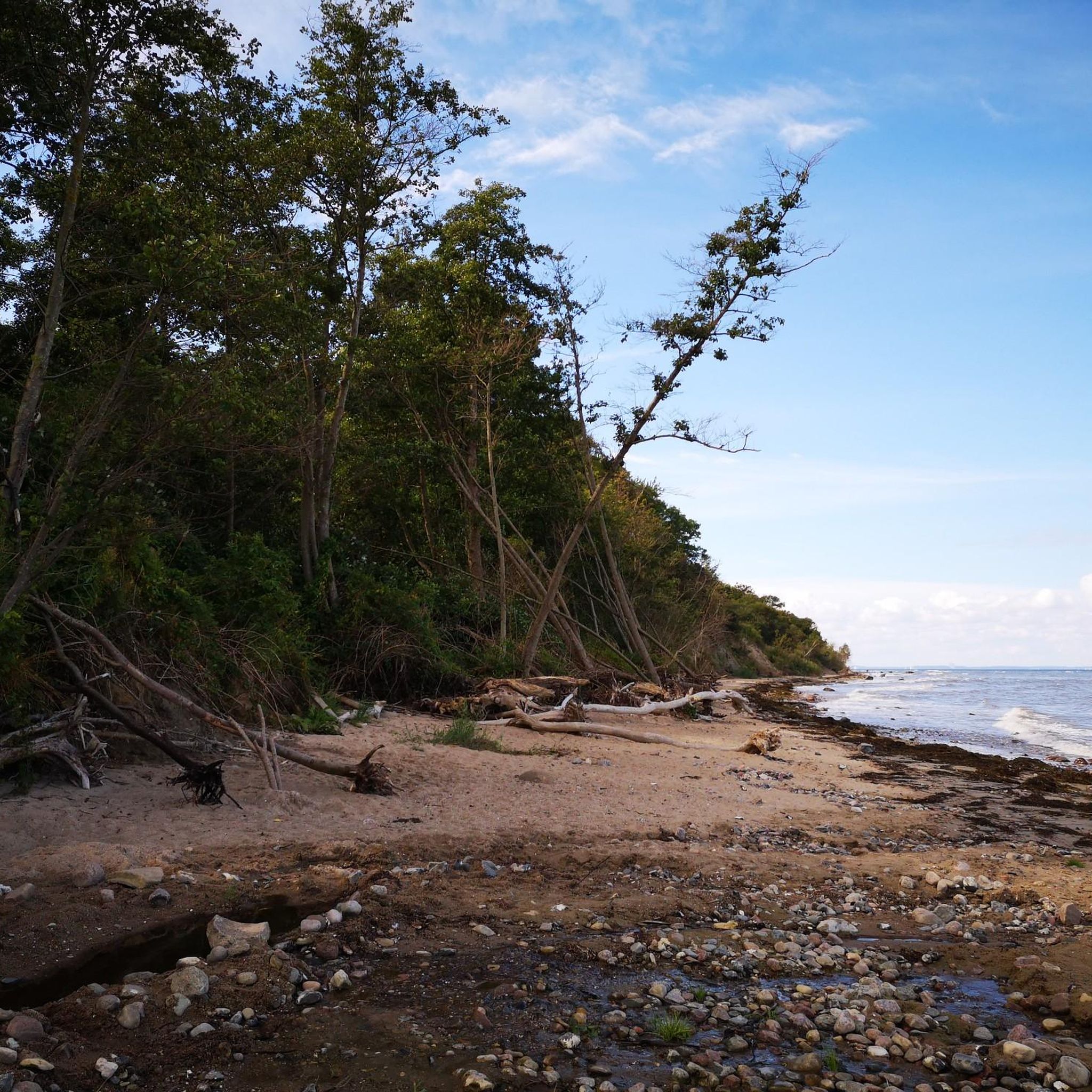
the ornithological reserve of 4 hectares is of remarkable interest thanks to many species nesting in the wetlands: great crested grebe, little grebe, mallard duck, coot, lesser plover or even the reed bunting. Three observatories have been installed on the edge of the lake to better admire these birds without disturbing them.
2
0
Frequently Asked Questions
What are some of the most notable natural monuments to visit around Le Mesnil-Benoist?
The area around Le Mesnil-Benoist offers several distinctive natural monuments. Highlights include the serene Lac du Gast, a significant drinking water reserve and habitat for waterfowl. The Ornithological Reserve is a must-see for birdwatchers, home to 86 identified bird species. You can also explore the tranquil Étang de Coulanges, hidden within the Saint-Sever forest, and the unique geological formations of The Bœufs of the Croix Denise.
Are there family-friendly natural monuments in the area?
Yes, several natural monuments around Le Mesnil-Benoist are suitable for families. The Lac du Gast and the Ornithological Reserve are both categorized as family-friendly, offering opportunities for gentle walks and wildlife observation. The Bœufs of the Croix Denise, with its large granite formations, can also be an interesting and accessible spot for children to explore.
What kind of wildlife can I expect to see at these natural sites?
The Ornithological Reserve is particularly rich in birdlife, with 86 identified species including ducks, coots, great crested grebes, and snipes, especially from autumn onwards. The shallow waters and reeds provide an ideal feeding ground. Binoculars are highly recommended for birdwatching. The Lac du Gast also serves as a great habitat for waterfowl.
Are there any historical natural monuments or sites with historical significance?
While primarily natural, the Granite Route offers a blend of natural beauty and historical context. This trail highlights the region's granite extraction history, where hikers can encounter pierced granite stones. Additionally, the broader Saint-Sever forest, which hosts the Étang de Coulanges, is home to historical elements like Le Wegkreuz (The Wayside Cross), a landmark at the intersection of ancient Roman roads, adding a historical layer to your natural outing.
What outdoor activities can I do near the natural monuments?
The region around Le Mesnil-Benoist is excellent for various outdoor activities. You can find numerous routes for gravel biking, running, and mountain biking. For example, explore the gravel biking trails, enjoy running trails around Lac du Gast, or tackle MTB trails near the Saint-Sever forest. Many of these routes pass by or are close to the natural monuments, offering a great way to combine sightseeing with sport.
What is the best time to visit the natural monuments around Le Mesnil-Benoist?
The best time to visit largely depends on your interests. For birdwatching at the Ornithological Reserve, autumn onwards is particularly rewarding as many species gather. Generally, spring and summer offer pleasant weather for hiking and exploring the lakes and forests. However, the natural beauty of the region, with its varied landscapes, can be appreciated year-round.
Are there hiking trails near these natural monuments?
Yes, the area is rich with hiking opportunities. The Étang de Coulanges, for instance, is only accessible on foot or by mountain bike, offering a peaceful forest hike. The Granite Route is also designed for hikers. You can find various running and walking trails that often incorporate these natural features, allowing you to immerse yourself in the local landscape.
What do visitors enjoy most about the natural monuments in this region?
Visitors frequently appreciate the tranquility and natural beauty. For example, the Lac du Gast is praised for its 'osmosis with nature' and beautiful scenery. The Ornithological Reserve is highly valued for its remarkable bird species and the opportunity for undisturbed observation from its observatories. The Étang de Coulanges is considered a 'haven of peace' for its secluded forest setting.
Are there any hidden gems among the natural monuments?
The Étang de Coulanges could be considered a hidden gem, as it's 'well hidden in the forest of Saint-Sever' and only accessible on foot or by mountain bike. Its secluded nature, complete with a forest shelter and picnic area, makes it a peaceful retreat away from more frequented spots.
Can I bring my dog to the natural monuments?
While specific regulations for each natural monument regarding dogs are not detailed, generally, dogs are welcome on leashes in many outdoor areas and trails in France. It's always advisable to check local signage or specific park rules upon arrival, especially for protected areas like the Ornithological Reserve, to ensure minimal disturbance to wildlife.
What kind of terrain can I expect on trails near these natural monuments?
The region, part of the Bocage virois, features varied landscapes. Trails can range from easy paths around lakes like Lac du Gast to more intermediate routes through forests, such as those leading to the Étang de Coulanges. The Granite Route will feature granite stones, indicating potentially uneven surfaces. Expect a mix of forest paths, lakeside trails, and possibly some hedged farmland routes.
Most popular routes around Le Mesnil-Benoist
Most popular attractions around Le Mesnil-Benoist

Get inspired with the komoot mobile app


Explore more
Extend your search for the best caves by checking out these guides of the top ones around Le Mesnil-Benoist:
