Top 19 Natural Monuments around Wissant
Natural monuments around Wissant are located in a coastal region of France, characterized by its dramatic cliffs and diverse ecosystems. This area, part of the Grand Site de France, offers panoramic views of the English Channel and varied natural landscapes. The region features significant geological formations, sandy beaches, and important habitats for migratory birds. These sites provide opportunities to explore the natural environment and observe local wildlife.
Best natural monuments around Wissant
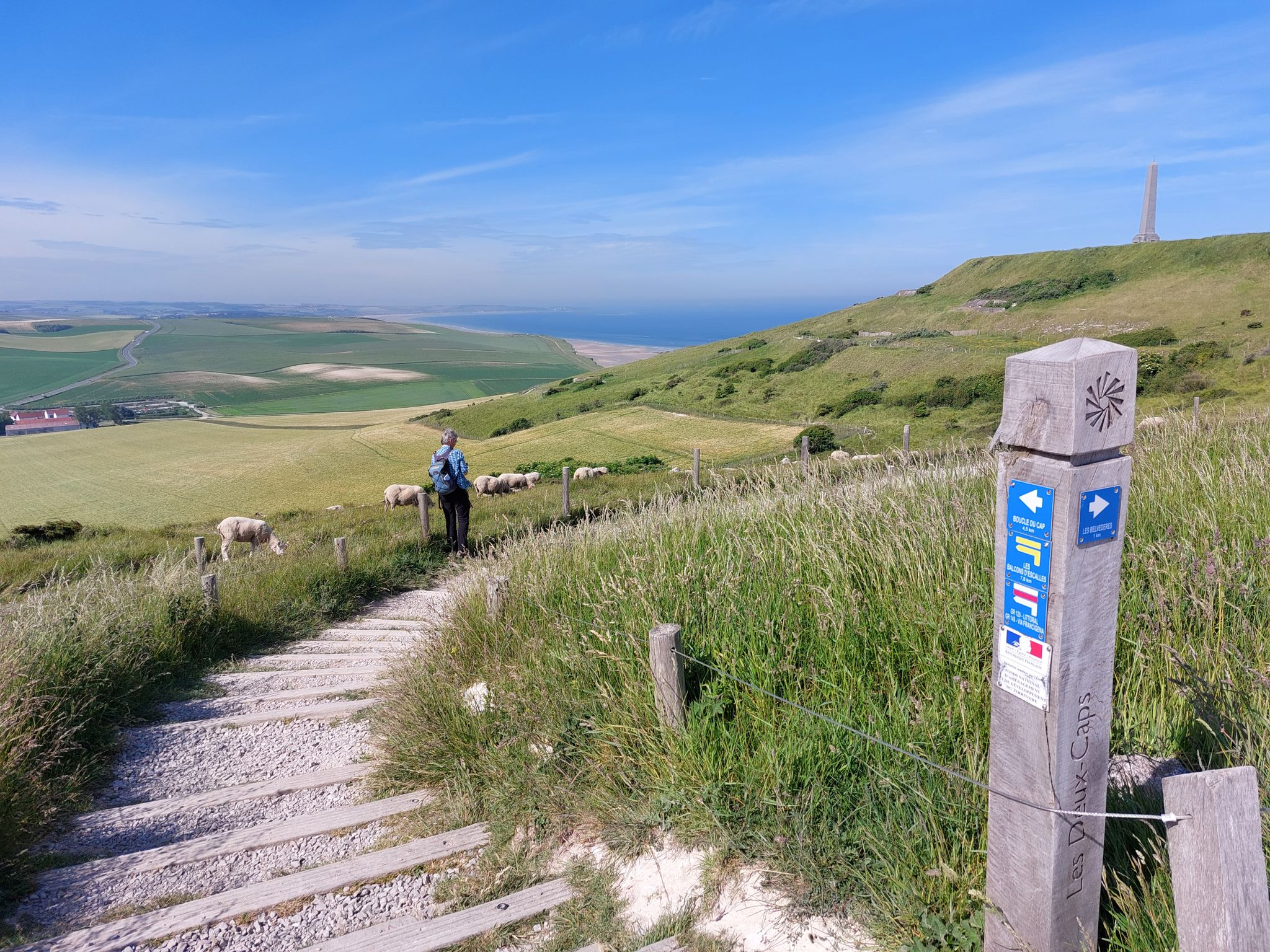
- The most popular natural monuments is Cape Blanc-Nez, a viewpoint that features an impressive white chalk cliff rising 134 meters above sea level. It offers panoramic views of the English Channel and is a crucial nesting site for numerous bird species.
- Another must-see spot is Dunes of the Slack, a natural monument and beautiful nature reserve. Visitors can expect varied paths through dunes and forests, ideal for hikers and nature lovers.
- Visitors also love Cran d'Escalles, a beautiful beach and cliff area known as Petit Blanc-Nez. It is part of the Deux-Caps area, offering views of the English Channel.
- Wissant is known for its dramatic cliffs, extensive dune systems, and sandy beaches. The region offers a variety of natural monuments to see and explore, from towering chalk formations to protected coastal wetlands.
- The natural monuments around Wissant are appreciated by the komoot community, with over 690 upvotes and 250 photos shared by visitors.
Last updated: July 17, 2026
Cape Blanc-Nez
Highlight • Viewpoint
Translated by Google •
Tip by

Petit Blanc-Nez (Little Blanc-Nez)
Highlight • Viewpoint
Translated by Google •
Tip by

Sign up now to discover places like this
Get recommendations on the best single tracks, peaks, & plenty of other exciting outdoor places.
Sign up for free
Dunes of the Slack
Highlight (Segment) • Natural Monument
Translated by Google •
Tip by

Cran d'Escalles
Highlight • Beach
Translated by Google •
Tip by
Cap Gris-Nez Lighthouse
Highlight • Monument
Translated by Google •
Tip by

Sign up for free to discover even more natural monuments around Wissant.
Sign up for free
Already have an account?
Start today with a free account
Your next adventure awaits.
Login or Signup



Tips from the Community


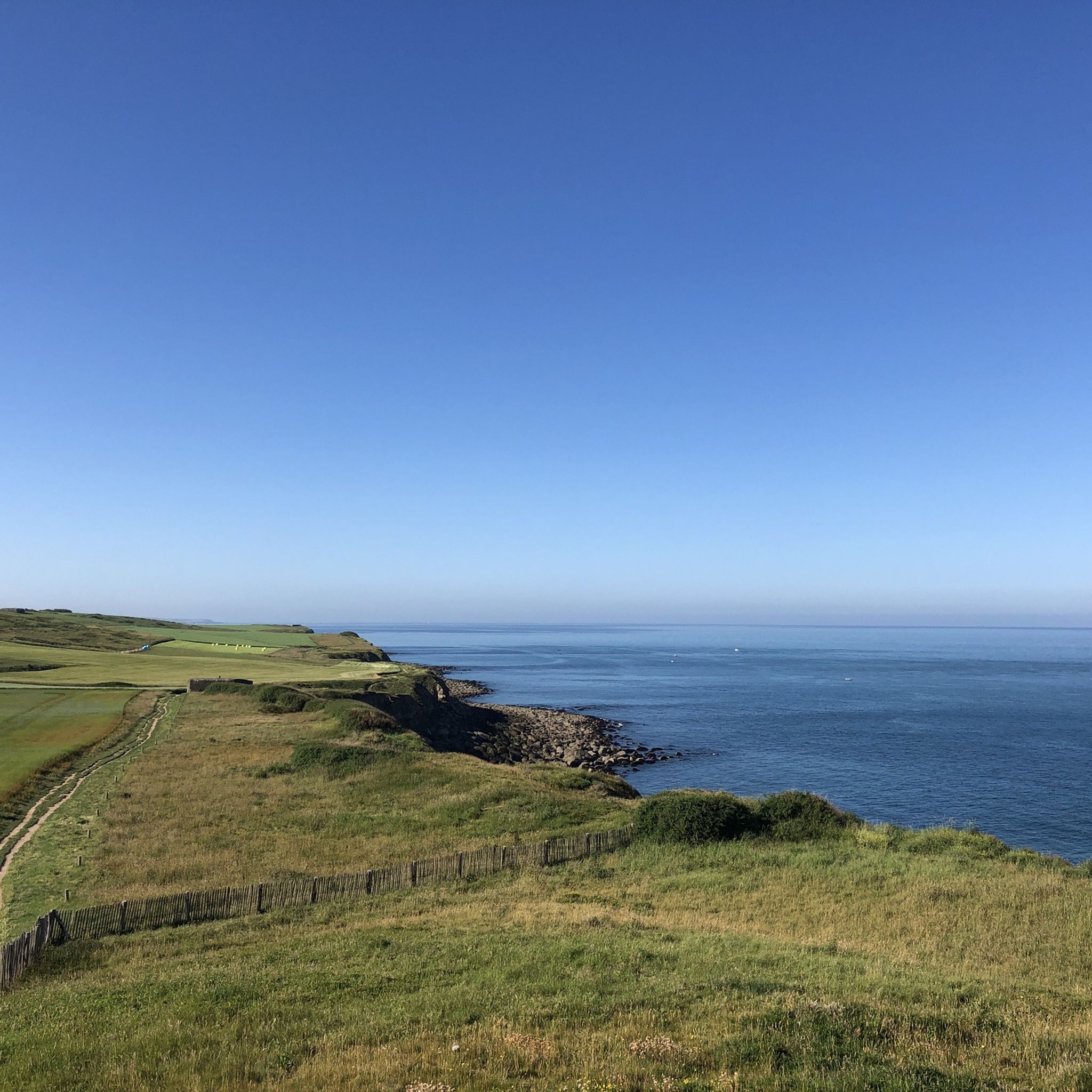
the rocks of the Gris-Nez are being loosened by rain and sea.
0
0

The rocks, with their cracks and small caves in the calcareous wall, provide an important nesting site for numerous bird species such as jackdaws, house martins, fulmars, kestrels, gulls, terns and herring gulls. As part of a renaturation project in 2006, a section of the asphalt road leading to the summit and the parking spaces there were completely removed. Instead, a parking lot about 300 meters inland was significantly expanded.
53
0
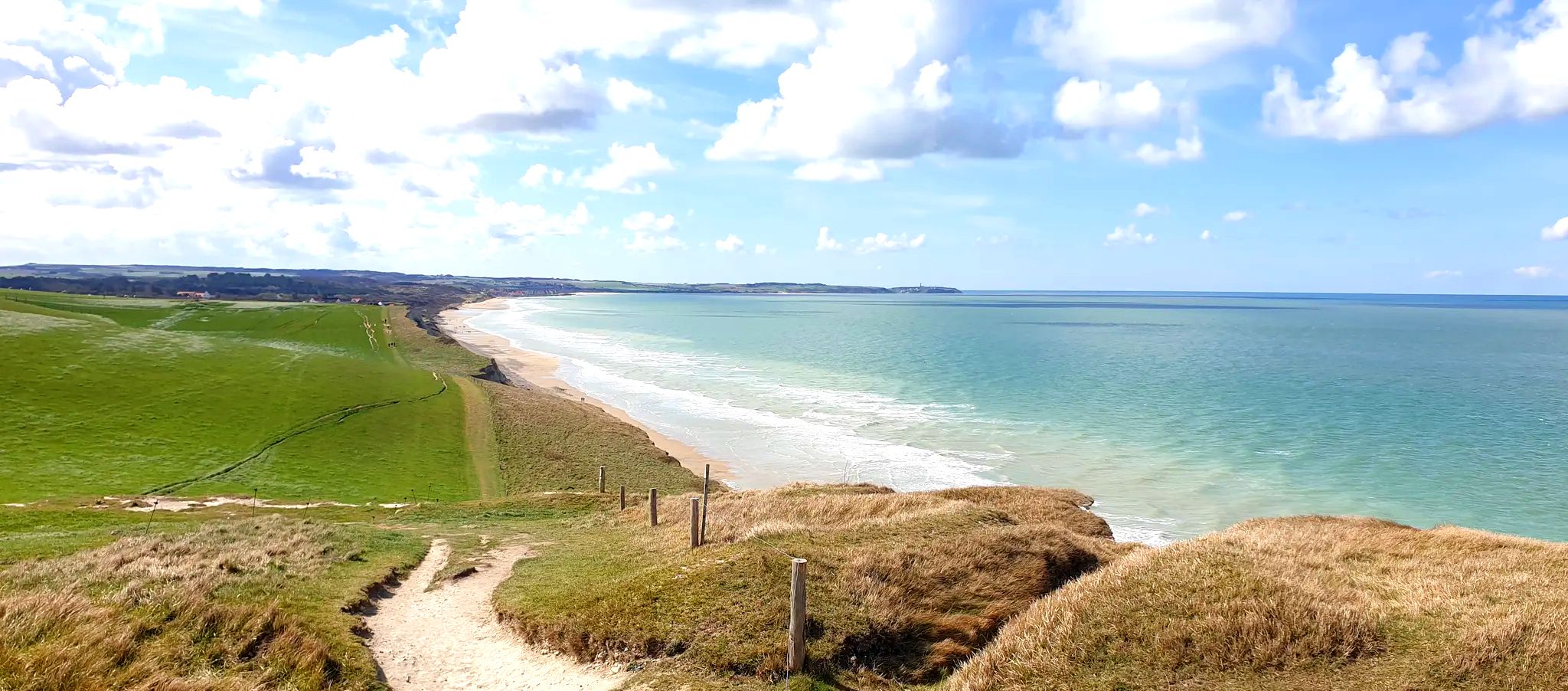
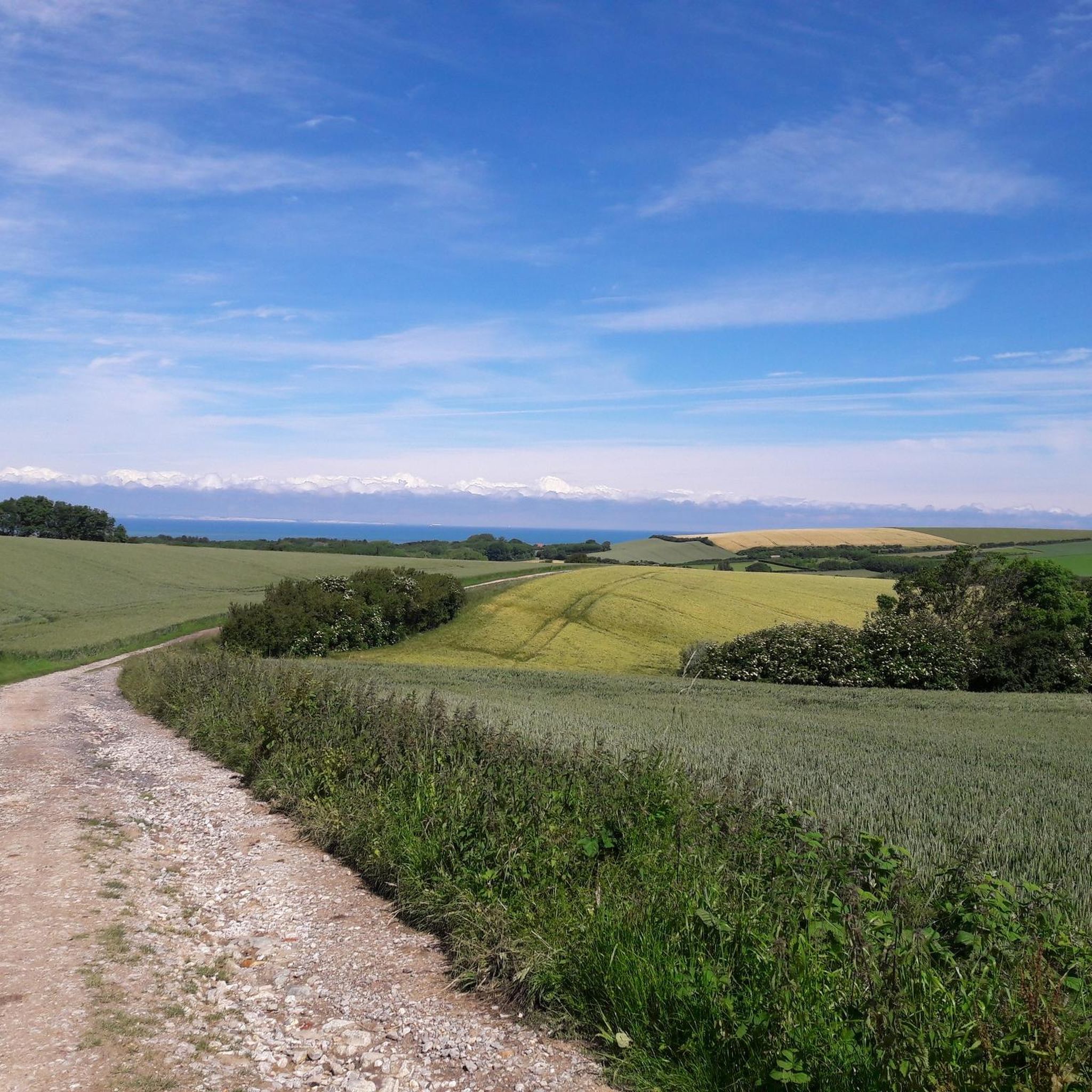
The Petit Blanc-Nez is a highlight on the Sentier des Douaniers (GR 120), a coastal hiking trail that runs along the French coast.
3
0
The Petit Blanc-Nez is a cliff in the Pas-de-Calais region and is part of the Deux-Caps (Two Capes) area, which also includes Cap Gris-Nez. Both are part of the protected area classified as a Grand Site de France and offer breathtaking views of the English Channel and, on a clear day, the English coast.
51
0

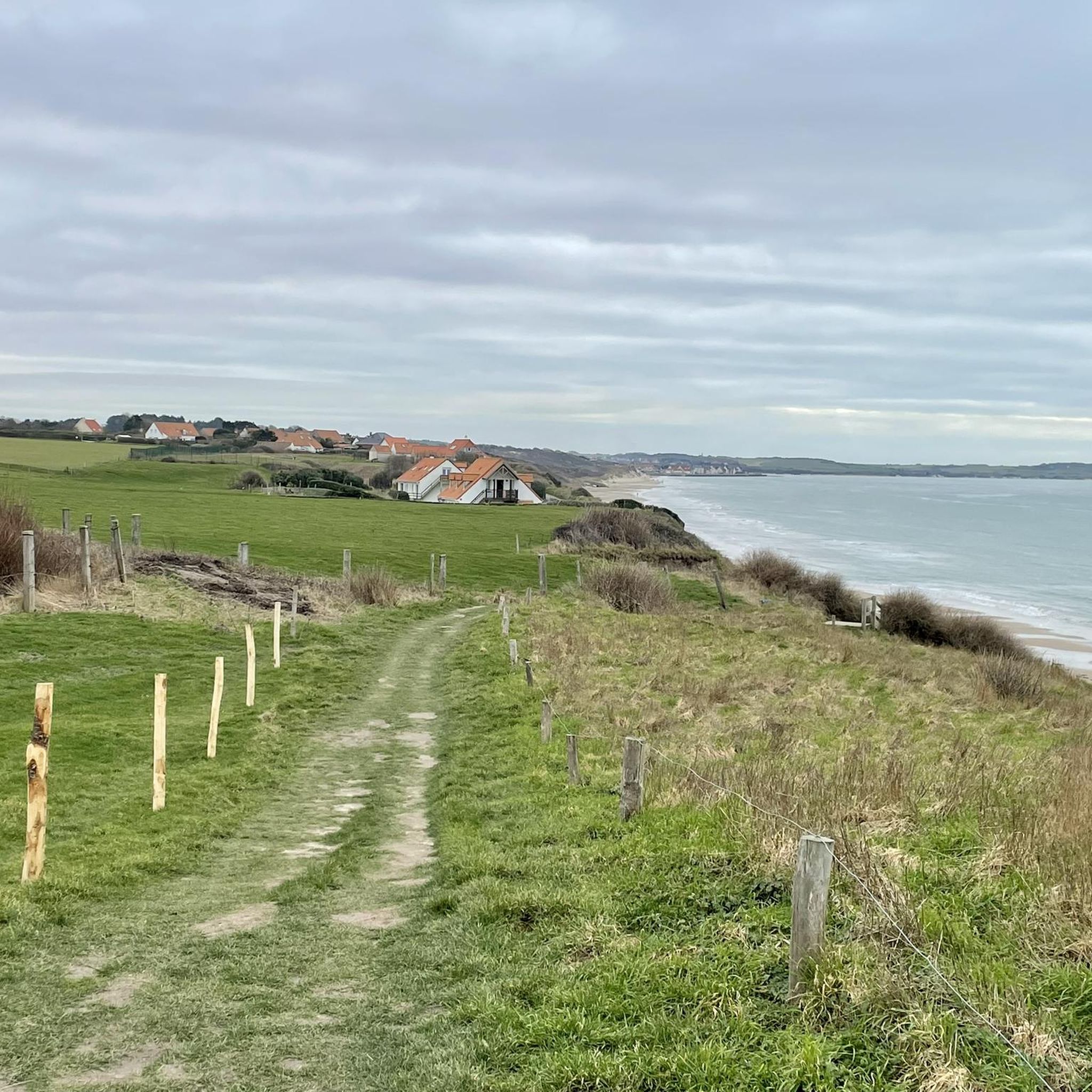
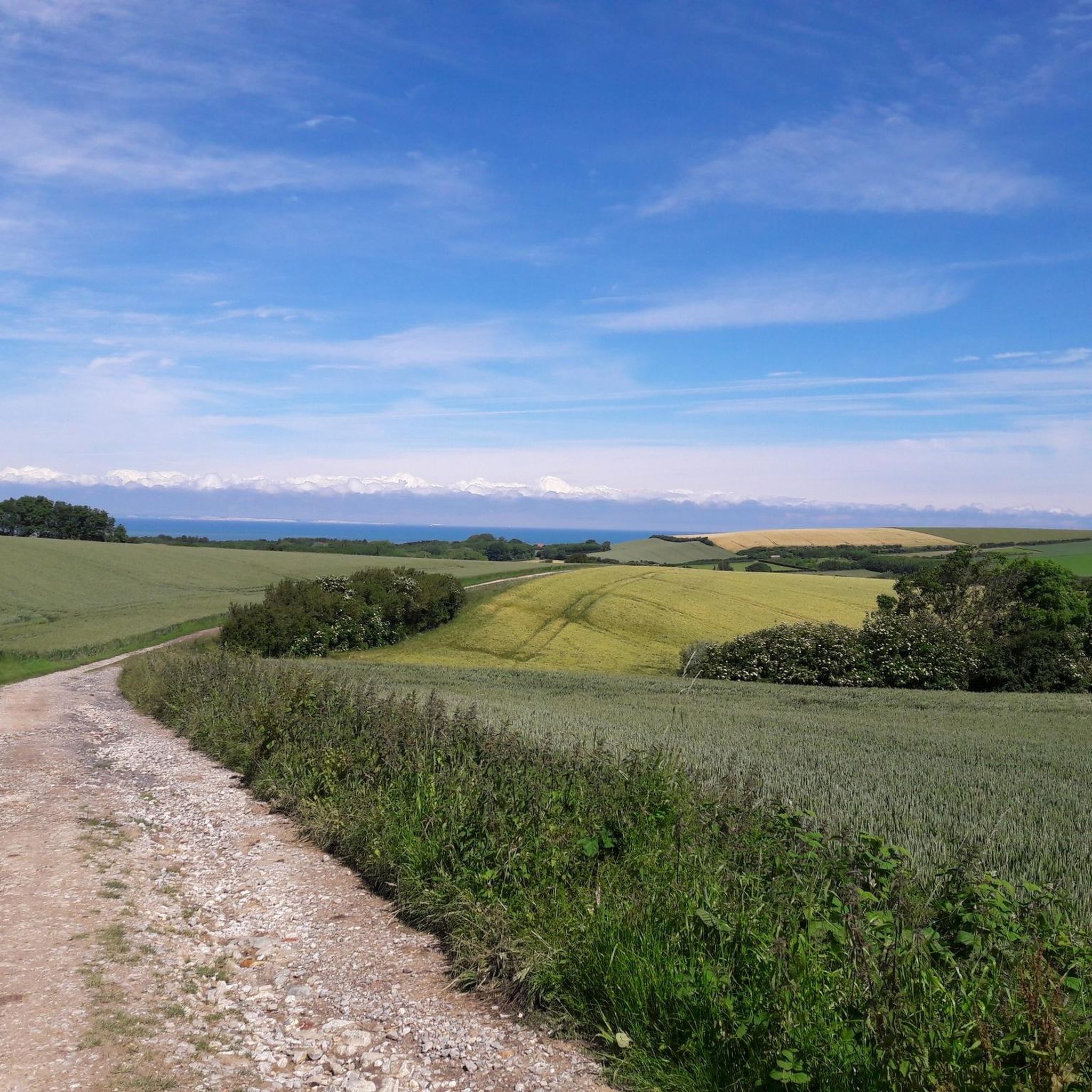
Incredibly beautiful paths - partly on wooden planks, partly through fine sand. A small, hidden natural paradise that can be wonderfully explored on a circular hike.
2
0

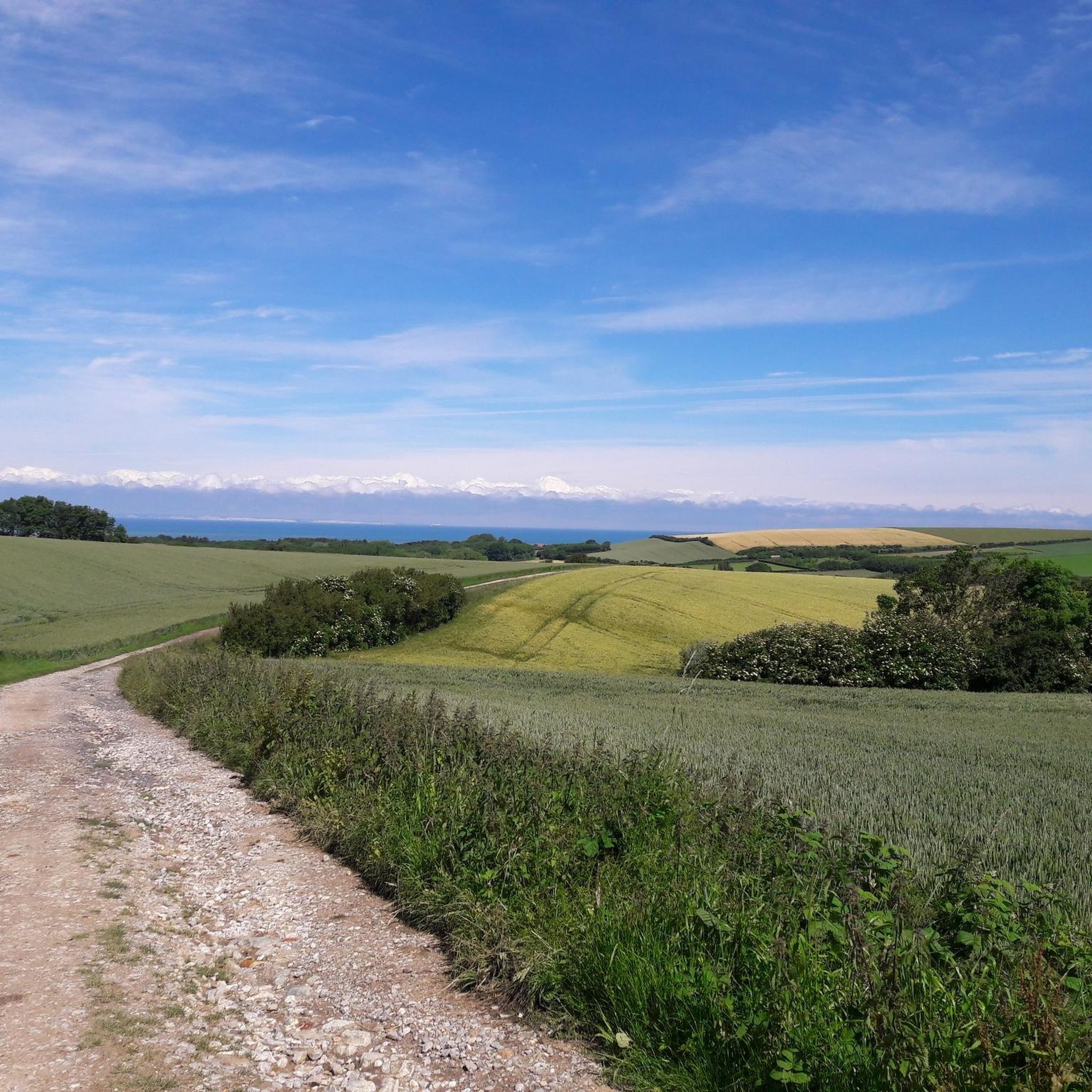
Cap Blanc-Nez is an impressive cliff located in Escalles, Pas-de-Calais, France, rising to 134 meters above a rocky beach. It is the northernmost cliff in France, consisting of chalk and marl. It offers a strategic vantage point from which on a clear day you can see the cliffs of Dover on the English coast. The area supports a unique grassland and is a popular destination for tourists and hikers. It is part of the Grand Site des Deux Caps, together with Cap Gris-Nez, and attracts 2.5 million visitors annually. It also has historical significance, with remains from the Second World War still visible.
15
1

Frequently Asked Questions
What are the most popular natural monuments around Wissant?
The region around Wissant is renowned for its dramatic coastal landscapes. Among the most popular natural monuments are Cape Blanc-Nez, an impressive white chalk cliff offering panoramic views, and the Dunes of the Slack, a beautiful nature reserve with varied paths through dunes and forests. Visitors also highly appreciate Cran d'Escalles, a stunning beach and cliff area.
What kind of natural features can I expect to see in the Wissant area?
The Wissant area, part of the Grand Site de France, is characterized by diverse natural features. You'll find towering white chalk cliffs like Cap Blanc-Nez, contrasting grey sandstone cliffs at Cap Gris-Nez, expansive sandy beaches, and significant dune systems such as the Dunes of the Slack. The Bay of Wissant also features unique geological formations and a submerged forest visible at low tide.
Are there family-friendly natural attractions near Wissant?
Yes, several natural monuments around Wissant are suitable for families. Cape Blanc-Nez and the Dunes of the Slack are both listed as family-friendly, offering accessible paths and engaging natural environments for children to explore. The beaches, like Cran d'Escalles, are also great for family outings.
What outdoor activities can I do near these natural monuments?
The Wissant region offers a wide range of outdoor activities. You can enjoy hiking along the coastal paths, exploring the dunes, or cycling through the scenic landscapes. For detailed routes, you can find various options for hiking, road cycling, and mountain biking around Wissant.
Are there hiking trails near the natural monuments?
Absolutely. The area is a hiker's paradise. You can find trails ranging from easy to difficult, including the 12-kilometer path connecting Cap Gris-Nez and Cap Blanc-Nez. The Dunes of the Slack also offer several walking routes, such as the 'La Baie de Saint-Jean' walk. Explore more options on the hiking guide for Wissant.
What historical significance do these natural monuments hold?
Many natural monuments in the Wissant area are intertwined with history. Cap Blanc-Nez is notable as the departure point for Louis Blériot's first cross-Channel flight in 1909 and still bears remnants from World War II. The Dover Patrol Monument, also at Cap Blanc-Nez, commemorates British naval forces from the World Wars. The Cap Gris-Nez Lighthouse, rebuilt after WWII, also has a rich history.
What is the best time of year to visit the natural monuments around Wissant?
The Wissant region is beautiful year-round, but the best time to visit for outdoor activities is generally from spring to early autumn (April to October) when the weather is milder and more predictable. This period is ideal for hiking, birdwatching, and enjoying the coastal scenery. However, clear winter days can also offer stunning, crisp views of the English Channel.
Can I observe wildlife at these natural monuments?
Yes, the natural monuments around Wissant are excellent for wildlife observation, especially birdwatching. Cap Blanc-Nez provides crucial nesting sites for various bird species like jackdaws, fulmars, and gulls. Cap Gris-Nez is also recognized as a remarkable ornithological site, and the Bay of Wissant is a significant stop for migratory birds, where you can spot ducks, sandpipers, and lapwings from observatories.
Are there any easy walking trails suitable for all fitness levels?
Yes, there are easy walking trails available. The Dunes of the Slack offer varied paths, some of which are paved or fixed with boards, making them accessible. You can find easy routes like the 'Sentier du Fartz' loop from Wissant in the hiking guide, which are suitable for a leisurely stroll.
What makes the Bay of Wissant a unique natural monument?
The Bay of Wissant, nestled between Cap Blanc-Nez and Cap Gris-Nez, is unique for its diverse landscapes, including sandy beaches, dunes, and unspoiled natural areas. It's a vital site for migratory birds and boasts interesting geological features, such as marine deposits and fossils like ammonites. At low tide, you might even see remnants of a submerged forest, including peat and tree stumps, revealed by the Herland stream.
What should I wear when hiking along the Wissant coastline?
When hiking along the Wissant coastline, it's advisable to wear layers as coastal weather can change quickly. Sturdy, comfortable walking shoes are essential, especially for uneven terrain and sandy paths. A windproof and waterproof jacket is highly recommended, along with sun protection (hat, sunglasses, sunscreen) due to exposure on the cliffs and beaches.
Are there any challenging hikes for experienced trekkers?
Yes, for experienced trekkers seeking a challenge, the Wissant area offers more demanding routes. The 12-kilometer trail connecting Cap Gris-Nez and Cap Blanc-Nez provides invigorating walks with elevation changes. You can also find 'difficult' rated routes, such as the 'Along the steep face – Petit Blanc-Nez (Little Blanc-Nez)' loop, in the hiking guide for Wissant.
Most popular routes around Wissant
Most popular attractions around Wissant

Get inspired with the komoot mobile app


Explore more
Extend your search for the best caves by checking out these guides of the top ones around Wissant:
