Top 5 Natural Monuments around Guzargues
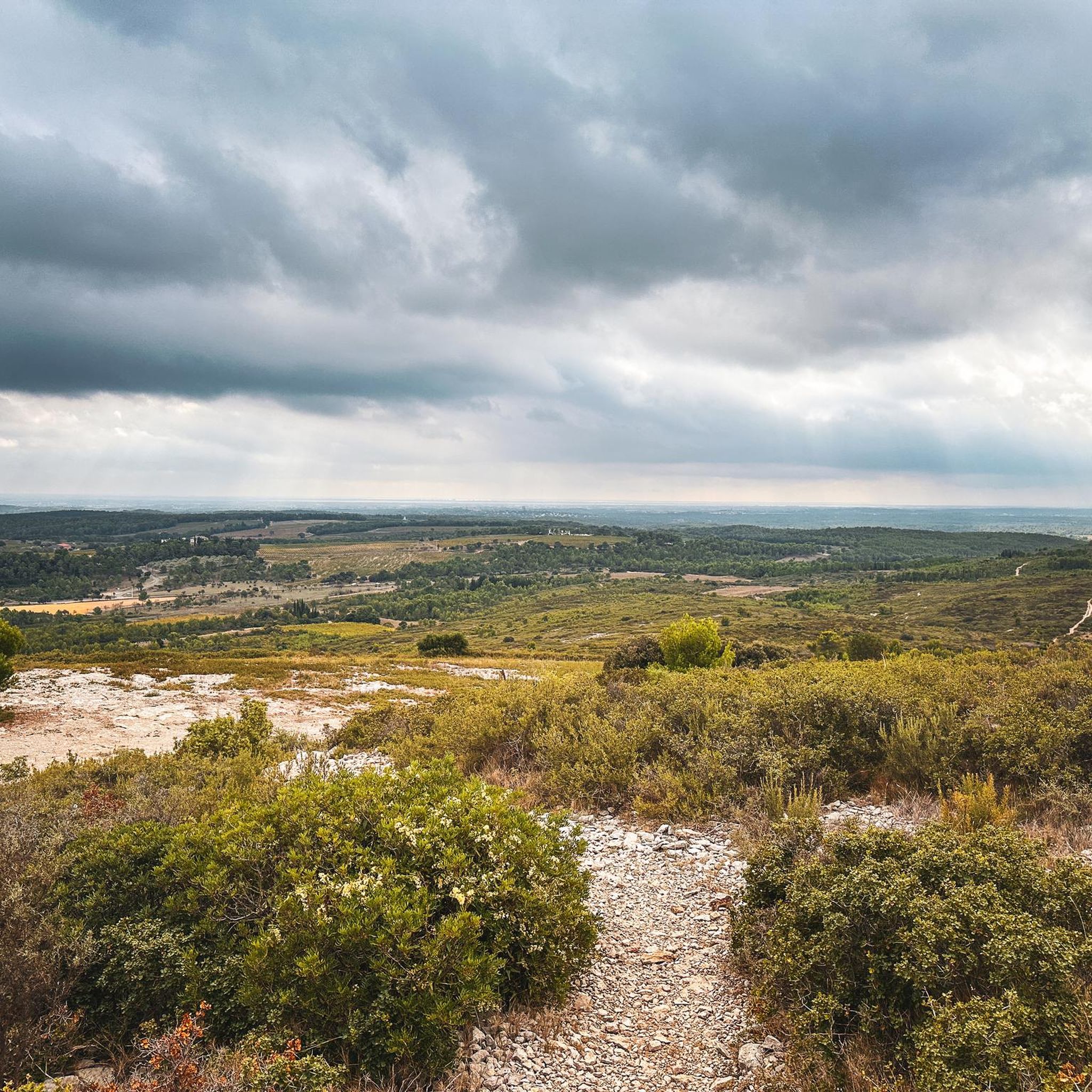
Best natural monuments around Guzargues are found in a region characterized by its preserved natural environment, including vineyards and scrublands. Guzargues serves as a base for exploring the diverse landscapes of the Occitanie region, featuring prominent limestone peaks, river gorges, and unique geological formations. This landscape is shaped by centuries of viticulture and Mediterranean vegetation. The area provides a variety of natural monuments to see and explore, from river springs to panoramic mountain views.
Best natural monuments around Guzargues
- The…
Last updated: May 6, 2026
Lez Resurgence
Highlight • River
Translated by Google •
Tip by

Pont des Tourilles (Roman bridge)
Highlight • Bridge
PS: be careful it does not date from the Roman era, but is in Romanesque style, an important nuance!
Translated by Google •
Tip by

Sign up now to discover places like this
Get recommendations on the best single tracks, peaks, & plenty of other exciting outdoor places.
Sign up for free
Lez Spring
Highlight • River
Translated by Google •
Tip by

Orientation table
Highlight • Viewpoint
Translated by Google •
Tip by
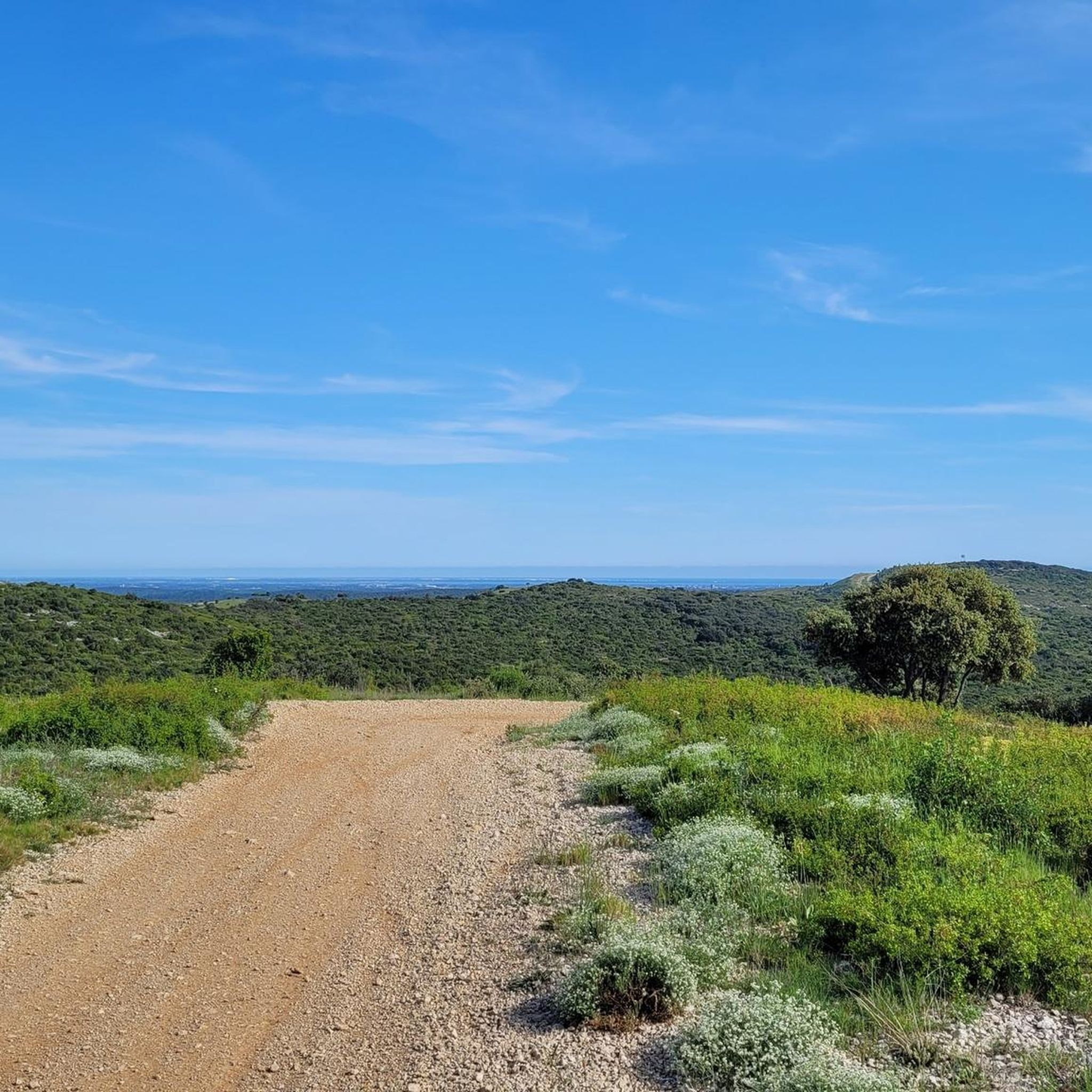
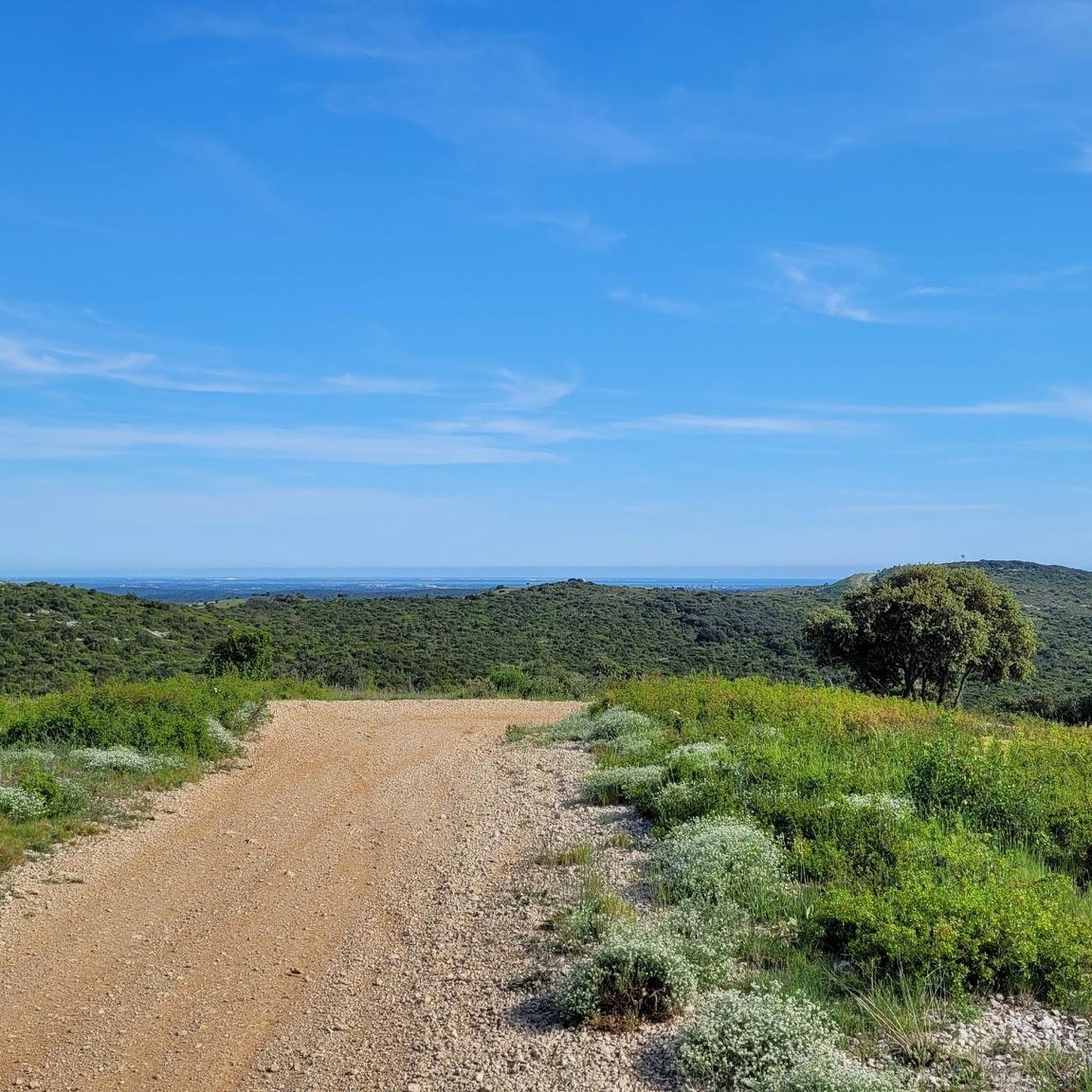
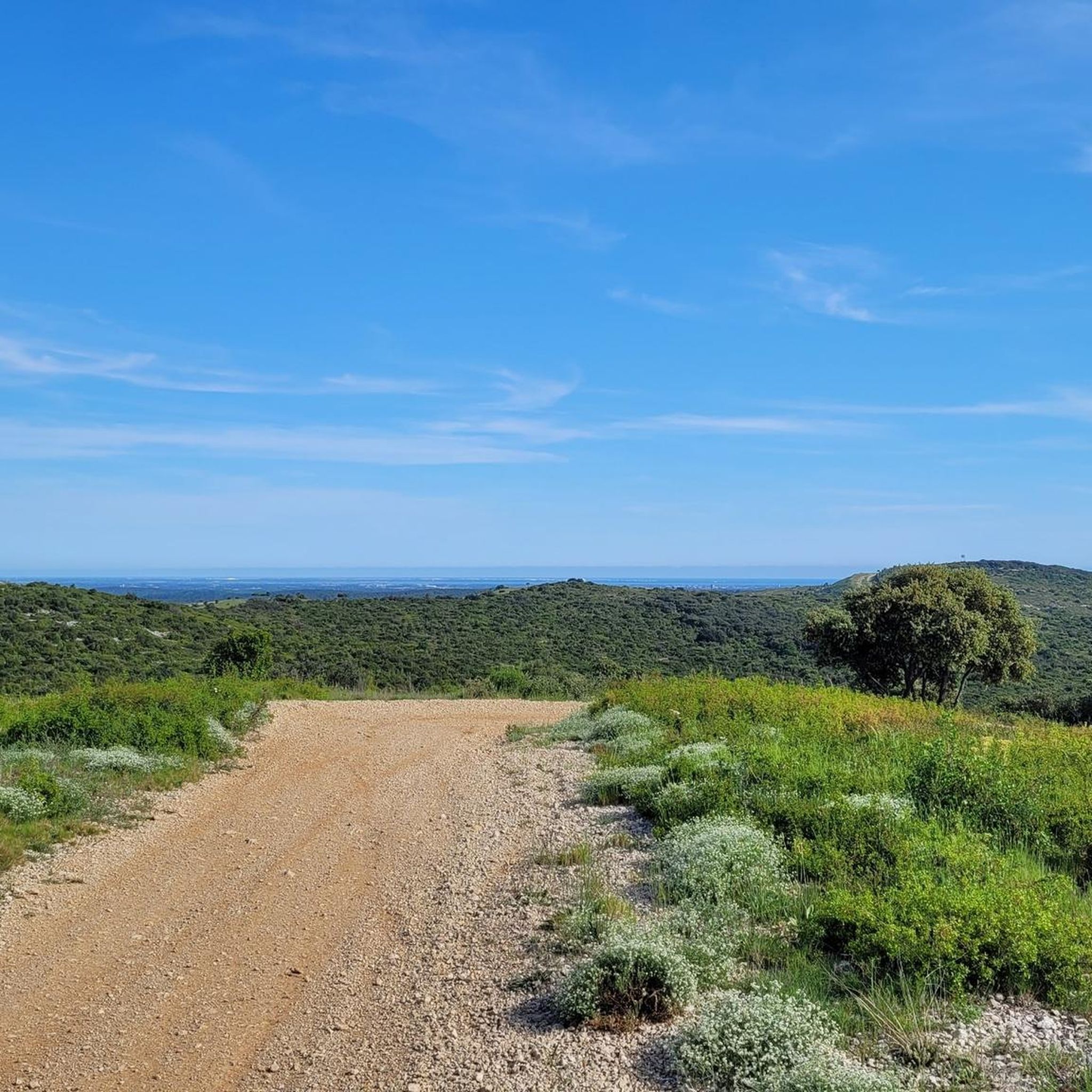
View of the Cliffs of Saint-Bauzille-de-Montmel
Highlight (Segment) • Viewpoint
Translated by Google •
Tip by
Start today with a free account
Your next adventure awaits.
Login or Signup

Tips from the Community

It’s a shame that the resurgence can only be seen through a fence, there are fences everywhere… Precaution against vandalism?
0
0

We took this single from the top of La Suque. This part is clearly less hilly. It's quite steep at the edge of the path, but it's very nice!
1
0
Beautiful place, the layout of the walkways is a real plus. High attendance on the other hand.
1
0

The Pont des Tourilles is in fact the remnant of an old Roman bridge with three arches which spanned the Cadoule.
0
0
The Pont des Tourilles is the vestige of an ancient Roman bridge with three arches which spanned the Cadoule.
1
0

Passage on foot on the bridge possible, passage by mountain bike in the bed of La Cadoule possible, if you ride in gravel you will have to push/carry your bike for 50m. Fording possible thanks to large blocks of cut stones.
0
0
Last arch still standing on the three that made up this Romanesque bridge. A ford made of blocks of stone allows you to cross La Cadoule without getting your feet wet.
0
0

Pretty shaded and bucolic site and you can stop there to savor the freshness of the water's edge or walk along the Lez along a well-appointed promenade.
0
0
Frequently Asked Questions
What are some of the most striking natural monuments to visit near Guzargues?
Beyond the popular spots, the region offers diverse natural wonders. You can explore the dramatic cliffs and clear waters of the Gorges de l'Hérault, perfect for canoeing and swimming. Another unique site is the Cirque de Navacelles, a spectacular geological formation with breathtaking panoramic views. For a coastal experience, the vast dune system of Pointe de l'Espiguette offers a wild, preserved beach environment.
Are there natural monuments near Guzargues that are suitable for families?
Yes, several natural monuments are family-friendly. The Lez Resurgence and Lez Spring are idyllic river spots where you can picnic under plane trees. The Lez Resurgence is also part of a Natura 2000 site, offering opportunities to observe local flora and fauna. Additionally, Lac de Cécélès provides supervised swimming during summer and easy walks around its scenic shores.
What kind of outdoor activities can I do near the natural monuments around Guzargues?
The area around Guzargues is excellent for outdoor enthusiasts. You can enjoy hiking to the summit of Pic Saint-Loup for panoramic views, or go canoeing, kayaking, and swimming in the Gorges de l'Hérault. The Cirque de Navacelles also offers fantastic hiking opportunities. For more structured routes, explore the running trails, gravel biking routes, or cycling paths available in the region.
Where can I find the best panoramic views of the region's natural landscapes?
For truly spectacular views, head to the View of the Cévennes and the Sea from Pic Saint-Loup. This viewpoint offers a 360° panorama of Montpellier, the sea, the Cévennes, and sometimes even Mont Ventoux. Another excellent spot is the Cirque de Navacelles, with viewpoints like La Baume Auriol and Blandas providing incredible perspectives of the incised meander. The Orientation table also offers a superb 270° view over a large part of the Hérault.
Are there any historical or cultural sites associated with the natural monuments?
Yes, the region beautifully blends natural beauty with rich history. Within the Gorges de l'Hérault, you'll find the ancient Pont du Diable, one of France's oldest Romanesque bridges, and the medieval village of Saint-Guilhem-le-Désert, a UNESCO World Heritage site. Additionally, the Pont des Tourilles, though Romanesque in style rather than Roman, is a charming historical bridge worth visiting.
What is the best time of year to visit the natural monuments around Guzargues?
The best time to visit largely depends on your preferred activities. Spring and autumn offer pleasant temperatures for hiking and exploring, with lush landscapes or vibrant fall colors. Summer is ideal for water activities in the Gorges de l'Hérault or swimming at Lac de Cécélès and Pointe de l'Espiguette, though popular spots like Pic Saint-Loup can be busy. Winter can offer unique, quieter experiences, especially for views from Pic Saint-Loup.
Can I see wildlife at the natural monuments near Guzargues?
Absolutely. The Camargue Regional Natural Park, a vast wetland, is a sanctuary for diverse wildlife, including over 400 species of birds like the greater flamingo, as well as wild Camargue horses and bulls. The Lez Resurgence area, classified Natura 2000, also hosts many animal and plant species. Even around Pic Saint-Loup, you'll find Mediterranean vegetation and various bird species.
Are there any unique geological formations to explore?
The region is home to several remarkable geological formations. The Cirque de Navacelles is a prime example, a unique incised meander with cliffs over 300 meters high. The Grotte de Clamouse, near the Pont du Diable, is an internationally recognized cave system known for its diverse and rich concretions, including rare eccentric aragonite crystals, offering a magical underground journey.
What do visitors particularly enjoy about the natural monuments in this area?
Visitors frequently praise the breathtaking panoramic views, especially from Pic Saint-Loup, which is often described as ideal for a picnic. The tranquil and idyllic settings of spots like Lez Spring are also highly appreciated for relaxation and picnicking. The diversity of landscapes, from mountains to rivers and coastlines, offers something for every nature lover.
Are there opportunities for swimming in natural settings?
Yes, there are several excellent spots for natural swimming. The Gorges de l'Hérault offer clear waters and supervised beaches, perfect for a refreshing dip. Lac de Cécélès also provides supervised swimming during the summer months, surrounded by vineyards and scenic views. The Lez Resurgence allows for refreshment in clear water in the shade of trees, though water levels vary by season.
What is the significance of viticulture in the natural landscape around Guzargues?
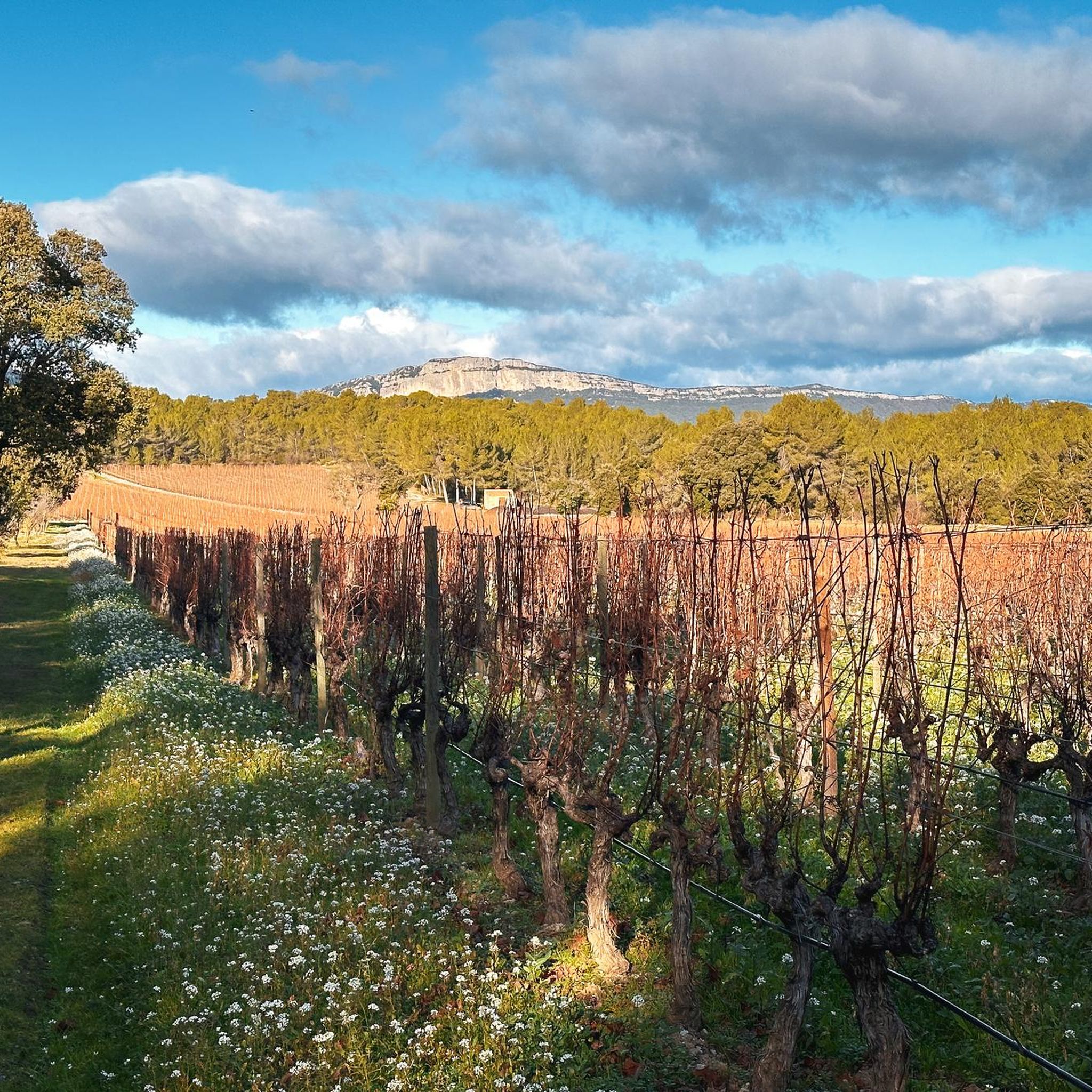
Viticulture is deeply integrated into the identity and landscape of Guzargues and the surrounding region, with a history spanning centuries. The vineyards are a prominent feature of the natural environment, particularly around Pic Saint-Loup, which is known for its AOC Pic Saint-Loup wines. These wines are celebrated for their elegance and often display notes of red fruits, spices, and garrigue herbs, reflecting the unique terroir.
Most popular routes around Guzargues
Most popular attractions around Guzargues

Get inspired with the komoot mobile app


Explore more
Extend your search for the best caves by checking out these guides of the top ones around Guzargues:
