Top 5 Natural Monuments around Château-D'Olonne
Natural monuments around Château-D'Olonne, now part of Les Sables d'Olonne, feature diverse landscapes from rugged coastlines to tranquil marshes. The region offers a range of impressive natural attractions, providing opportunities for exploration and observation of wildlife. These sites showcase varied natural contrasts, including cliffs, coves, bays, forests, and wetlands. The area's natural heritage is preserved across its coastal and inland features.
Best natural monuments around Château-D'Olonne
- The most popular natural monuments is Puits d'Enfer, a gorge where the sea…
Last updated: July 17, 2026
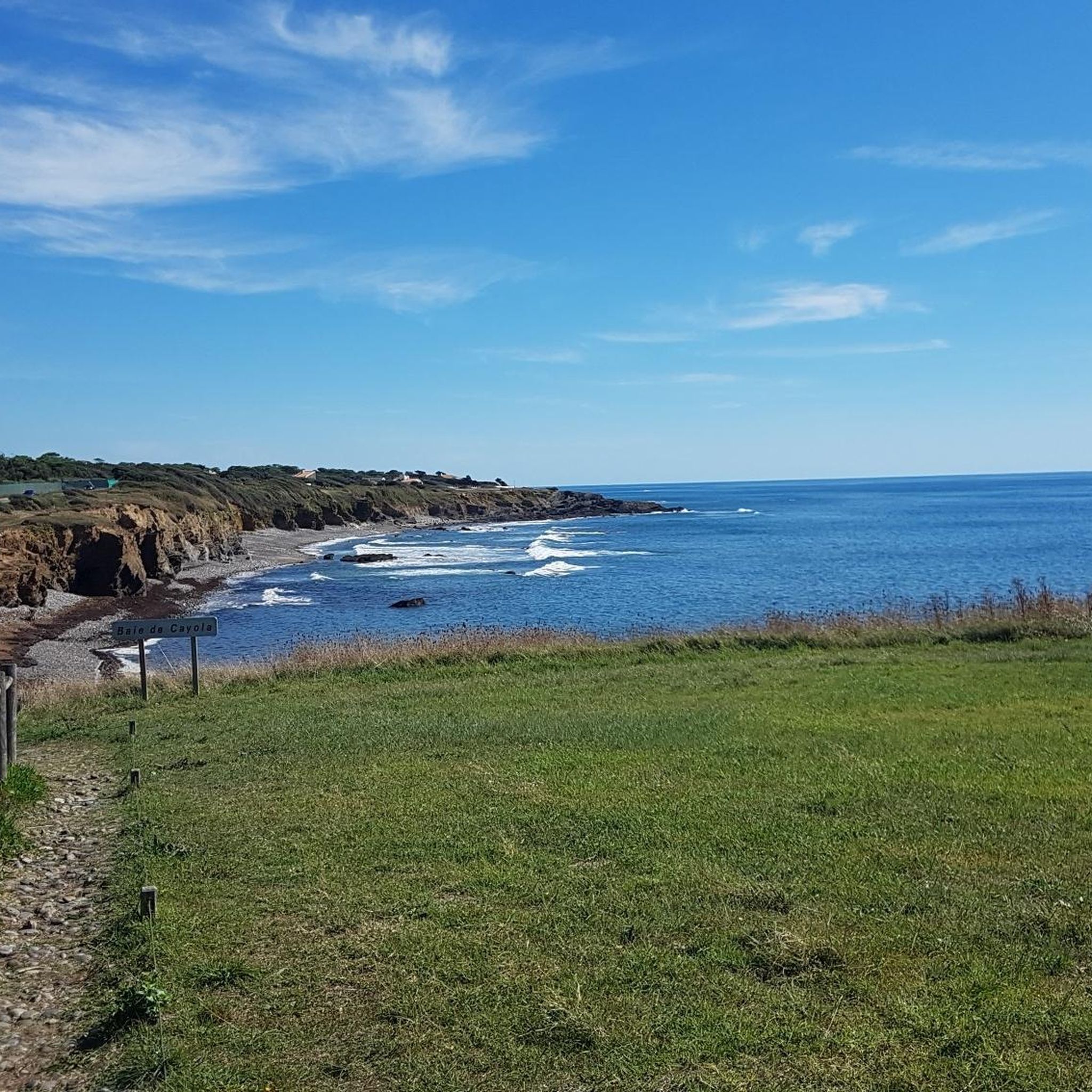
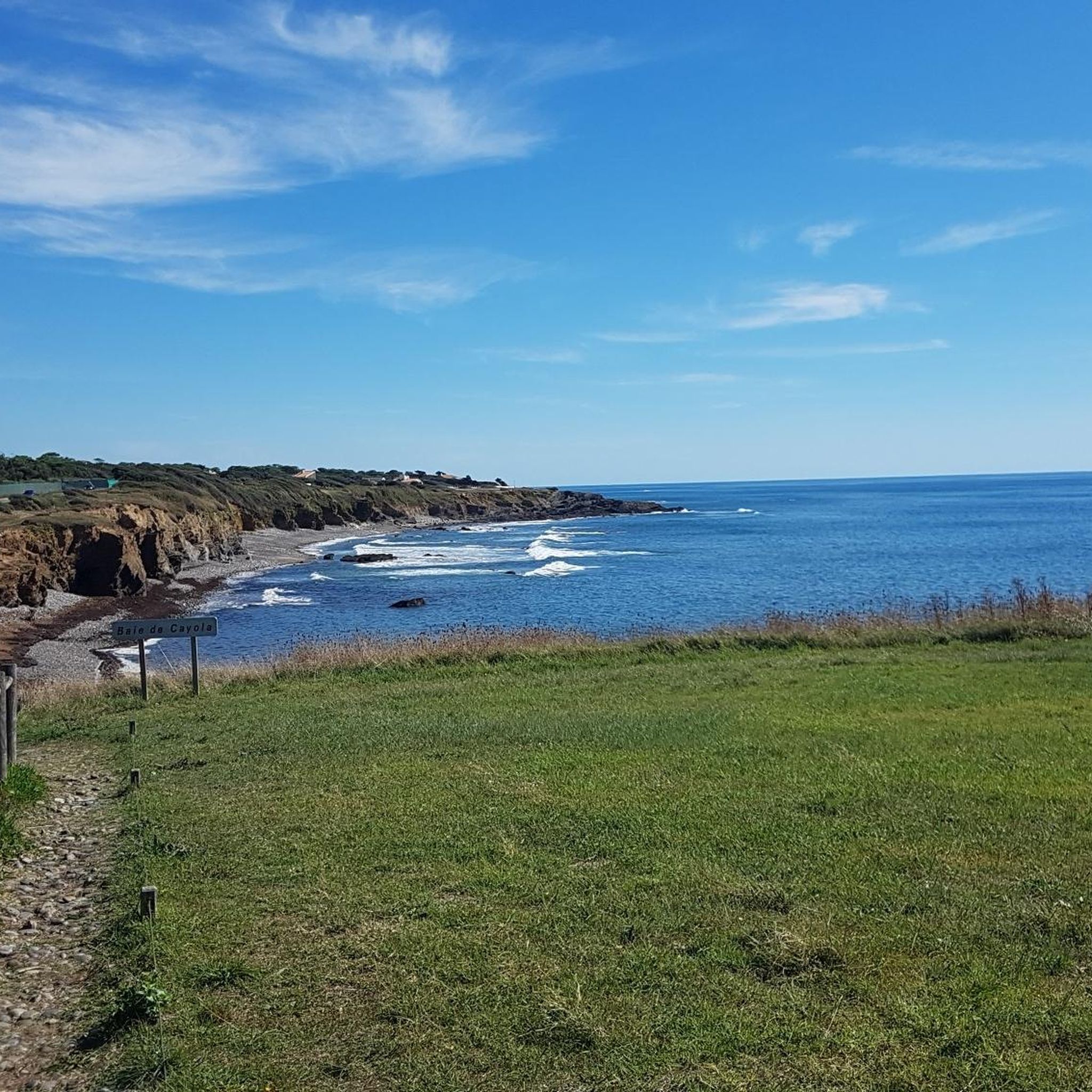
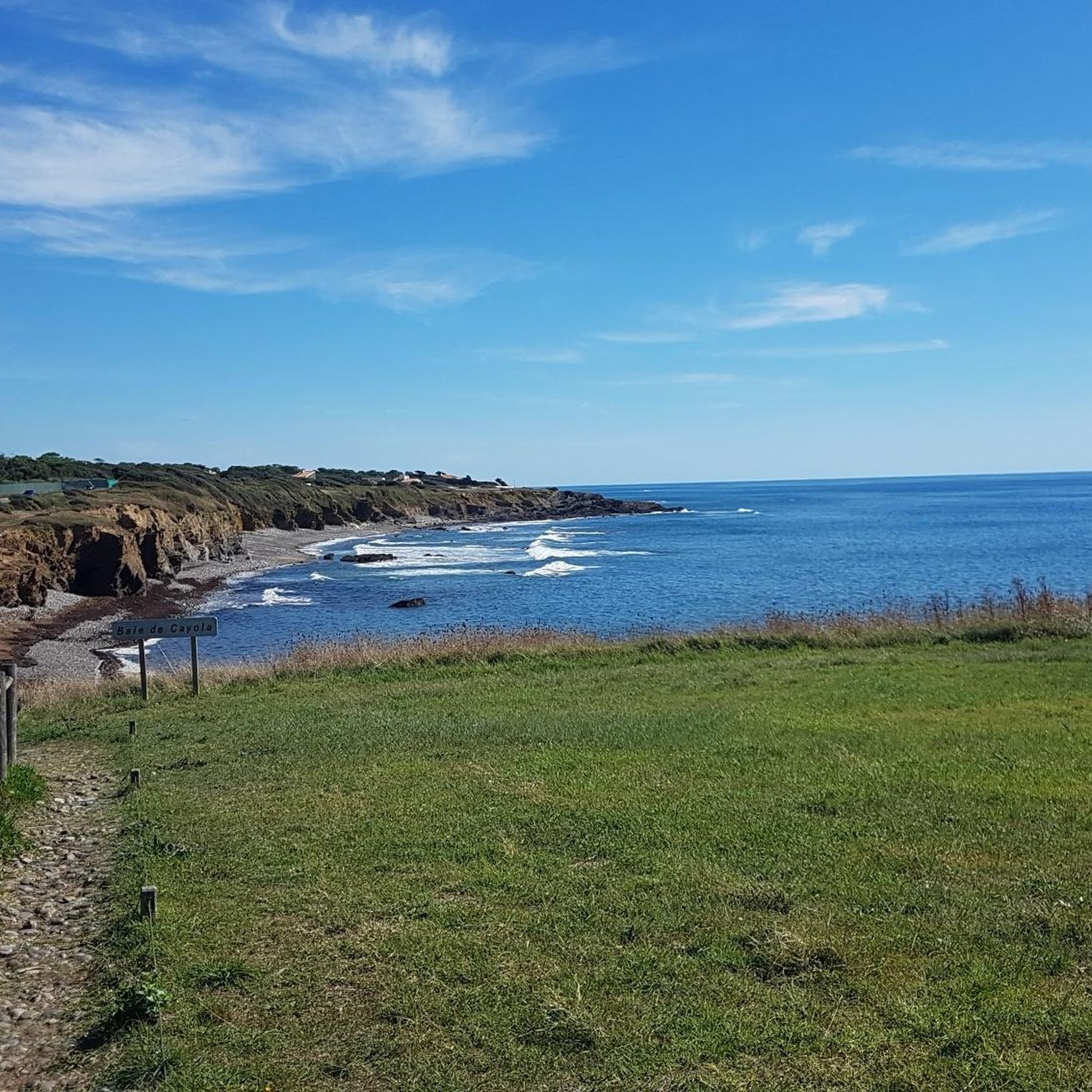
Cayola Bay
Highlight • Beach
Translated by Google •
Tip by

Puits d'Enfer
Highlight • Gorge
Translated by Google •
Tip by

Sign up now to discover places like this
Get recommendations on the best single tracks, peaks, & plenty of other exciting outdoor places.
Sign up for free
Pointe du Payré cliffs
Highlight • Viewpoint
Translated by Google •
Tip by

Pointe du Payré
Highlight • Viewpoint
Translated by Google •
Tip by
Menhir de la Conche Verte
Highlight • Monument
Translated by Google •
Tip by
Sign up for free to discover even more natural monuments around Château-D'Olonne.
Sign up for free
Already have an account?
Start today with a free account
Your next adventure awaits.
Login or Signup

Tips from the Community

Excellent run to the mine and back. In the cool of the early morning
0
0


The last 500m to the Pointe de Payré reward me with a great view all the way to Les Sables d‘Olonne
0
0

Really a must, to do if you are in the region
0
0


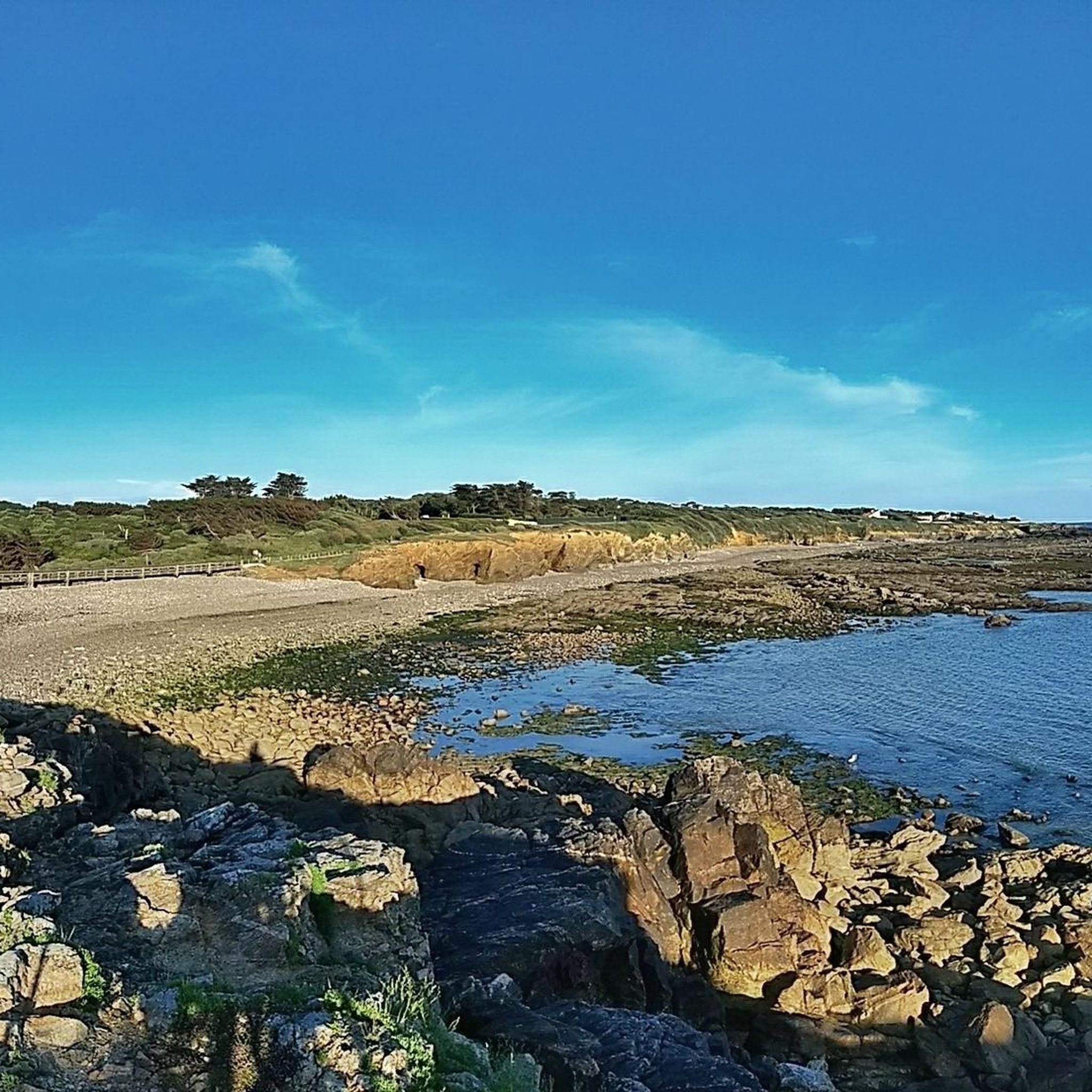
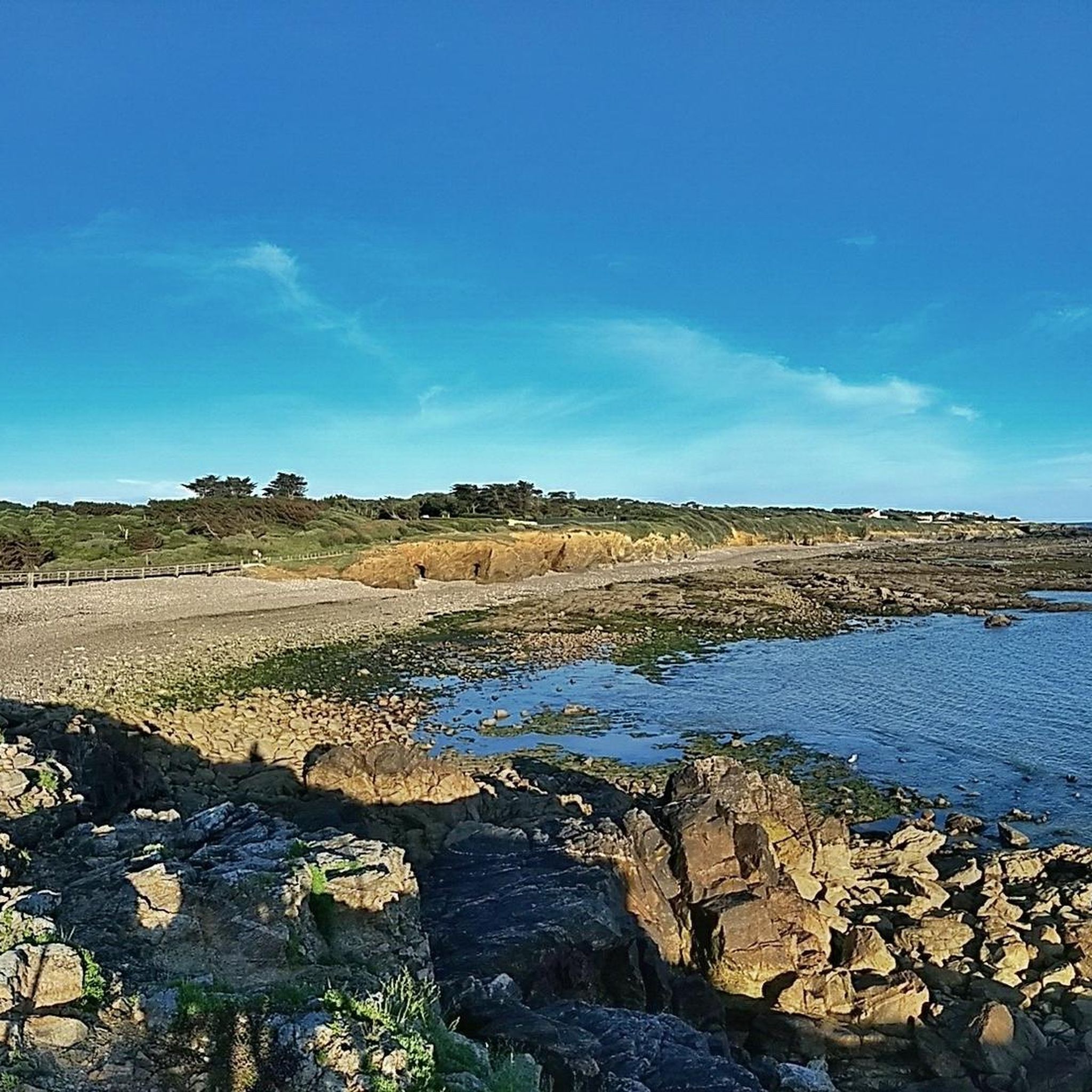
Magnificent stretch of coast that changes with the tides. Rocky, rugged and rough. You will appreciate this advice.
2
0
Frequently Asked Questions
What natural features define the coastline around Château-d'Olonne?
The coastline around Château-d'Olonne, particularly the Wild Coast (Côte Sauvage), is characterized by its untamed beauty, featuring a diverse mix of cliffs, coves, and bays. You can also find unique geological formations like Puits d'Enfer, where the sea dramatically rushes into the rock at high tide.
Where can I experience diverse natural landscapes, including wetlands, near Château-d'Olonne?
For diverse natural landscapes, including significant wetlands, explore the Marais d'Olonne. This vast ecosystem, including areas like Marais Neuf and Marais des Loirs, is rich in flora and fauna. It offers a peaceful retreat for hiking, cycling, and observing avian wildlife, especially beautiful at sunset.
Are there family-friendly natural monuments in the area?
Yes, several natural monuments are suitable for families. Cayola Bay is accessible via a cycle path and offers a captivating natural setting with benches for contemplation. The Bois Saint-Jean, a preserved 24-hectare wooded area, is also ideal for leisurely family strolls. Additionally, the Menhir de la Conche Verte is a fascinating historical natural monument that can be an interesting stop for families.
What kind of wildlife can I observe in the natural monuments around Château-d'Olonne?
The Marais d'Olonne is a prime location for wildlife observation, boasting a wide variety of plant and animal life. It's particularly known for its diverse avian species, making it an excellent spot for birdwatching. The coastal areas also offer opportunities to see marine birds and other coastal fauna.
What are the best times to visit these natural monuments?
The best time to visit often depends on the specific monument. For dramatic spectacles at Puits d'Enfer, visit during high tides or rough seas. Generally, spring and autumn offer pleasant weather for exploring the coastal paths and marshes, avoiding the peak summer crowds while still enjoying mild temperatures. Sunsets over the Marais d'Olonne are particularly beautiful.
Are there opportunities for hiking or walking near these natural sites?
Absolutely. The Wild Coast offers approximately 5 kilometers of varied landscapes perfect for walking. The Marais d'Olonne features winding trails ideal for hiking, and Bois Saint-Jean provides tranquil environments for leisurely strolls. You can find many walking routes in the region, including those detailed in the Running Trails around Château-D'Olonne guide, which often include sections near these natural monuments.
Can I go cycling near the natural monuments?
Yes, cycling is a popular way to explore the area. Cayola Bay is accessible via a dedicated cycle path from Château-d'Olonne, and the Marais Neuf within the Marais d'Olonne is well-maintained and ideal for cycling. For more options, refer to the Road Cycling Routes around Château-D'Olonne guide.
Are there any historical natural monuments in the region?
Yes, the region combines natural beauty with historical elements. The Menhir de la Conche Verte is a significant historical natural monument, a large megalith discovered in the 1800s. At Cayola Bay, at low tide, you can observe the remains of an old pontoon bridge, hinting at its rich maritime past.
What makes Cayola Bay a special natural monument?
Cayola Bay is considered one of the most impressive natural monuments due to its captivating setting. It features a distinctive pebble dune and, at low tide, reveals the remains of an old pontoon bridge. The bay offers beautiful views and a peaceful atmosphere, with benches strategically placed for visitors to enjoy the landscape.
Where can I find dramatic coastal viewpoints around Château-d'Olonne?
For dramatic coastal views, visit the Pointe du Payré cliffs. Here, the cliffs are mesmerizing, and when the tide recedes, an underwater landscape is revealed as waves crash against the rock formations, showcasing the raw power of nature. The Wild Coast also offers incomparable views along its rugged stretch.
Are there specific routes for mountain biking near the natural monuments?
Yes, the area offers mountain biking opportunities. You can find routes that pass near some of the natural monuments. For example, the MTB Trails around Château-D'Olonne guide lists several options, including a 'Baie de Cayola – Puits d'Enfer loop'.
What do visitors particularly enjoy about the natural monuments here?
Visitors frequently praise the dramatic spectacle of the sea rushing into the rock at Puits d'Enfer, especially during high tide. The captivating natural setting and unique pebble dune at Cayola Bay are also highly appreciated. Many enjoy the mesmerizing views from the Pointe du Payré cliffs and the tranquil walks through the preserved Bois Saint-Jean.
Most popular routes around Château-D'Olonne
Most popular attractions around Château-D'Olonne

Get inspired with the komoot mobile app


Explore more
Extend your search for the best caves by checking out these guides of the top ones around Château-D'Olonne:
