Top 5 Natural Monuments around Bouin
Best natural monuments around Bouin include the region's extensive marshlands and coastal areas, which define its unique natural heritage. Bouin, located in the Vendée, is characterized by its rich wetland ecosystems, shaped by the interplay of land and sea. These areas offer significant biodiversity, particularly for birdlife, and provide insights into traditional regional industries like oyster farming and salt production. The landscape supports serene walks and cycling, showcasing its ecological value.
Best natural monuments around Bouin
- The most popular natural…
Last updated: October 6, 2026
Pointe de la Casie
Highlight • Viewpoint
Translated by Google •
Tip by

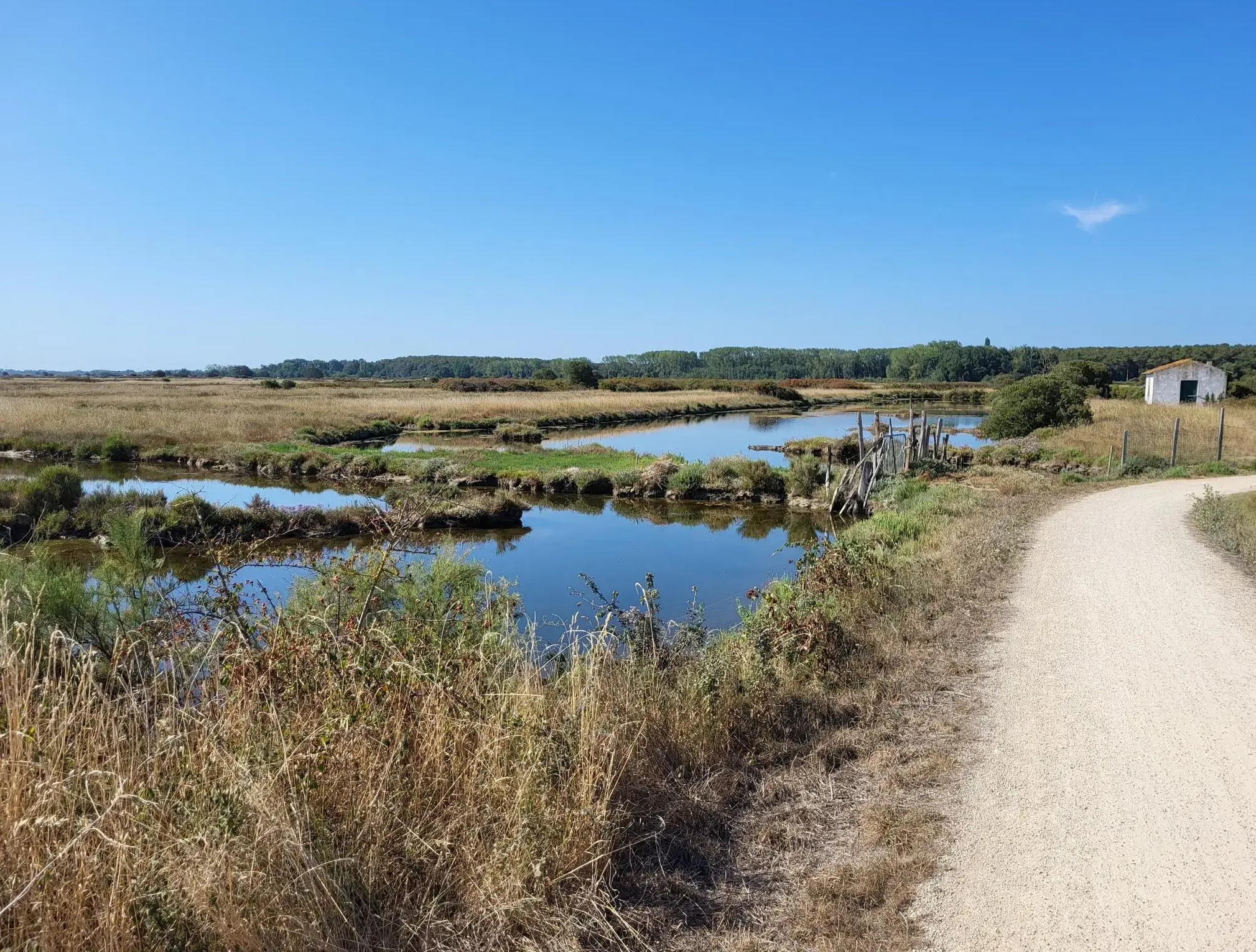
Salt Pans and White Paths of Noirmoutier
Highlight • Natural Monument
Translated by Google •
Tip by

Sign up now to discover places like this
Get recommendations on the best single tracks, peaks, & plenty of other exciting outdoor places.
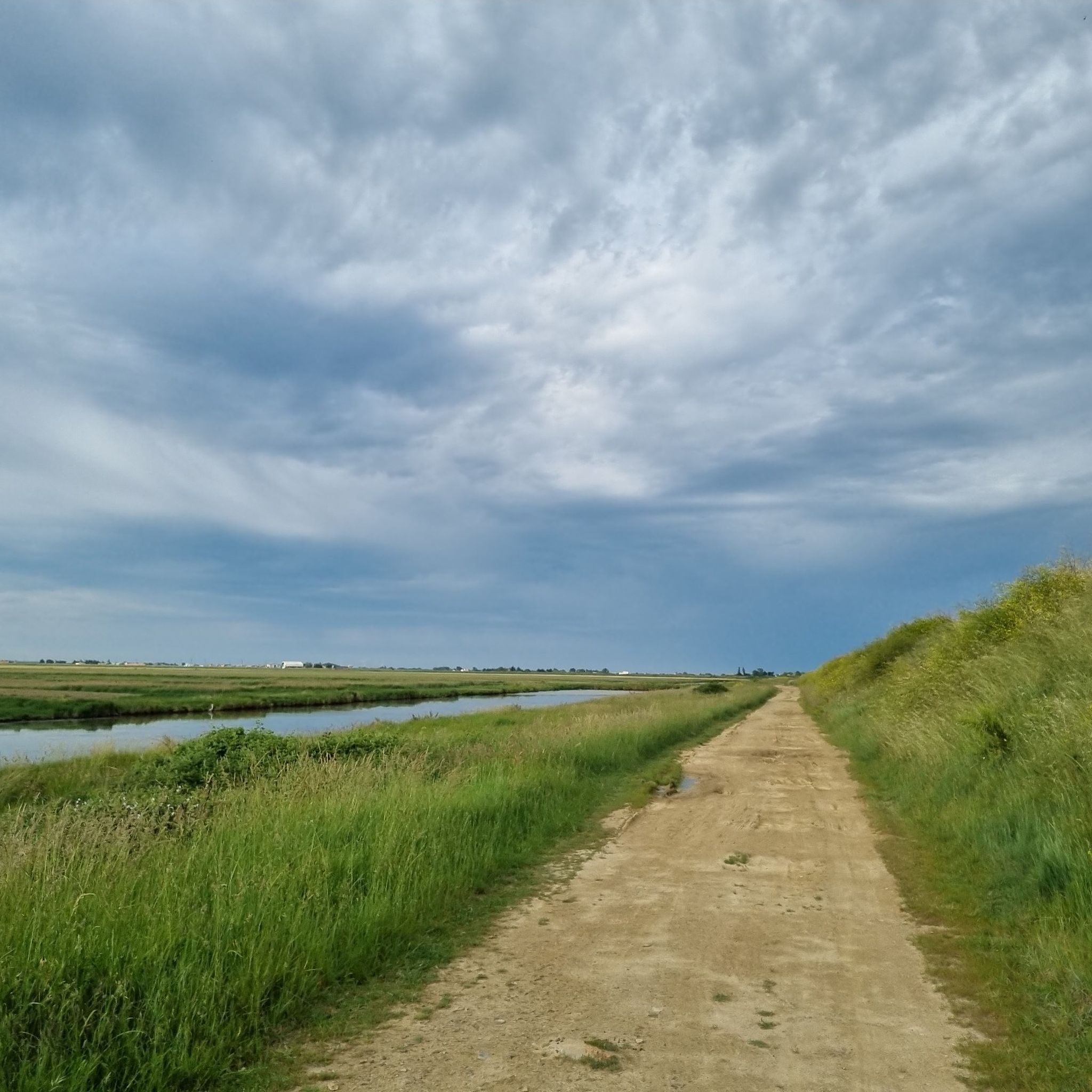
Sébastopol Polder Nature Reserve
Highlight • Natural Monument
Nesting place for terns, seagulls and avocets, with a high concentration in April/May, which offers an impressive natural spectacle with the noise and smell ...
Translated by Google •
Tip by

Stork Observation Platform in Marais Breton
Highlight • Viewpoint
Translated by Google •
Tip by
Start today with a free account
Your next adventure awaits.

Other adventures around Bouin

Tips from the Community


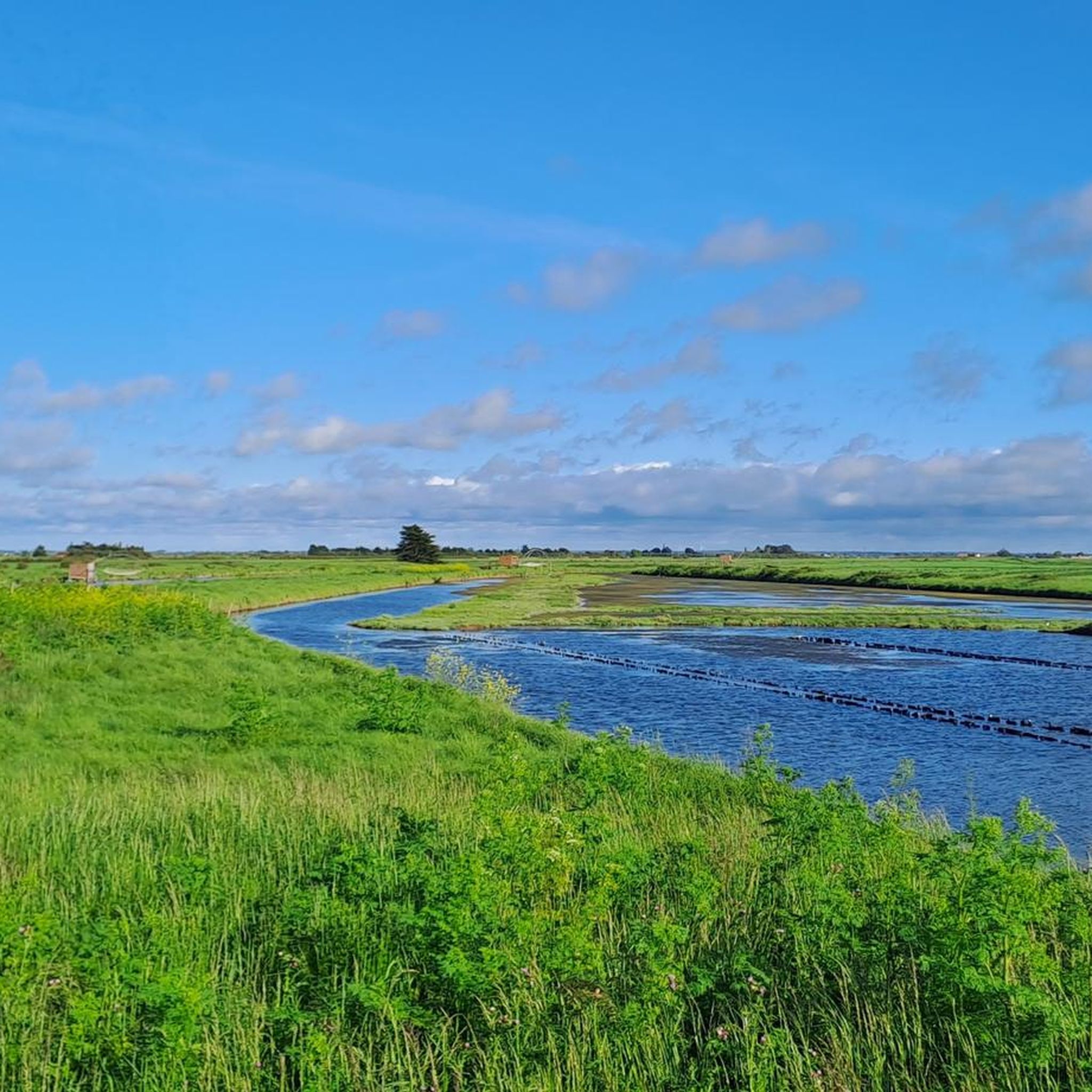
Pointe de Casie offers an unforgettable experience as you cruise right along Bourgneuf Bay on the island's east coast. This strip of land, which also serves as a seawall, offers commanding views of both land and sea.
0
0

Pointe de la Casie offers an exhilarating mountain biking experience with its rugged trails and breathtaking views. Located in a beautiful coastal area, the trail seems to sink into the ocean as it skirts the island of Noirmoutier.
1
0

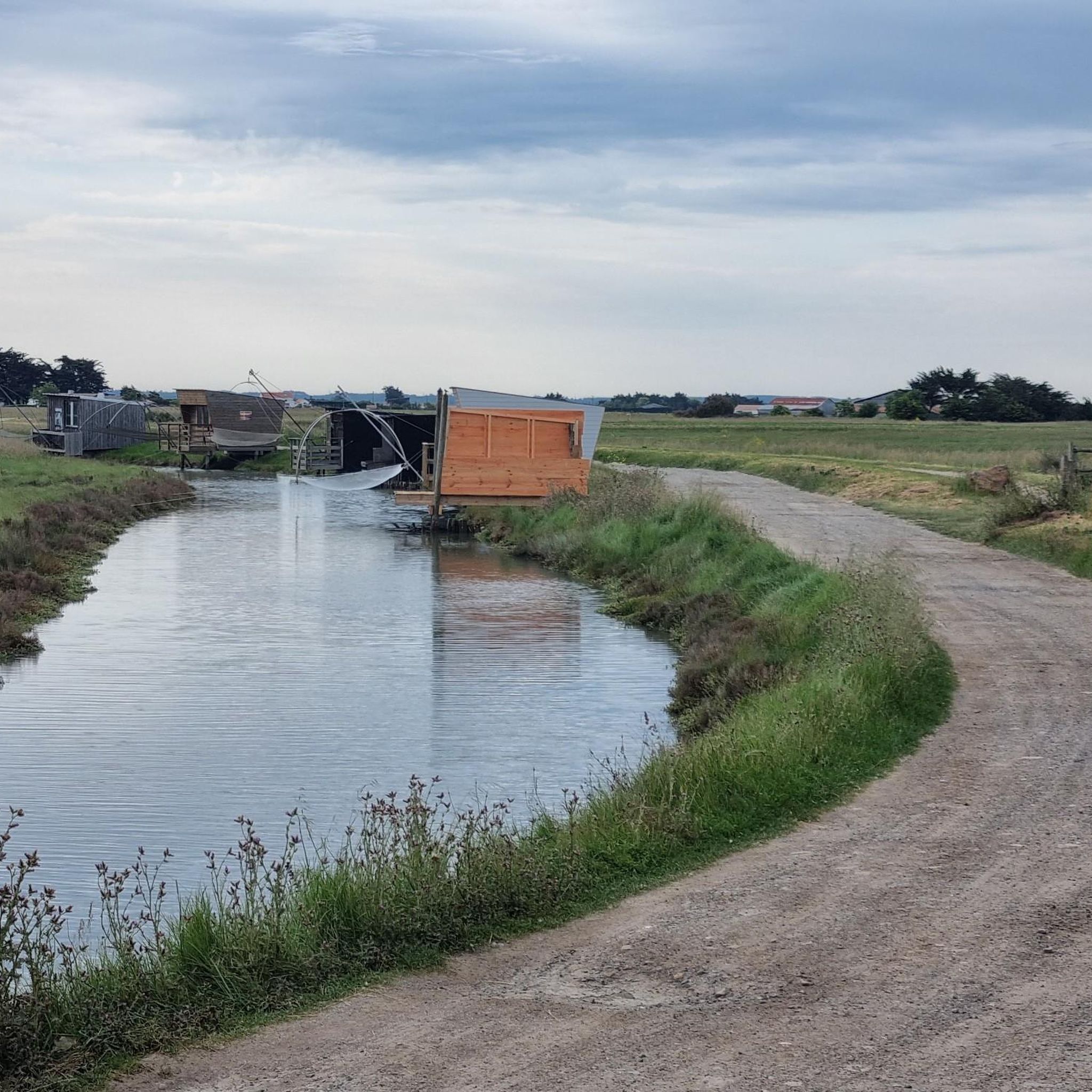
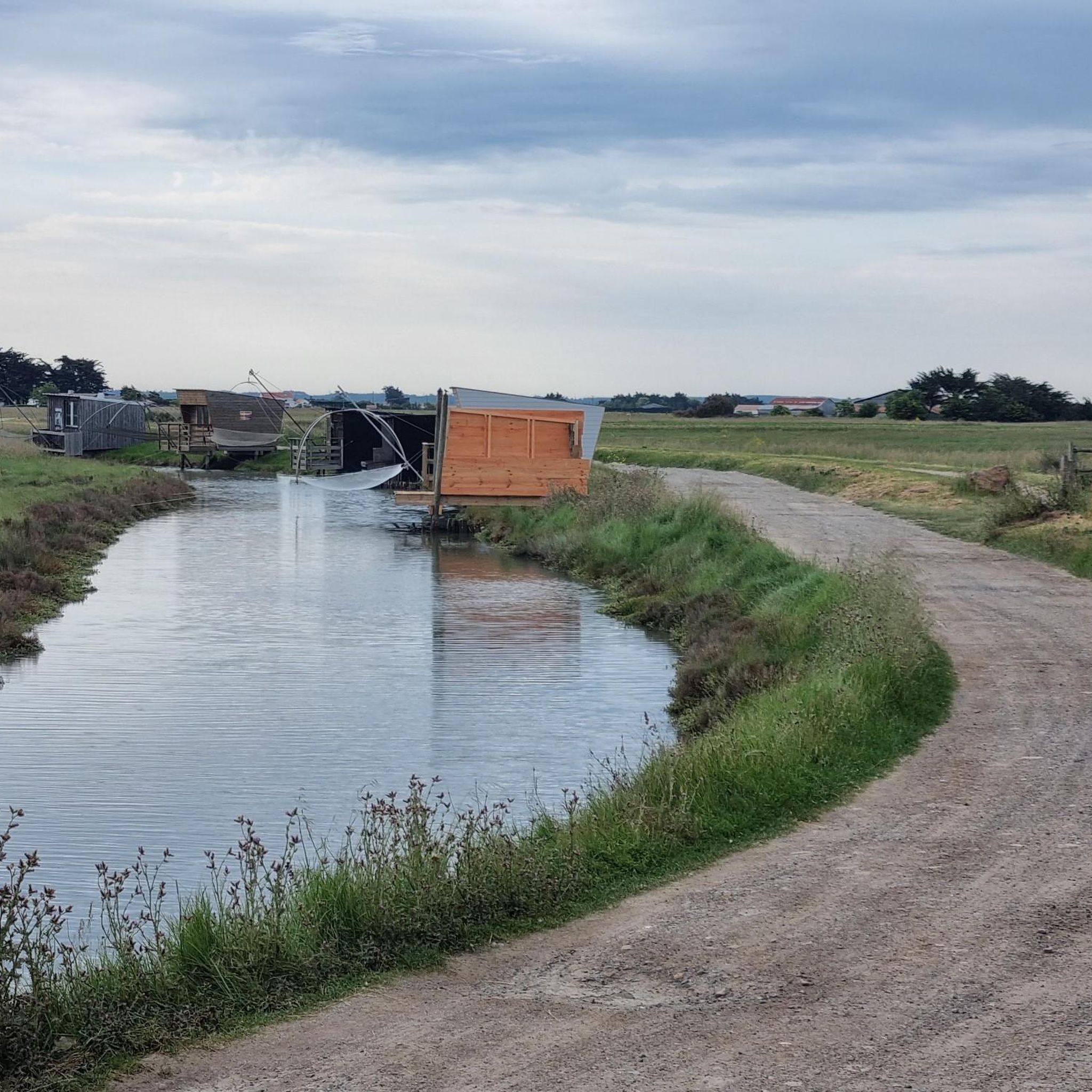
Superb horseshoe-shaped pond, which was used for a long time for fish farming.
0
0
Good place to observe some of the 170 species of birds that frequent the reserve.
0
0

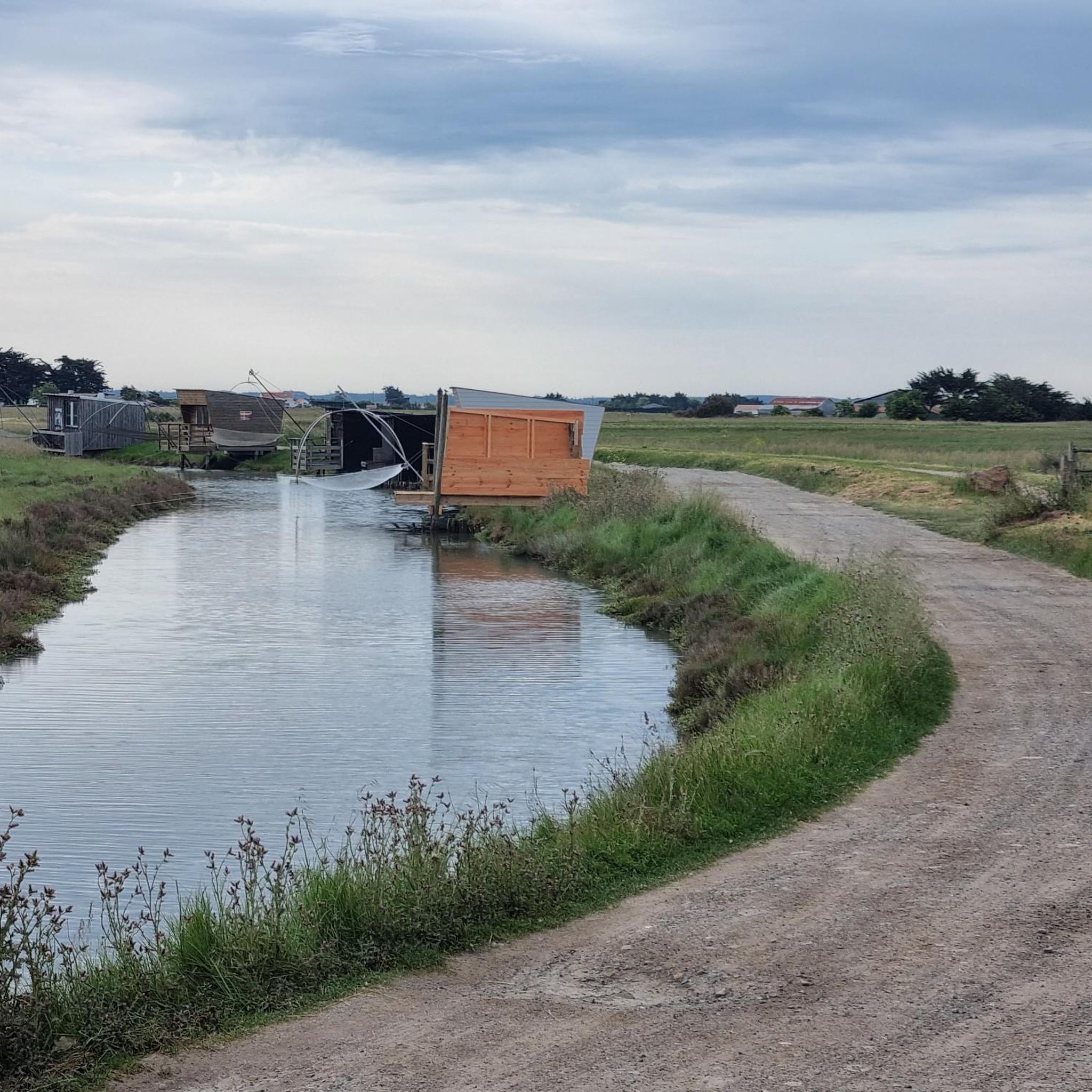
At the edge of the road this kind of raised kiosk is in fact an observatory to admire the storks. They appeared in the marsh in 1992. And since then platforms like this one have been built to encourage their nesting. It is estimated that there are between 40 and 50 nests in the area. They can be observed there during the spring until mid-July.
0
0

Superb section.
0
0
Gently gravel passage on a stabilized gravel path but it's beautiful and worth the detour. Nesting place for terns, seagulls and avocets, with a high concentration in April/May, which offers an impressive natural spectacle with the noise and smell ...
2
0
Frequently Asked Questions
What are some of the most popular natural monuments to visit around Bouin?
Visitors frequently enjoy the Salt Pans and White Paths of Noirmoutier, known for its distinctive landscape and diverse birdlife. Another favorite is Pointe de la Casie, which offers stunning coastal views along Bourgneuf Bay. The Sébastopol Polder Nature Reserve is also highly regarded, especially in spring for its impressive nesting bird spectacle.
What kind of natural landscapes can I expect to see in Bouin?
Bouin is primarily characterized by its extensive marshland environment, which forms its most significant natural heritage. You'll encounter a unique landscape of waterways, canals, and salt marshes, shaped by centuries of interaction between land and sea. These wetlands are vital ecosystems, offering a blend of natural beauty and insights into traditional regional industries like oyster farming and salt production.
Are there opportunities for hiking near Bouin's natural monuments?
Yes, the marshlands and coastal areas around Bouin offer numerous hiking opportunities. You can find various routes, such as the moderate 'Collet Dune – Marais de Lyarne loop from Port du Collet' or the 'Château de la Limagne – Port des Champs loop from Bouin'. For more detailed options, explore the hiking guide around Bouin.
Can I go cycling or mountain biking in the natural areas around Bouin?
Absolutely. The flat terrain of the marshlands and coastal paths makes Bouin an excellent area for cycling and gravel biking. Routes like the 'Entrance to the Passage du Gois – Pointe de la Casie loop' offer exhilarating experiences. For mountain biking, you can find trails such as the 'Crique de la Source – Ria of Pornic loop'. Check out the gravel biking guide and the MTB trails guide around Bouin for more routes.
What kind of wildlife can I observe in Bouin's natural monuments?
The marshlands around Bouin are a haven for birdlife. The Salt Pans and White Paths of Noirmoutier are a good place to observe over 170 species of birds. The Sébastopol Polder Nature Reserve is a key nesting site for terns, seagulls, and avocets, especially in spring. You can also visit the Stork Observation Platform in Marais Breton to admire storks, which have been nesting in the marsh since 1992.
Are there family-friendly natural monuments suitable for children around Bouin?
Yes, several natural monuments are well-suited for families. The Salt Pans and White Paths of Noirmoutier and the Sébastopol Polder Nature Reserve are both considered family-friendly, offering easy paths and opportunities for wildlife observation. The Stork Observation Platform in Marais Breton is also a great spot for children to learn about local birdlife.
When is the best time of year to visit the natural monuments around Bouin?
The spring (April/May) is particularly rewarding for birdwatching, as many species, including terns, seagulls, and avocets, are nesting in areas like the Sébastopol Polder Nature Reserve. The storks can be observed from spring until mid-July. Summer offers pleasant weather for walking and cycling, while the marshlands maintain their unique character year-round.
What makes the marshlands around Bouin unique as a natural monument?
The marshlands of Bouin are unique because they represent a dynamic environment shaped by both natural marine processes and centuries of human intervention, such as the construction of dikes and polders. This creates a distinctive landscape of salt marshes, canals, and traditional fishing ports. The area is also recognized for its ecological value, particularly as a vital habitat for water birds, and for preserving traditional industries like oyster farming and salt production.
Can I learn about the history and traditional industries of the Bouin region while visiting its natural monuments?
Yes, the natural monuments around Bouin are deeply intertwined with the region's history and traditional industries. The marshlands themselves are a result of historical land reclamation. You can observe traditional oyster farming, a major economic activity, especially around ports like Port du Bec. Salt production, an industry dating back to the 17th and 18th centuries, is also evident in areas like the Salt Pans and White Paths of Noirmoutier.
Are there any viewpoints to get a good overview of the natural landscapes?
Yes, Pointe de la Casie is a prominent viewpoint offering commanding views of both land and sea, extending along Bourgneuf Bay and skirting the island of Noirmoutier. Additionally, the Stork Observation Platform in Marais Breton provides a raised perspective to admire the storks and the surrounding marsh.
What are the key ecological features of the Lagune de Bouin?
The Lagune de Bouin is classified as a Sensitive Natural Area and is a critical part of the broader marshland ecosystem. It serves as a vital reproduction and resting zone for various water bird species, particularly during high tides. It hosts approximately 20,000 water birds annually for reproduction and rest, with over 1,000 pairs nesting there in 2022, highlighting its significant ecological importance within the Bay of Bourgneuf.
Most popular attractions around Bouin

Get inspired with the komoot mobile app


Explore more
Extend your search for the best caves by checking out these guides of the top ones around Bouin:
