Top 12 Natural Monuments around Beaufort
Best natural monuments around Beaufort are characterized by a mountainous landscape, featuring high alpine passes, historic bridges, and cascading waterfalls. This region offers diverse terrain, from challenging mountain trails to serene river valleys. It is a destination for those seeking to explore alpine environments and discover unique geological formations. The area provides opportunities for various outdoor activities amidst its natural landmarks.
Best natural monuments around Beaufort
- The most popular natural monuments is Col de la Seigne, a mountain pass…
Last updated: May 21, 2026
Roman bridge
Highlight • Bridge
Translated by Google •
Tip by

Col de la Seigne
Highlight • Mountain Pass
Translated by Google •
Tip by

Sign up now to discover places like this
Get recommendations on the best single tracks, peaks, & plenty of other exciting outdoor places.
Sign up for free
Col du Bonhomme
Highlight • Mountain Pass
Translated by Google •
Tip by
Lakes Pass
Highlight • Mountain Pass
Translated by Google •
Tip by
Trail below the Pyramides Calcaires
Highlight (Segment) • Trail
Tip by

Sign up for free to discover even more natural monuments around Beaufort.
Sign up for free
Already have an account?
Start today with a free account
Your next adventure awaits.
Login or Signup
Popular around Beaufort
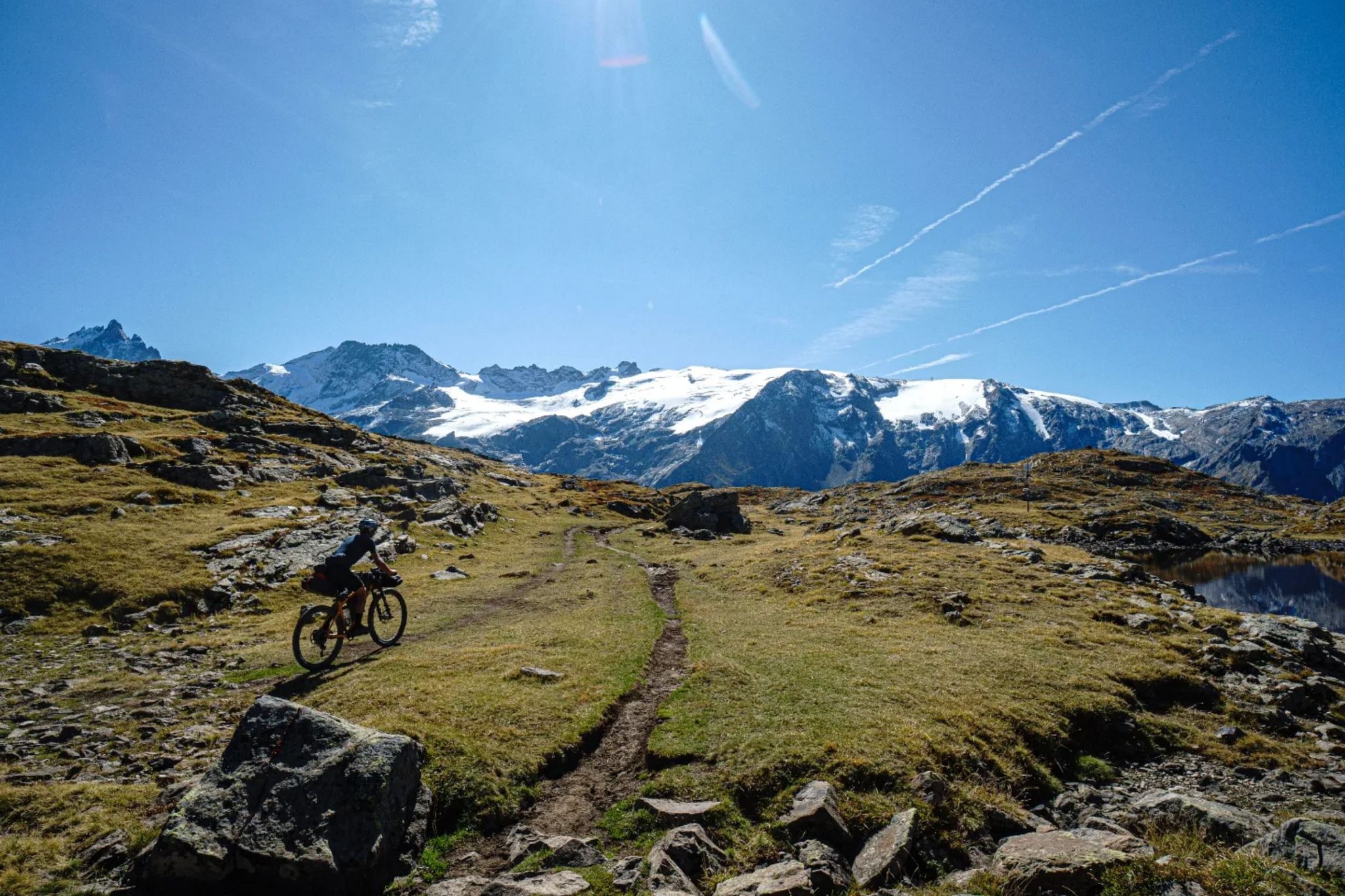
Transalps MTB – Chamonix to the Mediterranean Sea
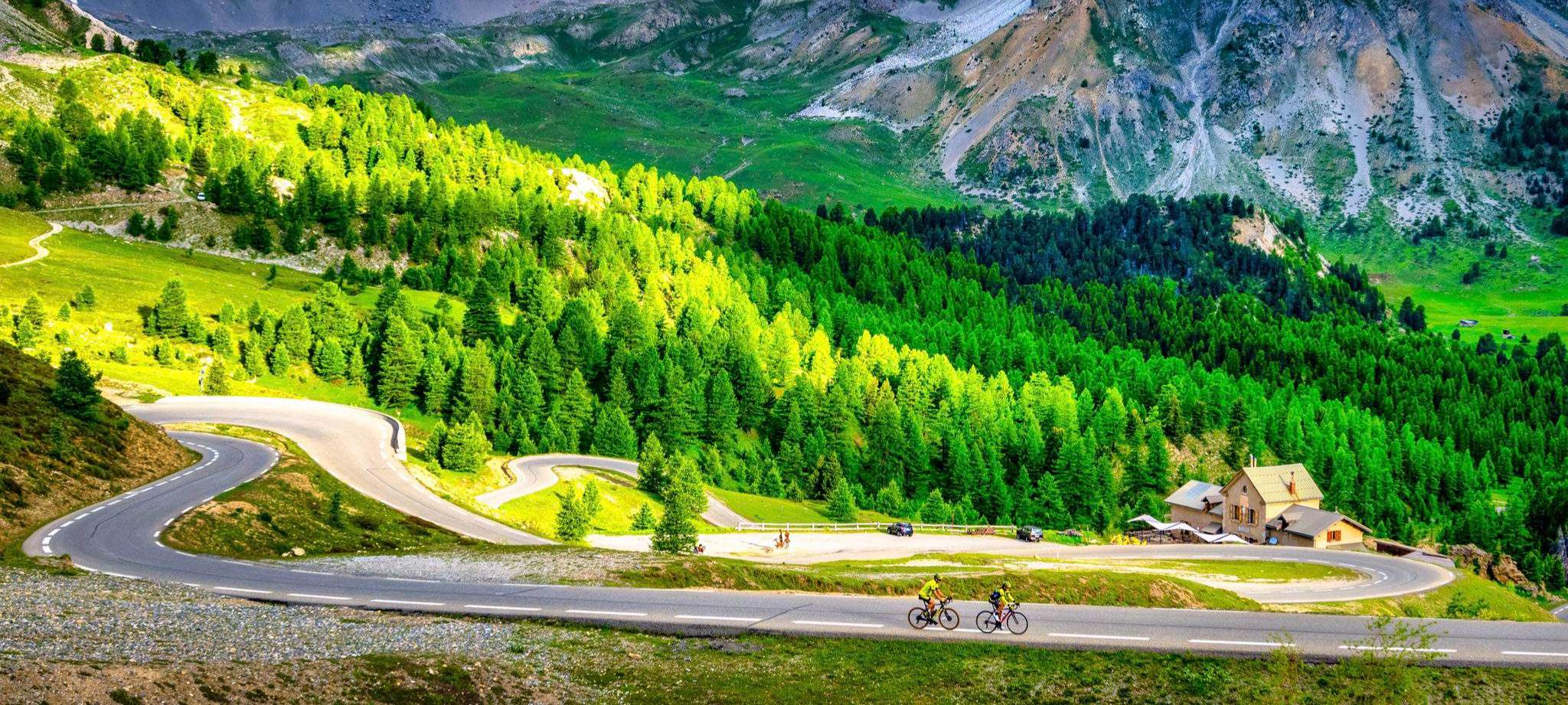
Route des Grandes Alpes
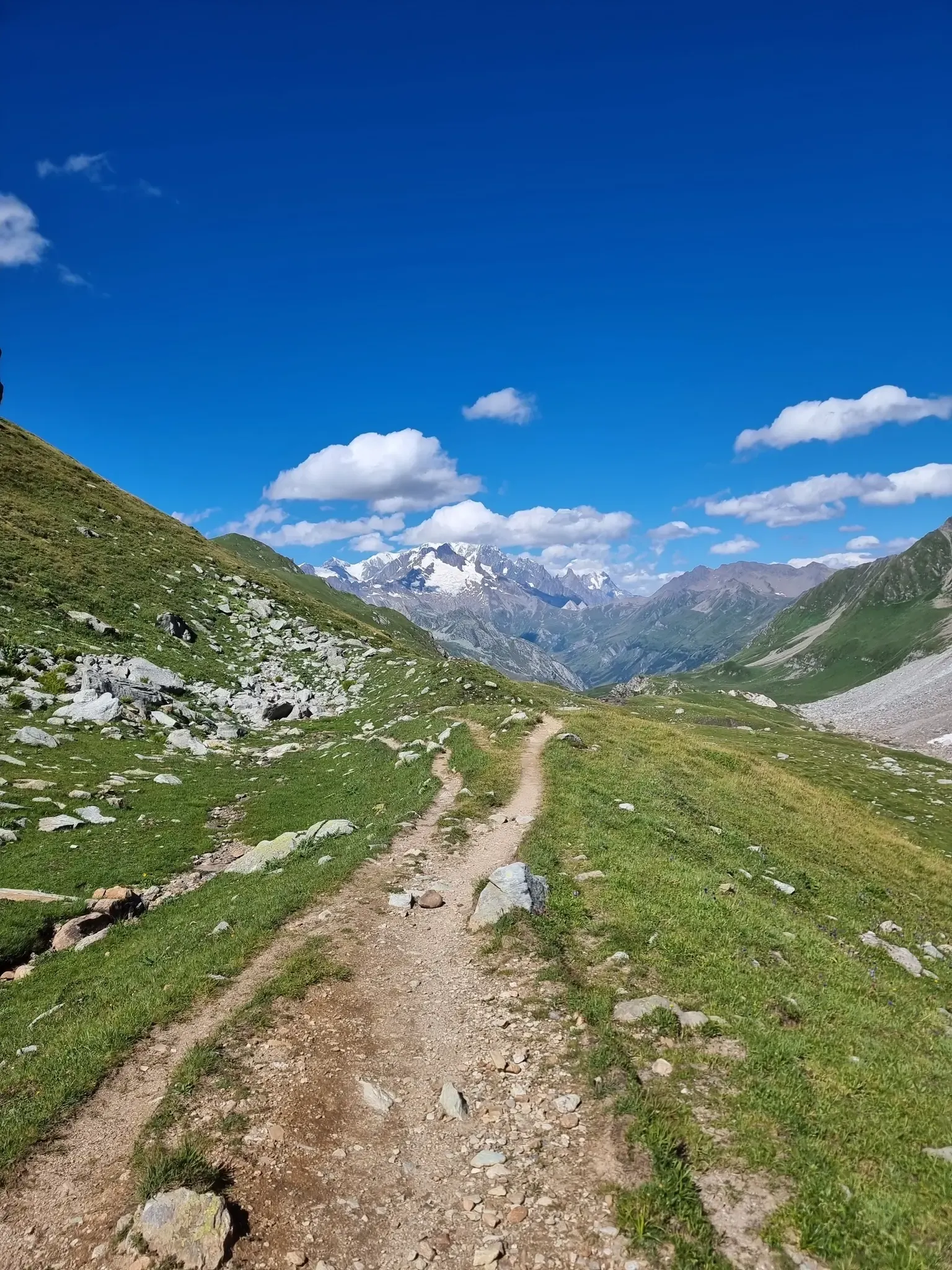
Five days of alpine fastpacking - Ultra Tour du Beaufortain
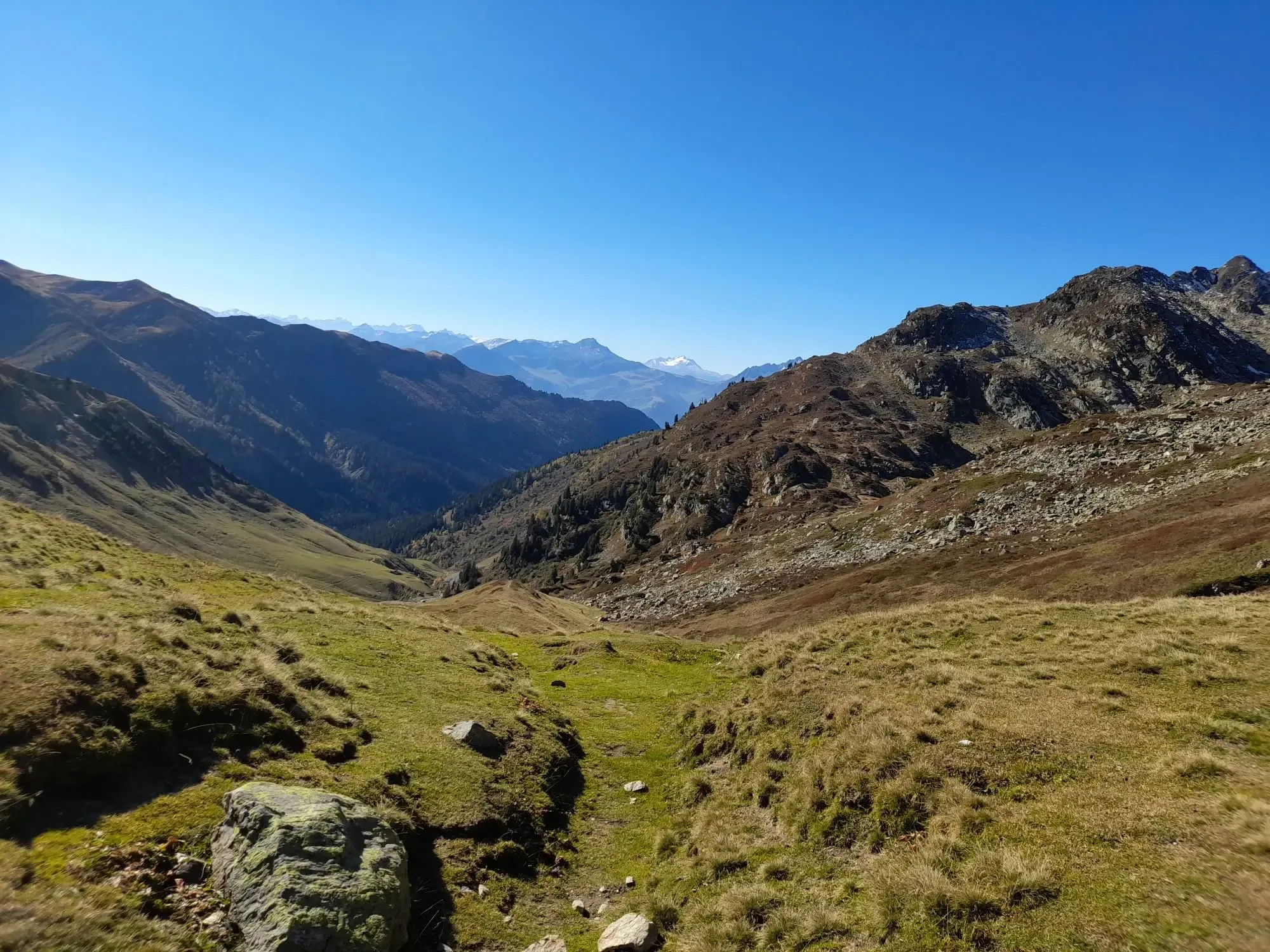
Skyrunning in the Alps — Circuits inspired by Pierra Menta
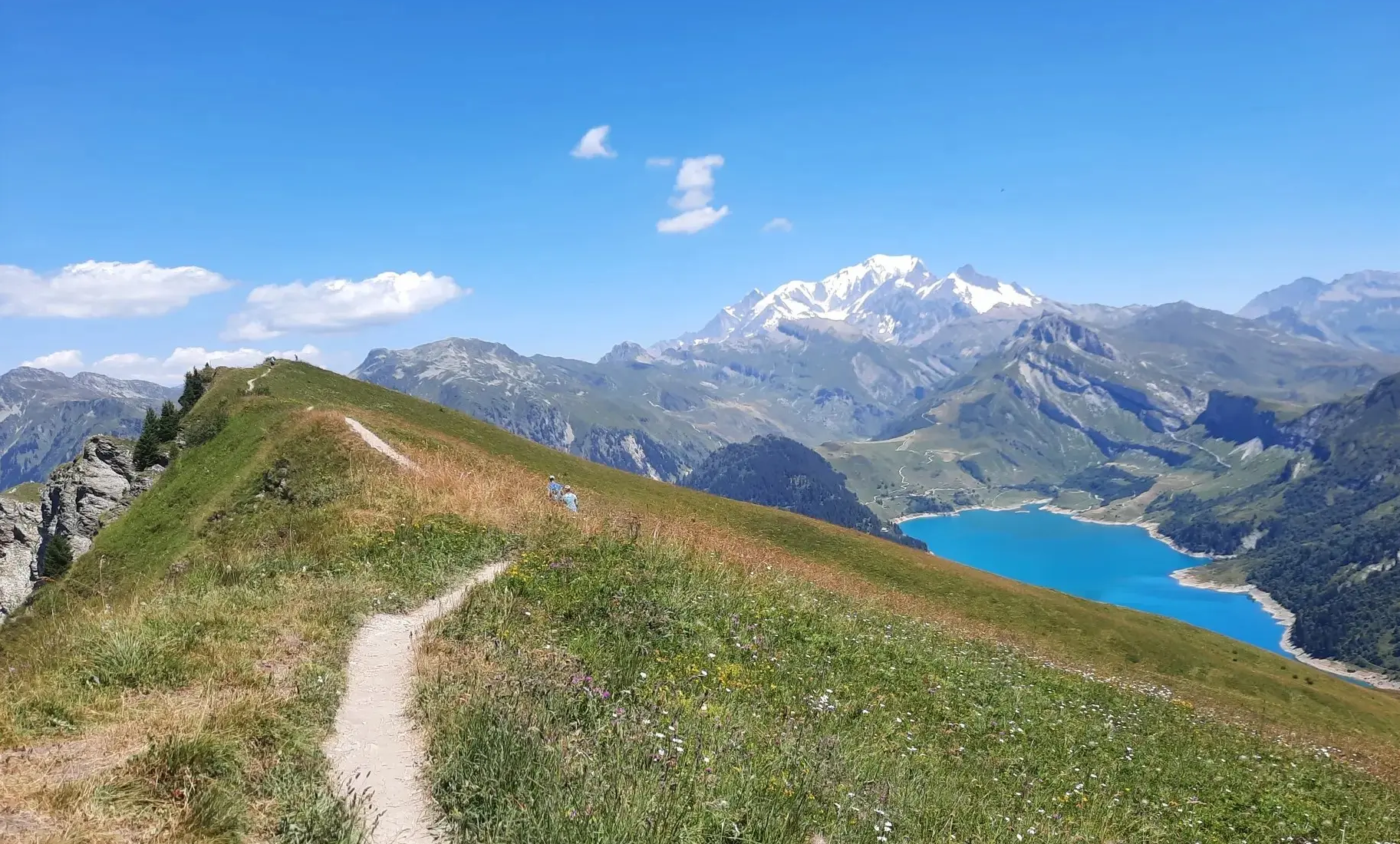
A route to discover Beaufortain — Trail Frison-Roche
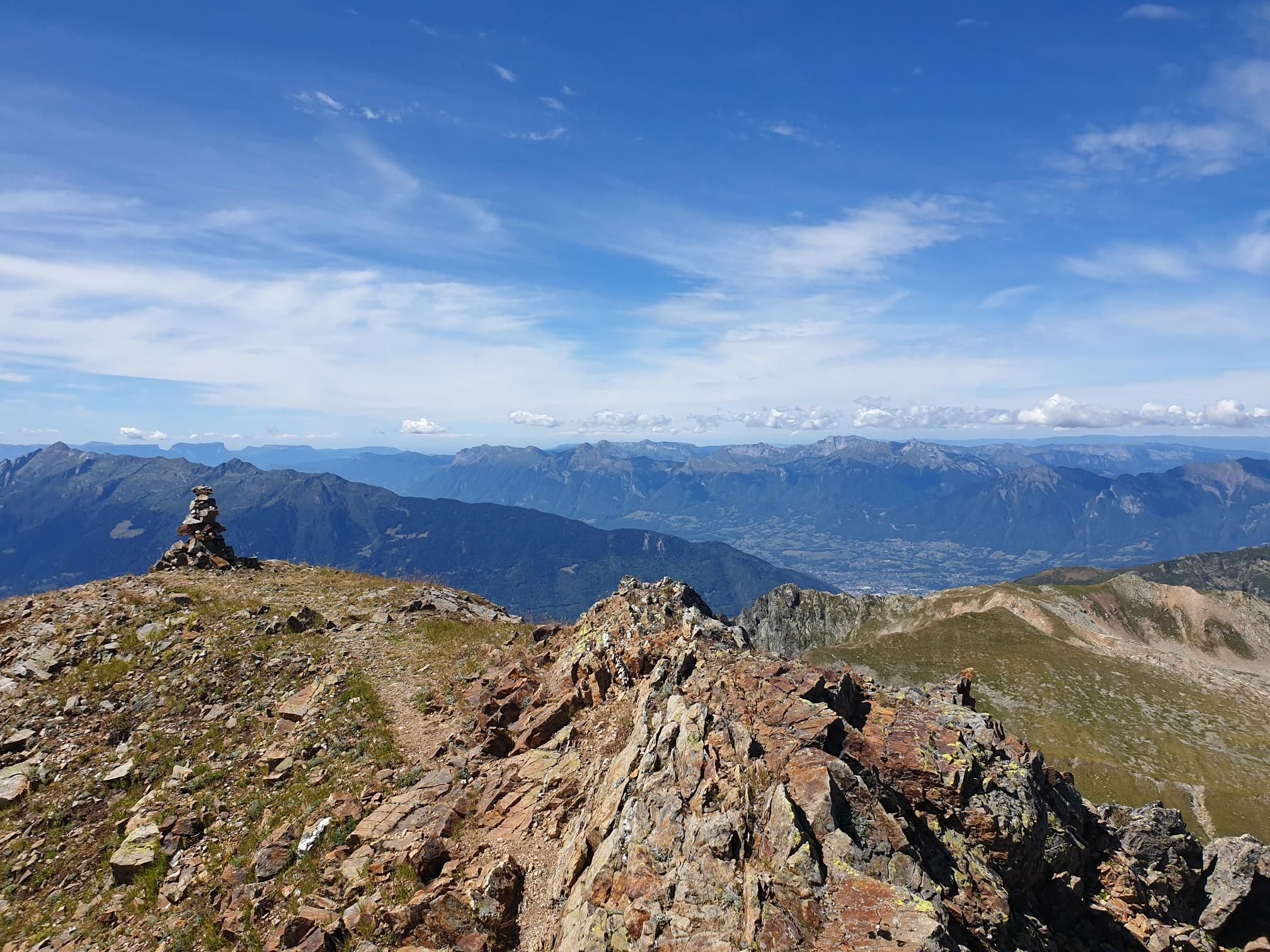
Collecting altitude meters - Beaufortain from François d'Haene's perspective
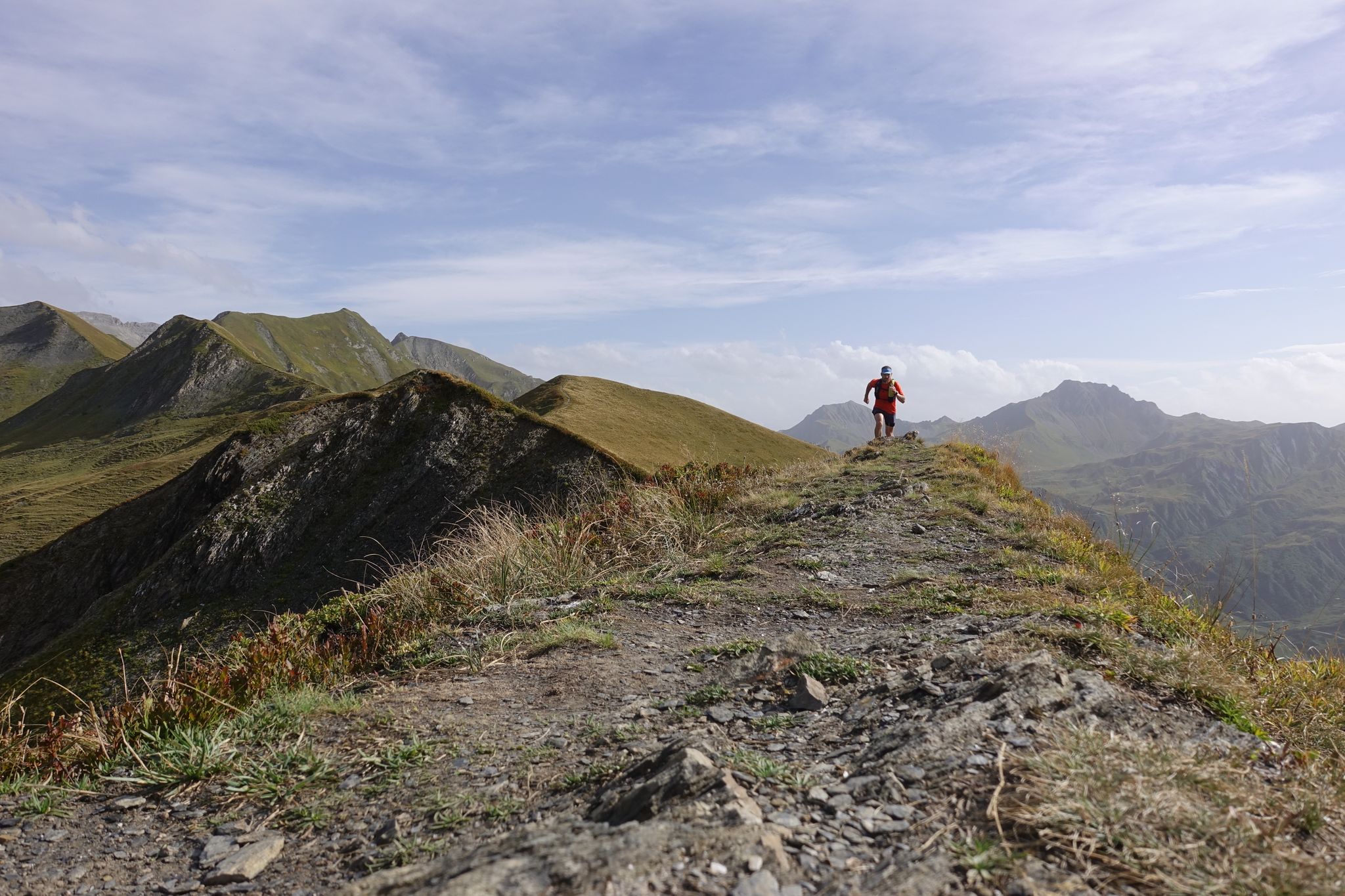
In the footsteps of champions – trail running in Arêches-Beaufort
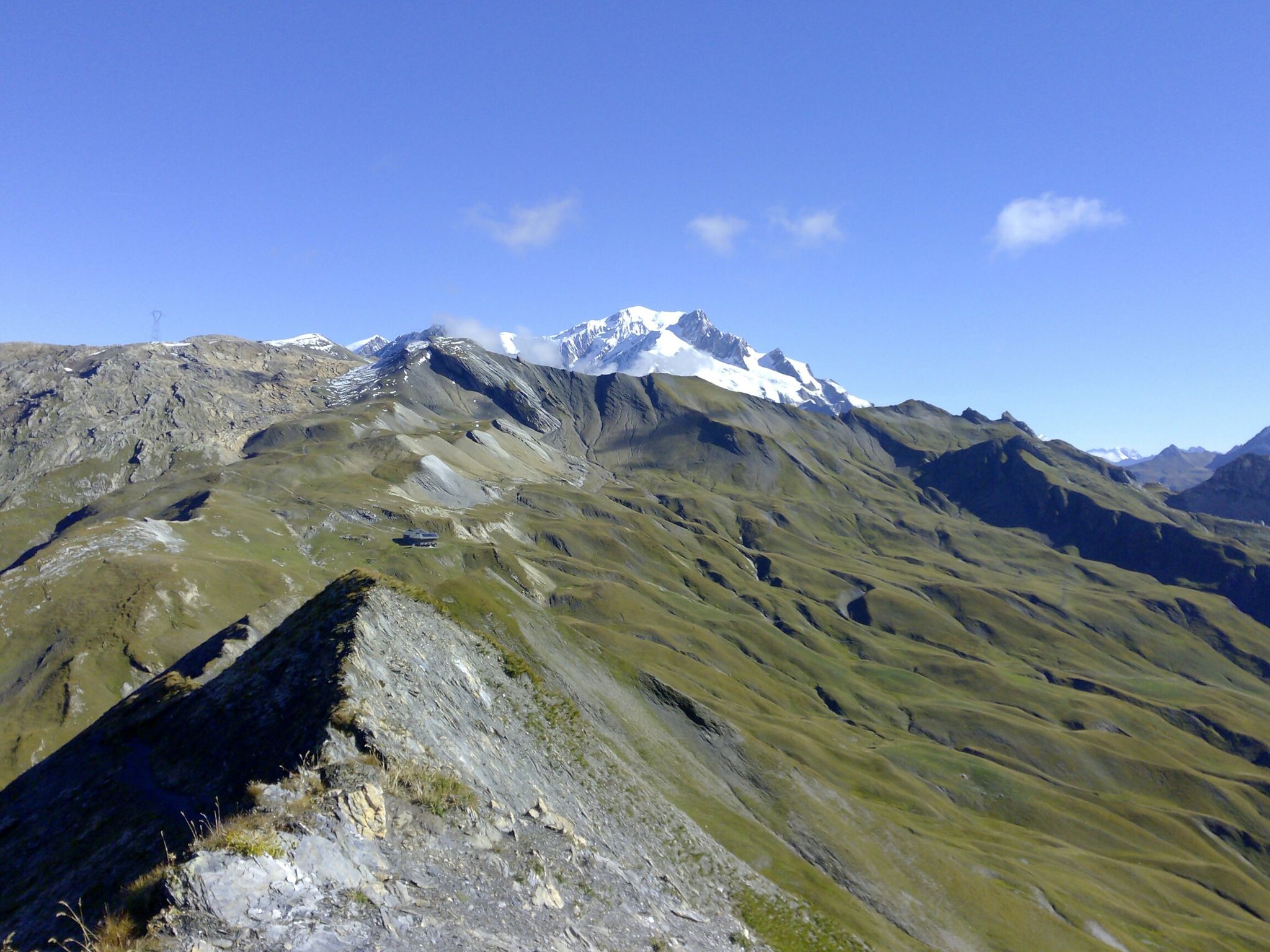
The TDS – 6 days of wild and demanding trails between Italy and France
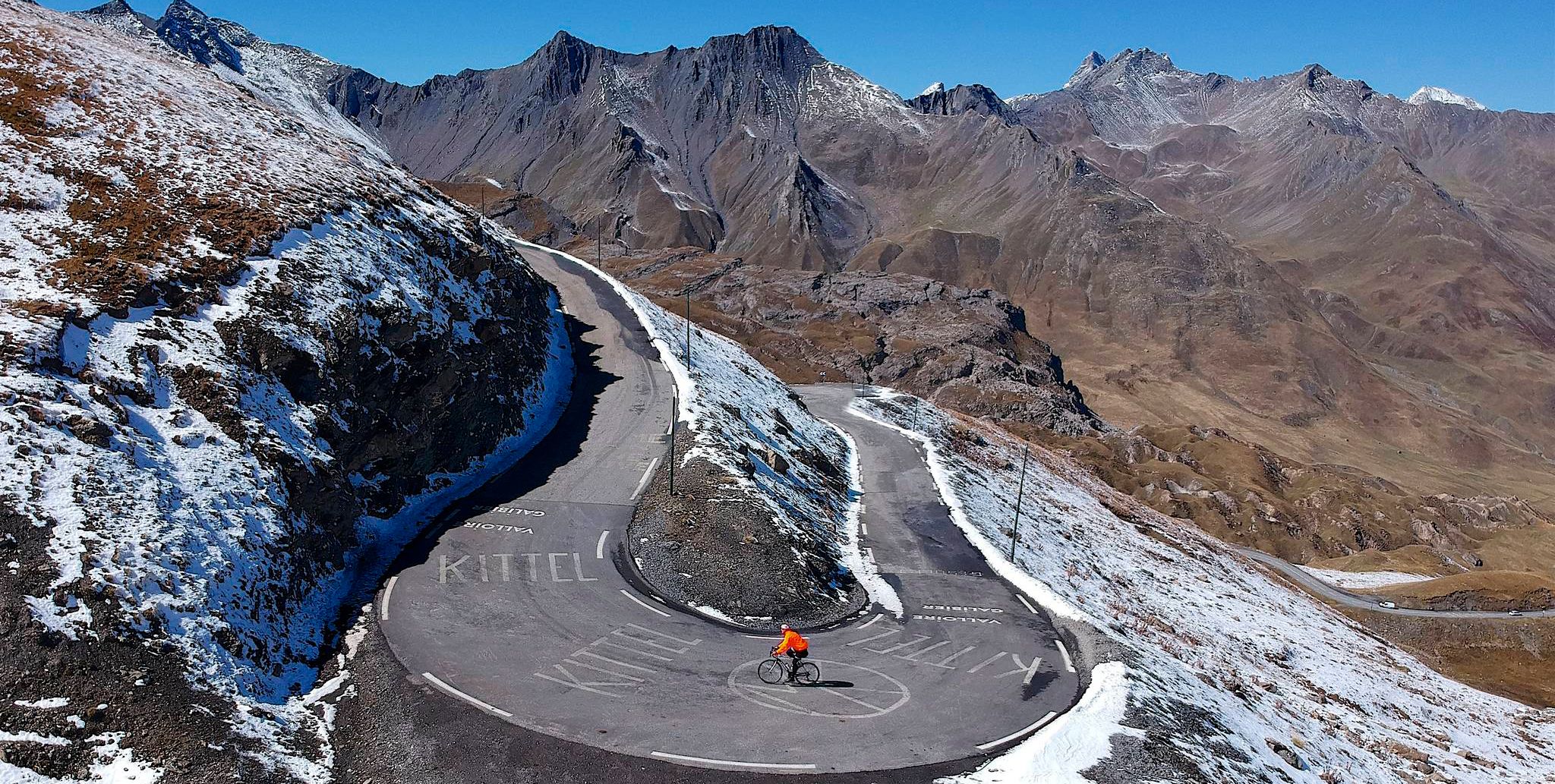
Tracing the Tour de France – spectacular passes in the Auvergne-Rhône-Alps
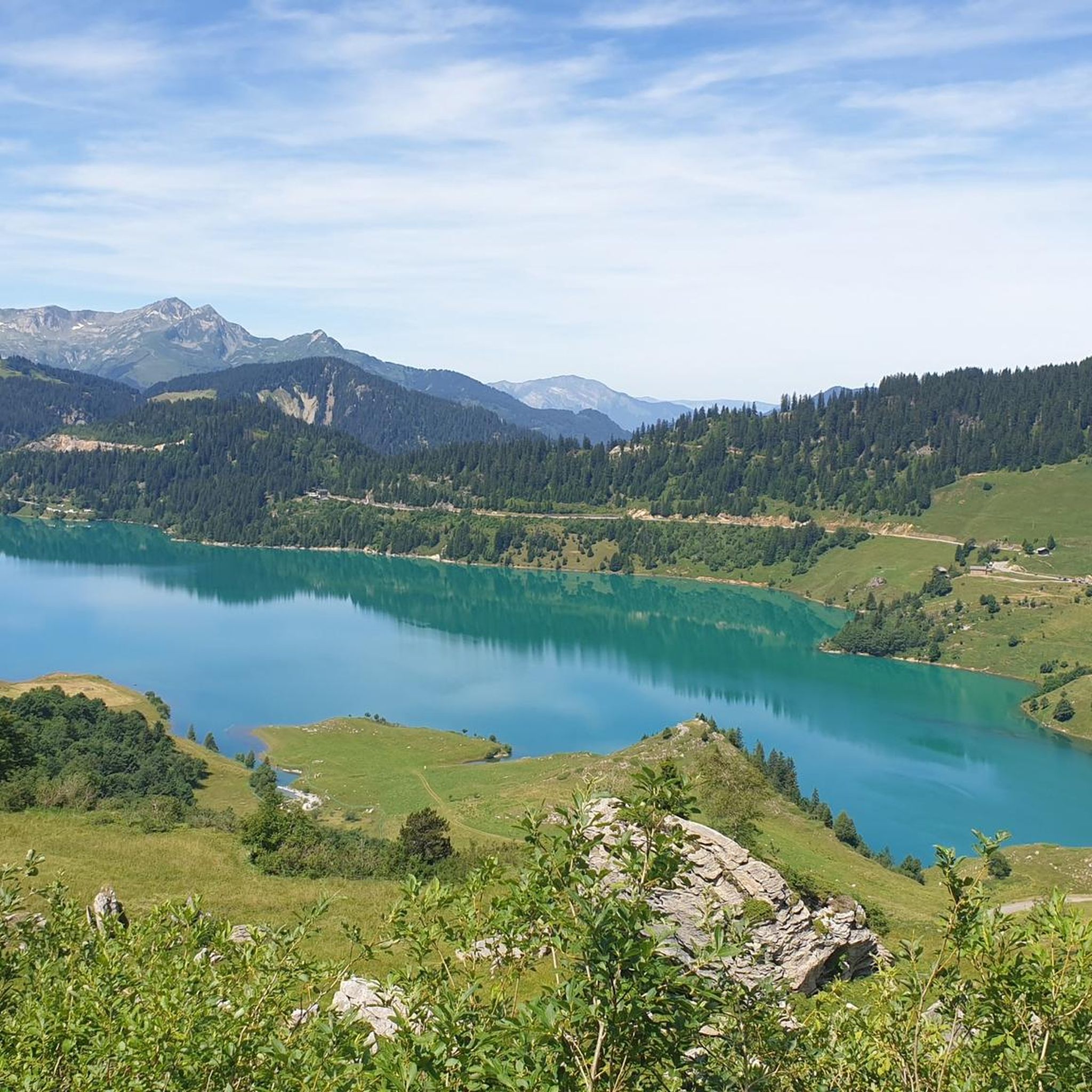
Running Trails around Beaufort
Other adventures around Beaufort


Tips from the Community

As its name suggests, the Col des Lacs is surrounded by delightful small bodies of water, at an altitude of 2,234 meters. It is located at the foot of the Pointe de la Grande Journe.
0
0

The climb via the Anery is very difficult, steps, roots and stones make the route which is very steep, to be avoided in rainy weather, very slippery path and risk of stream formation as the path is dug by falling rain .
2
0

Easily reachable by pushing from Les Chapieux, from the other side it's only possible to go up through a steep scree and rock group with acrobatics and climbing, partly dangerous
2
0
https://youtu.be/bq-e0bqLD9k https://youtu.be/eu_RPR989TI From the Rifugio Elisabetta, strenuous and steep from Courmayeur, but one of the most beautiful passes of my life. The descent to Les Chapieux is easy to manage on unblocked single trails.
4
0

The Col du Bonhomme is located in the south-east of Haute-Savoie and entirely within the municipal territory of Contamines-Montjoie, the administrative limit with Beaufort passes on the side of the pass, about one kilometer further south than the line peak1. It constitutes a relatively easy natural passage between the Bonhomme rock and the Pennaz needles, thus making it possible to communicate the Montjoie valley to the north with the Beaufortain to the southwest1: the two sections of the old national road 202 interrupted between the Chapieux to the south and Notre-Dame-de-la-Gorge to the north were to be connected via the Col du Bonhomme before the project was abandoned. The Col du Bonhomme is known for its singular Sandstones, a predominantly siliciclastic sedimentary system discovered by de Saussure in 17792, and whose origin is enigmatic3.
1
0

The Pont Romain is an ancient Roman bridge that crosses the Bon Nant stream, a tributary of the Arve River. The bridge is a remarkable feat of engineering, and it has stood for centuries despite the passage of torrential water. The bridge is also home to a series of small waterfalls, which are carved into the rock by the water.
5
1
Col du Bonhomme is in the French Alps. It is located in the Beaufortain massif, and it is one of the most popular routes on the Tour du Mont Blanc. The pass is at an elevation of 2,962 meters (9,716 feet), and it is one of the highest passages on the route. At the pass, there is a hut where you can stay overnight and eat. There is also an observation platform where you can enjoy the panoramic views of the surrounding mountains.
0
0
Gentle path along the northern slope of the Pyramides Calcaires. Along the Tour du Mont Blanc route (TMB) to the Elisabetta Soldini hut. Unfortunately, in Italy it is forbidden to use a tent below 2500 meters in altitude
1
0
Frequently Asked Questions
What are the most popular natural monuments around Beaufort?
The most popular natural monuments in the Beaufort region include Col de la Seigne, a high alpine pass marking the border between Italy and France, and Roman bridge, a picturesque stone bridge over a river. Visitors also highly appreciate Col du Bonhomme, another challenging mountain pass offering superb views.
What unique natural features can I see in the Beaufort region?
The Beaufort region is characterized by its mountainous landscape, featuring high alpine passes, historic bridges, and cascading waterfalls. You can explore challenging mountain passes like Col de la Seigne and Col du Bonhomme, discover the tranquil Roman bridge, and witness the beauty of the Combe Noire Waterfall.
Are there hiking trails near these natural monuments?
Yes, the Beaufort region offers numerous hiking opportunities. Many natural monuments, especially the mountain passes, are integral parts of hiking trails. For example, Col de la Seigne is a significant point along the Tour du Mont Blanc trail. You can find more detailed hiking routes and guides for the area on the Hiking around Beaufort guide page.
What outdoor activities can I do near the natural monuments in Beaufort?
Beyond exploring the natural monuments themselves, the Beaufort region is excellent for various outdoor activities. You can enjoy gravel biking, road cycling, and hiking. For specific routes and guides, check out the Gravel biking around Beaufort, Hiking around Beaufort, and Road Cycling Routes around Beaufort guide pages.
What kind of terrain can I expect on trails around Beaufort's natural areas?
The terrain around Beaufort's natural monuments is predominantly mountainous. Expect challenging ascents and descents, especially around passes like Col de la Seigne and Col du Bonhomme. Trails can range from well-trodden paths to rocky sections, and some areas, particularly at higher altitudes, may have snow even outside of winter, as noted for Col du Bonhomme.
Are there any natural monuments with lakes or water features?
Yes, the region features natural monuments with beautiful water elements. The Lakes Pass, for instance, is surrounded by delightful small bodies of water at an altitude of 2,234 meters, offering superb panoramas. Additionally, the Combe Noire Waterfall showcases impressive gorges and waterfalls.
What do visitors enjoy most about the natural monuments in Beaufort?
Visitors frequently praise the superb views from the high mountain passes, the tranquility of spots like the Roman bridge, and the beauty of the waterfalls and gorges. The challenging yet rewarding nature of the alpine trails and the sense of accomplishment after reaching a pass like Col du Bonhomme are also highly valued.
Are there any historical natural monuments in the area?
Yes, the Roman bridge is a notable historical natural monument. This ancient stone bridge provides a picturesque crossing point and a tranquil rest stop, blending natural beauty with historical significance.
What should I know about visiting high-altitude natural monuments like mountain passes?
When visiting high-altitude natural monuments such as Col de la Seigne or Col du Bonhomme, be prepared for varying weather conditions. Even in warmer months, snow can be present, and conditions can change rapidly. It's advisable to check forecasts and consider bringing appropriate gear like crampons and an ice axe if venturing into snowy areas, as suggested for Col du Bonhomme.
Can I find viewpoints with extensive panoramas among Beaufort's natural monuments?
Absolutely. Many natural monuments in the Beaufort region offer extensive panoramic views. Col du Bonhomme is renowned for its superb vistas, linking the Val Montjoie to the Beaufortain. Similarly, Lakes Pass provides a superb panorama of the high peaks of Beaufortain.
How long does it take to visit some of the natural monuments?
The time required to visit natural monuments varies greatly depending on the location and your activity. For instance, reaching Col de la Seigne from Glacier City can take between 2:30 and 3:30 hours for a climb. Shorter visits might include a stop at the Roman bridge or a hike to the Combe Noire Waterfall, which can be part of a longer hike.
Most popular routes around Beaufort
Most popular attractions around Beaufort

Get inspired with the komoot mobile app


Explore more
Extend your search for the best caves by checking out these guides of the top ones around Beaufort:
