Top 4 Natural Monuments around Puyjourdes
Best natural monuments around Puyjourdes are situated within the Parc Naturel Régional des Causses du Quercy, a UNESCO Global Geopark. This region is defined by a karst landscape, featuring cliffs, dolines, caves, chasms, and subterranean rivers shaped by millennia of water erosion. The area presents a variety of natural attractions, including dry grasslands and traditional dry-stone constructions.
Best natural monuments around Puyjourdes
- The most popular natural monuments is Saut de la Mounine, a viewpoint offering expansive vistas. It provides…
Last updated: May 21, 2026
Gouffre du Lantouy
Highlight • Natural Monument
Translated by Google •
Tip by

Saut de la Mounine
Highlight • Viewpoint
Translated by Google •
Tip by

Sign up now to discover places like this
Get recommendations on the best single tracks, peaks, & plenty of other exciting outdoor places.
Sign up for free
Dolmen du lac d'Aurié
Highlight • Natural Monument
Translated by Google •
Tip by

Dolmen de Joncas
Highlight • Historical Site
Translated by Google •
Tip by
Roc Albe
Highlight • Viewpoint
Translated by Google •
Tip by
Sign up for free to discover even more natural monuments around Puyjourdes.
Sign up for free
Already have an account?
Start today with a free account
Your next adventure awaits.
Login or Signup

Tips from the Community

I know the legend of the Lantouy chasm. It's a bit gory.
0
0

In 1122, a monastery belonging to the Benedictines of the Cluniac order stood here. Legend has it that the spring appeared after the monastery's disappearance. The spring is said to be fertile.
1
0

This dolmen is the oldest and largest dolmen in the Lot. It weighs 17 tons!
2
0
Joncas Dolmen features a huge capstone and the dolmen is just under a meter high. Very impressive.
2
0

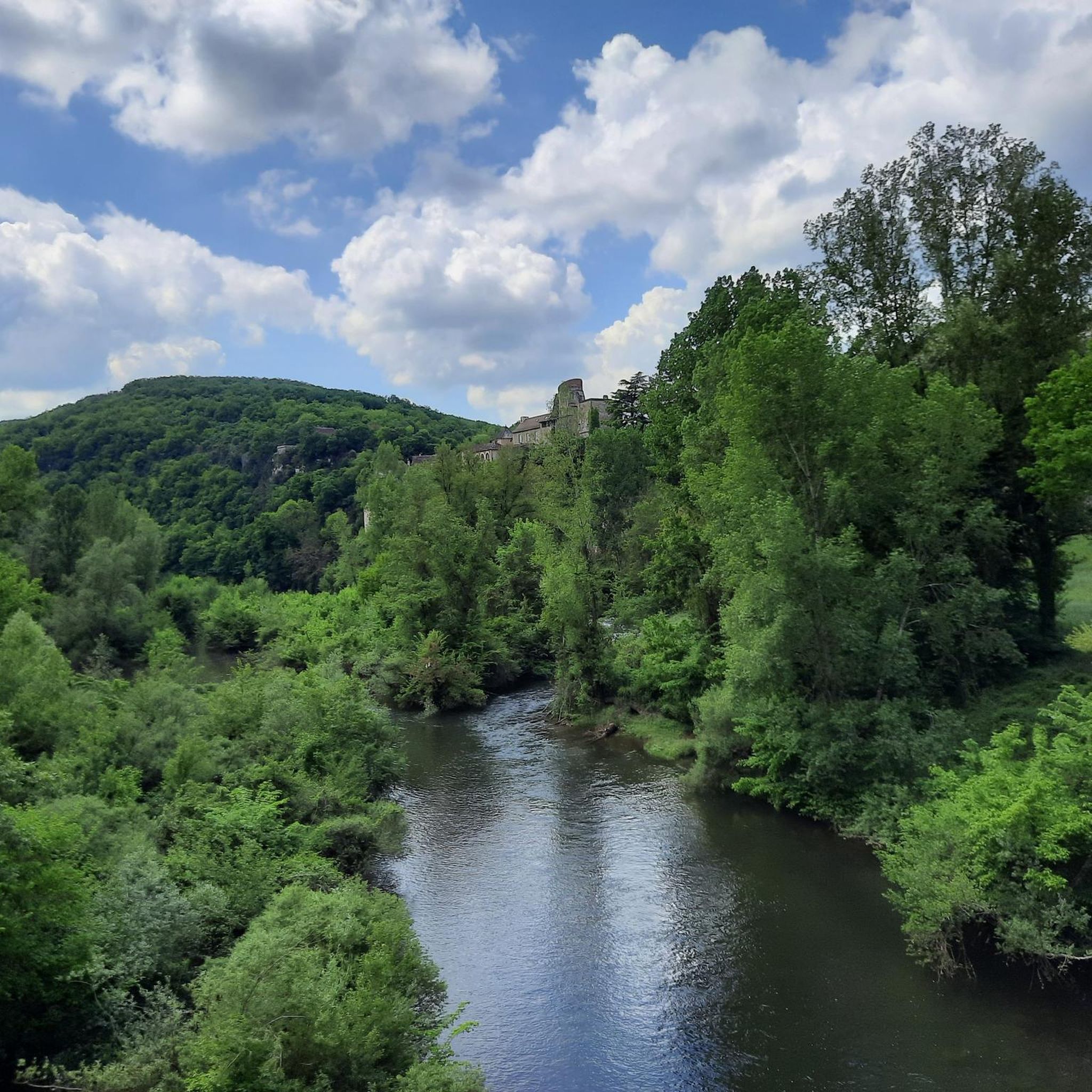
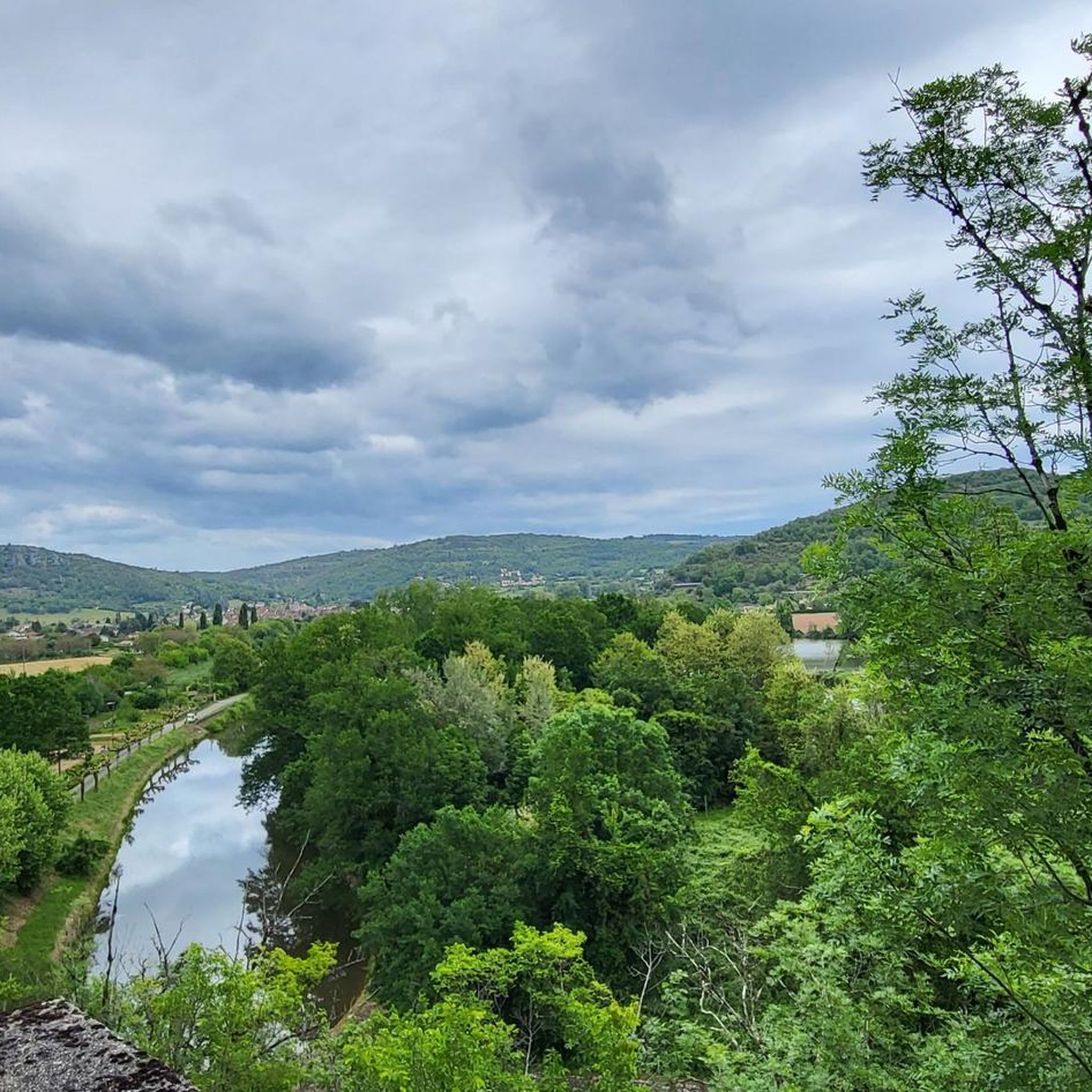
Superb view of the meanders of the Lot and its valley from this belvedere of the causse. It is perched 150 meters from the alluvial plain. From the viewpoint, you can see the village of Montbrun and its castle.
2
0

Frequently Asked Questions
What unique geological features define the natural monuments around Puyjourdes?
The natural monuments around Puyjourdes are primarily shaped by a distinctive karst landscape within the Parc Naturel Régional des Causses du Quercy. This region features impressive cliffs, dolines (sinkholes), extensive cave systems, chasms, and subterranean rivers, all formed by millennia of water erosion. A notable example is the Gouffre des Vitarelles, a significant pit cave system showcasing these subterranean wonders.
Are there any impressive viewpoints among the natural monuments near Puyjourdes?
Yes, the area offers several stunning viewpoints. Saut de la Mounine provides expansive vistas of the Lot river's meanders and its valley from a belvedere perched 150 meters above the alluvial plain. Another excellent spot is Roc Albe, known for its magnificent views of the river and as a popular paragliding take-off point.
What historical or ancient sites are considered natural monuments in the Puyjourdes area?
The region is rich in ancient megalithic structures. The Dolmen du lac d'Aurié is particularly significant, noted as the oldest and largest dolmen in the Lot department, with its capstone weighing 17 tons. Another impressive example is the Dolmen de Joncas, featuring a huge capstone and standing just under a meter high.
What is the significance of the Gouffre du Lantouy?
The Gouffre du Lantouy is a natural monument featuring a unique spring. Local legend suggests the spring appeared after a monastery's disappearance in 1122 and is considered a fertile site. It's a great place to discover and is appreciated by visitors for its natural beauty and intriguing folklore.
What outdoor activities can I enjoy near the natural monuments around Puyjourdes?
The region around Puyjourdes, including the Gorges de l'Aveyron, offers a wide range of outdoor activities. You can find opportunities for hiking, cycling, mountain biking, canoeing, and kayaking. For specific routes, explore the MTB Trails around Puyjourdes, Gravel biking around Puyjourdes, and Cycling around Puyjourdes guides.
Are there specific cycling routes that pass by natural monuments in the region?
Yes, several cycling routes in the area allow you to experience the natural monuments. For example, the 'Château de Cénevières – Dolmen du lac d'Aurié loop from Puyjourdes' is a moderate MTB route that passes by the significant Dolmen du lac d'Aurié. You can find more options in the Cycling around Puyjourdes guide.
What kind of wildlife can be observed near the natural monuments?
The Parc Naturel Régional des Causses du Quercy, where these monuments are located, is known for its diverse flora and fauna, particularly in its dry grasslands. While specific wildlife sightings vary, the protected status of the park ensures a rich natural environment where you might encounter various bird species, insects, and small mammals characteristic of a karst landscape.
Is the area around Puyjourdes suitable for stargazing?
Absolutely. The Parc Naturel Régional des Causses du Quercy is renowned for its exceptionally dark night sky, earning it the moniker 'black triangle.' This makes it an excellent spot for stargazing, offering clear views of celestial bodies away from light pollution.
What do visitors enjoy most about the natural monuments around Puyjourdes?
Visitors frequently praise the breathtaking views, such as those from Saut de la Mounine, which offers superb panoramas of the Lot river. The historical significance and impressive scale of sites like the Dolmen du lac d'Aurié are also highly appreciated. Many enjoy the tranquility and natural beauty, often combining visits with picnics or hikes.
Are there any natural monuments that are particularly good for families?
While specific family-friendly ratings aren't always available for individual natural monuments, sites like the Dolmen du lac d'Aurié offer an accessible and engaging historical experience for all ages. The general landscape of the Parc Naturel Régional des Causses du Quercy provides numerous opportunities for gentle walks and exploration suitable for families.
What is the best time of year to visit the natural monuments around Puyjourdes?
The natural monuments around Puyjourdes can be enjoyed throughout much of the year. Spring and autumn offer pleasant temperatures for outdoor activities like hiking and cycling, with vibrant foliage or blooming wildflowers. Summer is ideal for water-based activities in areas like the Gorges de l'Aveyron, though it can be warmer. Winter provides a quieter experience, but some facilities or access might be limited.
Can I find traditional local architecture near the natural monuments?
Yes, the region is known for its traditional dry-stone constructions, often referred to as 'caselles.' These small, circular huts are scattered across the landscape, particularly in the dry grasslands of the Parc Naturel Régional des Causses du Quercy, offering a glimpse into the area's historical agricultural practices and unique heritage.
Most popular routes around Puyjourdes
Most popular attractions around Puyjourdes

Get inspired with the komoot mobile app


Explore more
Extend your search for the best caves by checking out these guides of the top ones around Puyjourdes:
