Top 12 Natural Monuments around Saint-André
Best natural monuments around Saint-André, located on the northeastern coast of Réunion Island, offer diverse natural attractions. The region features unique biodiversity and varied landscapes, from coastal areas to volcanic formations. These sites provide opportunities to explore the island's endemic flora and geological features.
Best natural monuments around Saint-André
- The most popular natural monuments is Pont du Diable footbridge, a bridge that offers views of the Arc gorges from 100 meters high. This site provides a good view of…
Last updated: July 29, 2026
Lac du Lou
Highlight • Lake
Translated by Google •
Tip by

Plan d'Amont Lake
Highlight • Lake
Translated by Google •
Tip by

Sign up now to discover places like this
Get recommendations on the best single tracks, peaks, & plenty of other exciting outdoor places.
Sign up for free
Pont du Diable footbridge
Highlight • Bridge
Translated by Google •
Tip by

Col de Chavière
Highlight • Mountain Pass
Translated by Google •
Tip by
Ascent to the Col de Chavière
Highlight • Mountain Pass
Translated by Google •
Tip by
Sign up for free to discover even more natural monuments around Saint-André.
Sign up for free
Already have an account?
Start today with a free account
Your next adventure awaits.
Login or Signup

Tips from the Community


The Refuge du Lac du Lou, located at 2,045 meters above sea level near the ski resorts of Les Menuires and Val Thorens, offers a warm welcome in both summer and winter. The 2024-2025 winter season will begin on December 7, 2024. The refuge has 33 beds in rooms for 4 to 8 people, all equipped with pillows and blankets; the use of a personal sleeping bag is mandatory. Half-board includes dinner, overnight stay and breakfast, with reservation required. The refuge is known for its quality cuisine, using organic and local products, and offers an ideal environment for those seeking a unique experience away from the daily routine.
1
0

The place to be when passing through the area. Access is easy by mountain bike or gravel via the 4x4 track.
1
0

Very warm welcome, we asked for glasses of water and they were provided to us free of charge.
0
0
Very pretty high altitude lake easily accessible by hiking and which can be walked around, provided you have good footwear due to the rocky terrain in places.
1
0

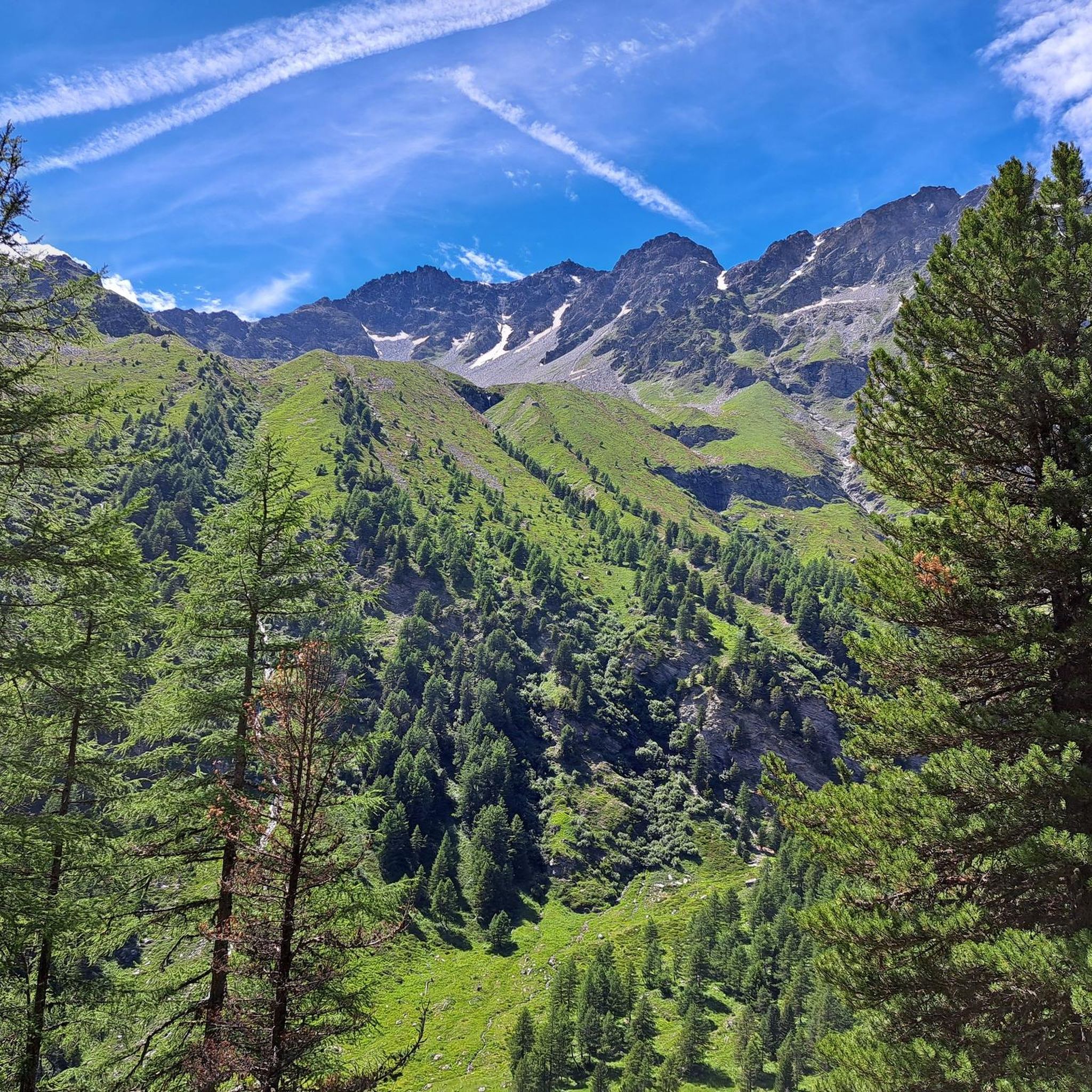
From its height of 100 meters, the Devil's Bridge footbridge offers a breathtaking view of the Arc gorges. Legend has it that the builder of the bridge, unable to finish his work in time, appealed to the devil in exchange for the soul of the first passerby who will take the bridge.
0
0

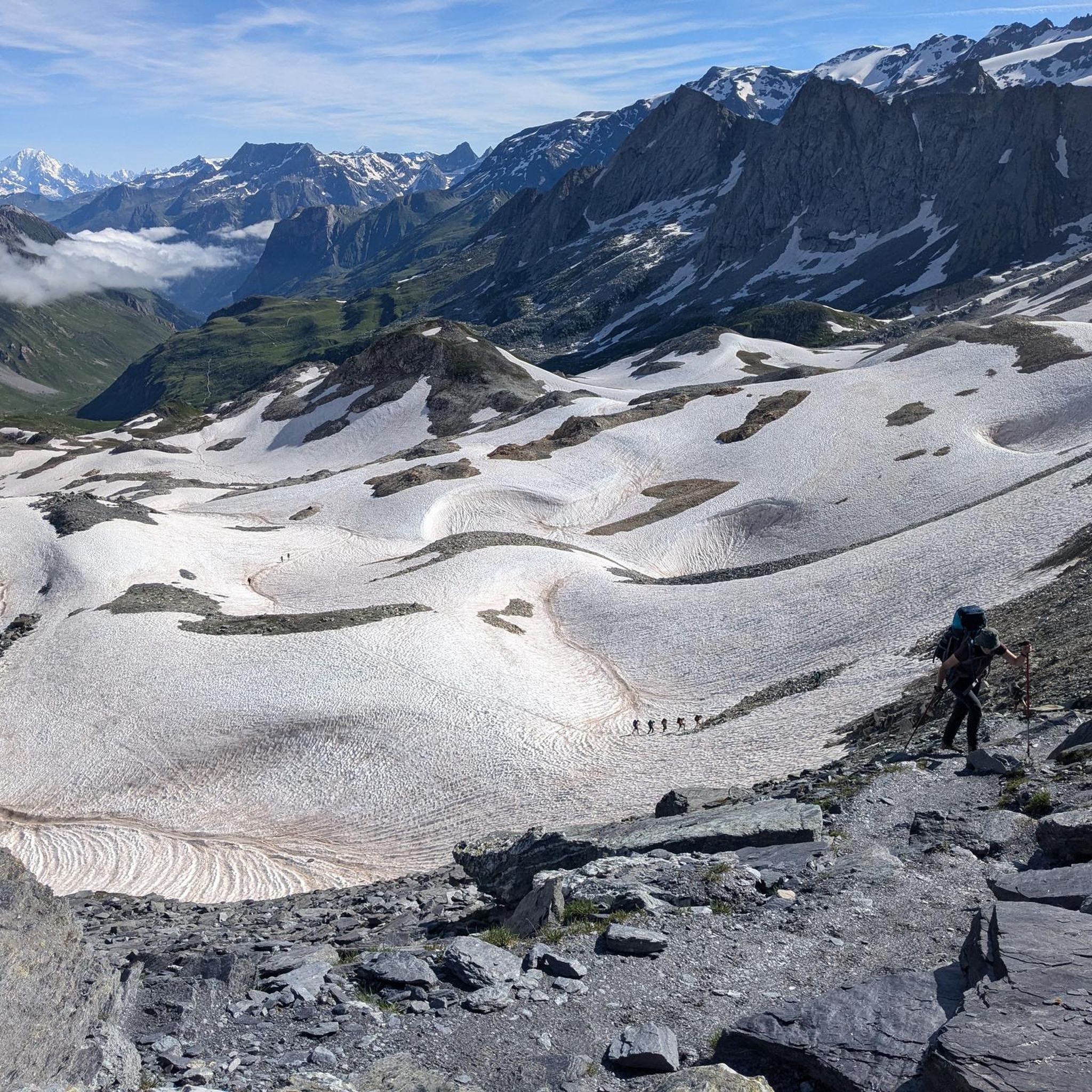
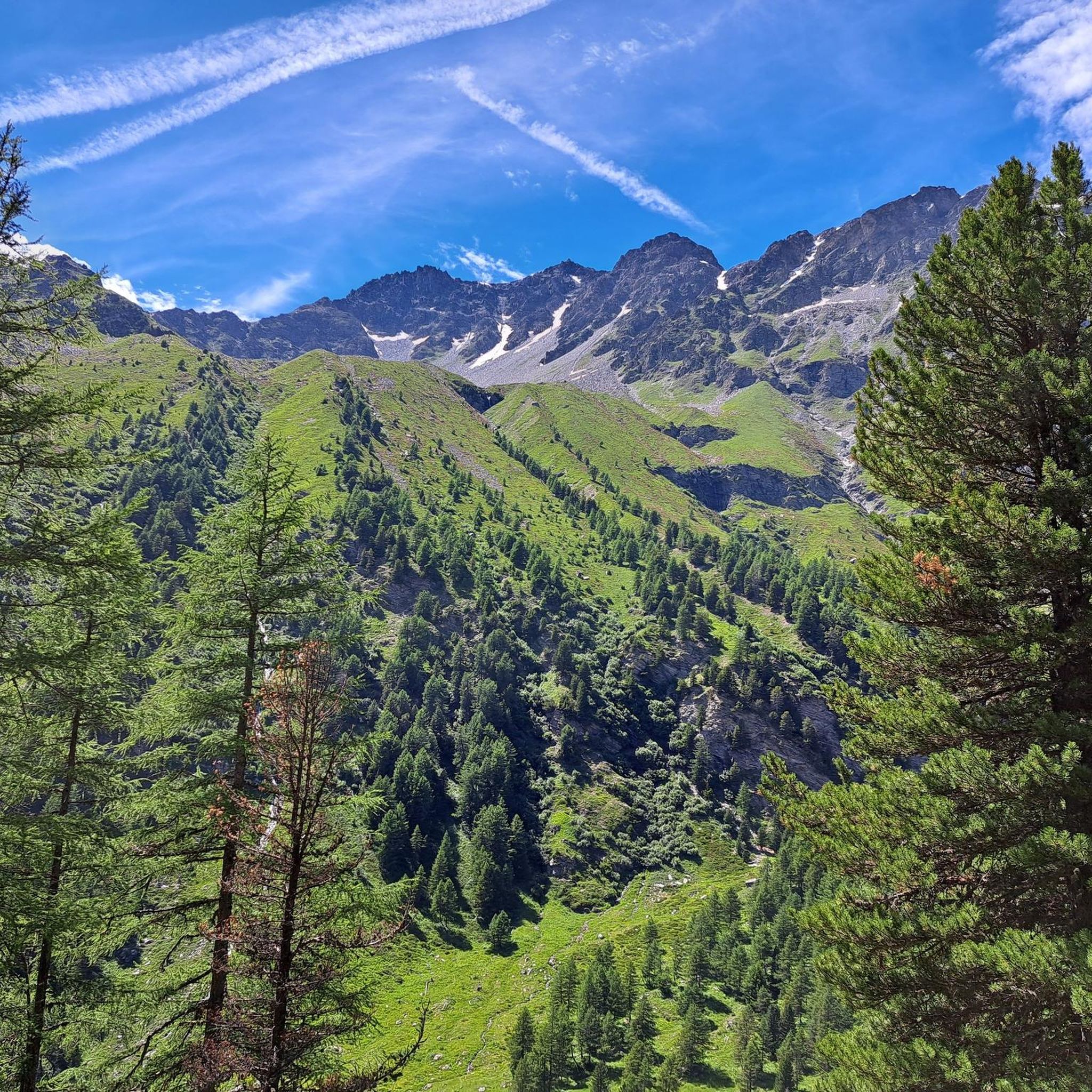
The Col de Chaviere offers a great view.
0
0

Beautiful reservoir at the starting point for the Fond d'Aussois. Large parking lot 200 m below, as well as several small options directly at the dam.
0
0
Frequently Asked Questions
What kind of natural features can I expect to see in Saint-André's natural monuments?
The natural monuments around Saint-André showcase a diverse range of features. You can explore high-altitude lakes like Lac du Lou and Plan d'Amont Lake, dramatic gorges visible from spots like the Pont du Diable footbridge, and challenging mountain passes such as Col de Chavière. The region also features the last primary forest in Saint-André, La Boucle de Dioré, with its dense ecosystem of native trees, and scenic coastal areas like the Bord de Mer de Champ-Borne.
Are there family-friendly natural monuments to visit near Saint-André?
Yes, several natural monuments are suitable for families. Parc du Colosse offers well-maintained green spaces, fountains, and a lake for water sports, making it ideal for picnics and activities. Grand-Étang, Réunion's only high-altitude volcanic lake, provides a family-friendly walk with numerous waterfalls. Bassins Boeuf et Nicole are also easily accessible and picturesque pools, popular for Sunday outings.
What outdoor activities can I do near these natural monuments?
The area around Saint-André's natural monuments is excellent for various outdoor activities. You can find numerous hiking trails, from easy to difficult, as well as running and mountain biking routes. For instance, you can explore routes like the 'Polset – Col de Chavière loop' for hiking, or the 'Modane – Wooden Bridge Over the Arc loop' for running. For mountain biking, consider the 'Fort Saint-Gobain loop'. You can find more details on these activities in the Hiking around Saint-André, Running Trails around Saint-André, and MTB Trails around Saint-André guides.
What is the difficulty level of trails around Saint-André's natural monuments?
The trails around Saint-André's natural monuments offer a range of difficulty levels. You'll find easy walks, such as the 'Chapelle Saint-Blaise – Montruard chapel loop', as well as moderate options like the 'Chapelle Saint-Blaise – L'Orgère Refuge loop'. For experienced adventurers, challenging routes like the 'Polset – Col de Chavière loop' are available, especially around high-altitude passes like Col de Chavière, which can have steep passages and snow even in summer.
Are there any unique or hidden natural gems around Saint-André?
Yes, Saint-André and its surroundings hold some truly unique natural gems. La Boucle de Dioré is notable as the last primary forest in Saint-André, offering an immersive experience into a pristine natural environment. Another remarkable site is The Queen of the Tamarins, an approximately 300-year-old endemic tree that continues to grow horizontally after being partially uprooted by a cyclone, showcasing the island's resilient vegetation. Îlet Bethleem also provides a timeless setting with clear river waters and historical significance.
Where can I find natural monuments with coastal views or water activities?
For coastal views and water activities, you can visit the Bord de Mer de Champ-Borne, which offers a pleasant promenade along the scenic waterfront. Parc du Colosse features a lake suitable for water sports like flyboarding and sailing. Additionally, Grand-Étang is a high-altitude volcanic lake, and Bassins Boeuf et Nicole are picturesque pools popular for swimming and relaxation. Îlet Bethleem also allows visitors to swim in the clear waters of the Marsouins River.
Can I expect to see wildlife at the natural monuments?
Yes, some natural monuments offer opportunities to spot wildlife. At high-altitude locations like Col de Chavière, it is not uncommon to see ibex and marmots. The primary forest of La Boucle de Dioré is also home to a dense ecosystem of endemic flora, providing a habitat for various local species.
When is the best time to visit the natural monuments around Saint-André?
The best time to visit the natural monuments around Saint-André generally depends on the specific activity and monument. Réunion Island has a tropical climate. The cooler, drier months from May to November are often preferred for hiking and exploring high-altitude areas. However, some refuges, like the one at Lac du Lou, are open in both summer and winter, offering unique experiences during different seasons. Always check local weather conditions, especially for mountain passes where snow can persist even into mid-July.
How can I reach the natural monuments around Saint-André?
Accessibility varies by monument. Some locations, like Lac du Lou, offer easy access via a 4x4 track, making it suitable for mountain bikes or gravel bikes. For Plan d'Amont Lake, there's a useful car park that serves as a starting point for various hikes. Bassins Boeuf et Nicole are noted for their ease of access. For other sites, public transport options might be limited, and personal vehicles or organized tours may be necessary.
What do visitors enjoy most about the natural monuments around Saint-André?
Visitors frequently appreciate the breathtaking views and the immersive natural experiences. The Pont du Diable footbridge is loved for its stunning views of the Arc gorges. The high-altitude passes like Col de Chavière are praised for their magnificent, almost lunar landscapes and the chance to spot ibex. The serene settings of lakes like Plan d'Amont Lake, nestled at 2,078 meters, are also highly valued as starting points for hikes in the Vanoise National Park.
Are there any natural monuments with historical significance?
Yes, beyond their natural beauty, some sites carry historical significance. The Pont du Diable footbridge is steeped in local legend, with tales of its construction involving a pact with the devil. Additionally, Îlet Bethleem, with its clear waters of the Marsouins River, is described as a historically rich place, offering a glimpse into the past alongside its natural charm.
Can I find places to eat or stay near the natural monuments?
Yes, some natural monuments offer amenities. The Refuge du Lac du Lou provides a warm welcome with quality cuisine using organic and local products, and offers accommodation with 33 beds. The Bord de Mer de Champ-Borne is also a good spot to find local restaurants after a leisurely stroll. For other locations, it's advisable to check in advance or plan to bring your own provisions.
Most popular routes around Saint-André
Most popular attractions around Saint-André

Get inspired with the komoot mobile app


Explore more
Extend your search for the best caves by checking out these guides of the top ones around Saint-André:
