Top 7 Natural Monuments around Gréalou
Best natural monuments around Gréalou are characterized by a unique blend of ancient human history and striking natural landscapes. This region, nestled in the Lot department, features a karstic plateau situated between the Lot and Célé rivers, ideal for outdoor exploration. The area is notable for its integration of prehistoric megalithic structures, such as dolmens, within its natural environment, offering significant historical and scenic value. Its terrain is highly conducive to hiking, revealing diverse flora, fauna, and geological features.
Best…
Last updated: May 21, 2026
Gouffre du Lantouy
Highlight • Natural Monument
Translated by Google •
Tip by

Saut de la Mounine
Highlight • Viewpoint
Translated by Google •
Tip by

Sign up now to discover places like this
Get recommendations on the best single tracks, peaks, & plenty of other exciting outdoor places.
Sign up for free
Ferrieres
Highlight • Historical Site
Quercy is the second region after Brittany to have a large number of megaliths.
Translated by Google •
Tip by

Dolmen de Martignes
Highlight • Historical Site
Tip by

Roc Albe
Highlight • Viewpoint
Translated by Google •
Tip by

Sign up for free to discover even more natural monuments around Gréalou.
Sign up for free
Already have an account?
Start today with a free account
Your next adventure awaits.
Login or Signup

Tips from the Community

I know the legend of the Lantouy chasm. It's a bit gory.
0
0

In 1122, a monastery belonging to the Benedictines of the Cluniac order stood here. Legend has it that the spring appeared after the monastery's disappearance. The spring is said to be fertile.
1
0

The Martignes Dolmen is one of 12 documented dolmens around the beautiful Querétaro village of Beduer. The dolmens are located along the Via Podensis, a section of the Way of St. James. They served as important landmarks for travelers departing from the nearby Abbey of Figeac.
1
0

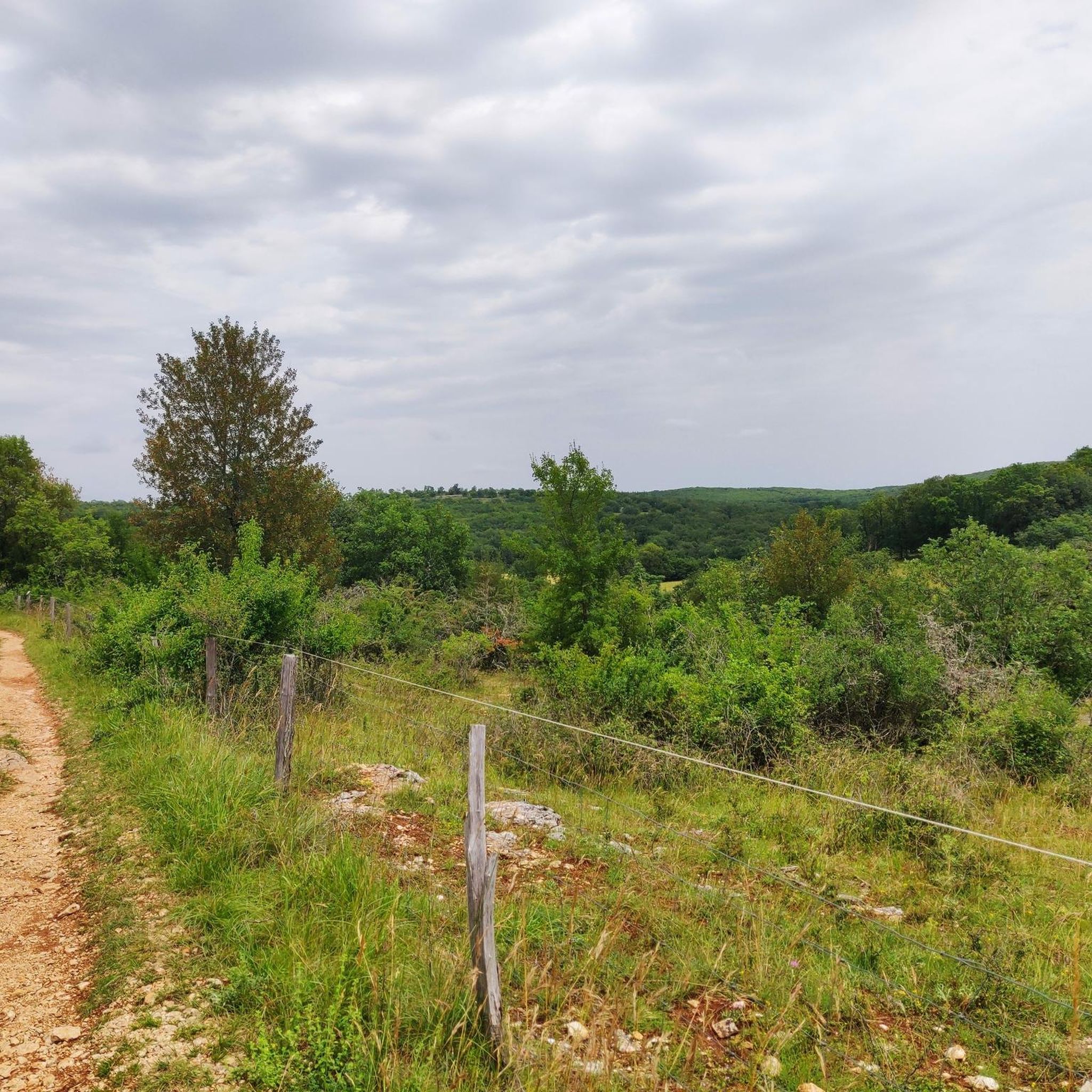
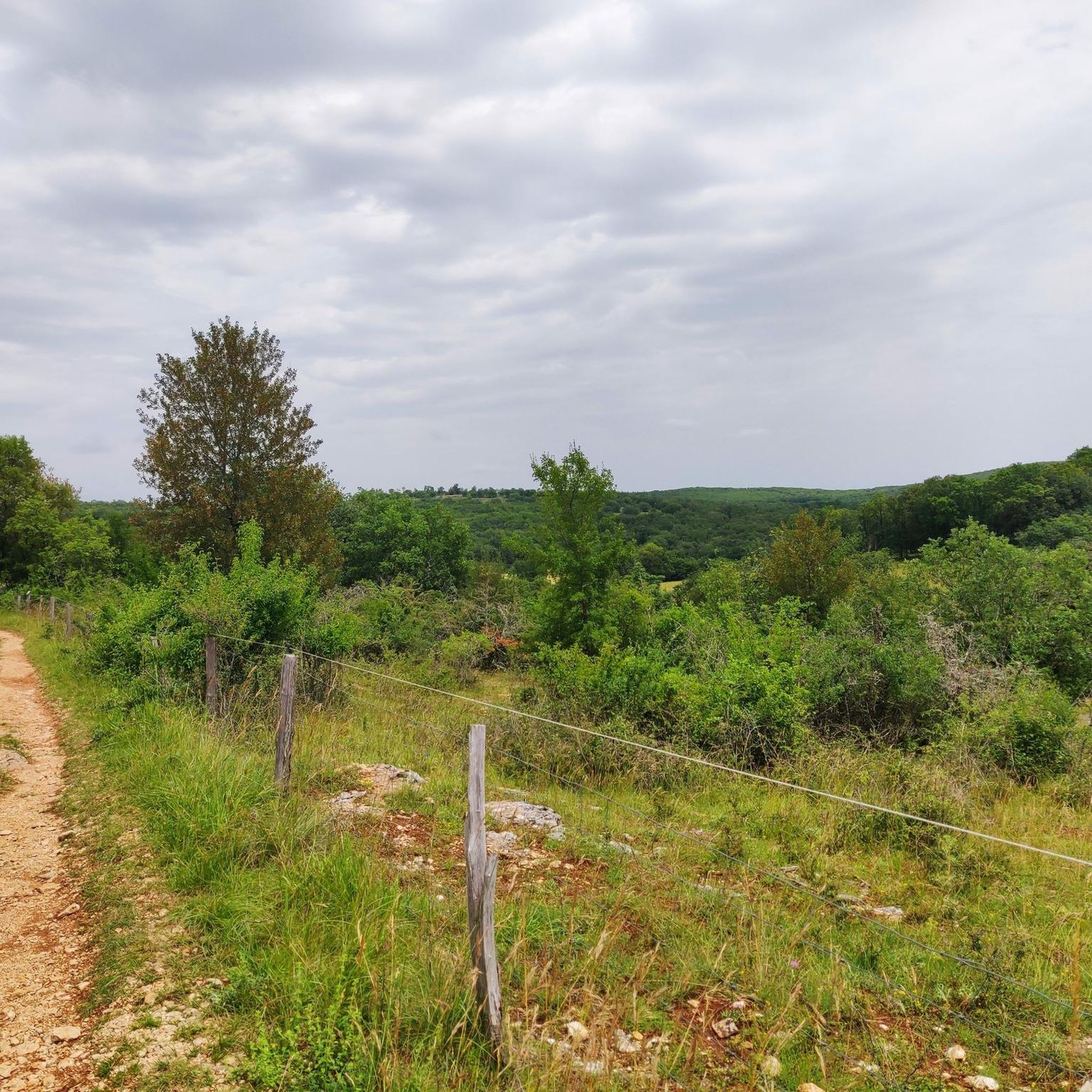
Fantastic hike. We had a bit of a hard time find the Camping Pech Ibert, but after some locals it was fine. Probably best to park at the #1 indicated on the map. The hike crosses oak forests and fields in the Parc Regional de Causses de Quercy, before descending and crossing the D19. Then it ascends to a higher, drier causse ) plateau, where it joins the GR Chemin de Compostelle. Highly recommended short 2 hour hike.
2
0


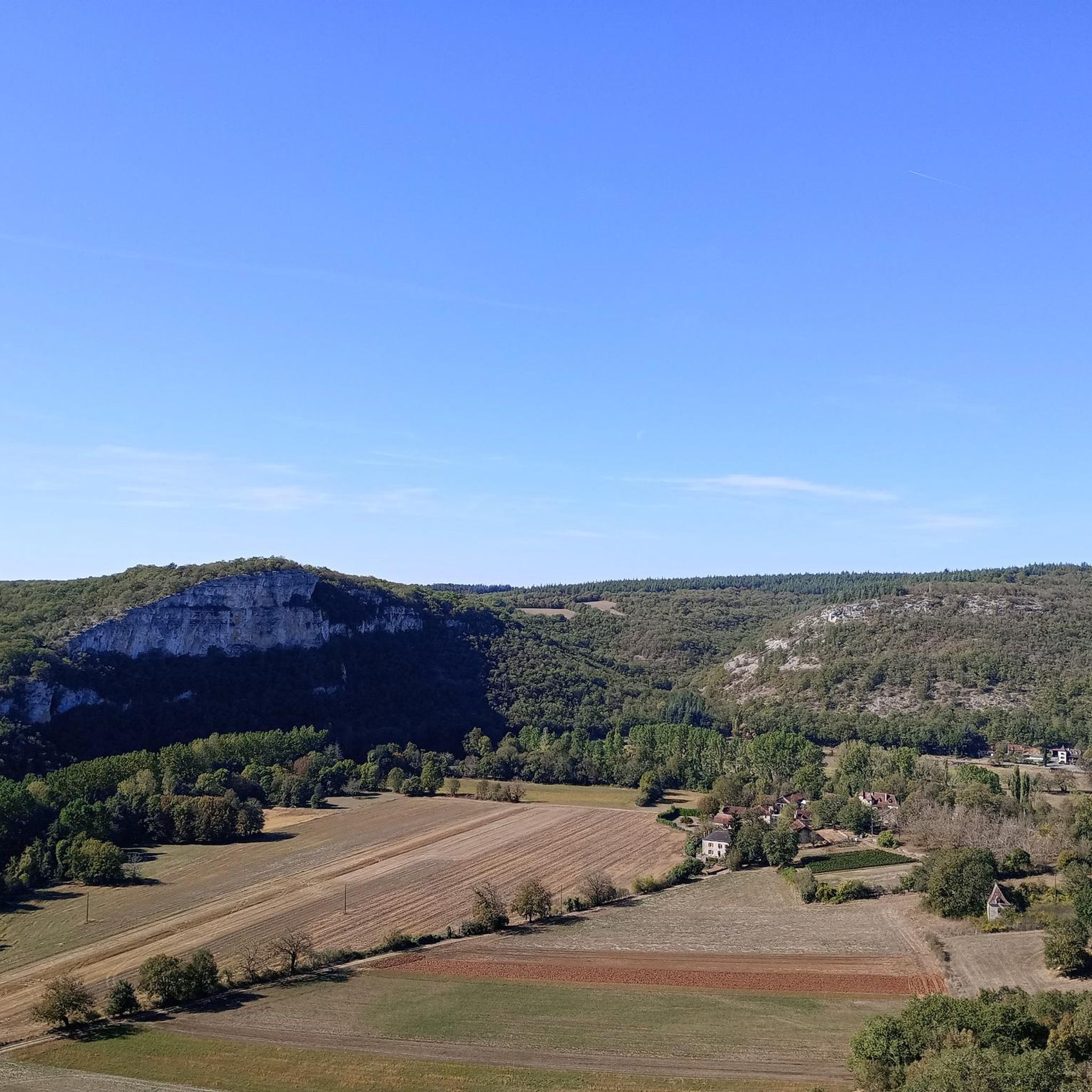
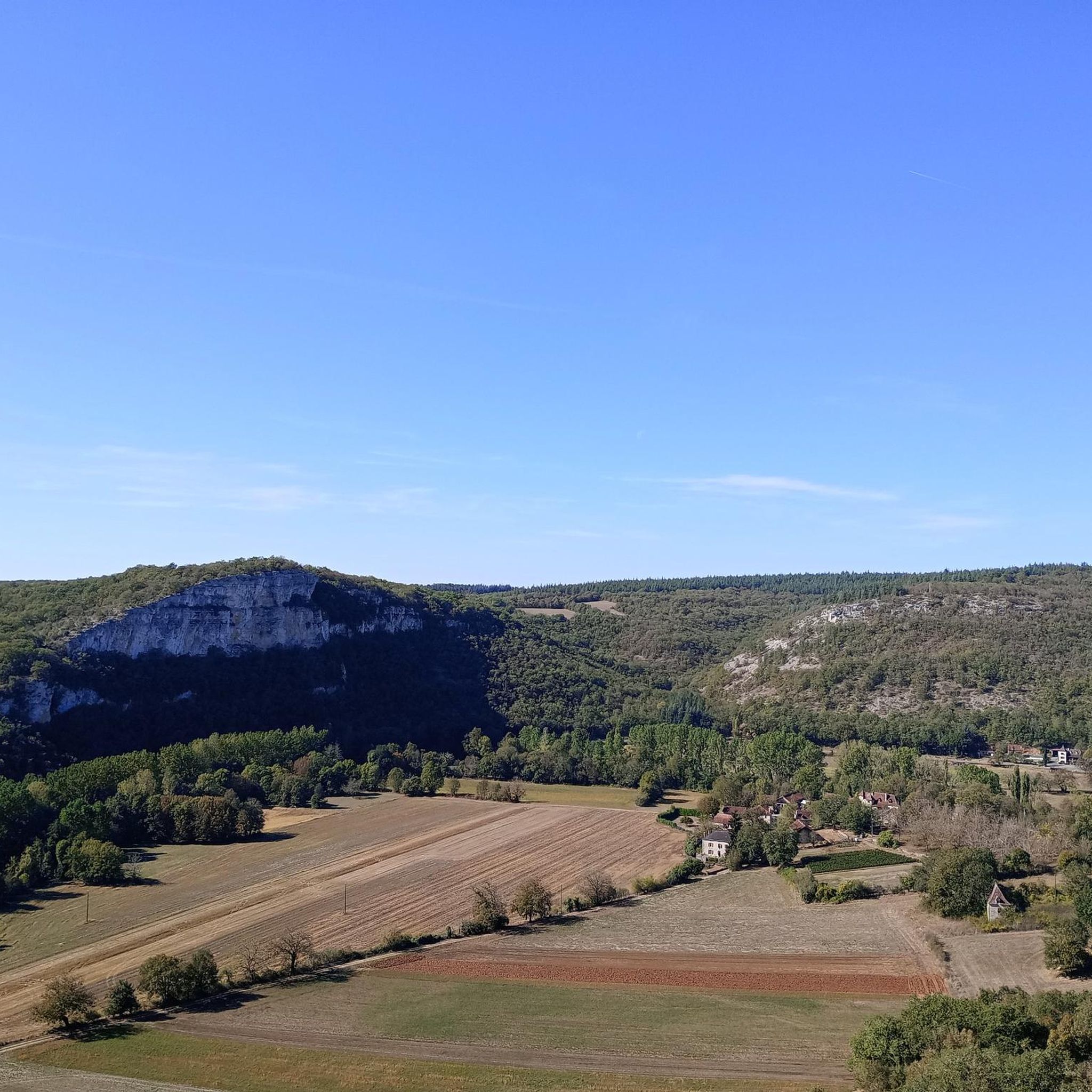
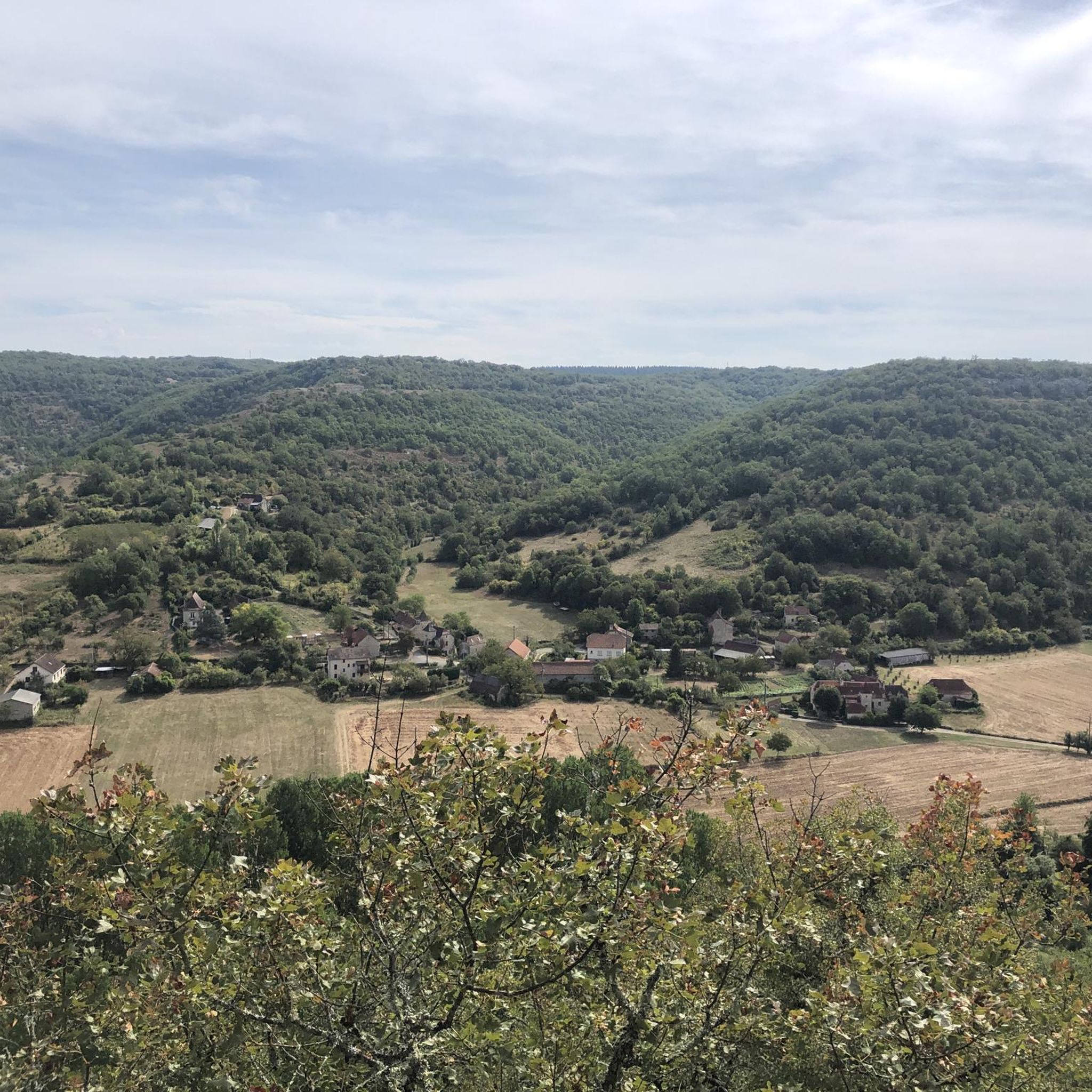
Superb view of the meanders of the Lot and its valley from this belvedere of the causse. It is perched 150 meters from the alluvial plain. From the viewpoint, you can see the village of Montbrun and its castle.
2
0

In the immediate surroundings of the commune, is the Dolmen of Ferrieres, a dolmen of the Neolithic, dated approximately 9000 years. Quercy is the second region after Brittany to have a large number of megaliths.
1
1
Frequently Asked Questions
What are the most notable natural monuments to visit in Gréalou?
Gréalou is particularly known for its blend of ancient history and natural beauty. Key sites include the prehistoric Dolmens du Pech Laglayre, which offer panoramic views and are part of the UNESCO World Heritage list. Other significant natural monuments are Saut de la Mounine, a viewpoint with superb vistas of the Lot river, and Gouffre du Lantouy, a spring steeped in local legends.
Are there any historical or archaeological natural monuments in the Gréalou area?
Yes, the region is rich in historical natural monuments. The Dolmens du Pech Laglayre are ancient megalithic tombs dating back approximately 3500 years, with one dolmen (Pech-Laglayre 2) classified as a historical monument and part of the UNESCO World Heritage. Additionally, Ferrieres features a Neolithic dolmen estimated to be 9000 years old, and the Dolmen de Martignes is another historical site along the Way of St. James.
What kind of views can I expect from the natural monuments around Gréalou?
The natural monuments in Gréalou offer breathtaking panoramic views. From the Dolmens du Pech Laglayre, which is the highest point of the Gréalou causse, you can enjoy a 360-degree panorama including the Monts du Cantal, Aubrac, Laguiole mountains, and even the Pyrénées on clear days. Saut de la Mounine provides superb views of the Lot river's meanders and valley, while Roc Albe also offers magnificent river views.
What outdoor activities can I do near these natural monuments?
The karstic plateau between the Lot and Célé rivers, where Gréalou is located, is ideal for outdoor exploration. You can enjoy extensive hiking, with trails suitable for various fitness levels. The area is also popular for road cycling and running. For more detailed routes, you can explore the Hiking around Gréalou, Road Cycling Routes around Gréalou, and Running Trails around Gréalou guides.
Are there family-friendly options among the natural monuments in Gréalou?
Many of the natural monuments in Gréalou are suitable for families, especially those who enjoy walking and exploring. Sites like Gouffre du Lantouy are great for picnicking and offer a unique natural discovery. The Dolmens du Pech Laglayre are also accessible and provide an engaging blend of history and nature for all ages, with relatively easy access along the GR65.
What is the best time of year to visit the natural monuments in Gréalou?
The Gréalou region, with its karstic plateaus and river valleys, is generally pleasant for visiting natural monuments from spring through autumn. These seasons offer comfortable temperatures for hiking and enjoying the panoramic views. Spring brings blooming flora, while autumn showcases beautiful foliage. Summer can be warm, but the natural sites often provide shade and refreshing breezes.
Can I find hiking trails that lead to or past these natural monuments?
Absolutely. The Gréalou area is crisscrossed with trails. The Dolmens du Pech Laglayre are notably situated along the Camino de Santiago (GR65) pilgrimage route, making them easily accessible for hikers. There are also specific hiking routes like the 'Dolmen Saint-Jacques – Super-Cayrou loop from Gréalou' which is rated easy to moderate. You can find more options in the Hiking around Gréalou guide.
What geological features are prominent in the Gréalou area?
Gréalou is characterized by its distinctive karstic plateau, situated between the Lot and Célé rivers. This geological formation results in unique landscapes, including numerous caves, dolmens, and dramatic cliffs along the river valleys. The area's geology contributes to its diverse flora and fauna, making it a fascinating region for natural exploration.
What do visitors enjoy most about the natural monuments in Gréalou?
Visitors consistently appreciate the stunning panoramic views, especially from viewpoints like Saut de la Mounine and the Dolmens du Pech Laglayre. The blend of ancient history with raw natural beauty, the tranquility of the landscapes, and the opportunity for immersive hiking experiences are frequently highlighted. The historical legends associated with sites like Gouffre du Lantouy also add a unique charm.
Are there any natural monuments in Gréalou that are part of a UNESCO World Heritage site?
Yes, one of the Dolmens du Pech Laglayre, specifically Pech-Laglayre 2, was inscribed on the UNESCO World Heritage list in 1998. This recognition is part of the broader listing for the Routes of Santiago de Compostela in France, highlighting its historical and cultural significance within its natural setting.
Are dogs allowed on trails leading to natural monuments in Gréalou?
The Gréalou area, including parts of the Causses du Quercy Regional Natural Park, is generally dog-friendly for well-behaved dogs on a leash. Many hiking trails, including those leading to natural monuments like the Dolmens du Pech Laglayre, welcome dogs. However, it's always advisable to check specific local regulations or signage at trailheads, especially concerning nature reserves or protected areas, and to ensure you clean up after your pet.
Where can I find amenities like cafes or pubs near the natural monuments?
While the natural monuments themselves are often in serene, undeveloped settings, you can find cafes and pubs in the nearby villages and towns. Gréalou village itself may have limited options, but larger towns in the vicinity, such as Cajarc or Figeac, offer more choices for refreshments and meals after your explorations.
Most popular routes around Gréalou
Most popular attractions around Gréalou

Get inspired with the komoot mobile app


Explore more
Extend your search for the best caves by checking out these guides of the top ones around Gréalou:
