Top 8 Natural Monuments around Cros
Best natural monuments around Cros showcase a landscape rich in diverse geological formations and waterways. The region features significant natural elements, including river valleys, volcanic remnants, and elevated viewpoints. Visitors can explore a variety of natural features, from lakes to waterfalls, set within a varied terrain. This area provides opportunities to observe unique geological structures and scenic natural attractions.
Best natural monuments around Cros
- The most popular natural monuments is View over Bort-les-Orgues, a natural monument and viewpoint featuring…
Last updated: August 12, 2026
View over Bort-les-Orgues
Highlight • Natural Monument
Translated by Google •
Tip by

Lac de la Crégut
Highlight • Lake
Translated by Google •
Tip by

Sign up now to discover places like this
Get recommendations on the best single tracks, peaks, & plenty of other exciting outdoor places.
Sign up for free
La Tour d’Auvergne Center
Highlight • Settlement
Translated by Google •
Tip by

Confluence of the Dordogne and the Arpiat
Highlight • River
Translated by Google •
Tip by

Saut de la Saule Waterfall
Highlight • Waterfall
Translated by Google •
Tip by

Sign up for free to discover even more natural monuments around Cros.
Sign up for free
Already have an account?
Start today with a free account
Your next adventure awaits.
Login or Signup
Tips from the Community

Great route for the E-Mountain bike
0
0

Nice little place with a small supermarket, bakery and church.
0
0

The municipality of Bort-les-Orgues has around 2500 inhabitants and is located in the Dordogne valley. Bort is the name of a ford with a steep slope. The name les Orgues (the organ pipes) is given by a striking rock formation above the town.[
1
0

La Tour d'Auvergne was once an impregnable fortress belonging to the house of La Tour d'Auvergne and whose castle was built on an ancient Roman tower. The castle has since given way to a peaceful village built on an ancient basalt flow, whose organs can be seen near the church. The Tour d'Auvergne is also under the protection of Notre-Dame de Natzy which overlooks the surrounding area a short distance from the village.
2
0
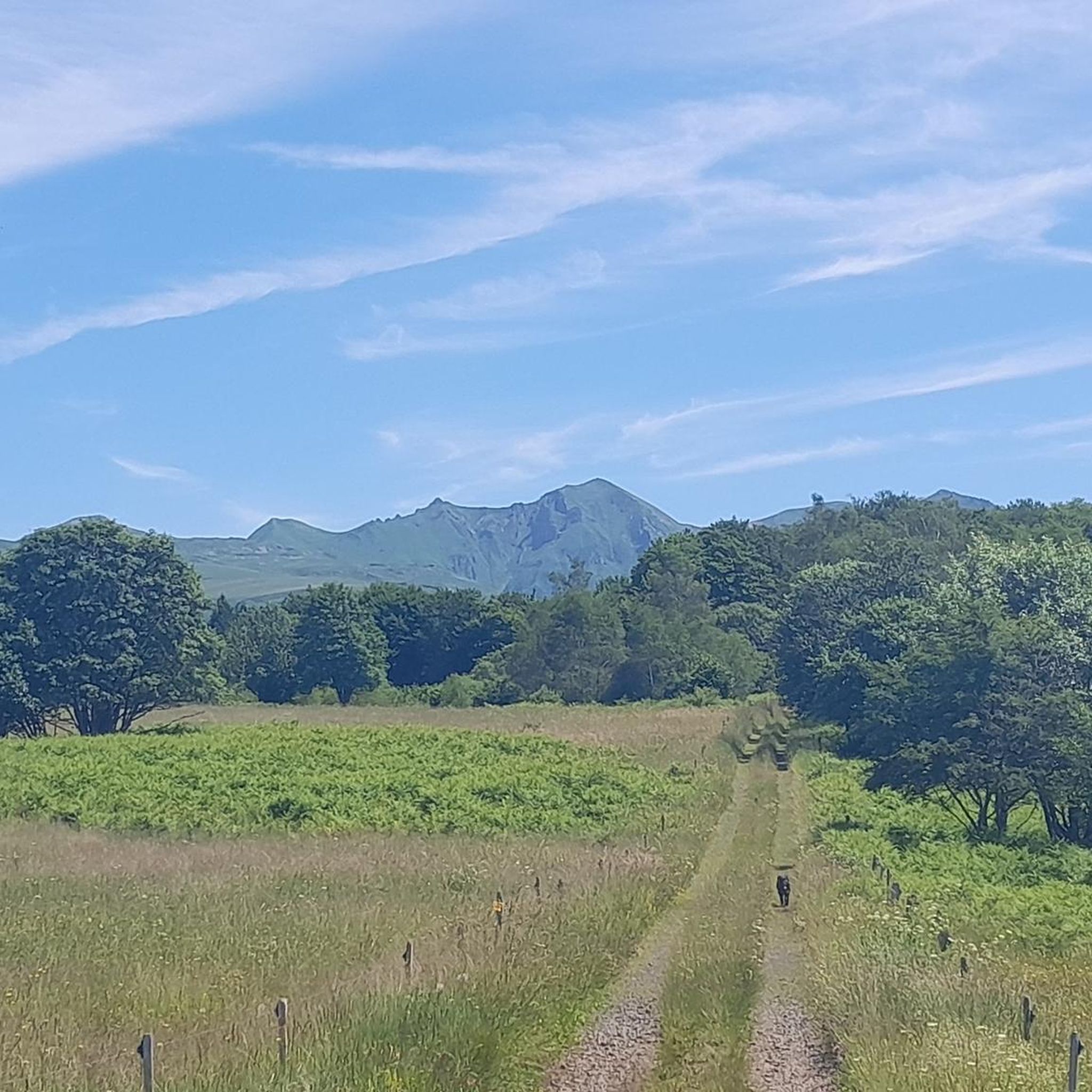
Lac de la Crégut is the largest natural lake of glacial origin in the Massif Central. From its banks, you can enjoy magnificent views of the Monts du Cantal and the surrounding lakes. It is now part of a whole system of reservoirs that supply water to the Rhue hydroelectric power station, at the Bort dam.
0
0
Saut de la saule is a waterfall in a canyon carved into the rock by the Rhue (a tributary of the Dordogne). The site was once used for the silkworm industry. Today, between the canyon and the remains of human activity, there is no shortage of tourist interest.
0
0

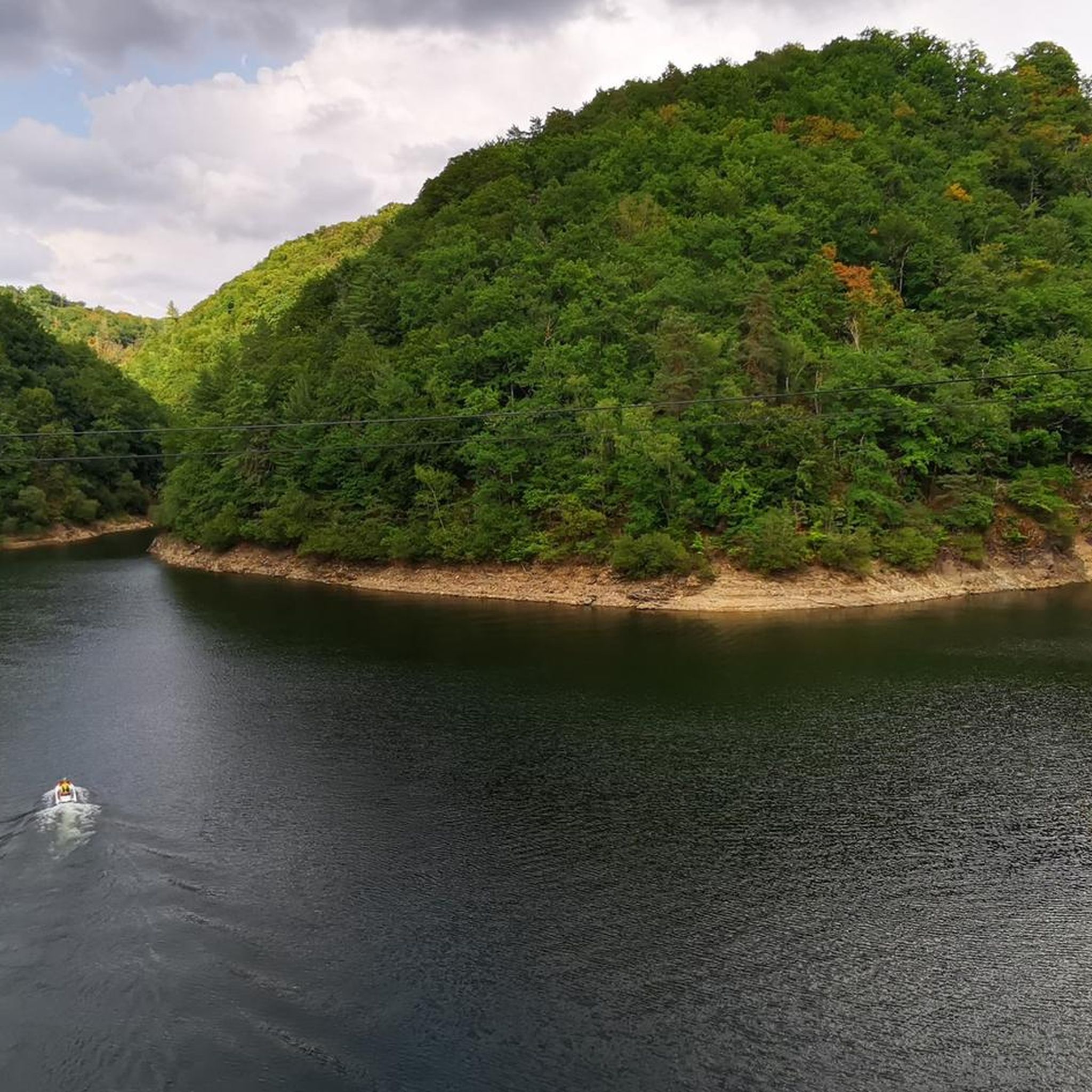
A timeless place! On the border of the Dordogne and the Corrèze, they constitute one of the best observatories in the area. These cliffs look like a giant organ, which gave them this name
0
0

Frequently Asked Questions
Are there family-friendly natural monuments around Cros?
Yes, several natural monuments around Cros are suitable for families. For instance, Lac de la Crégut is a large glacial lake offering magnificent views and is categorized as family-friendly. Another option is La Tour d’Auvergne Center, a settlement built on a basalt peak, which is also considered family-friendly and offers insights into the region's volcanic past.
What unique natural features can I explore in the Cros region?
The Cros region is characterized by diverse geological formations. You can observe cliffs resembling giant organ pipes at View over Bort-les-Orgues, which also serves as an excellent observatory. The area also features volcanic remnants, such as the basalt columns near the church at La Tour d’Auvergne Center, indicating its volcanic history. Additionally, you can find stunning waterfalls like the Saut de la Saule Waterfall, carved into rock by the Rhue river.
What outdoor activities can I do near the natural monuments around Cros?
The area around Cros offers a variety of outdoor activities. You can find numerous routes for mountain biking, hiking, and running. For mountain biking, explore trails like 'Queen Margot's Trail' or the 'Bort-les-Orgues Dam – Le Petit Cochon loop'. Hikers can enjoy routes such as the 'Hiking loop from Le Lac' or the 'Bagnols – Old Oven of Espinasse loop'. Runners have options like the 'Val Castle – Bort-les-Orgues Dam loop'. You can find more details and routes in the MTB Trails around Cros, Hiking around Cros, and Running Trails around Cros guides.
Are there any historical sites connected to the natural monuments in Cros?
Yes, some natural monuments in Cros have historical significance. La Tour d’Auvergne Center is a very old village built on a basalt peak, which was once an impregnable fortress. The village's history is tied to an ancient Roman tower and the house of La Tour d'Auvergne. The Saut de la Saule Waterfall site also features historical remnants of human activity, as it was once used for the silkworm industry.
Where can I find scenic viewpoints around Cros?
For breathtaking views, visit View over Bort-les-Orgues, which offers one of the best observatories in the area with cliffs resembling giant organ pipes. Another serene spot is the Confluence of the Dordogne and the Arpiat, a quiet place where the Dordogne meets one of its tributaries, perfect for a picnic and enjoying the landscape.
What do visitors enjoy most about the natural monuments around Cros?
Visitors particularly appreciate the diverse and unique natural formations, from volcanic structures to impressive waterfalls and serene lakes. The area is praised for its quiet spots, like the Confluence of the Dordogne and the Arpiat, ideal for relaxation. The View over Bort-les-Orgues is often highlighted for its timeless beauty and panoramic vistas. The combination of natural beauty with historical elements, such as at Saut de la Saule Waterfall, also adds to the visitor experience.
Are there any easy walks or beginner-friendly trails near the natural monuments?
Yes, there are several easy hiking options available. For example, the 'Hiking loop from Le Lac' is an easy 6.19 km trail, and the 'Hiking loop from Le Fraisse' is another easy option at 5.50 km. The 'Lake du Tact loop from Chaussidert' is even shorter at 3.32 km and rated easy. These trails provide accessible ways to experience the natural beauty of the region. More details can be found in the Hiking around Cros guide.
Can I find lakes or rivers for recreation near Cros?
Absolutely. The region is known for its waterways. Lac de la Crégut is the largest natural lake of glacial origin in the Massif Central, offering magnificent views. The Confluence of the Dordogne and the Arpiat provides a tranquil setting where the Dordogne river meets a tributary, perfect for enjoying the riverside environment.
Is it possible to find parking at the natural monuments around Cros?
While specific parking details for every single natural monument are not always listed, popular sites like View over Bort-les-Orgues and La Tour d’Auvergne Center are generally accessible by car, and visitors typically find parking nearby. It's advisable to check local signage upon arrival for designated parking areas.
What is the best time of year to visit the natural monuments around Cros?
The natural monuments around Cros can be enjoyed throughout the year, but the best time often depends on your preferred activities. Spring and autumn offer pleasant temperatures for hiking and exploring, with vibrant foliage or blooming flora. Summer is ideal for water-related activities at lakes and rivers. While winter can be beautiful, some trails might be more challenging due to snow or ice, especially at higher elevations or near waterfalls like Saut de la Saule Waterfall.
Are there any natural monuments around Cros that are particularly good for photography?
Many natural monuments in the Cros region offer fantastic photographic opportunities. The dramatic cliffs of View over Bort-les-Orgues, resembling giant organ pipes, provide a unique subject. The serene waters and surrounding landscapes of Lac de la Crégut are perfect for landscape shots, especially with the Monts du Cantal in the background. The powerful Saut de la Saule Waterfall, set within a carved canyon, also makes for striking images.
Most popular attractions around Cros

Get inspired with the komoot mobile app


Explore more
Extend your search for the best caves by checking out these guides of the top ones around Cros:
