Top 11 Natural Monuments around Taintrux
Best natural monuments around Taintrux are located in the Vosges department of France, a region characterized by its rugged landscape, preserved flora, and extensive forests. The area offers a variety of natural features, including mountain passes, valleys, and distinctive rock formations. These sites provide opportunities to experience the natural environment of the Vosges Massif.
Best natural monuments around Taintrux
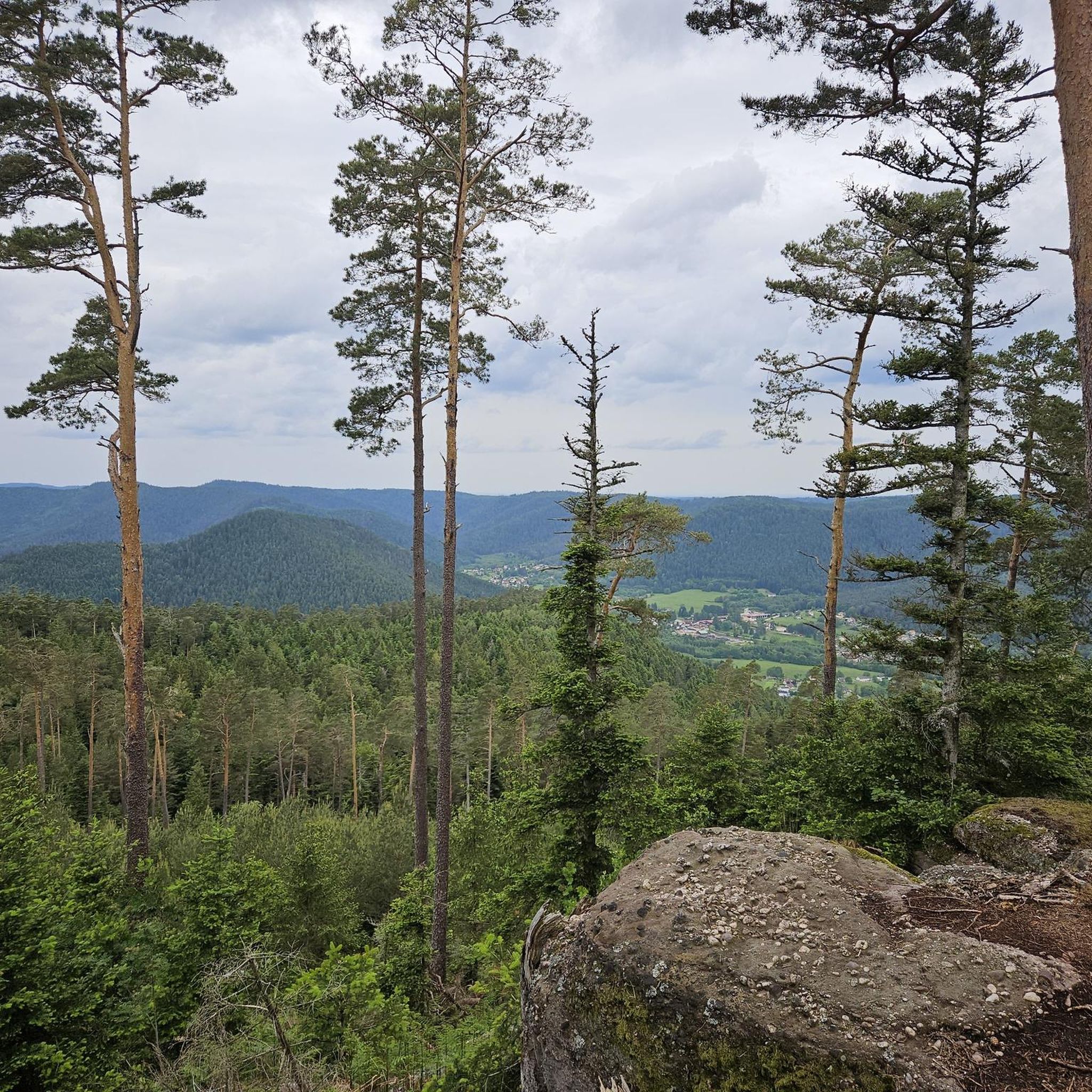
- The most popular natural monuments is Dry Fir Rock, a viewpoint that offers a panoramic view of the region. This…
Last updated: October 5, 2026
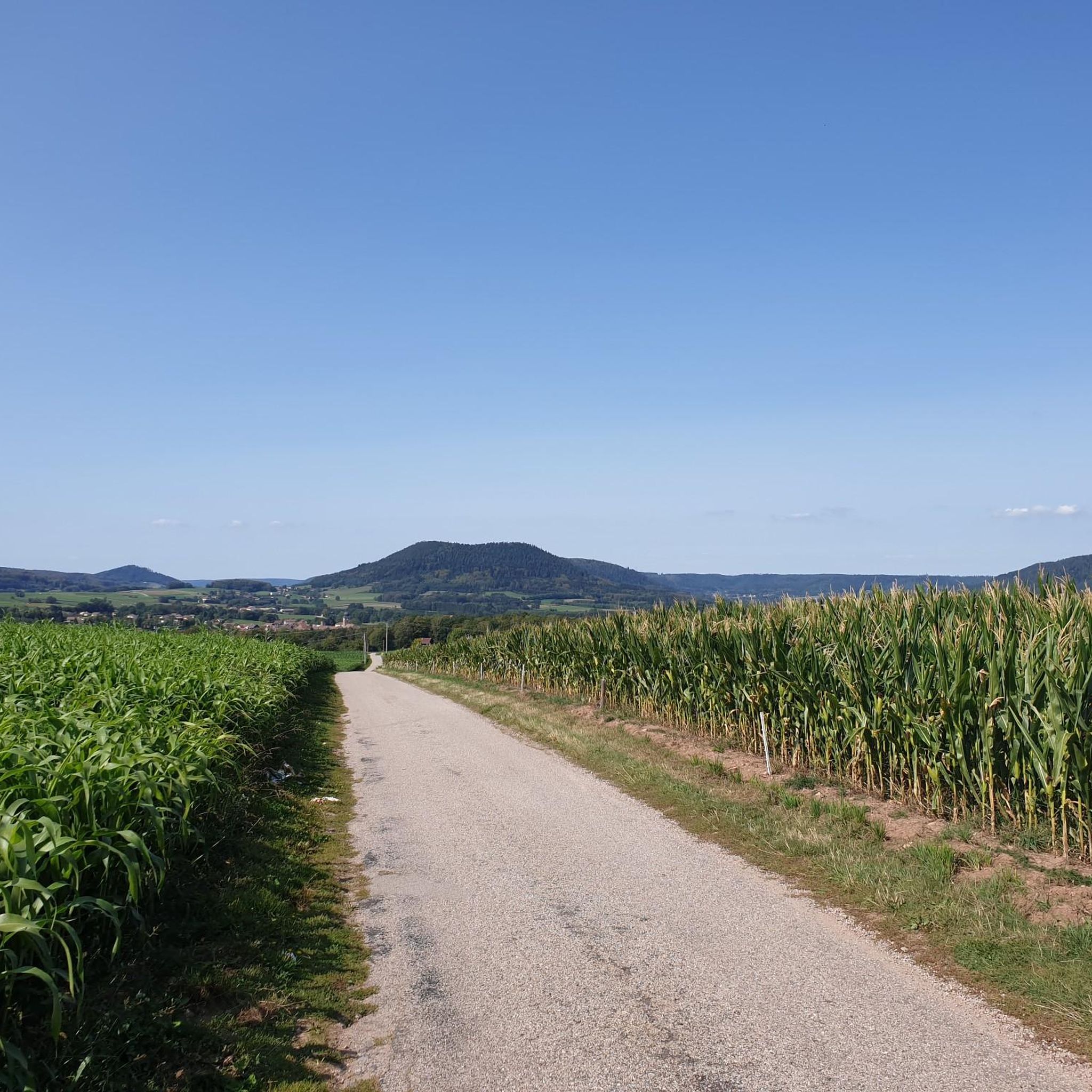
La Bure Celtic Camp
Highlight • Historical Site
Translated by Google •
Tip by

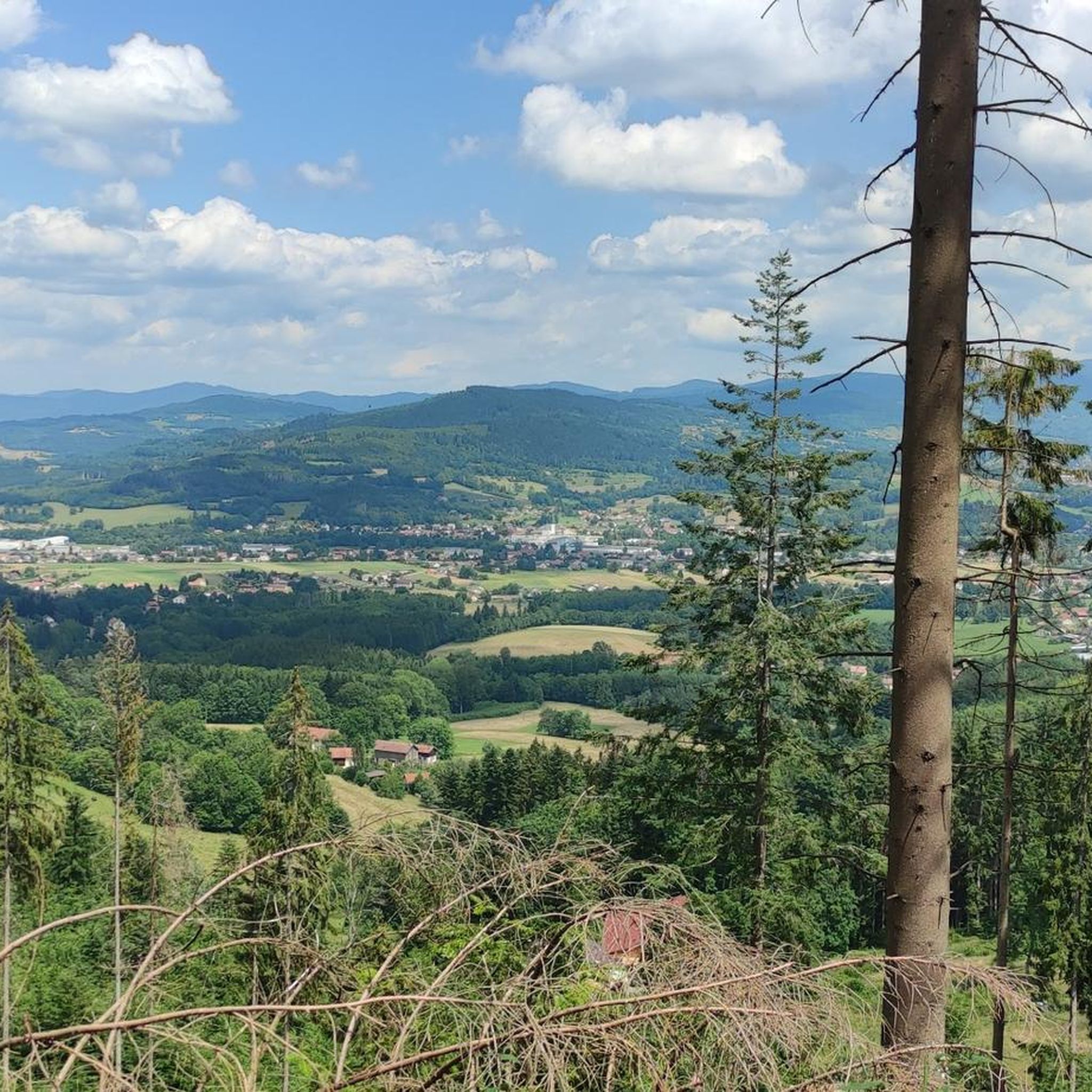
Roche d'Anozel
Highlight • Viewpoint
Translated by Google •
Tip by

Sign up now to discover places like this
Get recommendations on the best single tracks, peaks, & plenty of other exciting outdoor places.
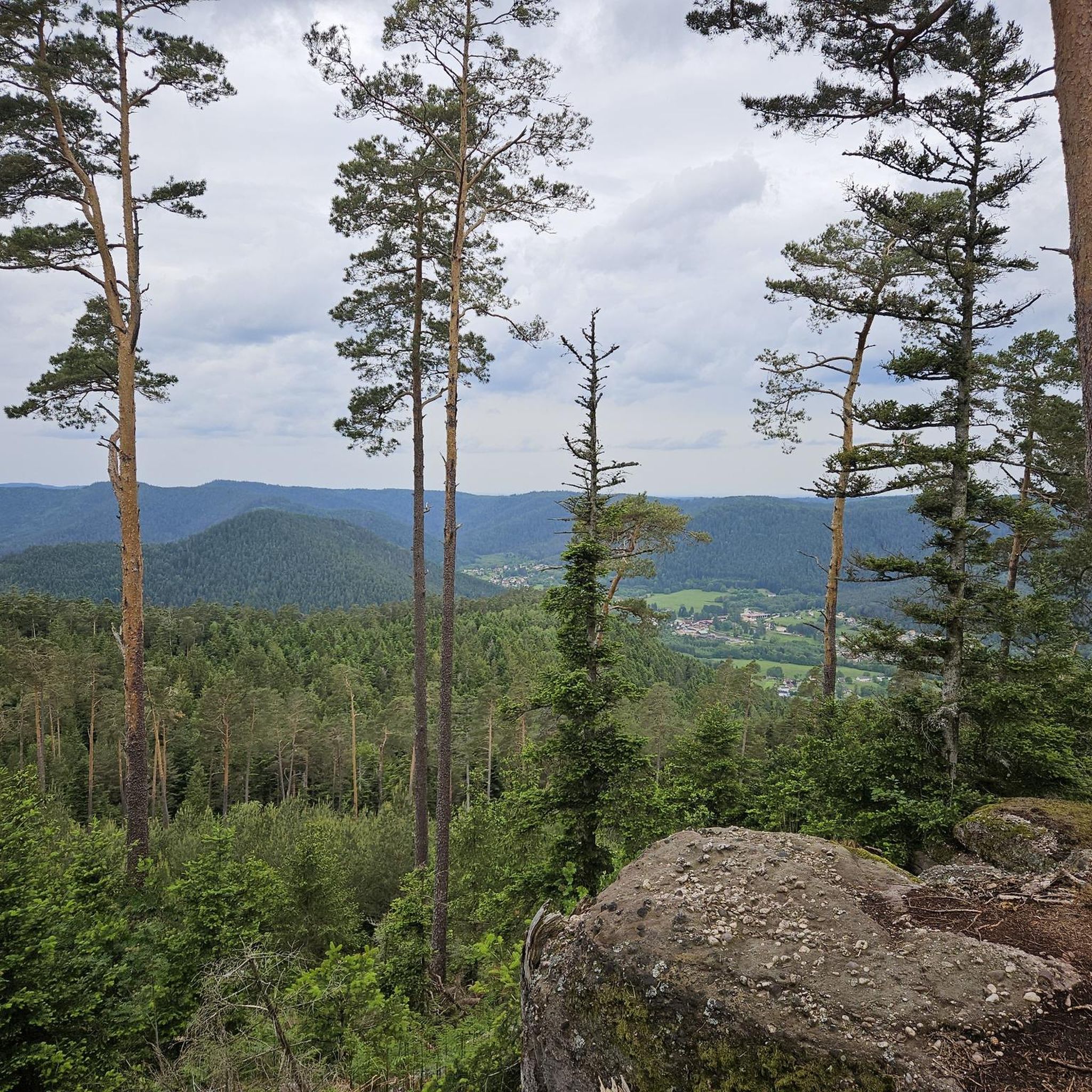
Dry Fir Rock
Highlight • Viewpoint
Showing Translation
Tip by

La Roche Saint-Martin and View of Saint-Dié
Highlight • Viewpoint
Translated by Google •
Tip by
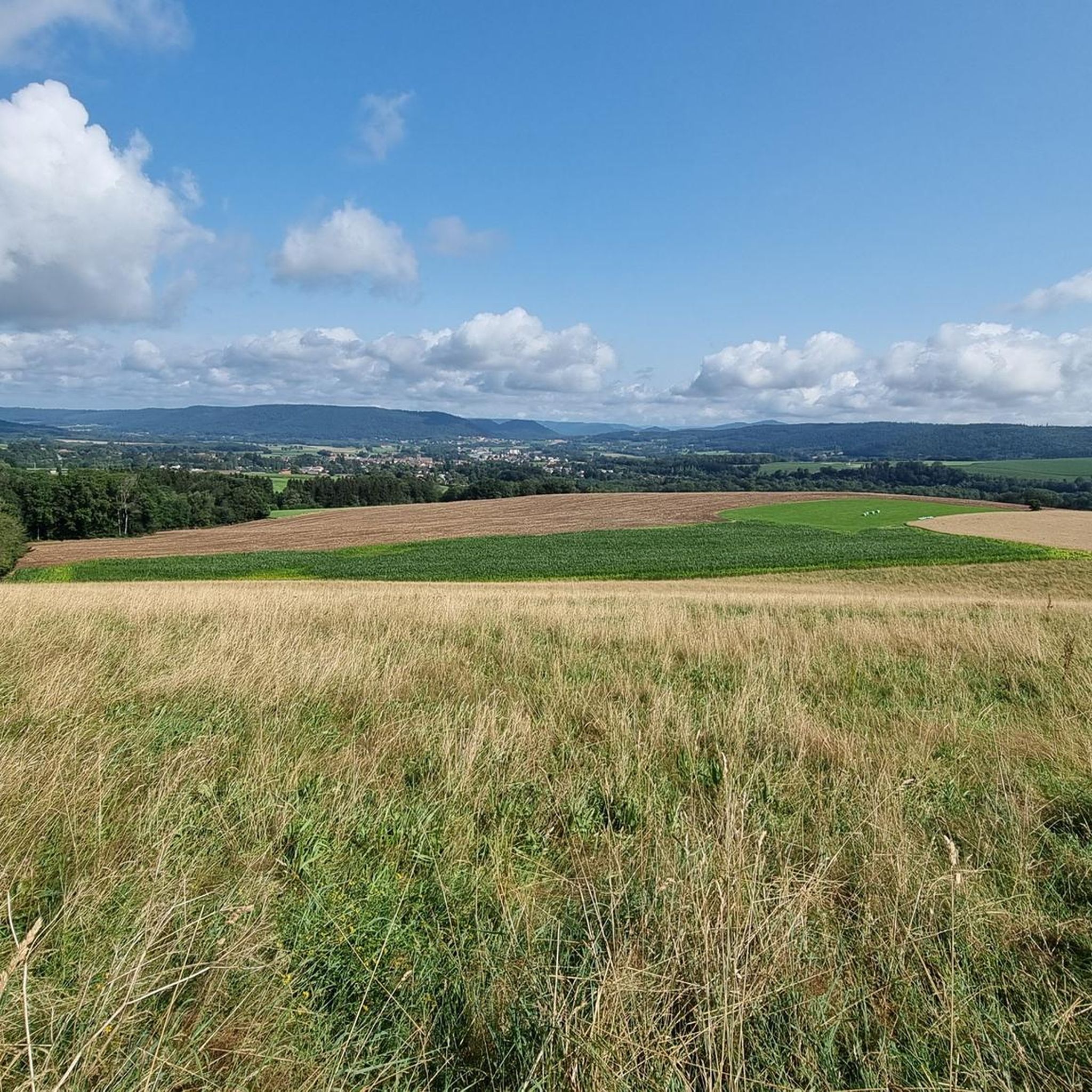
Roche de Boslimpré
Highlight • Viewpoint
Translated by Google •
Tip by

Sign up for free to discover even more natural monuments around Taintrux.
Already have an account?
Start today with a free account
Your next adventure awaits.
Tips from the Community

The well-documented panoramic viewpoint with an orientation table is worth lingering at.
4
0

Very nice view of the surroundings. Quiet and clean place to preserve.
0
0

The Roche d’Anozel is located in the Kemberg massif near Saulcy-sur-Meurthe, not far from Saint-Dié-des-Vosges. The striking Vosges sandstone rock is about 740 m high and approximately 15 m high and 20 m wide. An enigmatic inscription on the rock is dated to the year 1402. Particularly interesting is the view over the Meurthe valley and the surrounding Vosges mountains. The Roche is part of a network of well-marked hiking trails.
0
0

Camp accessible to mountain bikes but next to the bike
0
0
turn-off to the Roche de Boslimpré viewpoint
0
0


Frequently Asked Questions
What unique rock formations can I explore around Taintrux?
Taintrux is known for several distinctive rock formations. You can visit the Dry Fir Rock, a Vosges sandstone rock equipped with an iron ladder offering panoramic views. Another notable site is La Roche Saint-Martin and View of Saint-Dié, featuring imposing sandstone columns, two of which are connected by a bridge. Additionally, the region boasts the mysterious Pierre de Laître, known for an ancient cemetery, the Roche de l'Anozel, and the seemingly precariously balanced Pierre Trois Jambes.
Are there any historical natural monuments in the Taintrux area?
Yes, the region offers natural monuments with significant historical context. The La Bure Celtic Camp is a fortified plateau that has been inhabited since the Neolithic period and was used extensively by Celts and Romans. Another historical site is Roche des Abris, a rock shelter linked to a fort, which served as a commander's post during wartime.
What are the best viewpoints to visit around Taintrux?
For stunning views, consider Dry Fir Rock, which provides a panoramic vista of the region, including Nayemont, Saint-Jean d'Ormont, and Saint-Dié-des-Vosges. La Roche Saint-Martin and View of Saint-Dié also offers magnificent views of Saint-Dié. Another popular viewpoint is Roche de Boslimpré, which is also suitable for families.
Are there family-friendly natural monuments in Taintrux?
Yes, Roche de Boslimpré is considered suitable for families, with visitors noting that even young children can manage the ascent without great difficulty. It offers rewarding views after a manageable effort.
What hiking opportunities are available near Taintrux's natural monuments?
The Kemberg Massif offers numerous hiking opportunities. You can also explore sections of the GR® de Pays de La Ligne Bleue des Vosges, a long-distance trail showcasing the Vosges' beauty, or the Dukes' Trail for a concentrated experience of the Vosges Massif. For specific routes, consider the 'View of the Forest – Roche d'Anozel loop from Taintrux' or the 'View of the Forest – Pierre de Laître loop from Taintrux'.
Can I go cycling near the natural monuments around Taintrux?
Yes, the region is excellent for cycling. The Col de Mandray is a popular mountain pass known for its tranquil climbs and beautiful views over the Meurthe valley, ideal for a relaxing bike ride. The Petite Meurthe Valley also offers a scenic road through hills and woods with varied terrain. You can find several road cycling routes, including the 'Col du Plafond and Col de Mandray Loop'.
What is the best season to visit the natural monuments around Taintrux?
The Vosges region, with its verdant landscapes and extensive forests, is beautiful throughout the warmer months. Spring and autumn offer pleasant temperatures for hiking and cycling, with vibrant foliage in autumn. Summer provides longer daylight hours, ideal for extended exploration. Always check local weather conditions before your visit.
Are there running trails near the natural monuments?
Yes, there are several running trails in the vicinity. You can find routes like the 'Running loop from Saint-Dié-des-Vosges' or the 'Pierre de Laître loop from Saint-Dié-des-Vosges'. For more options, explore the Running Trails around Taintrux guide.
What kind of natural environment can I expect in Taintrux?
Taintrux is characterized by a verdant, often rugged, landscape. You'll find preserved flora and fauna, extensive forests of fir and Scots pine, and diverse terrain ranging from tranquil valleys like the Petite Meurthe Valley to mountain passes such as Col de Mandray. The region offers a peaceful escape with opportunities to observe nature.
What do visitors particularly enjoy about the natural monuments in Taintrux?
Visitors appreciate the panoramic views from various viewpoints, the historical significance of sites like the La Bure Celtic Camp, and the unique geological features such as the distinct rock formations. The tranquility and natural beauty of the Vosges landscape, combined with opportunities for outdoor activities, are frequently highlighted.
Are there any less-known or 'hidden' natural monuments worth discovering?
While not widely publicized, the Col du Pré de Raves offers a picturesque 'Forrestiere' route through the forest, often recommended as a more enjoyable and scenic alternative to busier roads. It provides a serene journey away from the main tourist paths.
Most popular routes around Taintrux
Most popular attractions around Taintrux

Get inspired with the komoot mobile app


Explore more
Extend your search for the best caves by checking out these guides of the top ones around Taintrux:
