Top 11 Natural Monuments around Ambazac
Natural monuments around Ambazac are characterized by unique geological formations, diverse ecosystems, and serene landscapes within the Monts d'Ambazac. This region, serving as the first western foothills of the Massif Central, features a wild granite massif with impressive rocky outcrops and dense forests. It offers a blend of Atlantic and mountainous species, contributing to a rich faunal and floral diversity. The area provides numerous opportunities for exploring preserved natural sites and engaging in outdoor activities.
Best natural monuments around Ambazac
…Last updated: November 15, 2026
Arboretum of La Jonchère-Saint-Maurice
Highlight • Forest
Translated by Google •
Tip by

Beech Tree Over the Spring
Highlight (Segment) • Natural Monument
Translated by Google •
Tip by

Sign up now to discover places like this
Get recommendations on the best single tracks, peaks, & plenty of other exciting outdoor places.
La Roche aux Fées
Highlight (Segment) • Natural Monument
Translated by Google •
Tip by
La Lieue Dolmen
Highlight • Historical Site
Translated by Google •
Tip by
La Patte à Sally
Highlight • Natural Monument
Translated by Google •
Tip by
Sign up for free to discover even more natural monuments around Ambazac.
Already have an account?
Start today with a free account
Your next adventure awaits.

Tips from the Community

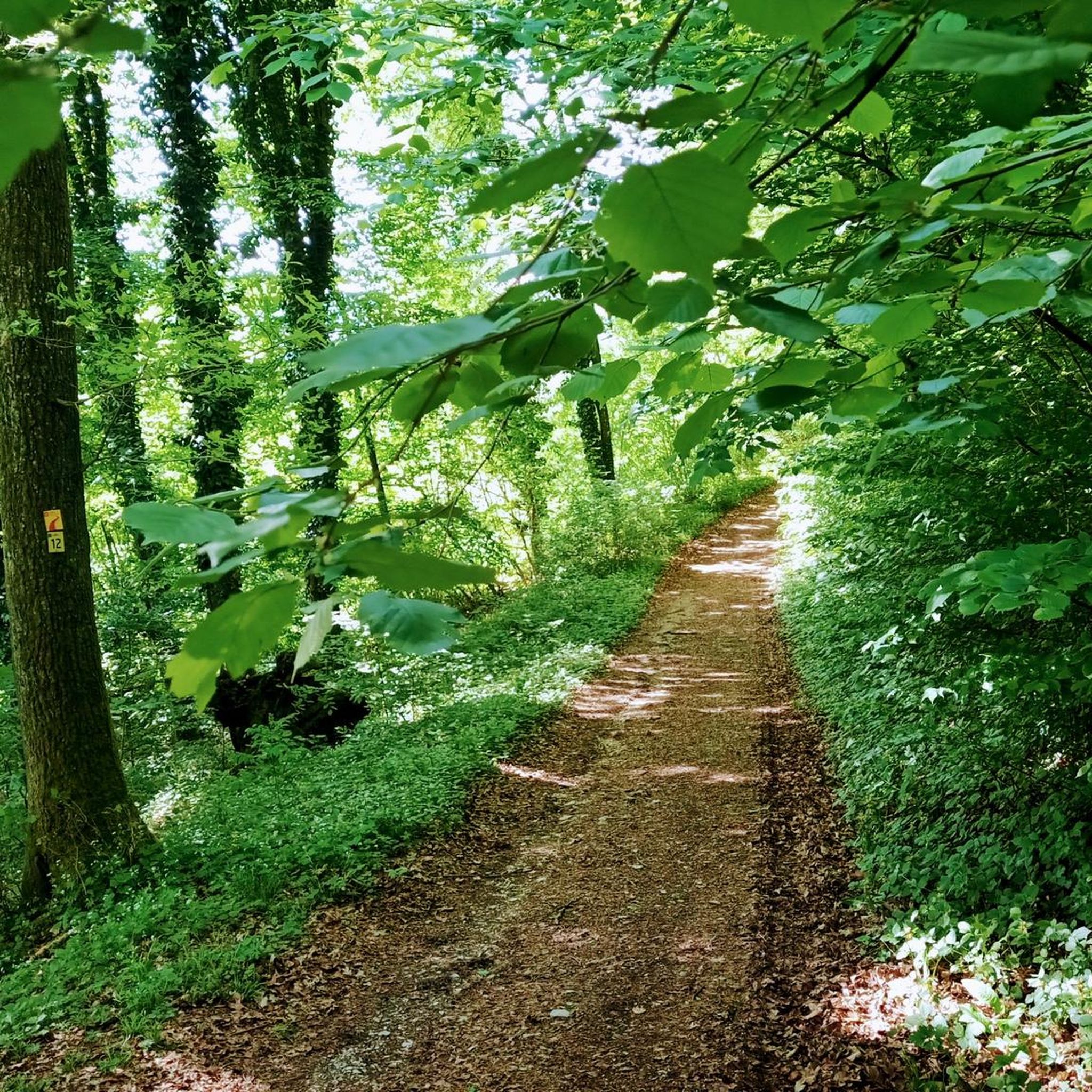
It has very beautiful paths that are a little wet these days. Too bad that some trails are no longer accessible because the vegetation has invaded them.
0
0

The source does not look like much, but the tree has chosen its place well, while preserving the building, it has water for its roots.
0
0
Walked by without seeing her. It was when I saw Mlle turn in front that I saw the tree. Its roots had a particular shape, they spanned a pile of stones. Closer, surprise, a spring with an open coping and an old-fashioned masonry cap. We can assume that it was built before and that the tree grew, respecting its environment. Nature does things well.
0
0
Take the time to turn around, the look changes with each view, especially the underside of the hat.
0
0
Just before Vauzelle on your left, with a little imagination, this rock makes you think of a dog's paw or something else. Naturally named Sally's Paw.
2
0
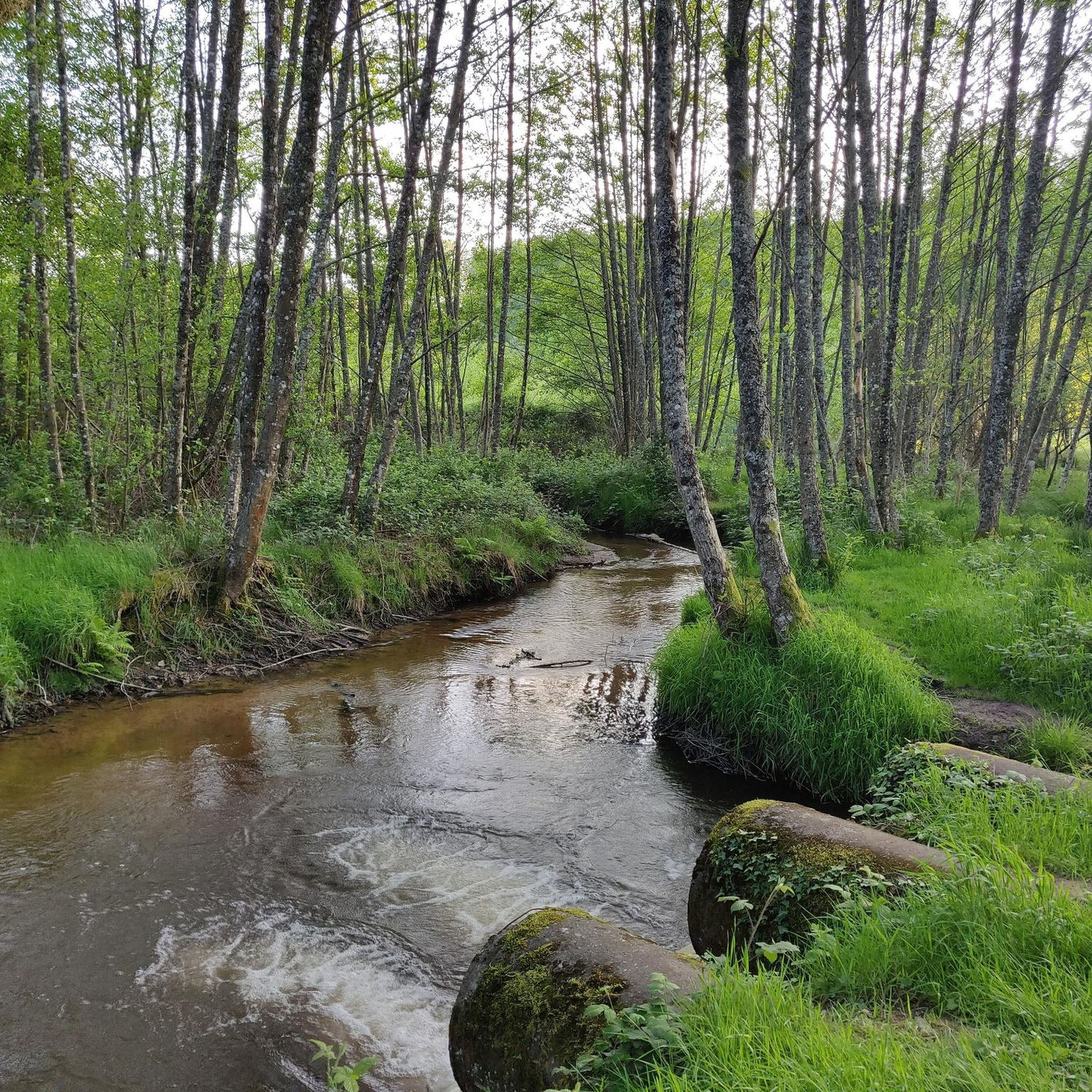
Whether in summer with the trees in leaves or in winter, you discover an imposing rock mass in the forest. At the foot of it you will admire some cavities, and going up towards the heart of the giant, you will have a view of the end of the valley with its stream that you have already crossed.
0
0

Small walk accessible for young children and strollers because the trails are perfectly maintained. There are certainly the largest Douglas pines in Europe, but what makes the magic of this arboretum is the small pond with its small bench and no one around you. If you come to the Monts d'Ambazac, this is one of the beautiful walks to do.
1
0

Many tree species are visible, among which: Giant sequoia, Nordmann fir, Calocedra, Cryptomeria, Japanese cypress or heterophyll oak and many reach record sizes.
1
0
Frequently Asked Questions
What unique natural features can I discover around Ambazac?
The Ambazac region offers a variety of unique natural features. You can explore the ancient Arboretum of La Jonchère-Saint-Maurice, home to giant sequoias and other remarkable trees. Don't miss La Roche aux Fées, an imposing rock mass with cavities and valley views, or La Patte à Sally, a distinctive rock formation resembling a dog's paw. The wider Monts d'Ambazac feature wild granite massifs and impressive rocky outcrops.
Are there family-friendly natural monuments suitable for children?
Yes, the Arboretum of La Jonchère-Saint-Maurice is particularly suitable for families. Its well-maintained trails are accessible for young children and strollers, offering a pleasant walk among diverse tree species and around a small pond. Additionally, the nearby Lac de Saint-Pardoux provides beaches and water activities that can be enjoyed by families.
What kind of wildlife can I expect to see in the natural monuments?
The region is rich in biodiversity. The Tourbière des Dauges (Dauges Peat Bog), a national nature reserve, is a haven for nearly 2,200 animal and plant species, including rare bog-associated flora and carnivorous plants. The Monts d'Ambazac themselves support diverse fauna and flora, including rare bat and bird of prey species, due to their blend of Atlantic and mountainous ecosystems.
Does the region have any historical or legendary natural sites?
Absolutely. La Lieue Dolmen is a historical site that also functions as a natural monument, offering unique perspectives depending on your viewing angle. Another legendary site is La Pierre Branlante (The Swaying Stone) at La Jonchère Saint-Maurice. This gigantic rock formation, perched at 650 meters, offers panoramic views and is steeped in local folklore, with tales of it being a place where the accused had to make the stone move to prove their innocence.
When is the best time of year to visit the natural monuments around Ambazac?
Many natural monuments in the Ambazac region are enjoyable year-round. The Arboretum of La Jonchère-Saint-Maurice is described as an enchanting place for walking and contemplation throughout the year. For hiking in the Monts d'Ambazac, spring and autumn offer pleasant temperatures and beautiful scenery, though winter can provide a unique, serene experience, and summer is ideal for water activities at Lac de Saint-Pardoux.
Are there easy walking routes or accessible natural monuments?
Yes, the Arboretum of La Jonchère-Saint-Maurice is noted for its perfectly maintained trails, making it accessible for young children, strollers, and is even marked as wheelchair accessible. This provides an easy and enjoyable experience for visitors seeking less strenuous walks.
What hiking opportunities are available near these natural monuments?
The Monts d'Ambazac, where many of these monuments are located, are excellent for hiking. You can find numerous trails winding through moorlands, deep forests, and offering sweeping views. For specific routes, explore the hiking guide for Ambazac, which includes routes like the 'Jonas Pond - loop' and trails near La Lieue Dolmen.
Can I engage in other outdoor activities besides hiking near the natural monuments?
Absolutely. The region offers diverse outdoor activities. The nearby Lac de Saint-Pardoux is ideal for cycling and various water activities. For those interested in mountain biking, you can find trails in the area, including routes like 'Route no. 1 – Rocking Stone loop from Ambazac'. Check out the gravel biking guide and MTB trails guide for Ambazac for more options.
What do visitors enjoy most about the natural monuments around Ambazac?
Visitors particularly appreciate the unique natural formations and the serene atmosphere. For instance, the Arboretum of La Jonchère-Saint-Maurice is loved for its diverse tree species and peaceful pond. The imposing rock mass of La Roche aux Fées and the distinctive La Patte à Sally also draw admiration for their natural beauty and unique character.
Are there any natural monuments that offer panoramic views?
Yes, La Pierre Branlante (The Swaying Stone) at La Jonchère Saint-Maurice is perched at an altitude of 650 meters and offers one of the most beautiful panoramic views in Limousin, extending over 50 km. Additionally, La Roche aux Fées provides views of the valley from its higher points.
Is there a significant ecological site in the Ambazac region?
The Tourbière des Dauges (Dauges Peat Bog) is a highly significant ecological site. This national nature reserve, estimated to be around 12,000 years old, covers approximately 200 hectares and is a vital habitat for nearly 2,200 animal and plant species, including rare bog-associated flora and carnivorous plants. It's a prime example of a preserved peatland ecosystem.
Most popular routes around Ambazac
Most popular attractions around Ambazac

Get inspired with the komoot mobile app


Explore more
Extend your search for the best caves by checking out these guides of the top ones around Ambazac:
