Top 20 Natural Monuments around Roussillon
Natural monuments around Roussillon, primarily located in the Pyrénées-Orientales department, showcase a diverse range of natural landscapes. This region features majestic mountains, unique geological formations, deep gorges, and serene lakes. The area is characterized by its significant geological history and rich biodiversity. These sites offer varied experiences for those interested in natural features and outdoor activities.
Best natural monuments around Roussillon
- The most popular natural monuments is Fontaine-de-Vaucluse, a natural site featuring Europe's largest resurgence. The underground river emerges…
Last updated: May 4, 2026
Fontaine-de-Vaucluse
Highlight • Monument
Translated by Google •
Tip by

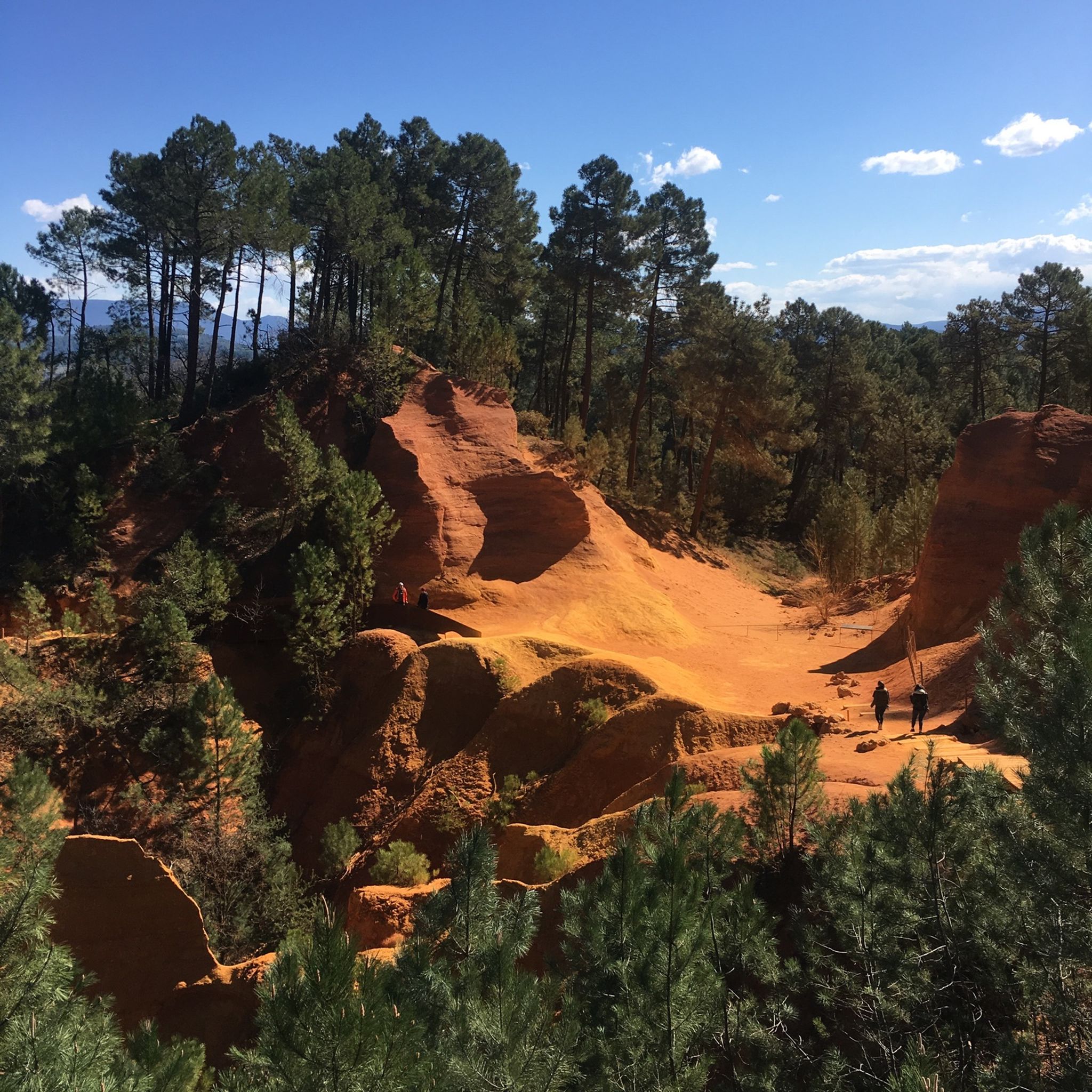
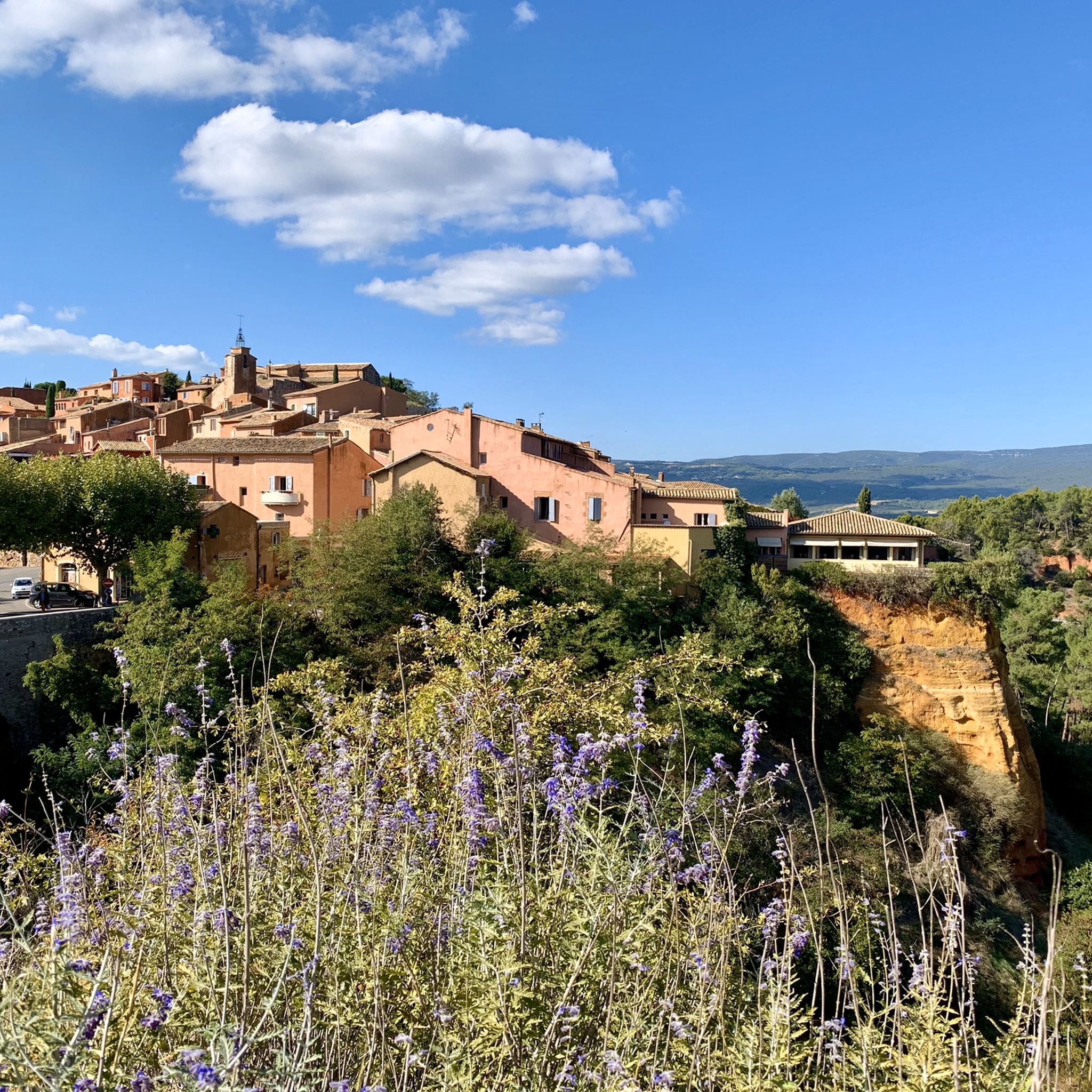
The Ochres of Roussillon
Highlight • Natural Monument
Translated by Google •
Tip by

Sign up now to discover places like this
Get recommendations on the best single tracks, peaks, & plenty of other exciting outdoor places.
Sign up for free
Ochre Trail
Highlight (Segment) • Trail
Once you've paid the entrance fee and are on your way, you feel like you're in the Brice Canyon. If you have children, please bring old clothes 😉
Translated by Google •
Tip by

Luberon Cedar Forest Trail (Forêt des Cèdres du Luberon)
Highlight • Forest
This forest has only existed since 1860. The …
Translated by Google •
Tip by
Col de la Ligne
Highlight • Mountain Pass
Translated by Google •
Tip by

Sign up for free to discover even more natural monuments around Roussillon.
Sign up for free
Already have an account?
Start today with a free account
Your next adventure awaits.
Login or Signup
Tips from the Community

The descent from the Col to Méthamis is super beautiful 🤩
0
0

Pleasant climb, surface mostly good, the holes are visible uphill but early enough and you usually don't go that fast ,-)
1
0

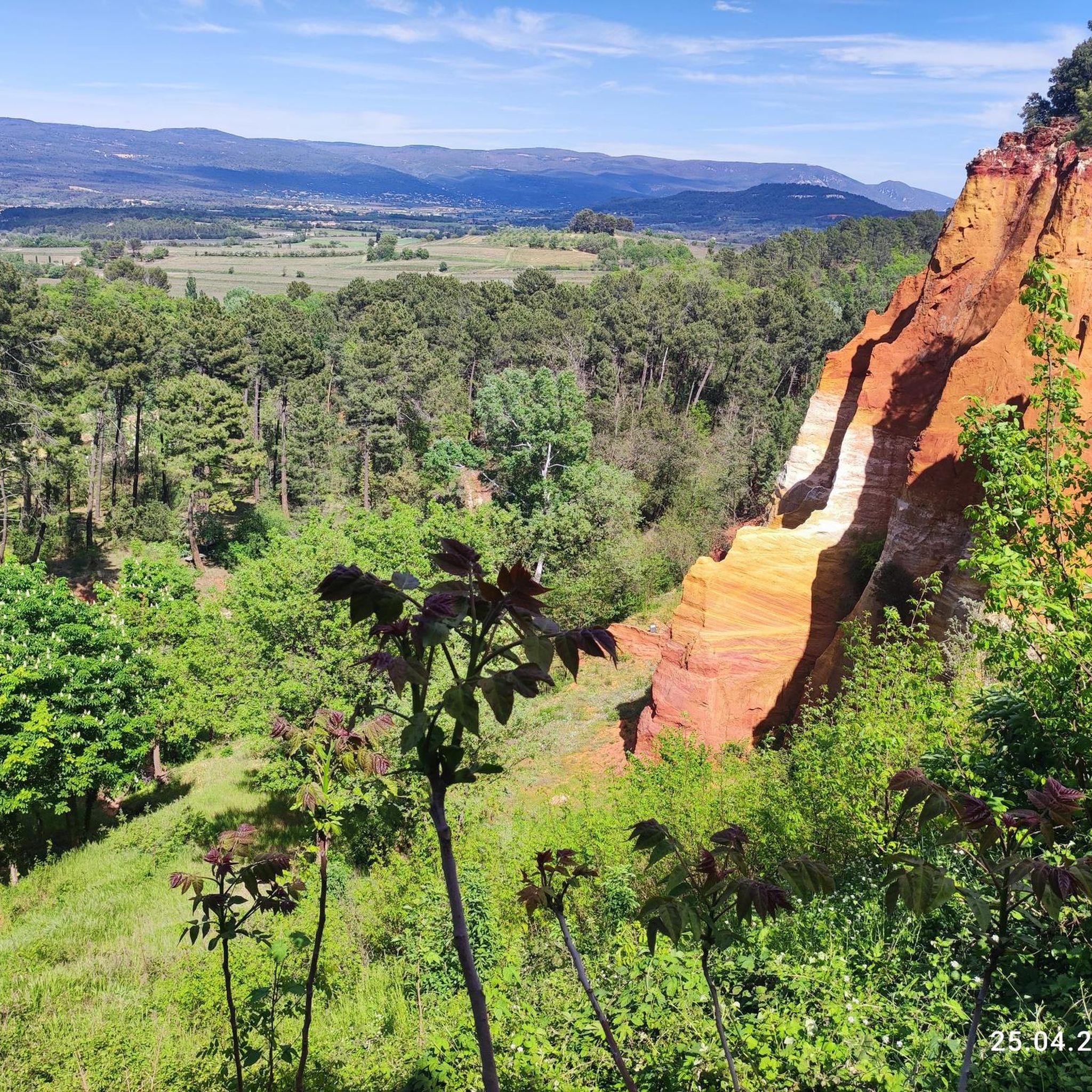
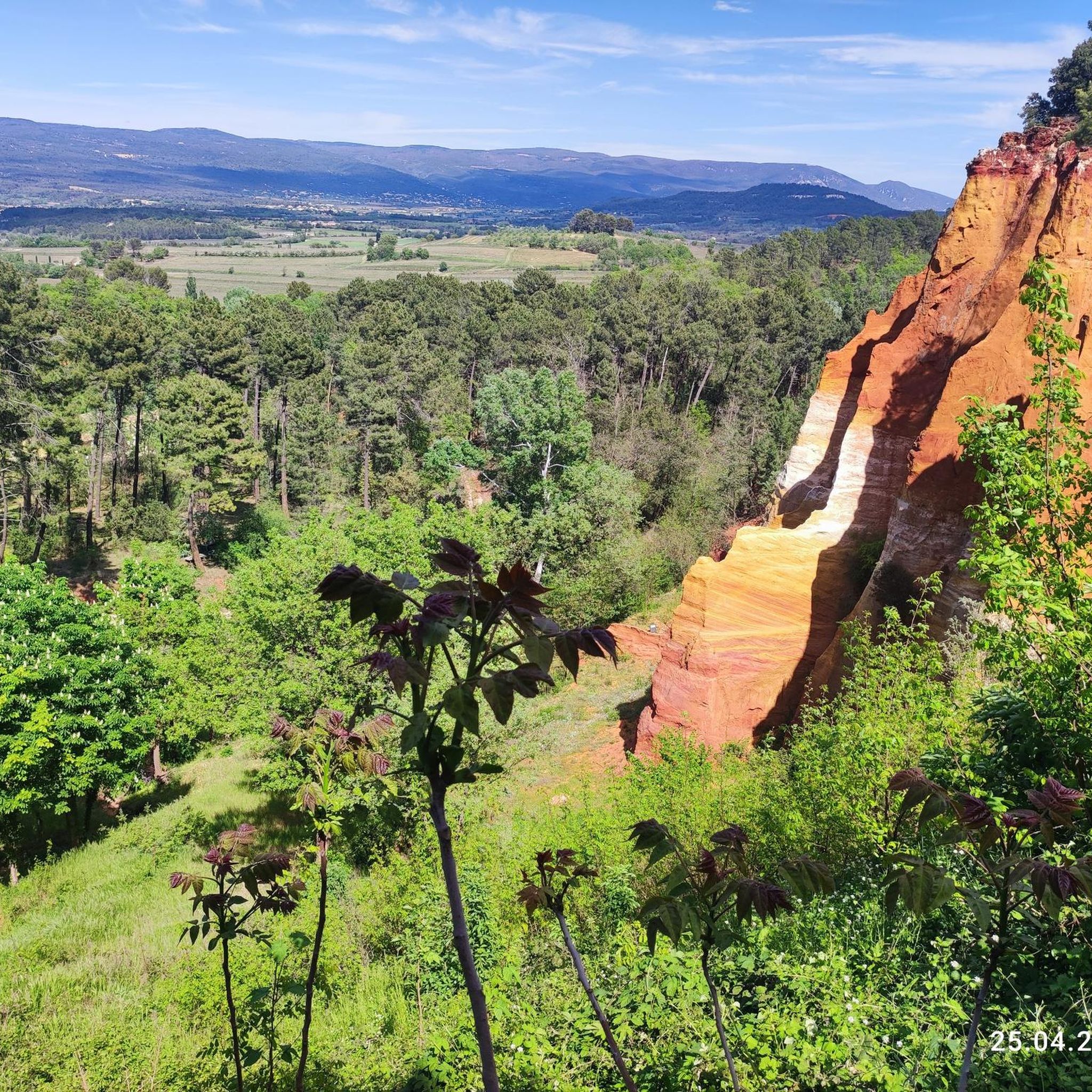
The view is fascinating. The sunlight can change within a very short time and the rocks can shine in various shades of ochre and even orange. Worth seeing!
2
0

Definitely recommended, the visit: It is called Colorado Provencal
1
0

The place is the namesake of the department of Vaucluse. Until 1946, this was also the official name of the municipality. In order to avoid confusion, it was decided in that year to change the name to Fontaine-de-Vaucluse. Vaucluse is derived from the Latin "Vallis clausa" which means "closed valley". During the Middle Ages, the village church was a place of pilgrimage because of the tomb of Bishop Veranus of Cavaillon.
9
2

The Ochre Trail (Sentier des Ocres) near the mountain village of Roussillon leads through the former quarries and offers remarkable landscapes that have been shaped by the ochre industry and nature over two centuries. For a small entrance fee, you can immerse yourself in the formation of ochre and the history of its use. The beautifully laid out trail through the former quarries is a unique experience. We were here in mid-March in the best weather; the colors were particularly intense and there were hardly any visitors with us.
1
0
Roads with hardly any traffic, moderate gradient from the south, great landscape
0
0

The Col de la Ligne from La Méthamis is 12.5 km long with a total drop of 466 m. The average gradient is 3.7% with maximum gradients of 11.5%.
3
1
Frequently Asked Questions
What unique geological formations can I explore in the Roussillon region?
The Roussillon region offers several striking geological formations. You can visit the Orgues d'Ille-sur-Têt, often called 'fairy chimneys,' which are pillars of friable earth sculpted by erosion. Another remarkable site is the Ochre Trail, where you can walk through former ochre quarries displaying vibrant shades of red, orange, and yellow.
Are there any natural monuments suitable for families with children?
Yes, several natural monuments in Roussillon are family-friendly. The Ochre Trail is an easy walk with options for shorter routes, and children will love the vibrant colors. The Gorges de la Fou, when open, offers a unique adventure through a narrow canyon via safe metal footbridges. Additionally, Luberon Cedar Forest Trail has well-marked, short hiking trails, including one suitable for wheelchairs, making it accessible for various family needs.
What kind of outdoor activities can I do near the natural monuments in Roussillon?
The Roussillon region is excellent for outdoor activities. Near many natural monuments, you can find opportunities for hiking, gravel biking, and mountain biking. For example, there are numerous routes for gravel biking and MTB trails around Roussillon, including loops that pass by the Ochres. The Canigou Massif is a hotspot for hiking and mountain sports, with extensive marked footpaths.
Where can I find impressive water sources or lakes in the Roussillon area?
You can visit Fontaine-de-Vaucluse, which features Europe's largest resurgence, where the Sorgue river emerges from a 230-meter-high cliff. Another significant water body is Lac des Bouillouses, one of the largest lakes in the French Pyrenees, offering a beautiful setting for relaxation and outdoor activities at an elevation of 2017 meters.
Are there any natural monuments with historical or cultural significance?
Yes, the Canigou Massif is an emblematic mountain considered the 'sacred mountain of the Catalans,' holding significant cultural importance in the region. Fontaine-de-Vaucluse also has historical ties, having attracted many poets and writers like Petrarch in the past, and its name is derived from 'Vallis clausa' meaning 'closed valley'.
What is the best time of year to visit the natural monuments in Roussillon?
The best time to visit depends on the specific monument and your preferred activities. For sites like the Ochre Trail or Orgues d'Ille-sur-Têt, spring and autumn offer pleasant temperatures for walking. For mountain areas like the Canigou Massif or Lac des Bouillouses, summer is ideal for hiking, though vehicle access to Lac des Bouillouses is often restricted then, with shuttle buses available.
Are there any accessible natural monuments for visitors with mobility challenges?
Yes, the Luberon Cedar Forest Trail offers routes specifically suitable for wheelchairs, marked with blue markers, allowing visitors with mobility challenges to enjoy the imposing trees and peaceful atmosphere. For other sites, it's advisable to check specific accessibility details before visiting.
What kind of views can I expect from the natural monuments?
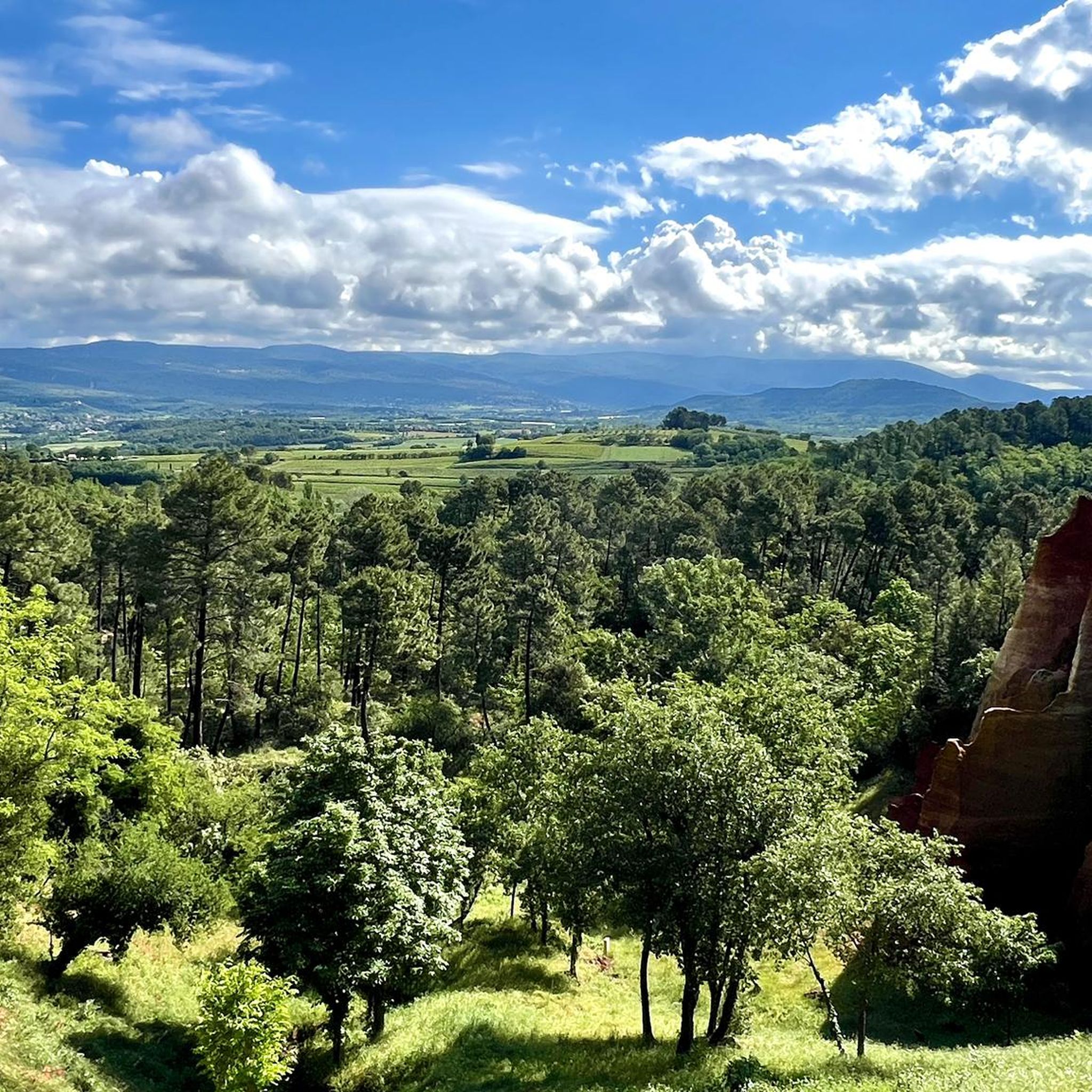
The natural monuments in Roussillon offer diverse and stunning views. From the Pic du Canigou, you can get panoramic views extending from the Mediterranean coast to other Pyrenean peaks. The Luberon Cedar Forest Trail provides viewpoints overlooking the Durance valley and even the Alps in the distance. The Col de la Ligne also offers nice views at the top after a moderate climb.
Can I find any hidden natural gems or less-known sites in the Roussillon region?
While the main natural monuments are well-known, the broader Roussillon region, particularly the Pyrénées-Orientales department, is rich in diverse landscapes. Exploring the numerous marked footpaths in areas like the Canigou Massif can lead to discovering quieter spots. The Gorges de la Fou, though popular, offers a unique and immersive experience through an exceptionally narrow canyon, providing a sense of discovery.
What is special about the forests in the Roussillon area?
The Roussillon area features unique forest environments. The Luberon Cedar Forest Trail, for instance, is home to imposing cedar trees that create a remarkably peaceful atmosphere, despite the forest only existing since 1860. The Canigou Massif also boasts diverse vegetation, including scrublands and forests, contributing to its rich biodiversity.
How long does it typically take to visit some of the natural monuments?
The duration of a visit varies by site. A walk along the developed path at the Orgues d'Ille-sur-Têt typically lasts 45 minutes to an hour. For the Ochre Trail, you can choose between a shorter (30 minutes) or longer (50-60 minutes) route. Visiting larger areas like the Canigou Massif or Lac des Bouillouses can easily fill a full day with hiking and exploration.
Are there opportunities for cycling near the natural monuments?
Yes, cycling is a popular activity. Many cycling routes around Roussillon pass by or near natural monuments. For example, you can find routes that incorporate the Ochres of Roussillon or offer views towards Gordes. The Col de la Ligne is also a known spot for cyclists, offering a climb on quiet roads with a nice view at the top.
Most popular routes around Roussillon
Most popular attractions around Roussillon

Get inspired with the komoot mobile app


Explore more
Extend your search for the best caves by checking out these guides of the top ones around Roussillon:
