Top 4 Natural Monuments around Fos-Sur-Mer
Best natural monuments around Fos-Sur-Mer include a variety of natural landscapes, from expansive lagoons to unique steppe ecosystems and sandy coastlines. This region in the Bouches-du-Rhône department of France offers diverse natural features. Visitors can explore significant biodiversity, unique geological formations, and coastal environments. These sites provide opportunities for nature observation, water activities, and tranquil exploration.
Best natural monuments around Fos-Sur-Mer
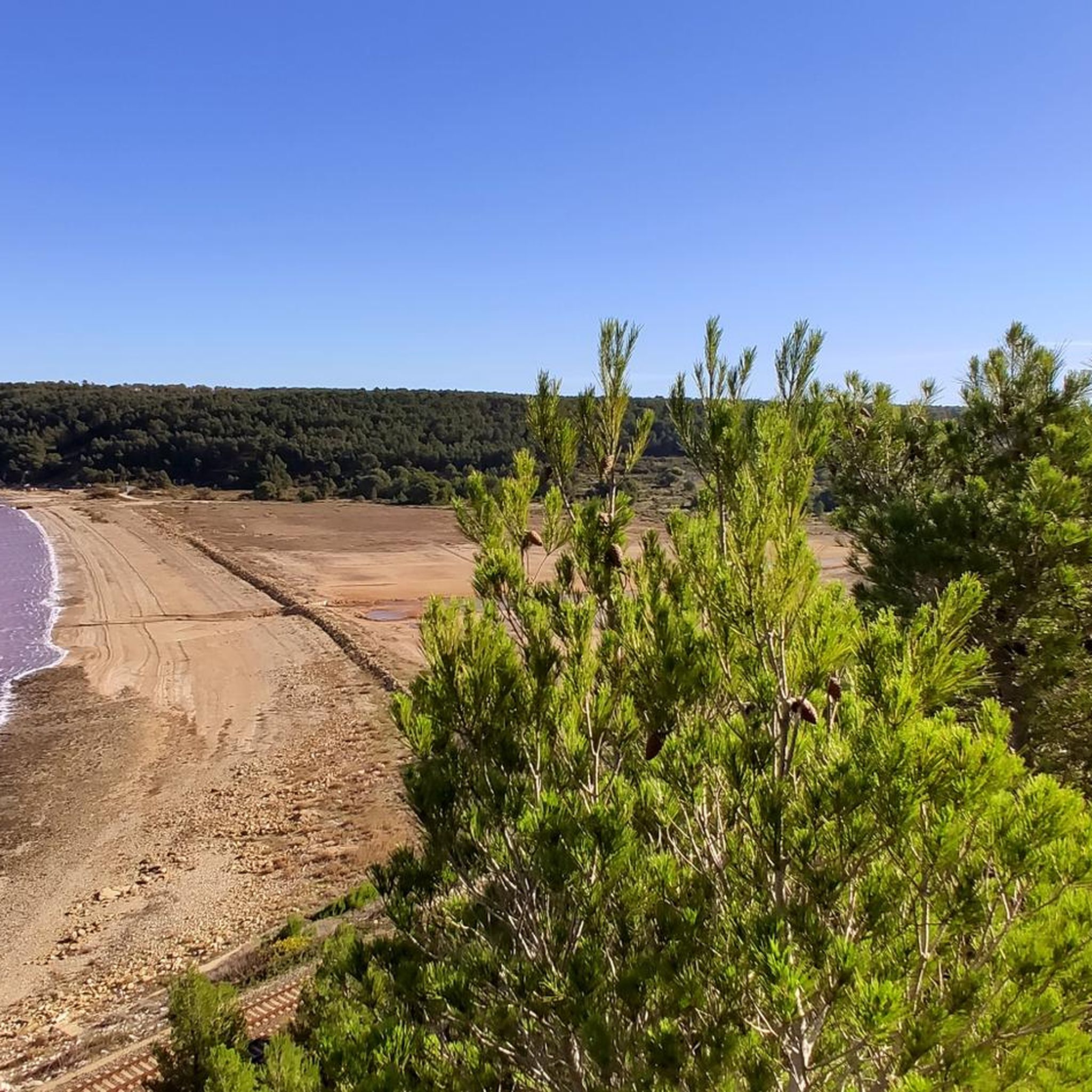
- The most popular natural monument is Piémanson Beach, a beach known for its natural sandy expanse. This beach…
Last updated: May 4, 2026
Piémanson Beach
Highlight • Beach
Translated by Google •
Tip by

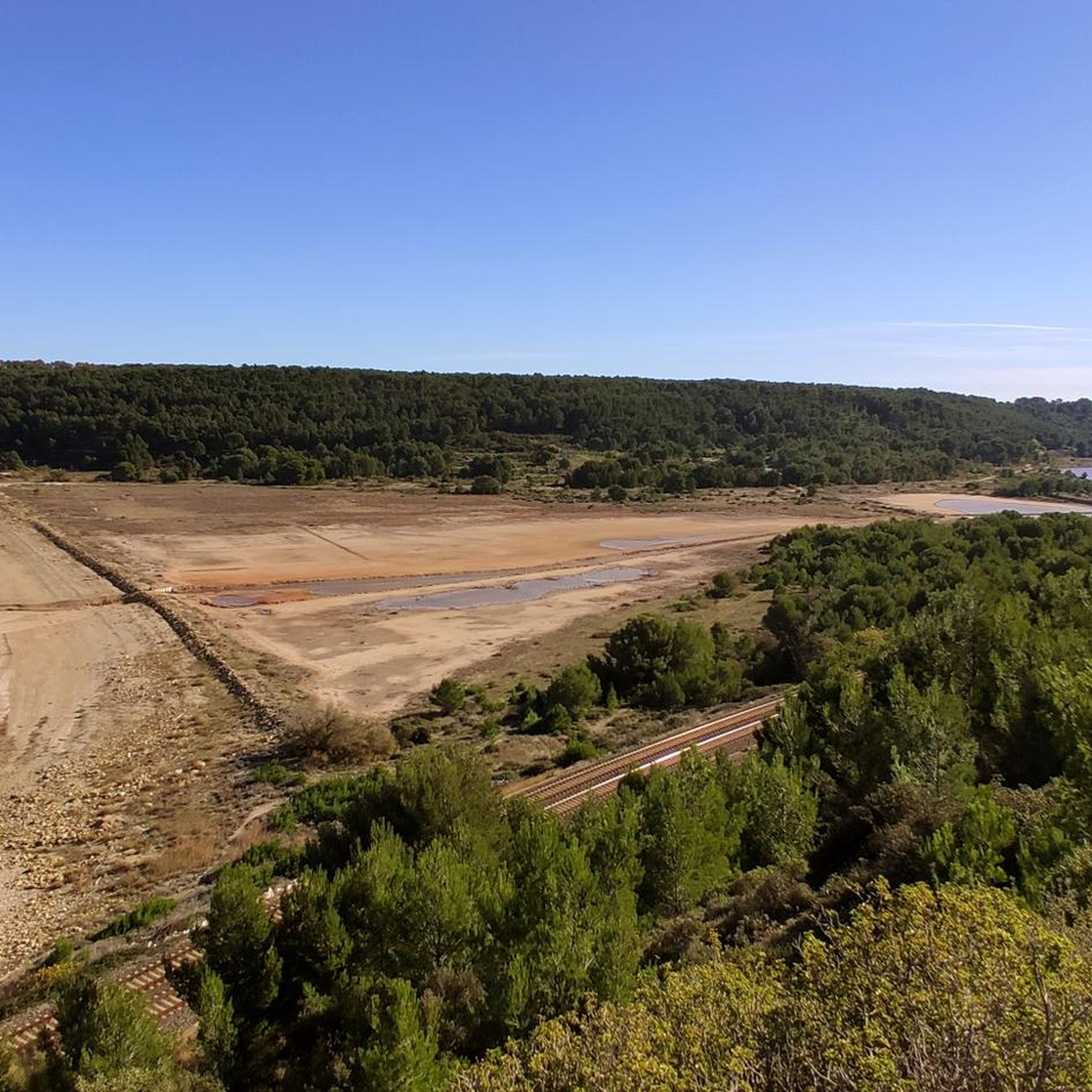
Engrenier Pond
Highlight • Lake
Translated by Google •
Tip by

Sign up now to discover places like this
Get recommendations on the best single tracks, peaks, & plenty of other exciting outdoor places.
Sign up for free
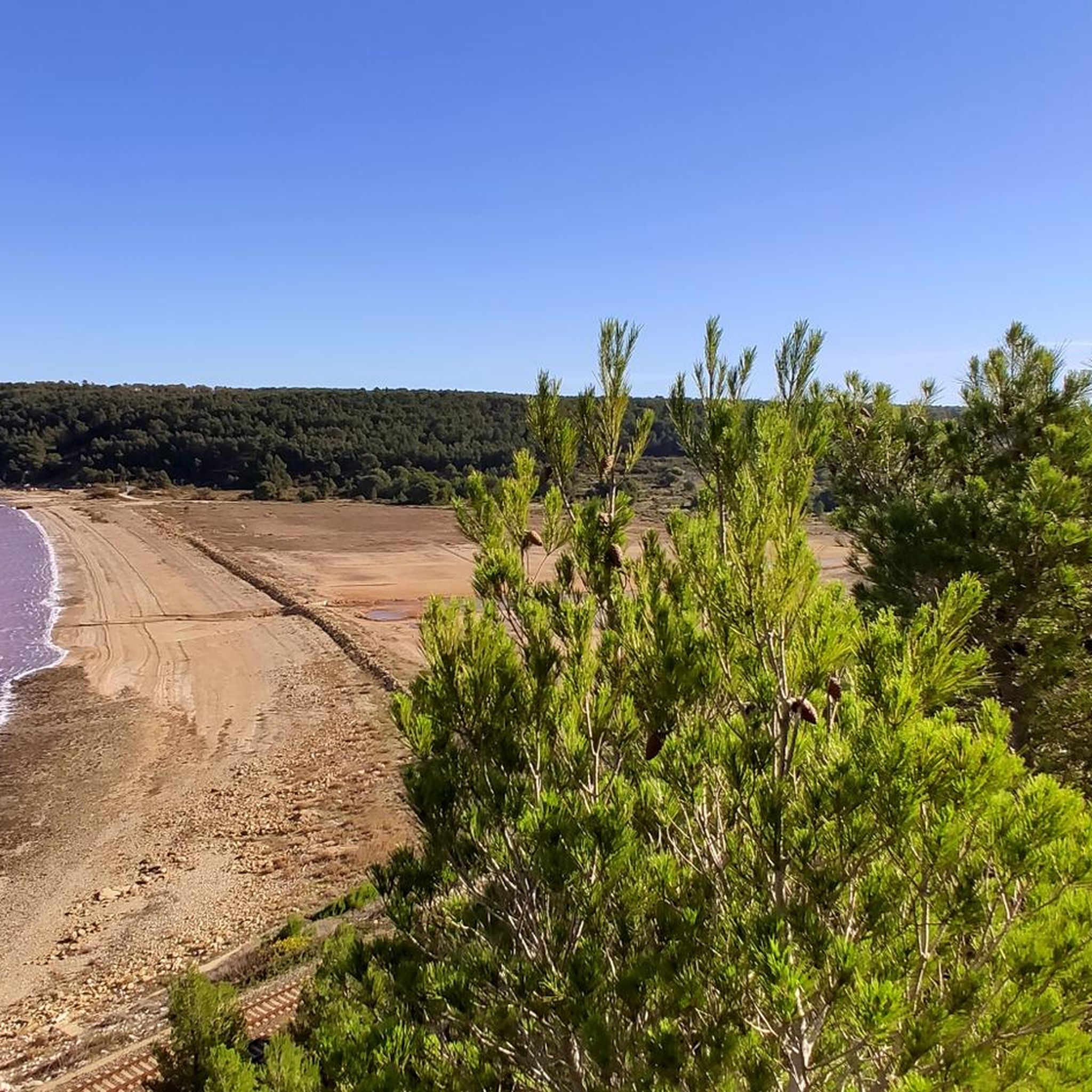
Bald cypress knees at Parc de la Poudrerie
Highlight • Natural Monument
Translated by Google •
Tip by

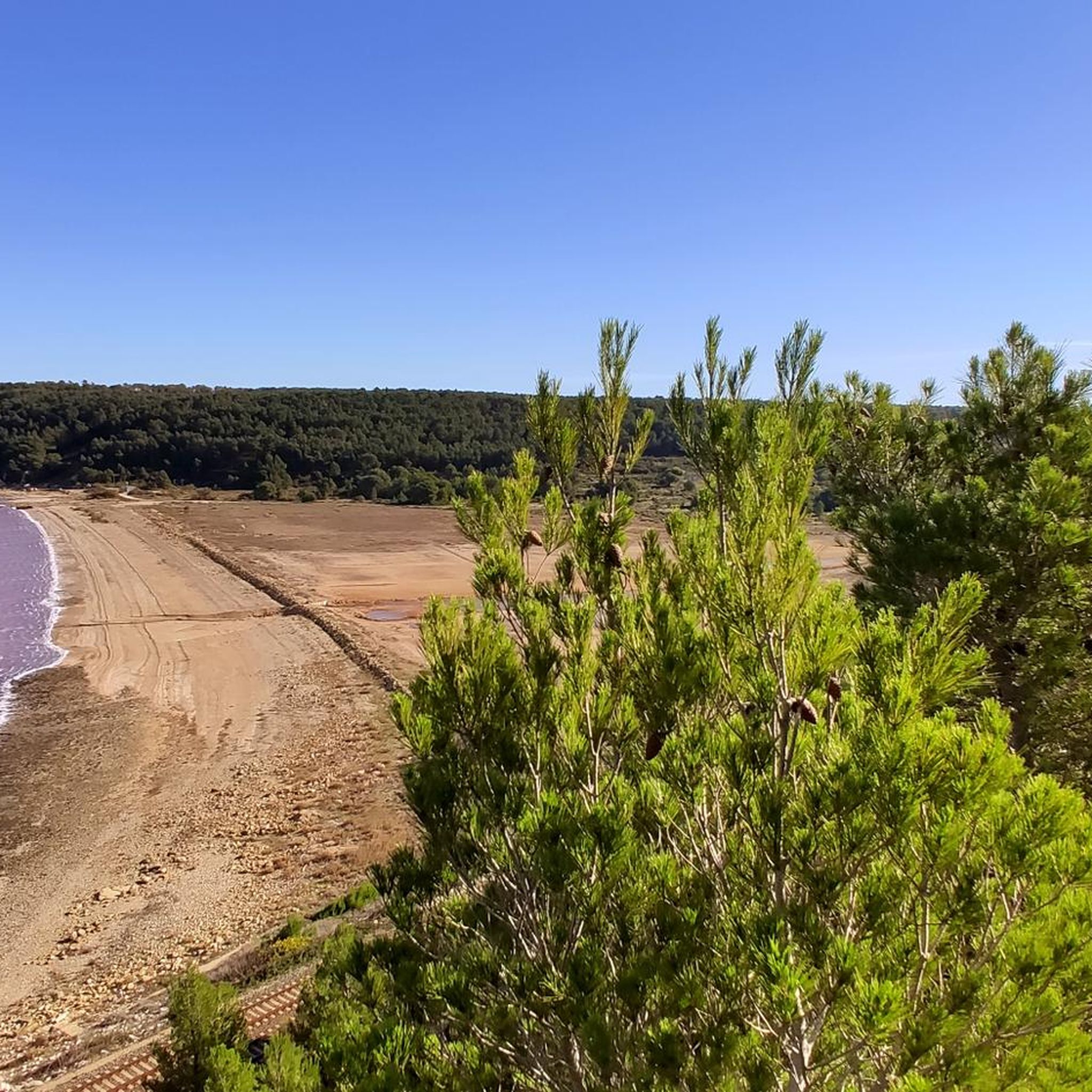
Flamingos at Étang de Vaccarès
Highlight • Lake
Translated by Google •
Tip by

Start today with a free account
Your next adventure awaits.
Login or Signup

Tips from the Community

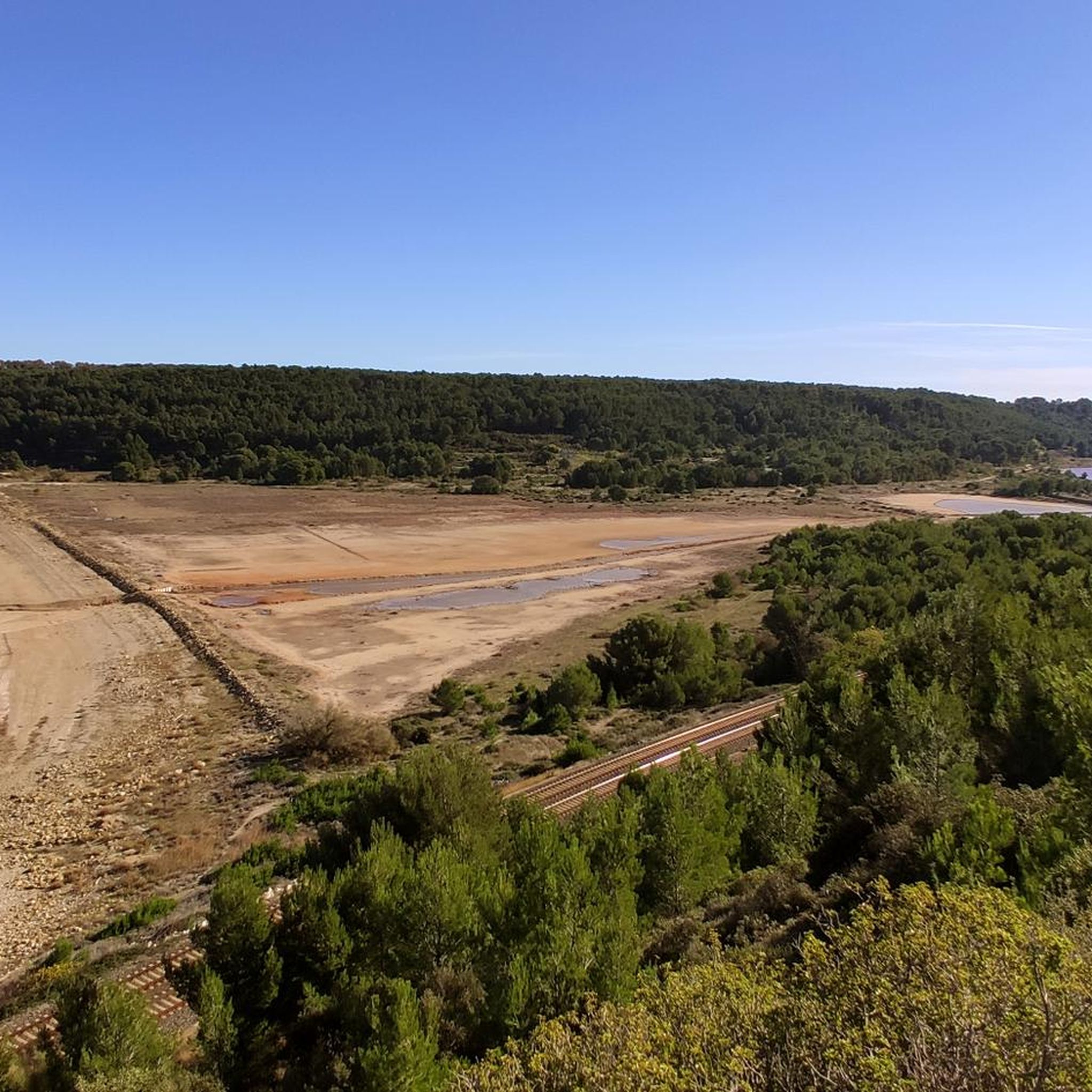
The park is only open on Wednesdays and Sundays. The remains of this industrial site are interesting and well explained through posters.
0
0

greenway from Fos to the train station - unfortunately no signs
1
0

An impressive rock. One of the last rock formations that you can see before you continue west and you only see the flat Camargue.
1
0

Nowhere else in southern Europe live more flamingos. Together with the wild horses and the black bulls, they characterize the landscape of the Carmargue. The pink waterfowl, otherwise only known from zoos, can be observed in the wild at one of the numerous etangs. For example at the Etang de Vaccares in the heart of the Camargue, which has been a nature reserve since 1970. You can cycle around the Etang on a day tour (approx. 70 kilometres) or you can take a half-hour walk from the La Capelliere information center (on the D 36b) through swamps, reeds, reeds and salt marshes. The D 36b on the east bank of the salt lake takes you very close to the Etang, so that you can observe lemming colonies from the side of the road.
0
0

The first part of the road from Fos is dangerous and unpleasant, you have to arrive at the Salins de Giraud to find a safe and quiet route, and to be able to enjoy the beautiful landscapes of the Camargue.
1
0

Check the opening hours of the park!
2
0
Very original natural phenomenon: The roots of the cypresses come out of the ground in order to be able to breathe because of a marshy ground!
2
0

scenic bike path on the isthmus between the two etangs. Stupid locks at the beginning and end. Hard to get through with luggage.
1
0
Frequently Asked Questions
What unique natural features can I explore around Fos-Sur-Mer?
Fos-Sur-Mer offers a diverse range of natural features. You can explore the vast Étang de Berre, one of Europe's largest saltwater lagoons, known for its rich biodiversity. The unique Étang de Lavalduc stands out with its iridescent pink-blue waters and status as France's lowest point. For a different landscape, the Réserve Naturelle Nationale des Coussouls de Crau presents a rare semi-arid steppe ecosystem. Additionally, the region boasts 6 kilometers of natural sandy beaches, such as La Grande Plage, offering coastal environments.
Are there any family-friendly natural monuments in the area?
Yes, several natural monuments are well-suited for families. The beaches of Fos-Sur-Mer, including La Grande Plage, are known for their fine sand, accessibility, and amenities like playgrounds. Piémanson Beach is another natural sandy expanse popular with visitors. For a unique botanical experience, the Bald cypress knees at Parc de la Poudrerie offer an interesting sight where cypress roots emerge from marshy ground. You can also spot wildlife like flamingos at Étang de Vaccarès, which is a great family activity.
Where can I observe unique wildlife near Fos-Sur-Mer?
The region is a haven for wildlife observation. The Étang de Berre is a biodiversity hotspot, home to 359 bird species, 53 mammal species, and numerous reptiles and insects. The Réserve Naturelle Nationale des Coussouls de Crau is particularly significant for its avian population, hosting nearly 150 bird species, including the rare Pin-tailed Sandgrouse, and endemic insects like the critically endangered Crau Cricket. You can also observe flamingos at Étang de Vaccarès.
What makes the Étang de Lavalduc a unique natural monument?
The Étang de Lavalduc is remarkable for its striking iridescent pink-blue coloration, caused by the presence of small crustaceans called *Artemia salina*. It is also notable as the lowest point in France, situated approximately 10 meters below sea level. Its exceptionally high salinity, up to four times greater than seawater, has historically been used for brine storage. This creates a serene and otherworldly landscape, ideal for photography and quiet contemplation.
Can I go hiking or running near the natural monuments?
Yes, there are several opportunities for hiking and running. You can find various routes around the natural monuments, including trails near Engrenier Pond. For more detailed options, explore the dedicated guides for Hiking around Fos-Sur-Mer and Running Trails around Fos-Sur-Mer, which feature routes of varying difficulties.
Are there opportunities for cycling or gravel biking in the area?
Absolutely. The region around Fos-Sur-Mer offers scenic routes for cycling and gravel biking, particularly around the lagoons and coastal areas. You can find routes that take you past natural monuments and offer beautiful views. For specific routes and difficulty levels, refer to the Gravel biking around Fos-Sur-Mer guide.
What is the best time to visit the natural monuments around Fos-Sur-Mer?
The best time to visit depends on your preferred activities. Spring and autumn generally offer pleasant temperatures for outdoor exploration, hiking, and wildlife observation, avoiding the peak summer heat. The beaches are most enjoyable during the warmer summer months for swimming and sunbathing. Birdwatching is particularly rewarding during migration seasons in spring and autumn.
Are there any natural monuments with geological interest?
Yes, the Étang de Lavalduc is a prime example of geological interest, being the lowest point in France at approximately 10 meters below sea level. Its formation and extreme salinity are unique geological features. The Réserve Naturelle Nationale des Coussouls de Crau is also geologically significant as a vast alluvial plain shaped by the ancient Durance delta, creating its distinctive stony steppe landscape.
Can I access these natural monuments by public transport or is parking available?
Access varies by site. While some natural monuments, especially the beaches, may have designated parking areas, public transport options can be limited for more remote sites like the Réserve Naturelle Nationale des Coussouls de Crau or parts of the Étang de Lavalduc. It's advisable to check specific access details for each location if relying on public transport. For highlights like Piémanson Beach, parking is generally available, though it's recommended to arrive by car due to the distance.
What do visitors enjoy most about the natural monuments in Fos-Sur-Mer?
Visitors appreciate the diverse natural beauty and tranquility. Many enjoy the scenic views from places like Engrenier Pond, the unique botanical sight of the Bald cypress knees at Parc de la Poudrerie, and the opportunity to observe flamingos at Étang de Vaccarès. The natural sandy expanse of Piémanson Beach is also a popular draw for its coastal environment and the journey through the salt pans.
Are there any specific tips for visiting the Réserve Naturelle Nationale des Coussouls de Crau?
When visiting the Réserve Naturelle Nationale des Coussouls de Crau, be prepared for a unique semi-arid steppe environment. It's a fragile ecosystem, so sticking to marked trails is crucial to protect its unique flora and fauna, including the endangered Crau Cricket. It's an excellent destination for botanists and ornithologists, so bringing binoculars is recommended for birdwatching. Facilities are minimal, so plan accordingly with water and supplies.
Most popular routes around Fos-Sur-Mer
Most popular attractions around Fos-Sur-Mer

Get inspired with the komoot mobile app


Explore more
Extend your search for the best caves by checking out these guides of the top ones around Fos-Sur-Mer:
