Top 3 Natural Monuments around Frossay
Best natural monuments around Frossay are found within its surrounding natural landscapes, characterized by wetlands and the Loire estuary. This rural commune, situated between Nantes and Saint-Nazaire, offers access to significant natural areas rich in biodiversity. Visitors can explore vast marshlands, bird sanctuaries, and unique geological features that define the region's natural heritage. The area provides opportunities to experience diverse ecosystems and observe local wildlife.
Best natural monuments around Frossay
- The most popular natural monument is The Trembling Stone,…
Last updated: October 5, 2026
Menhir Standing Stones
Highlight • Monument
Showing Translation
Tip by

The Trembling Stone
Highlight • Natural Monument
Showing Translation
Tip by

Sign up now to discover places like this
Get recommendations on the best single tracks, peaks, & plenty of other exciting outdoor places.
Menhir de Haute-Roche
Highlight • Monument
Incredible that it …
Translated by Google •
Tip by

Observatoire le Rocher
Highlight • Viewpoint
Translated by Google •
Tip by

Les Grandes Perrières
Highlight • Natural Monument
The paths and trails are well maintained, mainly for mountain biking and gravel.
Translated by Google •
Tip by
Start today with a free account
Your next adventure awaits.

Tips from the Community

The menhir de la Riverais is the one in the field. The monolith installed at the crossroads is contemporary and just symbolic.
0
0

The original menhir is the sandstone block in the field: 3m high, 2.50m wide at the base and about 0.80m thick. The profile of this sandstone block is made up of particular movements and on one of its faces, a circular hollow 12 cm in diameter can be seen. The menhir was registered as a historical monument in 1984. Be careful, you can see another stone nearby (in front of the field) which was apparently erected in a contemporary way. Nevertheless, in Pitre de Lisle's inventory, a second still visible menhir and a third felled and broken one are mentioned. Together, they must have formed an alignment. Source : https://www.saint-brevin.com/menhir-de-la-riveraie.html
0
0
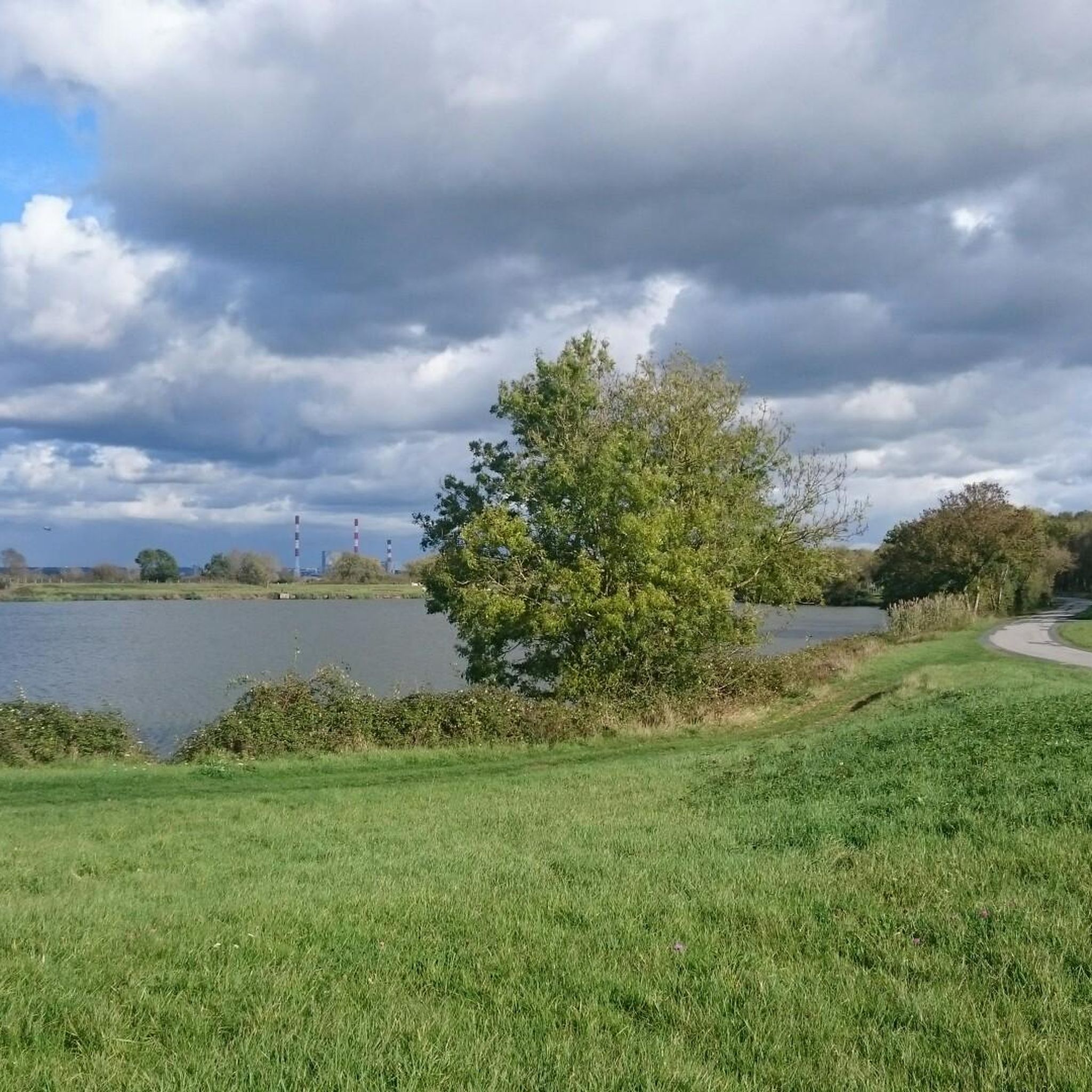
Former limestone quarry now transformed into a protected natural area with a pond in the northern part and a wetland in the southern part. Important birdlife. The paths and trails are well maintained, mainly for mountain biking and gravel.
1
0
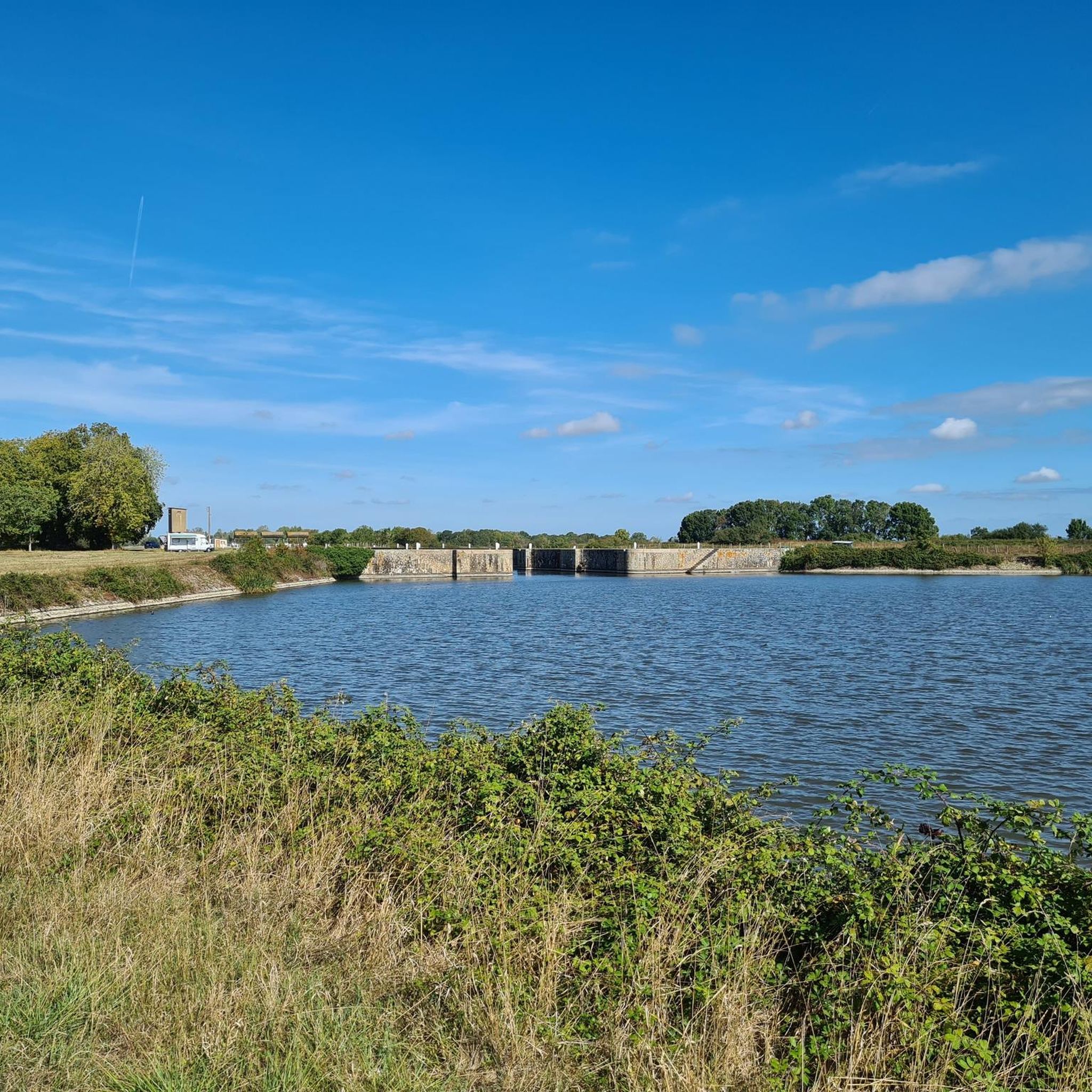
I couldn't shake the stone, but you can try :-) Peaceful site on the banks of the Acheneau River. Wet in wet weather.
1
0

Always accessible from the town of Cheix-en-Retz. But be careful, the next part of the circuit can be flooded in winter.
1
0
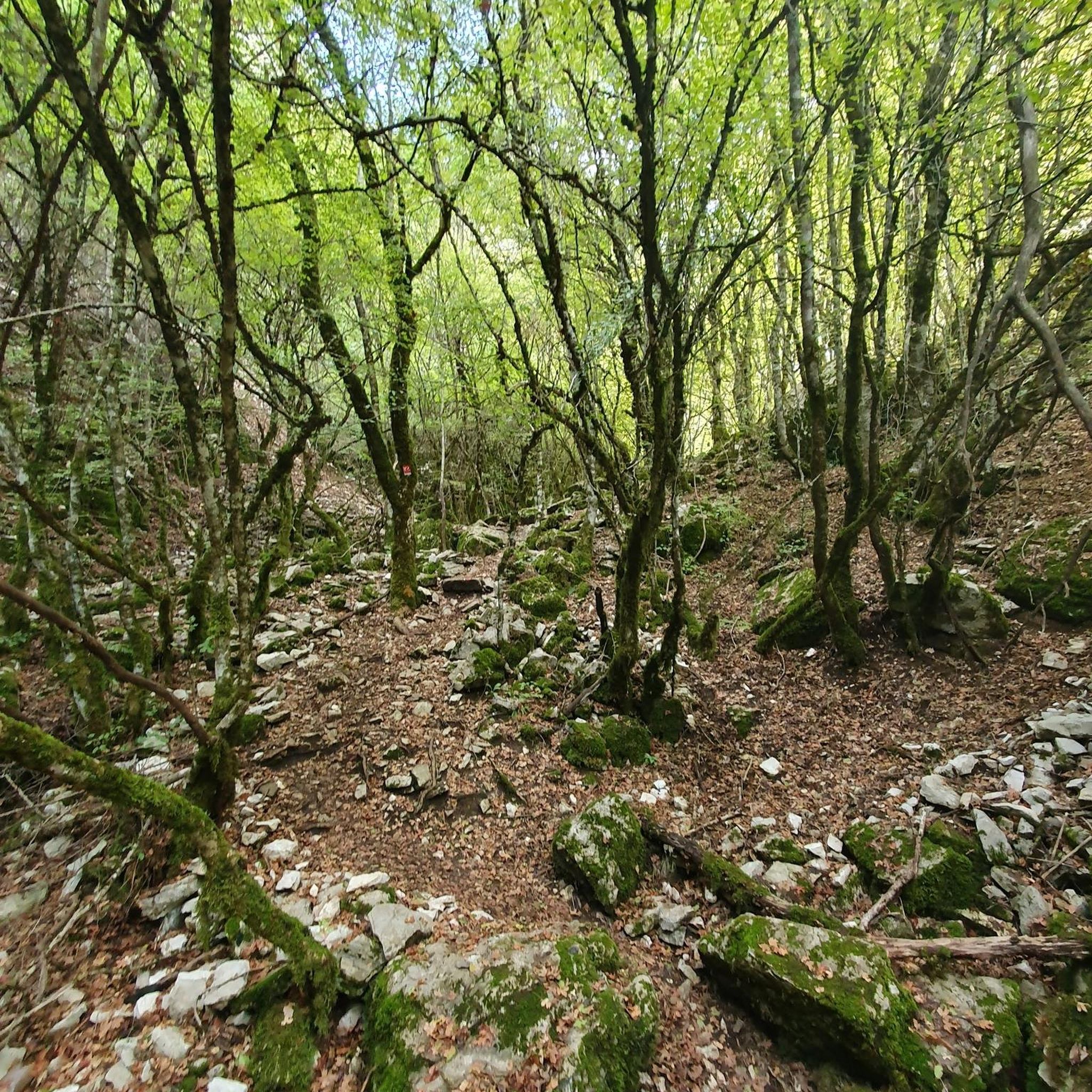
Not found where to go up to make it move, but I'll try another time :-)
1
0
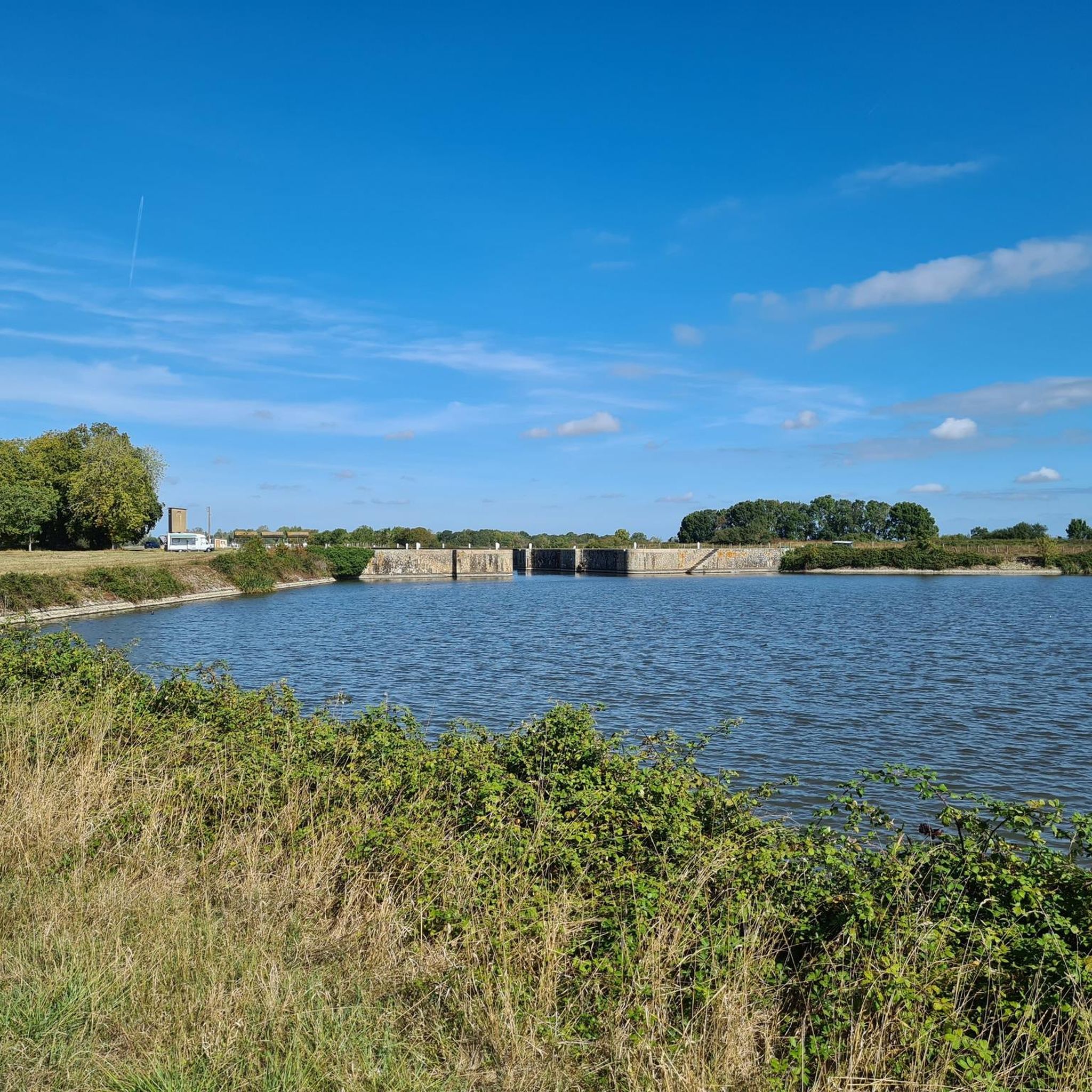
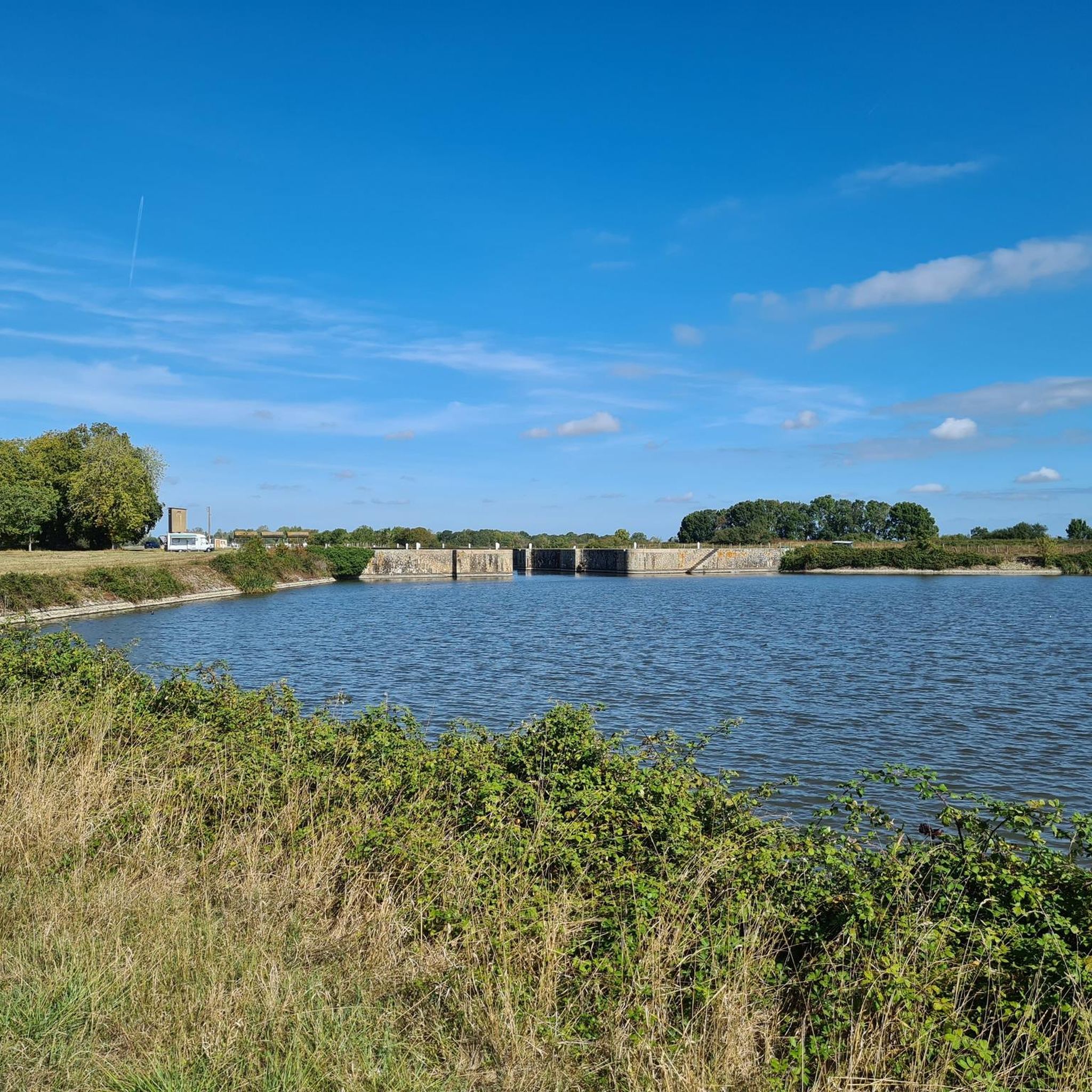
Allows you to observe the surrounding flora and fauna
0
0
Returned to vertical at the beginning of November 2021, this menhir is the highest in Loire Atlantique with its 4.23 meters and its 24 tonnes of granite. Incredible that it took a 120-ton crane to lift the stone, when at the time a single man, admittedly a little wrapped up, carried it on his back. More seriously, this monolith obviously has nothing to do with the Gauls since it was already in place more than 2000 years before their arrival on the scene.
0
0
Frequently Asked Questions
What are the most notable natural areas to visit near Frossay?
The region around Frossay is rich in natural beauty, particularly wetlands and the Loire estuary. Key natural areas include the vast Brière Regional Natural Park, known for its extensive marshlands and traditional villages, and the Réserve Ornithologique du Massereau et du Migron, a crucial bird sanctuary directly adjacent to Frossay. You can also explore Les Grandes Perrières, a former limestone quarry now a protected natural area with significant birdlife.
Where can I go birdwatching near Frossay?
For exceptional birdwatching, head to the Réserve Ornithologique du Massereau et du Migron. This site is of European importance for wintering birds and a significant stopover for migratory species. You can spot ducks, white storks, grey herons, and even rare species like the Eurasian teal and bluethroat. While public access is limited to protect biodiversity, guided tours are regularly organized. Additionally, Les Grandes Perrières also boasts important birdlife.
Are there any unique geological or historical natural monuments around Frossay?
Yes, the area features some intriguing sites. Don't miss The Trembling Stone (La Pierre Tremblante), a very large stone that, when climbed in a specific spot, trembles. It's located on the banks of the Acheneau. You can also find ancient megalithic structures like the Menhir de Haute-Roche, the tallest menhir in Loire Atlantique, and the Menhir Standing Stones, which are registered as historical monuments.
What kind of outdoor activities can I do near Frossay's natural monuments?
The region offers a variety of outdoor activities. You can explore the Brière Regional Natural Park by foot, bike, horseback, or even traditional flat-bottomed boats. Cycling is very popular, with routes like those along the Canal de la Martinière. For more cycling options, check out the guides for Cycling around Frossay, Road Cycling Routes around Frossay, and Traffic-free bike rides around Frossay.
Are there family-friendly natural sites to explore in the Frossay area?
Absolutely! Many natural sites are suitable for families. The Trembling Stone offers a fun, interactive experience. The Menhir de Haute-Roche is also considered family-friendly. For scenic views and wildlife spotting, the Observatoire le Rocher provides a wonderful landscape to observe flora and fauna, though it can be flooded in winter.
Can I cycle along the Canal de la Martinière near Frossay?
Yes, the towpath along the Canal de la Martinière is freely accessible for walking and cycling. This 15 km long historical canal runs alongside the Loire and is an integral part of the landscape of the Réserve Ornithologique du Massereau et du Migron, offering a pleasant way to experience the area's natural beauty. You can find various cycling routes that incorporate the canal in the Cycling around Frossay guide.
What is the Brière Regional Natural Park, and how can I explore it?
The Brière Regional Natural Park is France's second-largest marshland, located west-north-west of Frossay. It's a vast network of canals, reed beds, and peat bogs, home to rich biodiversity and traditional thatched-roof villages. You can explore it on foot, by bike, on horseback, or uniquely, via traditional flat-bottomed boats called 'chalands' or 'blins' through its maze of waterways. The Belvedere of Rozé offers exceptional panoramic views of the marshes.
When is the best time of year to visit the natural monuments around Frossay?
The best time to visit the natural sites around Frossay is generally from spring to autumn. During these seasons, the weather is milder, and the flora and fauna are most active. Some areas, like the Observatoire le Rocher, can be flooded in winter, making access difficult. Spring and autumn are particularly good for birdwatching in the reserves due to migratory patterns.
Are there viewpoints to appreciate the natural landscapes near Frossay?
Yes, the Observatoire le Rocher offers a wonderful landscape to observe the surrounding flora and fauna. In the Brière Regional Natural Park, the Belvedere of Rozé, a 24-meter-high observatory, provides exceptional panoramic views of the extensive marshes, allowing you to take in the vastness of this unique wetland ecosystem.
What are Les Grandes Perrières and what can I do there?
Les Grandes Perrières is a former limestone quarry that has been transformed into a protected natural area. It features a pond in its northern part and a wetland in the southern part, supporting important birdlife. The paths and trails are well-maintained, making it an excellent spot for mountain biking and gravel cycling, as well as enjoying nature walks and birdwatching.
Most popular routes around Frossay
Most popular attractions around Frossay

Get inspired with the komoot mobile app


Explore more
Extend your search for the best caves by checking out these guides of the top ones around Frossay:
