Top 12 Natural Monuments around Courbevoie
Natural monuments around Courbevoie offer diverse green spaces and historical sites within an urban setting. This commune in the western suburbs of Paris features over 30 hectares of natural areas, including parks and riverside landscapes. These locations provide opportunities for outdoor activities and relaxation. The area is characterized by its blend of historical monuments and maintained natural environments.
Best natural monuments around Courbevoie
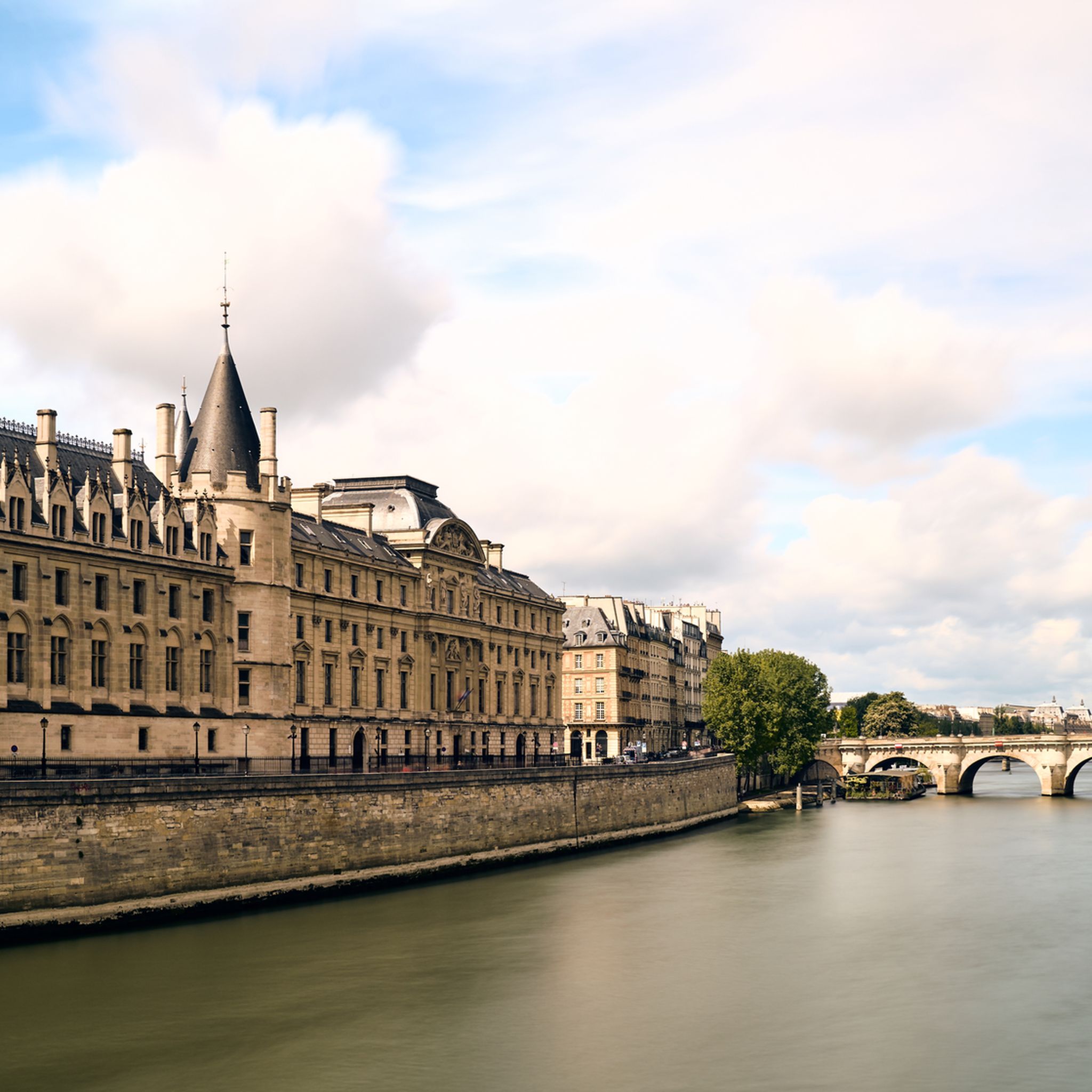
- The most popular natural monuments is Saint-Michel Bridge, a bridge that features the Saint-Michel fountain depicting…
Last updated: May 4, 2026
Saint-Michel Bridge
Highlight • Bridge
Source: de.parisinfo.com/transportmittel/73150/Fontaine-Saint-Michel
Translated by Google •
Tip by

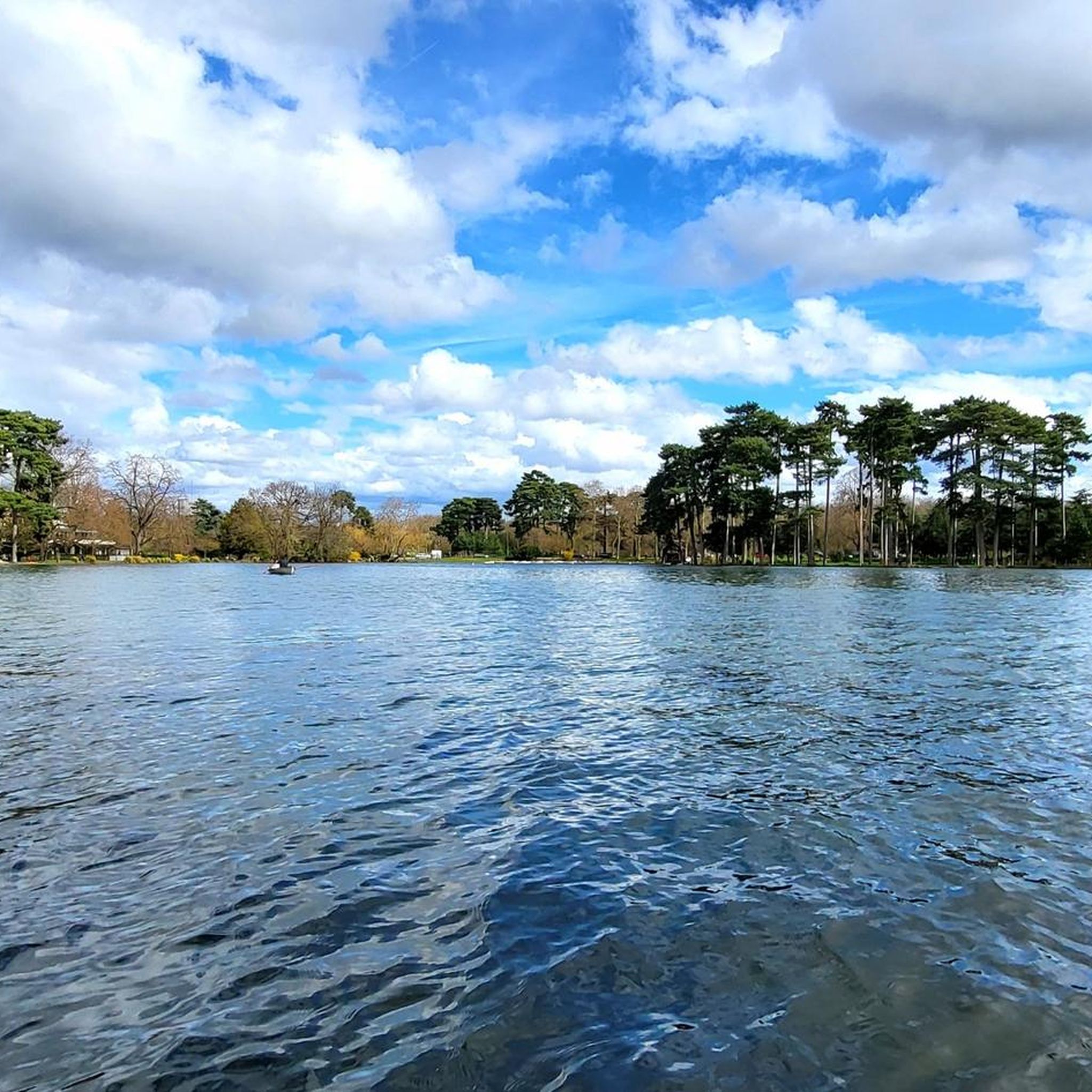
Large Round Pond, Tuileries Garden
Highlight • Lake
Translated by Google •
Tip by

Sign up now to discover places like this
Get recommendations on the best single tracks, peaks, & plenty of other exciting outdoor places.
Sign up for free
Fountain of the Four Parts of the World
Highlight • Monument
Translated by Google •
Tip by
Jardin des Plantes (Botanical Garden)
Highlight • Natural Monument
Translated by Google •
Tip by

Square du Temple – Elie Wiesel
Highlight • Natural Monument
Translated by Google •
Tip by

Sign up for free to discover even more natural monuments around Courbevoie.
Sign up for free
Already have an account?
Start today with a free account
Your next adventure awaits.
Login or Signup

Tips from the Community

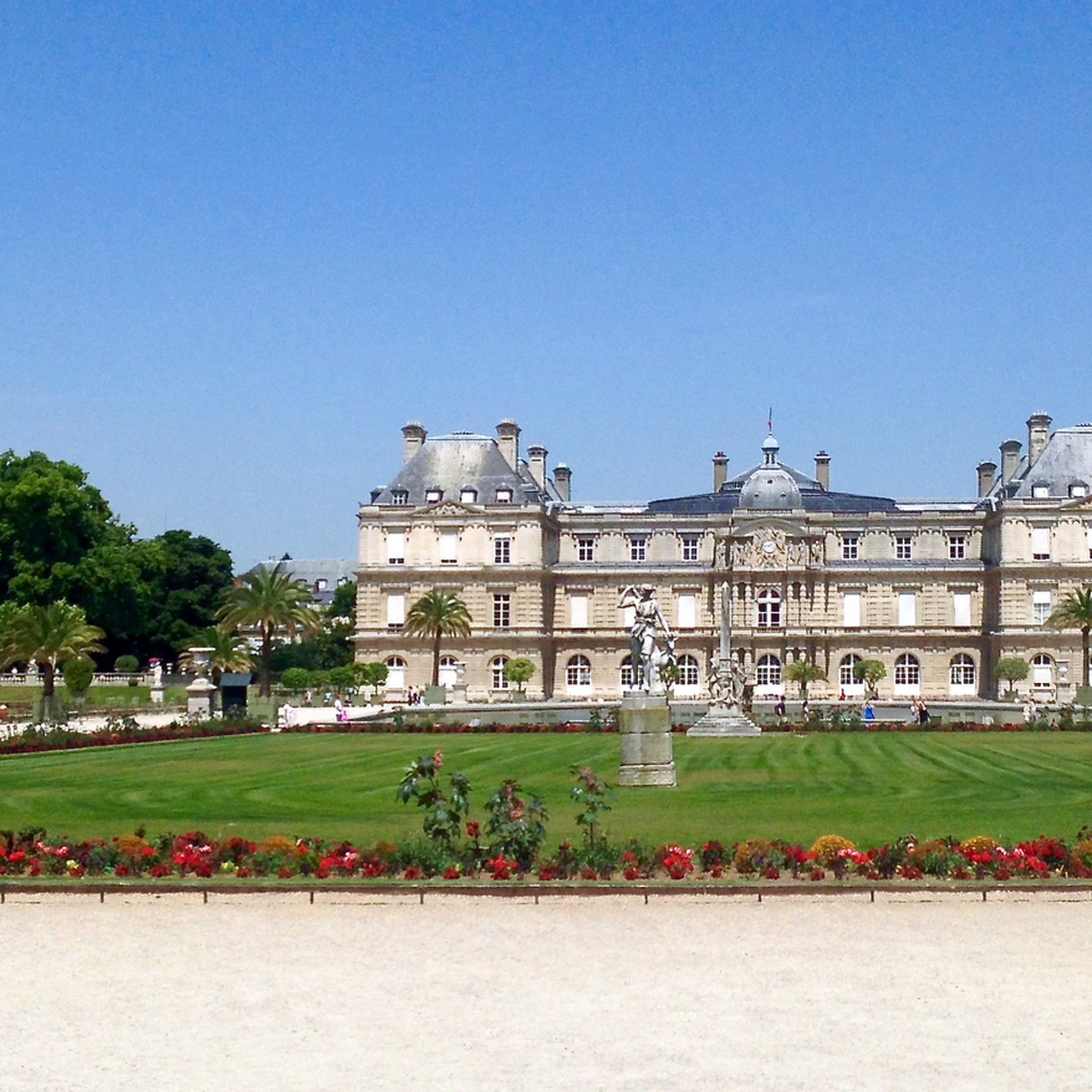
The Jardin du Luxembourg was formerly a royal palace, now a state-owned park in Paris's Latin Quarter, covering 26 hectares. It's a beautiful place to linger and relax. The park belongs to the Palais du Luxembourg, where the Senate, the upper house of the French Parliament, meets. A visit is highly recommended 👍👍👍.
0
0
A beautiful park for relaxing and unwinding. Many athletes and joggers frequent the park, and other sports can be enjoyed here. A visit is highly recommended 👍.
0
0
The fountain on Avenue Denise Versay in Paris is a beautiful sight. Plenty of benches invite you to linger. A visit is highly recommended.
4
0

Inside is one of the oldest zoos in Europe
0
0

This park is located in Paris, right next to the Seine, and can easily be integrated into a route toward Montmartre. It also houses a small zoo.
0
0

Garden with greenhouses dedicated to plants. Next to very interesting museums
1
0
A few chairs around the fountain, children playing with their boats... a typically Parisian scene that we find in paintings.
0
0

The Fontaine des Tuileries is an integral part of the Tuileries Garden, one of the oldest and most iconic parks in Paris. Located between the Louvre Museum and the Place de la Concorde, this garden was designed in the 17th century by the famous landscaper André Le Nôtre. The garden features several ponds and fountains, with the large octagonal pond being one of the most prominent. These fountains not only beautify the garden, but also offer a place of rest and contemplation for visitors.
11
0
Frequently Asked Questions
What are some of the most unique natural monuments to visit in Courbevoie?
Courbevoie offers several unique natural monuments. You can explore the historical Saint-Michel Bridge, known for its Archangel Michael fountain commissioned by Napoleon III. Another distinctive spot is the Fountain of the Four Parts of the World, featuring a large bronze fountain with a globe, turtles, horses, and dolphins, located within a picturesque garden.
Are there any natural monuments in Courbevoie with significant historical elements?
Yes, several natural monuments in Courbevoie are rich in history. Square du Temple – Elie Wiesel, for instance, was once a refuge for the Knights Templar and now features a monument honoring Nobel Peace Prize winner Elie Wiesel. Parc de Bécon is another historical site, home to the gold-domed Pavillon des Indes and the Pavillon de la Suède et de la Norvège, both listed as historical monuments from the 1878 Universal Exhibition.
Which natural monuments are suitable for families with children?
Many natural monuments in Courbevoie are family-friendly. The Grande Cascade of Saint-Cloud Park is a favorite, where children can explore secret passages behind the waterfall and observe ducks, swans, and nutria. Parc Diderot also offers playgrounds and sports facilities, alongside tranquil ponds and fountains, making it an ideal spot for families.
What kind of outdoor activities can I do near Courbevoie's natural monuments?
The area around Courbevoie's natural monuments provides various outdoor activities. You can find numerous routes for road cycling, mountain biking, and gravel biking. For example, explore road cycling routes like the 'Chaville Hill – Côte de Bièvre loop' or MTB trails such as the 'Berge de la Prairie – Towpath loop'. You can find more details on these activities in the Road Cycling Routes around Courbevoie, MTB Trails around Courbevoie, and Gravel biking around Courbevoie guides.
Are there any natural monuments in Courbevoie that are wheelchair accessible?
Yes, some natural monuments are designed to be accessible. The Saint-Michel Bridge and the Fountain of the Four Parts of the World are both noted for their wheelchair accessibility, allowing a wider range of visitors to enjoy their beauty and historical significance.
What natural features can I expect to see in Courbevoie's green spaces?
Courbevoie's green spaces boast a diverse range of natural features. Parc de Bécon is known for its stunning Japanese cherry trees, Byzantine hazelnut trees, and purple beeches. Parc du Millénaire features Scots pines, hornbeams, various oak species, and different types of maple trees. The city also maintains a rich arboreal heritage with species like Constantinople acacia, Chinese mahogany, and Judas trees.
Where can I find scenic viewpoints or picturesque spots in Courbevoie's natural monuments?
For scenic views, Parc de Bécon offers picturesque views of the Eiffel Tower and the Seine River, especially along its central avenue lined with Japanese cherry trees. Its belvedere view over the Seine has been a 'site classé' since 1941, making it a captivating destination for leisurely strolls.
What is the best time of year to visit the natural monuments in Courbevoie?
While Courbevoie's natural monuments can be enjoyed year-round, spring is particularly beautiful, especially in Parc de Bécon when the Japanese cherry trees bloom along its central avenue. Autumn also offers vibrant foliage in parks like Parc du Millénaire with its diverse tree species. The mild weather during these seasons makes for pleasant walks and outdoor activities.
Are there any less crowded natural spots or hidden gems in the Courbevoie region?
While popular parks can attract crowds, exploring the smaller green spaces like Parc des Couronnes or the Jardins de Seine might offer a more tranquil experience. These areas provide pleasant settings for walks and relaxation away from the main tourist paths, allowing you to discover the city's rich arboreal heritage in a quieter environment.
What kind of flora and fauna can be observed in Courbevoie's natural areas?
Courbevoie's natural areas are home to diverse flora and some fauna. You can find remarkable trees such as Byzantine hazelnut trees, mulberry trees, and purple beeches in Parc de Bécon. The Square du Temple – Elie Wiesel features exotic trees like American honey locust and ginkgo biloba, and its artificial waterfall attracts various bird species. The parks are designed to support urban biodiversity.
How can I access Courbevoie's natural monuments using public transport?
Courbevoie is well-served by public transport, making its natural monuments accessible. Most major parks like Parc de Bécon, Parc des Berges de Seine, and Parc Diderot are located within the urban commune and can be reached via local bus lines or by walking from nearby train or metro stations. Specific routes will depend on your starting point and destination within Courbevoie.
Are there any natural monuments suitable for dog walking in Courbevoie?
Many green spaces in Courbevoie are dog-friendly, though specific rules regarding leashes may apply. Parc des Berges de Seine, with its expansive lawns and riverside paths, is a popular spot for walks. It's always advisable to check local signage within each park for specific regulations regarding pets to ensure a pleasant visit for everyone.
Most popular routes around Courbevoie
Most popular attractions around Courbevoie

Get inspired with the komoot mobile app


Explore more
Extend your search for the best caves by checking out these guides of the top ones around Courbevoie:
