Top 5 Natural Monuments around Le Moutaret
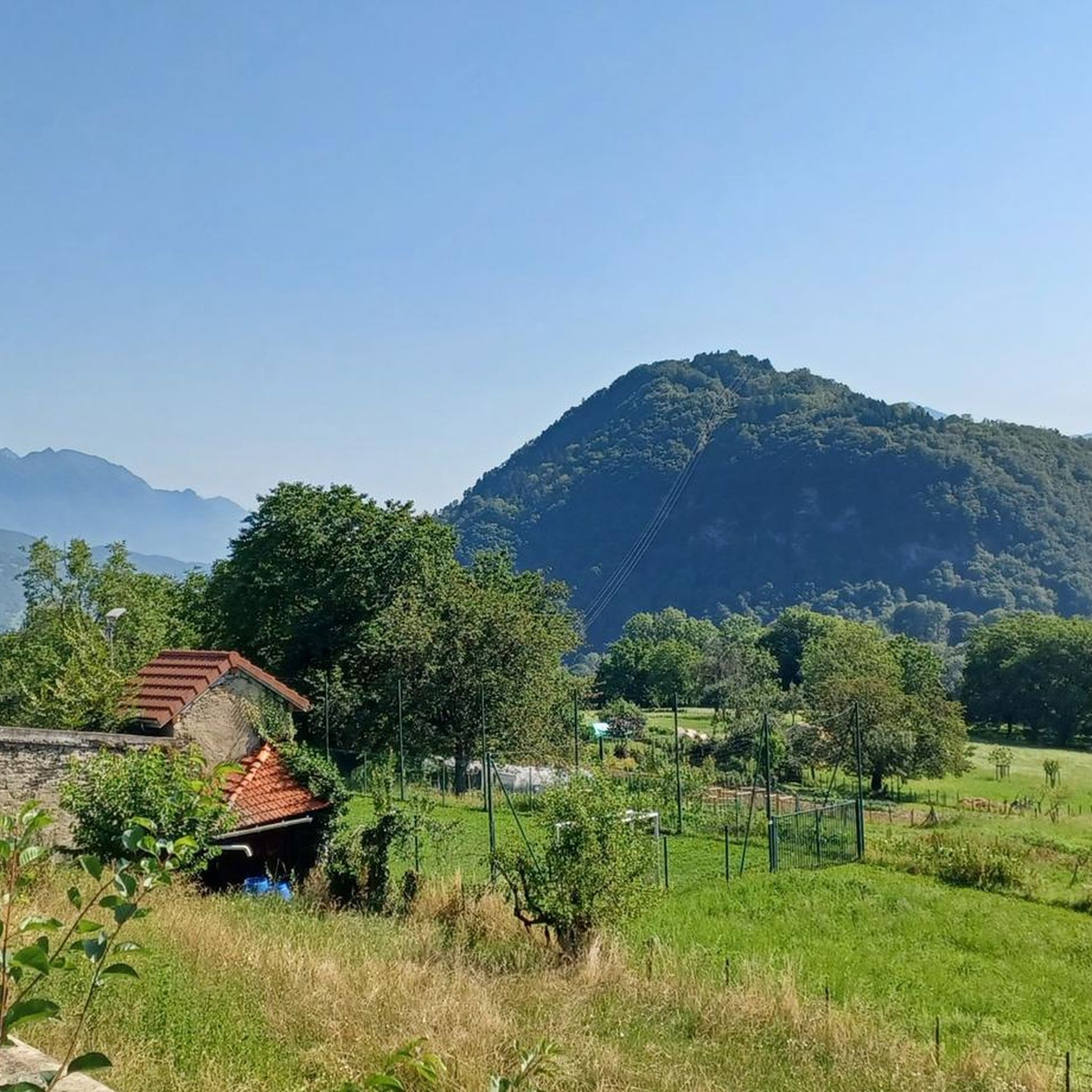
Best natural monuments around Le Moutaret are situated in the Isère department, within the "green Alps" of northern Dauphiné. This region features a mountainous environment, facing the Belledonne mountain range, with the village established on reliefs of the Brame-Farine mountain. The communal territory is bordered by the alpine torrent, the Bréda River, which contributes to the area's natural appeal. These geographical features collectively create an environment suitable for exploring natural landmarks.
Best natural monuments around Le Moutaret
- The most popular…
Last updated: July 15, 2026
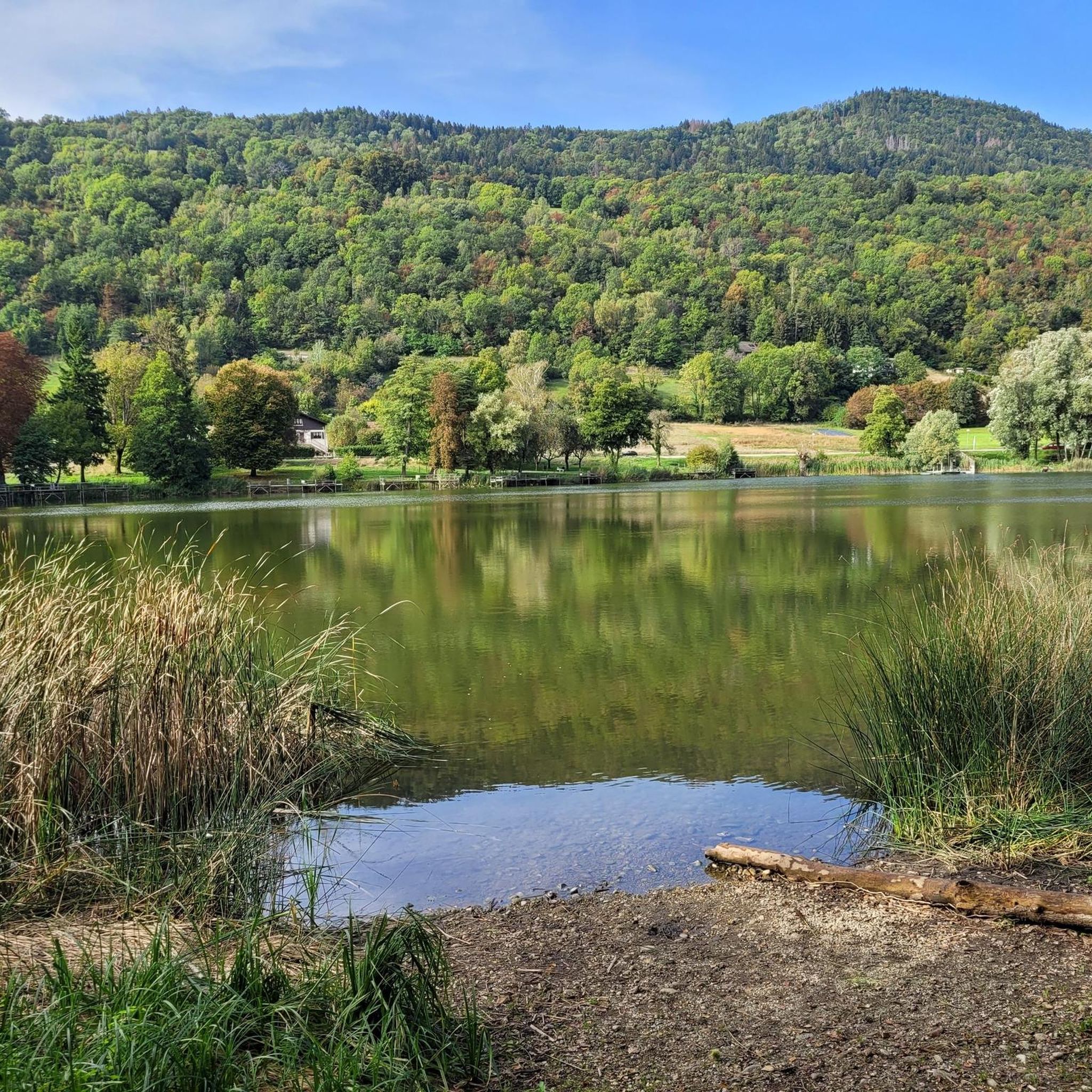
Lake Saint-André
Highlight • Lake
In the leisure area, unsupervised, swimming is tolerated at the risk and peril of users. Prohibited in the rest of the lake.
Translated by Google •
Tip by

Lac de Sainte Hélène
Highlight • Lake
Translated by Google •
Tip by

Sign up now to discover places like this
Get recommendations on the best single tracks, peaks, & plenty of other exciting outdoor places.
Sign up for free
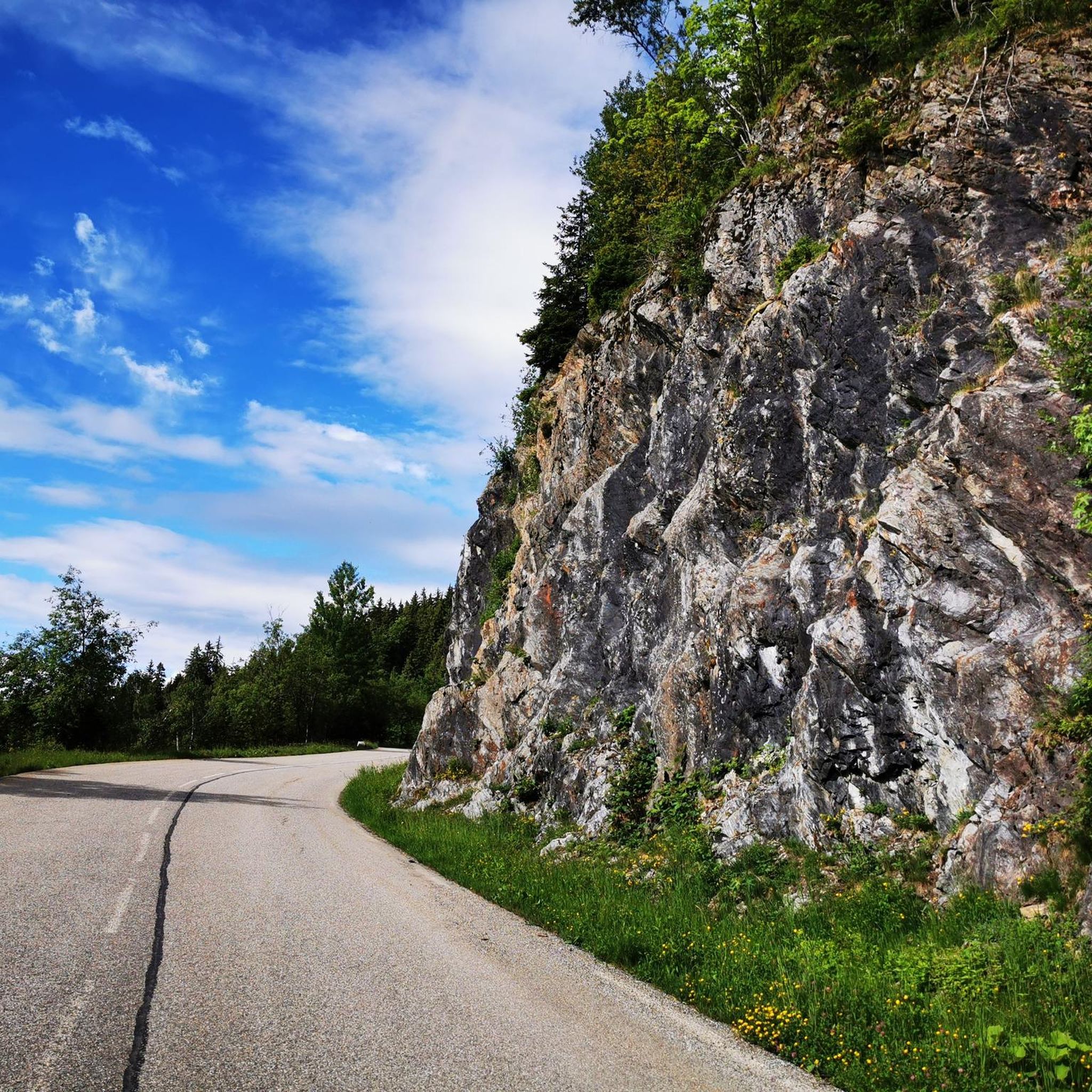
Watch Rock
Highlight • Viewpoint
Tip by

Lac de la Thuile
Highlight • Lake
Showing Translation
Tip by

View of the Combe de Savoie
Highlight (Segment) • Viewpoint
Translated by Google •
Tip by

Start today with a free account
Your next adventure awaits.
Login or Signup

Tips from the Community

small viewpoint on Lake St André
1
0

Peaceful lake. With the terrace of the Auberge du Lac to recharge with carbohydrates
1
0

Pretty lake well hidden before the Marocaz pass.
2
0

Nice little lake nestled in the vineyard. In the leisure area, unsupervised, swimming is tolerated at the risk and peril of users. Prohibited in the rest of the lake.
4
0

Magnificent little lake in the middle of the vineyards. picnic area discovery trail. Navigation and swimming prohibited.
3
1
The Lac de Sainte Hélène, a natural lake fed by the Coisetan stream, is a preserved area where the banks remain wild. A landscaped path accessible to people with reduced mobility allows you to go around the lake away from the banks. Ideal picnic point and departure point for hikes. No swimming.
3
0

A haven of charm, Lake Saint-André is a natural area classified as a “Grand Site” and home to many protected birds, plants and insects.
1
0

Roller skating also possible. Aix les bains-Chambéry-St André cycle path. Wonderful landscapes.
0
0
Frequently Asked Questions
What kind of natural monuments can I explore near Le Moutaret?
The natural monuments around Le Moutaret primarily feature beautiful lakes and stunning viewpoints. You can discover serene spots like Lake Saint-André and Lac de Sainte Hélène, as well as panoramic vistas from summits such as Watch Rock and the View of the Combe de Savoie.
Are there family-friendly natural monuments around Le Moutaret?
Yes, several natural monuments are well-suited for families. Lake Saint-André is a popular choice with a discovery trail and picnic areas. Lac de la Thuile is another peaceful lake great for picnics. Additionally, the View of the Combe de Savoie offers a beautiful outlook that is accessible for families.
What outdoor activities can I do near these natural monuments?
The mountainous environment around Le Moutaret is ideal for various outdoor activities. You can find numerous hiking opportunities, from easy walks to more challenging mountain hikes. There are also road cycling routes that pass by some of the natural monuments. For detailed routes, explore guides like Hiking around Le Moutaret, Mountain Hikes around Le Moutaret, and Road Cycling Routes around Le Moutaret.
Are any natural monuments near Le Moutaret accessible for people with reduced mobility?
Yes, Lac de Sainte Hélène features a landscaped path that is accessible to people with reduced mobility, allowing visitors to explore the lake away from its wild banks. It's also an ideal picnic spot.
What do visitors enjoy most about the natural monuments around Le Moutaret?
Visitors particularly appreciate the tranquil atmosphere and breathtaking scenery. The lakes are loved for their peaceful settings and picnic opportunities, while viewpoints like Watch Rock are praised for their amazing panoramic views, despite sometimes challenging access. The overall natural beauty and opportunities for relaxation and exploration are highly valued.
What are the typical difficulty levels for accessing these natural monuments?
Access difficulty varies. Lakes like Lake Saint-André and Lac de Sainte Hélène are generally easy to reach, with landscaped paths available. However, some viewpoints and summits, such as Watch Rock, can involve more challenging terrain, making the trip not always easy, especially for younger children.
Can I swim in the lakes around Le Moutaret?
Swimming is generally tolerated in designated leisure areas at your own risk, such as at Lake Saint-André. However, it is often prohibited in other parts of the lakes or entirely, as is the case for Lac de Sainte Hélène. Always check local signage for specific rules regarding swimming and navigation.
Are there good spots for picnics near the natural monuments?
Absolutely! Many natural monuments around Le Moutaret are perfect for picnics. Lake Saint-André, Lac de Sainte Hélène, and Lac de la Thuile are all highlighted as ideal picnic points, offering beautiful natural surroundings to enjoy your meal.
What is the best time to visit the natural monuments around Le Moutaret?
The region's natural beauty is best enjoyed during the warmer months, typically from spring through autumn, when hiking trails are clear and the weather is pleasant for outdoor activities. This allows for full enjoyment of the lakes, viewpoints, and the surrounding mountainous landscape.
What geological features define the Le Moutaret area?
Le Moutaret is situated in the Isère department, characterized by its location within the 'green Alps' of northern Dauphiné. The landscape features elevated massifs, border hills, and the Brame-Farine mountain, on whose gentle reliefs the village is established. The communal territory is also bordered by the alpine torrent, the Bréda River, contributing to the area's distinct natural and geological character.
Can I bring my dog to the natural monuments around Le Moutaret?
While specific rules for each natural monument vary, generally, dogs are welcome on trails and in natural areas around Le Moutaret, provided they are kept on a leash and owners clean up after them. Always check local regulations or signage at each specific site, especially near protected areas or lakes where wildlife might be present.
Are there any cafes or restaurants near these natural monuments?
While the natural monuments themselves are often in preserved, wilder areas, the proximity of Le Moutaret and surrounding villages means you can find amenities nearby. For instance, Lac de la Thuile has an Auberge du Lac nearby, offering a place to recharge. It's advisable to check local listings for cafes and restaurants in the villages closest to your chosen natural monument.
Most popular routes around Le Moutaret
Most popular attractions around Le Moutaret

Get inspired with the komoot mobile app


Explore more
Extend your search for the best caves by checking out these guides of the top ones around Le Moutaret:
