Top 17 Natural Monuments around La Petite-Raon
Best natural monuments around La Petite-Raon are found within the Rabodeau valley, nestled in the Vosges department of France. This region offers a natural landscape rich in outdoor opportunities, characterized by its valleys, forests, and unique geological formations. The area provides a diverse range of natural attractions, from ancient rock formations to protected natural areas. Visitors can explore the geological and ecological heritage of the Grand Est region through various natural sites.
Best natural monuments around La Petite-Raon
- The most popular natural monuments is La Bure Celtic Camp, a historical site and natural monument that is a fortified plateau known for its archaeological research. This site has been inhabited since at least the Neolithic period and was used by Celts and Romans.
- Another must-see spot is Roche des Abris, a natural monument and historical site with a great view. Visitors can expect a historic rock shelter linked to a fort, offering insights into its past use.
- Visitors also love Protected Natural Area of La Châtaigne Pendue, a natural monument and nature reserve. This area is designated for the protection of young seedlings and the heather rooster or capercaillie.
- La Petite-Raon is known for its diverse natural monuments, including ancient rock formations, protected natural areas, and scenic viewpoints. The region offers a variety of natural monuments to see and explore, from geological features to areas dedicated to wildlife protection.
- The natural monuments around La Petite-Raon are appreciated by the komoot community, with more than 50 upvotes and over 50 photos shared.
Last updated: May 21, 2026
La Bure Celtic Camp
Highlight • Historical Site
The site has been inhabited since at least the Neolithic period. Then used intensively by the Celts and later by the Romans. There is a lot to see from that time, also because there have not been any settlement activities worth mentioning for a long time.
More information e.g. here: fr.wikipedia.org/wiki/Camp_celtique_de_la_Bure
Translated by Google •
Tip by

Roche des Abris
Highlight • Natural Monument
Translated by Google •
Tip by

Sign up now to discover places like this
Get recommendations on the best single tracks, peaks, & plenty of other exciting outdoor places.
Sign up for free
Protected Natural Area of La Châtaigne Pendue
Highlight • Natural
Translated by Google •
Tip by

Rambiroche
Highlight • Viewpoint
Translated by Google •
Tip by

Roches de Lanceux
Highlight • Natural Monument
Translated by Google •
Tip by

Sign up for free to discover even more natural monuments around La Petite-Raon.
Sign up for free
Already have an account?
Start today with a free account
Your next adventure awaits.
Login or Signup

Tips from the Community

Please stay on the paths
0
0

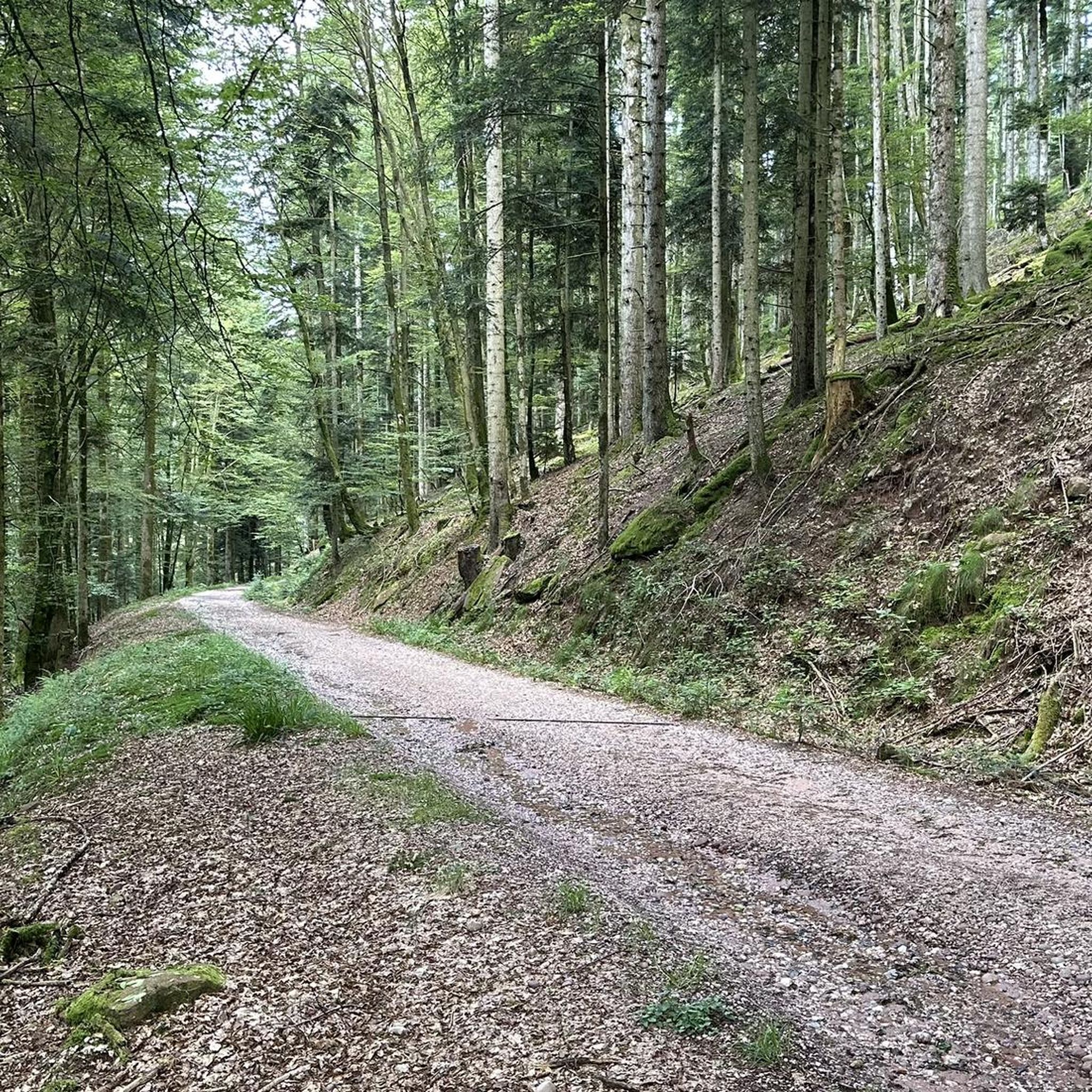
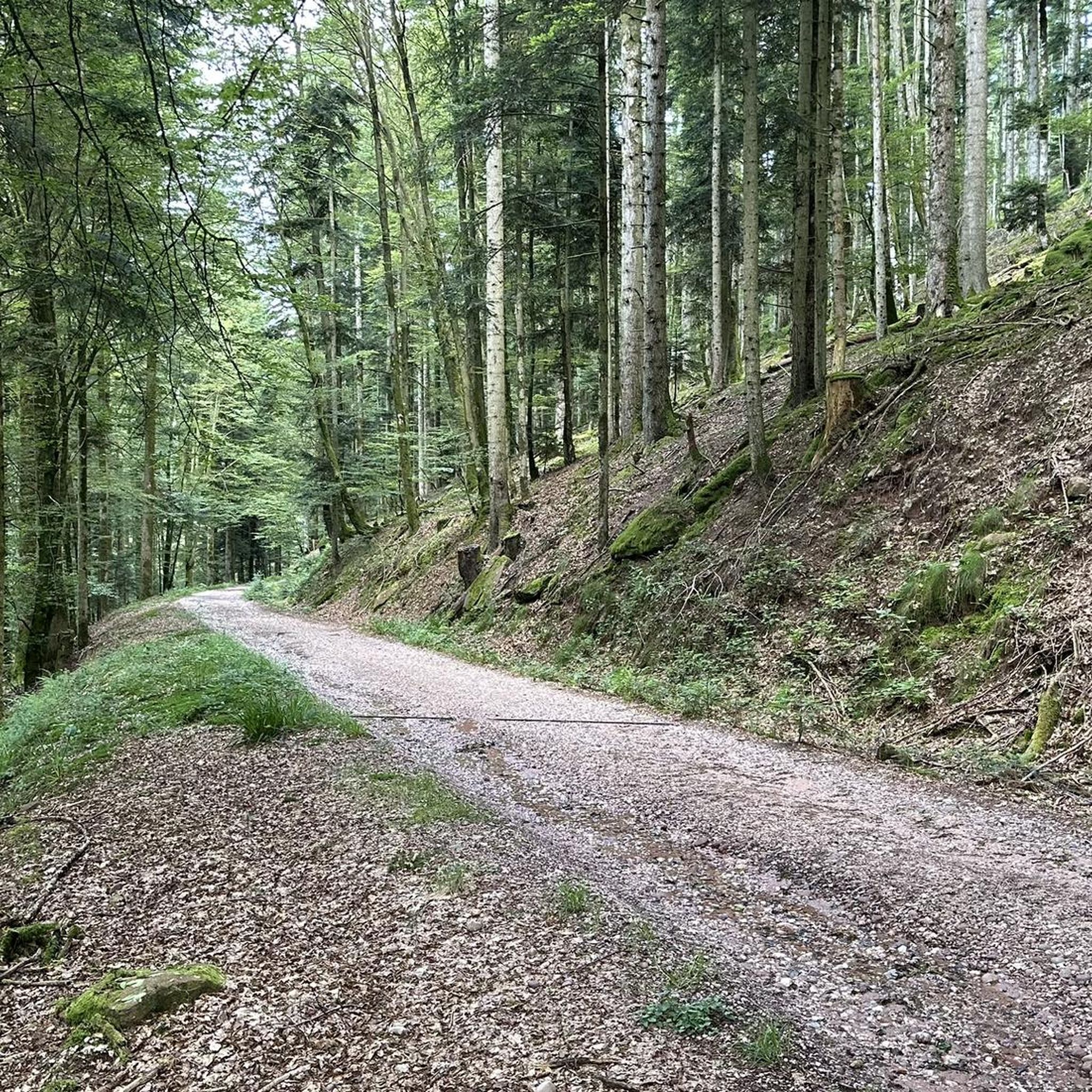
This rock shelter linked to a fort is that of the commander of the cartographic section. Inside there is a table, a stove, a bed, a telephone and electricity. This is where all the information obtained by the observers on the massif arrives.
0
0

The shelter can only be seen if you take the more difficult path that goes under the rocks. Both paths are beautiful.
2
2


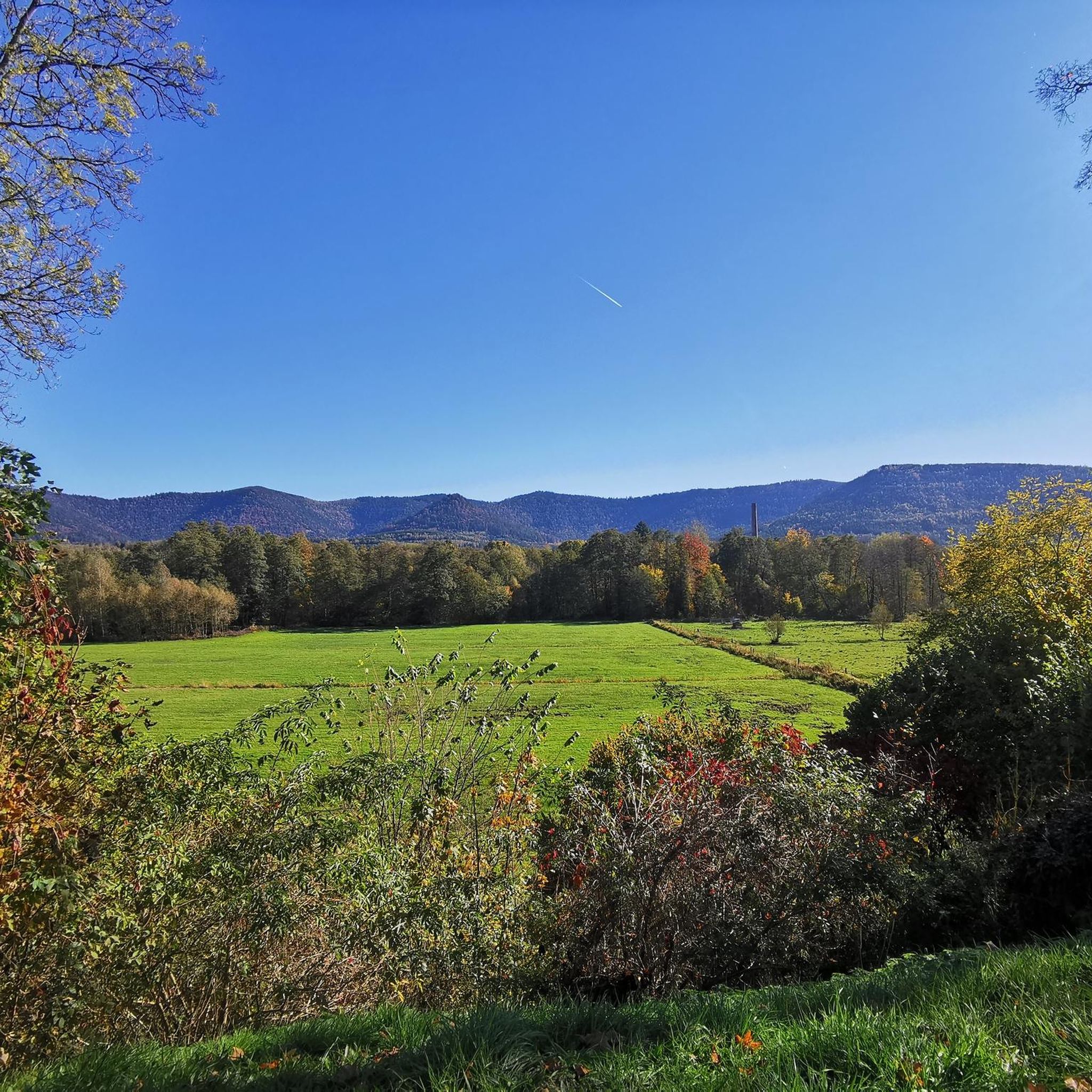
One of the many rocks to see in this area, giving a nice view towards Bionville (although less clear than that of Roche aux Cochons). It nevertheless stands out for its size, its hollow hollow on its top, but above all, for the passage of the path in one of its faults! 🪨
1
0
The Celtic camp of the Bure is a fortified plateau bordering the Haute-Meurthe valley in the Grand-East of France. The plateau, now wooded, lies between the communes of Saint-Dié-des-Vosges and that of Hurbache, at the western end of the Ormont massif. This site, known for 23 years of archaeological research from 1964 to 1986, has been classified as a Historical Monument since August 6, 1982. The site has been inhabited since at least the Neolithic period. Then used intensively by the Celts and later by the Romans. There is a lot to see from that time, also because there have not been any settlement activities worth mentioning for a long time. More information e.g. here: https://fr.wikipedia.org/wiki/Camp_celtique_de_la_Bure
6
0

A fantastic rock with a beautiful view over the valley.
3
0

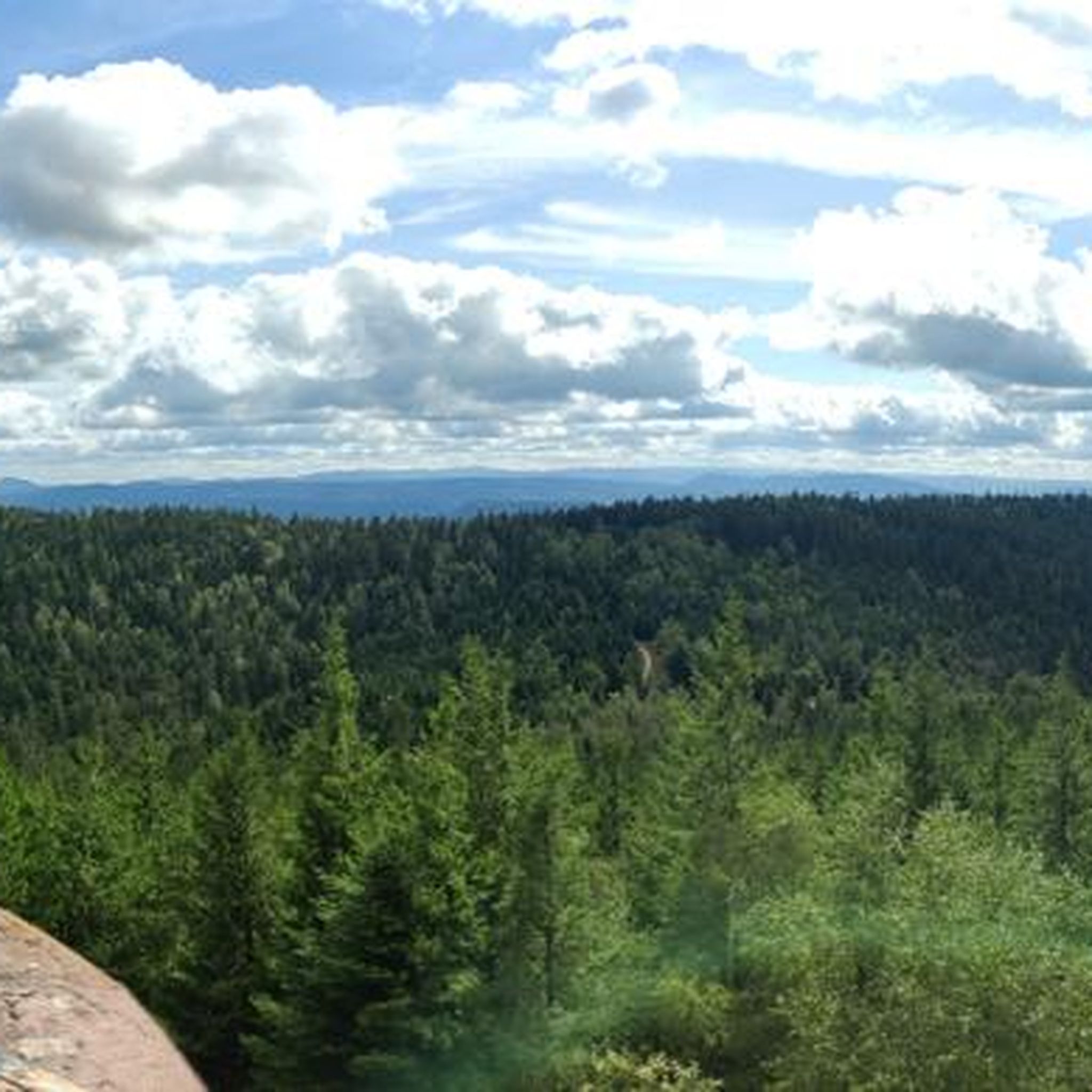
An impressive rock (like a decent cliff) offering a nice view of the valley. You can walk on top of it, but don't miss walking on its side at the bottom and stepping through the rift.
1
0
Frequently Asked Questions
What are some of the most popular natural monuments to visit around La Petite-Raon?
Among the most appreciated natural monuments are La Bure Celtic Camp, a historical site and natural monument known for its archaeological significance. Another popular spot is Roche des Abris, offering great views and insights into its past use as a rock shelter. Visitors also highly regard the Protected Natural Area of La Châtaigne Pendue, which is vital for protecting young seedlings and the capercaillie.
Are there family-friendly natural monuments or trails in the area?
While specific 'family-friendly' tags aren't always present, many natural monuments in the region offer accessible paths suitable for families. The general area around La Petite-Raon, with its valleys and forests, provides numerous opportunities for easy walks. For specific routes, you can explore the hiking guide for La Petite-Raon, which includes routes like the 'Large shelter – The Four Benches loop from Senones' that are shorter and potentially more suitable for families.
What kind of geological features can I expect to see near La Petite-Raon?
The region is rich in unique geological formations. You can encounter impressive sandstone rocks and 'ruiniform pitons' formed by erosion. Notable examples include 'Roche Mère Henry', found on hiking trails like the Malfosse Chapel Circuit, and Rambiroche, an impressive rock offering a beautiful view over the valley and featuring a path that passes through one of its faults.
Are there any natural monuments with historical significance?
Yes, several natural monuments in the area also hold historical importance. La Bure Celtic Camp is a fortified plateau inhabited since the Neolithic period and used by Celts and Romans. Roche des Abris is a historic rock shelter linked to a fort. Additionally, 'Roche Saint Maurice' is a rock showing signs of prehistoric workings, adding an archaeological dimension to its natural appeal.
What outdoor activities can I do near these natural monuments?
The area around La Petite-Raon is excellent for various outdoor activities. You can find numerous hiking opportunities, such as the 'Malfosse Chapel Circuit' or the 'Sartorio stele – Roche Mère Henry loop'. For cycling enthusiasts, there are routes like the 'Col de Prayé – Donon Pass loop' for touring bicycles or the 'Urbeis Pass – Salcée Pass loop' for road cycling. Explore more options in the hiking, cycling, and road cycling guides for La Petite-Raon.
Are there any viewpoints among the natural monuments?
Absolutely. Many natural monuments offer superb panoramic views. Roche des Abris provides a great view, and Rambiroche offers a beautiful vista over the valley. Further afield, 'La Chatte Pendue' culminates at 899 meters and offers superb panoramic views of the Champ du feu massif, Climont, and Donon.
What is the best time to visit the natural monuments around La Petite-Raon?
The natural environment of the Vosges Mountains, where La Petite-Raon is located, is beautiful throughout the year. Spring and autumn offer pleasant temperatures for hiking and cycling, with vibrant foliage in autumn. Summer is ideal for water sports in the Vallée de la Plaine lakes. Winter can be picturesque, but some trails might be less accessible due to snow.
Can I find any unique natural elements like springs or specific flora/fauna?
Yes, the region's diverse ecosystem includes thick coniferous forests and varied flora and fauna. On hiking routes, you might encounter charming natural elements such as the 'Fontaine des Petits Oiseaux' (Fountain of the Little Birds), a peaceful spot for contemplation. The Rabodeau valley itself, where La Petite-Raon is situated, is ideal for appreciating local flora and fauna.
Are there any protected natural areas among the monuments?
Yes, the Protected Natural Area of La Châtaigne Pendue is a designated nature reserve. This area is specifically set aside for the protection of young seedlings and the heather rooster or capercaillie, highlighting the region's commitment to wildlife conservation.
What do visitors enjoy most about the natural monuments in this region?
Visitors particularly enjoy the combination of natural beauty and historical intrigue. The striking rock formations, panoramic viewpoints, and the serene environment of the valleys are highly appreciated. The opportunity to explore ancient sites like the Celtic Camp, alongside diverse hiking and cycling routes, also contributes to a rich and engaging experience.
Are there any natural monuments that involve water features?
While La Petite-Raon is in the Rabodeau valley, where the Stream de la Rochère joins the Rabodeau river, creating a serene environment, the nearby Vallée de la Plaine (east of La Petite-Raon) is celebrated for its two lakes. These lakes are popular for hikers and water sports enthusiasts, offering a strong connection between water, nature, and forest.
Most popular routes around La Petite-Raon
Most popular attractions around La Petite-Raon

Get inspired with the komoot mobile app


Explore more
Extend your search for the best caves by checking out these guides of the top ones around La Petite-Raon:
