Top 13 Natural Monuments around Le Puid
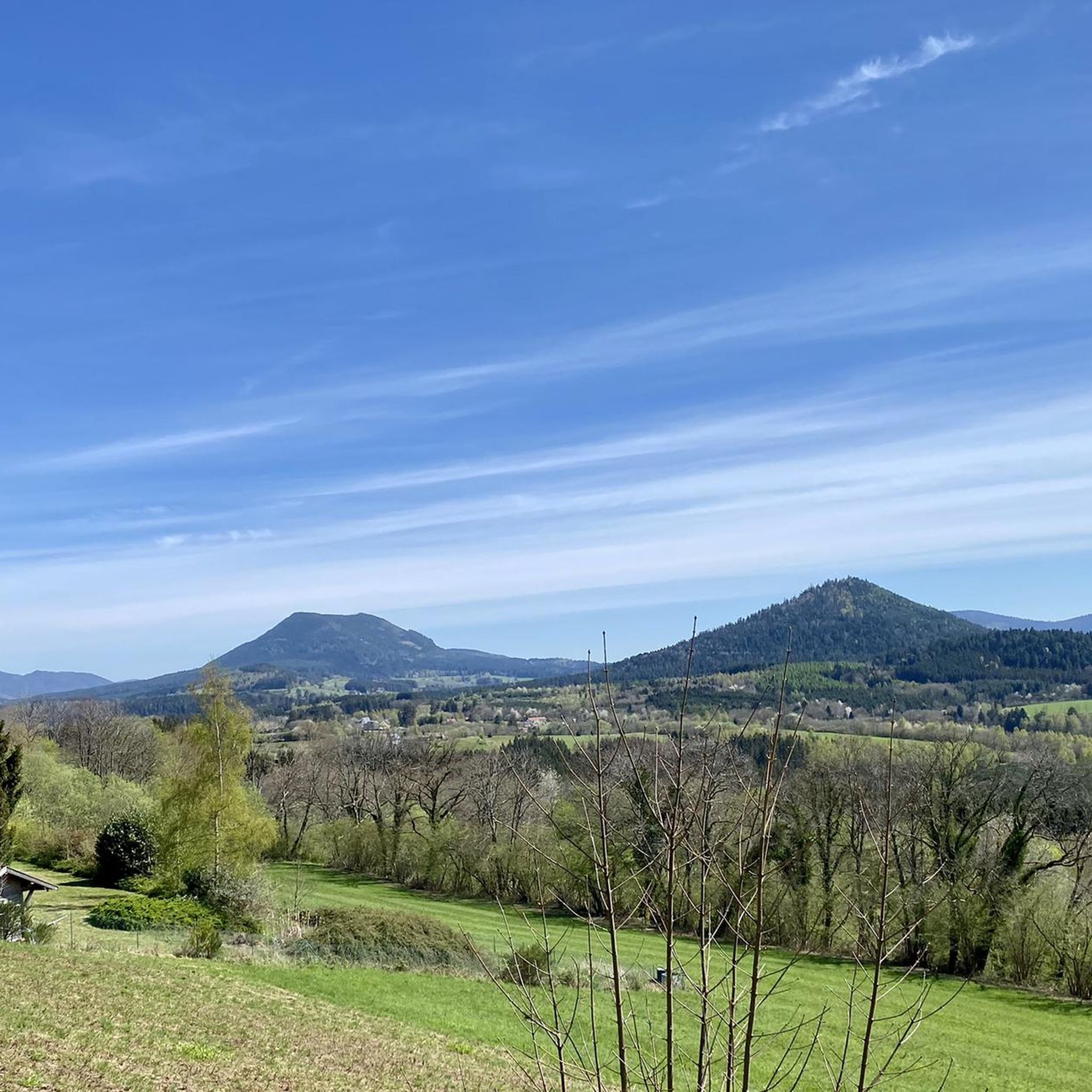
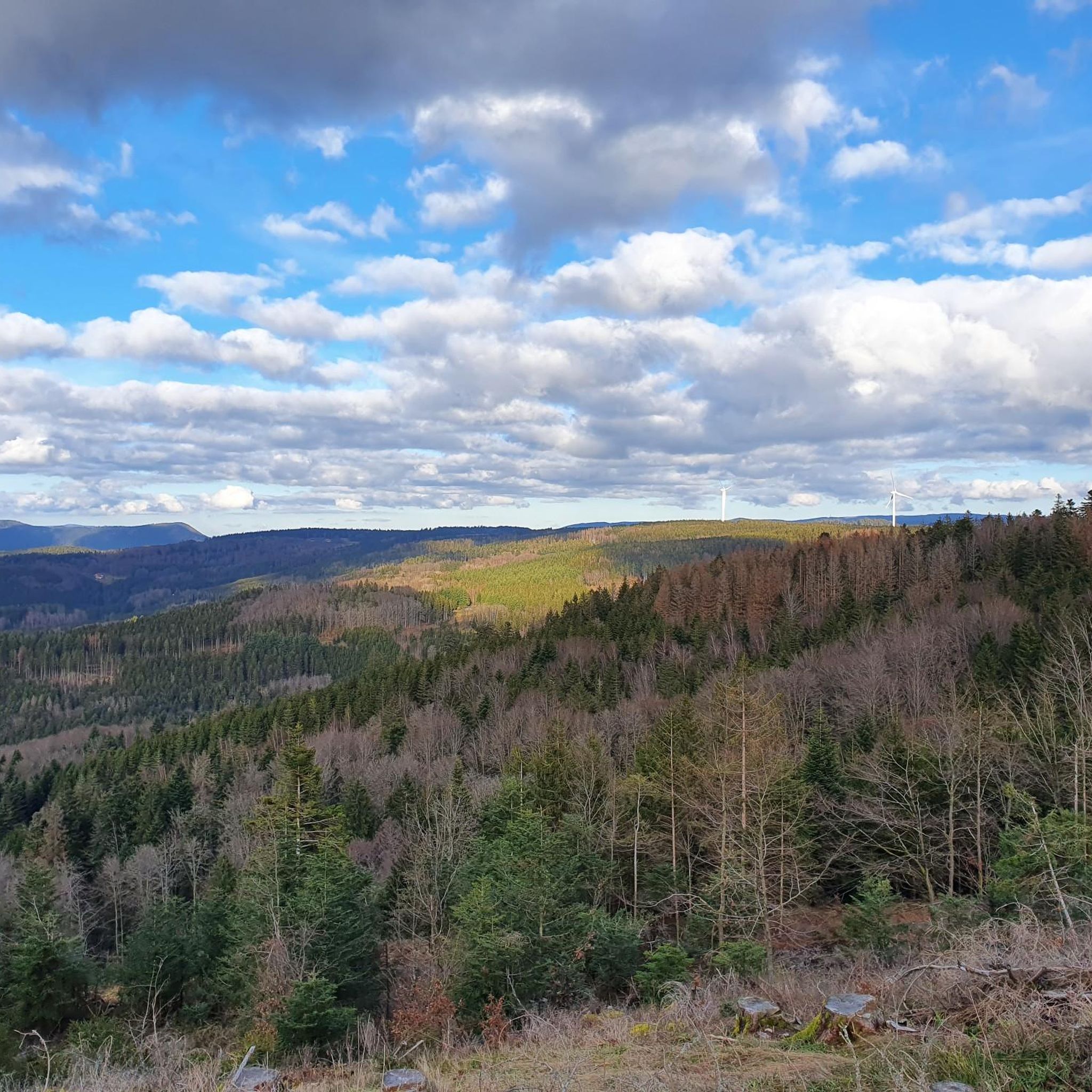
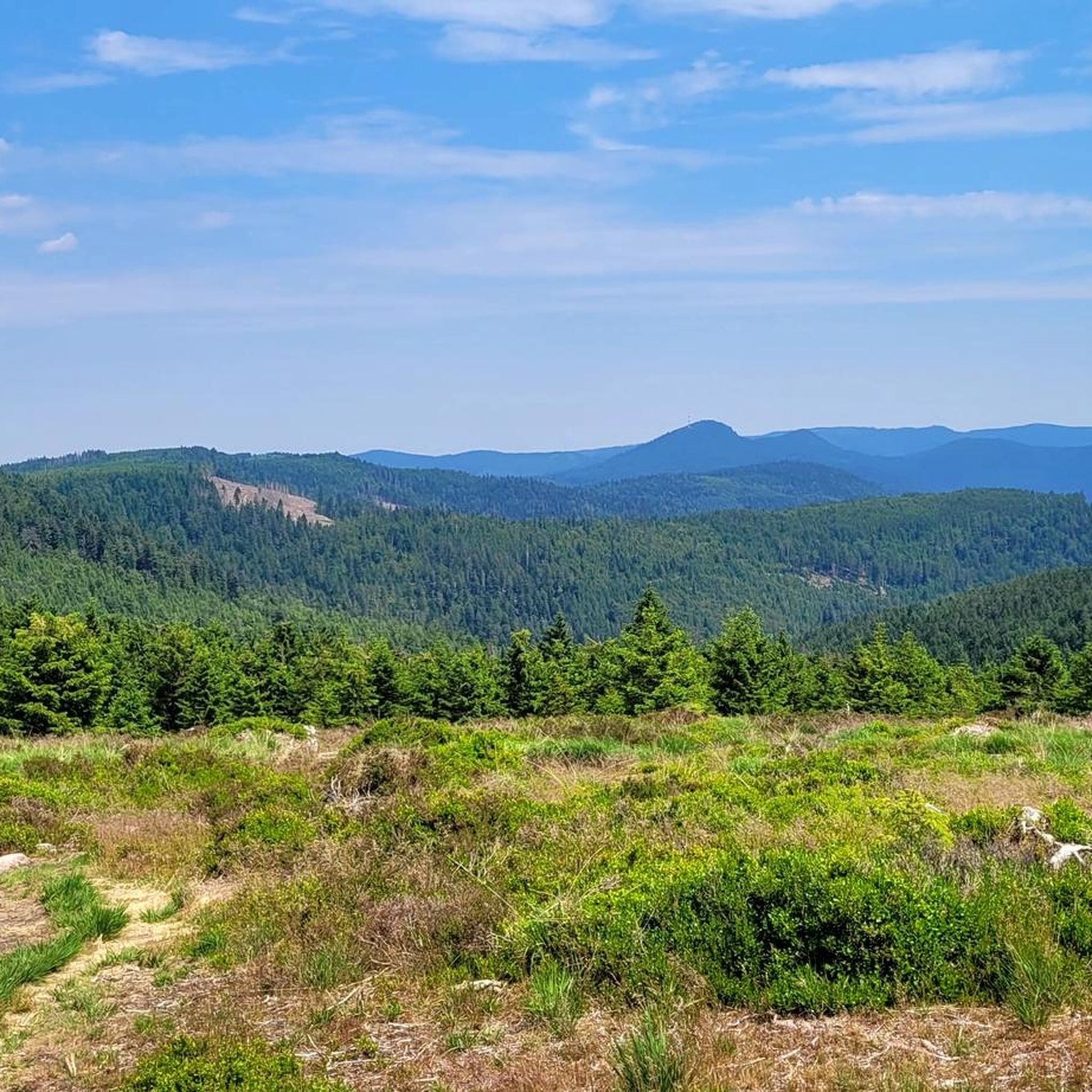
Best natural monuments around Le Puid are found within the Vosges department of northeastern France, an area characterized by mountainous terrain, forests, and agricultural landscapes. The region surrounding Le Puid is rich in natural sites, offering diverse features for exploration. These natural features include significant peaks, tranquil lakes, and unique geological formations. The area provides numerous opportunities for outdoor activities amidst an authentic natural environment.
Best natural monuments around Le Puid
- The most popular natural monuments is Dry Fir Rock, a viewpoint that is a Vosges sandstone rock equipped with an iron ladder. It offers expansive views of the surrounding territories, including Nayemont, Saint-Jean d'Ormont, and Saint-Dié-des-Vosges.
- Another must-see spot is La Bure Celtic Camp, a historical site and natural monument. This fortified plateau borders the Haute-Meurthe valley and has been classified as a Historical Monument since 1982. The site has been inhabited since at least the Neolithic period and offers insights into ancient history.
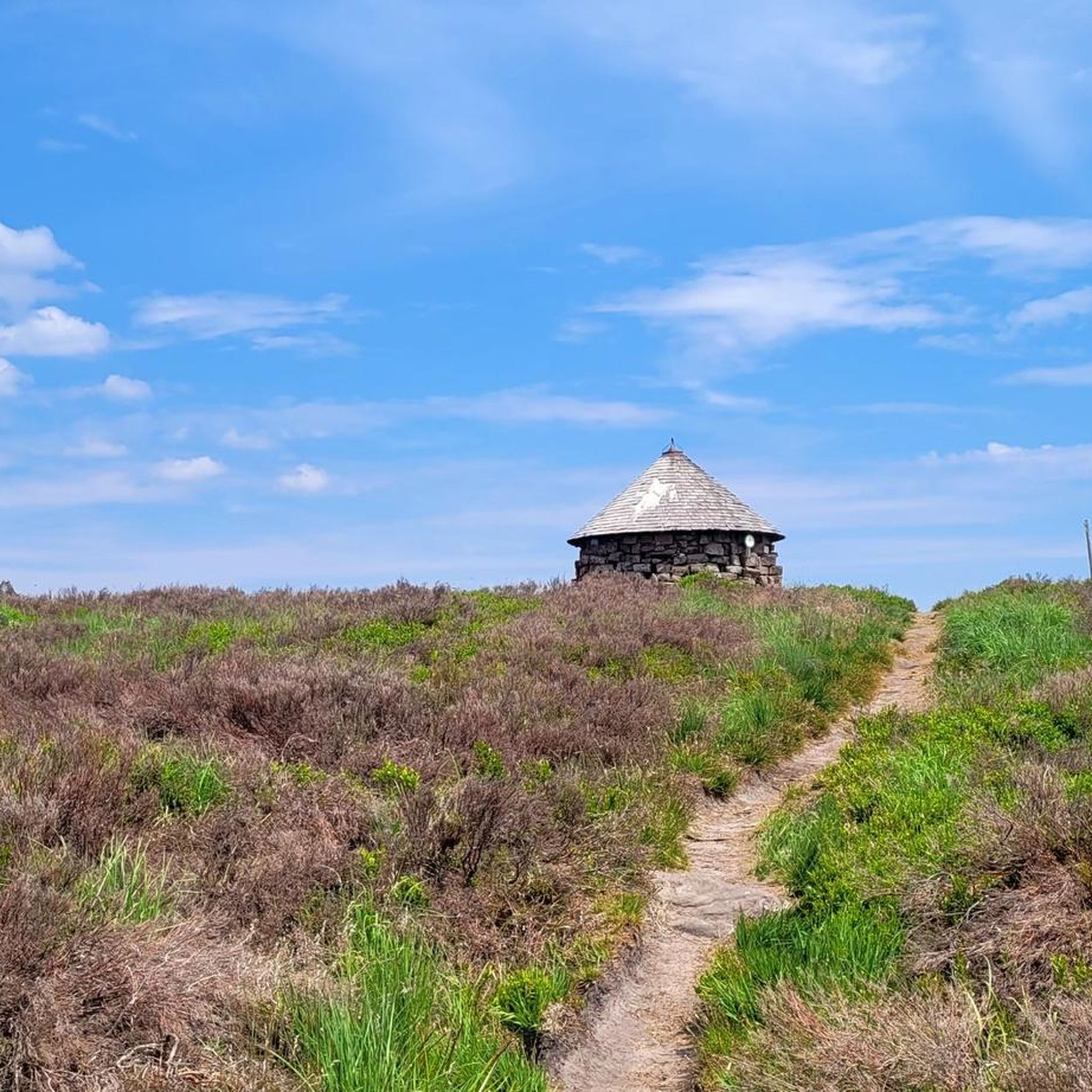
- Visitors also love Roche des Abris, a natural monument and viewpoint. It provides a great view from a historic rock, which once served as a rock shelter linked to a fort.
- Le Puid is known for its forests, rock formations, and viewpoints. The region offers diverse opportunities for hiking and experiencing an authentic natural environment.
- The natural monuments around Le Puid are appreciated by the komoot community, with more than 50 upvotes and over 50 photos shared.
Last updated: July 29, 2026
La Bure Celtic Camp
Highlight • Historical Site
The site has been inhabited since at least the Neolithic period. Then used intensively by the Celts and later by the Romans. There is a lot to see from that time, also because there have not been any settlement activities worth mentioning for a long time.
More information e.g. here: fr.wikipedia.org/wiki/Camp_celtique_de_la_Bure
Translated by Google •
Tip by

Dry Fir Rock
Highlight • Viewpoint
Translated by Google •
Tip by

Sign up now to discover places like this
Get recommendations on the best single tracks, peaks, & plenty of other exciting outdoor places.
Sign up for free
Roche des Abris
Highlight • Natural Monument
Inside there is a table, a stove, a bed, a telephone and electricity.
This is where all the information obtained by the observers on the massif arrives.
Translated by Google •
Tip by

Protected Natural Area of the Chatte Pendue
Highlight • Natural
Translated by Google •
Tip by

The Big Oak
Highlight • Natural Monument
Translated by Google •
Tip by

Sign up for free to discover even more natural monuments around Le Puid.
Sign up for free
Already have an account?
Start today with a free account
Your next adventure awaits.
Login or Signup

Tips from the Community

Camp accessible to mountain bikes but next to the bike
0
0


What a magnificent tree! Unfortunately, it's a little weak on its right flank—but it still welcomes every enthusiastic visitor 🌳
0
0

Please stay on the paths
0
0

This rock shelter linked to a fort is that of the commander of the cartographic section. Inside there is a table, a stove, a bed, a telephone and electricity. This is where all the information obtained by the observers on the massif arrives.
0
0


Magnificent bicentennial oak. A sign gives us some information.
0
0
Frequently Asked Questions
What types of natural monuments can I expect to find around Le Puid?
The region around Le Puid, situated in the Vosges department, is rich in diverse natural sites. You'll discover significant peaks offering panoramic views, tranquil lakes, unique geological formations, and ancient forests. These include impressive rock formations like Dry Fir Rock, historical sites integrated with nature such as La Bure Celtic Camp, and protected natural areas like the Protected Natural Area of La Châtaigne Pendue.
Are there natural monuments with historical significance near Le Puid?
Yes, several natural monuments in the area also hold significant historical value. The La Bure Celtic Camp is a fortified plateau that has been inhabited since at least the Neolithic period and was extensively used by Celts and Romans. It's classified as a Historical Monument. Similarly, Roche des Abris is a historic rock shelter linked to a fort, offering insights into past military and cartographic activities.
Where can I find panoramic viewpoints among the natural monuments?
For breathtaking panoramic views, consider visiting Dry Fir Rock, a Vosges sandstone rock equipped with an iron ladder that provides expansive vistas over Nayemont, Saint-Jean d'Ormont, and Saint-Dié-des-Vosges. Roche des Abris also offers a great view from its historic location. Further afield, Le Chat Pendu and Le Tanet Summit in the wider Vosges region are known for their extensive views.
Are there family-friendly natural monuments to visit around Le Puid?
Absolutely. The Big Oak is a magnificent bicentennial tree planted in 1793, offering a pleasant and accessible natural spot for families. Additionally, Lac de la Maix, located in the broader Vosges region, features a loop trail around its perimeter, making it an ideal spot for leisurely strolls with children amidst a tranquil natural setting.
What unique natural features can I explore in the Vosges region near Le Puid?
The broader Vosges region boasts several unique natural features. The Gazon du Faing is a nature reserve with a magnificent plateau of high stubble, creating a distinctive landscape of typical Vosges shrubs and offering views over four lakes. The Petite Cascade de Tendon provides an idyllic and tranquil spot with water cascading over rocks, especially beautiful after rain or in spring.
What outdoor activities can I do near these natural monuments?
The area around Le Puid is excellent for various outdoor activities. You can find numerous trails for running, gravel biking, and mountain biking. For example, there are many running trails, gravel biking routes, and MTB trails that allow you to explore the forests, mountains, and viewpoints of the region.
Are there specific hiking trails that lead to these natural monuments?
Many natural monuments are accessible via hiking trails. For instance, the Protected Natural Area of La Châtaigne Pendue encourages visitors to stay on designated paths to protect its delicate ecosystem. The GR 5 hiking trail also runs along the ridge of Le Tanet Summit, offering extensive exploration opportunities in the wider Vosges mountains.
What do visitors enjoy most about the natural monuments around Le Puid?
Visitors particularly appreciate the stunning panoramic views from spots like Dry Fir Rock and Roche des Abris. The historical depth of sites like La Bure Celtic Camp, with its ancient past, is also a significant draw. The overall natural beauty, diverse flora and fauna, and the tranquility of the forests and waterways are consistently highlighted by those exploring the region.
What is the best season to visit the natural monuments in the Le Puid area?
The Vosges region around Le Puid offers beauty throughout the year. Spring brings lush greenery and higher water levels for waterfalls like Petite Cascade de Tendon. Summer is ideal for hiking and outdoor activities. Autumn transforms the forests with vibrant colors, making it a picturesque time for exploration. Even winter offers a serene, snow-covered landscape for those prepared for colder conditions.
Are there any natural monuments that are particularly good for nature observation or photography?
Yes, the Protected Natural Area of La Châtaigne Pendue is dedicated to protecting young seedlings and the heather rooster (capercaillie), making it an interesting spot for nature observation. The Petite Cascade de Tendon is also highly recommended for atmospheric photography, especially after rainfall or in spring when water levels are higher.
Are there any specific tips for visiting the Protected Natural Area of La Châtaigne Pendue?
When visiting the Protected Natural Area of La Châtaigne Pendue, it is crucial to stay on the designated paths. This helps protect young seedlings and the habitat of the heather rooster or capercaillie, which are key reasons for the area's protection.
What should I know about visiting La Bure Celtic Camp?
The La Bure Celtic Camp is a historically significant site that has undergone extensive archaeological research. While the plateau is now wooded, you can still explore the remnants of its past, which include evidence of habitation from the Neolithic period through Celtic and Roman times. It's a fascinating blend of natural landscape and ancient history.
Most popular routes around Le Puid
Most popular attractions around Le Puid

Get inspired with the komoot mobile app


Explore more
Extend your search for the best caves by checking out these guides of the top ones around Le Puid:
