Top 10 Natural Monuments around Saint-Léonard
Best natural monuments around Saint-Léonard in the Vosges region of France feature diverse geological formations and panoramic viewpoints. This area is characterized by its forested landscapes and distinctive sandstone rock outcrops. Visitors can explore a variety of natural features, from unique rock formations to elevated spots offering expansive views of the surrounding valleys and mountains. The region provides opportunities for outdoor exploration, showcasing the natural heritage of the Vosges.
Best natural monuments around Saint-Léonard
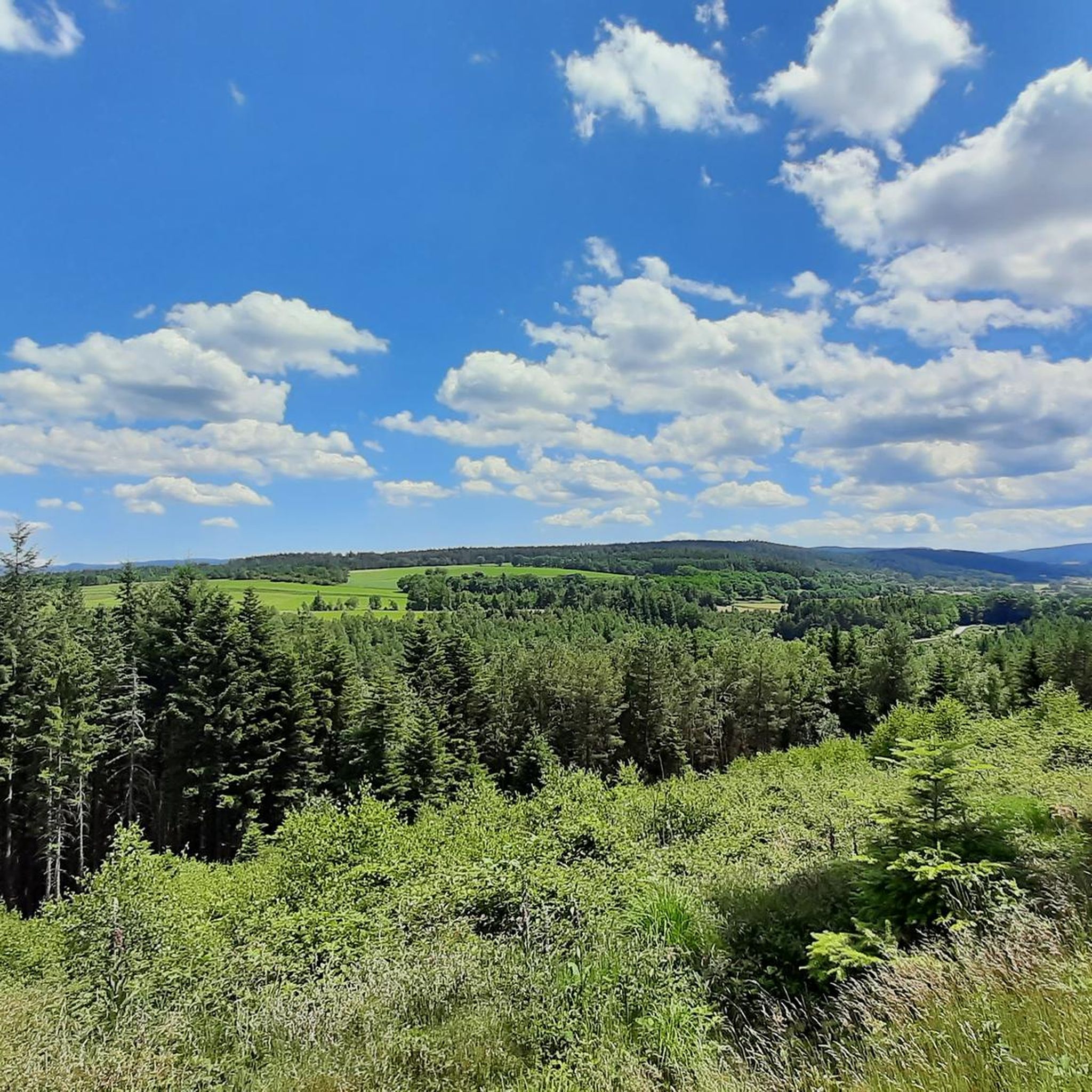
- The most popular natural monuments is Champ de Roches, a natural monument that features a concentration of stones, or "rocky chaos," forming a rectangle 400 meters long by 40 meters wide in the middle of a fir forest. Several legends exist regarding its origin.
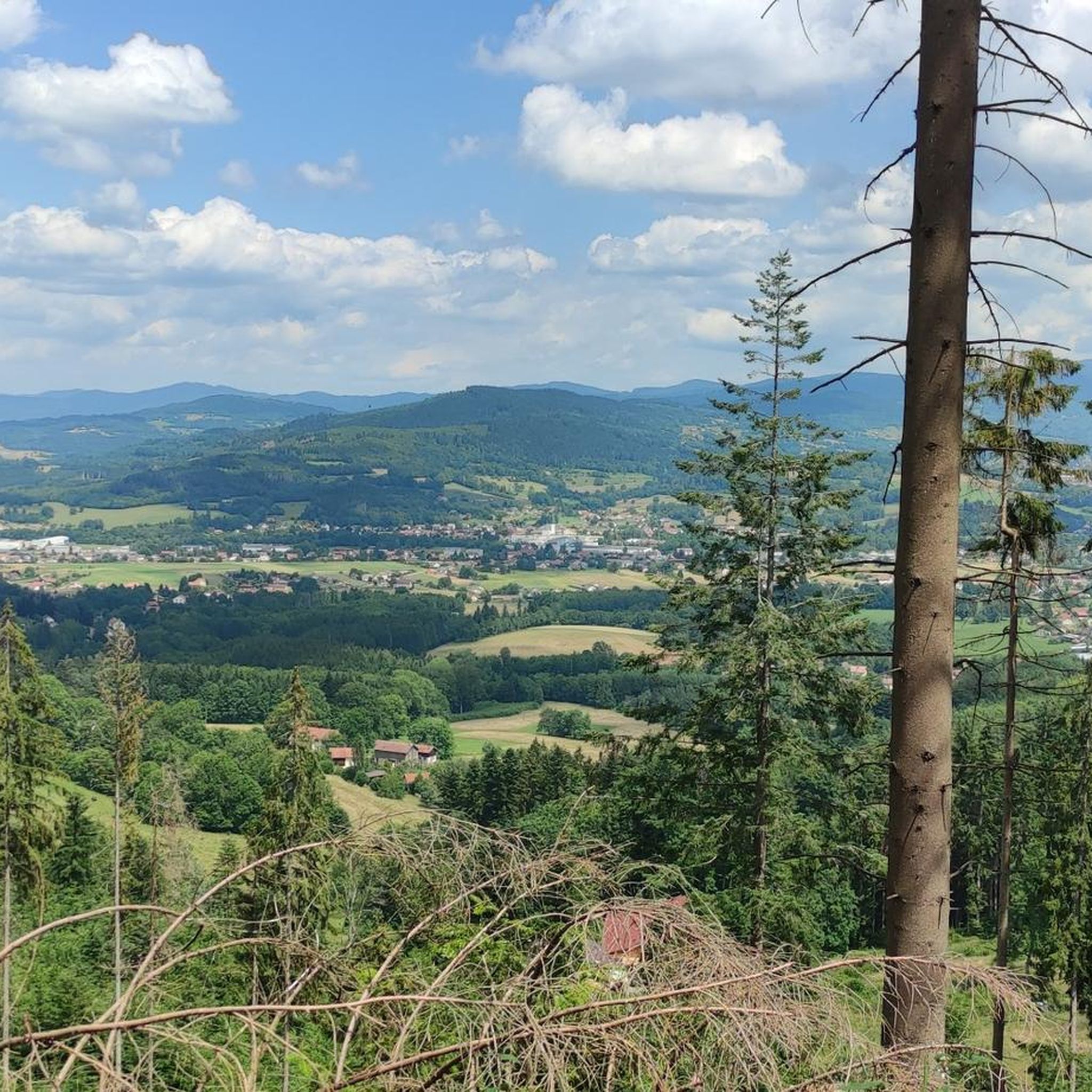
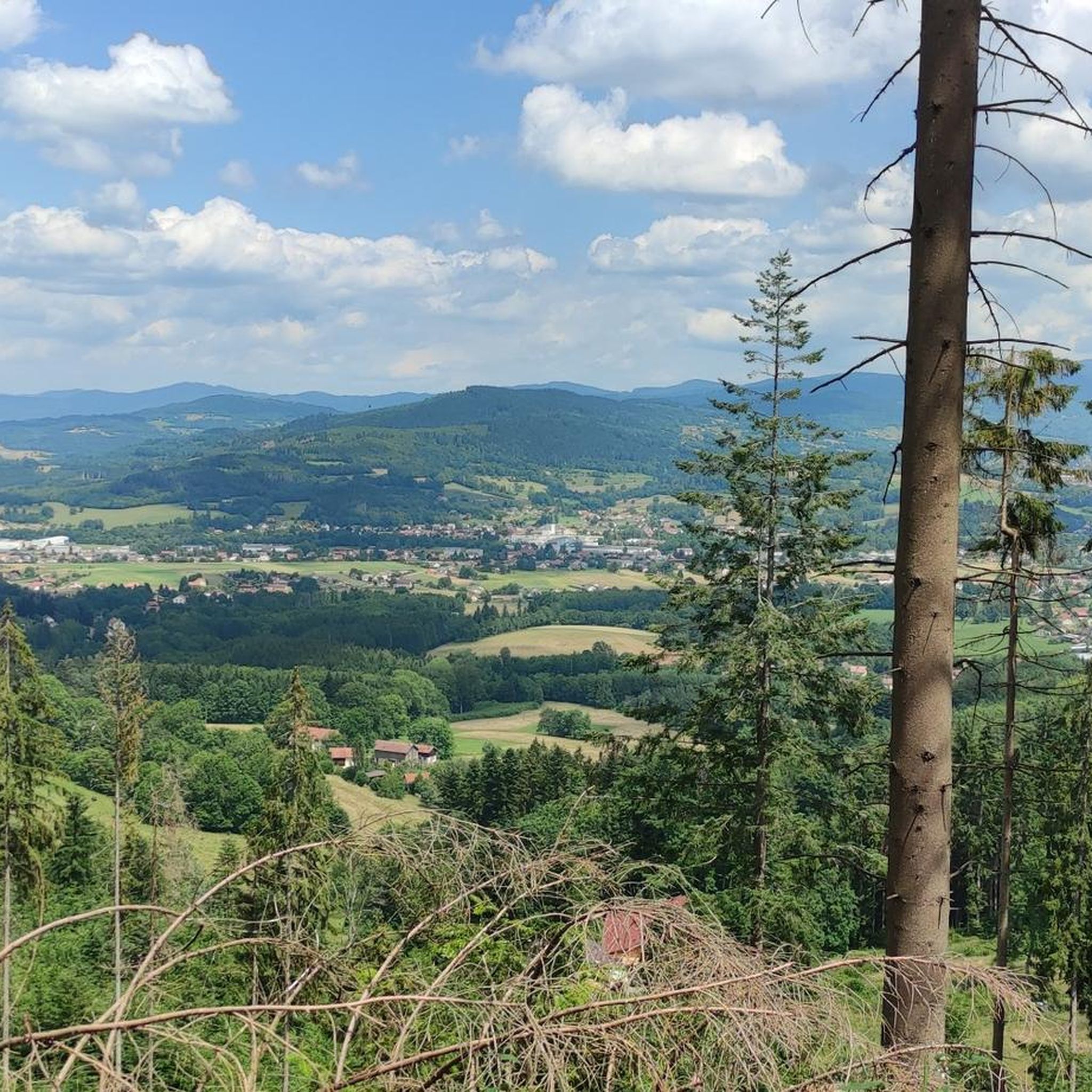
- Another must-see spot is La Roche Saint-Martin and View of Saint-Dié, a viewpoint and natural monument. This site consists of several imposing sandstone columns, two of which are connected by a bridge, offering panoramic views of Saint-Dié.
- Visitors also love Roche de Boslimpré, a viewpoint and natural monument. This location provides a rewarding experience, accessible for families, with views over the surrounding forest.
- Saint-Léonard is known for its unique rock formations, forested areas, and scenic viewpoints. The region offers a variety of natural monuments to see and explore, from geological curiosities to elevated vistas.
- The natural monuments around Saint-Léonard are appreciated by the komoot community, with more than 70 upvotes and over 40 photos shared by visitors.
Last updated: July 29, 2026
Champ de Roches
Highlight • Natural Monument
Translated by Google •
Tip by

Dry Fir Rock
Highlight • Viewpoint
Translated by Google •
Tip by

Sign up now to discover places like this
Get recommendations on the best single tracks, peaks, & plenty of other exciting outdoor places.
Sign up for free
La Roche Saint-Martin and View of Saint-Dié
Highlight • Viewpoint
Translated by Google •
Tip by

Roche de Boslimpré
Highlight • Viewpoint
Translated by Google •
Tip by

Roche d'Anozel
Highlight • Viewpoint
Translated by Google •
Tip by
Sign up for free to discover even more natural monuments around Saint-Léonard.
Sign up for free
Already have an account?
Start today with a free account
Your next adventure awaits.
Login or Signup
Tips from the Community

A magnificent geological curiosity created by a glacier millions of years ago.
0
0

This concentration of stones, or "rocky chaos," forms a rectangle 400 meters long by 40 meters wide in the middle of a fir forest. Several legends exist regarding its origin…
0
0


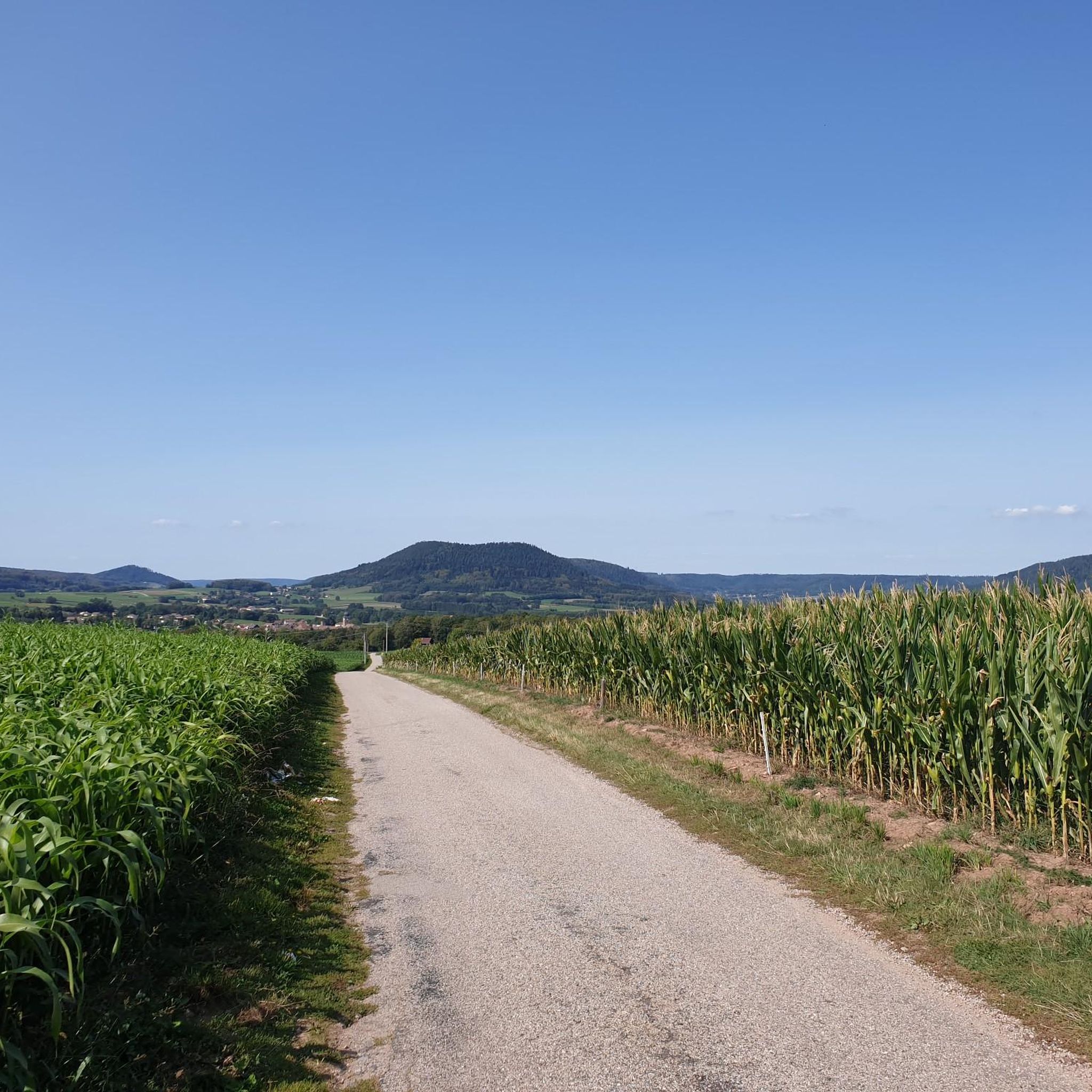
turn-off to the Roche de Boslimpré viewpoint
0
0


Emblematic rock of the Kemberg massif, from which the view of the Vosges is clear.
0
0

Large steep rock with south-facing viewing platform.
1
0
Frequently Asked Questions
What unique geological formations can I explore around Saint-Léonard?
The Saint-Léonard area in the Vosges region is known for its distinctive sandstone rock outcrops. A prime example is Champ de Roches, a remarkable 'rocky chaos' formation, 400 meters long and 40 meters wide, nestled within a fir forest. This site is steeped in local legends regarding its origin, offering a unique geological and cultural experience.
Are there natural monuments with panoramic views near Saint-Léonard?
Yes, several natural monuments offer stunning panoramic views. La Roche Saint-Martin and View of Saint-Dié features imposing sandstone columns, two of which are connected by a bridge, providing fantastic vistas of Saint-Dié. Another excellent spot is Dry Fir Rock, a Vosges sandstone rock equipped with an iron ladder, offering a broad panoramic view over the territories of Nayemont, Saint-Jean d'Ormont, and Saint-Dié-des-Vosges.
Which natural monuments are suitable for families with children?
For families, Roche de Boslimpré is an excellent choice. This viewpoint and natural monument is accessible for families, providing rewarding views over the surrounding forest without significant difficulty. It's a great spot for a family outing to enjoy nature.
What kind of outdoor activities can I do near the natural monuments in Saint-Léonard?
The area around Saint-Léonard offers a variety of outdoor activities. You can explore numerous MTB trails, including routes like 'Along la Meurthe – Detour from vtt route 3 loop' or 'Gérardmer Lake Quay – Gérardmer Lakes Tour loop'. There are also running trails, such as the 'Pierre de Laître loop' from Saulcy-sur-Meurthe, and challenging road cycling routes like the 'Col du Wettstein – Wettstein Pass loop'.
What do visitors enjoy most about the natural monuments in Saint-Léonard?
Visitors particularly appreciate the unique geological features and the stunning panoramic views. Highlights like La Roche Saint-Martin are praised for their 'magnificent view of Saint-Dié,' while Champ de Roches is noted for its 'rocks sea in the middle of the forest.' The accessibility of some viewpoints, like Roche de Boslimpré, for families is also a common positive remark.
Are there any challenging natural monuments for experienced hikers?
Yes, some natural monuments offer a more challenging experience. For instance, the path to Dry Fir Rock is described as 'very good but hard,' involving a Vosges sandstone rock equipped with an iron ladder. Similarly, reaching Roche d'Anozel involves a 'large steep rock' to reach its south-facing viewing platform, offering rewarding views for those who make the effort.
What is the best time of year to visit the natural monuments around Saint-Léonard?
The natural monuments in the Vosges region, including those around Saint-Léonard, are generally best visited during the spring, summer, and autumn months. These seasons offer pleasant weather for hiking and exploring the forested landscapes and viewpoints. Autumn, in particular, provides beautiful foliage colors.
Can I find any hidden gems or less-known natural monuments in the area?
While the guide highlights popular spots, the Vosges region is rich with natural beauty. Exploring the various trails and paths can lead you to less-frequented spots. For example, Roche d'Anozel, while offering clear views of the Vosges, might be considered a slightly less crowded option compared to the more prominent viewpoints, providing a serene experience.
What kind of wildlife can I expect to see near the natural monuments?
The forested landscapes surrounding the natural monuments in the Vosges region are home to diverse wildlife. You might encounter various bird species, deer, wild boar, and smaller mammals. The rich flora of the fir forests also adds to the natural experience.
Are there any specific natural features besides rock formations to observe?
Beyond the prominent rock formations and viewpoints, the region's natural monuments are set within extensive forested areas, primarily fir forests. These provide a rich natural environment to observe diverse plant life, mosses, and the overall ecosystem of the Vosges mountains. The interplay of light and shadow in these forests, especially around sites like Champ de Roches, creates a unique atmosphere.
How long does it typically take to visit the main natural monuments?
The time required to visit each natural monument varies. For viewpoints like Roche de Boslimpré, a visit might take an hour or two, including the walk. Larger sites like Champ de Roches, with its extensive 'rocky chaos,' could warrant a longer exploration, potentially half a day, especially if combined with nearby trails. Planning a full day allows for a more relaxed experience and the opportunity to visit multiple sites.
Most popular routes around Saint-Léonard
Most popular attractions around Saint-Léonard

Get inspired with the komoot mobile app


Explore more
Extend your search for the best caves by checking out these guides of the top ones around Saint-Léonard:
