Top 20 Natural Monuments around Saint-Ismier
Best natural monuments around Saint-Ismier are found within the Grésivaudan valley and the Chartreuse massif. This region offers diverse natural landscapes, from preserved alluvial forests to high mountain peaks. Saint-Ismier serves as a gateway to several notable natural sites, including sensitive natural areas. The area is characterized by significant ecological value and offers numerous opportunities for outdoor exploration.
Best natural monuments around Saint-Ismier
- The most popular natural monument is Dent de Crolles, a summit that offers panoramic views over…
Last updated: October 5, 2026
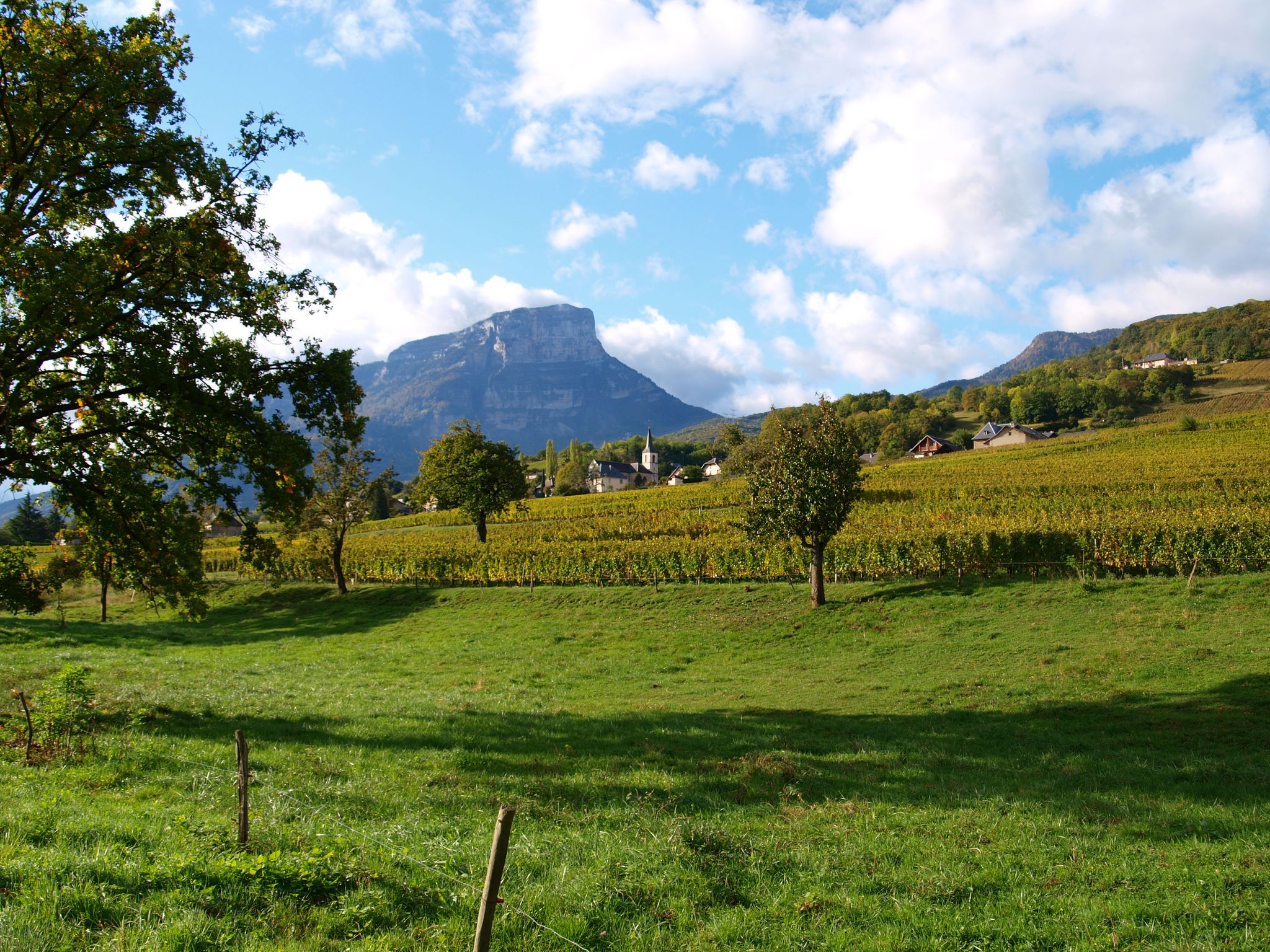
Dent de Crolles
Highlight • Summit
Translated by Google •
Tip by

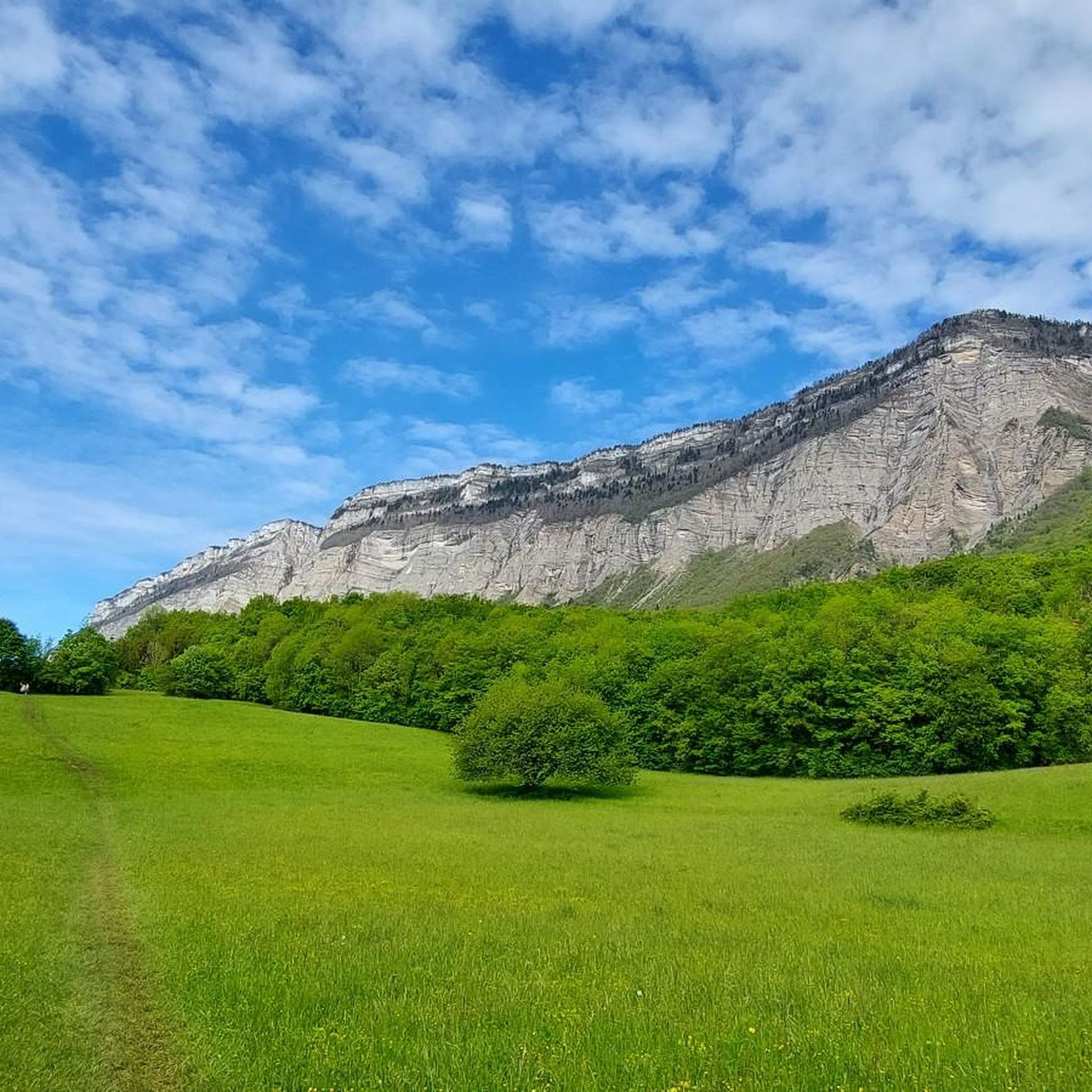
Lake Crozet
Highlight • Lake
Translated by Google •
Tip by

Sign up now to discover places like this
Get recommendations on the best single tracks, peaks, & plenty of other exciting outdoor places.
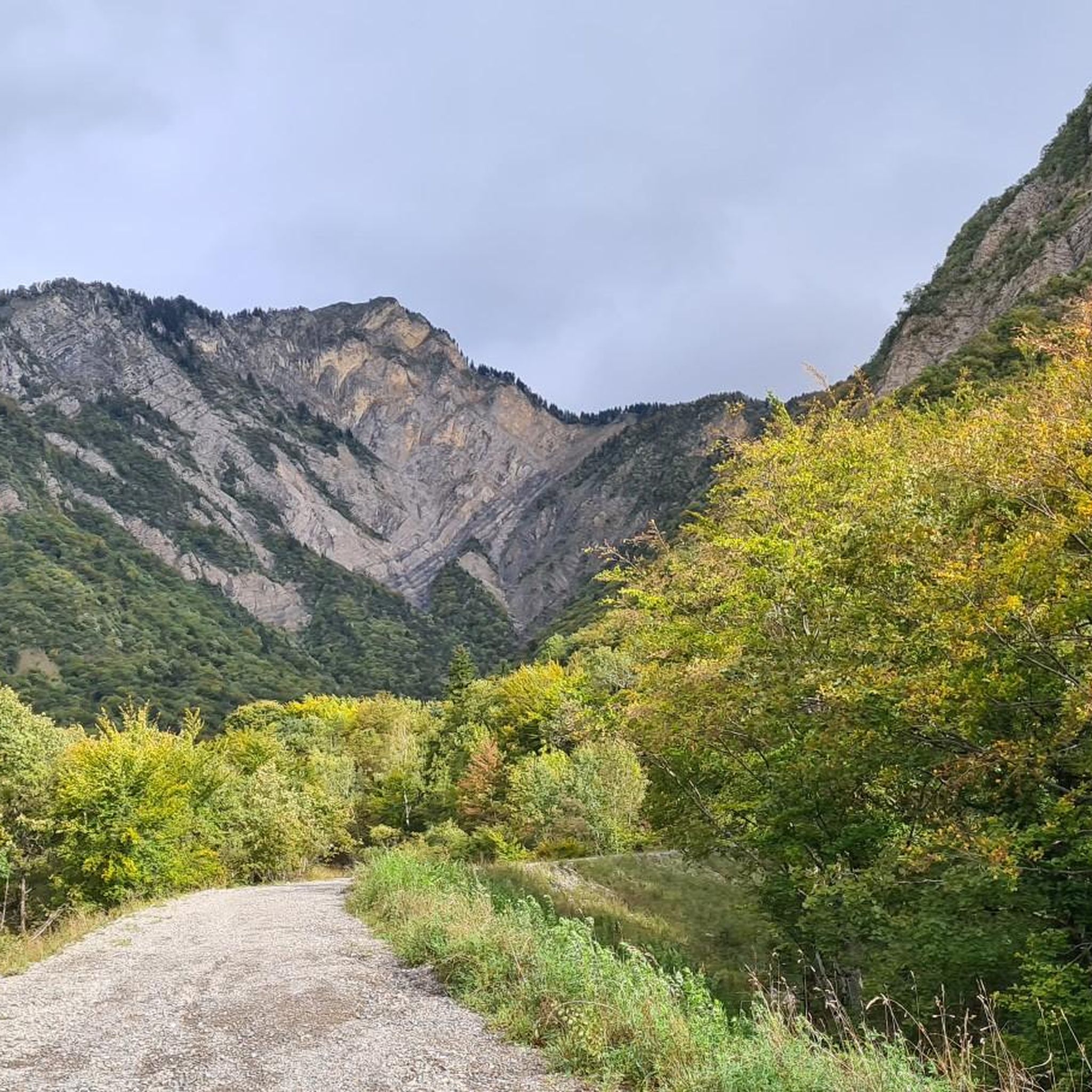
Bellefont Pass
Highlight • Mountain Pass
Translated by Google •
Tip by

Charmant Som summit
Highlight • Summit
Translated by Google •
Tip by
Col des Ayes
Highlight • Mountain Pass
Translated by Google •
Tip by
Sign up for free to discover even more natural monuments around Saint-Ismier.
Already have an account?
Start today with a free account
Your next adventure awaits.
Popular around Saint-Ismier

Other adventures around Saint-Ismier

Tips from the Community

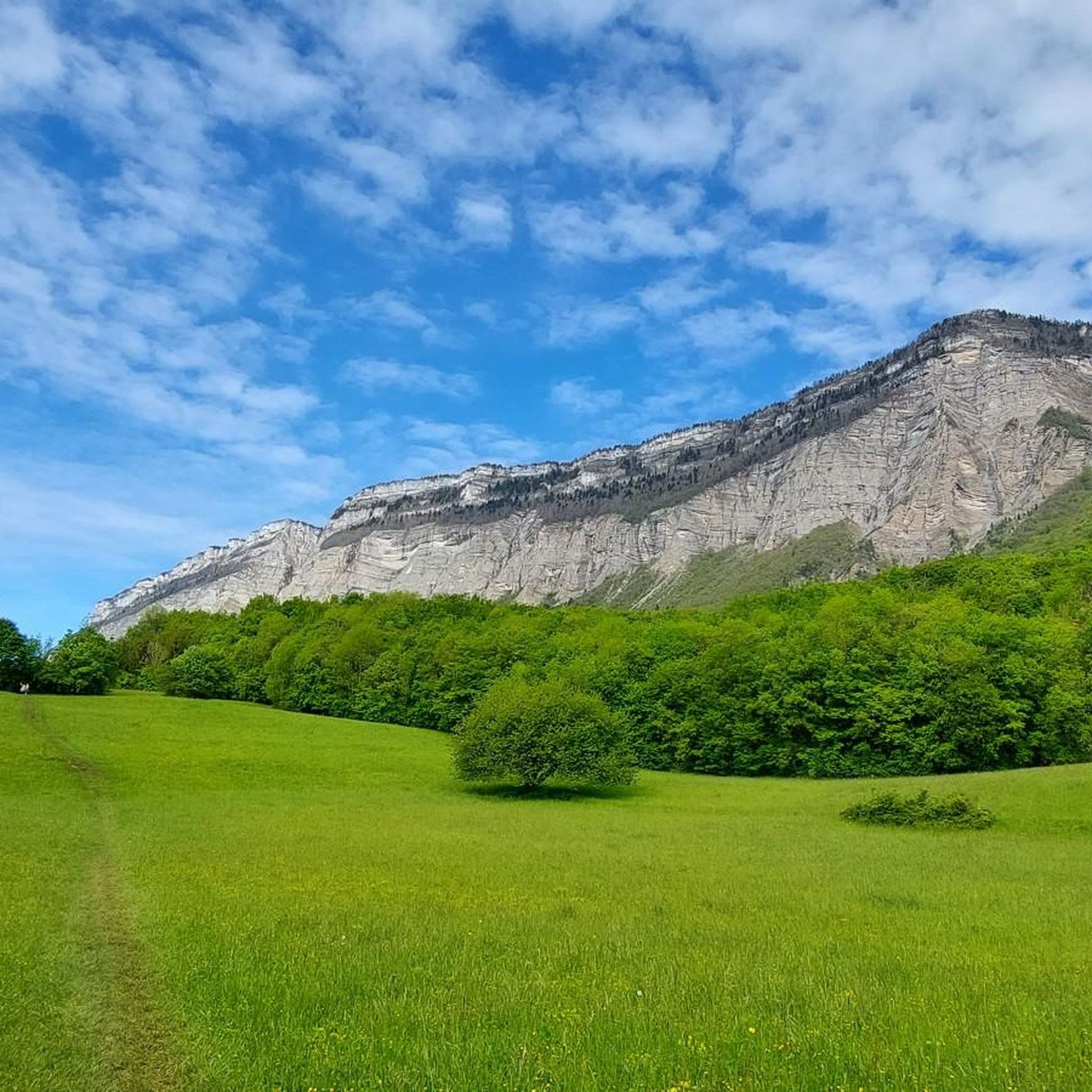
The Dent de Crolles, at 2,062 meters, is one of the best-known peaks in the Chartreuse. This distinctive limestone mountain towers high above the surrounding area and offers, on a clear day, a magnificent view over the Alps and the Grenoble valley. The hike there leads through varied mountain meadows, rocky terrain, and impressive limestone landscapes. A strenuous climb, but the views and the special atmosphere of the Chartreuse make it absolutely worthwhile.
0
0

Magnificent lake! Accessible to all! As a bonus, you'll find ibexes and a few marmots if you're lucky. For the more courageous, you can climb to an altitude of 2,900 m by continuing on the path with a magnificent view if the sky is clear!
0
0

There's still a lot to do if you want to climb the Dent de Crolles :)
0
0
A stunning summit with views of Mont Blanc. The two climbs from the Col des Ayes are relatively steep, but steel cables are installed at the more dangerous sections. The climb north via the Trou du Glaz is a bit longer and a bit easier. The climb east is a bit steeper and more exposed. The view is good, though.
1
0


Starting point for the Dent de Crolles for the bravest and for Pravouta for those who wish to take a short family stroll.
1
0

Magnificent and relatively easy pass, with basic fitness. Offers a magnificent view of Mont Blanc. Be careful though, the Chaos and the Col are currently completely covered in snow. Being in a group, I did not attempt the ascent of the Col which, without equipment, can be particularly slippery and dangerous. Possibility of going back down via Prayet towards Saint Pierre en Chartreuse. Tested in November, however, no problems observed, very accessible.
1
0

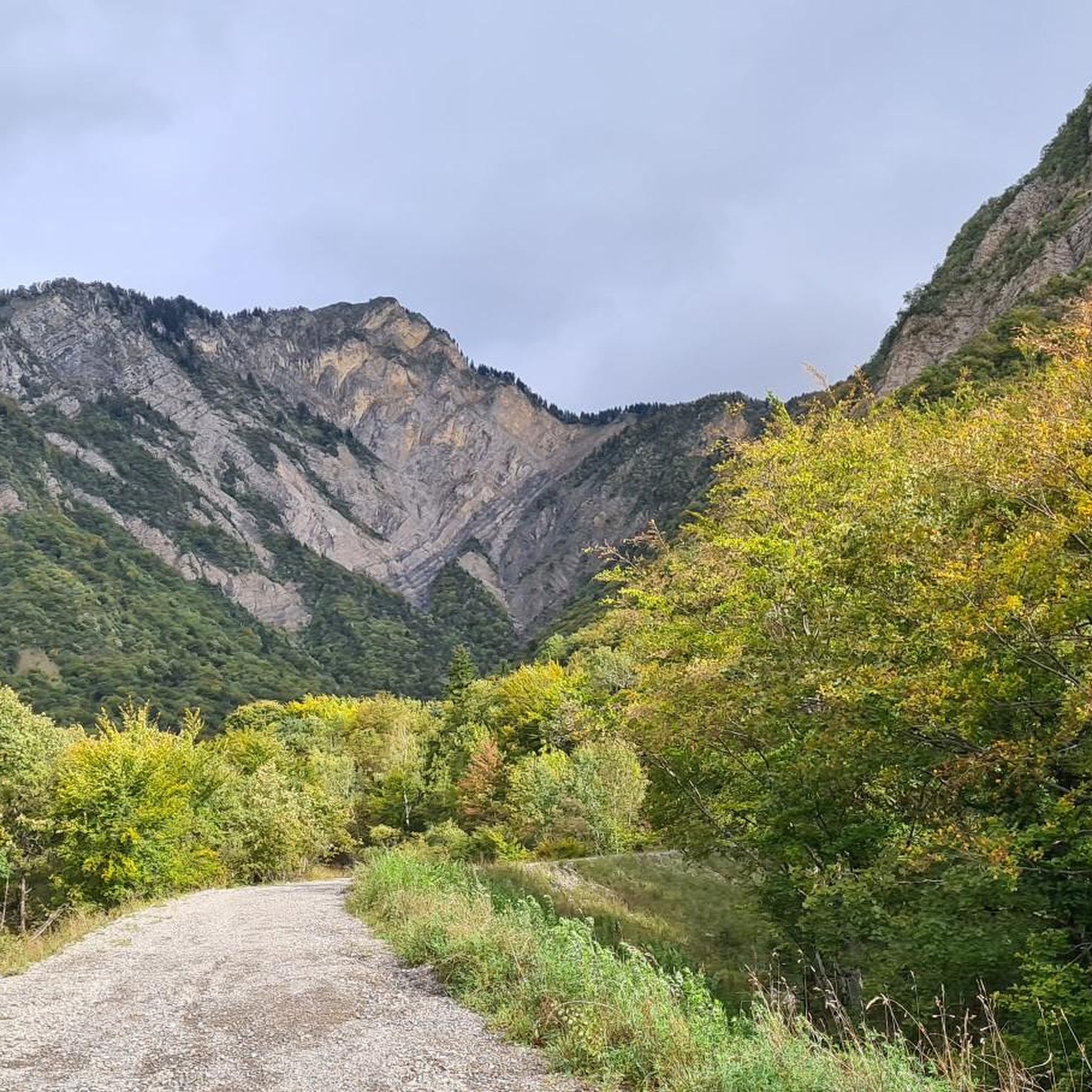
Superb pass located at an altitude of 1,538 meters, at the foot of the Dent de Crolles and Pravouta.
2
0
Frequently Asked Questions
What are some popular natural monuments to visit near Saint-Ismier?
The region around Saint-Ismier offers several popular natural monuments. Visitors frequently enjoy the panoramic views from Dent de Crolles, the second-highest summit of the Chartreuse massif. Another favorite is Charmant Som summit, known for its spectacular panorama and relatively accessible ascent. For stunning valley views, the Revollat Cross is also highly regarded.
Are there any family-friendly natural monuments around Saint-Ismier?
Yes, for a family-friendly outing, Lake Crozet is an excellent choice. Perched at 1,974 meters, it offers beautiful views and a relatively accessible route from the Pré Raymond parking lot. Additionally, the Espace naturel sensible du Bois de la Batie in Saint-Ismier itself provides equipped trails suitable for families to explore a preserved alluvial forest and observe local wildlife.
What kind of natural features can I expect to see in the Saint-Ismier area?
The natural monuments around Saint-Ismier showcase a diverse range of features. You can explore high mountain summits like Dent de Crolles and Charmant Som summit, offering breathtaking panoramas. There are also serene mountain lakes such as Lake Crozet, and scenic mountain passes like Bellefont Pass, which provides views of Mont Blanc. The region also features preserved alluvial forests and sensitive natural areas like the Bois de la Batie.
What outdoor activities can I do near these natural monuments?
The area around Saint-Ismier is ideal for various outdoor activities. You can find numerous hiking trails, ranging from moderate to difficult, leading to many of the natural monuments. For example, there are challenging routes like the 'Craponoz Waterfall – View of the Dent de Crolles loop'. Cyclists can enjoy scenic road cycling routes, including those that pass through mountain passes like Col de Porte. For more details on routes, you can explore the hiking guide or road cycling guide for Saint-Ismier.
Are there hiking trails near the natural monuments in Saint-Ismier?
Yes, the Chartreuse massif, accessible from Saint-Ismier, is crisscrossed with hiking trails. You can embark on challenging routes such as the 'Col du Coq – Baure Pass loop' or the 'Commemorative plaque – Baure Pass loop'. Many trails lead to summits like Dent de Crolles, offering rewarding views. For a comprehensive list of trails, refer to the hiking guide around Saint-Ismier.
What is the best time of year to visit the natural monuments around Saint-Ismier?
The best time to visit largely depends on the activity. Spring and autumn offer pleasant temperatures for hiking and exploring the lower-altitude natural areas like the Bois de la Batie. For higher mountain summits such as Dent de Crolles or Charmant Som summit, late spring to early autumn (June to September) is generally recommended when trails are clear of snow and weather conditions are more stable. Winter visits are possible for snowshoeing or skiing in certain areas, but require appropriate gear and awareness of conditions.
What kind of wildlife can be observed in the natural monuments of Saint-Ismier?
The diverse ecosystems around Saint-Ismier support various wildlife. At the Espace naturel sensible du Bois de la Batie, you might spot signs of beavers and moorhens, or observe kingfishers and dragonflies near the water. In the higher altitudes of the Chartreuse massif, around peaks like Chamechaude and Dent de Crolles, the diverse fauna includes chamois, which visitors have reported seeing, especially during early morning bivouacs.
Are there any natural monuments with particularly stunning viewpoints?
Absolutely. The region is renowned for its exceptional viewpoints. Dent de Crolles offers a magnificent 360-degree view over the entire Grésivaudan valley, extending to the Belledonne massif and beyond. Charmant Som summit also provides a spectacular panorama. For a closer view of the valley and Grenoble Basin, the Revollat Cross is an excellent spot, facing the Chartreuse.
What makes the Espace naturel sensible du Bois de la Batie special?
The Espace naturel sensible du Bois de la Batie is a significant preserved alluvial forest within Saint-Ismier. It's a testament to the rich ecology of the Grésivaudan valley, featuring a preserved body of water, a conservatory orchard, and educational ponds. It offers equipped trails for observing local flora and fauna, making it a valuable natural retreat close to Grenoble.
How challenging are the ascents to the major summits like Dent de Crolles?
Ascents to major summits like Dent de Crolles are considered technical and challenging. While rewarding with incredible views, they often involve steep sections and require concentration. Steel cables are installed in more difficult parts to assist climbers. Charmant Som summit, while still a significant climb, is generally considered less technical, with a road leading partway up, making its final ascent more accessible.
Are there any mountain passes near Saint-Ismier that are good starting points for hikes or scenic drives?
Yes, the Chartreuse massif features several notable mountain passes. Col de Porte (1326 m) and Col du Cucheron are excellent starting points for numerous hikes and offer scenic drives through the mountainous landscape. Bellefont Pass, at 1,902 meters, also provides a breathtaking view and can be reached via hiking trails.
What do visitors enjoy most about the natural monuments around Saint-Ismier?
Visitors consistently praise the breathtaking panoramic views from the summits and viewpoints, such as those from Dent de Crolles and Charmant Som summit. The sense of accomplishment after a challenging ascent, the beauty of mountain lakes like Lake Crozet, and the opportunity to connect with nature in preserved areas like the Bois de la Batie are also highly valued.
Most popular routes around Saint-Ismier
Most popular attractions around Saint-Ismier

Get inspired with the komoot mobile app


Explore more
Extend your search for the best caves by checking out these guides of the top ones around Saint-Ismier:
