Top 2 Natural Monuments around Graissessac
Best natural monuments around Graissessac are situated within the Haut-Languedoc Regional Natural Park, an area characterized by diverse landscapes and natural heritage. This region in the Hérault department of France offers access to a variety of natural sites. The terrain includes geological formations, water features, and elevated viewpoints. Visitors can explore the natural features that define this part of Occitanie.
Best natural monuments around Graissessac
- The most popular natural monuments is Roquandouire Arch, a natural monument that is the…
Last updated: July 15, 2026
Falaises d'Orque
Highlight • Natural Monument
Translated by Google •
Tip by

Roquandouire Arch
Highlight • Natural Monument
Translated by Google •
Tip by

Sign up now to discover places like this
Get recommendations on the best single tracks, peaks, & plenty of other exciting outdoor places.
Sign up for free
Viewpoint over the Espinouse summit
Highlight • Summit
Translated by Google •
Tip by
Mount Méguillou
Highlight • Summit
Translated by Google •
Tip by

Avène Reservoir
Highlight (Segment) • Lake
Translated by Google •
Tip by

Start today with a free account
Your next adventure awaits.
Login or Signup
Other adventures around Graissessac

Tips from the Community

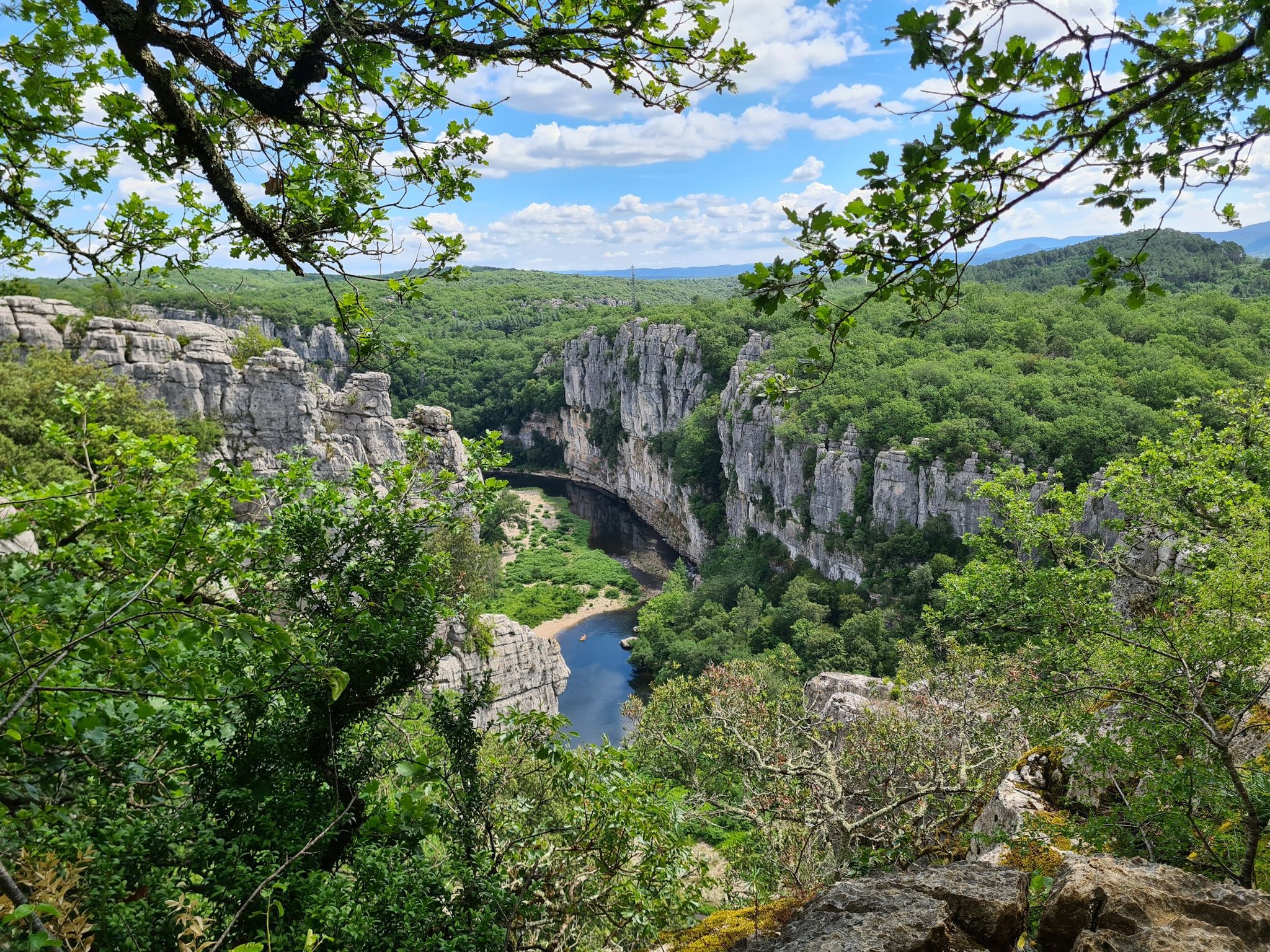
The cliffs of Orque (or Olque, depending on local toponyms) form a real rocky front overlooking the Haut-Languedoc: a limestone wall about 200 meters high, leaning against a plateau perched around 800 meters, north of the Caroux and Espinouse massifs.
0
0

An incredible spot that looks like it was built by human hands.
0
0

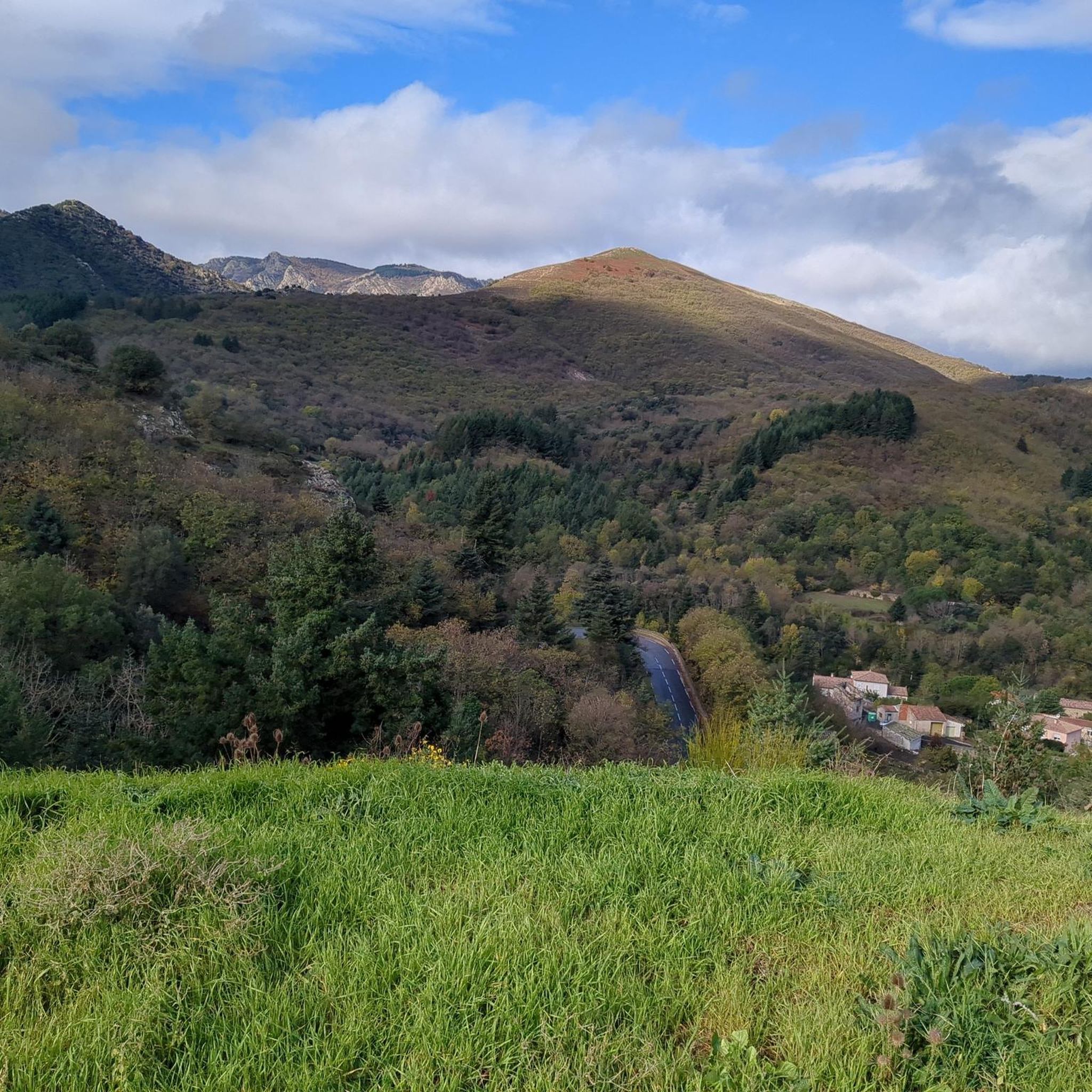
Mont Méguillou with its 786m altitude is an interesting objective for a run.
0
0

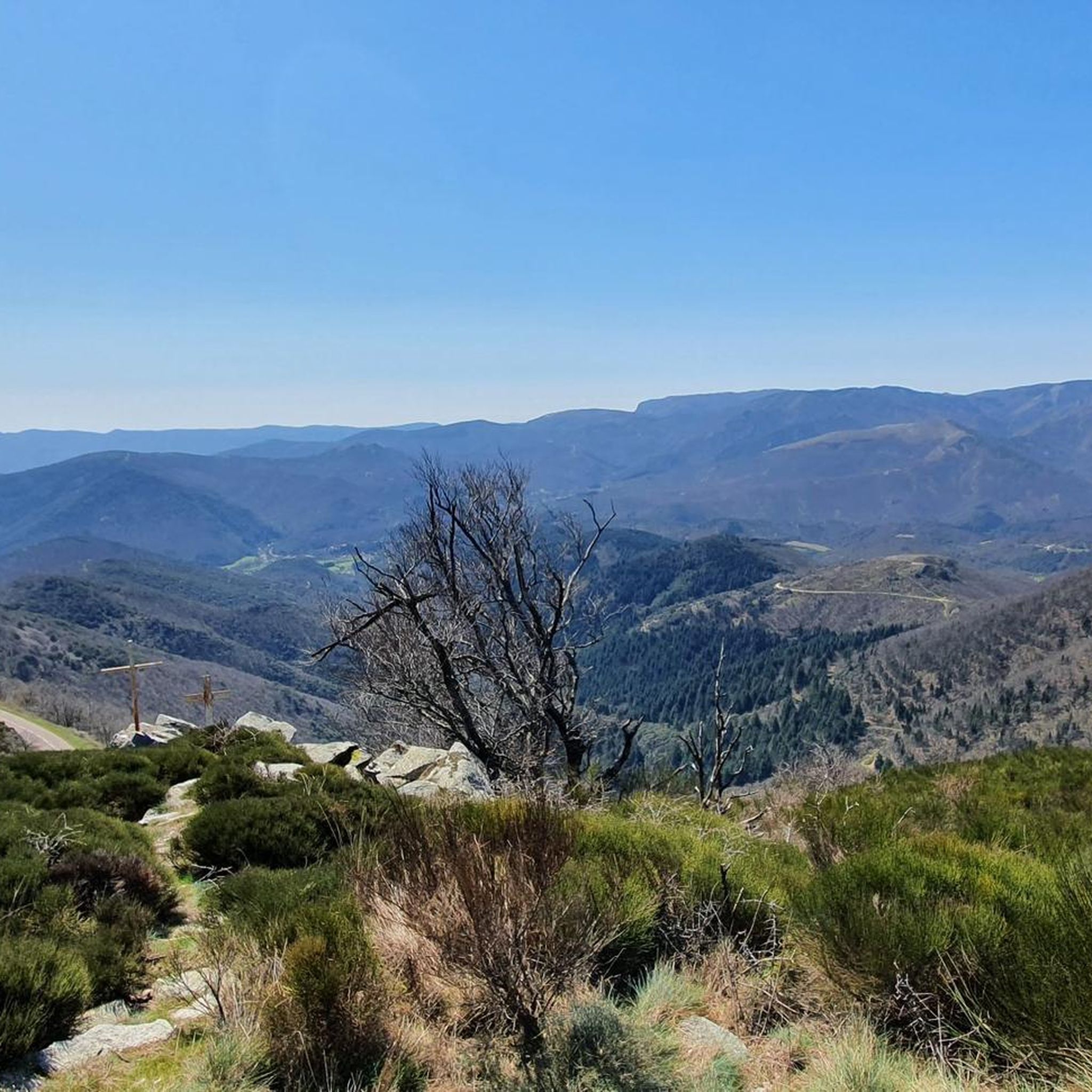
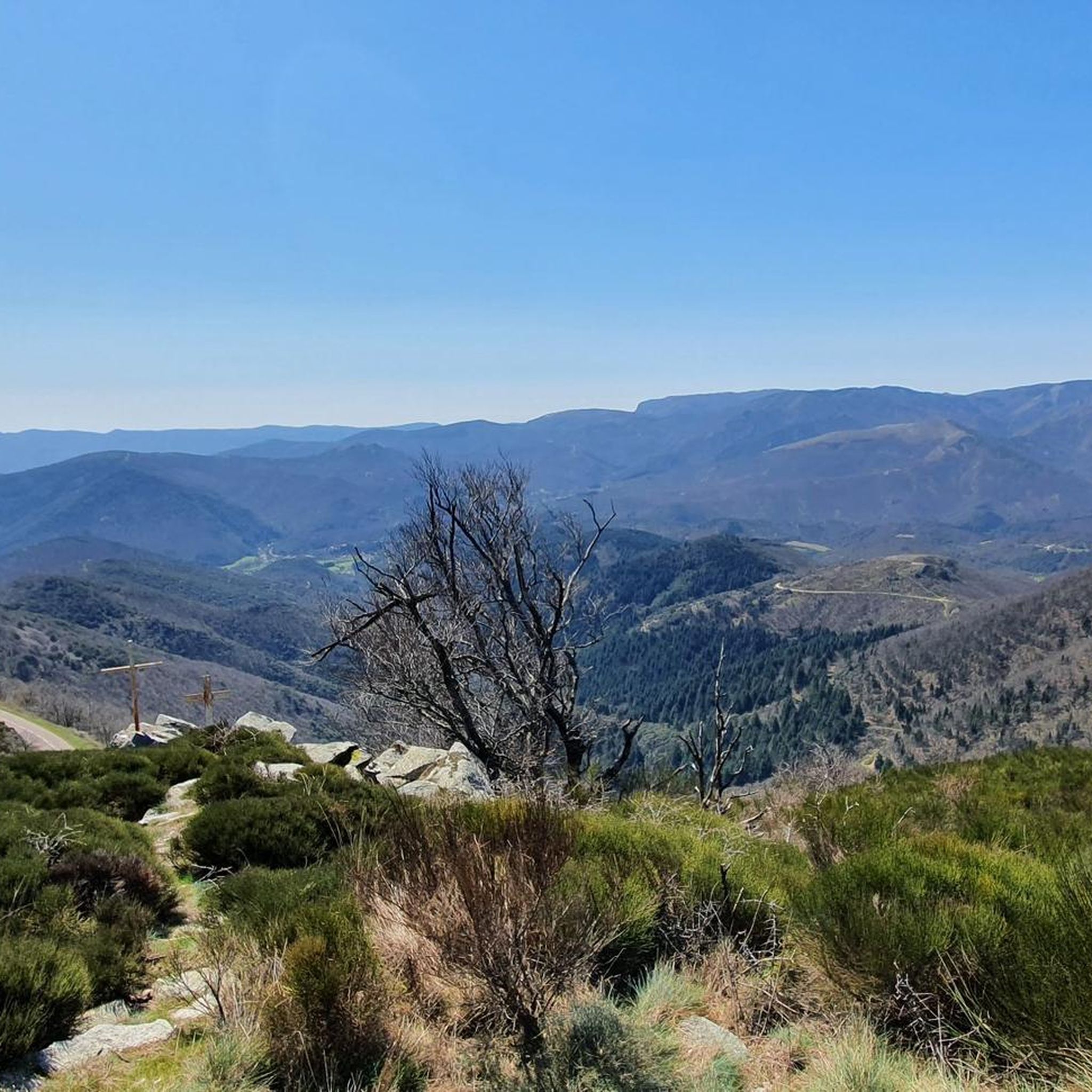
Here you have a superb view of the Espinouse summit, which rises to 1,124 meters above sea level on the Caroux-Espinouse massif.
0
0
The Roquandouire portal seems to be the work of humans. This door of stones, is in fact the result of erosion. This is a characteristic feature of the place and frequent on the Espinouse.
0
0

In the middle of the climb, view of the 200m high cliffs of Orque, which makes it the highest limestone wall in the Haut Languedoc Regional Nature Park.
0
0


beautiful hike, great weather, count 6 hours with pose.
0
0
Frequently Asked Questions
What are some notable natural monuments to visit around Graissessac?
Around Graissessac, you can explore several impressive natural monuments. The Roquandouire Arch is a unique geological formation, appearing like a wall split in two by erosion. Another must-see is Falaises d'Orque, offering views of 200-meter-high cliffs overlooking the Buissou valley. For a tranquil experience, visit the Avène Reservoir, where nature has reclaimed an old road. Further afield, within the Haut-Languedoc Regional Natural Park, you can find the scenic Monts d'Orb Dam (Lac d'Avène) and the panoramic views from Pic de Nore.
What kind of natural features can I expect to see in this region?
The region around Graissessac, situated within the Haut-Languedoc Regional Natural Park, is characterized by diverse natural features. You will encounter significant geological formations like eroded arches and high cliffs, serene water features such as lakes and reservoirs, and elevated viewpoints offering expansive vistas. The landscape also includes forests and areas where thermal springs emerge, contributing to a rich natural heritage.
Are there hiking opportunities near these natural monuments?
Yes, there are numerous hiking opportunities. For example, the area around Roquandouire Arch is known for beautiful hikes. You can find various trails, including moderate options like the 'Le Devois Loop' (11.7 km) or 'Summit loop from Camplong' (13.1 km), and easier routes such as 'Great views – Mineshaft loop from Camplong' (5.8 km). For more details on hiking routes, refer to the Hiking around Graissessac guide.
What other outdoor activities are available near Graissessac's natural monuments?
Beyond hiking, the area offers a range of outdoor activities. The Monts d'Orb Dam (Lac d'Avène) is popular for fishing, walking, mountain biking, swimming, and various water sports. Cycling is also a significant activity, with challenging routes like the 'Mare River Crossing loop from Le Pradal' (20 km) or 'Serviès Pass loop from Graissessac' (34.5 km). Running trails are also available, including difficult options like the 'Col de Madale loop from Saint-Gervais-sur-Mare' (21.4 km). Explore more options in the Cycling around Graissessac and Running Trails around Graissessac guides.
Are there challenging trails or viewpoints for experienced hikers?
Experienced hikers will find challenging terrain and rewarding viewpoints. The Falaises d'Orque offer a climb with views of the highest limestone wall in the Haut-Languedoc Regional Nature Park. The Viewpoint over the Espinouse summit provides superb views of the 1,124-meter-high summit. Further afield, Pic de Nore, at 1,211 meters, offers breathtaking 360° panoramic views, including the Pyrenees and the Mediterranean Sea on clear days. Many routes in the area are rated as moderate to difficult.
Is it possible to visit with family or children?
Yes, some natural monuments are suitable for families. The Avène Reservoir is noted as family-friendly, offering a tranquil environment. While specific family-friendly trails are not detailed for all monuments, many areas around the lakes and less strenuous paths can be enjoyed by families. Always check the difficulty of specific routes before heading out with children.
When is the best time of year to visit the natural monuments?
The balanced climate, influenced by both Mediterranean and Atlantic weather, makes the region pleasant for much of the year. Spring and autumn generally offer mild temperatures ideal for hiking and outdoor activities. Summer can be warm, but water activities at places like the Monts d'Orb Dam provide refreshment. In winter, higher elevations like Pic de Nore can be suitable for snowshoeing, but access to some areas might be limited by snow or colder conditions.
Are there any historical or cultural sites related to the natural landscape?
Yes, the region has sites that blend natural and historical significance. The Aldène Cave (also known as Coquille Cave), near Cesseras, is a significant prehistoric site with Aurignacian engravings and human footprints, offering unique insights into ancient human activity. The Carrière des Bessous, a historical marble quarry near Cassagnoles, showcases the region's geological richness and its historical role in supplying marble for places like the Palace of Versailles.
What do visitors enjoy most about the natural monuments here?
Visitors particularly appreciate the unique geological formations, such as the Roquandouire Arch, often described as a 'door of stones' created by erosion. The stunning views from elevated points like Falaises d'Orque and the Viewpoint over the Espinouse summit are also highly praised. The tranquility and natural beauty of places like the Avène Reservoir, where nature reclaims old roads, provide a peaceful experience for many.
How accessible are the natural monuments around Graissessac?
Access to the natural monuments varies. Many are reached via hiking trails, which can range from easy to difficult. While specific details on wheelchair accessibility are not provided, natural terrain often presents challenges. Public transport options to the immediate vicinity of all monuments may be limited, so personal vehicle access is often the most convenient way to reach trailheads and viewpoints. Always check specific access details for each site you plan to visit.
Can I bring my dog to the natural monuments?
While specific regulations for each natural monument regarding dogs are not detailed, generally, dogs are permitted on trails and in natural parks if kept on a leash. It's always advisable to check local signage or specific park rules for each site you plan to visit to ensure compliance and respect for wildlife and other visitors. For example, the Haut-Languedoc Regional Natural Park generally welcomes dogs on trails.
Most popular routes around Graissessac
Most popular attractions around Graissessac

Get inspired with the komoot mobile app


Explore more
Extend your search for the best caves by checking out these guides of the top ones around Graissessac:
