Top 6 Natural Monuments around Léon
Best natural monuments around Léon offer diverse natural landscapes and geological formations. This region features a variety of protected areas, from coastal reserves to inland lakes and wetlands. Visitors can explore ecosystems rich in flora and fauna, shaped by both natural processes and human influence. The area provides opportunities to experience different natural environments.
Best natural monuments around Léon
- The most popular natural monuments is Marais de la Pipe Observatory, a viewpoint that offers a serene wetland area ideal…
Last updated: October 5, 2026
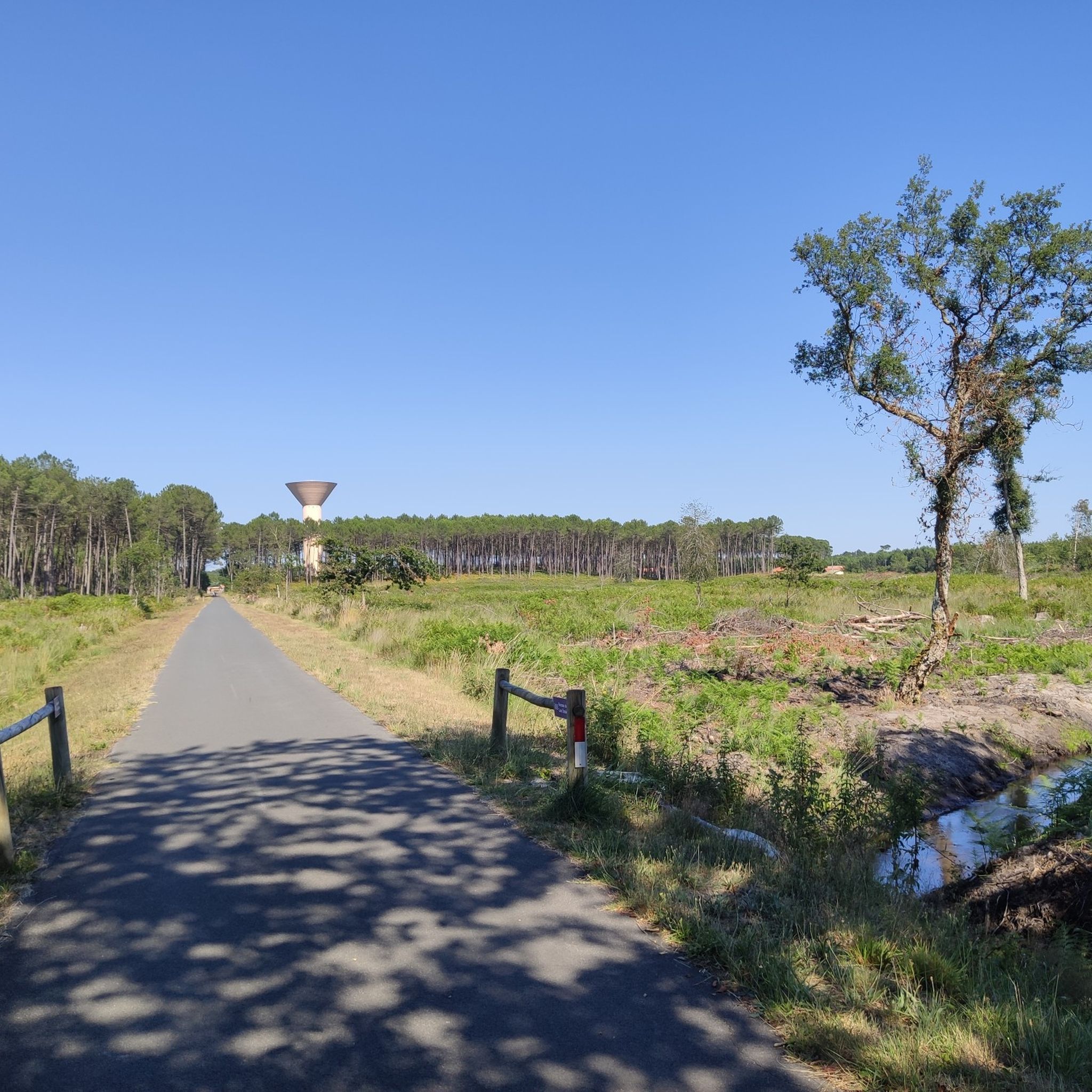
Courant de Messanges on the Léon-Soustons Trail
Highlight • Cycleway
It is home to remarkable flora and fauna and is crossed by the Vélodyssée.
Translated by Google •
Tip by

Courant d'Huchet Nature Reserve
Highlight • Natural
Translated by Google •
Tip by

Sign up now to discover places like this
Get recommendations on the best single tracks, peaks, & plenty of other exciting outdoor places.
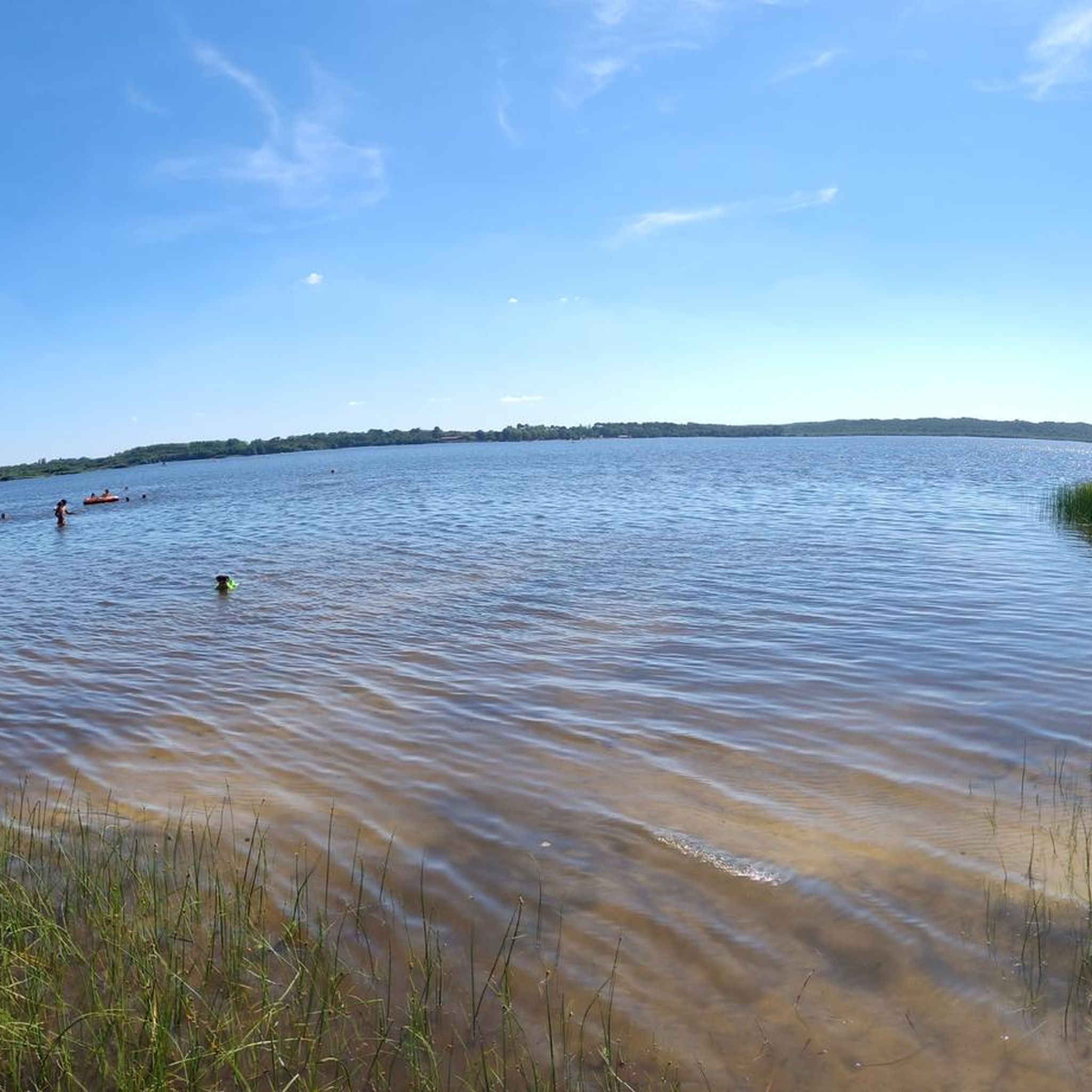
West Lake of Soustons
Highlight (Segment) • Lake
Translated by Google •
Tip by

Léon Lake Trail
Highlight • Trail
Translated by Google •
Tip by

Marais de la Pipe Observatory
Highlight • Viewpoint
Translated by Google •
Tip by

Sign up for free to discover even more natural monuments around Léon.
Already have an account?
Start today with a free account
Your next adventure awaits.
Tips from the Community

Beautiful cycle path in varied nature.
1
0


This is the starting point for exploring the unique landscape along the Courant d'Huchet River. Either on foot along the trails or by boat (recommended). Absolutely unique; you feel like you're in the Amazon region and, ultimately, on the Nile.
0
0

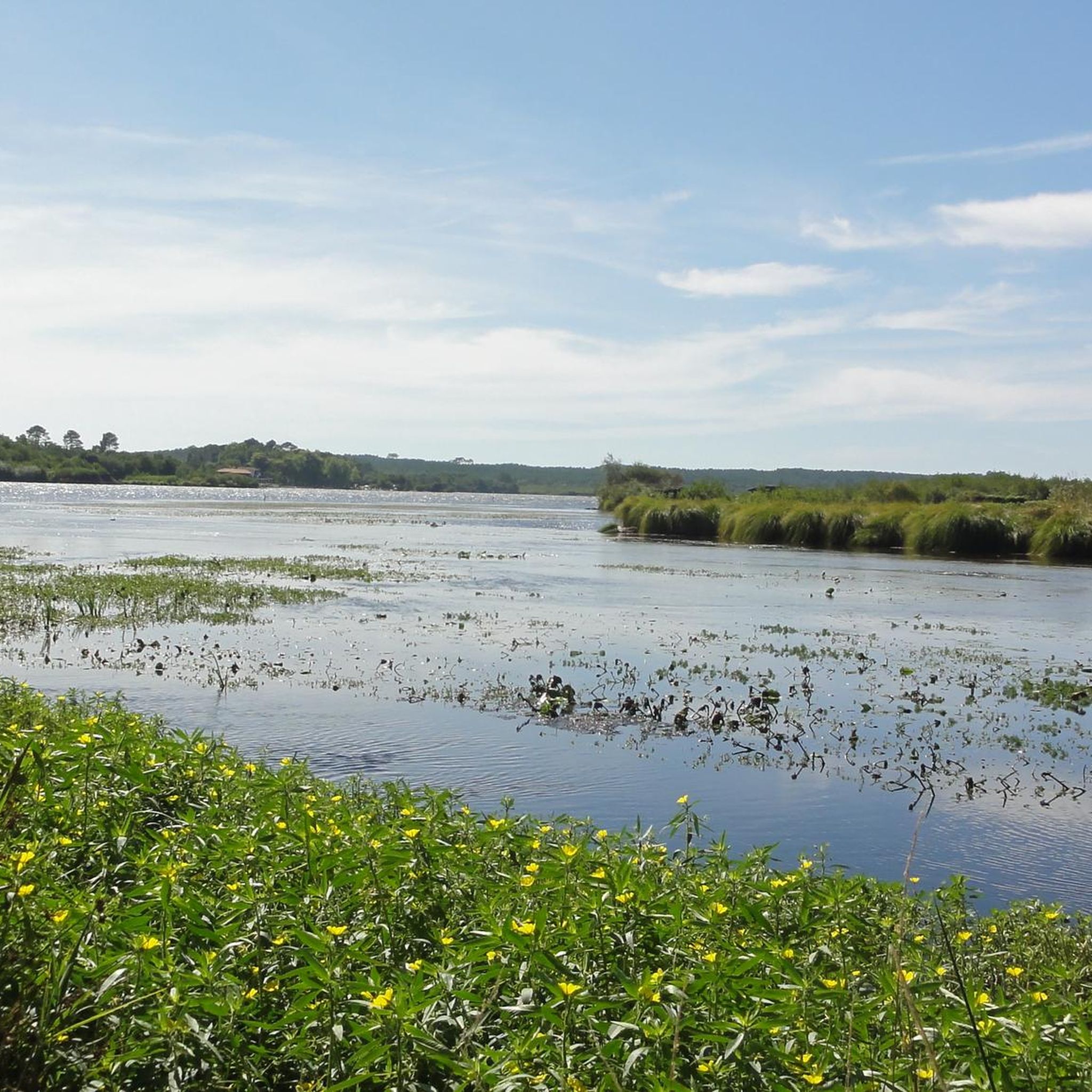
Partially classified as a nature reserve and Natura 2000 site, Lake Léon is very popular with nature lovers. Discover a rare ecosystem made up of multiple habitats: aquatic area, wet moors, peat bogs, reed beds, wet meadows. The lake is home to a great diversity of fauna and flora: mammals such as the otter, the coypu or the European mink, many insects and birds such as the grey heron, reptiles such as the European pond turtle, commonly called the marsh turtle. In spring and autumn, birdwatching and photography enthusiasts come to admire populations of migratory birds stopping on the lake. To the west of the lake, the Courant d'Huchet meanders over more than 600 hectares to the Atlantic Ocean. This site, nicknamed "the Landes Amazon", is classified as a nature reserve and offers visitors trails through lush vegetation. Visit the Maison de la Réserve on the banks of the lake for an educational discovery of local biodiversity. Embark on a “galup” (traditional flat-bottomed boat) and let yourself be guided by the boatmen through 10km of wild landscapes, between marshes, dunes and peat bogs. An unforgettable excursion to experience with family, friends or lovers!
1
0
Partially classified as a nature reserve and Natura 2000 site, Lake Léon is very popular with nature lovers. Discover a rare ecosystem made up of multiple habitats: aquatic area, wet moors, peat bogs, reed beds, wet meadows. The lake is home to a great diversity of fauna and flora: mammals such as the otter, the coypu or the European mink, many insects and birds such as the grey heron, reptiles such as the European pond turtle, commonly called the marsh turtle. In spring and autumn, birdwatching and photography enthusiasts come to admire populations of migratory birds stopping on the lake. To the west of the lake, the Courant d'Huchet meanders over more than 600 hectares to the Atlantic Ocean. This site, nicknamed "the Landes Amazon", is classified as a nature reserve and offers visitors trails through lush vegetation. Visit the Maison de la Réserve on the banks of the lake for an educational discovery of local biodiversity. Embark on a “galup” (traditional flat-bottomed boat) and let yourself be guided by the boatmen through 10km of wild landscapes, between marshes, dunes and peat bogs. An unforgettable excursion to experience with family, friends or lovers!
0
0
Partially classified as a nature reserve and Natura 2000 site, Lake Léon is very popular with nature lovers. Discover a rare ecosystem made up of multiple habitats: aquatic area, wet moors, peat bogs, reed beds, wet meadows. The lake is home to a great diversity of fauna and flora: mammals such as the otter, the coypu or the European mink, many insects and birds such as the grey heron, reptiles such as the European pond turtle, commonly called the marsh turtle. In spring and autumn, birdwatching and photography enthusiasts come to admire populations of migratory birds stopping on the lake. To the west of the lake, the Courant d'Huchet meanders over more than 600 hectares to the Atlantic Ocean. This site, nicknamed "the Landes Amazon", is classified as a nature reserve and offers visitors trails through lush vegetation. Visit the Maison de la Réserve on the banks of the lake for an educational discovery of local biodiversity. Embark on a “galup” (traditional flat-bottomed boat) and let yourself be guided by the boatmen through 10km of wild landscapes, between marshes, dunes and peat bogs. An unforgettable excursion to experience with family, friends or lovers!
5
0

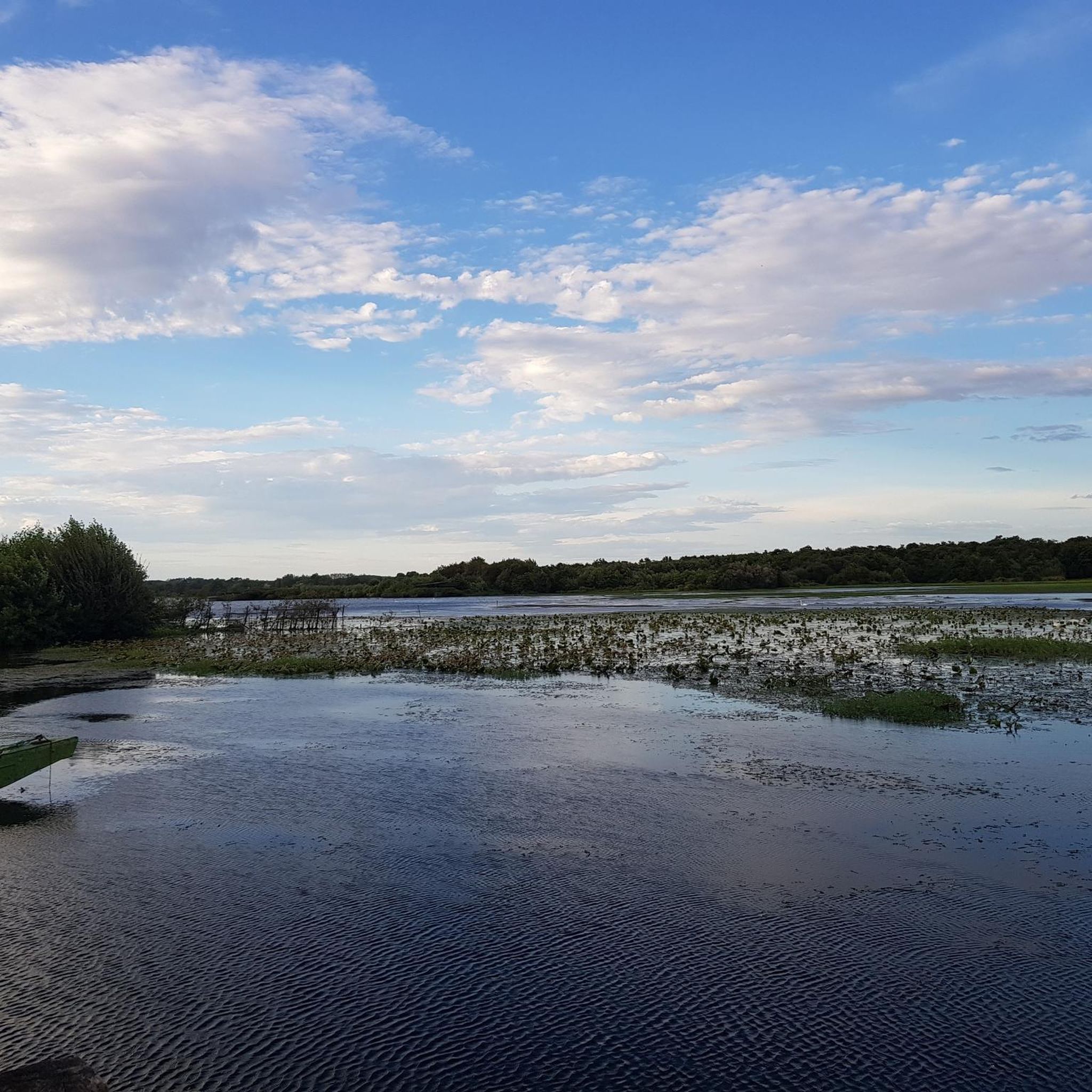
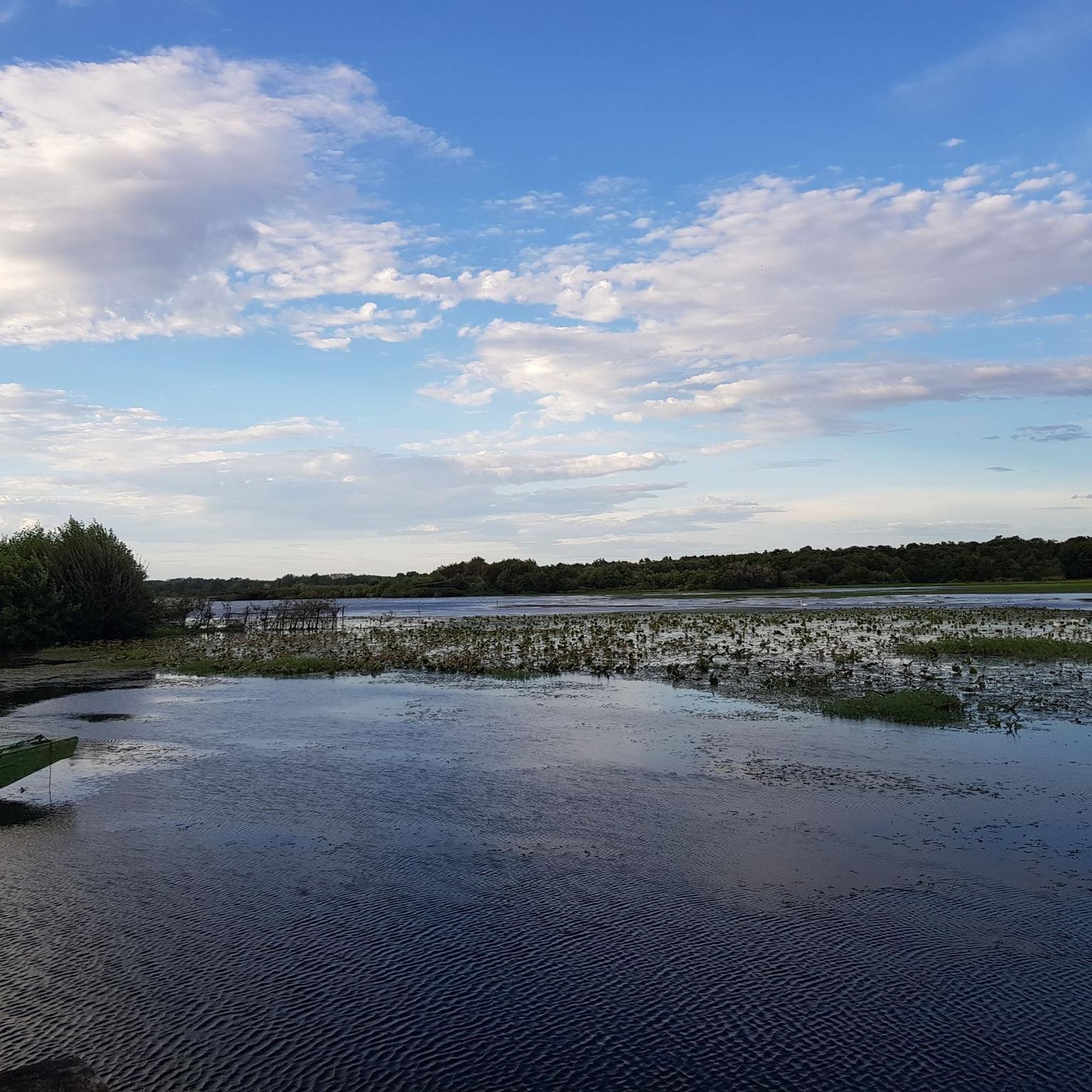
Explore the Marais de la Pipe, a serene wetland area ideal for a peaceful hike. As you hike the well-maintained trails, you will be surrounded by a diverse landscape of marshes, ponds and lush vegetation. This tranquil setting is ideal for nature lovers and birdwatchers, as it offers the opportunity to observe various species in their natural habitat.
1
0
Frequently Asked Questions
What are some popular natural monuments to visit around Léon?
Around Léon, visitors highly appreciate the Marais de la Pipe Observatory for its serene wetland environment and birdwatching opportunities. Another favorite is the Léon Lake Trail, known for its diverse ecosystem and popularity among nature lovers. The Courant de Messanges on the Léon-Soustons Trail is also well-regarded for its remarkable flora and fauna along a well-maintained bike route.
Are there family-friendly natural monuments in the Léon region?
Yes, several natural monuments around Léon are suitable for families. The Marais de la Pipe Observatory offers easy trails for peaceful hikes and birdwatching. The Léon Lake Trail is also family-friendly, providing a chance to explore a diverse ecosystem. Additionally, the Courant de Messanges on the Léon-Soustons Trail is a well-maintained cycle way that families can enjoy.
What unique natural features can I expect to see in the natural monuments near Léon?
The Léon region boasts a variety of unique natural features. You can explore the dramatic limestone gorges of Hoces de Vegacervera, carved by the Torío River, featuring 'giant's kettles' and sinkholes. The Cueva de Valporquero offers a spectacular subterranean world with impressive stalactites, stalagmites, and underground rivers. Las Médulas presents a striking landscape of reddish, eroded hills, a result of ancient Roman gold mining. The Picos de Europa National Park (León portion) features vast limestone formations, glacial erosion, and rich biodiversity, including oak and beech forests.
Are there any historical or cultural sites among the natural monuments?
Yes, Las Médulas is a prime example, being a UNESCO World Heritage Site. This astonishing landscape of reddish, eroded hills is the direct result of Roman hydraulic mining for gold, a technique known as 'ruina montium,' employed over 2,000 years ago. It's a testament to both natural processes and significant human intervention.
What outdoor activities can I do near these natural monuments?
The area around Léon offers diverse outdoor activities. You can enjoy hiking on trails like the Léon Lake Trail or explore the 'Landes Amazon' in the Courant d'Huchet Nature Reserve. Cycling is popular, with routes like the EuroVelo 1 Forest Cycle Path. For more adventurous options, the Hoces de Vegacervera is excellent for rock climbing, and the Cueva de Valporquero offers speleology routes.
Are there hiking trails near the natural monuments around Léon?
Absolutely. You can find numerous hiking trails, such as the Léon Lake Trail, which is a moderate 9 km loop. Other options include a 6.6 km loop between Léon and Huchet, and a 10.9 km loop from the Courant d'Huchet Nature Reserve. The Picos de Europa National Park also offers extensive hiking, including the famous Cares Gorge.
What kind of wildlife can be spotted in the natural monuments of Léon?
The natural monuments around Léon are rich in biodiversity. In the Léon Lake Trail and its surrounding wetlands, you might spot mammals like otters, coypus, and European minks, as well as various birds such as grey herons and migratory species. The Hoces de Vegacervera is an important ornithological site for aquatic birds, raptors, and the Wallcreeper. The Picos de Europa National Park is home to chamois, roe deer, brown bears, and capercaillies.
What do visitors enjoy most about the natural monuments around Léon?
Visitors frequently praise the diverse and pristine natural beauty. They enjoy the peaceful atmosphere for hiking and birdwatching at places like the Marais de la Pipe Observatory, and the well-maintained cycling paths through lush landscapes, such as the Courant de Messanges. The unique geological formations, from the dramatic gorges of Vegacervera to the ancient Roman gold mines of Las Médulas, also leave a lasting impression.
Are there any natural monuments with water features like lakes or rivers?
Yes, the Léon region is known for its lakes, rivers, and wetlands. The Léon Lake Trail is a prime example, featuring a diverse ecosystem of aquatic areas, wet moors, and peat bogs. The West Lake of Soustons also offers beautiful views and peaceful stretches. The Courant d'Huchet Nature Reserve connects the Etang de Léon with the Atlantic Ocean, forming a rich habitat. The Hoces de Vegacervera is carved by the Torío River, and the Cueva de Valporquero features an underground river.
What is the best time of year to visit the natural monuments in Léon?
The best time to visit largely depends on the specific monument and activity. For hiking and exploring the gorges or lake trails, spring and autumn offer pleasant temperatures and vibrant scenery. Spring is also ideal for birdwatching, as migratory birds stop at Lake Léon. Summer is great for enjoying the lakes and cycling, though some areas might be busier. Winter can offer unique, snow-covered landscapes, especially in higher elevations like the Picos de Europa, but some access might be limited due to conditions.
Are there any viewpoints offering panoramic vistas of the natural monuments?
Yes, the Marais de la Pipe Observatory provides a serene viewpoint over wetland areas, ideal for observing nature. Additionally, the dramatic landscapes of Hoces de Vegacervera offer thrilling drives with incredible views of its narrow gorge and vertical cliffs. The Picos de Europa National Park also has numerous vantage points for breathtaking mountain panoramas.
Can I go mountain biking near the natural monuments around Léon?
Yes, there are several mountain biking opportunities. You can find routes like the Footbridge over the Palue – Léon Lake Trail loop, which is a moderate 42 km ride. Other options include the Moliets Forest Trails loop (difficult, 32 km) or the EuroVelo 1 Forest Cycle Path loop (easy, 21 km), all accessible from Léon.
Most popular attractions around Léon

Get inspired with the komoot mobile app


Explore more
Extend your search for the best caves by checking out these guides of the top ones around Léon:
