Top 11 Natural Monuments around Nordhausen
Best natural monuments around Nordhausen are found at the southern slopes of the Harz Mountains, within the fertile Golden Aue. This region is characterized by a karst landscape, offering diverse natural experiences. The area features unique geological formations and scenic viewpoints. Visitors can explore a variety of natural attractions, from ancient trees to panoramic vistas.
Best natural monuments around Nordhausen
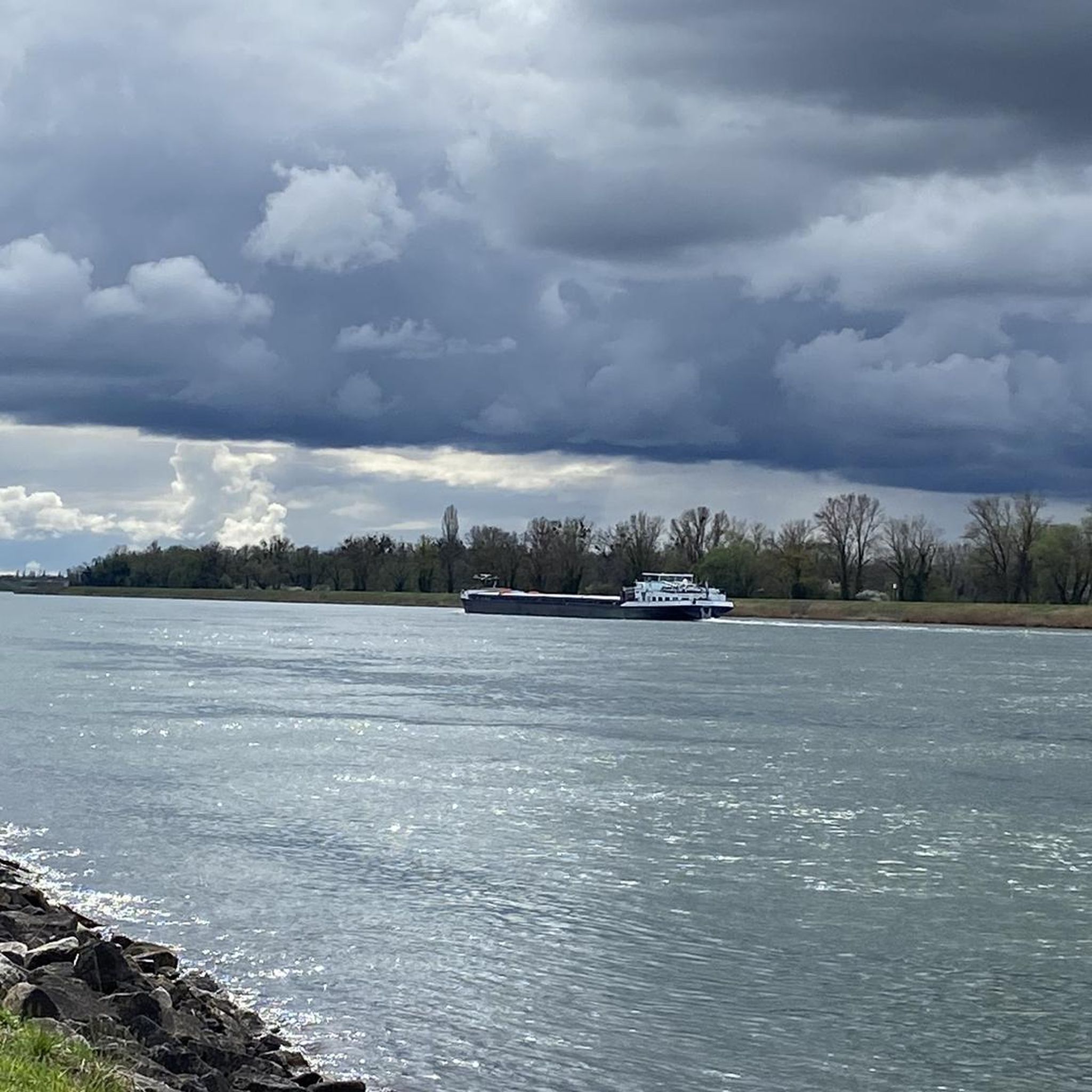
- The most popular natural monument is Gerstheim Rhine Weir, a man-made structure also classified as a natural monument. This…
Last updated: June 4, 2026
Gerstheim Rhine Weir
Highlight • Structure
St. Ulrich's Fountain of Neuried Müllen
Highlight • Natural Monument
Translated by Google •
Tip by

Sign up now to discover places like this
Get recommendations on the best single tracks, peaks, & plenty of other exciting outdoor places.
Sign up for free
Red Azolla Pond on the Old Rhine near Goldscheuer
Highlight • Lake
Of course I made …
Translated by Google •
Tip by

Zigeunerlinde
Highlight • Natural Monument
Translated by Google •
Tip by

Taubergießen Nature Reserve
Highlight • Natural
Translated by Google •
Tip by

Sign up for free to discover even more natural monuments around Nordhausen.
Sign up for free
Already have an account?
Start today with a free account
Your next adventure awaits.
Login or Signup

Tips from the Community


Ancient linden trees here are called "Gypsy Linden" because Gypsies used to gather here hundreds of years ago. A village is said to have once stood here. Concerned local authorities have cordoned off the shady spot to protect it from falling branches.
0
0

According to legend, Saint Ulrich, Bishop of Augsburg from 923 to 973, plunged his crosier into the earth here on his way from Bishop of Strasbourg to Abbot of Schuttern Monastery in the summer heat, causing this spring to spring forth. The spring water was said to have healing properties for various children's illnesses and eye diseases. Today, only the well room remains. In 1981, the well room was restored to a clean condition and fitted with a gate. The memorial stone depicts a relief of Saint Ulrich plunging his crosier into the earth and the bubbling spring.
1
0

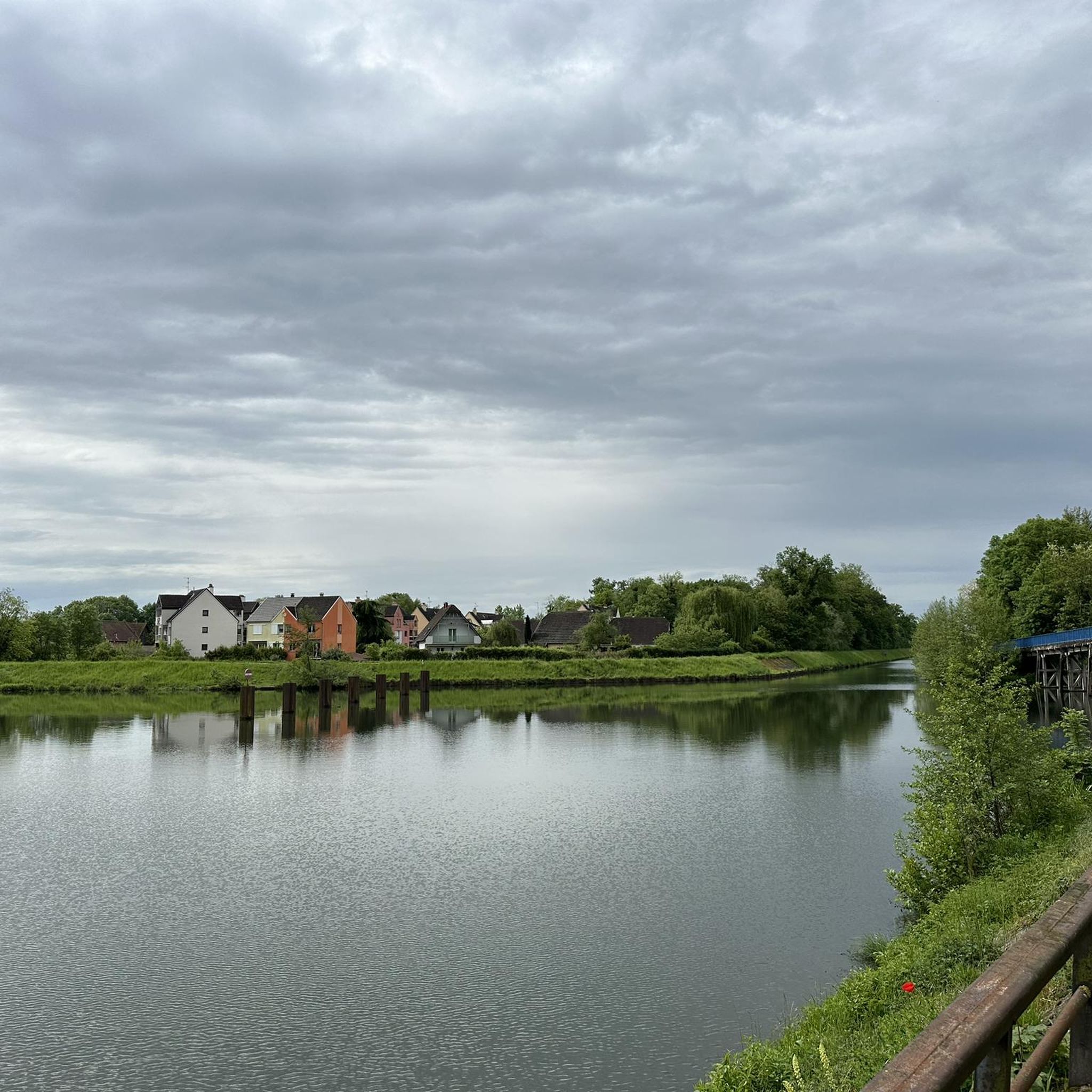
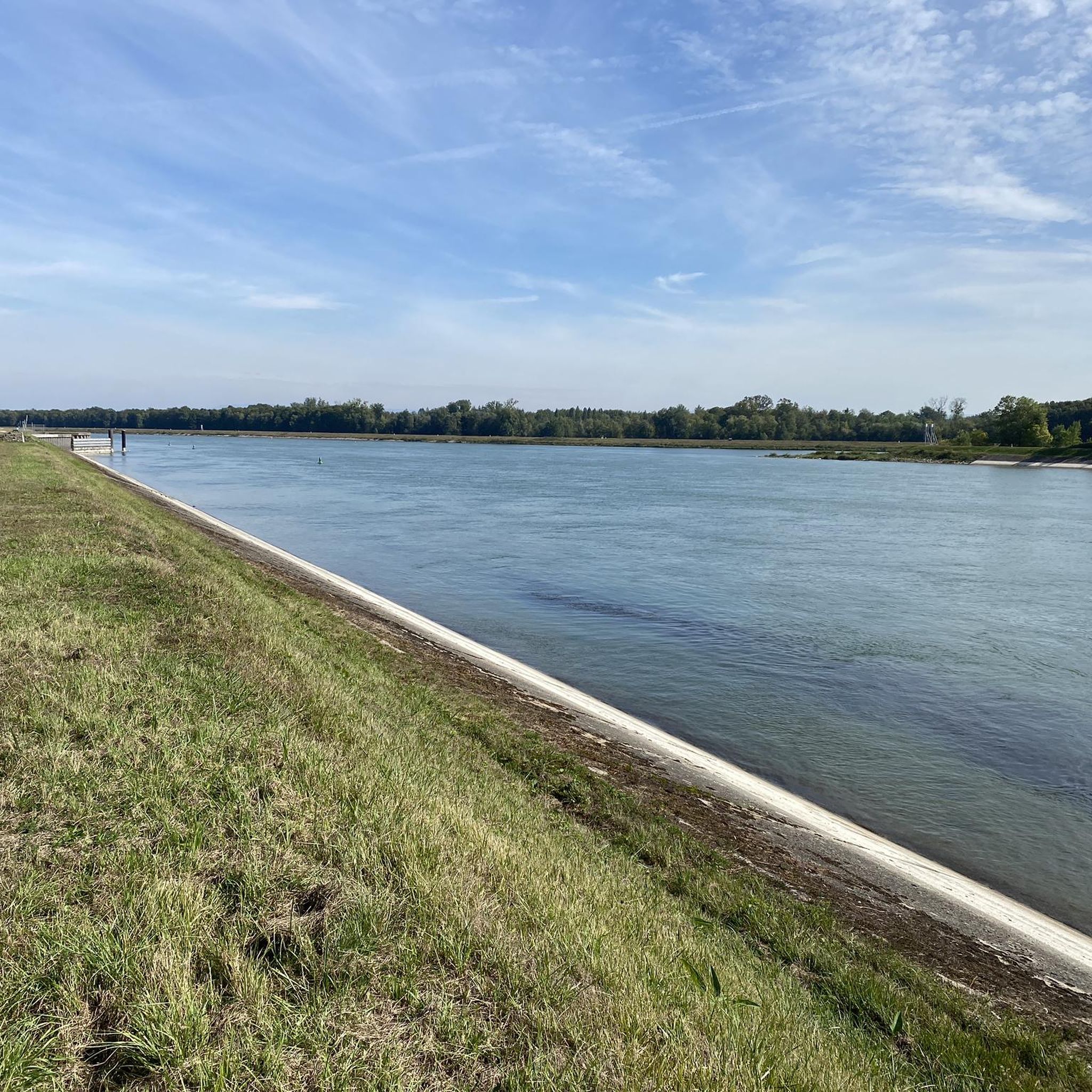
You should really stop here, both at the weir and at the mouth of the Elz.
3
0

Beautiful play of colors in nature
2
0

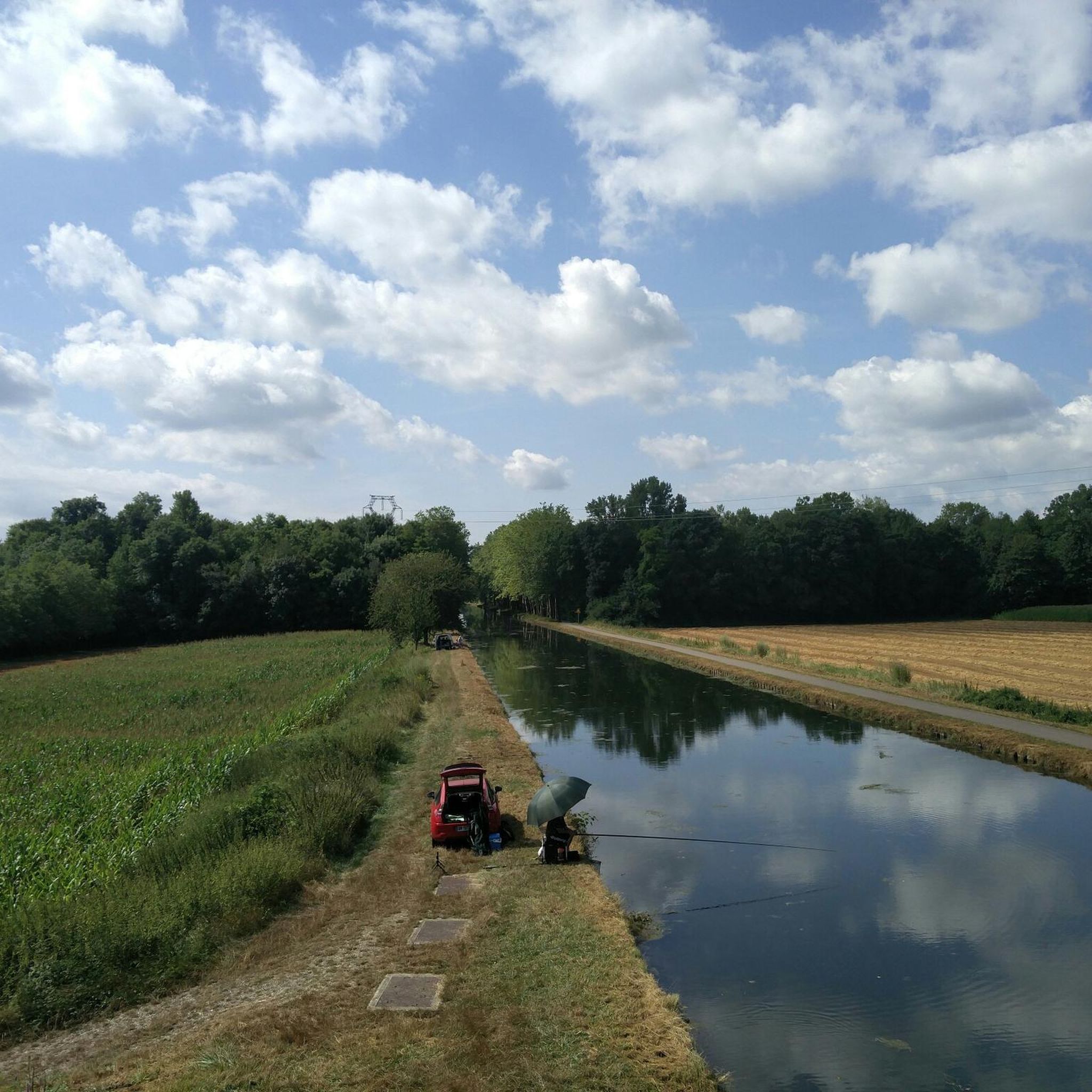
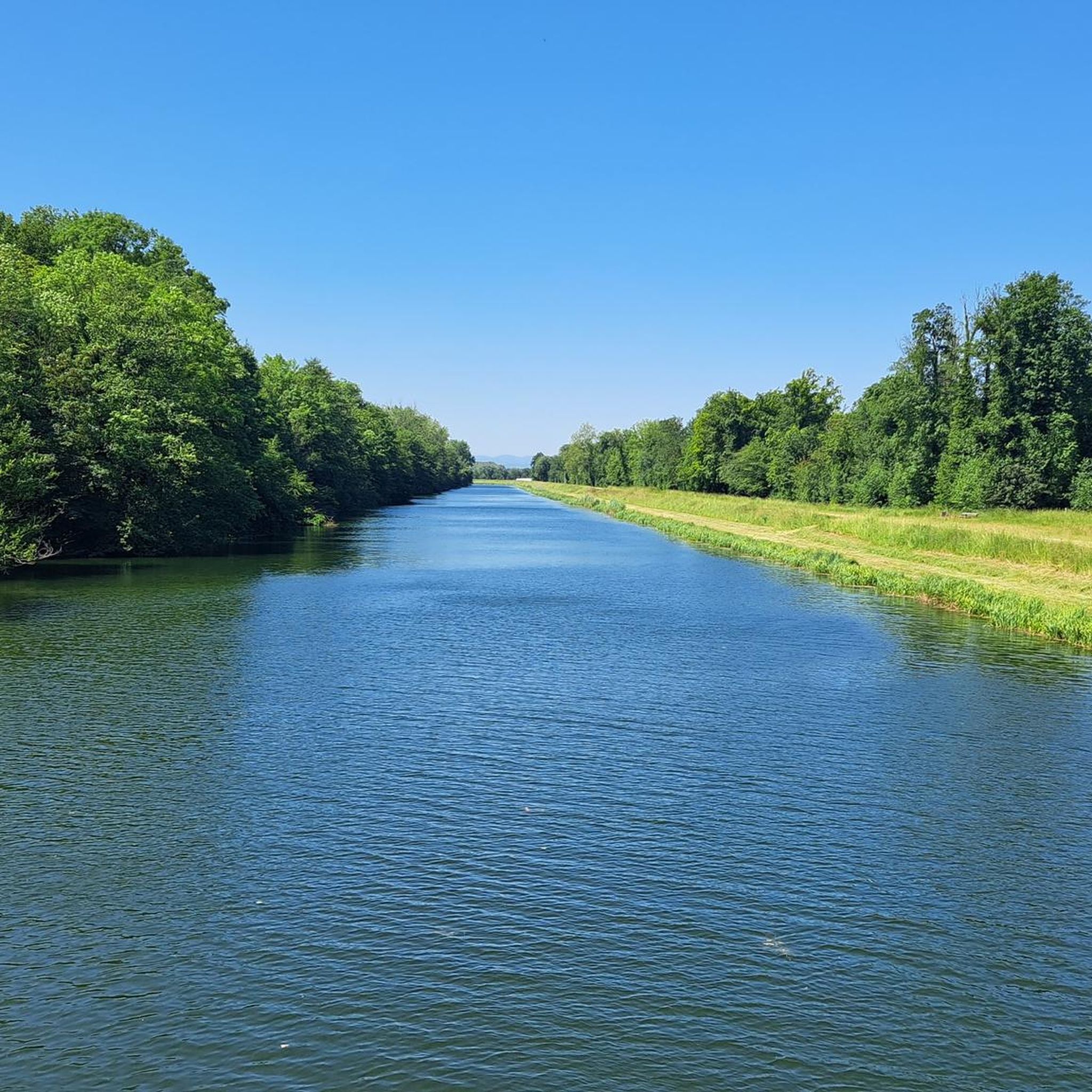
This isn't Tauberguss! This is located south of Kappel.
0
0

Here, right next to the country road, there is an exit down to a fountain.
1
0

Ancient tree, with its 350 to 400 years already seen a lot.
4
0
Frequently Asked Questions
What unique natural features can I explore around Nordhausen?
The Nordhausen region is known for its distinctive karst landscape, particularly in the Southern Harz Mountains. This geological formation creates unique natural experiences. You can also find diverse environments like the Nordhausen gravel pit lakes and the tranquil Stadtpark Nordhausen, which offers a natural retreat within the city.
Are there any natural monuments with historical significance near Nordhausen?
Yes, the region has several natural monuments with historical connections. For instance, the Zigeunerlinde is an ancient linden tree, estimated to be 350 to 400 years old, which served as a historical gathering spot. Additionally, the St. Ulrich's Fountain of Neuried Müllen is a site with a legend dating back to Saint Ulrich in the 10th century, believed to have healing properties.
Which natural monuments offer panoramic views of the landscape?
The Three-valley view (Dreitälerblick) provides stunning panoramic vistas into three distinct valleys: Ilfelder Tal, Kalte Tal, and Brandesbachtal. Another excellent spot is the Red Shot (Rote Schuss), a 505-meter-high mountain of red porphyrite, offering wonderful views of the southern Harz foreland, the karst landscape, and the Kyffhäuser.
Are there family-friendly natural monuments or activities around Nordhausen?
Many natural monuments in the region are suitable for families. The Gerstheim Rhine Weir offers a pleasant spot to pause and enjoy the landscape, while the Taubergießen Nature Reserve is perfect for cycling trips amidst pure nature. The Stadtpark Nordhausen also provides circular paths, ponds, and fountains, ideal for relaxing strolls with children.
What kind of outdoor activities can I do near the natural monuments around Nordhausen?
The area around Nordhausen is excellent for various outdoor activities. You can find numerous routes for hiking, mountain biking, and running. For example, you can explore the Southern Harz Mountains karst landscape on foot or by bike. There are also specific guides for hiking, gravel biking, and road cycling in the Nordhausen area.
Are there specific hiking trails that connect natural monuments?
Yes, several natural monuments are located along established hiking routes. The Reversible Oak (Wendeleiche), the Stiefmutter Shelter and Hundertmorgenwiese Viewpoint, and the Two-Country Oak (Zweiländereiche) are all situated on the long-distance hiking trail known as the Harzer Grenzweg. The Red Shot (Rote Schuss) is also a rewarding detour for those hiking the Harzer Grenzweg.
What is the Red Azolla Pond on the Old Rhine near Goldscheuer?
The Red Azolla Pond on the Old Rhine near Goldscheuer is a unique natural phenomenon featuring red-brown stagnant water, typically 10-15 cm deep. The distinctive color comes from the Algae fern (Azolla filiculoides), also known as fairy moss, creating a striking visual reminiscent of the Australian outback.
How accessible are the natural monuments around Nordhausen?
Many natural monuments are easily accessible. For instance, the Three-valley view (Dreitälerblick) is particularly accessible from the Harzquerbahn Netzkater stop. While specific accessibility details vary, the region generally offers well-maintained paths and viewpoints for visitors to enjoy.
What is the Poppenberg Tower and what does it offer?
The Poppenberg Tower (HWN 92) is often referred to in the context of natural monuments, likely due to its location within a natural setting and the scenic views it offers. It's a popular spot for hikers, providing expansive views of the surrounding landscape and is a common point along various hiking routes in the area.
What do visitors enjoy most about the natural monuments in the Nordhausen region?
Visitors frequently appreciate the pure nature and scenic beauty. Highlights like the Gerstheim Rhine Weir are praised for being a 'very nice place on the Rhine' where it's 'worth pausing and enjoying the great landscape.' The Taubergießen Nature Reserve is described as 'pure nature' and a 'unique nature experience,' making it ideal for cycling. The ancient Zigeunerlinde is valued for its historical significance and age.
Are there any natural monuments that are also stamping points for hiking pins?
Yes, the Stiefmutter Shelter and Hundertmorgenwiese Viewpoint (HWN 164) is a designated stamping point for the Harzer hiking pin. This makes it a popular destination for hikers collecting these stamps along the Harzer Grenzweg.
What is the significance of the Two-Country Oak?
The Two-Country Oak (Zweiländereiche) is a notable natural monument that marks a specific point along the Harz Border Trail. It serves as a historical and geographical marker for hikers exploring the region's boundaries.
Most popular routes around Nordhausen
Most popular attractions around Nordhausen

Get inspired with the komoot mobile app


Explore more
Extend your search for the best caves by checking out these guides of the top ones around Nordhausen:
