Top 3 Natural Monuments around Armentières
Best natural monuments around Armentières offer diverse natural spaces for recreation and connection with nature. The region, while historically industrial, features expansive natural parks, evolving green spaces, and significant historical natural landmarks. These areas provide opportunities for exploring nature trails, observing local fauna, and appreciating botanical diversity.
Best natural monuments around Armentières
- The most popular natural monument is Spanbroekmolen Crater (Pool of Peace), a natural monument and historical site formed by a mine explosion. This crater, 12 meters deep…
Last updated: May 4, 2026
Pool of Peace (Spanbroekmolen Crater)
Highlight • Natural Monument
Translated by Google •
Tip by

Spanbroekmolen Crater (Pool of Peace)
Highlight • Natural Monument
Translated by Google •
Tip by

Sign up now to discover places like this
Get recommendations on the best single tracks, peaks, & plenty of other exciting outdoor places.
Sign up for free
French Monument (Den Engel) — Kemmelberg
Highlight • Monument
The memorial column on top of the Kemmelberg is one of the most important French monuments in the Westhoek. It reminds us of the many French …
Translated by Google •
Tip by

Island of Ireland Peace Park and Round Tower
Highlight • Monument
Translated by Google •
Tip by
Peckham Mine Crater
Highlight • Historical Site
Translated by Google •
Tip by

Start today with a free account
Your next adventure awaits.
Login or Signup

Other adventures around Armentières

Tips from the Community

The Irish Peace Tower is the central monument in the Irish Peace Park in Mesen, West Flanders. The park and the tower were built in memory of the Irish soldiers who were killed, wounded or missing in action during the First World War. The tower, which has a height of 30.5 metres, is designed according to the traditional model of an Irish round tower. Since September 2023, the park has been on the UNESCO World Heritage List.
6
0
An interesting anecdote concerns the explosion of one of the mines on 17 July 1955 by lightning. This mine had not been detonated during the war and was still underground. The explosion created a new crater and reminded the local population of the lasting impact of the war.
6
0
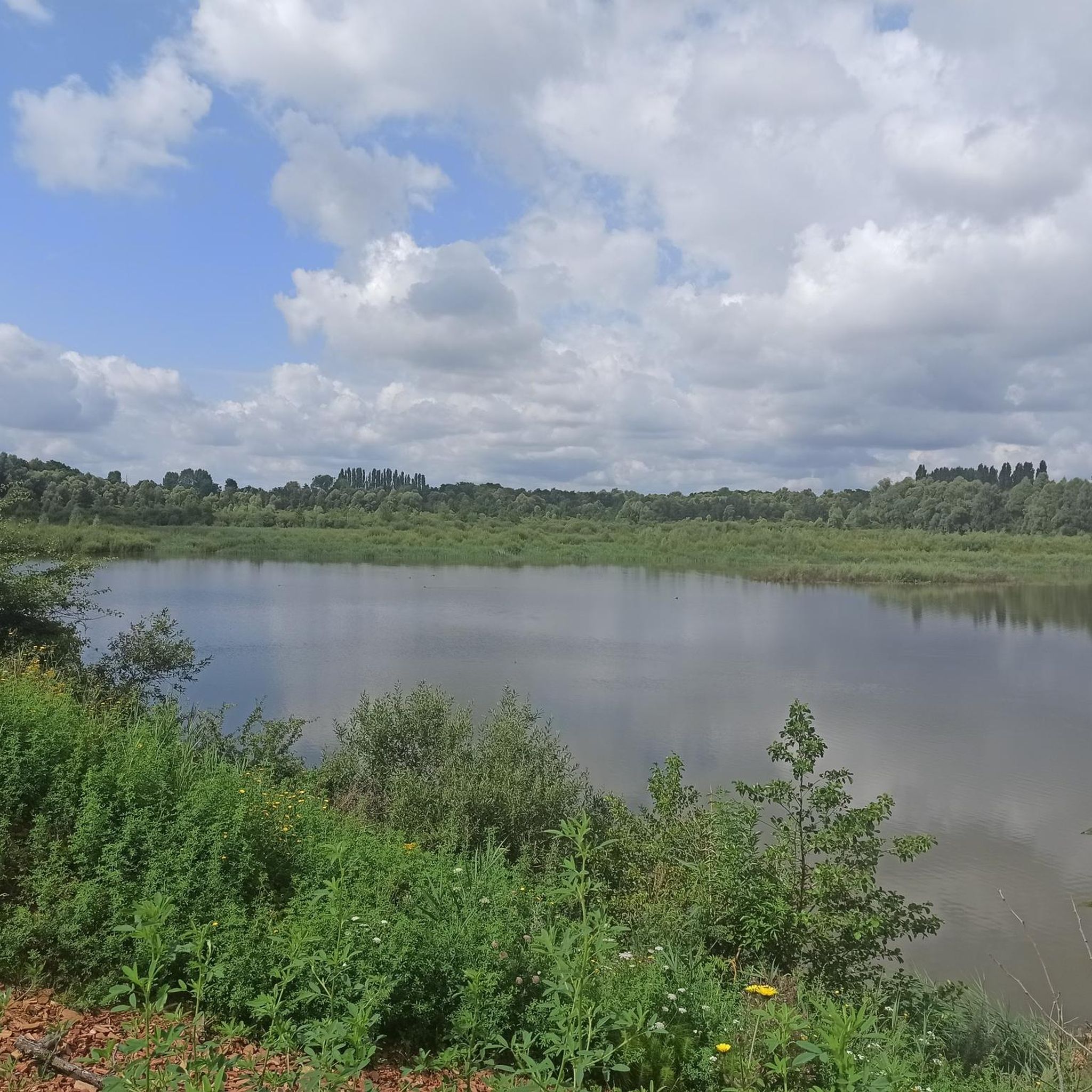
The Spanbroekmolen crater, also known as the Pool of Peace, is an impressive mine crater in Wijtschate. This crater was formed on June 7, 1917, during the Second Battle of Messines, when British troops detonated 19 underground mines. The explosion created a crater 27 meters deep and 129 meters in diameter. After nearly 100 years of erosion, the crater is now a peaceful pool 12 meters deep and 76 meters in diameter.
9
0

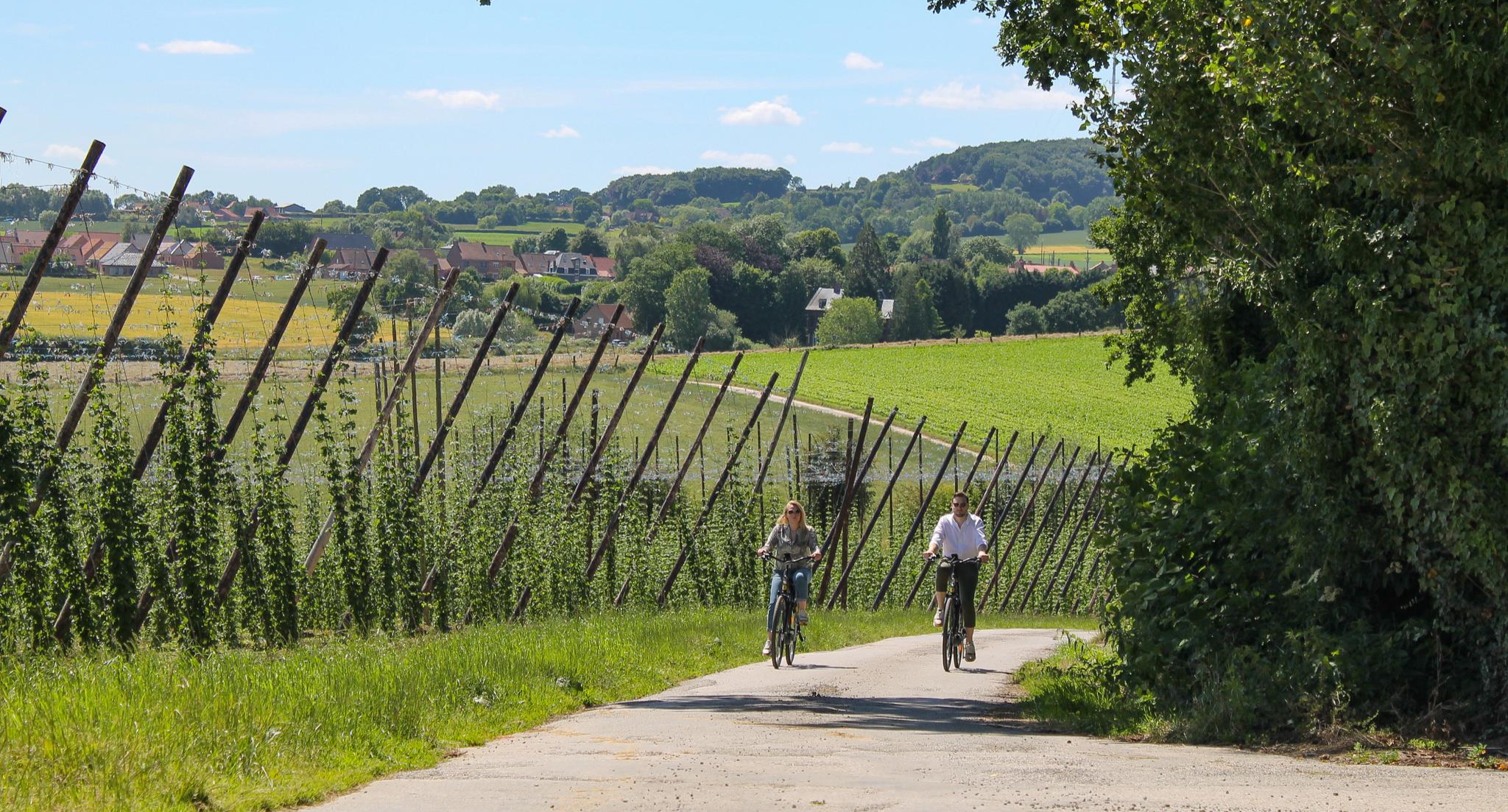
the unmissable cobblestone climb
0
0

Take the time to get off your bike and read the inscriptions on the stones. They tell their own tale.
0
0

A walking path around it stimulates the observation of the surroundings. Due to the high location (76m) one has a good view. It gives an idea of the view that the Germans had over the battlefield. Various landmarks make the spatial filling of the front landscape interpretable: the position of the Pool of Peace shows the advanced German positions, the first 130m on the other side of the Kruisstraat formed the no man's land. (Inventory of Immovable Heritage)
12
0
The mine crater in the grassland on the corner between Wijtschate and Scheerstraat is the result of the explosion of a deep mine from the First World War. Peckham was one of 11 locations on the First World War front where the mine battle was fought. The explosion of 19 deep mines on June 7, 1917 heralded the start of an Allied offensive (third battle of Ypres). The current mine crater at Peckham shows approximately the same dimensions as in 1917 (73m diameter, 14m depth). In 1938, the owner pumped out the crater, with the intention of giving tourists a better view of the original shape of the crater. A journalist testified that the empty crater appeared much larger than when filled. It is unclear how long the crater remained dry. In its natural state, the crater mouth quickly fills with water if it is not continuously pumped empty. (Immovable Heritage Inventory)
11
0

The Monument Aux Soldats Français is a white cement war memorial on the Kemmelberg. It was placed in commemoration of the French soldiers who died there in April 1918 during the Battle of Kemmelberg. It is located near a French mass grave (western flank) containing more than 5,000 French soldiers. The 17 meter high monument was inaugurated on September 18, 1932. A Greek goddess of victory with wings stands against the column on the pedestal. The monument is therefore popularly called Den Engel. The column itself mentions the name of the French units that fought here.
3
0
Frequently Asked Questions
What are the most significant natural monuments to visit around Armentières?
The region around Armentières offers several unique natural monuments. The most prominent is the Pool of Peace (Spanbroekmolen Crater), a poignant historical site now reclaimed by nature. Within Armentières, Les Prés du Hem is an expansive natural park with a large lake, and the Jardin des Portes de France offers an evolving green space with an arboretum and shared orchard.
Are there family-friendly natural monuments in the Armentières area?
Yes, several natural monuments are ideal for families. Les Prés du Hem is highly recommended, featuring a supervised beach for swimming, a barefoot sensory trail, and various recreational activities. The Jardin des Portes de France is also designed as a community space for walking and picnicking, and Les Étangs (Léo Lagrange sports complex) is popular for family strolls.
What kind of historical natural monuments can I explore near Armentières?
The area is rich in historical natural monuments, particularly those related to World War I. The Pool of Peace (Spanbroekmolen Crater) and the Peckham Mine Crater are significant sites. These large craters were formed by mine explosions during the Battle of Messines in 1917 and now stand as peaceful, nature-reclaimed memorials.
What outdoor activities can I do near these natural monuments?
You can enjoy a variety of outdoor activities. For running, explore trails like the 'Baignade loop' or the 'Entrance to Près du Hem – Lys River loop' near Armentières. Cyclists can find numerous routes, including 'On the Front' or 'Mont des Cats – Mont des Cats Abbey loop'. For more options, check out the Running Trails around Armentières, Road Cycling Routes around Armentières, and Traffic-free bike rides around Armentières guides.
Are there any natural monuments with good viewpoints?
Yes, the Pool of Peace (Spanbroekmolen Crater) offers a good view from its elevated location, providing a perspective on the surrounding landscape that was once a battlefield. While primarily a man-made monument, the French Monument (Den Engel) on Kemmelberg also provides excellent panoramic views of the area.
Can I bring my dog to the natural monuments in Armentières?
While some green spaces in Armentières are dog-friendly, such as the 'caniparc' within the Jardin des Portes de France, it's important to note that dogs are generally not permitted in certain protected natural areas like Les Prés du Hem to preserve wildlife. Always check specific site regulations before visiting with your dog.
What kind of wildlife can I expect to see in the natural areas?
Natural areas like Les Prés du Hem, with its ornithological reserve, are excellent for birdwatching. The Parc de la Mitterie is also known for observing wild animals. The Jardin des Portes de France, with its flowered meadow, aims to enhance biodiversity and attract local auxiliary fauna like ladybugs and bees.
Are there any natural monuments suitable for a quiet stroll or picnic?
Absolutely. The Canal District and Quai de la Lys offer peaceful riverside walks, perfect for a relaxing stroll or a summer picnic. Les Étangs (Léo Lagrange sports complex) is another pleasant green area for leisurely walks. The Parc de la Mitterie is also highlighted as an ideal setting for family picnics.
What is the best time of year to visit the natural monuments around Armentières?
Spring and summer are generally ideal for visiting, as the weather is pleasant for outdoor activities and the natural landscapes are in full bloom. This is particularly true for sites like Les Prés du Hem, where water sports and beach activities are popular, and for enjoying the arboretum and flowered meadows of the Jardin des Portes de France.
Are there botanical gardens or places to see rare plants?
Yes, the city's Jardin Botanique (Botanical Garden), located near the Parc de la Mitterie, is noted for housing many rare plant species, offering a chance to appreciate botanical diversity.
How long does it take to visit the main natural monuments?
The duration of your visit depends on the site and your activity. For instance, a visit to the Pool of Peace (Spanbroekmolen Crater) might take an hour or two to explore the site and reflect on its history. Les Prés du Hem, being an expansive park with many activities, could easily fill a half-day or even a full day, especially with family.
Most popular routes around Armentières
Most popular attractions around Armentières

Get inspired with the komoot mobile app


Explore more
Extend your search for the best caves by checking out these guides of the top ones around Armentières:
