Top 5 Natural Monuments around Guesnain
Best natural monuments around Guesnain are found within the Nord-Pas-de-Calais mining basin, a UNESCO World Heritage site. This region features unique natural attractions that have emerged from its industrial past. These re-naturalized former mining landscapes offer biodiversity and recreational opportunities. The area provides a distinct ecosystem where human history and natural development intertwine.
Best natural monuments around Guesnain
- The most popular natural monuments is Terril des Argales, a natural monument that features a layout around a pond, which serves…
Last updated: July 15, 2026
The Big Rock
Highlight • Historical Site
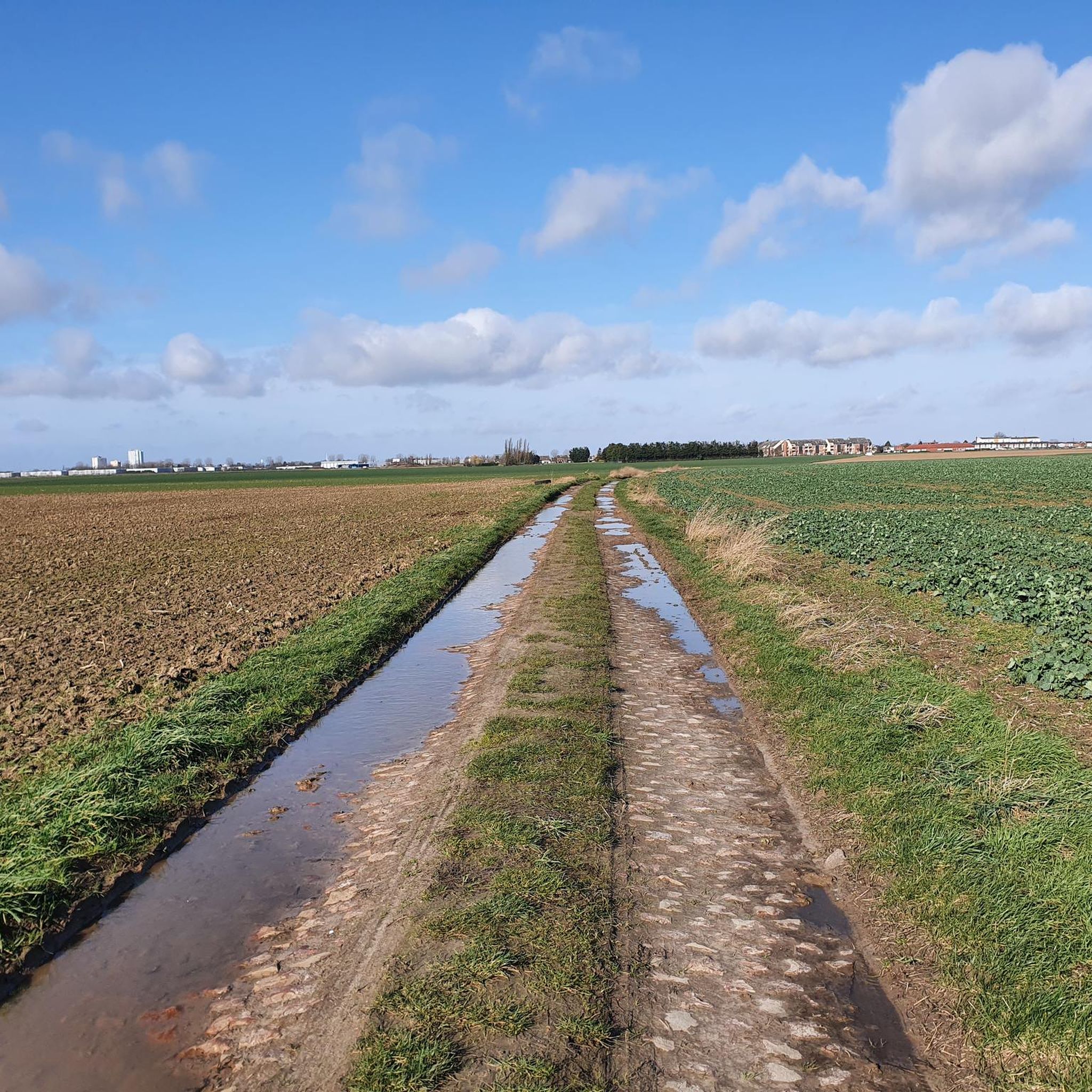
Be careful, the place is very swampy and it is more easily accessible in dry weather 😉.
Translated by Google •
Tip by

the stone that grows
Highlight • Historical Site
Translated by Google •
Tip by
Sign up now to discover places like this
Get recommendations on the best single tracks, peaks, & plenty of other exciting outdoor places.
Sign up for free
Hamel Dolmen or the Sorcerers' Kitchen (Pierre Chavatte)
Highlight • Natural
Connu aussi sous le nom de « Pierre-aux-savates » ou « Cuisine des Sorciers », le dolmen du Bois …
Tip by

Roost-Warendin Slag Heap 138
Highlight • Natural Monument
Translated by Google •
Tip by

Terril 125 of Sainte-Marie
Highlight • Natural Monument
Translated by Google •
Tip by

Sign up for free to discover even more natural monuments around Guesnain.
Sign up for free
Already have an account?
Start today with a free account
Your next adventure awaits.
Login or Signup



Tips from the Community

beautiful mountain bike playground
0
0

The menhir is located in the marsh of Aubigny-au-Bac, on a footpath leading to Brunémont. It is a block of Landenian sandstone 2.90 m high (including 1.48 m above ground) by 2.15 m wide and 0.70 m thick. It is said to have been sunk to about 2.40 m. Shaped like a horse's head, it is associated with a prehistoric megalith despite the absence of evidence.
0
0

not highlighted enough. But it’s a komoot must-have now 🥳
0
0

Mandatory and iconic stopover in the region
1
0

Menhir part of the local history to discover. Be careful, the place is very swampy and it is more easily accessible in dry weather 😉.
1
0
Very beautiful monument of local history to discover during a walk in nature.
1
0

It is a magical place, sheltered in a small clearing, which is accessed by a footbridge. Don't make (too much) noise ...
0
0

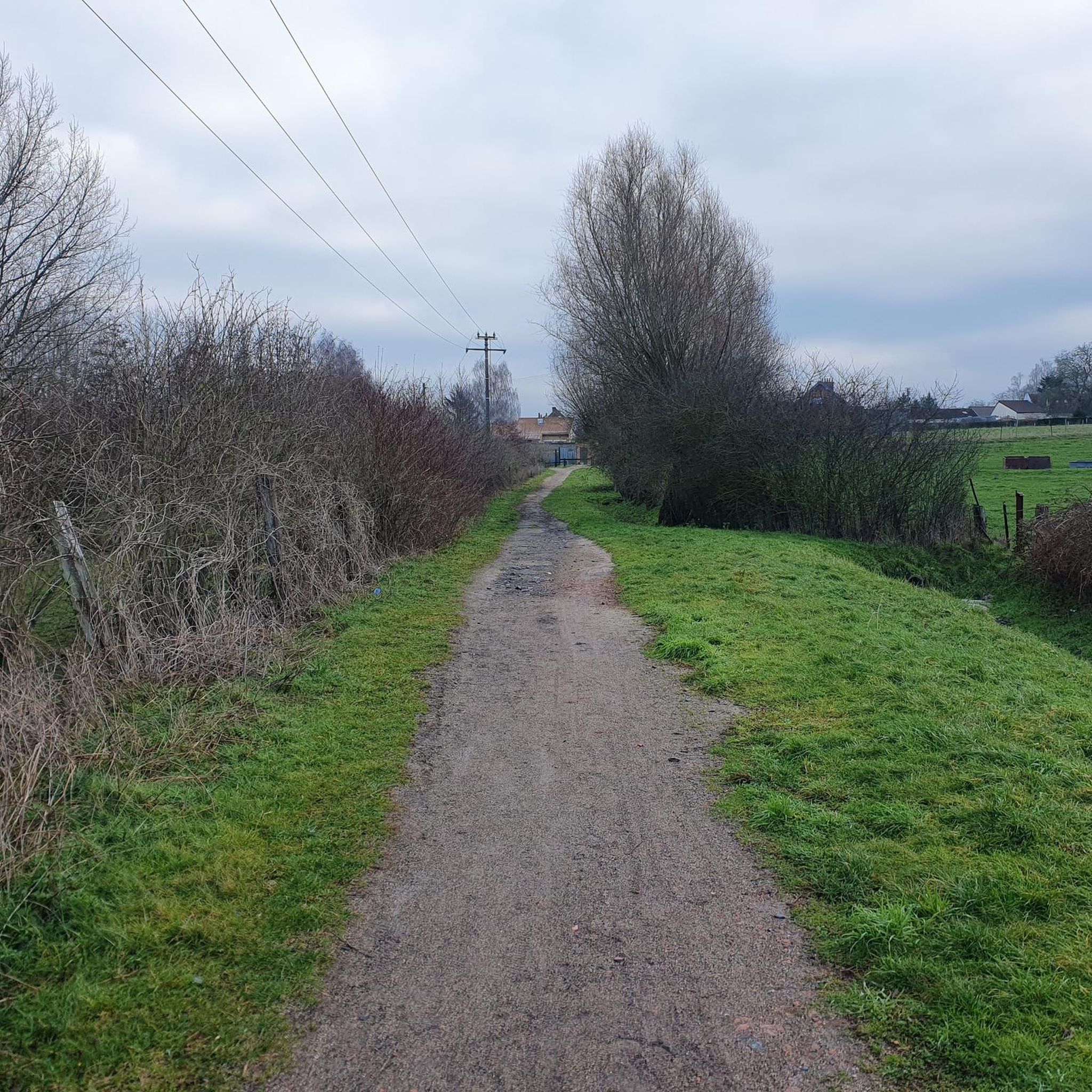
Accessible by gravel if you follow the trail. Please note that the entrance on the Bruille lez Marchiennes side has been blocked off to prevent the passage of cars. it will be necessary to climb some rocks to pass.
2
0
Frequently Asked Questions
What kind of natural features can I expect to see around Guesnain?
The natural monuments around Guesnain are primarily found within the Nord-Pas-de-Calais mining basin, a UNESCO World Heritage site. You'll encounter unique re-naturalized former mining landscapes, such as slag heaps that have transformed into biodiverse areas. Expect to see wetlands, forests, and varied ecosystems that blend industrial heritage with ecological recovery. The region is also home to ancient megalithic sites like menhirs and dolmens.
Are there historical natural monuments in the area?
Yes, the region boasts several historical natural monuments. You can visit the stone that grows, a menhir listed as a historical monument, known for its local legend. Another significant site is The Big Rock, also a menhir dating back to the Neolithic period. Additionally, the Hamel Dolmen or the Sorcerers' Kitchen (Pierre Chavatte) is a rare covered alley from the late Neolithic era, also classified as a historical monument.
What outdoor activities can I do near these natural monuments?
The re-naturalized landscapes offer diverse outdoor activities. You can enjoy hiking, mountain biking, and gravel biking. For specific routes and trails, explore the guides for Hiking around Guesnain, MTB Trails around Guesnain, and Gravel biking around Guesnain.
Are there opportunities for wildlife spotting around Guesnain?
Absolutely. The region's re-naturalized industrial sites have become havens for wildlife. For instance, Terril des Argales features a pond that serves as an ornithological reserve, offering excellent birdwatching opportunities. The Germinies Nord Slag Heap, within the Scarpe-Escaut Regional Nature Park, is celebrated for its rich biodiversity, including 27 rare plant species and a significant nesting ground for the European nightjar.
What is the significance of the slag heaps in the region?
The slag heaps, or 'terrils,' are a defining feature of the Nord-Pas-de-Calais mining basin. They are remnants of the coal mining era that have been remarkably re-naturalized. These 'black mountains' are now vibrant natural environments, many of which are part of the UNESCO World Heritage site. They offer unique ecosystems, panoramic viewpoints, and recreational spaces, showcasing a remarkable transformation of industrial waste into valuable natural assets.
Are there family-friendly natural monuments around Guesnain?
Yes, several natural monuments are suitable for families. the stone that grows, a historical menhir, is located in a small clearing accessed by a footbridge, making it an intriguing and accessible spot for a family walk. The re-naturalized slag heaps often have trails that can be enjoyed by families, offering a blend of nature and history.
What are some popular viewpoints to experience the natural landscape?
For breathtaking views, consider visiting Roost-Warendin Slag Heap 138. Its conical shape rewards hikers with panoramic vistas of the Scarpe valley and the surrounding chain of slag heaps. Terril des Argales also offers different promontories with unobstructed views of the region and its ornithological reserve.
Can I go mountain biking on the slag heaps?
Yes, the re-naturalized slag heaps are popular for mountain biking. Roost-Warendin Slag Heap 138 is known for its numerous single tracks forming a labyrinth among birch trees, with some very steep sections for climbing, making it a great mountain bike playground. The Pâturelles slag heap nearby also features a mountain bike track. You can find more routes in the MTB Trails around Guesnain guide.
What is the Scarpe-Escaut Regional Nature Park and its relevance to Guesnain's natural monuments?
The Scarpe-Escaut Regional Nature Park, France's oldest regional nature park, is a significant natural area near Guesnain. It spans 43,000 hectares, blending natural beauty with industrial heritage. Many of the region's natural monuments, including re-naturalized mining sites like the Germinies Nord Slag Heap, are located within or adjacent to this park. It offers diverse landscapes, from forests and wetlands to former industrial sites managed for biodiversity and recreation, and is recognized as a Ramsar site for its ecological importance.
What do visitors enjoy most about the natural monuments around Guesnain?
Visitors particularly appreciate the unique blend of industrial history and natural beauty. The transformation of slag heaps into biodiverse landscapes, the panoramic views from their summits, and the rich ecological value of sites like the ornithological reserve at Terril des Argales are frequently highlighted. The challenging single tracks for mountain biking at Roost-Warendin Slag Heap 138 are also a favorite among active visitors.
Are there any specific tips for visiting the ancient megalithic sites?
When visiting sites like The Big Rock (menhir of Oisy-le-Verger), be aware that the area can be very swampy, especially during wet weather, which might make access difficult. It's more easily accessible in dry conditions. For the stone that grows, it's described as a magical place in a small clearing, suggesting a peaceful atmosphere to be respected.
Where can I find more information about the UNESCO World Heritage mining basin?
For more details on the UNESCO World Heritage status of the Nord-Pas-de-Calais mining basin, which encompasses many of these natural monuments, you can visit external resources such as visit-douai.co.uk. This provides context on how the region's industrial past has shaped its unique landscape.
Most popular routes around Guesnain
Most popular attractions around Guesnain

Get inspired with the komoot mobile app


Explore more
Extend your search for the best caves by checking out these guides of the top ones around Guesnain:
