Top 4 Natural Monuments around Estrées
Best natural monuments around Estrées include 4 distinct sites. This commune in France is situated in a region known for its historical and natural landmarks, particularly megalithic structures. The landscape offers opportunities to explore ancient human activity and geological formations. These natural monuments provide insight into the area's past and its natural heritage.
Best natural monuments around Estrées
- The most popular natural monument is The Menhir of Lécluse or the Devil's Stone, a historical natural monument classified since 1914. This menhir is known for its legends, including one about the devil's claws, and its significant stature in the region.
- Another must-see spot is the stone that grows, a historical natural monument. This menhir, listed since 1979, is a block of Landenian sandstone nearly 3 meters high, with local tradition stating it continues to grow.
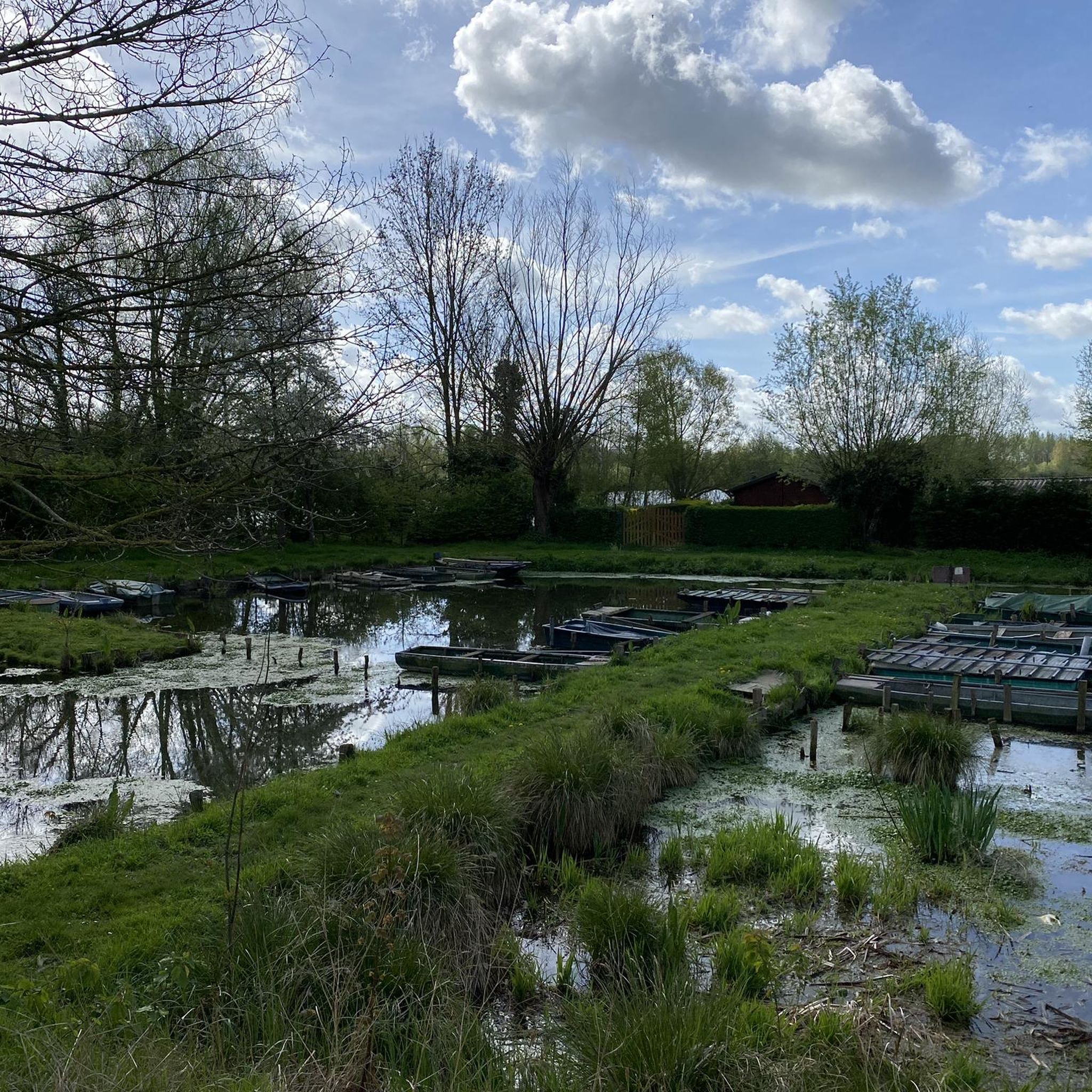
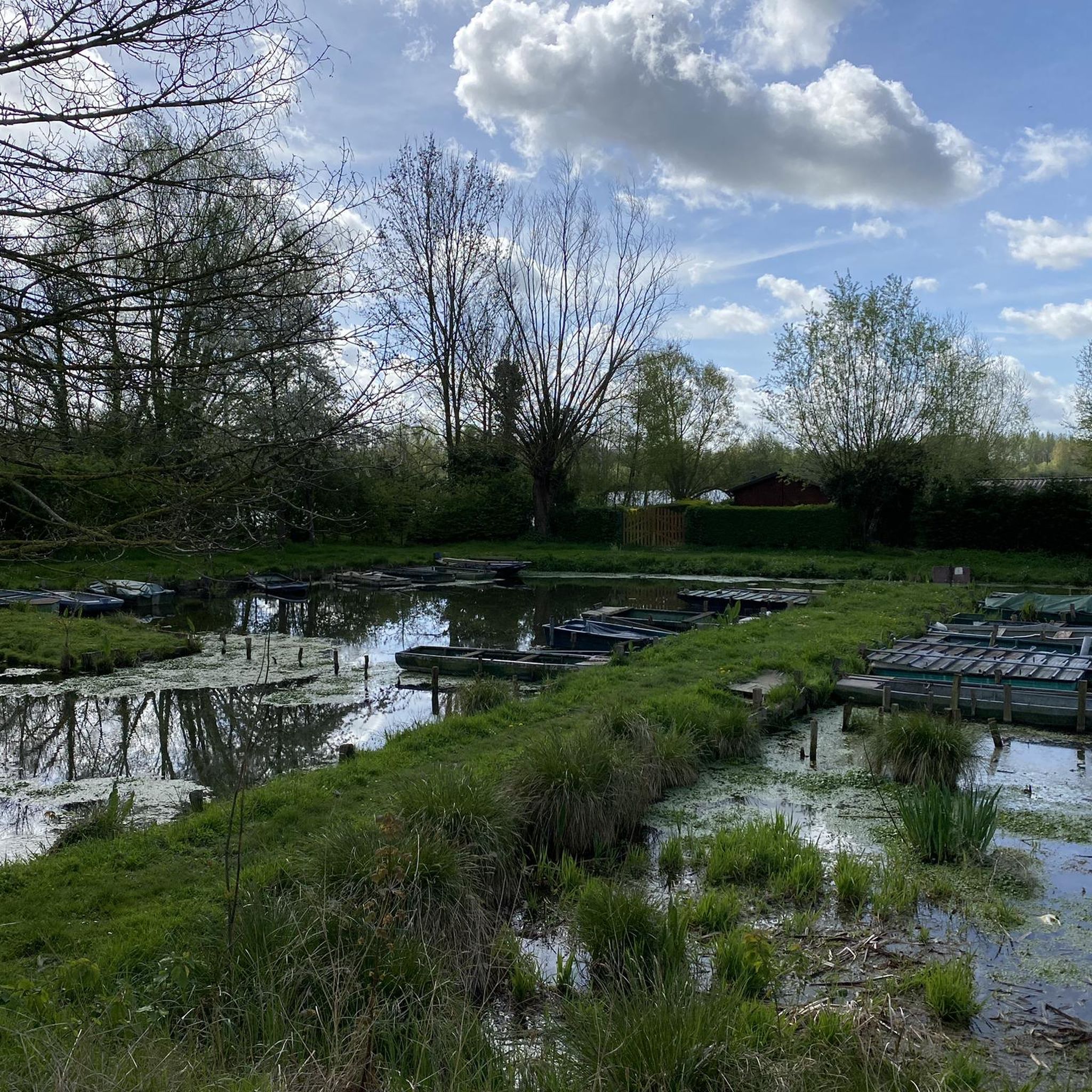
- Visitors also love The Big Rock, a historical natural monument. This menhir, also known as the "big pebble," is located in the marshy terrain of the Sensée valley and is associated with a legend involving a pact with the devil.
- Estrées is known for its megalithic structures and unique geological formations. The area features menhirs and dolmens, offering a variety of natural monuments to see and explore.
- The natural monuments around Estrées are appreciated by the komoot community, with 18 upvotes and 35 photos shared by visitors.
Last updated: May 20, 2026
The Menhir of Lécluse or the Devil's Stone
Highlight • Summit
Translated by Google •
Tip by

The Big Rock
Highlight • Historical Site
Be careful, the place is very swampy and it is more easily accessible in dry weather 😉.
Translated by Google •
Tip by

Sign up now to discover places like this
Get recommendations on the best single tracks, peaks, & plenty of other exciting outdoor places.
Sign up for free
the stone that grows
Highlight • Historical Site
Translated by Google •
Tip by
Hamel Dolmen or the Sorcerers' Kitchen (Pierre Chavatte)
Highlight • Natural
Connu aussi sous le nom de « Pierre-aux-savates » ou « Cuisine des Sorciers », le dolmen du Bois d’Hamel, dans la vallée de la Sensée, est un des rares exemples d’allée couverte encore visible dans notre région. On le date du néolithique final, environ 2800 -2000 av. J.C.
M. Bottin, secrétaire de la société des Sciences de Lille, donna une description détaillée de l'édifice après une visite sur place en 1805. Il comporte alors quatre dalles supports en place mais deux furent renversées par des ouvriers vers 1830.
Il est classé au titre des monuments historiques le 18 avril 1914. L'édifice comporte encore deux orthostates recouverts d'une table de couverture. Cette dernière mesure 3,40 m de longueur sur 2,45 m de large et 0,35 m d'épaisseur. Selon la description de Bottin, il s'agirait d'une allée couverte d'environ 5 m de long sur 1 m à 1,30 m de large, ouvrant vers le sud. Toutes les dalles sont en grès très dur et très fin, de couleur rose clair.
La surface de la table de couverture comporte une douzaine de cavités cylindriques, d'une largeur et d'une profondeur de 7 à 8 cm, dont huit sont prolongées par des rigoles de 10 à 12 cm de longueur qui sont peut-être d'origine naturelle mais dont la régularité et le poli indiquent une intervention humaine. Selon L. Desailly leur disposition correspondrait à une représentation de la constellation de la Grande Ourse. Selon la tradition locale, les pierres n'ont pas été taillées de mains d'homme et elles servaient de cuisine à des sorciers ou de refuge à des êtres malfaisants, appelés Caramaras, et à des bohémiens nomades. L'origine du nom de Pierre Chavatte viendrait soit de chavatte ou chawatte, nom en patois local de la chouette, ou d'une déformation du mois savate, en raison des cavités et sillons visibles sur la table assimilées à des empreintes de talon. Le nom de Cuisine des Sorciers viendrait de ces mêmes cavités cylindriques qui peuvent faire penser à de petits pots
Tip by

Cromlech of Les Sept Bonnettes
Highlight • Historical Site
There are many stories and legends surrounding the Seven Bonnettes of Sailly-en-Ostrevent. The mound is oval, about 5 meters high. The base is about 38 meters long and 28 meters wide. The upper part is just over 10 meters by 9 meters. The top is occupied by 5 stones that are still standing.
Translated by Google •
Tip by

Start today with a free account
Your next adventure awaits.
Login or Signup


Tips from the Community

The menhir is located in the marsh of Aubigny-au-Bac, on a footpath leading to Brunémont. It is a block of Landenian sandstone 2.90 m high (including 1.48 m above ground) by 2.15 m wide and 0.70 m thick. It is said to have been sunk to about 2.40 m. Shaped like a horse's head, it is associated with a prehistoric megalith despite the absence of evidence.
0
0

Mythical place to see!
0
0

not highlighted enough. But it’s a komoot must-have now 🥳
0
0

They are part of the unknown treasures of Arras and the Pays d'Artois. The various megalithic sites are good for a beautiful walk, among mysteries and legends, history and extraordinary landscapes. Set sail for the Scarpe valley and the Sensée valley, in the wake of the megaliths of the Pays d'Artois.
2
0

The story goes that once the people of the country showed the scratches produced, according to legend, by the claws of the demon when he seized the stone. Streaks do indeed appear on two sides of the menhir… But are they the same as before or do they come from the destruction of the stone in 1918
2
0

The Cromlech of Les Bonnettes, also known as the Seven Bonnettes, is a group of seven standing stones located on a knoll in the middle of a field near Sailly-en-Ostrevent in the Pas-de-Calais region of France . The site was classified as a historical monument in 1889. It is thought to be a Tumulus, an ancient burial site dating back at least 2,000 years and dating to before 0 AD. The stones themselves are believed to be much less old. There are many stories and legends surrounding the Seven Bonnettes of Sailly-en-Ostrevent. The mound is oval, about 5 meters high. The base is about 38 meters long and 28 meters wide. The upper part is just over 10 meters by 9 meters. The top is occupied by 5 stones that are still standing.
4
0

Menhir to discover. A descriptive panel is present at the parking lot of the site. Access is by a grassy path, not dented, practicable.
1
0

The site is well maintained, and the history around these megaliths is worthy of Celtic legends 😊... It's the kind of place you visit on vacation... So why not next to the house 😉
2
0
Frequently Asked Questions
What are the most unique natural monuments to visit around Estrées?
Estrées is rich in megalithic structures. You can explore The Menhir of Lécluse or the Devil's Stone, known for its legends and significant stature. Another unique site is the stone that grows, a menhir with a local tradition claiming it continues to increase in size. For a glimpse into prehistoric architecture, visit the Hamel Dolmen or the Sorcerers' Kitchen (Pierre Chavatte), a rare example of a *allée couverte* in the Nord region.
Are there family-friendly natural monuments in the Estrées area?
Yes, several natural monuments are suitable for families. The Menhir of Lécluse or the Devil's Stone and the stone that grows are both categorized as family-friendly. These sites offer an engaging way to introduce children to local history and folklore amidst natural settings.
What kind of historical significance do the natural monuments near Estrées hold?
The natural monuments around Estrées are primarily megalithic structures, offering a deep dive into prehistoric times. Sites like Hamel Dolmen or the Sorcerers' Kitchen (Pierre Chavatte) are ancient covered alleys, dating back to the late Neolithic period. The menhirs, such as The Menhir of Lécluse and The Big Rock, are steeped in local legends involving the devil and other folklore, reflecting centuries of human interaction with these imposing stones.
What outdoor activities can I do near the natural monuments around Estrées?
The area around Estrées offers various outdoor activities. You can find numerous trails for hiking, running, and cycling. Many of these routes pass by or are close to the natural monuments, allowing you to combine historical exploration with physical activity. For example, the marshy terrain near The Big Rock offers a unique landscape for walks, especially in dry weather.
What is the best time to visit the natural monuments in Estrées?
Visiting during dry weather is recommended, especially for sites like The Big Rock, which is located in marshy terrain and can be difficult to access after rain. Spring and autumn generally offer pleasant temperatures for exploring the outdoor sites and trails.
Are there any natural monuments with interesting local legends or folklore?
Absolutely. Many of Estrées' natural monuments are rich in folklore. The Menhir of Lécluse or the Devil's Stone has tales of the devil's claws and a pact with Satan. Similarly, The Big Rock is associated with a legend of the devil being tricked by nuns. The Hamel Dolmen is locally known as 'Cuisine des Sorciers' (Witches' Kitchen) or 'Pierre Chavatte', adding to its mysterious allure.
What kind of natural features can I expect to see around Estrées' monuments?
The natural monuments are often situated within diverse landscapes. You'll find them in open fields, near marshy terrain like the Sensée valley where The Big Rock is located, or sheltered in small clearings accessed by footbridges, as is the case for the stone that grows. The region's natural heritage is intertwined with these ancient structures.
What do visitors enjoy most about the natural monuments in Estrées?
Visitors appreciate the blend of history, mystery, and natural beauty. The komoot community has shared 35 photos and given 18 upvotes, highlighting the unique experience of discovering these ancient megaliths. Many enjoy the sense of stepping back in time and pondering the legends surrounding these sites, often combined with a pleasant walk in nature.
Is the Cromlech of Les Sept Bonnettes worth visiting?
Yes, the Cromlech of Les Sept Bonnettes is a mythical place to see. It's a group of seven standing stones on a knoll, classified as a historical monument since 1889. It's believed to be an ancient burial site, offering a glimpse into the region's deep past and is often compared to Celtic legends.
Are there any challenging natural monuments to visit for experienced hikers?
While many sites are accessible, the area around The Big Rock can be challenging due to its very marshy terrain, especially after rain. This makes the approach more demanding and offers a different kind of adventure for those seeking it.
Can I find cafes or facilities near the natural monuments?
The natural monuments around Estrées are often located in rural settings. While specific cafes directly adjacent to each monument are not common, you will find amenities in the nearby villages and towns. It's advisable to plan your visit with provisions or check local village offerings beforehand.
What should I wear when visiting the natural monuments?
Given that many monuments are in open fields or marshy areas, comfortable walking shoes or hiking boots are highly recommended. Dressing in layers is also advisable to adapt to changing weather conditions, as you'll be outdoors for extended periods.
Most popular routes around Estrées
Most popular attractions around Estrées

Get inspired with the komoot mobile app


Explore more
Extend your search for the best caves by checking out these guides of the top ones around Estrées:
