Top 14 Natural Monuments around Saint-Nazaire
Best natural monuments around Saint-Nazaire encompass a diverse range of landscapes, from extensive marshlands to a rugged coastline. The region features significant natural attractions, including a vast regional natural park and notable prehistoric sites integrated into the natural environment. These sites offer insights into both geological formations and ancient human interaction with the landscape. Saint-Nazaire's natural setting provides varied opportunities for outdoor exploration.
Best natural monuments around Saint-Nazaire
- The most popular natural monuments is Guérande Salt Marshes, a wetland…
Last updated: May 4, 2026
Tumulus of Dissignac
Highlight • Historical Site
Translated by Google •
Tip by

Long Stone
Highlight • Monument
Translated by Google •
Tip by

Sign up now to discover places like this
Get recommendations on the best single tracks, peaks, & plenty of other exciting outdoor places.
Sign up for free
Guérande Salt Marshes
Highlight • Structure
Tip by

Dolmens of Kerbourg
Highlight • Historical Site
Translated by Google •
Tip by

Saint Michael Menhir or Long Stone
Highlight • Beach
Translated by Google •
Tip by

Dolmen de la Joselière
Highlight • Historical Site
This monument consists of a partially preserved square mound with a …
Translated by Google •
Tip by
Pointe de Pen-Bron
Highlight • Natural Monument
Translated by Google •
Tip by

Rock Arch at Pointe du Castelli
Highlight • Natural Monument
Translated by Google •
Tip by
Port of Bréca
Highlight • Natural Monument
We tested them on May 20. It was just awful!
You had to push our bikes in several places where …
Translated by Google •
Tip by

Chemoulin Point
Highlight • Viewpoint
Translated by Google •
Tip by

Sign up for free to discover even more natural monuments around Saint-Nazaire.
Sign up for free
Already have an account?
Start today with a free account
Your next adventure awaits.
Login or Signup
Popular around Saint-Nazaire
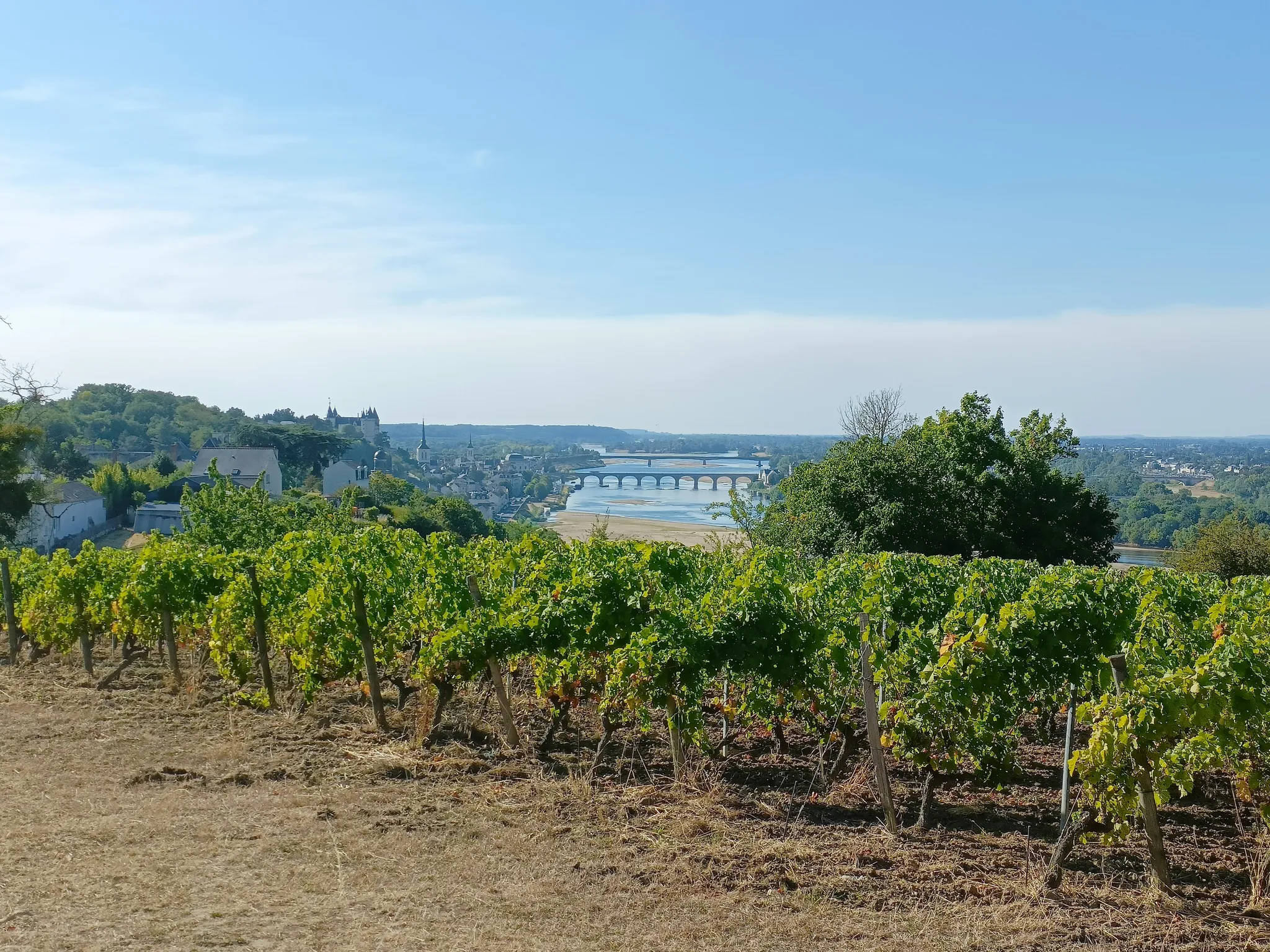
GR3 from the ocean to its source – The Loire, a wild European river
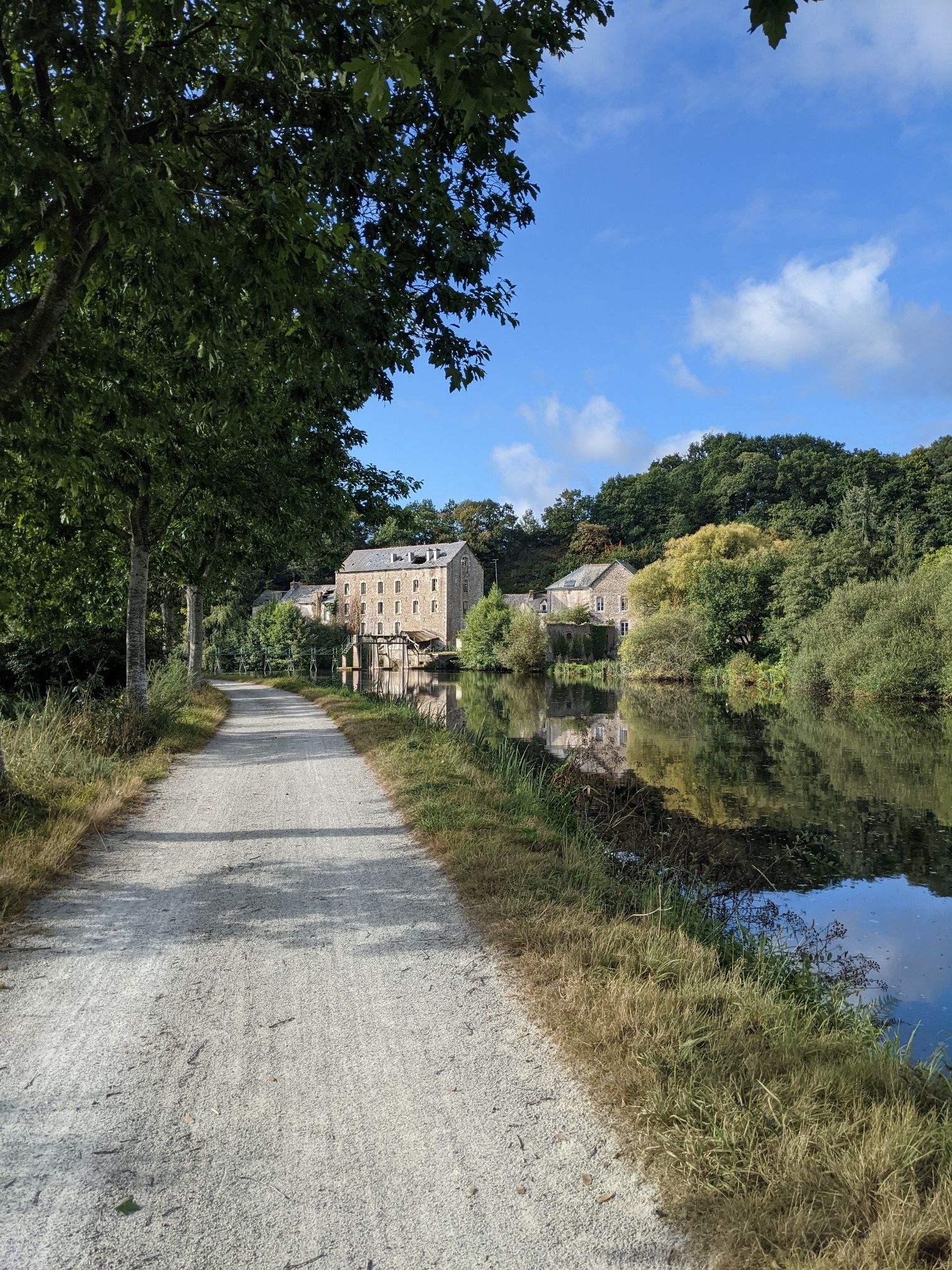
Nantes-Brest Canal – Cycling along Brittany's towpaths
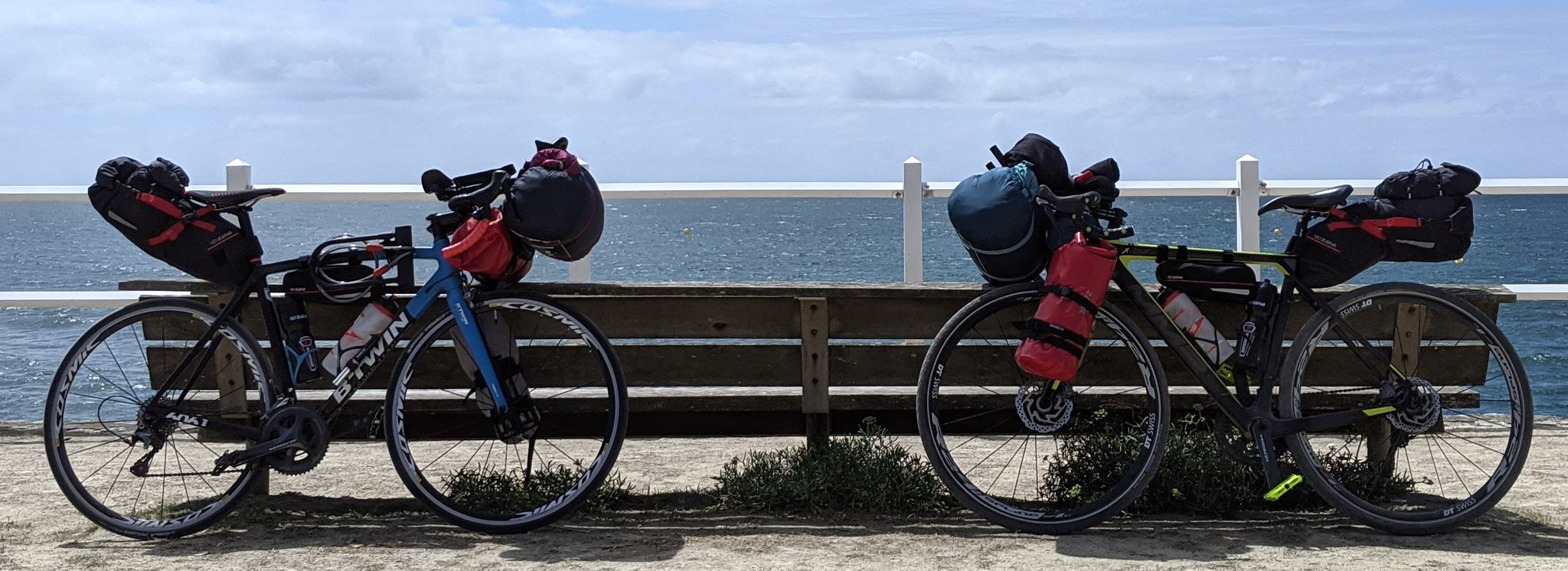
La Vélodyssée — From north to south via the ocean
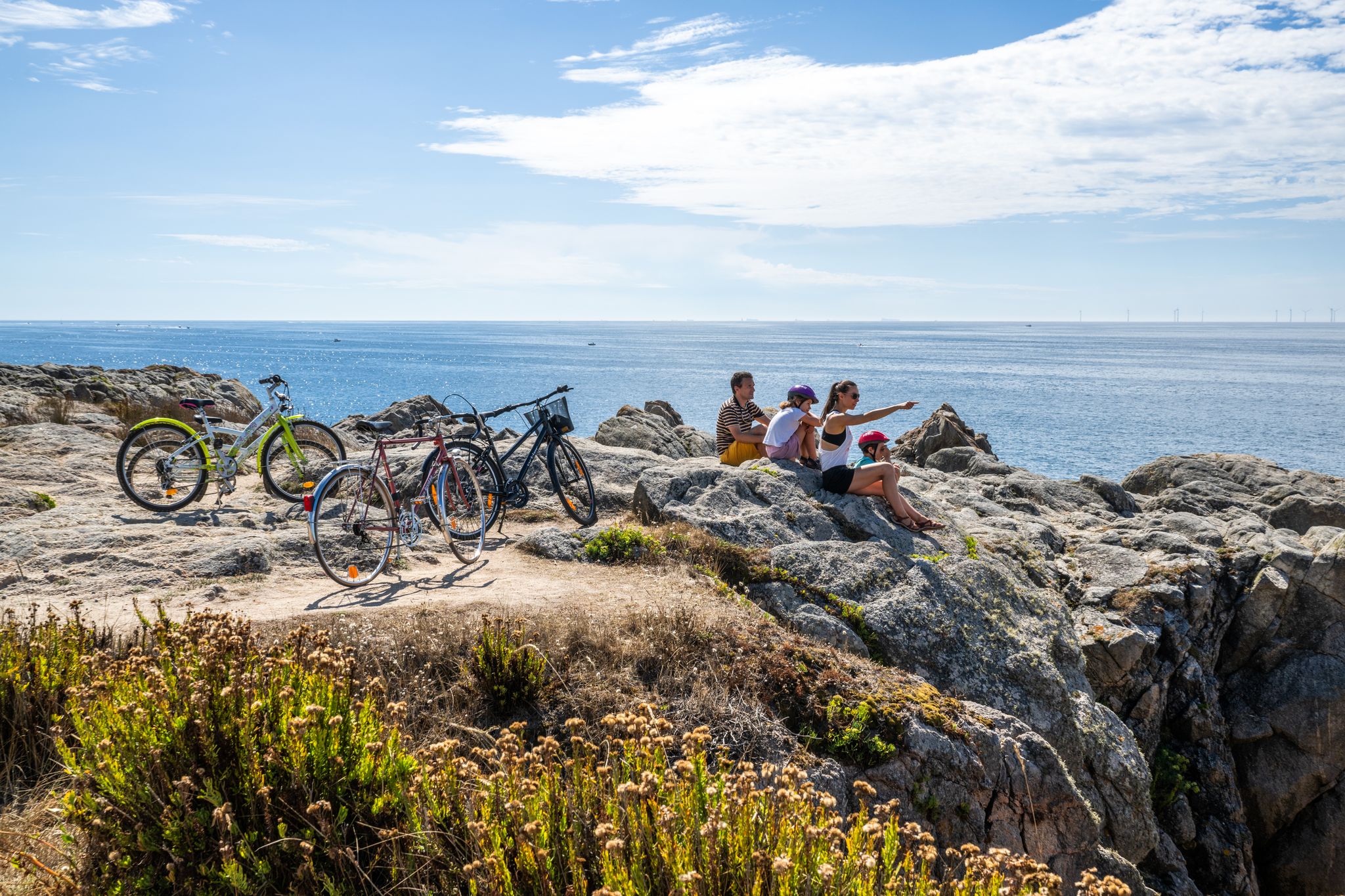
French Atlantic coast – 9 bike Tours from La Baule to Saint-Jean-de-Luz
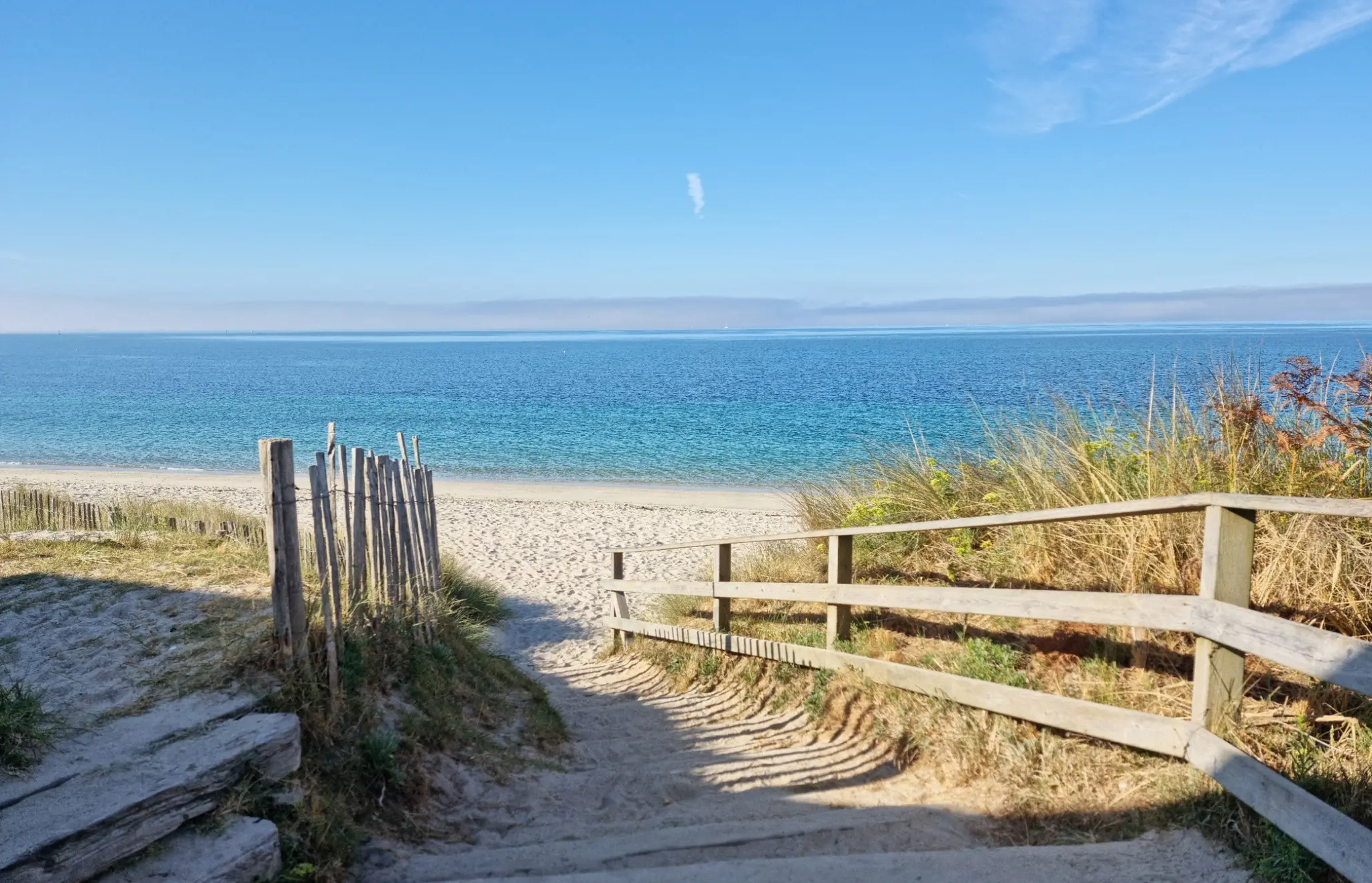
Cycling along the Breton coast - The Coastal (V45)
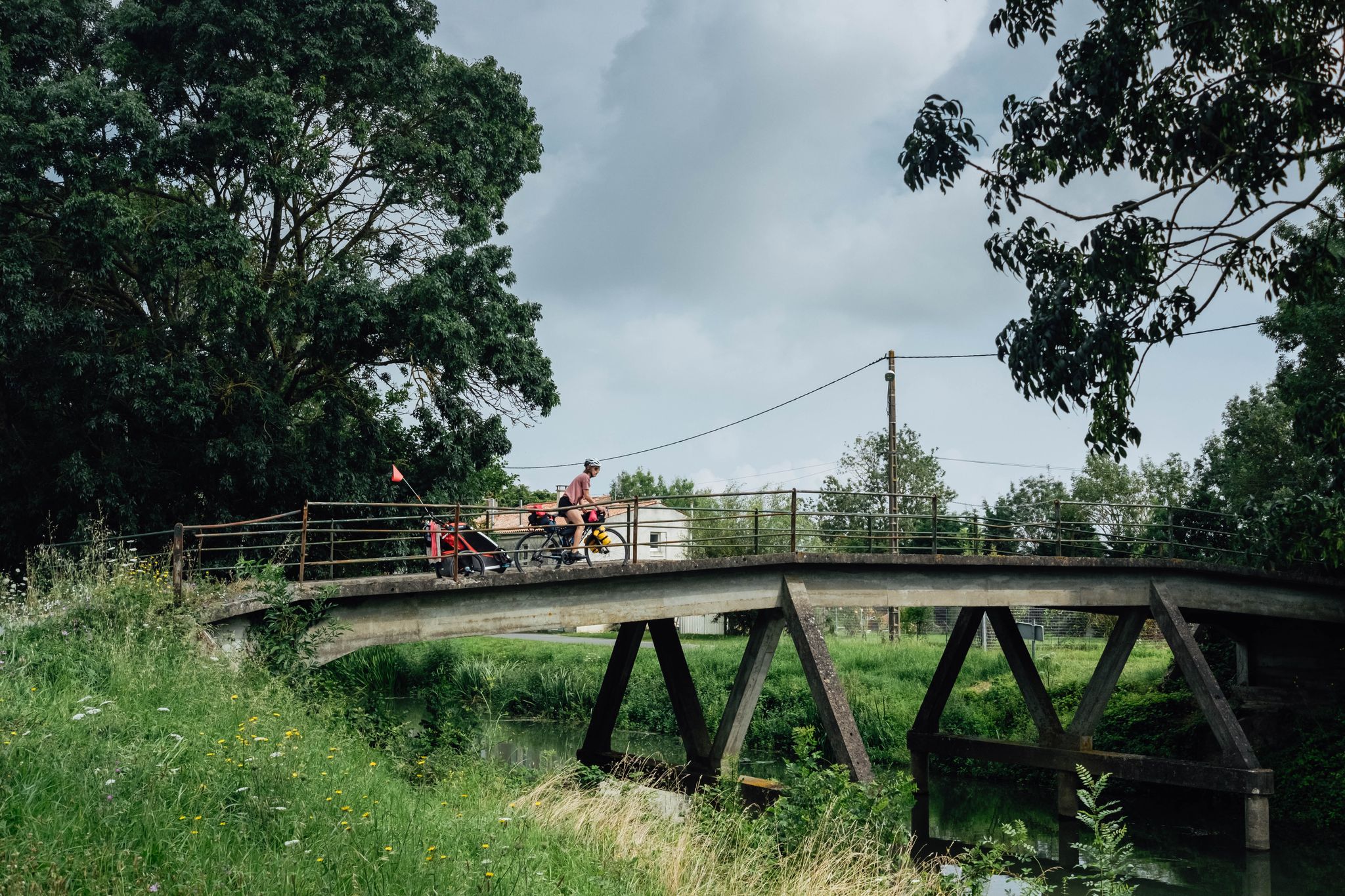
Our first family bike adventure in Western France
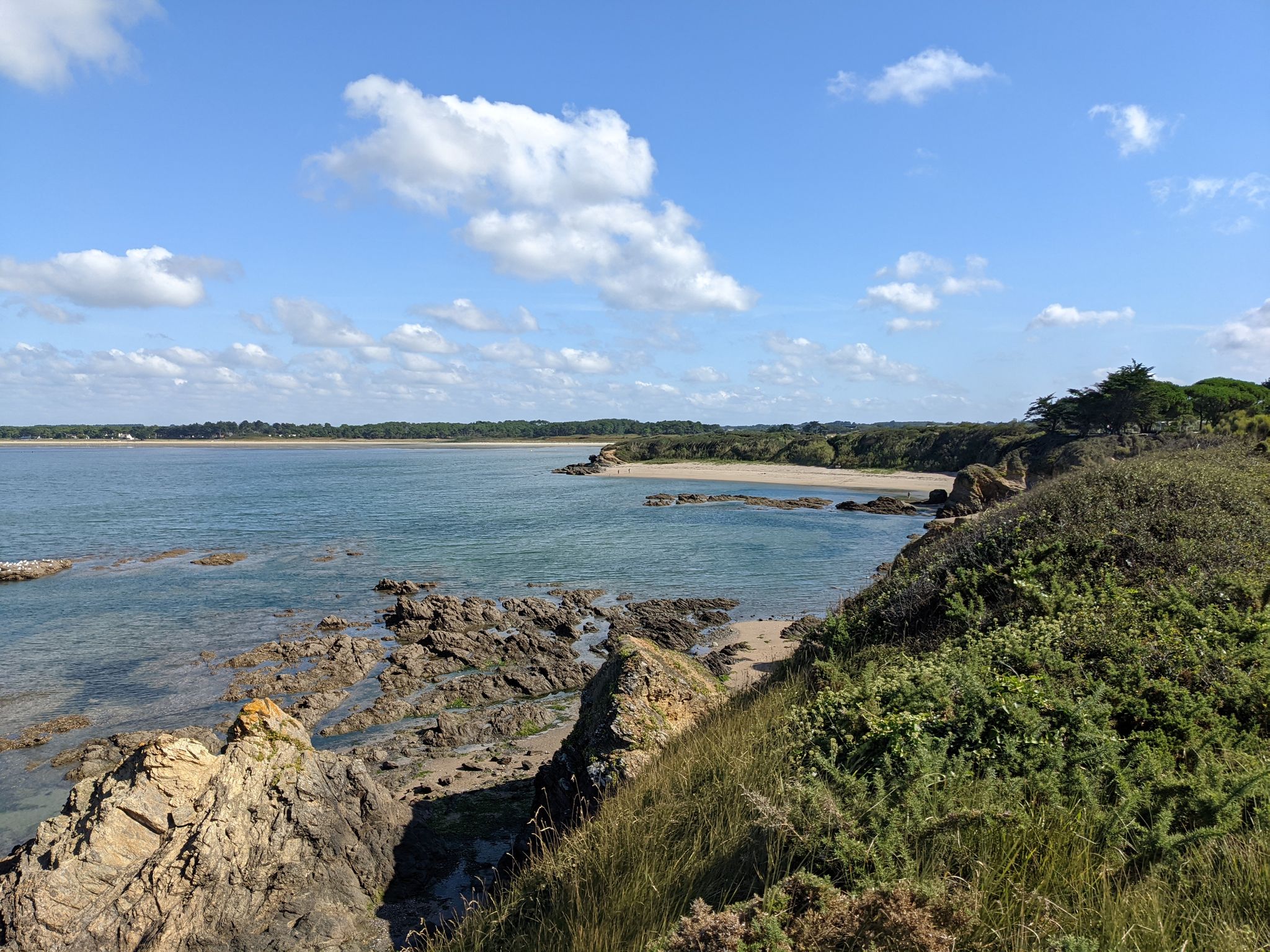
The Customs Officers’ path – GR 34 in Brittany part 2
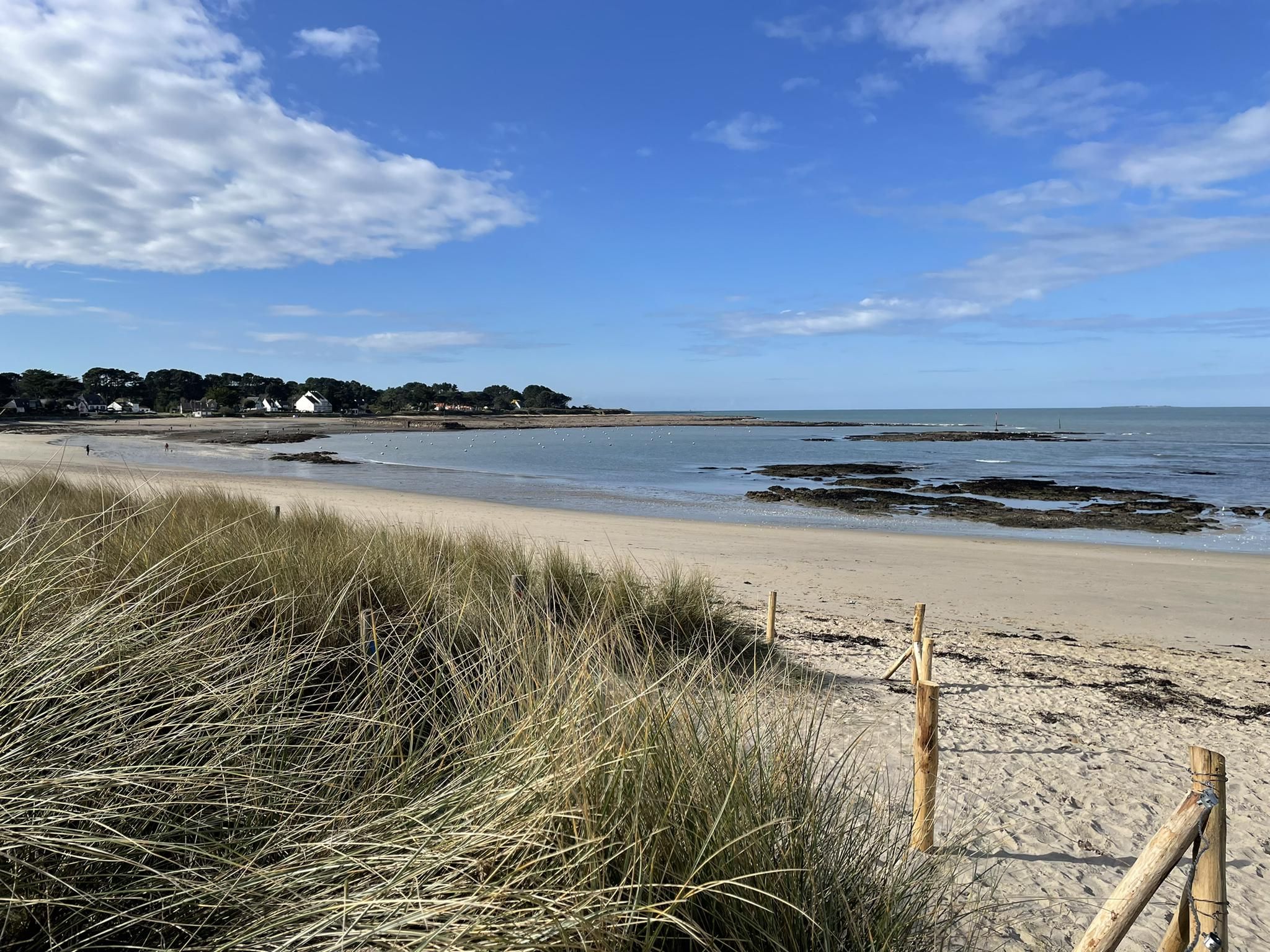
The Customs Officers’ path – GR 34 in Brittany
The Loire from ocean to source — GR3 La Baule-Escoublac to Nantes

Brittany by bike – cycling from Nantes to Mont-Saint-Michel
Other adventures around Saint-Nazaire


Tips from the Community


This megalithic tomb, built around 4300 BC, is the oldest monument in Loire Atlantique, dating back over 6,000 years.
0
0


Actually, it's more of an allée couverte—but I don't even want to know what Komoot translates into. Fifty meters further on, there's a second collapsed dolmen.
1
0
A small additional highlight on the beautiful path along the Côte Sauvage.
0
0

The menhir stands on a rock called the Tombeau du Diable, which itself covers the Trou du Diable. The rock is said to be the one where Saint-Michel confronted and defeated the Devil. According to legend, a treasure was buried at its foot by a child or a salt worker after having stolen it from the Korrigans cave, on the wild coast of Pouliguen. Until the 1870s-80s, tradition dictated that young girls from the village would come to consult this menhir around August 15. Through rounds and songs around the Long Stone, they asked for their projects to come true, including marriage. If by misfortune one of the dancers touched the stone, she would not get married within the year
0
1

Impressive dimensions. It is hidden away in a dead end street and absolutely worth seeing. In the immediate vicinity there is another dolmen, a pretty old mill and great little houses with thatched roofs.
0
0

The Pierre Longue or Signal menhir is a menhir located in the commune of Le Croisic, in the French department of Loire-Atlantique. https://fr.m.wikipedia.org/wiki/Pierre_Longue_(Le_Croisic)
0
0
Frequently Asked Questions
What are the most prominent natural features to explore around Saint-Nazaire?
The region offers diverse natural features, including the vast Brière Regional Natural Park, France's second-largest marshland, and a stunning coastline with over 20 beaches and coves. Key natural monuments include the Guérande Salt Marshes, known for their unique ecosystem, and Pointe de Pen-Bron, a sandy peninsula featuring the largest natural dune in the department.
Are there any historical or archaeological natural monuments in the area?
Yes, the region is home to significant prehistoric sites intertwined with the natural landscape. The Tumulus of Dissignac is a vast burial site dating back 6,000 years, offering a glimpse into ancient human presence. Other notable megalithic structures include the Dolmen de la Joselière and the Menhir of La Pierre Attelée, which are also considered natural monuments.
What outdoor activities can I do near these natural monuments?
You can enjoy a variety of outdoor activities. The Brière Regional Natural Park is ideal for exploring by foot, bike, or traditional flat-bottomed boat, with excellent birdwatching opportunities. The Saint-Nazaire coastline offers swimming, sunbathing, and watersports. For cycling enthusiasts, there are numerous routes, including gravel biking, road cycling, and MTB trails around Saint-Nazaire.
Are there family-friendly natural monuments around Saint-Nazaire?
Many natural monuments are suitable for families. The Brière Regional Natural Park offers boat tours and wildlife observation, which can be engaging for all ages. The beaches along the Saint-Nazaire coastline, such as those in Saint-Marc-sur-Mer, are perfect for family outings. Urban green spaces like the Parc Paysager and Jardin des Plantes also provide peaceful retreats with playgrounds and serene lakes.
What is the best way to explore the Brière Regional Natural Park?
The Brière Regional Natural Park is best explored by traditional flat-bottomed boat, allowing you to navigate its intricate network of canals and floodplains. You can also explore by foot or bike on designated trails. Birdwatching, especially at dusk, is a popular activity, with observation points available at the Pierre Constant Regional Nature Reserve within the park.
What kind of views can I expect from the coastal natural monuments?
The coastline around Saint-Nazaire offers breathtaking sea views. From Chemoulin Point, you can enjoy a 180° panorama from Pouliguen to Saint-Brévin. The GR®34 coastal path provides extensive walking opportunities with stunning vistas of the ocean and rugged cliffs, such as those near the Rock Arch at Pointe du Castelli.
Are there any natural monuments that are particularly good for hiking?
The GR®34 coastal path, also known as the 'Customs Officers' Path,' runs along the Saint-Nazaire waterfront and is ideal for hikers, offering extensive walking opportunities with sea views. While some paths can be challenging, such as those near the Port of Bréca which can be muddy in certain seasons, many coastal trails provide enjoyable walks.
What do visitors enjoy most about the natural monuments in Saint-Nazaire?
Visitors often appreciate the unique sense of calm and silence found in the Brière marshes, the diverse landscapes from wetlands to rugged coastlines, and the rich history embedded in sites like the Tumulus of Dissignac. The opportunity to witness local biodiversity and enjoy serene natural beauty is frequently highlighted.
When is the best time to visit the natural monuments around Saint-Nazaire?
The summer months (July and August) are ideal for visiting historical sites like the Tumulus of Dissignac, as guided tours are typically available then. For general outdoor activities and enjoying the coastline, the warmer months offer pleasant weather. Birdwatching in the Brière Regional Natural Park can be particularly rewarding at dusk.
Are there any urban green spaces or parks within Saint-Nazaire itself that are considered natural monuments?
Saint-Nazaire dedicates a significant portion of its urban space to greenery. While not always formally designated 'natural monuments,' places like the Parc Paysager (Landscape Park) and the Jardin des Plantes (Botanical Garden) offer important natural retreats. The Bois de Porcé (Porcé Wood) also provides wooded, hilly areas with shaded walks, contributing to the city's natural heritage.
Can I visit the Tumulus of Dissignac without a guided tour?
While the Tumulus of Dissignac is a significant site, a guided tour is highly recommended to fully appreciate its history and context. These tours typically take place in July and August. It's advisable to book in advance to ensure access and a comprehensive experience.
What is special about the <a href="https://www.komoot.com/highlight/2674441" target="_blank" rel="noopener">Long Stone</a>?
The Long Stone is a notable man-made monument situated along the coast, often considered a natural monument due to its integration with the cliff and coastal landscape. It offers a blend of historical significance and natural beauty, providing a unique point of interest for visitors exploring the Saint-Nazaire coastline.
Most popular routes around Saint-Nazaire
Most popular attractions around Saint-Nazaire

Get inspired with the komoot mobile app


Didn’t find what you were looking for?
Find even more amazing natural monuments around Saint-Nazaire by checking out the top Highlights region by region:
Explore more
Extend your search for the best caves by checking out these guides of the top ones around Saint-Nazaire:
