Top 3 Natural Monuments around Tulle
Best natural monuments around Tulle are found within a diverse natural landscape in the Corrèze department of France. The region features significant geological formations, extensive forests, and a network of rivers carving out impressive gorges. These natural sites contribute to the area's ecological importance and offer varied outdoor experiences. The landscape is characterized by its unspoilt character, with areas recognized for their biodiversity and scenic beauty.
Best natural monuments around Tulle
- The most popular natural monument is Druids' Stone,…
Last updated: May 20, 2026
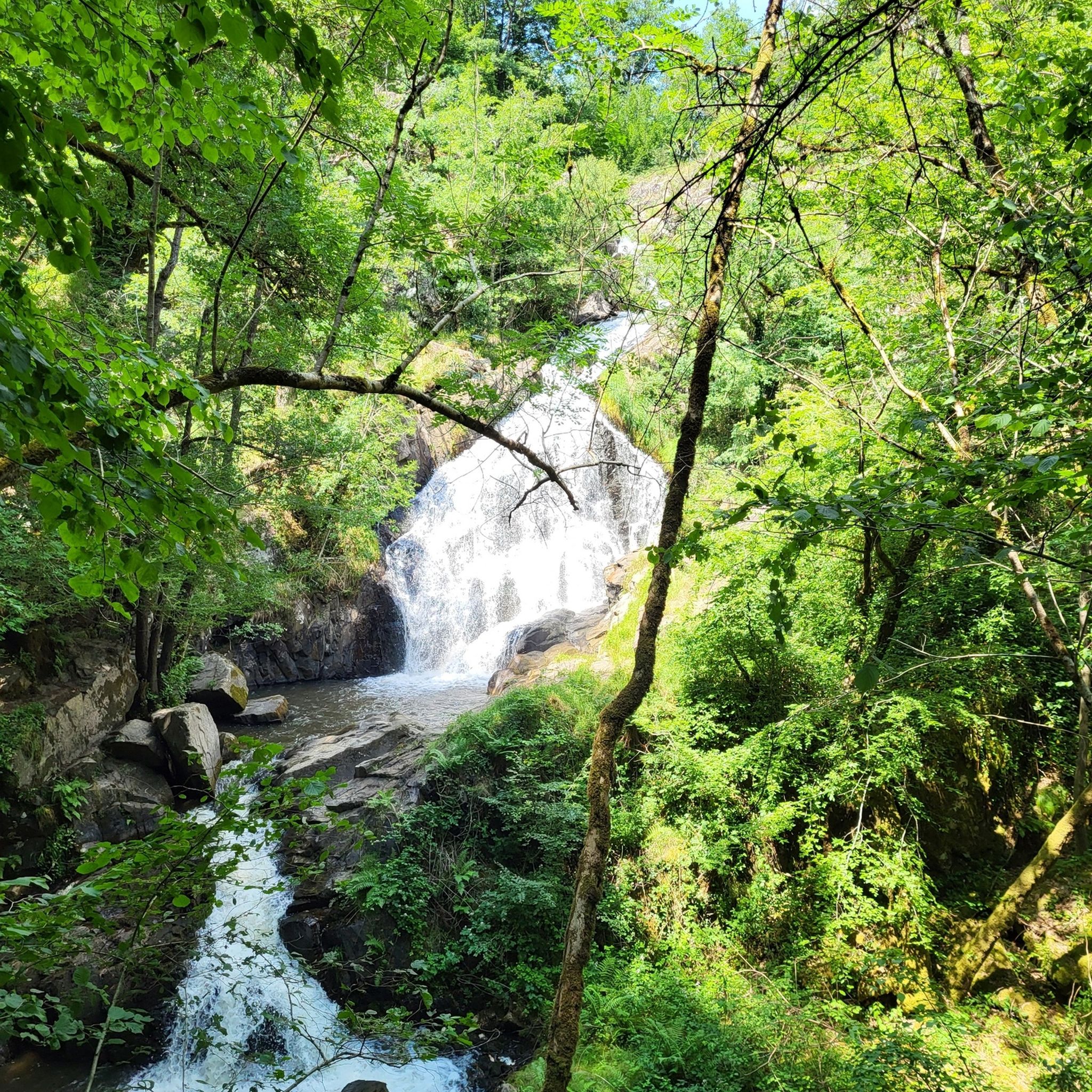
Cascades de Gimel
Highlight (Segment) • Waterfall
Translated by Google •
Tip by

View from Suc au May
Highlight • Viewpoint
Translated by Google •
Tip by

Sign up now to discover places like this
Get recommendations on the best single tracks, peaks, & plenty of other exciting outdoor places.
Sign up for free
Druids' Stone
Highlight • Natural Monument
Translated by Google •
Tip by

Argentat‑sur‑Dordogne Departmental Biodiversity Reserve
Highlight • Natural
Translated by Google •
Tip by

Roc du Busatier Viewpoint
Highlight • Viewpoint
Translated by Google •
Tip by

Start today with a free account
Your next adventure awaits.
Login or Signup
Popular around Tulle
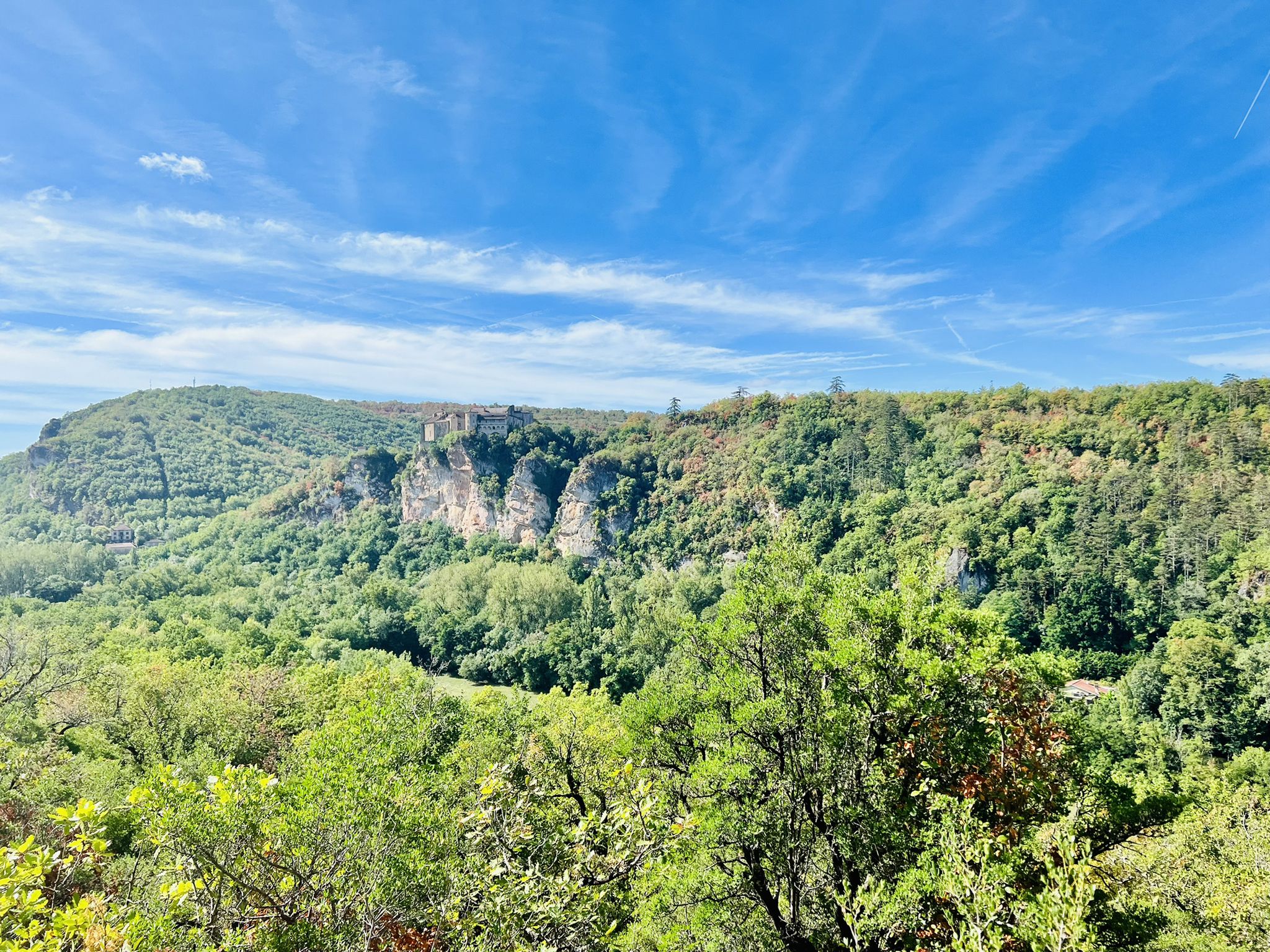
GR 46 — The Truant School
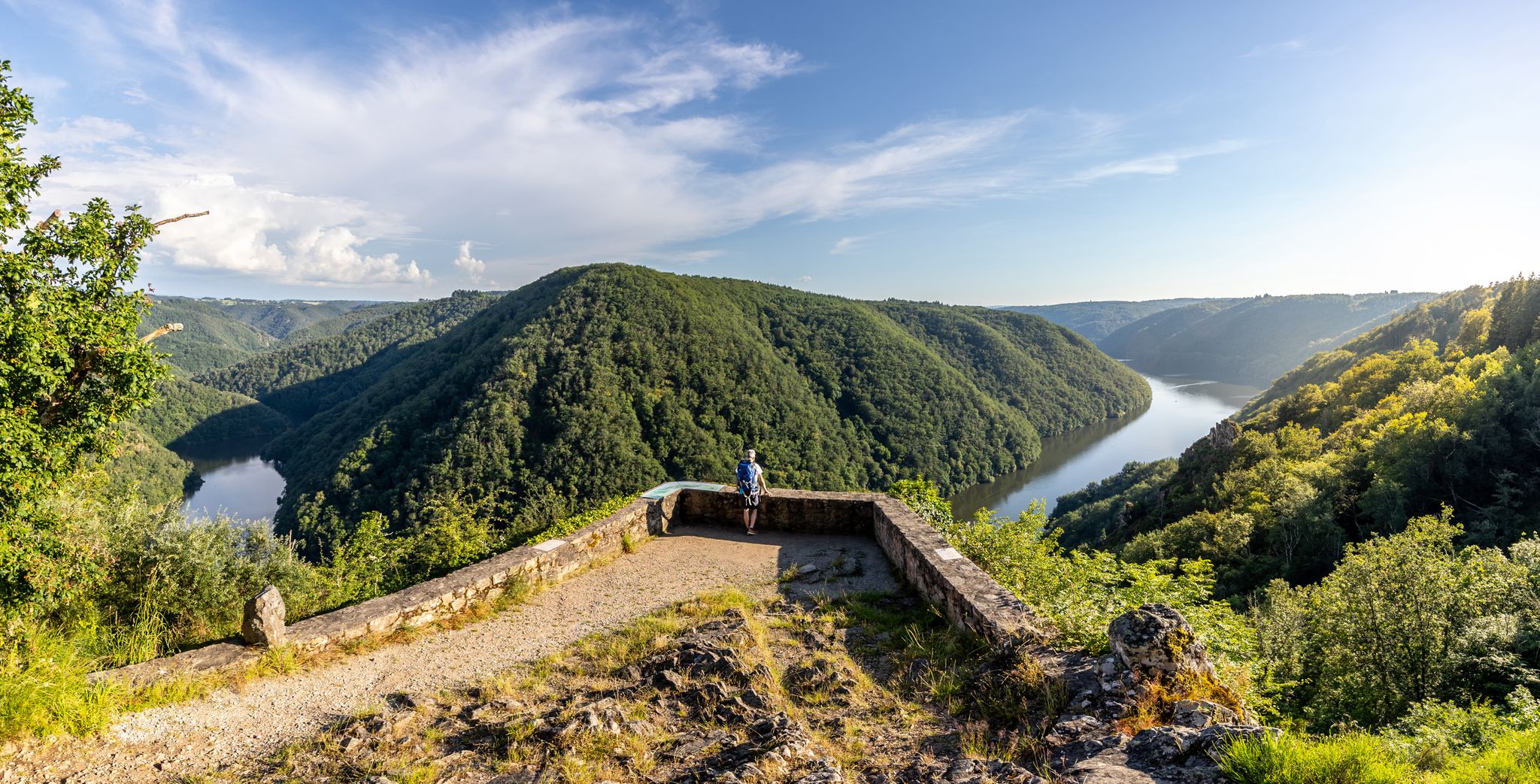
Escape and eco-mobility – hiking in Corrèze
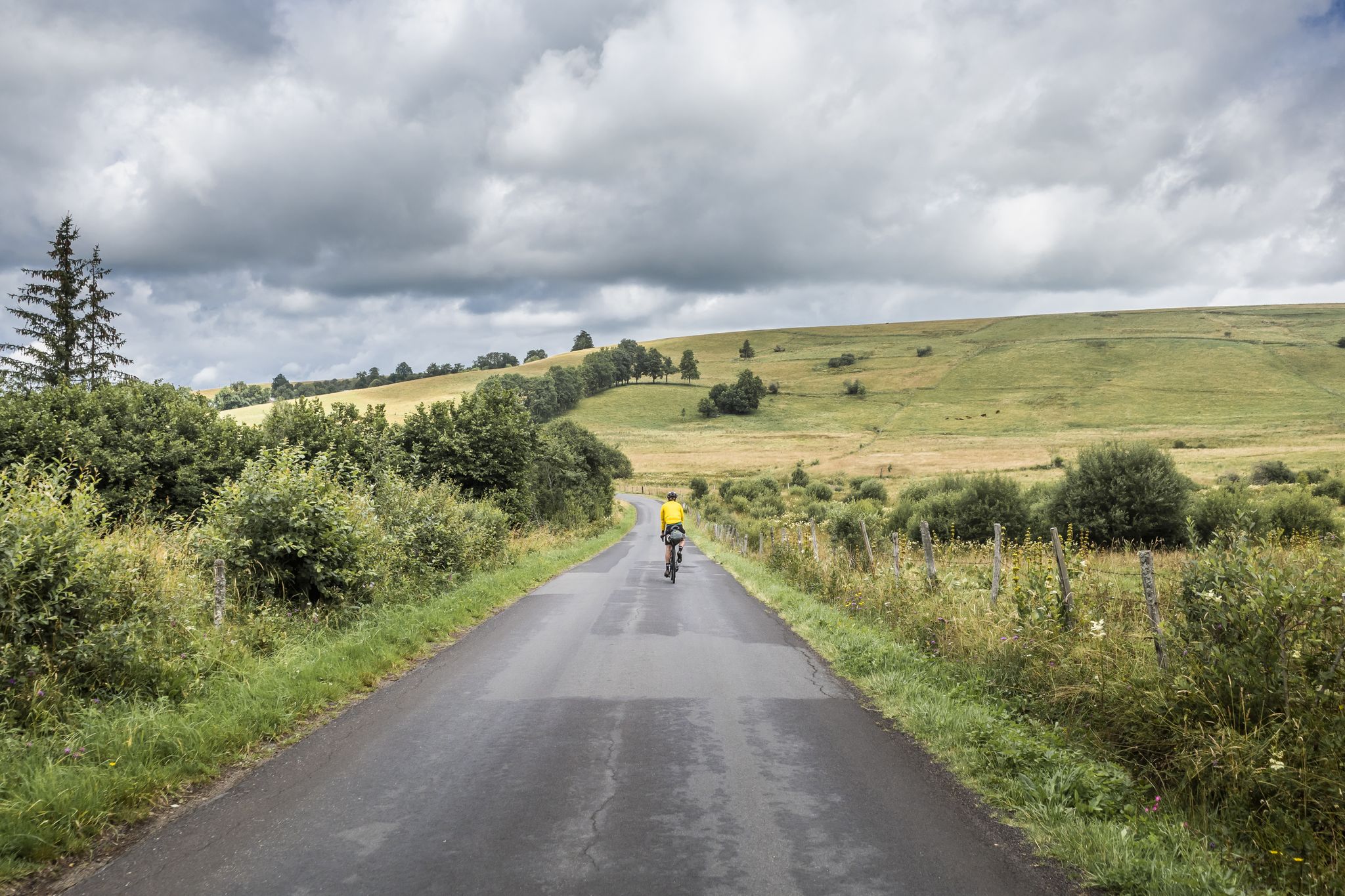
A bike Tour through the heart of France – La Vagabonde
Volcanoes and cows — Le Tour des Puys in France
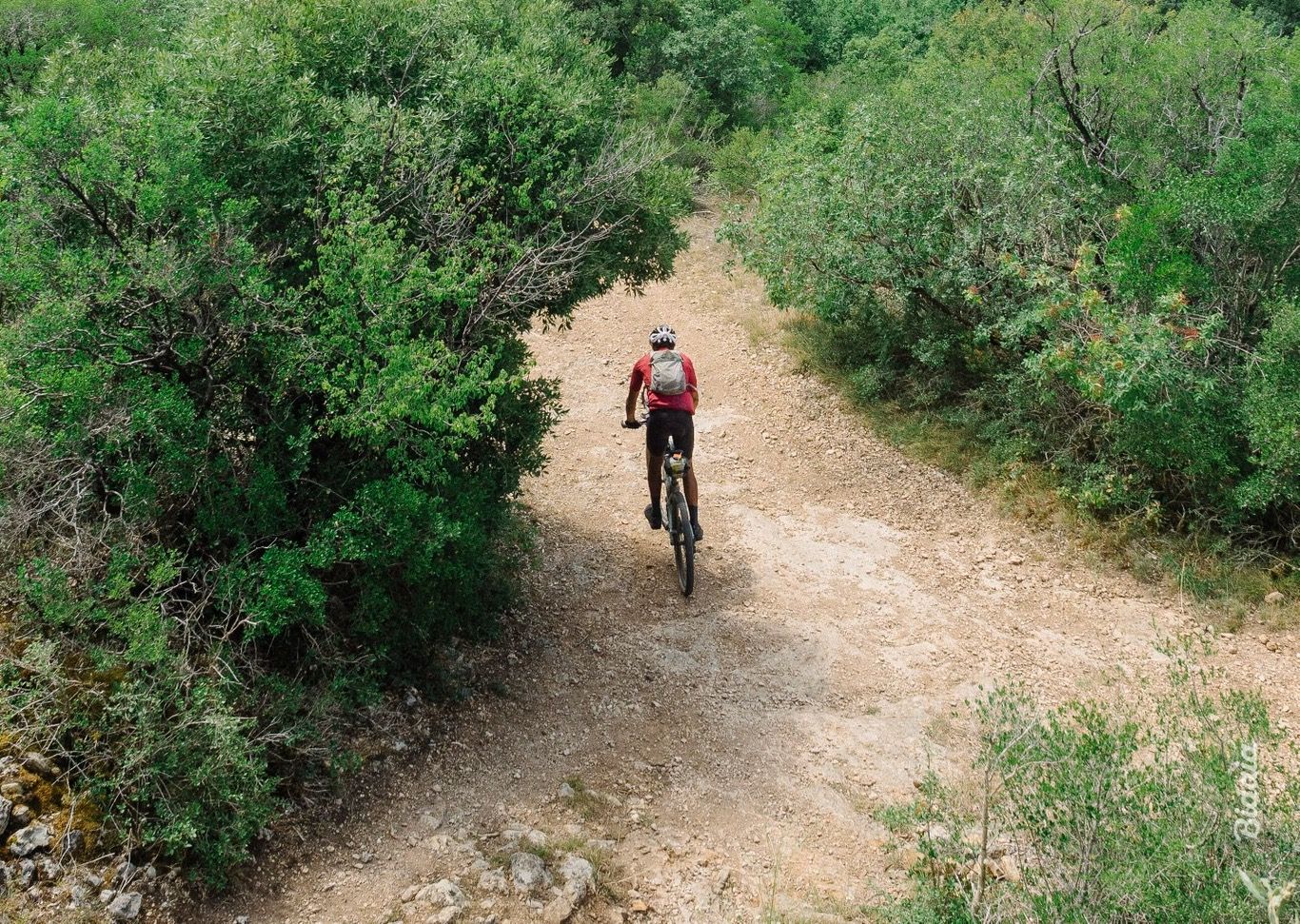
French Divide: the other Tour de France
Hiking around Tulle
Cycling around Tulle
Running Trails around Tulle
Road Cycling Routes around Tulle
MTB Trails around Tulle
Other adventures around Tulle


Tips from the Community

Beautiful exposed rock formation, or rather arrangement, with a great view.
1
0
If you don't take the detour from the GR, you'll have to look for the trails west of the summit... but the view is great, weather permitting.
1
0

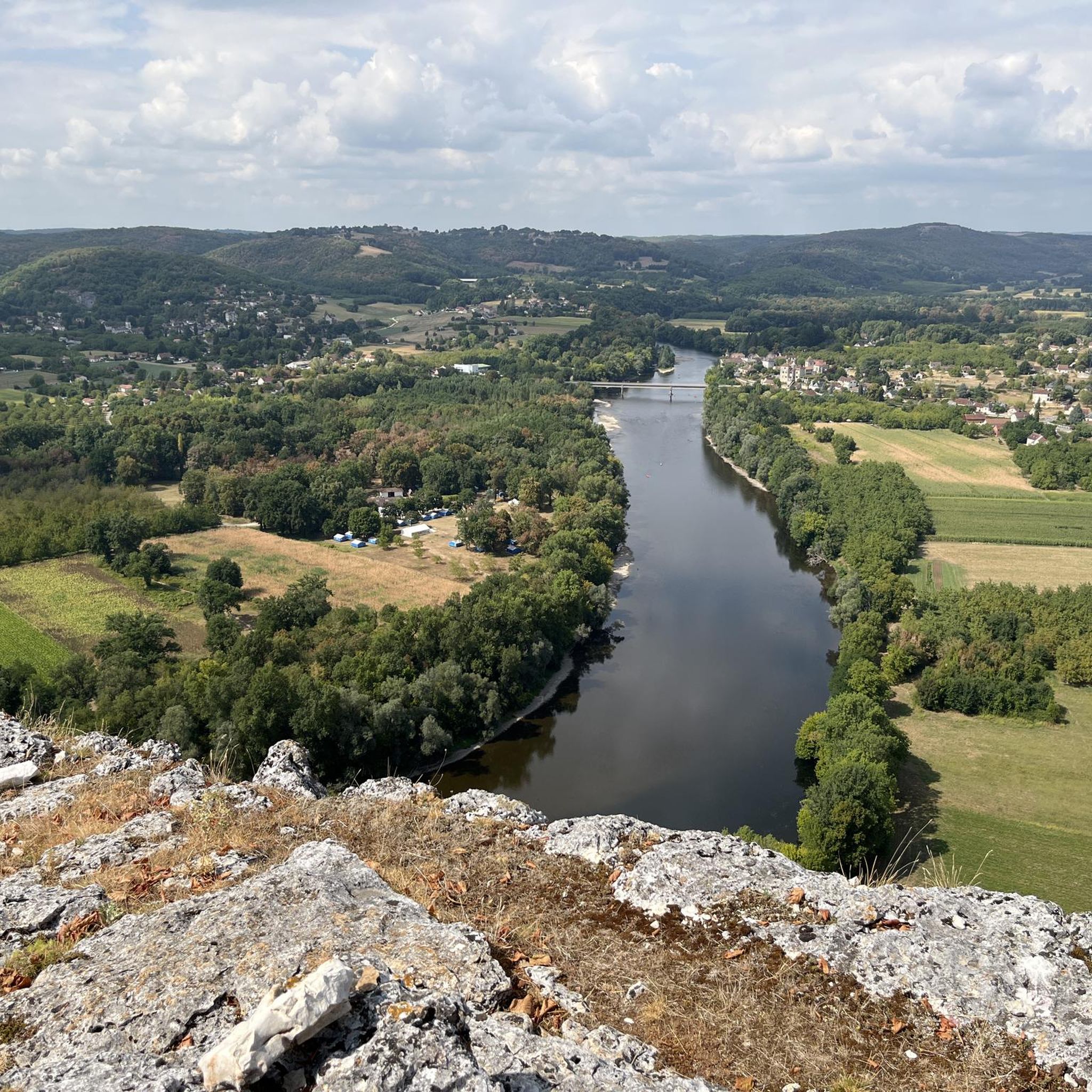
The Roc de Busatier offers one of the most beautiful panoramic views in the Dordogne Gorges. The climb offers challenges for hikers while rewarding them with breathtaking views. The location remains a favorite among nature lovers.
1
0

The Roc de Busatier is one of the most breathtaking views in the Dordogne Gorges. In addition to the viewpoint, you can find a shaded picnic area there. It's the perfect place to stop for a break during your hike.
1
0


An emblematic site in Corrèze, ranked among the most beautiful waterfalls in France. Including Le Grand Saut, La Redole and La Queue de Cheval. Knowing the site for years, I use a personal route that allows you to see the first from an angle that few observe. The following is a shortcut reserved for initiates, who must tread the bramble under foot and descend on the rockery hidden under the ivy, to join the traditional circuit at the foot of the Redole. The rest is no less magnificent on the tourist route. https://fr.wikipedia.org/wiki/Cascades_de_Gimel
1
0


Das Departmental Biodiversity Reserve of Argentat sur Dordogne ist Spitzenklasse.
1
0
Frequently Asked Questions
What are the most popular natural monuments to visit around Tulle?
Among the most popular natural monuments, you'll find the spectacular Cascades de Gimel, renowned for its series of impressive waterfalls. The Roc du Busatier Viewpoint in the Dordogne Gorges also offers breathtaking panoramas. For a unique geological feature, consider the Druids' Stone.
Are there family-friendly natural monuments near Tulle?
Yes, several natural monuments are suitable for families. The Argentat‑sur‑Dordogne Departmental Biodiversity Reserve is a great spot for observing birds and enjoying nature. The Roc du Busatier Viewpoint is also considered family-friendly, offering a shaded picnic area to relax after enjoying the views. Additionally, Lac de Bournazel, near Seilhac, provides a sandy beach and various water activities perfect for a family day out.
What kind of natural features can I expect to see around Tulle?
The region around Tulle is rich in diverse natural features. You can explore dramatic waterfalls at Cascades de Gimel, deep gorges carved by rivers like the Vézère and Dordogne, and stunning panoramic viewpoints such as the Roc du Busatier Viewpoint. The area also features unique rock formations like the Druids' Stone, serene lakes like Lac de Bournazel, and vast natural parks with moorlands, forests, and peat bogs, such as the Monédières Massif and the Regional Natural Park of the Plateau des Millevaches en Limousin.
What outdoor activities can I do near these natural monuments?
The natural monuments around Tulle are excellent starting points for various outdoor activities. You can enjoy hiking on trails like the 'waterfalls path' near Gimel-les-Cascades or explore the Monédières Massif. Mountain biking is popular, with numerous trails available, including those listed in the MTB Trails around Tulle guide. The Dordogne and Vézère gorges offer opportunities for river sports and rock climbing, while Lac de Bournazel is ideal for swimming, paddleboarding, and fishing.
Are there hiking trails near the natural monuments?
Absolutely. Many natural monuments are integrated into hiking networks. For instance, you can explore the Cascades de Gimel via marked paths within Parc Vuillier. The Monédières Massif and the Regional Natural Park of the Plateau des Millevaches offer countless trails for all levels. You can find more detailed routes in the Hiking around Tulle guide, which includes trails like 'The Trail of the Two Puys' and 'The waterfalls path'.
What is the best time of year to visit the natural monuments around Tulle?
The spring and autumn months are generally ideal for visiting the natural monuments around Tulle. During spring, the waterfalls are often at their most powerful due to snowmelt and rainfall, and the landscapes are lush. Autumn offers pleasant temperatures for hiking and stunning fall foliage, particularly in forested areas like the Monédières Massif. Summer is also popular, especially for water activities at places like Lac de Bournazel, but can be warmer. Winter offers a different, often quieter, experience, though some paths might be slippery or less accessible.
Can I bring my dog to the natural monuments?
Many natural areas around Tulle are dog-friendly, especially on marked hiking trails within parks and forests like the Monédières Massif or the Plateau des Millevaches. However, it's always recommended to keep dogs on a leash to protect wildlife and ensure the safety of other visitors. Specific rules may apply to certain reserves or managed sites like the Argentat‑sur‑Dordogne Departmental Biodiversity Reserve, so it's best to check local signage.
Are there any natural monuments that are easily accessible for all abilities?
While many natural monuments involve some walking, some offer easier access. The Roc du Busatier Viewpoint provides stunning views and a picnic area, making it a good option for those seeking less strenuous activity. The Puy du Suc au May in the Monédières Massif offers panoramic views with just a short walk from a car park. Lac de Bournazel also provides accessible areas for relaxation and enjoying the lakeside environment.
Where can I find cafes or places to eat near the natural monuments?
You'll find cafes and restaurants in the villages and towns closest to the natural monuments. For example, near Cascades de Gimel, the village of Gimel-les-Cascades offers dining options. The Roc du Busatier Viewpoint has a shaded picnic area, perfect for bringing your own food. Larger towns like Tulle or Argentat-sur-Dordogne (near the Argentat‑sur‑Dordogne Departmental Biodiversity Reserve) will have a wider selection of eateries.
What wildlife can I observe in the natural monument areas?
The diverse ecosystems around Tulle support a variety of wildlife. In the Monédières Massif and the Plateau des Millevaches, you might spot birds of prey like short-toed snake eagles, various butterflies, and even otters in the waterways. The Argentat‑sur‑Dordogne Departmental Biodiversity Reserve is specifically designed for bird observation, so bringing binoculars is recommended. The forests and wetlands are home to numerous species of flora and fauna, making them excellent spots for nature enthusiasts.
Are there any historical or cultural sites linked to these natural monuments?
While primarily natural, some sites have historical connections. Gimel-les-Cascades, for instance, is set within the Parc Vuillier, a landscaped park created in the late 19th century, and was even described by Abel Hugo. The Vézère Valley, though a natural gorge, is famously rich in prehistoric sites and caves, many of which are UNESCO World Heritage sites, linking its natural beauty with significant human history. The Druids' Stone evokes ancient cultural practices.
Most popular routes around Tulle
Most popular attractions around Tulle

Get inspired with the komoot mobile app


Explore more
Extend your search for the best caves by checking out these guides of the top ones around Tulle:
