Top 11 Natural Monuments around Sant Cugat Sesgarrigues
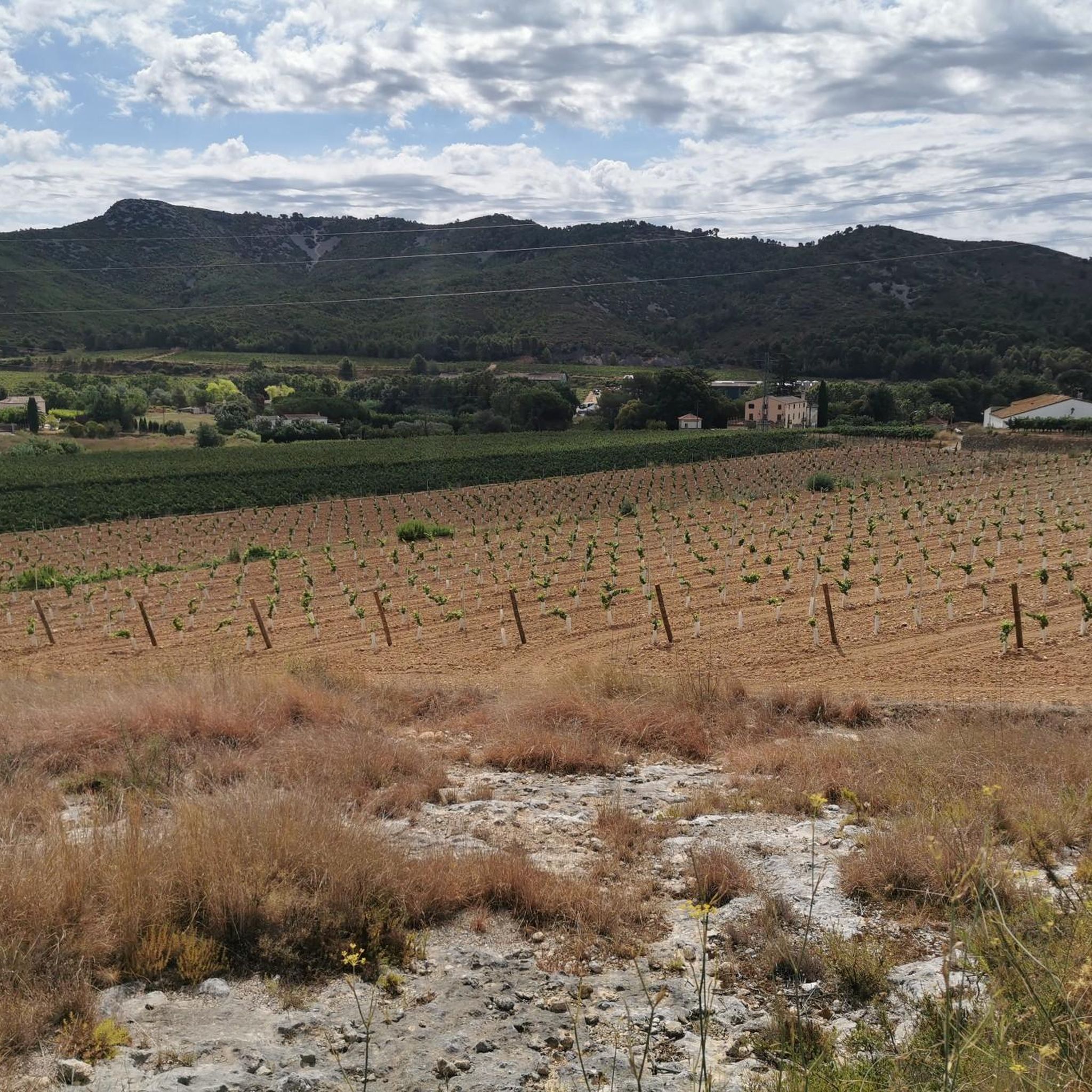
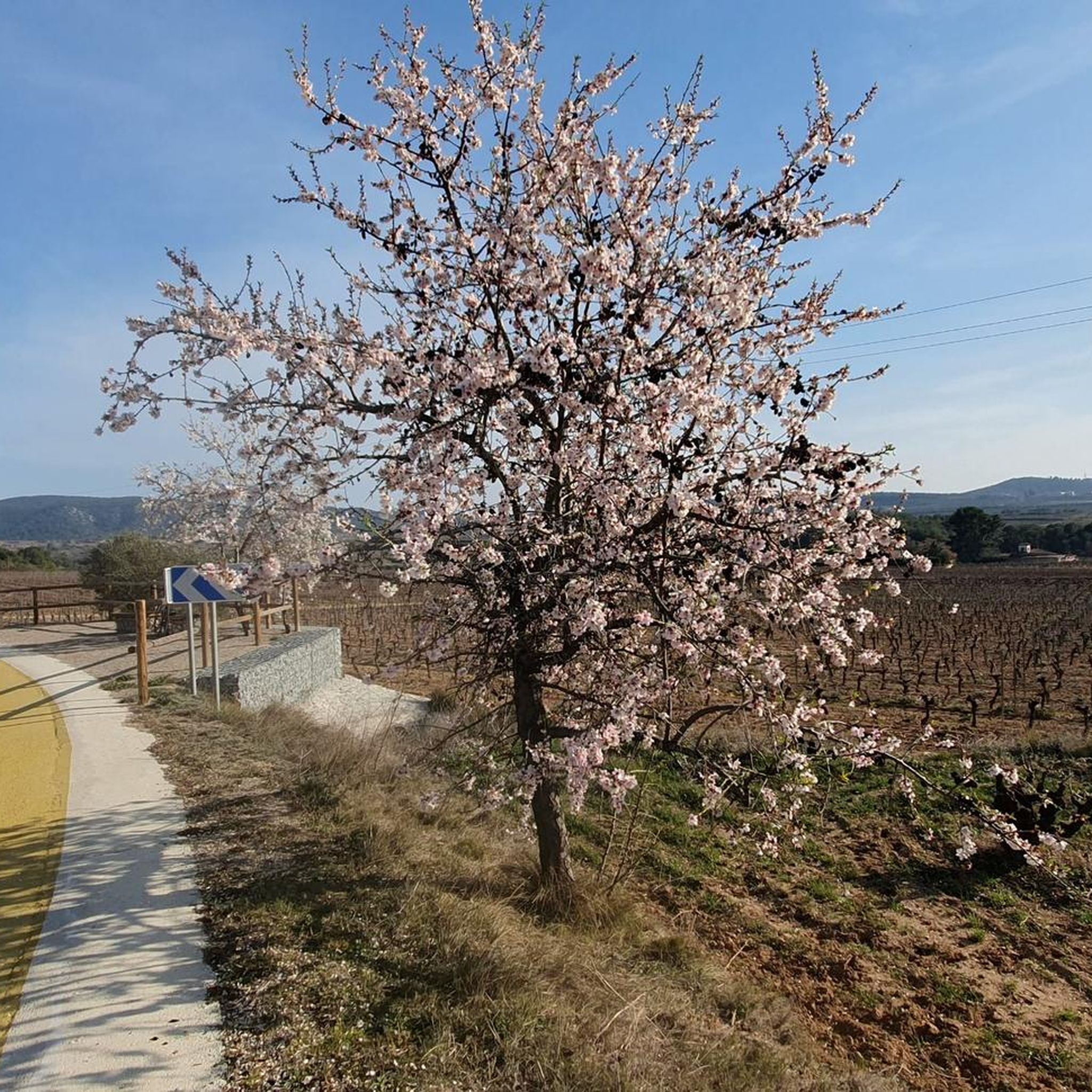
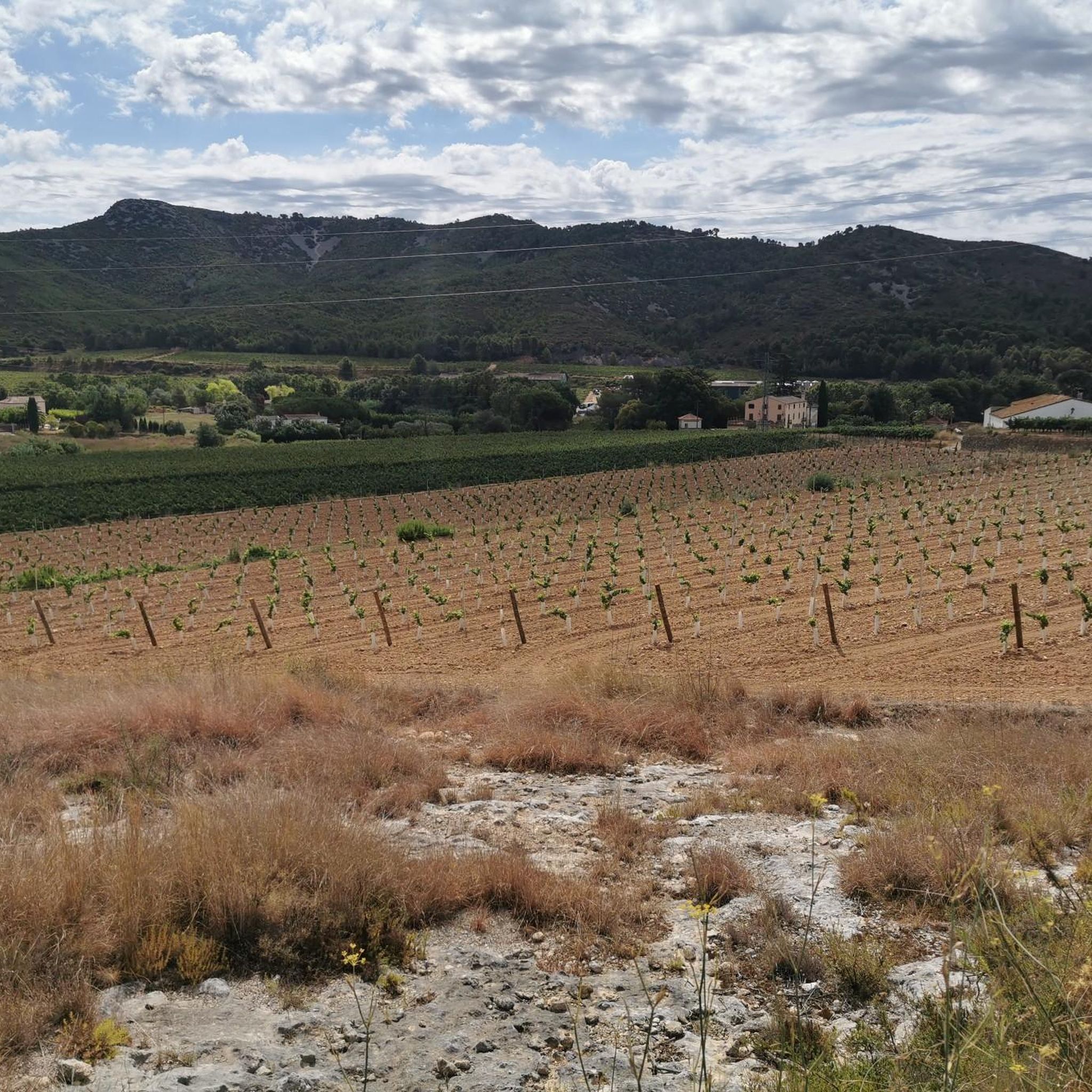
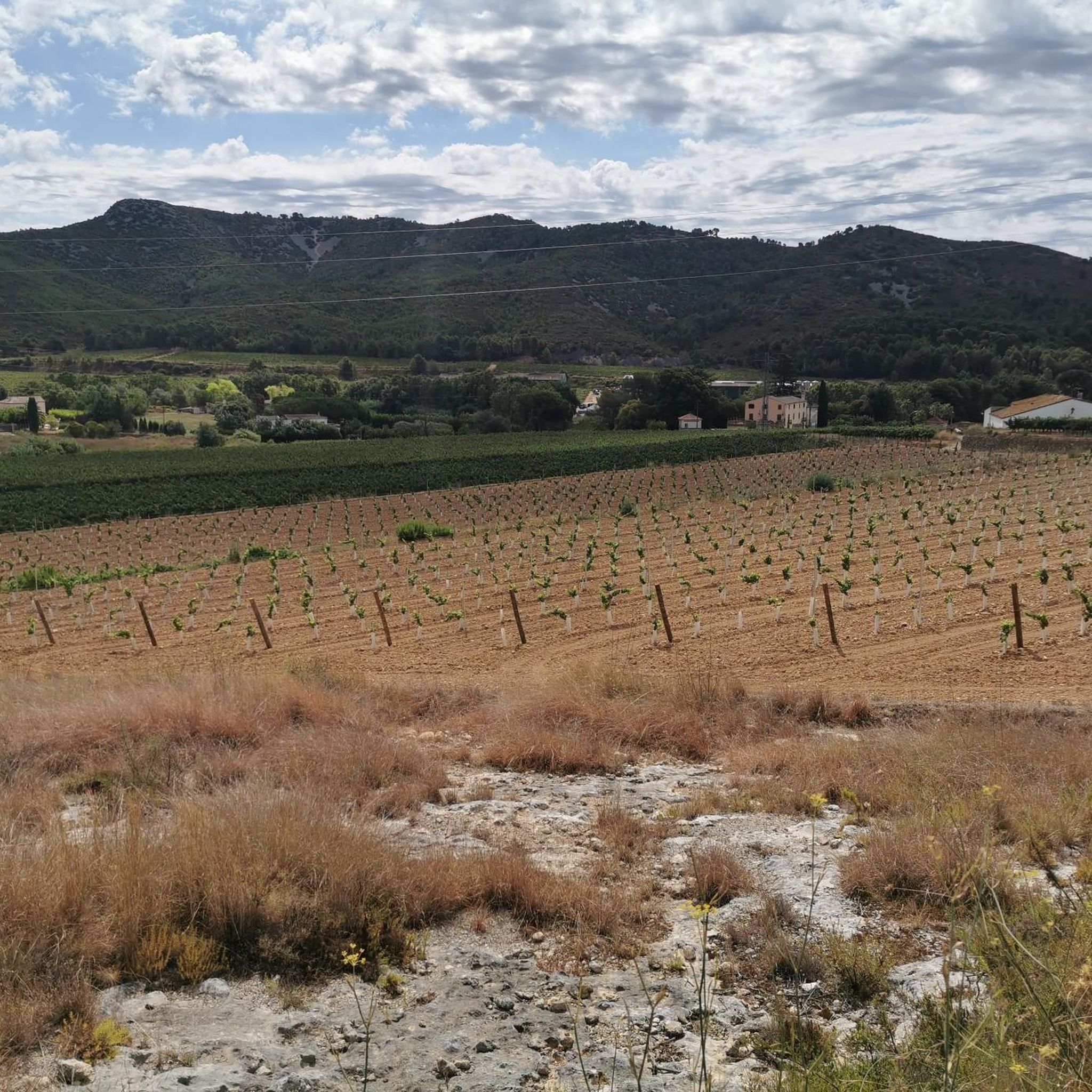
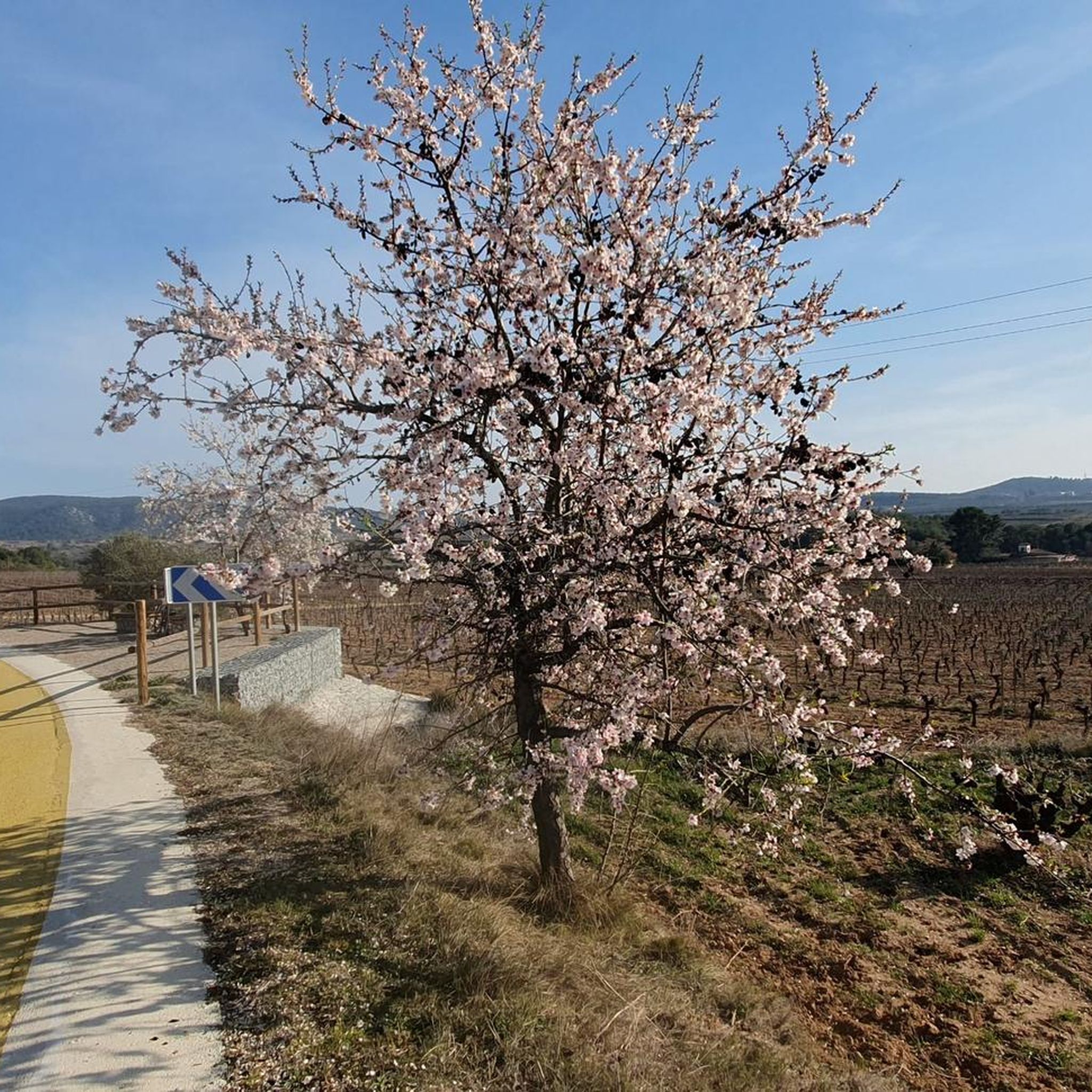
Best natural monuments around Sant Cugat Sesgarrigues are found within the Penedès central depression, an area characterized by its agricultural landscape, particularly vineyards. While the municipality itself is known for its wine region, the surrounding area offers a variety of natural features. These include prominent summits and unique geological formations. The region provides opportunities to explore diverse natural environments.
Best natural monuments around Sant Cugat Sesgarrigues
- The most popular natural monuments is Puig de l'Àliga, a summit that serves…
Last updated: May 20, 2026
Puig de l'Àliga
Highlight • Summit
Translated by Google •
Tip by

Gran Pèlag of Vilobí del Penedès
Highlight • Lake
Translated by Google •
Tip by

Sign up now to discover places like this
Get recommendations on the best single tracks, peaks, & plenty of other exciting outdoor places.
Sign up for free
Puig de la Mola summit (534 m)
Highlight • Summit
Translated by Google •
Tip by

Penya del Papiol
Highlight • Summit
Translated by Google •
Tip by
Pla dels Albats Necropolis and Chapel Ruins
Highlight • Historical Site
Translated by Google •
Tip by

Sign up for free to discover even more natural monuments around Sant Cugat Sesgarrigues.
Sign up for free
Already have an account?
Start today with a free account
Your next adventure awaits.
Login or Signup

Tips from the Community

Highest point of Garraf. Peak with a lot of wind. But with 360 degree views
0
0
Highest point of Garraf.
0
0


The Puig de l'Àliga, at 464 meters above sea level, is not the highest peak of the Garraf, that honor goes to the Puig de la Mola (534 meters), but it is the highest of the foothills southern parts of the Garraf massif. It forms a natural border between the regions of Alt Penedès and Garraf and is a natural viewpoint of both the Penedès plain and the Garraf coast. At its highest point there is a geodesic vertex, a large cross, and a fire watch tower.
2
0

Mountain that is located in the old middle of the Garraf Natural Park and on a clear day, you can even see views of Montserrat mountain.
0
0

Necropolis located on the elongated hill located in front of the Olerdolana wall. It is known as Pla dels Albats (relatively modern place name). This name comes from the numerous small and medium-sized tombs corresponding to infants and alabtas (babies who died before receiving the sacraments or having the use of reason) found in the necropolis of anthropomorphic tombs. More than a hundred tombs have been located. The graves are excavated in the rock, they are rectangular in plan, with the head separated from the rest of the body and narrower at the feet. Most feature a socket in the rock itself for the cap. The graves follow the east-west orientation. In the middle of the necropolis are the ruins of a building that has been identified as the remains of the chapel of Santa Maria. Part of the north wall is preserved, with a height close to 3 meters and the west wall, modernly altered. The chapel of Santa Maria and the necropolis must be associated with the population, more or less dispersed, located outside the walls in medieval times. They were already in operation at the beginning of the 10th century. Observations: Archaeological research is very incipient in this sector, its evolution will confirm the exact functionality of the building described, its chronology and the relationship with the remains of another building that can be guessed in the middle of the necropolis.
3
0
Small peak, near a quarry, where a series of rural roads converge. This is a typical area of the Penedès with extensive fields of vineyards interspersed with scattered farmhouses where you can also appreciate old quarries. From the top, if the vegetation allows us, you can see from Montserrat, la Mola, la Morella, el Montmell, el Montau and el Puig de l'Àliga, among others. As can be read on a small panel at the top, the Toponym derives from the word "popia", which in the geographical vocabulary of the popular language designates a hill of low height, with a regularly rounded shape and a wide base: the shape of the chest of 'a woman. The word "Papiol" derives from this metaphor. The name is already documented in 992 as the boundary of Viladellops (Olèrdola). Essential peak included in the list of 100 peaks of the F.E.E.C. https://www.feec.cat/activitats/100-cims/cim/penya-del-papiol/
1
0
Puig de la Mola is a very visible peak from many places in the Garraf region, where it is the highest point. It is not the park or the Garraf massif, an honor reserved for Morella, which belongs to the Baix Llobregat region, with almost 600 m. For years there has been a forest watch tower in La Mola, from where the entire immensity of the park is monitored. As it could not be otherwise, there is a geodesic vertex. If it's a good day you'll enjoy fantastic panoramic views. Peak included in the list of 100 peaks of the F.E.E.C. https://www.feec.cat/activitats/100-cims/cim/puig-de-la-mola/
0
1
Frequently Asked Questions
What types of natural monuments can I explore around Sant Cugat Sesgarrigues?
The region around Sant Cugat Sesgarrigues, nestled in the Penedès central depression, offers a diverse range of natural monuments. You can discover prominent summits like Puig de l'Àliga and Puig de la Mola summit (534 m), unique geological formations such as the Gran Pèlag of Vilobí del Penedès, and historically significant natural sites like the Font del Cuscó. The landscape is also characterized by extensive vineyards, offering picturesque routes.
Are there any natural monuments with historical significance in the area?
Yes, the region boasts natural sites with deep historical roots. The Font del Cuscó in Sant Cugat Sesgarrigues is a cherished natural and historical landmark, recognized as a site of early human settlements. It features a unique cave-like fountain and is surrounded by dry stone walls and huts, reflecting the area's agricultural past. Additionally, the Pla dels Albats Necropolis and Chapel Ruins, while primarily an archaeological site, is set within a natural landscape and offers a glimpse into medieval history.
What are the most popular viewpoints or summits to visit?
For breathtaking panoramic views, consider visiting Puig de l'Àliga, which at 464 meters above sea level, offers a natural viewpoint of both the Penedès plain and the Garraf coast. Another popular choice is Puig de la Mola summit (534 m), the highest peak of the Garraf massif, providing extensive views from its flat summit. Penya del Papiol also offers views of Montserrat, La Mola, and other surrounding peaks.
Are there family-friendly natural monuments around Sant Cugat Sesgarrigues?
Yes, the Gran Pèlag of Vilobí del Penedès is a great option for families. This lake, formed from old gypsum quarries, offers a wetland microecosystem with scenic beauty and ecological value. It's a unique natural space where children can observe diverse flora and fauna in a tranquil setting, contrasting with the surrounding wine-growing landscape.
What outdoor activities can I do near these natural monuments?
The area around Sant Cugat Sesgarrigues is excellent for outdoor activities. You can explore numerous hiking trails, with options like the 'Sant Pau d'Ordal and Puig de la Mireta Loop Trail' or the 'Penya del Papiol – Jaumet's Pine loop'. For cycling enthusiasts, there are many road cycling and touring bicycle routes, such as the 'From Granada via Vilobí del Penedés – circular route around Villafranca del Penedés' or the 'Vilafranca – Viladellops village loop'. You can find more details on these activities in the hiking guide, road cycling guide, and cycling guide for the region.
What are the difficulty levels of trails to these natural monuments?
Trails to the natural monuments vary in difficulty. For instance, the ascent to Puig de l'Àliga is generally considered intermediate, offering good views. The Puig de la Mola summit (534 m) and Penya del Papiol feature more challenging sections, with some areas being steep or slippery. It's always advisable to check individual route details on Komoot for specific difficulty ratings and prepare accordingly.
What is the best time to visit the natural monuments around Sant Cugat Sesgarrigues?
The Penedès region generally enjoys a Mediterranean climate, making spring (April to June) and autumn (September to November) ideal times to visit. During these seasons, the weather is typically mild and pleasant for outdoor activities like hiking and cycling, and the vineyards offer beautiful scenery, whether in bloom or during harvest.
Can I find circular walks or routes that combine several natural monuments?
Yes, Komoot offers various circular routes that allow you to explore multiple natural monuments or points of interest. For example, the 'Penya del Papiol – Jaumet's Pine loop' is a moderate circular hiking trail. Many routes are designed to showcase the diverse landscapes, including vineyards, forests, and summits. You can browse the hiking guide for more options.
What kind of wildlife can I expect to see near the natural monuments?
The Gran Pèlag of Vilobí del Penedès, being a wetland microecosystem, is particularly rich in birdlife, including several protected species. The broader Garraf massif, where summits like Puig de l'Àliga and Puig de la Mola are located, is part of a natural park, which supports a variety of Mediterranean fauna, though sightings can depend on the time of day and season.
Is there public transport access to the natural monuments?
While Sant Cugat Sesgarrigues is well-connected, direct public transport access to all individual natural monuments can be limited, especially for more remote summits or natural features. It is often best to combine public transport to the main towns with walking or cycling to reach specific sites. Planning your route in advance using Komoot or local transport information is recommended.
What do visitors appreciate most about the natural monuments in this area?
Visitors frequently highlight the stunning panoramic views from summits like Puig de l'Àliga, describing them as 'breathtaking' and rewarding. The unique ecological value and scenic beauty of sites like the Gran Pèlag are also highly appreciated. Many enjoy the blend of natural landscapes with the rich agricultural character of the Penedès vineyards, often noting the tranquility and the opportunity to immerse themselves in both nature and local history.
Are the trails to natural monuments dog-friendly?
Many of the trails and natural areas around Sant Cugat Sesgarrigues are suitable for dogs, especially those in less protected or designated areas. However, it's always recommended to keep dogs on a leash, especially in areas with wildlife or livestock, and to check for any specific local regulations or restrictions, particularly within natural park boundaries.
Most popular routes around Sant Cugat Sesgarrigues
Most popular attractions around Sant Cugat Sesgarrigues

Get inspired with the komoot mobile app


Explore more
Extend your search for the best caves by checking out these guides of the top ones around Sant Cugat Sesgarrigues:
