Top 8 Natural Monuments around Súria
Best natural monuments around Súria are characterized by the region's significant geological features, situated within the Geological and Mining Park of Central Catalonia. The area is notable for its rich geological and mining heritage, shaped by ancient tectonic forces. Key natural features include the Migmón anticline, a prominent geological structure formed by the confluence of anticlines and separated by a fault. This landscape offers visible examples of complex geological folding and diverse sedimentary rocks.
Best natural monuments around Súria
- The…
Last updated: November 1, 2026
Collbaix Summit
Highlight • Summit
Translated by Google •
Tip by

Parque de l'Agulla
Highlight • Lake
Translated by Google •
Tip by

Sign up now to discover places like this
Get recommendations on the best single tracks, peaks, & plenty of other exciting outdoor places.
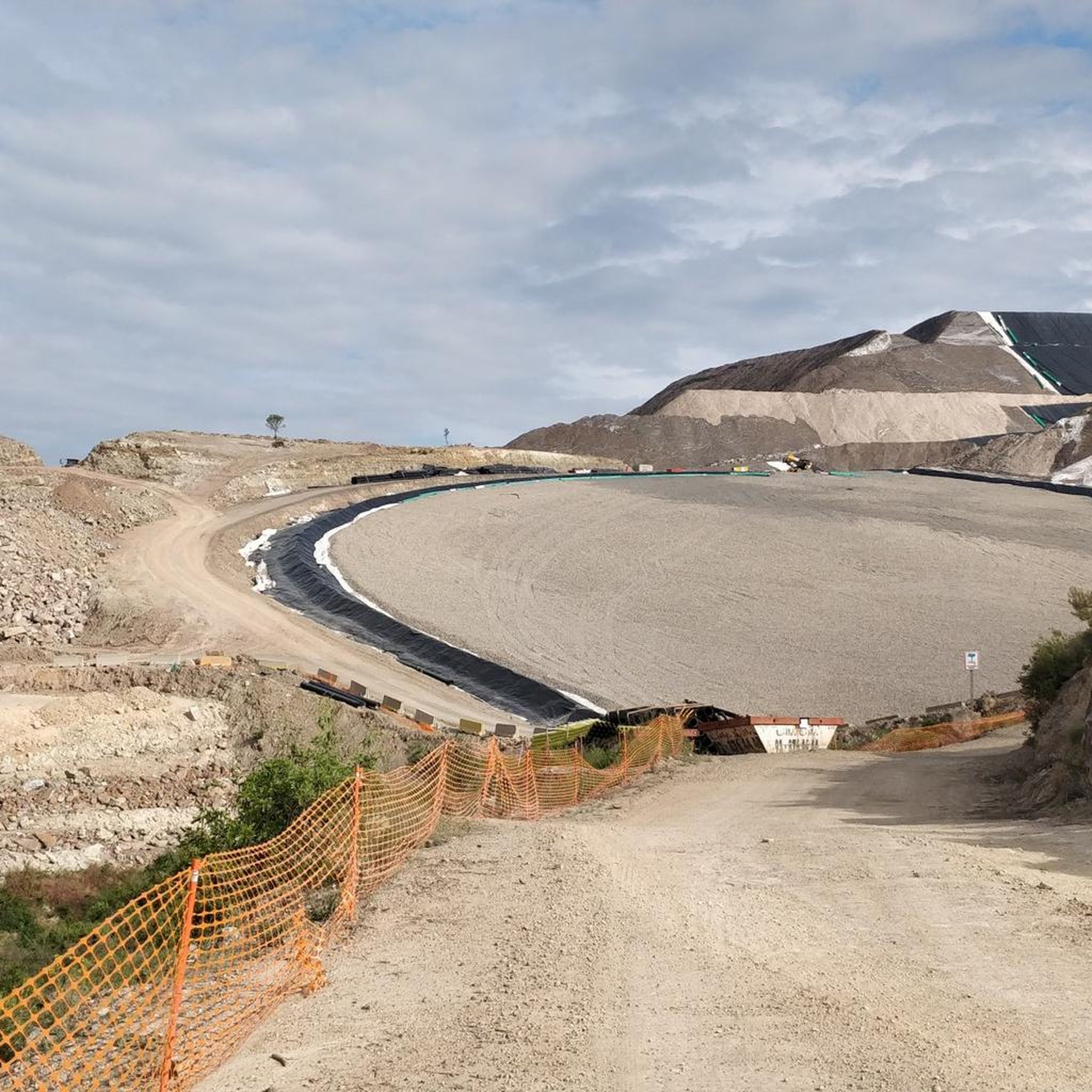
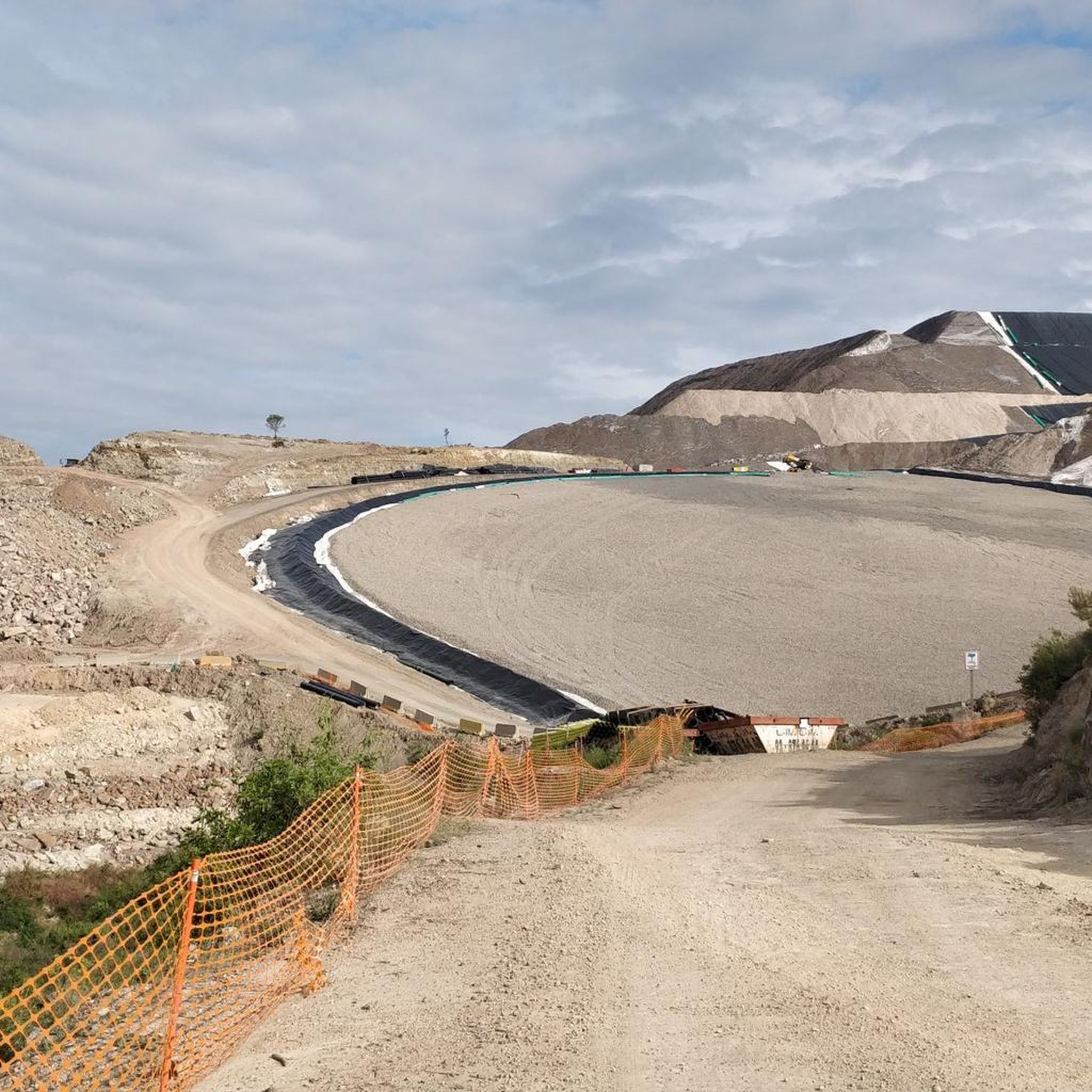
La Botjosa salt dump
Highlight • Structure
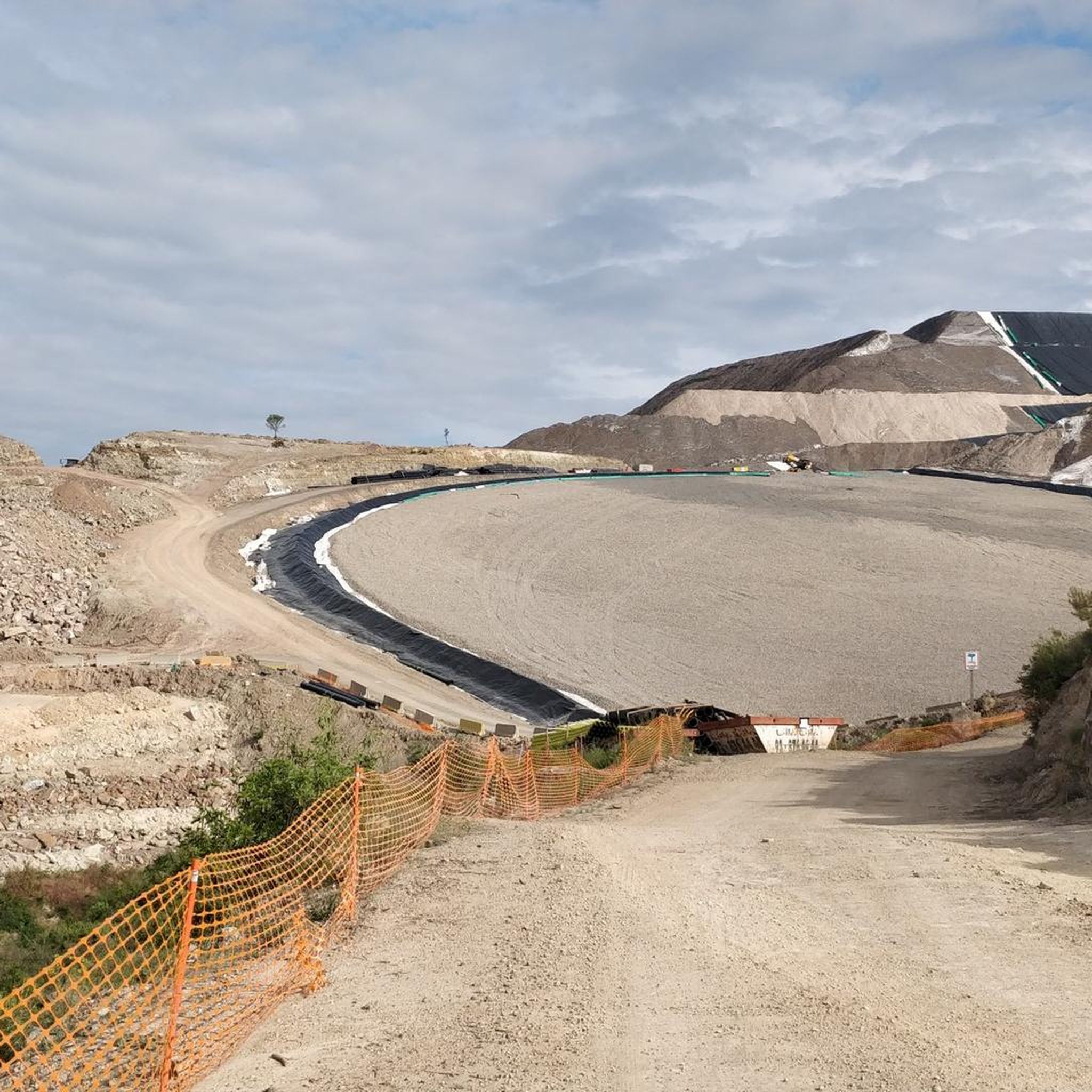
The La Botjosa salt dump measures 775 meters long by an average width of 150 meters, occupies 13.5 Ha …
Translated by Google •
Tip by

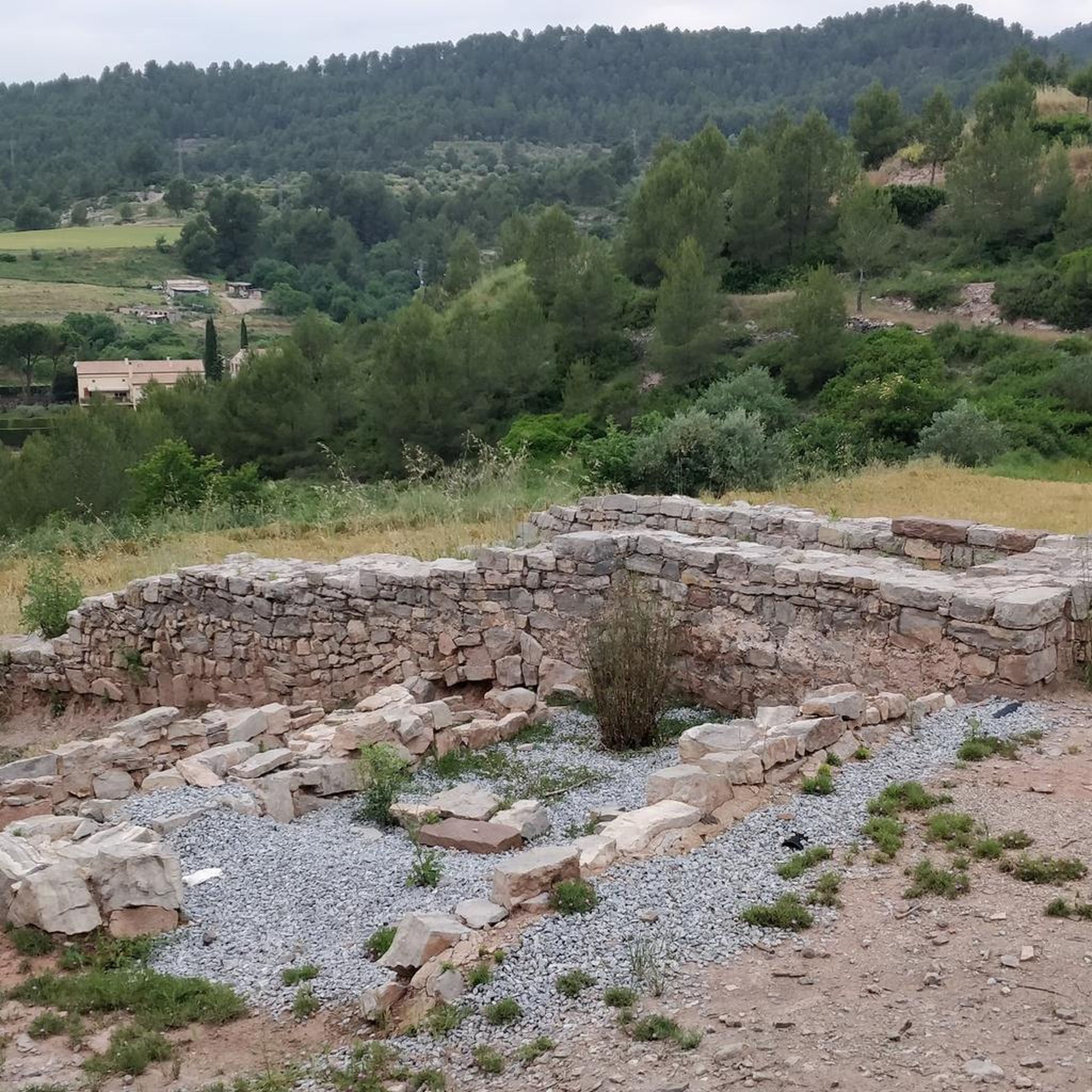
Alzina Grossa de Querol
Highlight • Natural Monument
Majestic specimen of about 15m in height and with an imposing trunk of more than 4m in diameter, probably one of the largest in Catalonia.
It has a picnic area.
Translated by Google •
Tip by

Canyet del Muladar
Highlight • Natural Monument
Translated by Google •
Tip by

Sign up for free to discover even more natural monuments around Súria.
Already have an account?
Start today with a free account
Your next adventure awaits.
Tips from the Community

Space to relax and look towards Montserrat
1
0

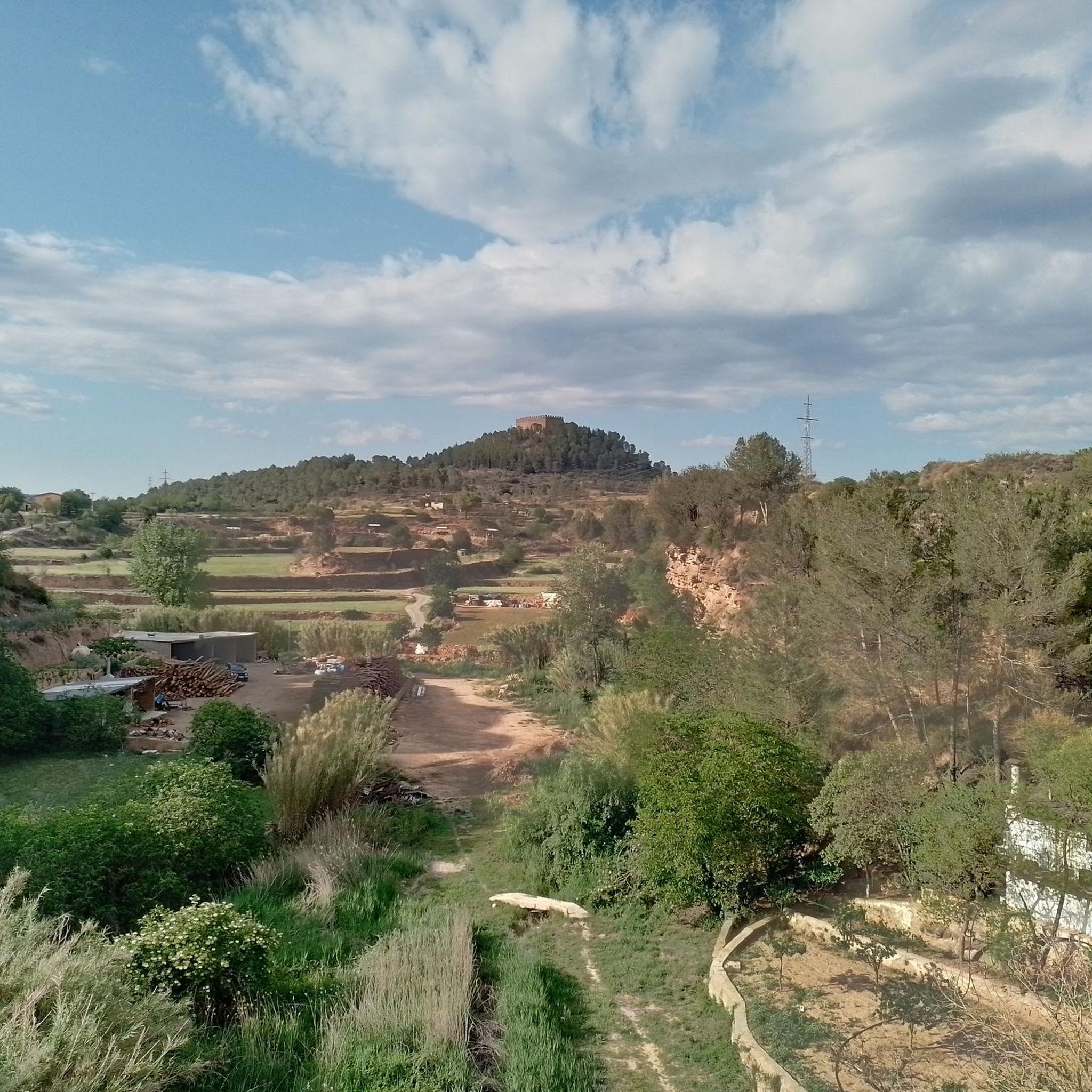
Collbaix is a 543 meter peak, located in Sant Joan de Vilatorrada. It is the highest in the district of Manresa, to the west of Pla de Bages, which has an excellent observation point. It is listed as a large park by the Planning Plan of Manresa. The mountain is located between the streams of Rajadell and Fonollosa. The south side belongs to Manresa, the east to Sant Joan de Vilatorrada, where the town's expansion area is located. Rajadell has the area of Punta Sabata and Fonollosa with most of the summit, the west and the obac slope. Collbaix originated from the erosion of the surrounding land. A resistant layer of conglomerates protects the flat top from erosion, forming a plateau. The summit is made up of large blocks of stone separated from each other. At the top we can find a geodesic vertex (reference 280109001) A metal table with an engraved map of the region. This peak is included in the list of the 100 peaks of the FEEC.
2
0

Mountain of saline and other waste created between 1945 and 1977. The La Botjosa salt dump measures 775 meters long by an average width of 150 meters, occupies 13.5 Ha and its content is estimated at around 4 million tons of salty waste. Since the start of the new Cogulló dump in 1977, the potash mining of Sallent and Balsareny stopped dumping saline waste in La Botjosa. Since then, a considerable portion of the saline residues dumped in the La Botjosa dump has disappeared by dissolution in rainwater and air humidity, as evidenced by the geomorphologies in lapiaz on the slopes and dame coiffée where an object acting as an umbrella has protected the salt below
2
0

There are no more picnic tables
0
0

This park is a large reservoir with a nice trail around it for walking and biking. There is parking and a picnic area. It is a good place to relax or start or end an adventure.
3
0
This oak is large and spectacular. It is officially protected. It has some picnic tables around it and is the perfect place for a good rest.
0
1

The Parque de l’Agulla is a natural space located on the outskirts of Manresa, near the municipalities of Sant Fruitós de Bages and Santpedor. The park was born with the construction of the lake of l’Agulla between 1966 and 1974. The lake has a surface area of about 64,000 m2 and a capacity close to 200,000 m3. Its main source of water is the Sèquia de Manresa canal, of medieval origin.
2
0

The "Encina Grande" Majestic specimen of about 15m in height and with an imposing trunk of more than 4m in diameter, probably one of the largest in Catalonia. It has a picnic area.
0
0
Frequently Asked Questions
What are the most notable natural features to explore in Súria?
Súria is renowned for its significant geological heritage. A key feature is the Migmón anticline, a striking geological structure formed by ancient tectonic forces, representing a visible example of complex geological folding. The area also features diverse sedimentary rocks and the Súria salt diapir, contributing to its unique landscape. While not a natural monument in the traditional sense, the La Botjosa salt dump offers a unique insight into the region's mining history and geological processes.
Are there family-friendly natural monuments or activities in Súria?
Yes, for families, the Parque de l'Agulla is an excellent choice. It features a large reservoir with a trail perfect for walking and biking, along with picnic areas. Another family-friendly spot is the Alzina Grossa de Querol, a majestic oak with a picnic area, ideal for a relaxing stop.
What kind of terrain can I expect on trails around Súria's natural monuments?
The terrain around Súria's natural monuments varies. You can expect paths around lakes like Parque de l'Agulla, which are generally flat and easy. However, areas like Collbaix Summit involve ascents to a 543-meter peak, featuring large blocks of stone. The geological formations, including anticlines and gorges like Gorg Blau of the Riera de Rajadell, often mean uneven paths and natural surfaces.
When is the best time of year to visit the natural monuments around Súria?
The best time to visit Súria's natural monuments is generally during spring (April to June) and autumn (September to October). During these seasons, the weather is mild and pleasant for outdoor activities. Summers can be hot, especially for hiking, while winters are cooler but generally dry, making them suitable for exploring if you are prepared for lower temperatures.
Are there good viewpoints among Súria's natural monuments?
Absolutely. The Collbaix Summit, being the highest point in the district of Manresa, offers an excellent observation point with panoramic views of the region. Additionally, the Parque de l'Agulla provides relaxing views, including towards Montserrat.
What outdoor activities can I do near Súria's natural monuments?
The Súria area offers a variety of outdoor activities, particularly cycling. You can find numerous routes for mountain biking, gravel biking, and road cycling. For example, explore MTB Trails around Súria, discover Gravel biking around Súria, or enjoy Road Cycling Routes around Súria. Many of these routes pass by or are close to the region's natural features.
How can I access the natural monuments around Súria?
Access to Súria's natural monuments is primarily by car, with parking available at many sites. For instance, Parque de l'Agulla has dedicated parking. Public transport options may be limited for reaching some of the more remote natural features, so planning your journey in advance is recommended.
How much time should I allocate to visit the natural monuments around Súria?
The time needed varies depending on the monument. For a quick visit to a single site like the Alzina Grossa de Querol or Gorg Blau of the Riera de Rajadell, an hour or two might suffice. Exploring the Parque de l'Agulla with a walk or bike ride could take half a day. For a more comprehensive experience, including a hike to Collbaix Summit or exploring multiple geological sites, a full day or even a weekend would be ideal.
Are the natural monuments around Súria dog-friendly?
Generally, natural outdoor areas around Súria are dog-friendly, provided dogs are kept on a leash and owners clean up after them. Places like Parque de l'Agulla and trails leading to Collbaix Summit are popular for walks with pets. Always check for specific signage or local regulations at each site.
What should I wear when visiting Súria's natural monuments?
When visiting Súria's natural monuments, it's advisable to wear comfortable clothing suitable for outdoor activities and sturdy walking shoes or hiking boots, especially if you plan to explore trails or ascend peaks like Collbaix Summit. Layers are recommended as temperatures can change, and don't forget sun protection, a hat, and plenty of water.
Can I spot wildlife around Súria's natural monuments?
While Súria is not primarily known for large wildlife, the natural areas, especially around the Parque de l'Agulla and the gorges like Gorg Blau of the Riera de Rajadell, are home to various bird species and small mammals. Keep an eye out for local flora and fauna, particularly in quieter, less disturbed areas.
Are there any hidden natural gems to discover in Súria?
Beyond the more prominent sites, the Gorg Blau of the Riera de Rajadell offers a quiet and beautiful natural setting, perfect for those seeking tranquility away from crowds. The unique geological formations throughout the region, including the less-explored aspects of the Migmón anticline, also present opportunities for discovery for those with an interest in geology.
Most popular attractions around Súria

Get inspired with the komoot mobile app


Explore more
Extend your search for the best caves by checking out these guides of the top ones around Súria:
