Top 10 Natural Monuments around Lobeira
Best natural monuments around Lobeira offer a diverse landscape characterized by its natural features and historical significance. The region provides opportunities to explore viewpoints, ancient structures, and unique rock formations. The area is known for its granite outcrops and natural water features, providing a varied outdoor experience.
Best natural monuments around Lobeira
- The most popular natural monument is Bico do Patelo, a natural monument, rock, and viewpoint. This immense rock formation appears to defy gravity, sculpted by natural elements.…
Last updated: June 4, 2026
Old Bridge of Castro Laboreiro
Highlight • Bridge
Bico do Patelo
Highlight • Natural Monument
Translated by Google •
Tip by

Sign up now to discover places like this
Get recommendations on the best single tracks, peaks, & plenty of other exciting outdoor places.
Sign up for free
Roman Baths of Bande
Highlight • Historical Site
Translated by Google •
Tip by

Dolmen of Casola do Foxo
Highlight • Historical Site
Translated by Google •
Tip by

Pozo Caído Waterfall
Highlight • Waterfall
Translated by Google •
Tip by

Sign up for free to discover even more natural monuments around Lobeira.
Sign up for free
Already have an account?
Start today with a free account
Your next adventure awaits.
Login or Signup
Tips from the Community

The Ponte Velha de Castro Laboreiro is one of the most emblematic historical bridges in Peneda-Gerês National Park, located in the municipality of Melgaço. Of medieval origin, it was probably built between the 13th and 14th centuries. Style: Romanesque architecture, with a semicircular arch and granite stonework. Function: It formed part of the ancient road that connected Galicia with northern Portugal, facilitating the crossing of the Laboreiro River.
1
0

There is a beautiful landscape nearby to enjoy.
0
0

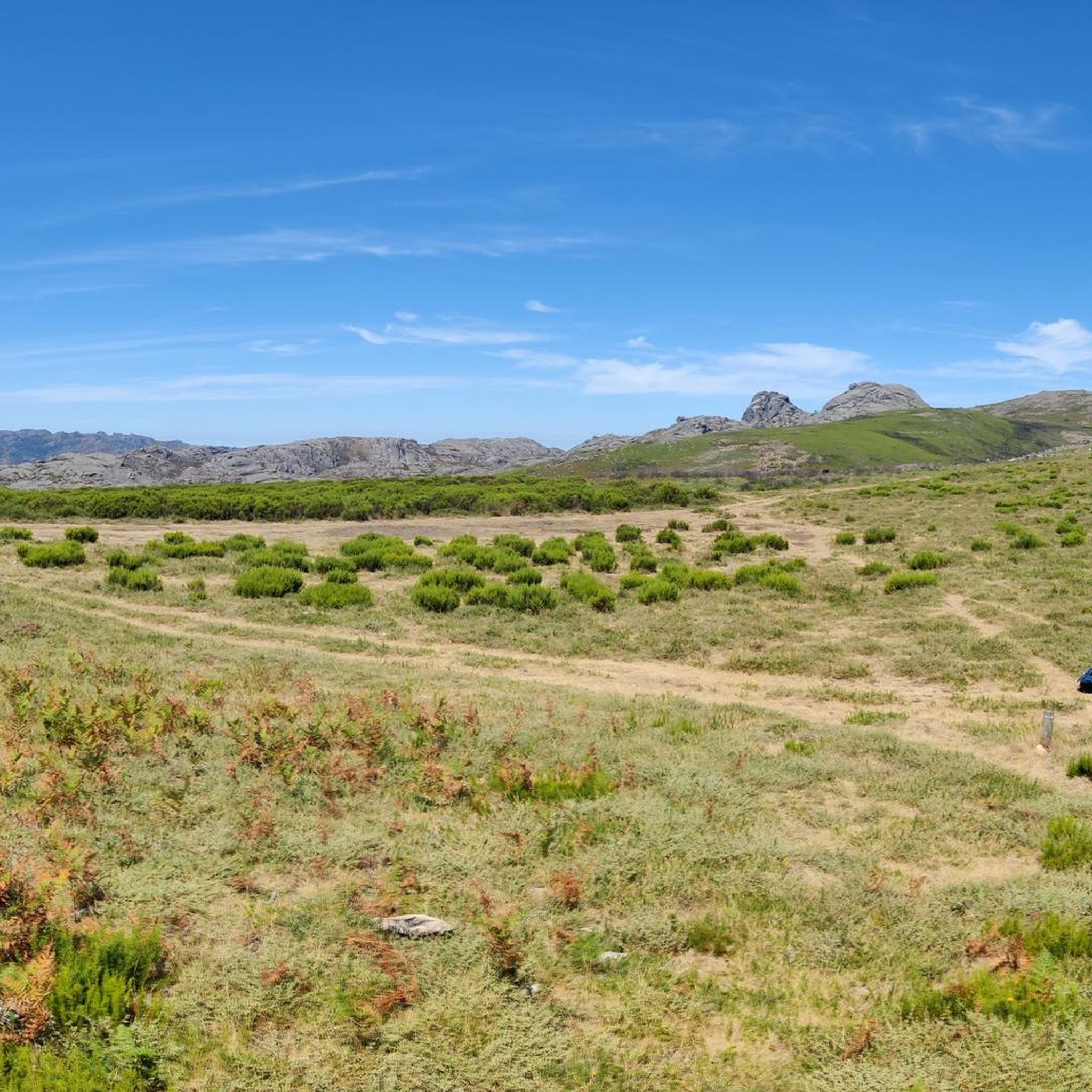
Bico do Patelo, literally "Patelo’s Beak," is a striking granite rock formation in Peneda-Gerês National Park. Its bold shape rises above the surrounding hills, catching the eye from different points along the PR3 Castrejo trail. As you approach, the unusual form makes it a natural landmark and one of the memorable sights of the hike.
0
0

The Ponte Velha de Castro Laboreiro is a medieval-style bridge over the Laboreiro River, bordering the Peneda-Geres National Park. The exact date of construction of the Old Bridge is unknown, but it is likely to have been between the 15th and 16th centuries. Also known as the Ponte dos Mouros (Old Bridge), the bridge served as a crossing over the deep waterfalls of the Laboreiro River, across to the mills located on the left bank, as well as an old access road to Castro Laboreiro Castle. The bridge is approximately 5 meters long and rises approximately 5 meters above the river without any side walls.
1
0

Nice walk but certainly not easy and not flat. Lots of scrambling and climbing First part was a lot of climbing but doable. Descent after the castle was sometimes difficult (By the way, it was on a Saturday afternoon and very quiet)
0
1

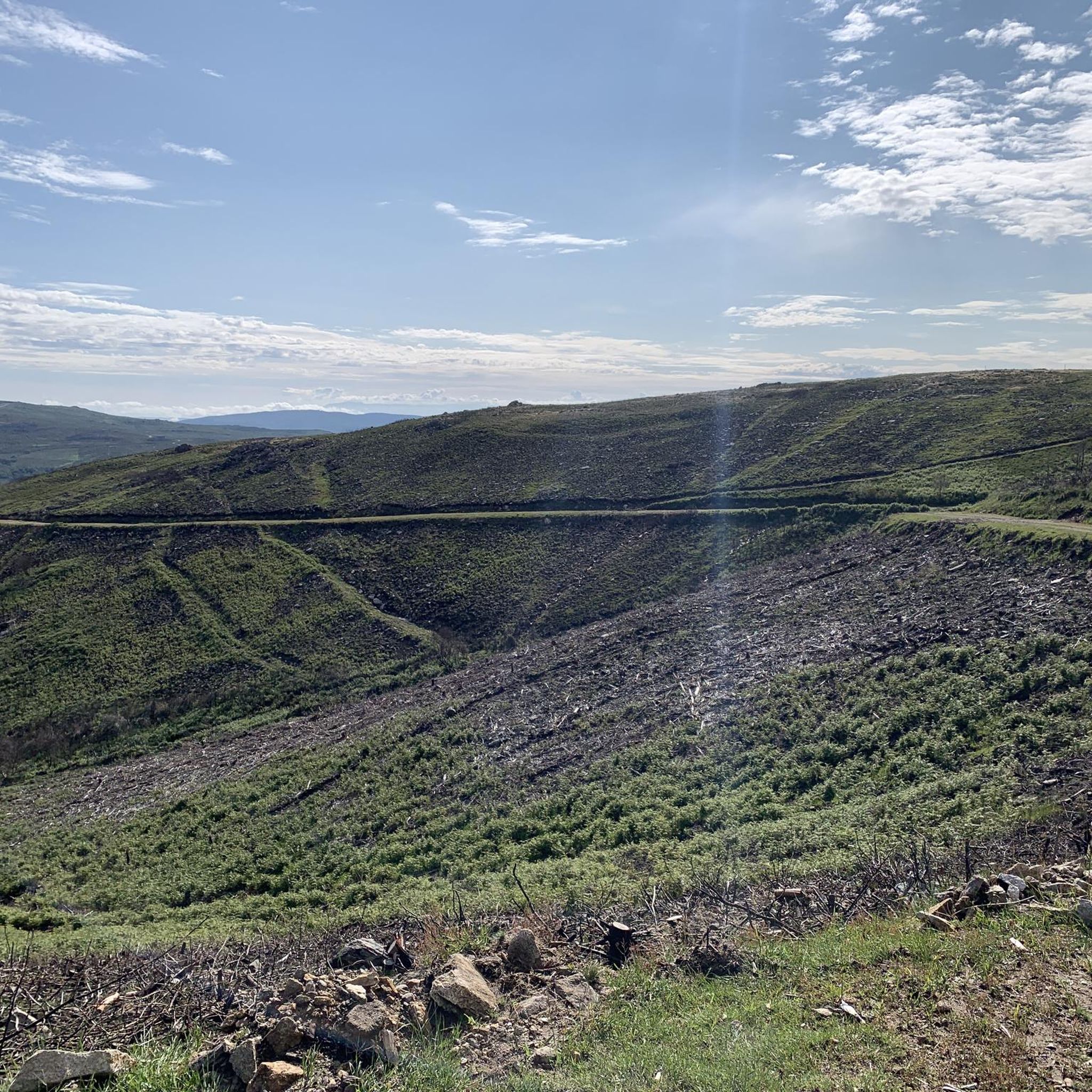
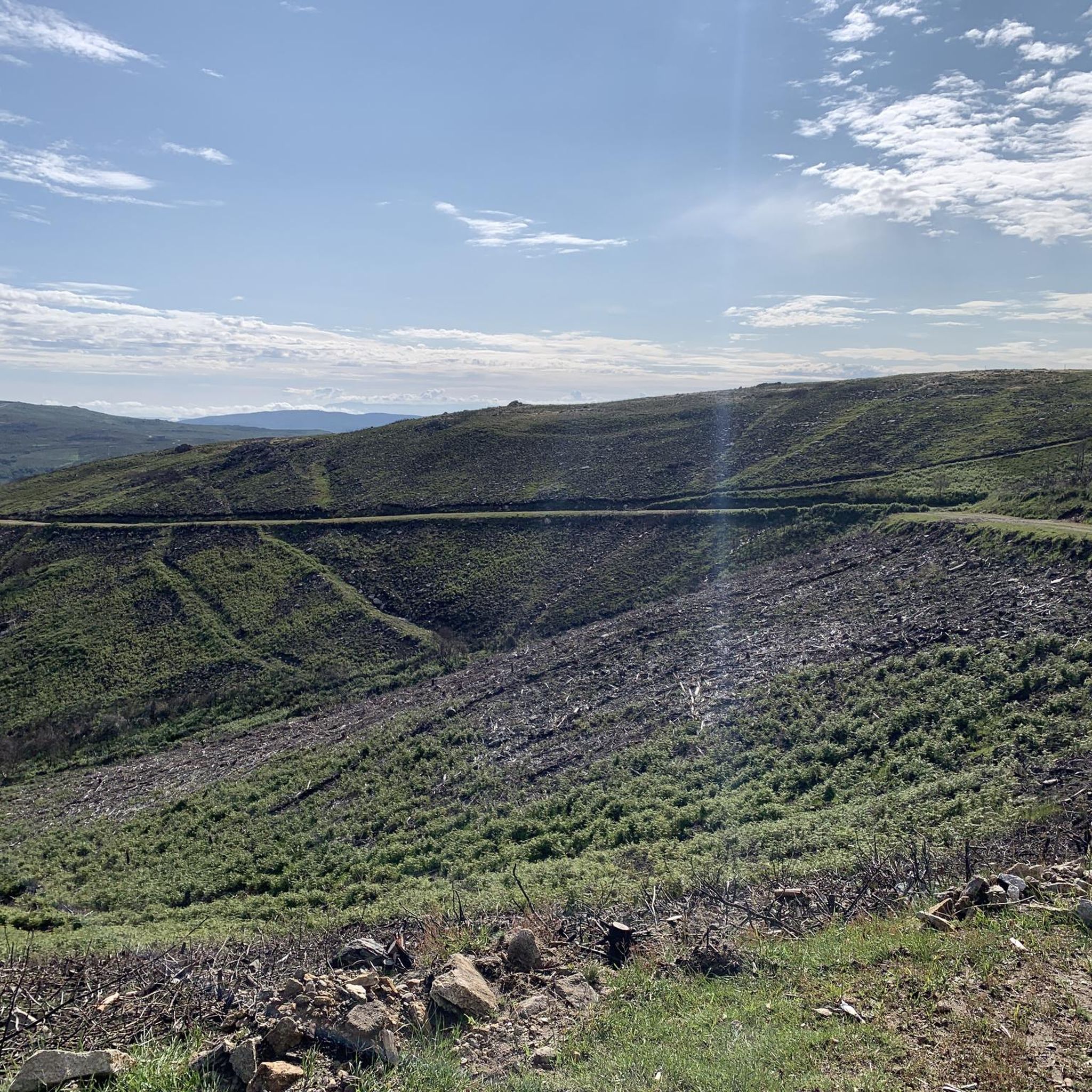
Among the low scrubland, oak groves and winding streams, the imposing granite outcrops that define this mountain landscape stand out. Sculpted by time, wind and water, they form escarpments and rocks of improbable balance, such as the Bico do Patelo, an immense rock that seems to defy gravity. In this wild landscape, the mountain goat reigns supreme, agile and imposing, running along the cliffs as if they were trails traced just for it.
1
0

It has a burial chamber with approximate dimensions of 3.5 metres long, 2 metres wide and a height of up to 2 metres. The stones that form it, known as orthostats, can reach an estimated weight of between 500 and 1,500 kilograms each, depending on their size and thickness. These large granite slabs, typical of dolmens, were carefully placed by Neolithic communities as collective funerary monuments, reflecting the effort and ritual importance of the place.
1
0
Dating back to the Neolithic period (approximately between 4,000 and 3,000 BC), this dolmen, made up of large stone slabs arranged vertically and covered by a top slab, served as a collective tomb. It is one of the most representative examples of prehistoric funerary architecture in the region.
1
0
Frequently Asked Questions
What natural features can I expect to see around Lobeira?
The Lobeira area is characterized by diverse natural features, including impressive granite rock formations like Bico do Patelo, historical bridges such as the Old Bridge of Castro Laboreiro, and natural water features like the Pozo Caído Waterfall. You can also find ancient dolmens and even Roman hot springs.
Are there any notable viewpoints in the Lobeira area?
Yes, the region offers stunning panoramic views. The **Cruz de Lobeira Viewpoint** is a prominent spot, almost 300 meters above sea level, offering breathtaking vistas of the Ría de Arousa, Val do Salnés, and even distant islands on a clear day. Another excellent viewpoint is Bico do Patelo, a unique rock formation that provides expansive views of the surrounding mountain landscape.
What historical natural monuments can I visit near Lobeira?
Lobeira is rich in historical natural monuments. You can explore the Old Bridge of Castro Laboreiro, a medieval-style bridge with significant historical importance. The Dolmen of Casola do Foxo, a Neolithic collective tomb, offers a glimpse into prehistoric funerary architecture. Additionally, the Roman Baths of Bande provide a unique historical experience with natural hot springs dating back to Roman times.
Are there family-friendly natural monuments around Lobeira?
Yes, the Roman Baths of Bande are considered family-friendly. They offer free public access to natural hot springs, along with parking and picnic tables, making it a relaxing and enjoyable spot for all ages. Remember that the baths are best visited when the water levels of the As Conchas dam are low.
What outdoor activities can I do near these natural monuments?
The area around Lobeira provides various outdoor activities. You can find numerous trails for mountain biking, road cycling, and running. For example, there are challenging MTB routes like 'Lobios – vuelta por el río Lima y Minas das Sombras' and moderate road cycling routes such as 'As Conchas Dam and Waterfall – Aquis Querquennis Roman Ruins loop'. Running enthusiasts can explore trails like 'Ponte da Cava da Velha – Laboreiro River Waterfalls loop'. For more details on routes, you can check the MTB Trails around Lobeira, Road Cycling Routes around Lobeira, and Running Trails around Lobeira guides.
Are there hiking trails near the natural monuments?
Yes, the region offers several hiking opportunities. The **Monte Lobeira Environmental Route** is a dedicated nature trail that allows you to explore the natural landscape surrounding Lobeira. Many of the natural monuments, like Bico do Patelo, are accessible via trails, some of which can be quite steep and challenging. You can also find running trails that double as hiking paths, such as the 'Dolmen Casota do Foxo' loops.
What is the difficulty level of trails to these natural monuments?
The difficulty varies. Some natural monuments like Bico do Patelo involve a 'very steep climb' and are rated as challenging. Others, such as the Old Bridge of Castro Laboreiro, Roman Baths of Bande, Dolmen of Casola do Foxo, and Pozo Caído Waterfall, are generally rated as intermediate, suggesting moderate effort. It's always advisable to check specific route details for elevation and terrain before heading out.
What do visitors enjoy most about the natural monuments around Lobeira?
Visitors particularly appreciate the unique geological formations, such as the 'improbable balance' of granite outcrops at Bico do Patelo. The historical significance of sites like the Dolmen of Casola do Foxo and the tranquil setting of the Old Bridge of Castro Laboreiro are also highly valued. The free access to the Roman Baths of Bande is another highlight for many.
Are there any natural hot springs in the Lobeira area?
Yes, the Roman Baths of Bande feature natural hot springs. These well-preserved baths date back to Roman times and offer free public access, complete with parking and picnic tables. It's a great spot for relaxation, though they are submerged during periods of high water levels from the As Conchas dam.
Is there a waterfall I can visit near Lobeira?
Yes, the Pozo Caído Waterfall is a small but picturesque waterfall located in the Pacín river, near the Baixa Limia-Serra do Xurés Natural Park. Additionally, the **Cascata do Laboreiro** is another natural spectacle, approximately 8.7 kilometers from Lobeira, offering a beautiful natural water feature.
What is the best time of year to visit the natural monuments around Lobeira?
While specific seasonal recommendations aren't provided for all sites, generally, spring and autumn offer pleasant weather for exploring natural monuments and hiking. During these seasons, temperatures are milder, and the natural landscapes are vibrant. Summer can be warm, and some sites like the Roman Baths of Bande are best visited when water levels are low, which often occurs in drier periods.
Can I bring my dog to the natural monuments and trails?
While specific regulations for each natural monument are not detailed, many natural areas in Galicia are generally dog-friendly, especially on trails. However, it's always recommended to keep dogs on a leash, especially in protected areas or near wildlife, and to clean up after them. For specific sites, checking local signage or official websites is advisable.
Most popular attractions around Lobeira

Get inspired with the komoot mobile app


Explore more
Extend your search for the best caves by checking out these guides of the top ones around Lobeira:
