Top 20 Natural Monuments around Ansó
Natural monuments around Ansó are found within the Aragonese Pyrenees, a region characterized by its diverse ecosystems and significant geological formations. The area is part of the Parque Natural de los Valles Occidentales, making it a notable location for natural exploration. It features extensive valleys, ancient forests, and dramatic gorges. This landscape offers a variety of natural attractions for visitors.
Best natural monuments around Ansó
- The most popular natural monuments is Anayet Lakes, a lake that is a set…
Last updated: May 20, 2026
Anayet Lakes
Highlight • Lake
Translated by Google •
Tip by

Lac Castérau
Highlight • Lake
Translated by Google •
Tip by

Sign up now to discover places like this
Get recommendations on the best single tracks, peaks, & plenty of other exciting outdoor places.
Sign up for free
Ibón de Acherito
Highlight • Lake
It is always worth a visit.
Translated by Google •
Tip by

Pic des Moines
Highlight • Summit
This summit offers a breathtaking view of …
Translated by Google •
Tip by

Estanés Lake
Highlight • Lake
Translated by Google •
Tip by
Sign up for free to discover even more natural monuments around Ansó.
Sign up for free
Already have an account?
Start today with a free account
Your next adventure awaits.
Login or Signup
Popular around Ansó
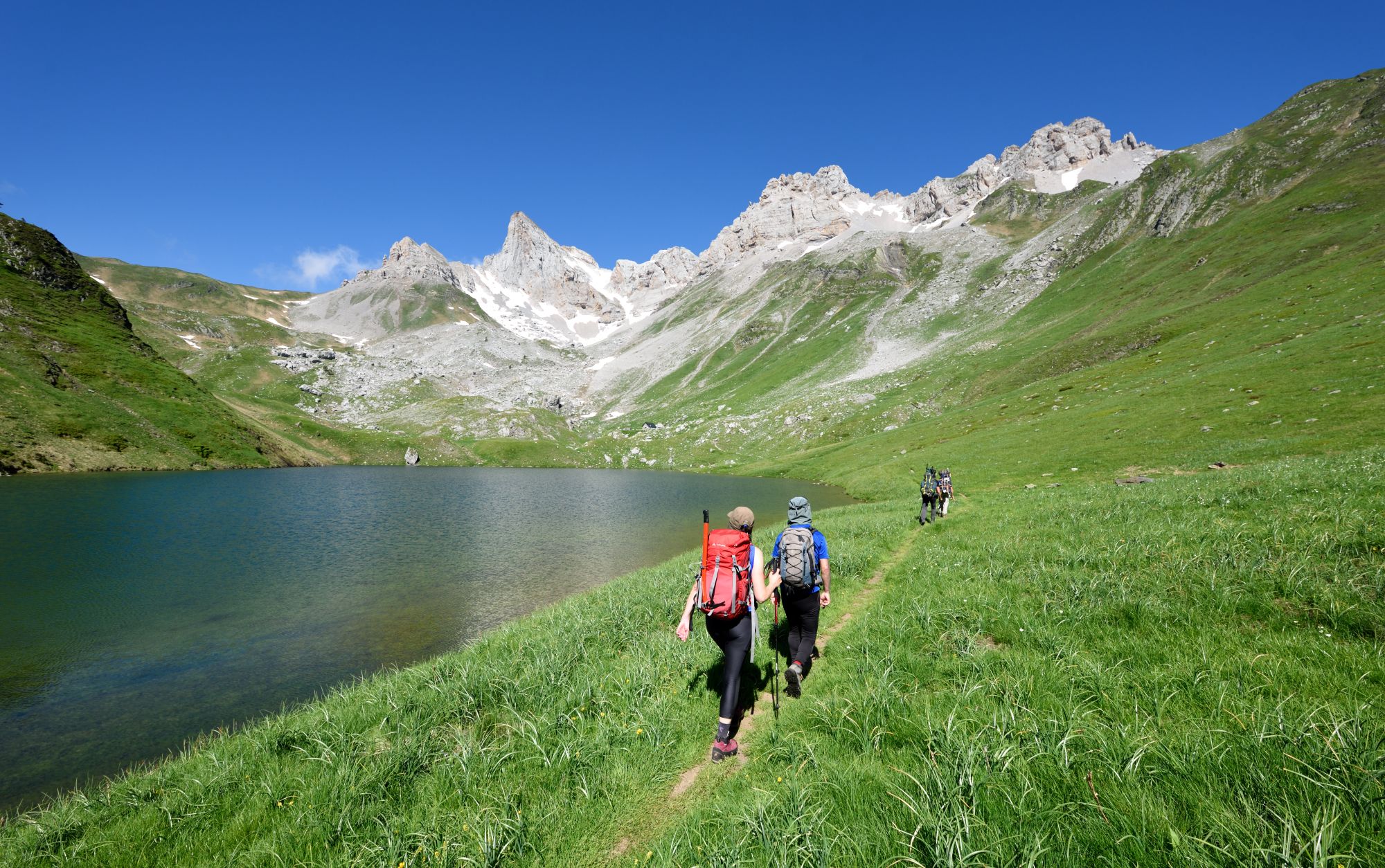
Classic Swallows Route in Spain – Mountains with history
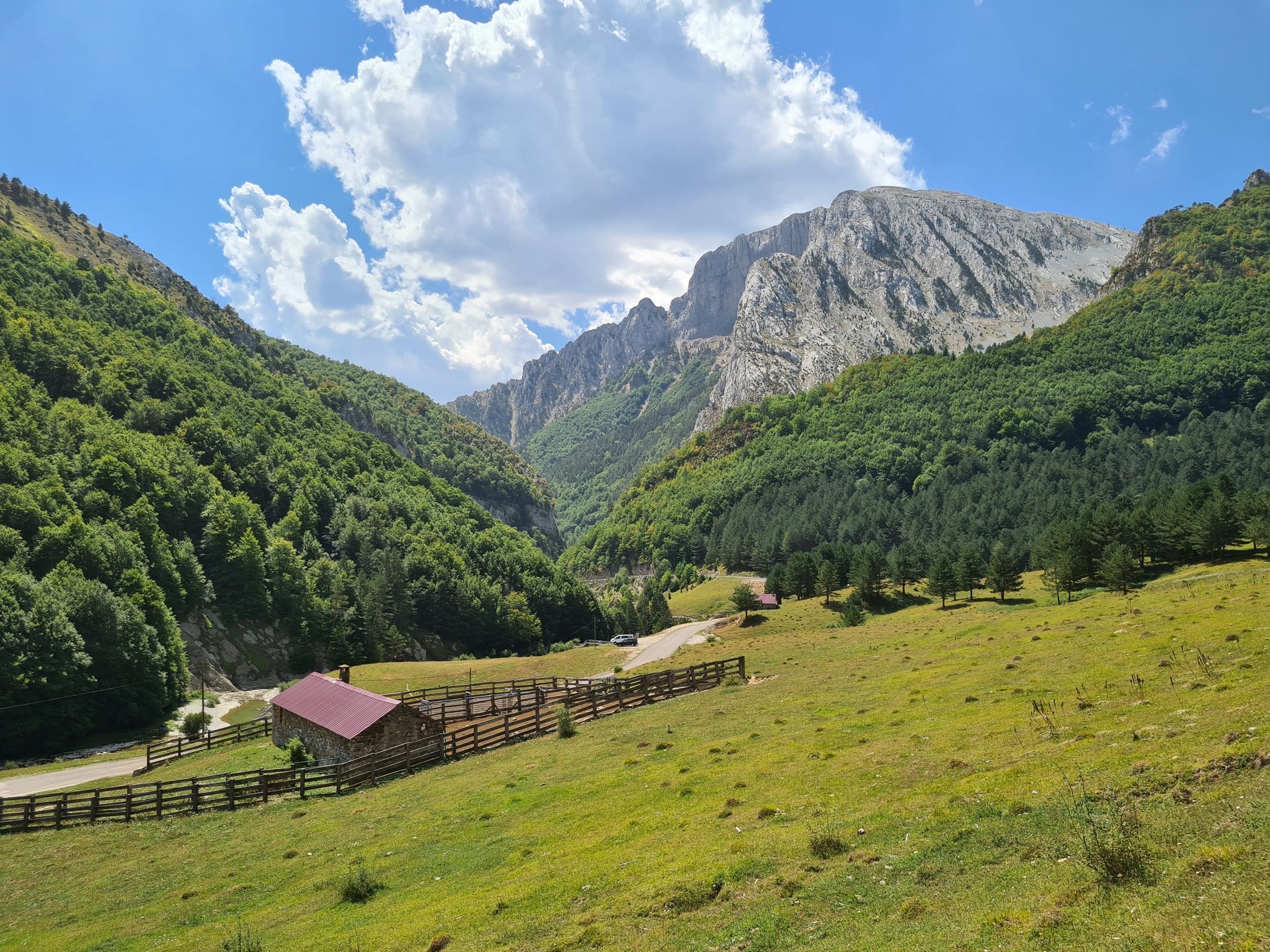
On the other side of the Pyrénées
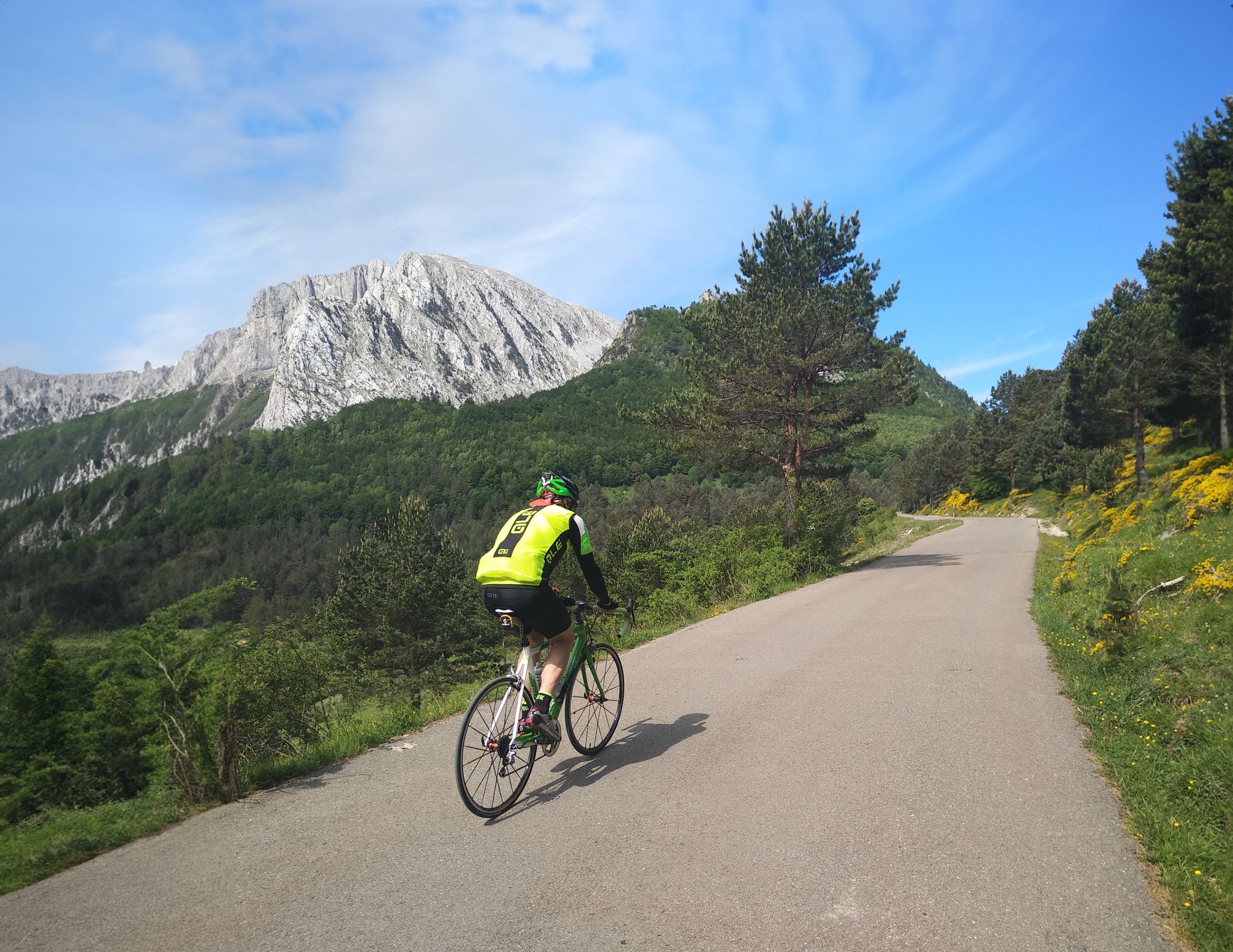
The Bay of Biscay to the Mediterranean — southern Pyrenees cycle tour
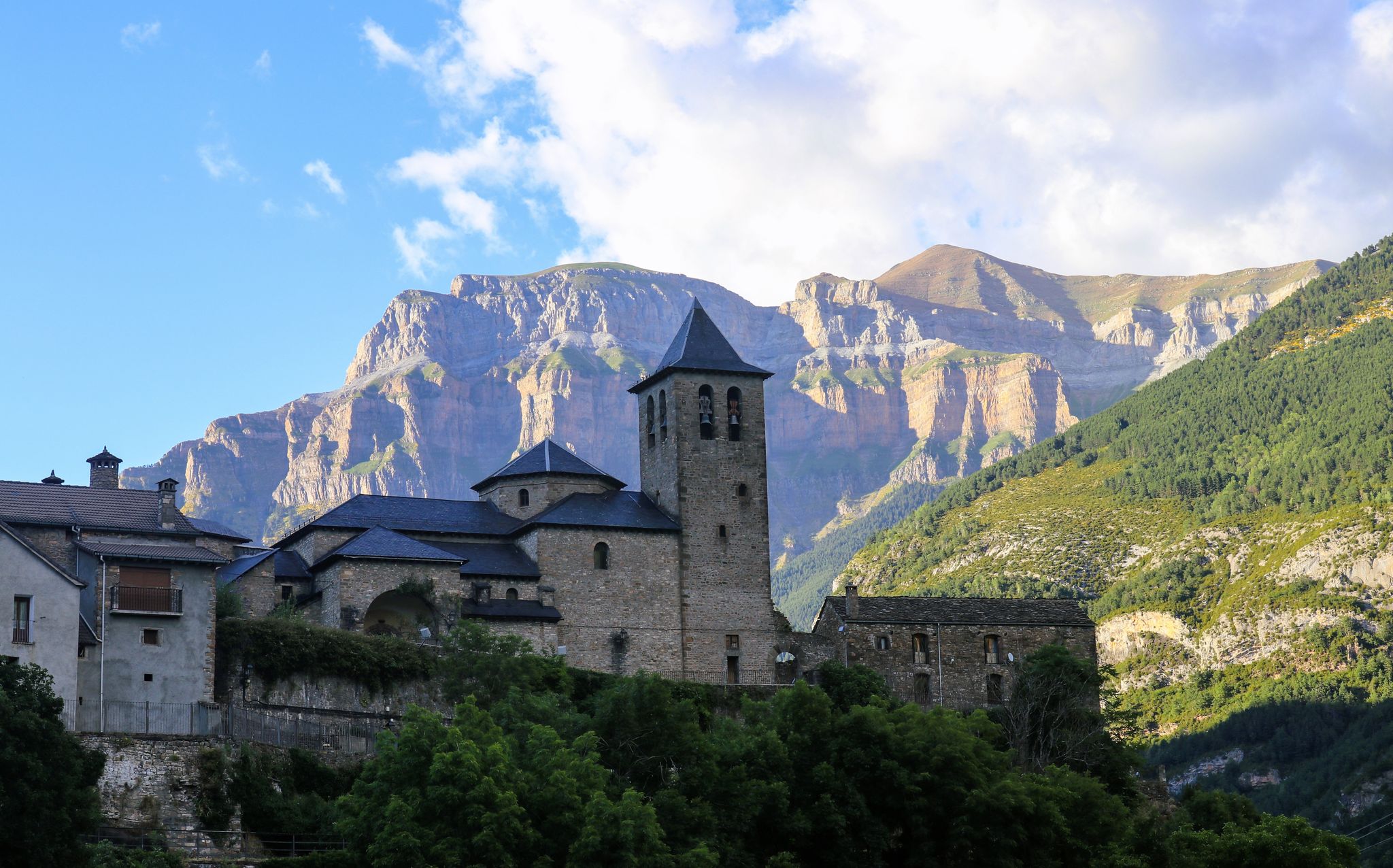
Between summits and villages – magical Pre-Pyrenees Trail (GR 15)
Aragon along the Pyrenean Trail – GR 11
Valleys and monasteries — the Origins of the Kingdom of Aragon
Hiking around Ansó
Road Cycling Routes around Ansó
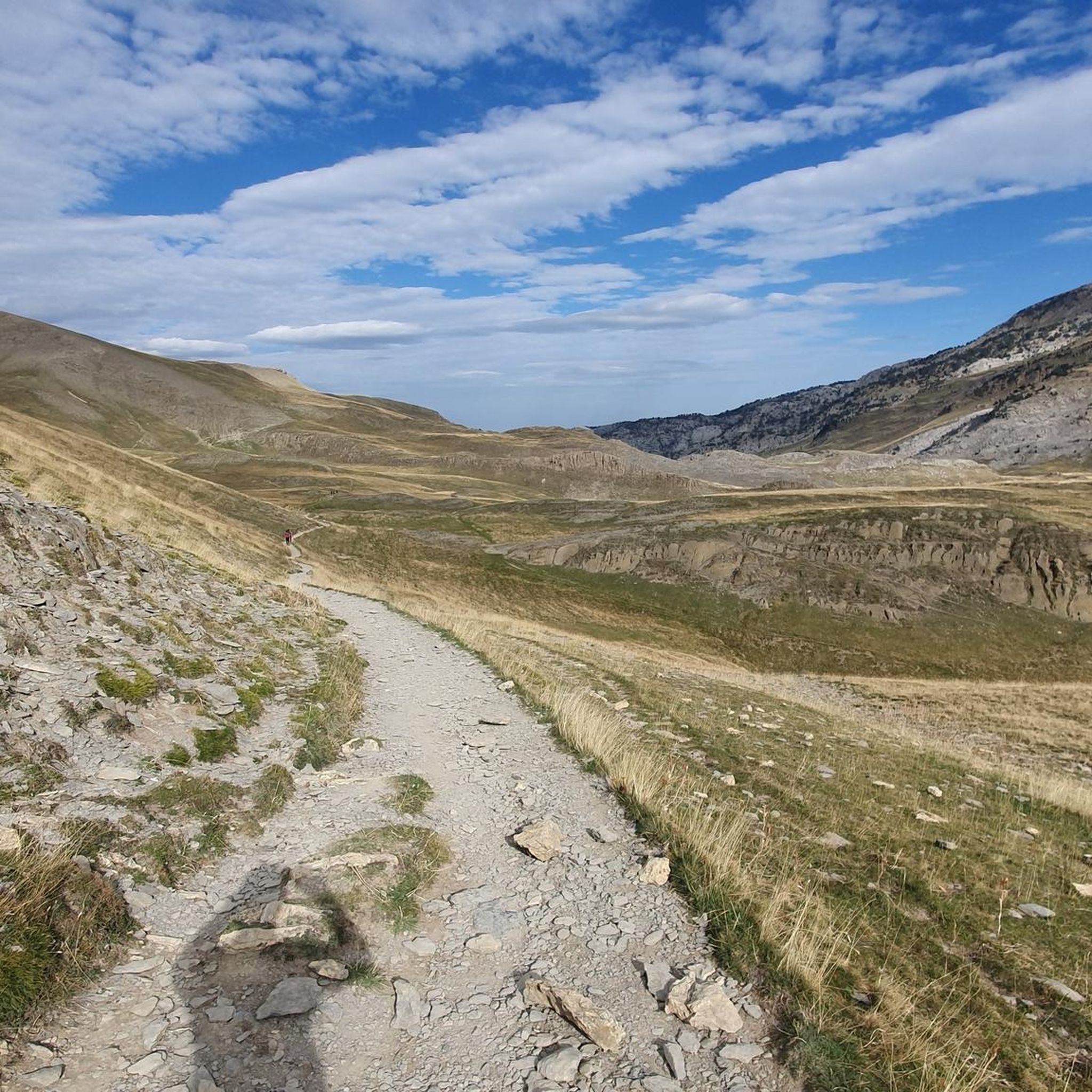
MTB Trails around Ansó
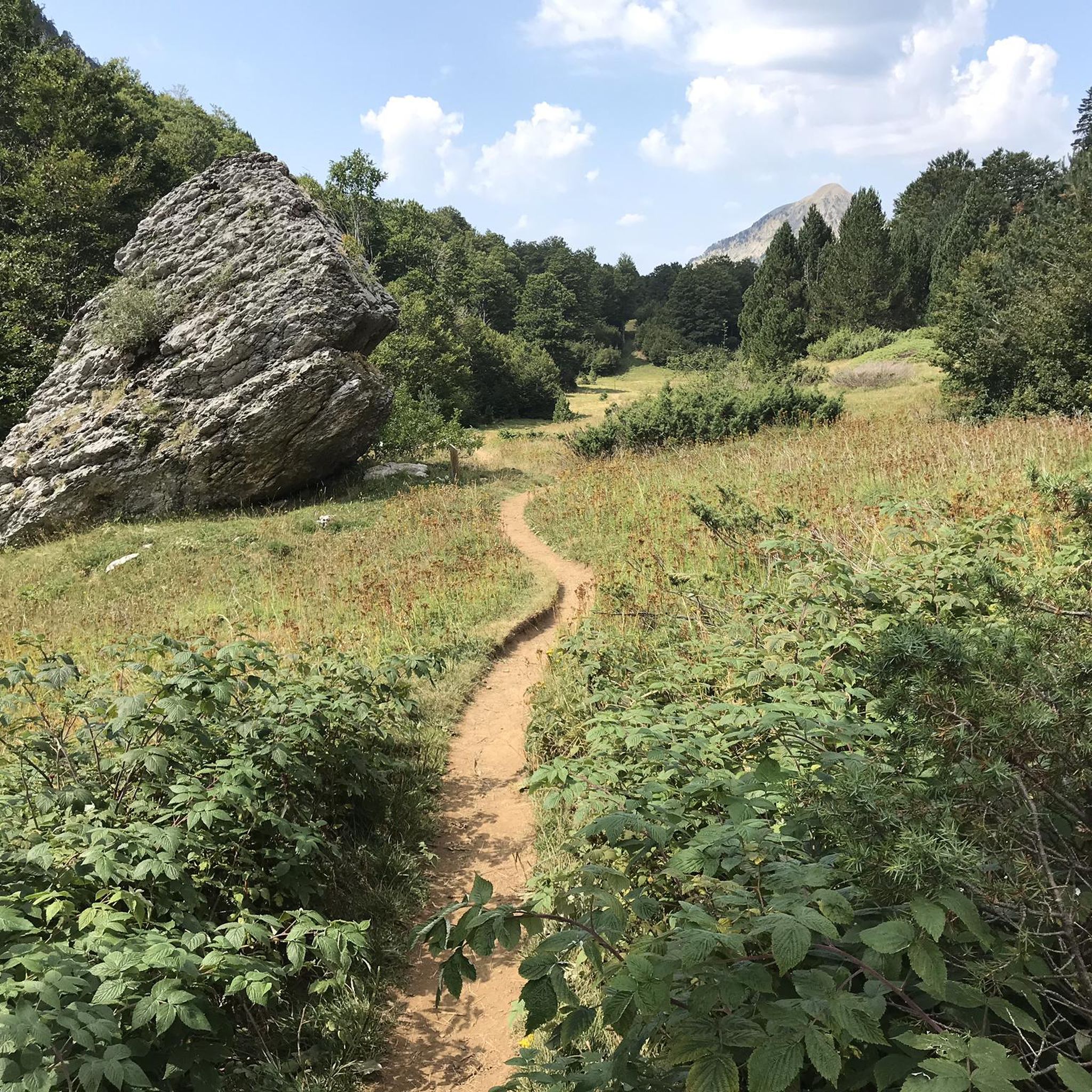
Running Trails around Ansó
Other adventures around Ansó


Tips from the Community

Emblematic peak of Canfranc, common at the start of the ski touring season, and recommended family outing to Ibón de Escalar in summer. It is a short, easy and beautiful ascent to Ibón de Escalar, and with a final climb to the peak only for mountaineers.
1
0


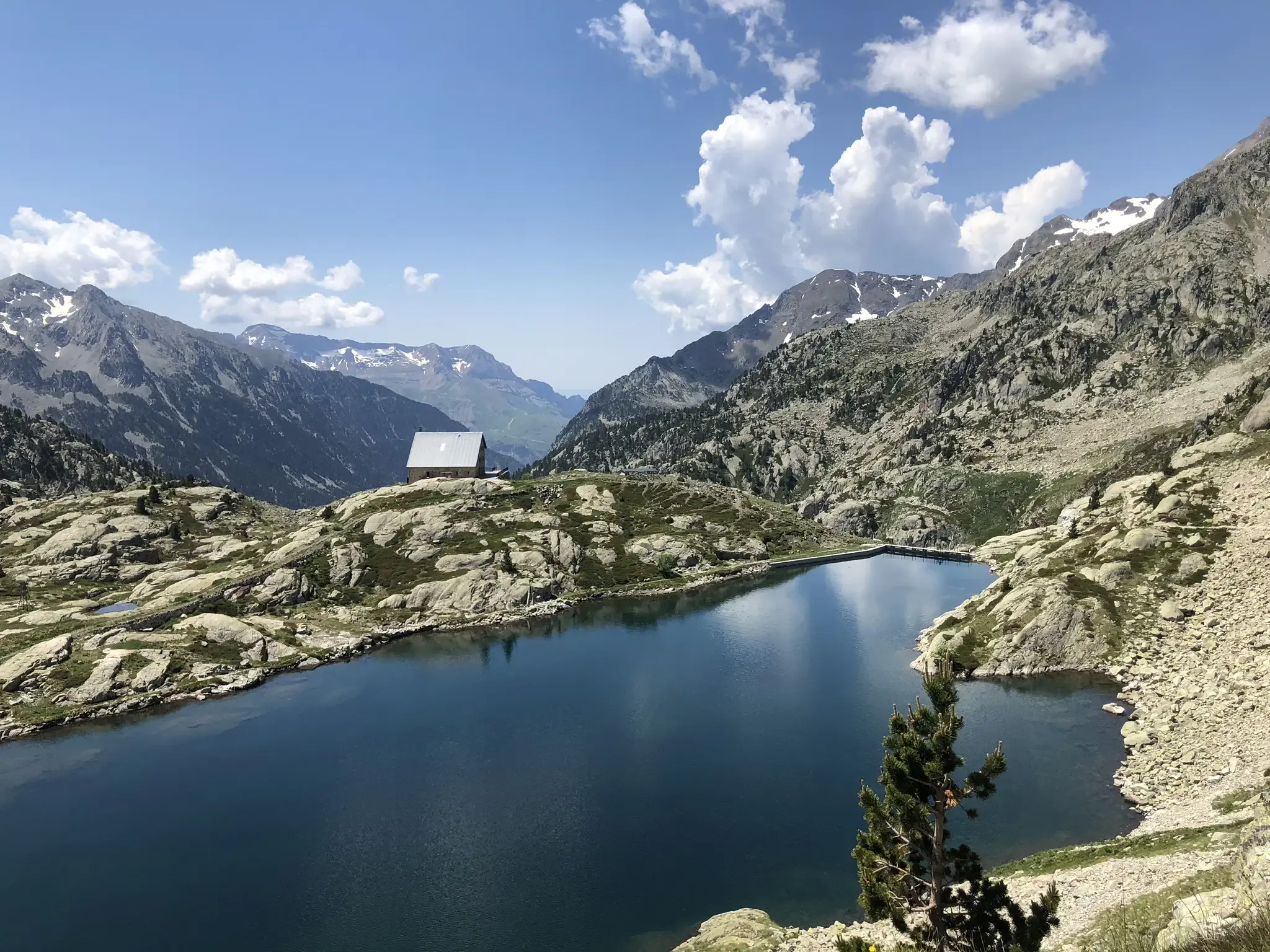
Located on the Spanish side, the lake is 1,754 meters above sea level. Nestled at the foot of beautiful rocky mountains, it invites you to take a timeless break.
0
0

Mountain lake (ibón) dammed of an indescribable beauty. The effort is not great for the reward of visiting it.
3
0
Charming lone lake. The westernmost of the Pyrenees. It is always worth a visit.
2
0
A classic from this area of the Pyrenees. You must visit it if you get the chance. It never disappoints.
3
0
Culminating at 2,349 meters above sea level, the Pic des Moines is located a few meters from the border between France and Spain. This summit offers a breathtaking view of the Pic du Midi d'Ossau, its valley and the Spanish side.
0
0

These lakes, located at an altitude of 2,233 m, feed the Canal Roya river, which in turn is a tributary of the Aragón river. Bathing in them is not recommended due to the high presence of leeches. All the Aragonese lakes are protected as they are included in the Inventory of Singular Wetlands, so any activity that could modify the quality of their waters is prohibited. While bathing is not specifically mentioned, it is understood that bathing with chemicals on the skin such as sunscreens, deodorants, perfumes or creams is negatively affecting the quality of the water, so it cannot be done. You can read the protection decree and the list of wetlands included here: http://www.boa.aragon.es/cgi-bin/EBOA/BRSCGI?CMD=VEROBJ&MLKOB=558856590404
3
0
Frequently Asked Questions
What are the most notable natural features to explore in the Ansó region?
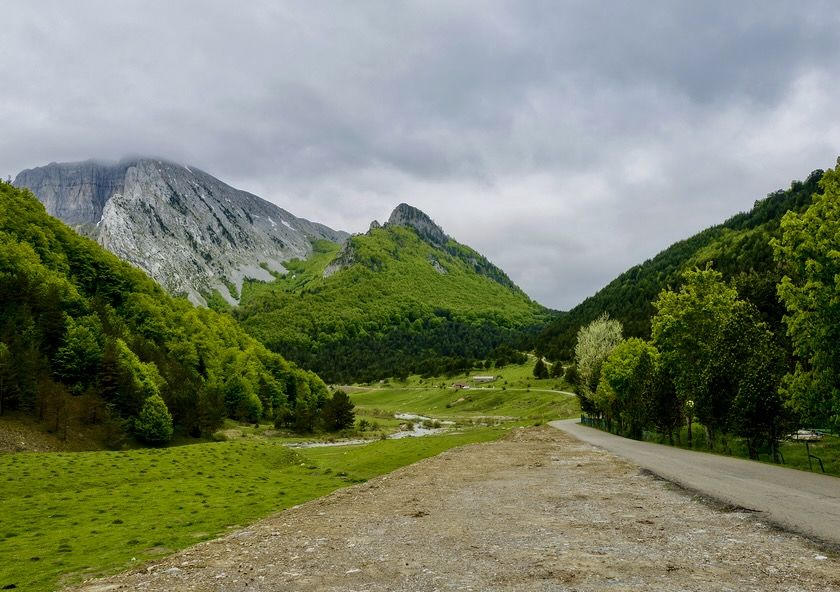
The Ansó region, part of the Parque Natural de los Valles Occidentales, is rich in diverse natural features. You can explore extensive valleys like the Valle de Ansó, which is a botanical jewel with monumental trees and diverse wildlife. Dramatic geological formations are found at the Foz de Biniés, a narrow gorge with impressive vertical walls. High mountain landscapes are prominent in the Zuriza Valley, known for its meadows and peaks, and the Valle de Aguas Tuertas, a scenic valley popular for hiking.
Are there any significant lakes or bodies of water to visit around Ansó?
Yes, the region is known for its beautiful lakes. Among them are the Anayet Lakes, a set of small glacial lakes situated at 2,200 meters with views of the Midi d'Ossau. Another must-see is Estanés Lake, a mountain lake nestled at 1,754 meters. You can also find Ibón de Acherito, the westernmost lake in the Pyrenees, and Lac Castérau, one of the six Ayous lakes offering views of the Midi d'Ossau peak.
What kind of forests can be found in the natural monuments around Ansó?
The Ansó region is home to significant forested areas, notably the Gamueta Forest. Located at the head of the Ansó valley, this ancient forest is characterized by its fir and beech trees. It's considered an authentic botanical jewel, housing monumental trees, a variety of birds, and endemic plants, and is also one of the last havens for brown bears.
What outdoor activities can I do near the natural monuments in Ansó?
The natural monuments around Ansó offer a wide range of outdoor activities. You can find numerous routes for running, cycling, and mountain biking. For example, there are challenging running trails like the 'Ibon de Acherito - trail running circular from Selva de Oza' or cycling routes such as the 'Foz de Biniés and Foz de Fago Loop'. Mountain biking enthusiasts can explore trails like 'Parque Natural de los Valles Occidentales – Aguas Tuertas desde Selva de Oza'. You can find more details on these activities in the Running Trails around Ansó, Cycling around Ansó, and MTB Trails around Ansó guides.
Are there any viewpoints or summits offering panoramic views?
Yes, the mountainous terrain provides several excellent viewpoints. The Anayet Lakes offer stunning views of the Midi d'Ossau. For a truly breathtaking panorama, consider ascending Pic des Moines, which culminates at 2,349 meters and provides views of the Midi d'Ossau and the entire western part of the Spanish Pyrenees range.
What is the best time to visit the natural monuments around Ansó?
While many natural monuments are accessible year-round, some are best enjoyed during specific seasons. For instance, visiting Ibón de Acherito is highly recommended in summer. Generally, late spring to early autumn offers the most favorable weather for hiking and exploring the high-altitude lakes and valleys, avoiding heavy snow and ice.
Are there family-friendly natural monuments or activities in the Ansó area?
The region offers options suitable for families. The Valle de Aguas Tuertas is known for its relatively easy hiking path, making it a good choice for families. The ascent to Pic des Moines can include a short, easy, and beautiful climb to Ibón de Escalar, which is recommended as a family outing in summer.
What kind of wildlife can I expect to see in the natural monuments of Ansó?
The Ansó region is a significant area for wildlife. The Valle de Ansó is a refuge for diverse bird species and endemic plants, and even the elusive brown bear. Similarly, the Gamueta Forest is one of the last havens for brown bears and supports a variety of birds and endemic plants. Ibón de Acherito is notable for being home to a colony of Pyrenean newts with unique characteristics.
What makes the Ansó Valley itself a natural monument?
The Valle de Ansó is considered one of the most extensive and important natural landscapes in the Pyrenees. It's recognized as a true botanical jewel due to its almost virgin corner brimming with life. It boasts the largest collection of monumental trees in Aragon and serves as a vital refuge for diverse bird species, endemic plants, and brown bears, highlighting its exceptional ecological significance.
What do visitors enjoy most about the natural monuments around Ansó?
Visitors frequently appreciate the indescribable beauty and the sense of a timeless break offered by places like Estanés Lake. The unique geological formations of the gorges and the panoramic views from summits like Pic des Moines are also highly valued. Many find the effort to reach these natural wonders to be well rewarded by the stunning landscapes and pristine environment.
Are there any specific considerations for visiting the lakes, such as swimming or environmental protection?
When visiting lakes like Ibón de Acherito, it's important to be aware of environmental protection measures. All Aragonese lakes are protected as part of the Inventory of Singular Wetlands. Activities that could modify water quality are prohibited. While bathing isn't always explicitly banned, it's understood that using chemicals like sunscreen, deodorant, or perfume in the water negatively affects its quality, so it should be avoided to preserve these sensitive ecosystems.
Can I find challenging hiking routes among the natural monuments?
Yes, the region offers challenging routes for experienced hikers. The trail to the Anayet Lakes, for instance, runs through glacial reliefs and involves a comfortable climb despite appearing formidable. Many of the high mountain areas and summits, such as Pic des Moines, also offer more demanding ascents for mountaineers seeking a challenge.
Most popular attractions around Ansó

Get inspired with the komoot mobile app


Explore more
Extend your search for the best caves by checking out these guides of the top ones around Ansó:
