Top 2 Castles around Olías Del Rey
Best castles around Olías Del Rey are found in the surrounding area, particularly near the historic city of Toledo. Olías Del Rey itself is characterized by traditional architecture, serving as a gateway to the rich historical landscape nearby. The region features significant fortifications and palaces, often situated along the Tagus River or on strategic high points. This proximity allows visitors to explore ancient structures that played key roles in the area's history.
Best castles around Olías Del Rey
- The most popular castles is View of the Puente de Alcántara and the Alcázar of Toledo, a viewpoint that offers one of the best panoramic views of the Alcázar of Toledo. This location provides a perspective of the Alcázar, a majestic building symbolizing the city's history since Roman times.
- Another must-see spot is Palacio de Galiana, a historical site and castle. This ancient palace, built in the 11th century, is located on the banks of the Tagus River and offers views of Toledo.
- Visitors also love The Queen’s Towers, a monumental section of Toledo's medieval city wall. These towers form part of the old urban defensive system and are visible from outside the Bisagra Gate.
- Olías Del Rey is known for historical sites, castles, and ancient fortifications. The area offers a variety of structures, from medieval fortresses to ancient palaces, providing insights into the region's past.
- The castles around Olías Del Rey are appreciated by the komoot community, with 28 upvotes and 7 photos shared by visitors.
Last updated: June 4, 2026
Palacio de Galiana
Highlight • Historical Site
Translated by Google •
Tip by

San Servando Castle
Highlight • Castle
Built in 1024 as a monastery during the reign of Alfonso VI.
Translated by Google •
Tip by

Sign up now to discover places like this
Get recommendations on the best single tracks, peaks, & plenty of other exciting outdoor places.
Sign up for free
View of the Puente de Alcántara and the Alcázar of Toledo
Highlight • Viewpoint
Translated by Google •
Tip by

The Queen’s Towers
Highlight • Castle
The name "Queen's Towers" comes from Berenguela of Barcelona, wife of Alfonso VII, who defended Toledo in 1139 while the king besieged the Muslim fortress of Oreja (near Aranjuez).
Translated by Google •
Tip by
Climbing rock
Highlight • Climb
Translated by Google •
Tip by
Start today with a free account
Your next adventure awaits.
Login or Signup

Tips from the Community

The Legend With Toledo almost undefended, the Almoravids besieged the city. Berenguela, only 23 years old, climbed the wall at what is now the Queen's Tower to verbally confront the Muslim leaders. According to tradition, her stern rebuke caused the besiegers to withdraw in shame.
12
0
The Queen's Towers are a monumental section of Toledo's medieval city wall, located on Calle Carrera, between the Bisagra Gate and the Almofala Tower. They form part of the old urban defensive system. This section of the wall is visible from outside the Bisagra Gate, extending eastward. The name "Queen's Towers" comes from Berenguela of Barcelona, wife of Alfonso VII, who defended Toledo in 1139 while the king besieged the Muslim fortress of Oreja (near Aranjuez).
14
0
The Alcántara Bridge is one of Toledo's most important historical gateways and a key engineering feat dating back to Roman times. Originally built by the Romans as part of the roads crossing the Tagus River towards the city of Toletum, it was rebuilt in several stages due to damage and flooding of the Tagus. Notable phases include: 10th century: renovation under Islamic rule (the horseshoe arch was added). 13th century: reconstruction under Alfonso X, from which the western tower originates. 1721: replacement of the eastern tower with a Baroque triumphal arch. One of the Alcántara Bridge's greatest attractions is that it offers one of the best panoramic views of the Alcázar of Toledo, thanks to its low position next to the Tagus River.
1
0
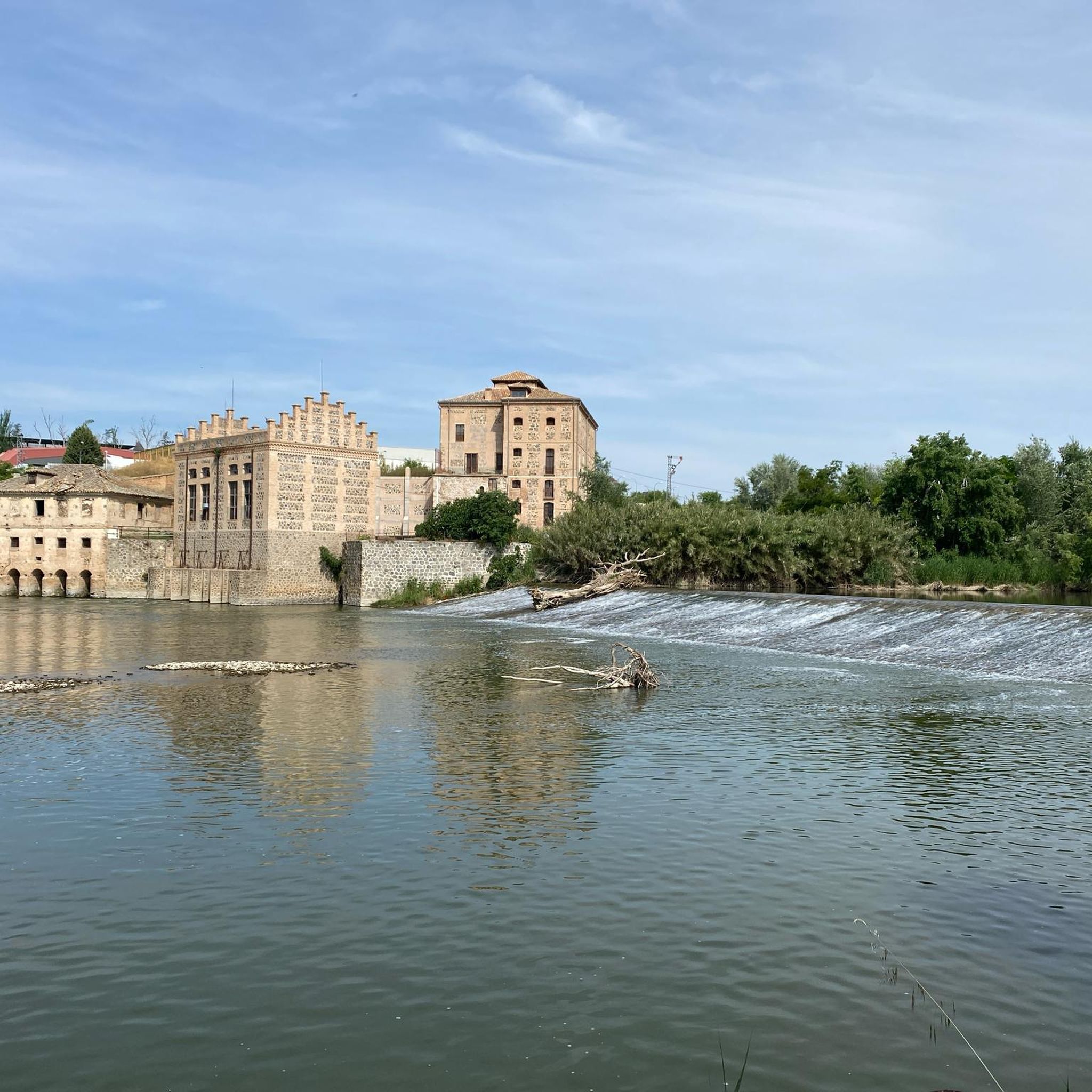
A beautiful walk along the Tagus River.
3
0
The Castle of San Servando is an impressive medieval fortress located in Toledo, next to the Tagus River and very close to the Alcántara Bridge. It is one of the city's most notable monuments due to its history, architecture, and strategic location. Built in 1024 as a monastery during the reign of Alfonso VI.
11
0

Even more beautiful at night than during the day
1
0
The Galiana Palace is located on the banks of the Tagus and offers privileged views of Toledo. Magnificently restored, it consists of a rectangular floor plan divided into three naves, a sunken patio with a reflecting pond and wonderful gardens. The beauty of this place makes it an ideal and unique space for any celebration.
1
0

Palace located on the plains of the Ribera del Tajo.
1
0
Frequently Asked Questions
What castles can I visit near Olías del Rey?
While Olías del Rey itself doesn't have prominent castles, the nearby city of Toledo offers several significant historical fortifications. You can explore the medieval San Servando Castle, which protected the Alcántara Bridge, and the ancient Palacio de Galiana, an 11th-century palace with views of the Tagus River. Additionally, the Alcázar of Toledo, a majestic fortress housing the Army Museum, is a key historical site in the area.
Are there family-friendly castles to visit near Olías del Rey?
Yes, The Queen’s Towers in Toledo are considered family-friendly. This monumental section of Toledo's medieval city wall offers a glimpse into history with a fascinating legend about Queen Berenguela. It's an engaging site for visitors of all ages.
What historical sites are near Olías del Rey besides castles?
Beyond the castles, the area around Olías del Rey, particularly Toledo, is rich in history. You can visit the Puente de Alcántara, a historical bridge offering panoramic views of the Alcázar of Toledo. The Alcázar itself, while a fortress, also functions as a museum detailing two millennia of history. The entire city of Toledo is a UNESCO World Heritage site, offering numerous historical streets, churches, and synagogues to explore.
How much time should I allocate for visiting these castles?
For San Servando Castle, you might spend 1-2 hours exploring its grounds and enjoying the views. The Palacio de Galiana, with its gardens, could also take 1-2 hours. If you plan to visit the Alcázar of Toledo and its Army Museum, allow at least 2-3 hours, or more if you wish to delve deeply into its exhibits. A full day trip is recommended to experience multiple sites in Toledo.
When is the best time to visit the castles near Olías del Rey?
The best times to visit are generally spring (April to June) and autumn (September to October). During these seasons, the weather is pleasant, making it ideal for exploring the outdoor grounds and walking around Toledo. Summers can be very hot, and winters can be chilly, though visiting during off-peak seasons might mean fewer crowds.
Are there good viewpoints near the castles?
Absolutely. The View of the Puente de Alcántara and the Alcázar of Toledo is a highly recommended viewpoint, especially beautiful at night. From the Puente de Alcántara, you get one of the best panoramic views of the Alcázar. The Palacio de Galiana also offers privileged views of Toledo from its location on the banks of the Tagus.
What outdoor activities can I do near these castles?
The area around Olías del Rey and Toledo offers various outdoor activities. You can find numerous routes for mountain biking, running, and traffic-free cycling. For example, there are several MTB Trails around Olías Del Rey, including loops through the countryside. You can also find Running Trails and Traffic-free bike rides that allow you to explore the natural beauty of the Tagus River and surrounding landscapes.
Are there cycling routes near the castles?
Yes, there are several cycling options. The Camino Natural del Tajo offers scenic routes, and you can cycle from Aranjuez to Toledo, passing by the Palacio de Galiana. Komoot also lists Traffic-free bike rides around Olías Del Rey, including routes like the 'Alcántara Bridge – View of the Palacio de Galiana loop from Toledo'.
Can I visit these castles in winter?
Yes, the castles and historical sites in Toledo are generally open year-round. While winter months can be cooler, especially in January and February, they often offer a quieter experience with fewer tourists. It's advisable to check specific opening hours for each site, as they might vary during the off-season.
Is parking available near the castles in Toledo?
Toledo has several public parking options, particularly around the city center and near major attractions. Due to the historical nature of the city, direct parking at the castle entrances might be limited, but underground parking garages and designated parking areas are available within walking distance of sites like the Alcázar and the Puente de Alcántara. It's recommended to use these facilities and explore the city on foot.
Are any of the castles dog-friendly?
Generally, historical indoor sites and museums, including the interiors of castles and palaces, do not permit dogs, with the exception of service animals. However, outdoor areas, castle grounds, and surrounding parks might be accessible with leashed dogs. It's best to check the specific pet policies of each site before your visit.
Most popular routes around Olías Del Rey
Most popular attractions around Olías Del Rey

Get inspired with the komoot mobile app


Explore more
Looking for the best castles somewhere else? Discover other guides around Olías Del Rey:
