Top 7 Natural Monuments around Vilanova De Arousa
Natural monuments around Vilanova De Arousa are found in a picturesque town in Galicia, Spain, known for its coastal and mountainous landscapes. The region features the Ría de Arousa, an estuary recognized for its marine life and mussel rafts, alongside diverse beaches stretching for over 10 km. Viewpoints like Monte Lobeira offer panoramic vistas of the Ría, islands, and surrounding mountains. These sites provide opportunities for outdoor activities such as hiking and cycling, showcasing the area's natural heritage.
Best natural monuments around Vilanova De Arousa
- The most popular natural monuments is Barosa Waterfall and Mills, a waterfall that features beautiful waterfalls with old water mills. It offers a good opportunity to relax, with picnic options and a small restaurant nearby.
- Another must-see spot is As Burgas Hot Spring Fountain, a natural monument. This fountain, built in 1881, releases water at approximately 50º C, known for its mineral-medicinal properties.
- Visitors also love Rolling Boulder at Punta Cape, a natural monument. This unique rock formation provides a distinctive photo opportunity after a short walk from the beach.
- Vilanova De Arousa is known for its waterfalls, hot springs, and unique rock formations. The area offers a variety of natural monuments to see and explore, from coastal features to inland geological sites.
- The natural monuments around Vilanova De Arousa are appreciated by the komoot community, with over 70 photos and more than 100 upvotes shared by visitors.
Last updated: August 11, 2026
Barosa Waterfall and Mills
Highlight • Waterfall
Translated by Google •
Tip by

As Burgas Hot Spring Fountain
Highlight • Natural Monument
Translated by Google •
Tip by

Sign up now to discover places like this
Get recommendations on the best single tracks, peaks, & plenty of other exciting outdoor places.
Sign up for free
Monument to the Stonemason
Highlight • Monument
Demanding climb with Strava segment.
Translated by Google •
Tip by

View of Segade Waterfall
Highlight • Waterfall
Translated by Google •
Tip by

Monte Siradella
Highlight • Summit
Translated by Google •
Tip by
Sign up for free to discover even more natural monuments around Vilanova De Arousa.
Sign up for free
Already have an account?
Start today with a free account
Your next adventure awaits.
Login or Signup
Tips from the Community

This trail is located in the enclave of the Barosa River Natural Park, an important resting place on the Portuguese Way to Compostela, which passes through the municipality of Barro. The topography of this park is unique, as the Barosa River cascades down to form the thirty-meter-high Fuente de Barosa (Waterfall). Along with this waterfall, seventeen mills were built, the Upper and Lower Mills, which form a water complex of great interest.
2
0

This fountain was built in 1881.
1
0

You can't miss this little detour from the Way of St. James! Under no circumstances 😊
1
0

Beautiful waterfall, especially in winter, when the river is full of water!
0
0

You should definitely explore the waterfalls of Tío Umia. Walking up the river you first find the waterfalls and have a great view of the cascades from below. If you continue along the path (follow the red arrows), you will reach the old Fabrica da Luz, an old power station that was fed by the power of water. From there you can continue to watch the falls
1
0
Those who walk the pilgrimage route should definitely turn right at the 51 km stone and make a detour to the waterfall of the Río Barosa. A large parking lot marks the entrance. If you walk along the paved path, you will soon find yourself in front of a few nice bridges and the beautiful waterfall. You should treat yourself to the pasr extra meters! There are toilets there too.
3
0

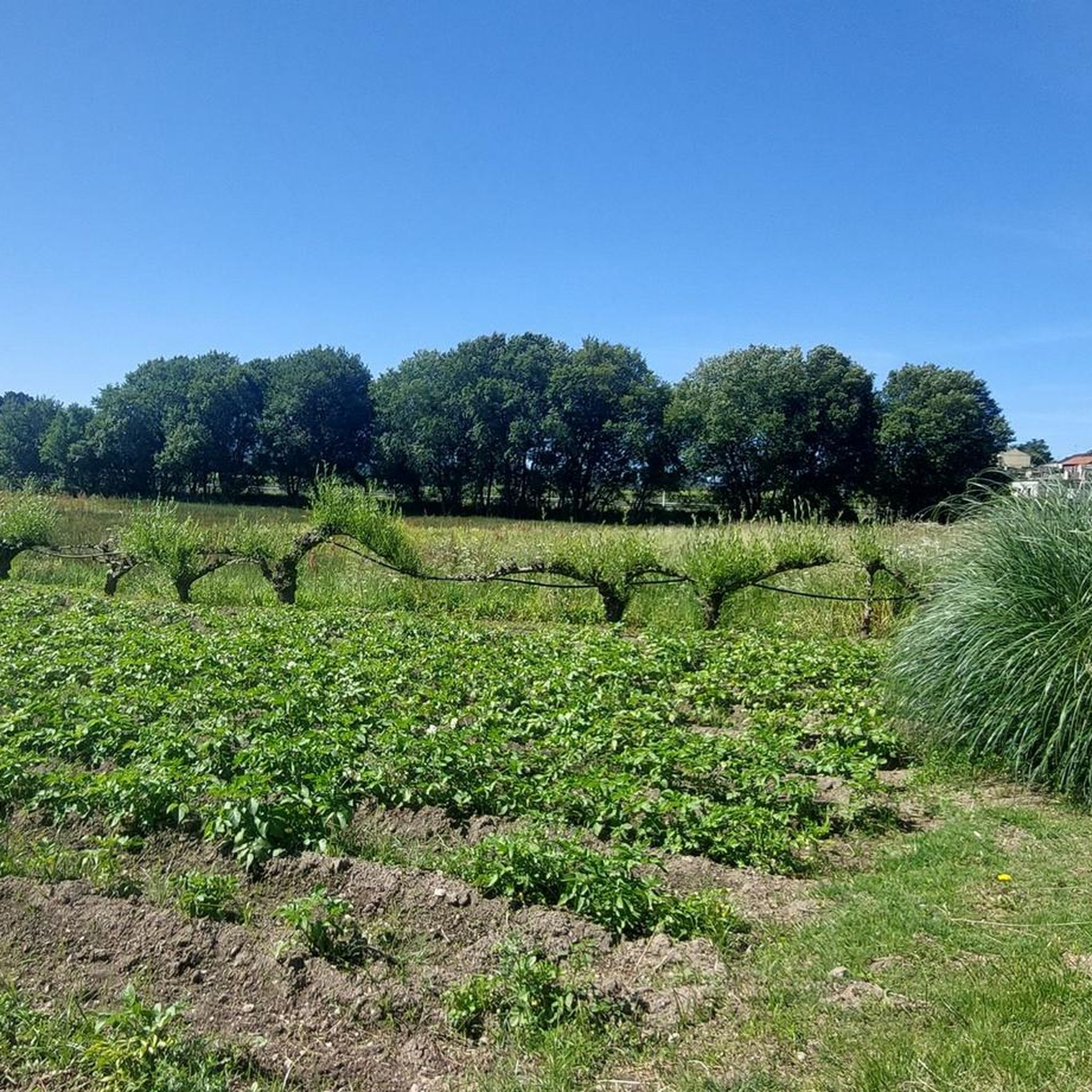
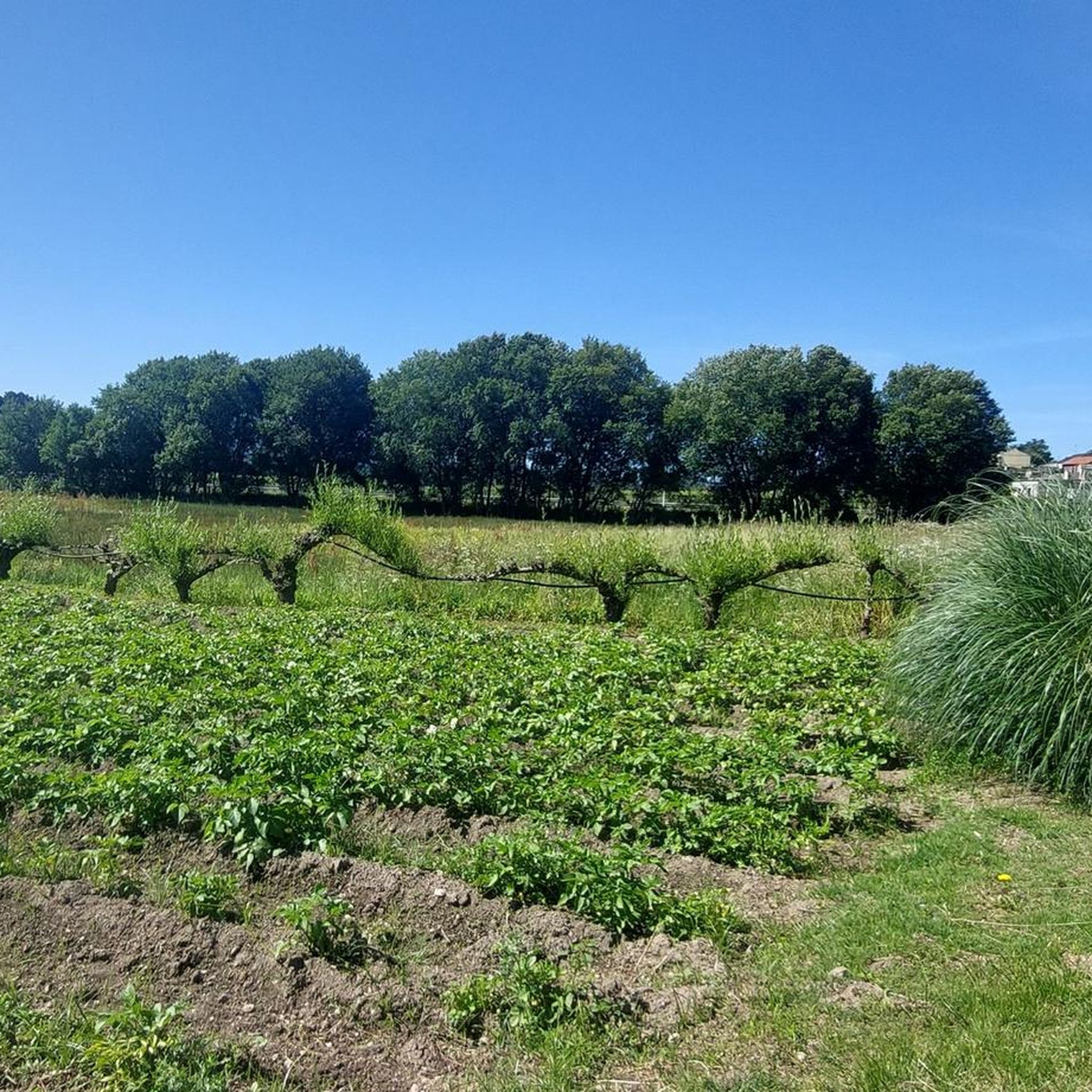
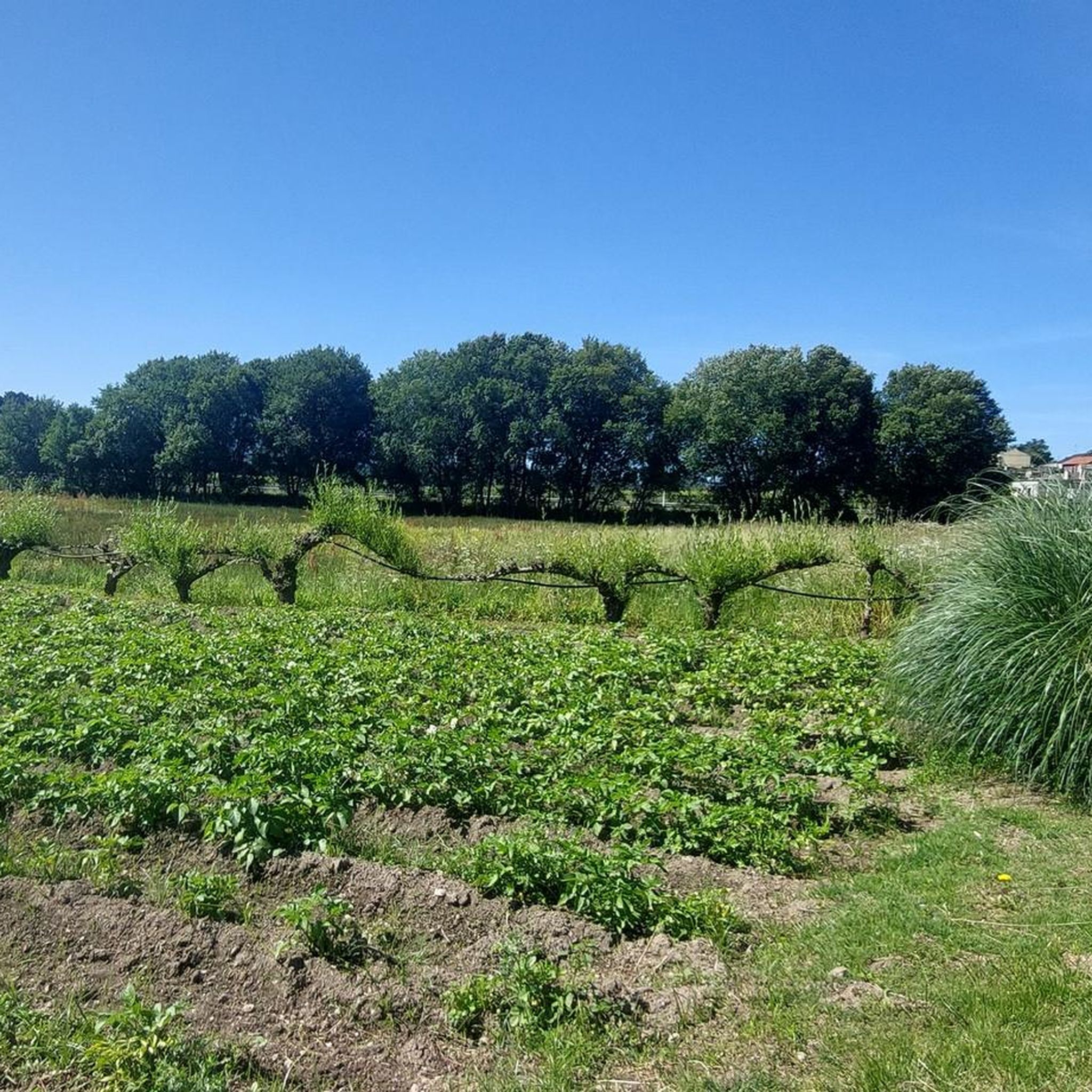
Located 200 m above sea level, Mount Siradella is the highest peak on the O Grove peninsula. It offers views of the Umia-O Grove Intertidal Complex, a wetland of international importance, which is the most important wintering place in Galicia for waterfowl
1
0
Wooded trails along the Umia River. The route leads to a viewpoint of the Segade Waterfall. The waterfall cascades over 30m creating different pools in the granite rock
2
0
Frequently Asked Questions
What unique natural monuments can I explore around Vilanova De Arousa?
Vilanova De Arousa offers a variety of unique natural monuments. You can visit the Barosa Waterfall and Mills, known for its beautiful waterfalls and old water mills, offering a relaxing spot with picnic options. Another distinctive site is the Rolling Boulder at Punta Cape, a unique rock formation perfect for a memorable photo after a short walk from the beach.
Are there any hot springs or thermal features in the area?
Yes, you can find the As Burgas Hot Spring Fountain. Built in 1881, this fountain releases water at approximately 50º C, which is known for its mineral-medicinal properties, making it beneficial for respiratory and rheumatic ailments.
Where can I find the best panoramic views of the Ría de Arousa and surrounding landscapes?
For breathtaking panoramic views, head to the Mirador Faro das Lúas on Monte Lobeira. From its 9-meter stone tower, you can see the Ría de Arousa, the Barbanza peninsula, Vilanova, A Illa de Arousa, and even Cambados and O Grove on clear days. Another excellent spot is the Mirador Monte Lobeira, which offers views of the Ons Islands, O Grove, and the Sierra Barbanza.
What kind of beaches can I find in Vilanova De Arousa?
Vilanova De Arousa boasts 14 kilometers of diverse beaches. O Terrón Beach is known for its half-shell shape, fine golden sand, and calm waters, surrounded by pine forests. As Sinas Beach is a long, narrow beach offering fantastic views of the Ría de Arousa and its mussel-producing platforms. There are also smaller, tranquil options like A Braña, Campamento or Mosqueiro, As Patiñas, and O Castelete.
What outdoor activities can I do near these natural monuments?
The region is ideal for various outdoor activities. You can enjoy hiking on trails like the Route dos Miradoiros Lobeira – Faro das Lúas, which connects the two viewpoints. Other options include the Monte Lobeira Environmental Route and the Umia River Environmental Route. For more ideas, explore hiking routes around Vilanova De Arousa. Cycling and mountain biking are also popular, with routes revealing diverse landscapes. Check out gravel biking and MTB trails in the area.
Are there family-friendly natural monuments or activities suitable for children?
Yes, several natural monuments are family-friendly. The Barosa Waterfall and Mills offers a pleasant environment with picnic options. The beaches, such as O Terrón Beach with its calm waters, are also great for families. Many of the environmental routes are suitable for leisurely walks with children, providing opportunities to enjoy nature together.
Can I see any wildlife or unique ecosystems in the area?
The Ría de Arousa is a natural wonder, renowned for its rich marine life, including extensive mussel rafts. Walking along the coast offers unique scenery and a chance to observe the marine ecosystem. The Umia-O Grove Intertidal Complex, visible from Monte Siradella, is a wetland of international importance and a significant wintering place for waterfowl, making it excellent for birdwatching.
What is the Ría de Arousa, and how can I experience it?
The Ría de Arousa is a large estuary known for its extraordinary beauty and rich marine life, particularly its extensive mussel rafts. You can experience it by walking along its coastlines, which offer unique views of the rafts and distant islands like Areoso, Arousa, Cortegada, and Sálvora. Exploring the Ría by boat provides a different perspective of its captivating beauty and traditional mussel farming industry.
Is there a monument dedicated to local history or culture related to the natural landscape?
Yes, on Monte Lobeira, you'll find a monument dedicated to victims of the sea, reflecting the region's deep connection to its maritime heritage. Additionally, the Monument to the Stonemason offers cool views of the Berducido reservoir and the Pontevedra estuary, celebrating a traditional craft intertwined with the local landscape.
When is the best time to visit the natural monuments around Vilanova De Arousa?
The best time to visit is generally during the spring and summer months (April to September) when the weather is mild and sunny, ideal for hiking, beach activities, and enjoying the viewpoints. Autumn can also be pleasant, especially for hiking, with fewer crowds. For birdwatching, the winter months are significant due to the migratory birds in areas like the Umia-O Grove Intertidal Complex.
Are there any specific hiking trails that connect different natural monuments?
Yes, the Route dos Miradoiros Lobeira – Faro das Lúas is a notable hiking trail that connects the Mirador Monte Lobeira and the Mirador Faro das Lúas. This route starts near the church of San Lourenzo de András and offers a scenic way to experience both viewpoints and the surrounding natural beauty.
What are the typical terrain and difficulty levels for trails near Vilanova De Arousa's natural monuments?
The terrain varies from coastal paths along beaches and estuaries to more elevated routes around viewpoints like Monte Lobeira. Trails can range from easy, flat walks suitable for families, such as those along the Umia River Environmental Route, to moderate and sometimes difficult climbs for those seeking more challenging hikes or mountain biking experiences. Many routes offer well-maintained paths, but some may involve navigating natural trails and rocks, as seen near the Rolling Boulder at Punta Cape.
Most popular routes around Vilanova De Arousa
Most popular attractions around Vilanova De Arousa

Get inspired with the komoot mobile app


Explore more
Extend your search for the best caves by checking out these guides of the top ones around Vilanova De Arousa:
