Top 20 Natural Monuments around Puebla De Lillo
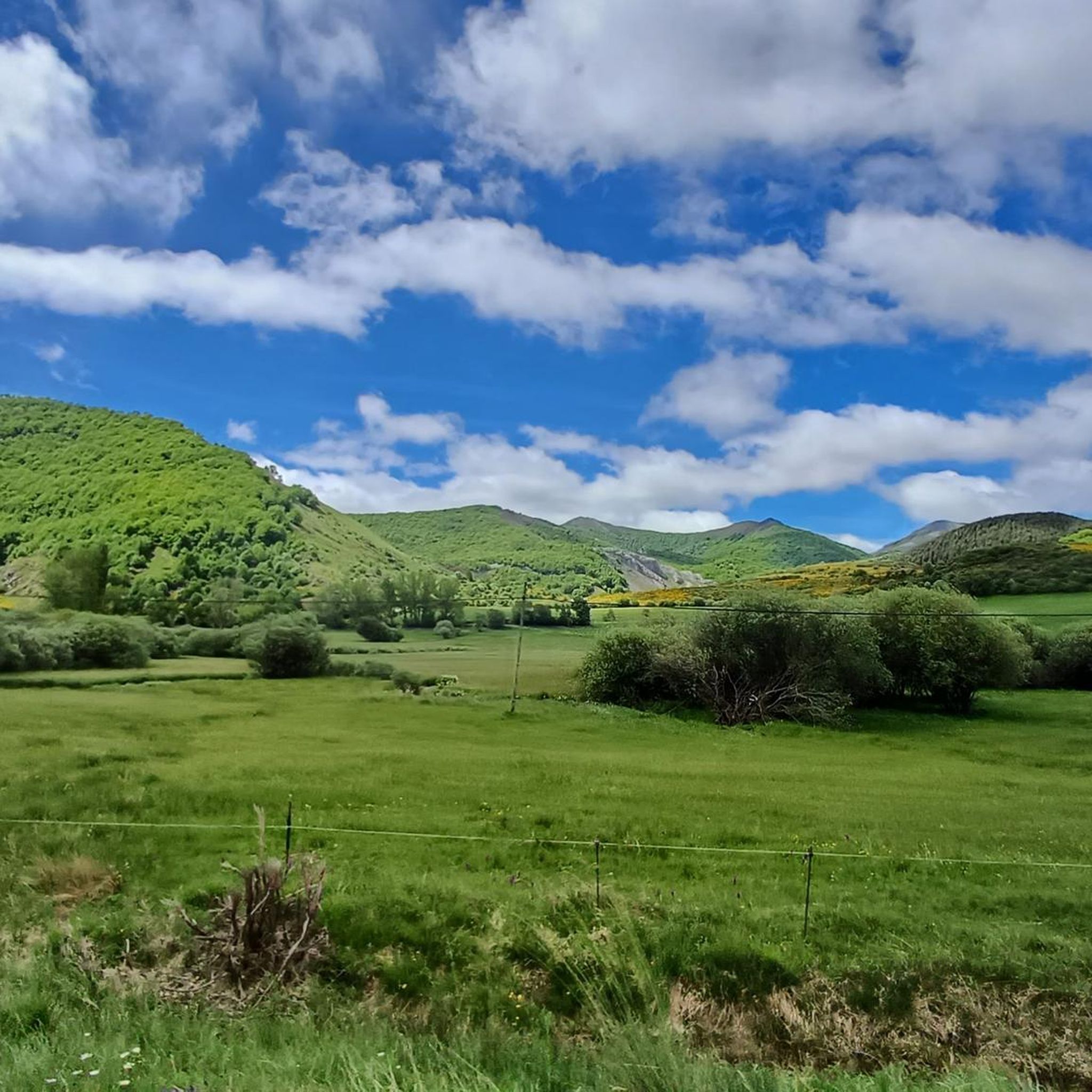
Natural monuments around Puebla De Lillo, located in León, Spain, offer a diverse natural landscape within the Montaña de Riaño region. This area is characterized by impressive mountains and opportunities for outdoor activities such as hiking. Visitors can explore various natural features that showcase the region's geography. The terrain provides a combination of natural beauty and historical significance.
Best natural monuments around Puebla De Lillo
- The most popular natural monuments is Susarón Peak (1,878 m), a summit that offers…
Last updated: October 5, 2026
Yordas (1,967 m)
Highlight • Summit
The ascent …
Translated by Google •
Tip by

El Tabayón del Mongayu Waterfall Trail
Highlight • Trail
Translated by Google •
Tip by

Sign up now to discover places like this
Get recommendations on the best single tracks, peaks, & plenty of other exciting outdoor places.
Tabayón del Mongayu Waterfall
Highlight • Waterfall
Translated by Google •
Tip by
Susarón Peak (1,878 m)
Highlight • Summit
Translated by Google •
Tip by
Texu la Oración Viewpoint
Highlight • Viewpoint
Translated by Google •
Tip by
Sign up for free to discover even more natural monuments around Puebla De Lillo.
Already have an account?
Start today with a free account
Your next adventure awaits.
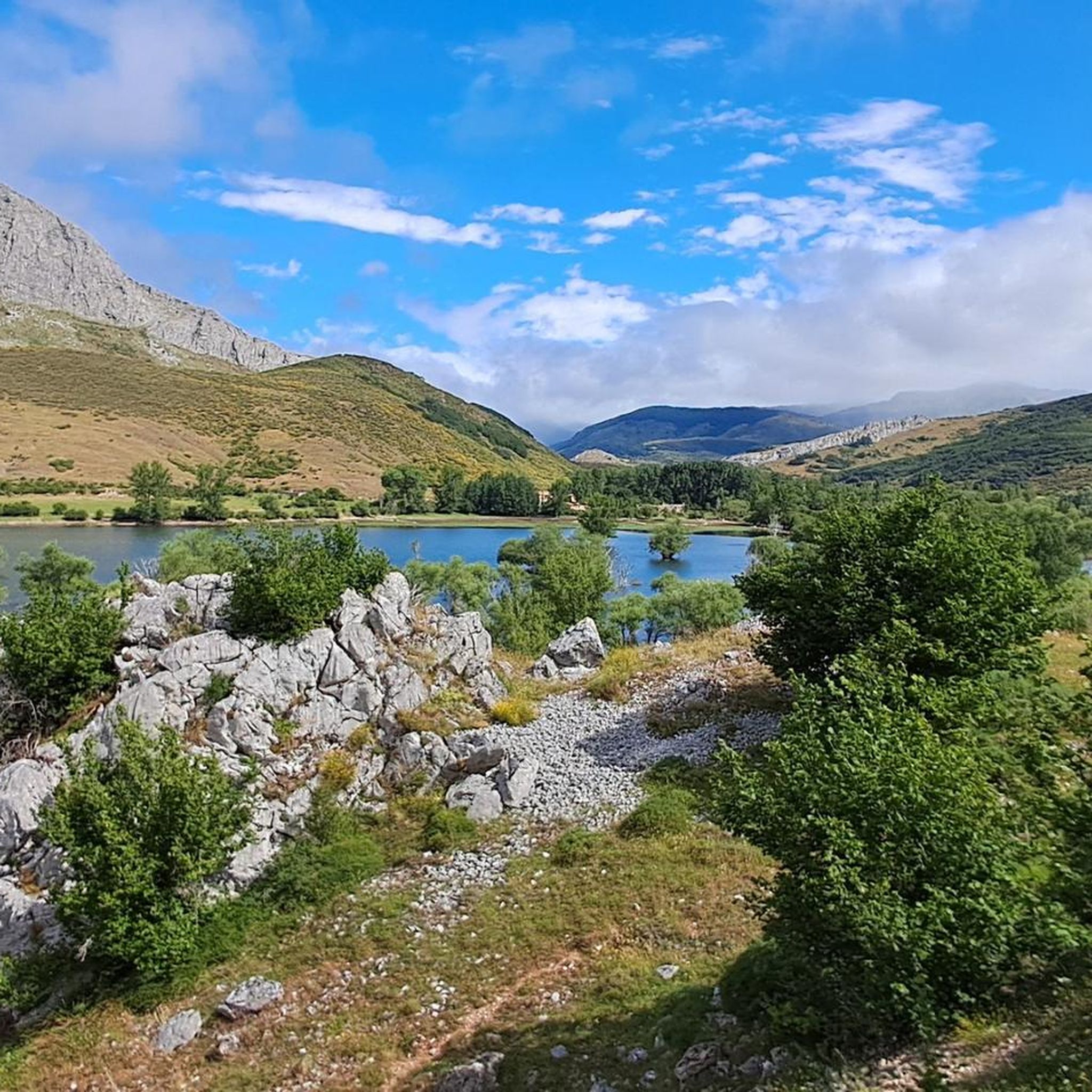
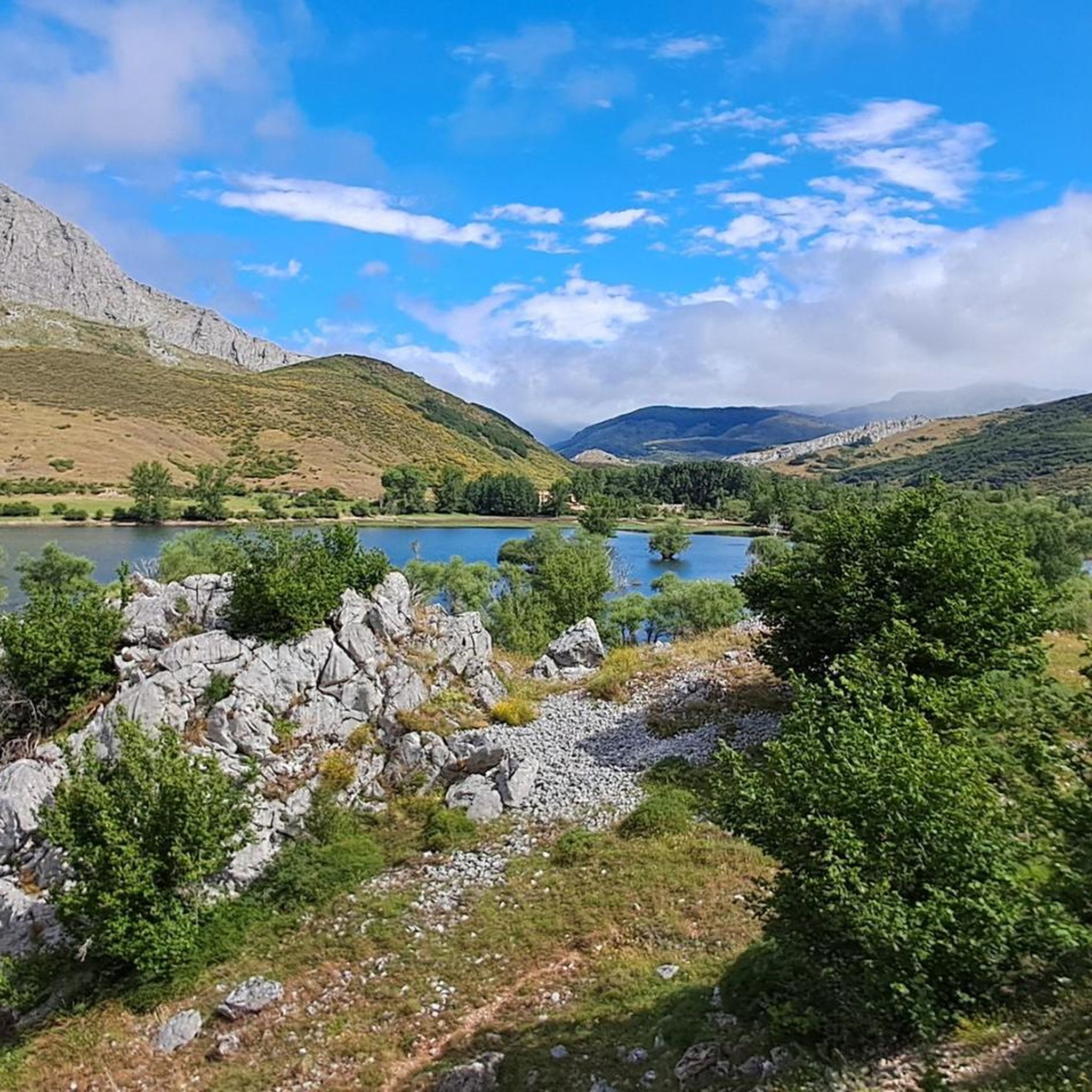
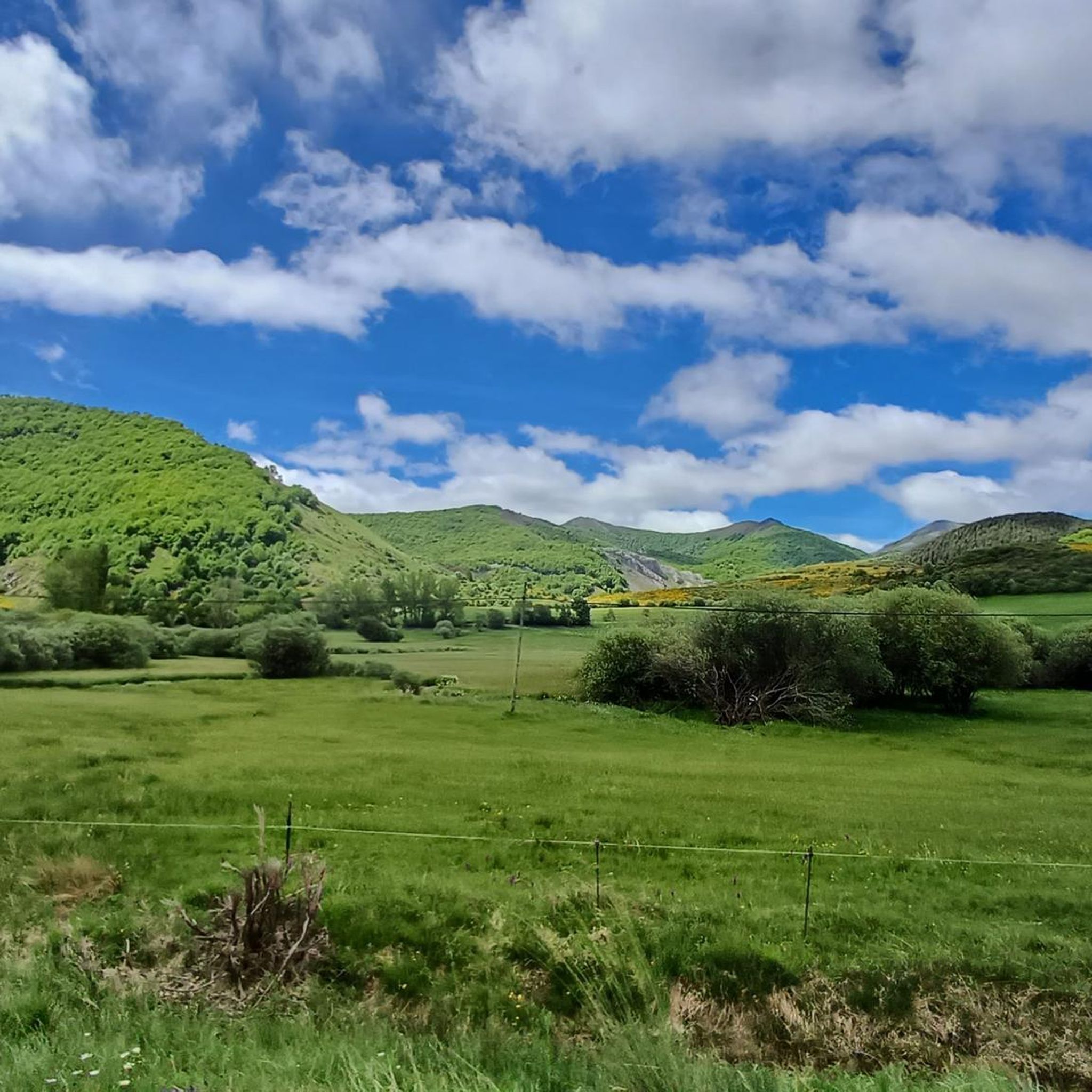
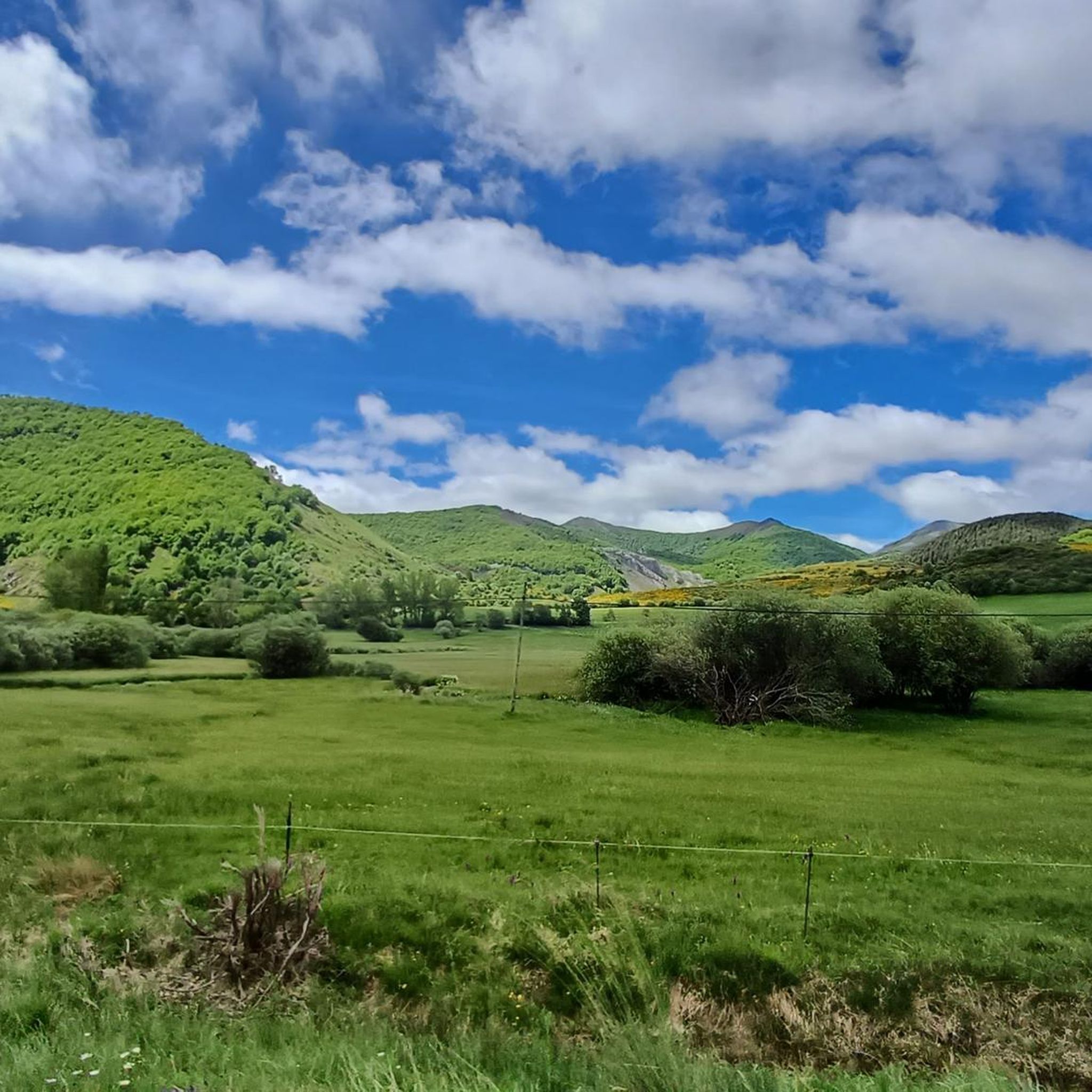
Tips from the Community

The Tabayón del Mongallu, with its 60 meters of height, is quite impressive. It doesn't just fall straight down, it looks very beautiful, even if it doesn't carry huge amounts of water. After the last stretch to the waterfall, which is a bit steeper on a scree ground, you can take a slightly longer break here. It's quite cool near the waterfall, which is very good on a hot day.
0
0
From Tarna to the waterfall, two paths lead, relatively direct or a bit longer and flatter along the stream. Together, as PR-AS 060 Ruta del Tabayón de Mongallu, they form a beautiful circular route, where you relatively rarely encounter other hikers - only at the waterfall did I have some company. The loop is good for warming up before hiking longer distances, it certainly has a few strenuous climbs but is quite manageable. The last stretch to the waterfall is quite rocky, you should take your time on the descent here.
0
0

In case of morning frost, when climbing the waterfall, put snow boots
1
0

Wonderful views of Riaño and the lakes
1
0


A beautiful route to do in the Redes Natural Park, in autumn or at any time of the year. The difficulty is low and it is suitable for children.
2
0
Beautiful waterfall to see. "Tabayón" is synonymous with "waterfall" in Bable. To go up to the waterfall there is a slightly steep slope of loose stones, so especially to go down you have to be careful not to slip.
2
0

Pico Yordas or Buríon is located 1,967 meters above sea level and is one of the most emblematic peaks of the Montaña de Riaño y Mampodre Regional Park. The ascent is perfectly signposted with milestones and does not offer major complications. From the summit we can see all the mountains around Riaño, highlighting Peñas Pintas and Pico Gilbo. We also enjoy spectacular views of the Alto de la Rasa, the Palencia Mountain, the Picos de Europa and the Mampodre Massif, without forgetting the main peaks of the Cantabrian Mountains.
2
0
Frequently Asked Questions
What kind of natural features can I expect to see around Puebla de Lillo?
Puebla de Lillo, nestled in the Montaña de Riaño, offers a diverse natural landscape. You'll find impressive mountains, panoramic viewpoints, and beautiful waterfalls. The region is characterized by its high peaks and scenic overlooks, providing a rich variety of natural monuments to explore.
Are there any natural monuments that offer extensive panoramic views?
Yes, several natural monuments provide breathtaking panoramic views. Yordas (1,967 m) offers sweeping vistas of the Pantano del Porma, the Cantabrian Mountains, Peñas Pintas, Pico Gilbo, and even the Picos de Europa. Another excellent spot is Susarón Peak (1,878 m), considered one of the best watchtowers to contemplate the surroundings of the Pantano del Porma.
Where can I find a viewpoint within a natural park near Puebla de Lillo?
You can visit the Texu la Oración Viewpoint, which is located in the heart of the Redes Natural Park. From this natural balcony, you can enjoy extensive views of the park, including the masses of La Rapaona and Peña del Viento. A path from Bezanes leads to this viewpoint.
Are there any family-friendly natural monuments or facilities in the area?
Yes, Brañagallones Refuge is a family-friendly option. It's a hut and settlement that offers facilities and serves as a base for exploring the surrounding natural environment. There's a public service available to reach the Vega, which helps avoid an 11 km walk from the nearest town, Bezanes. The refuge itself provides a place to sleep and eat, making it suitable for families.
What is the best time of year to visit Puebla de Lillo for outdoor activities?
Puebla de Lillo experiences mild summers, which are ideal for hiking and exploring the natural monuments. The winters are cold and snowy, making the area suitable for winter sports. Therefore, the best time depends on your preferred activities, with summer being excellent for hiking and winter for snow-related pursuits.
Are there any notable waterfalls to visit around Puebla de Lillo?
Yes, you can visit the beautiful Tabayón del Mongayu Waterfall. The name "Tabayón" means waterfall in Bable. Be aware that the path to the waterfall includes a slightly steep slope with loose stones, so caution is advised, especially when descending, and consider snow boots if visiting during morning frost.
What outdoor activities, like hiking or running, can I do near these natural monuments?
The region around Puebla de Lillo is excellent for various outdoor activities. You can find numerous routes for hiking, running, and mountain biking. For detailed options, explore the guides for Hiking around Puebla De Lillo, Running Trails around Puebla De Lillo, and MTB Trails around Puebla De Lillo.
What do visitors enjoy most about the natural monuments in Puebla de Lillo?
Visitors frequently praise the impressive and dreamlike landscapes, especially the panoramic views from the summits and viewpoints. The opportunity to connect with nature, explore well-signposted trails, and use facilities like the Brañagallones Refuge as a base for adventures are also highly appreciated aspects of the region.
What is the general difficulty level of trails leading to these natural monuments?
The trails leading to the natural monuments around Puebla de Lillo vary in difficulty. Some, like the ascent to Yordas, are well-signposted and do not present major complications, though they are rated as challenging to intermediate. Others, such as the path to Tabayón del Mongayu Waterfall, involve steep slopes with loose stones, requiring careful footing. Overall, you can find options ranging from intermediate to challenging.
Are there any historical or cultural sites combined with the natural beauty in Puebla de Lillo?
While the focus is on natural monuments, the region of Puebla de Lillo offers a combination of nature, history, and gastronomy. The landscapes themselves often hold historical significance, and the area provides a rich cultural context alongside its natural beauty. Exploring the villages and local traditions can complement your visit to the natural sites.
Can I find accommodation or amenities near the natural monuments?
Yes, accommodations such as cabins and campsites are available in the Puebla de Lillo area, offering a closer experience to nature. The Brañagallones Refuge also provides facilities for sleeping and eating, serving as a convenient base for exploring. Additionally, the surrounding villages offer amenities like cafes and pubs.
Most popular attractions around Puebla De Lillo

Get inspired with the komoot mobile app


Explore more
Extend your search for the best caves by checking out these guides of the top ones around Puebla De Lillo:
