Top 14 Natural Monuments around Torreblanca
Best natural monuments around Torreblanca include a diverse range of natural attractions, from expansive wetland ecosystems to rugged coastal mountain ranges. This charming town on the Costa del Azahar is home to 14 natural monuments, offering varied landscapes for exploration. Visitors can discover significant natural parks, pristine beaches, and historical sites nestled within natural settings. The region provides opportunities to experience the Mediterranean environment in its preserved form.
Best natural monuments around Torreblanca
- The most popular natural monuments is Castillo…
Last updated: October 5, 2026
Castillo de Xivert
Highlight • Castle
Translated by Google •
Tip by

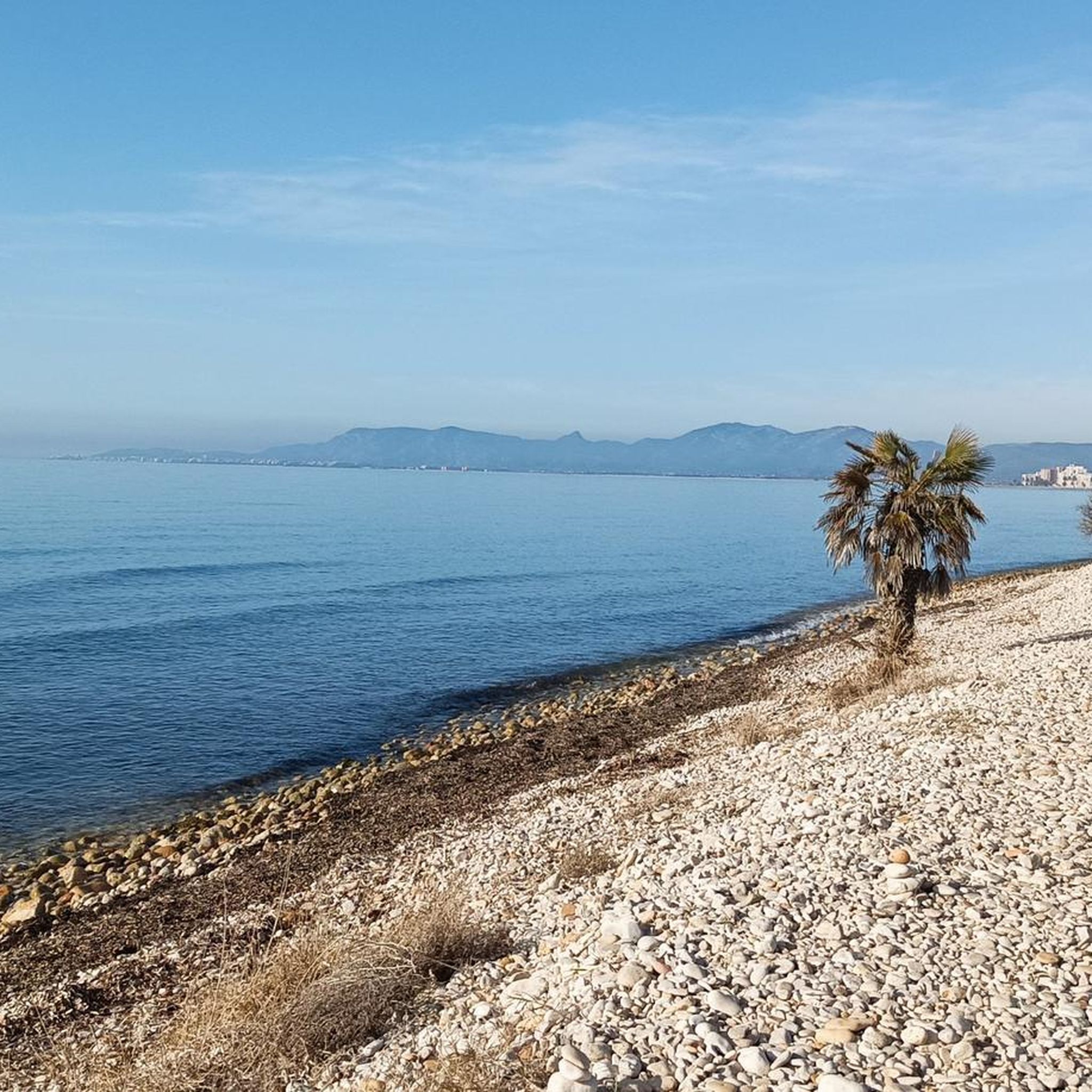
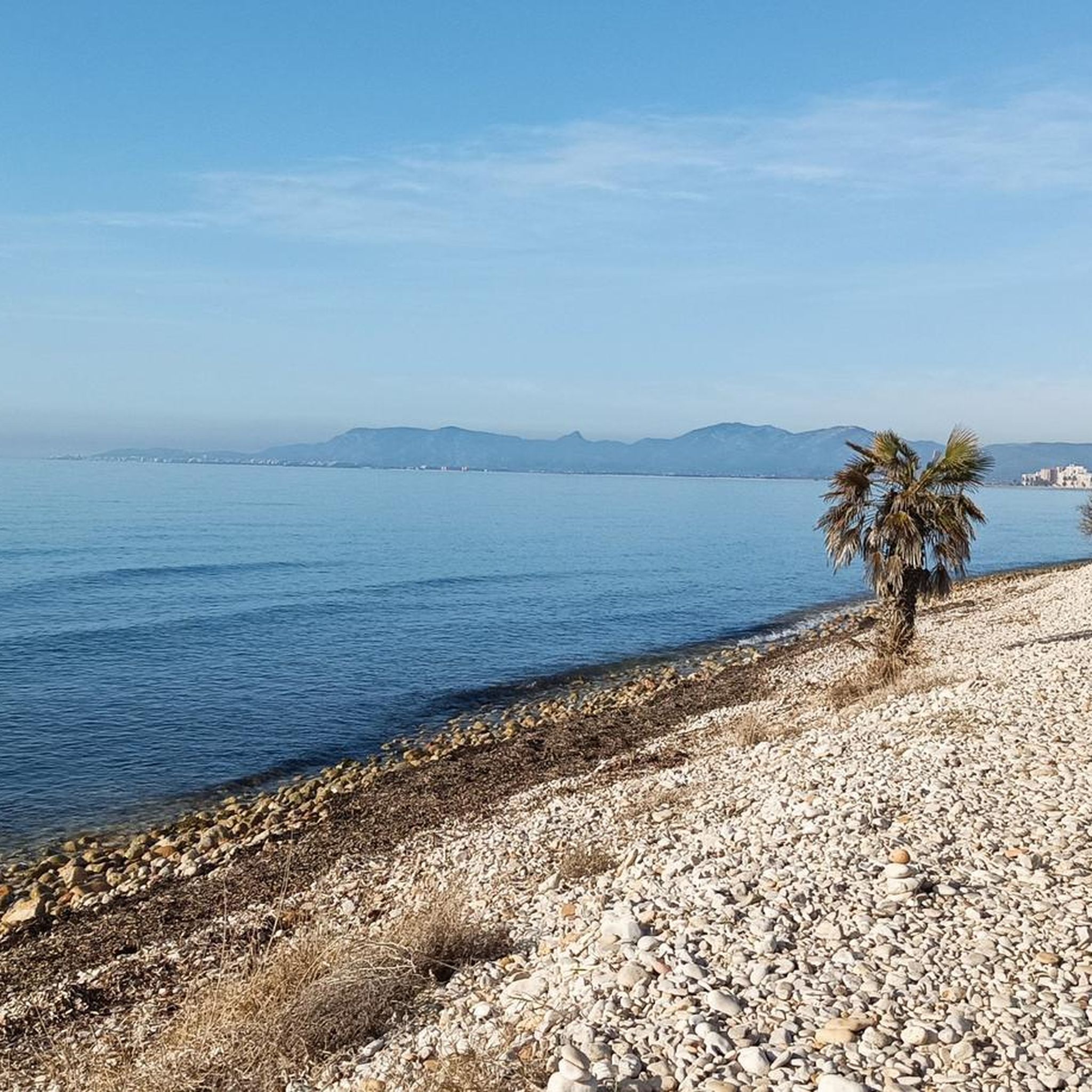
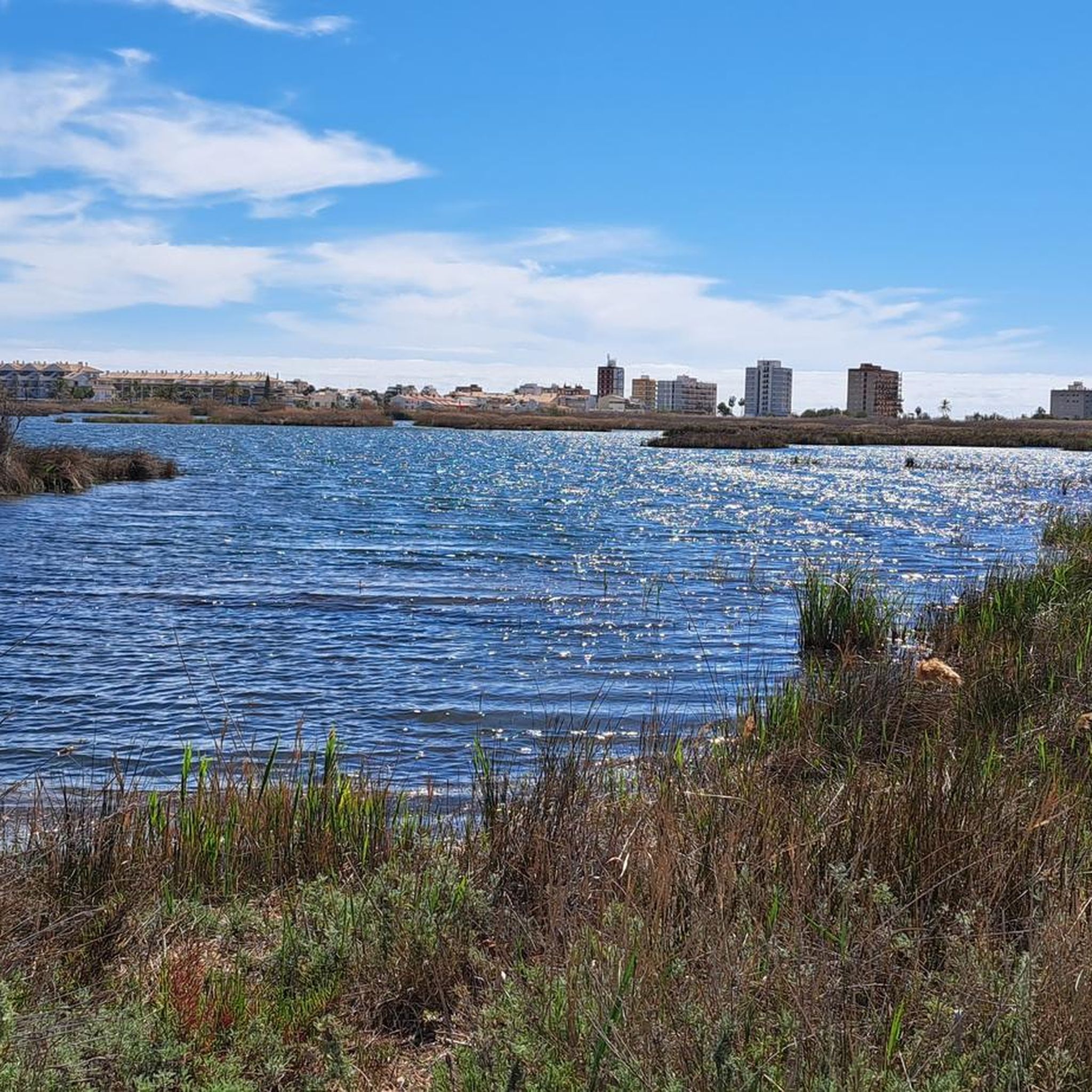
Prat de Cabanes-Torreblanca Natural Park
Highlight • Natural Monument
Translated by Google •
Tip by

Sign up now to discover places like this
Get recommendations on the best single tracks, peaks, & plenty of other exciting outdoor places.
Subarra Fountain
Highlight • Structure
Translated by Google •
Tip by

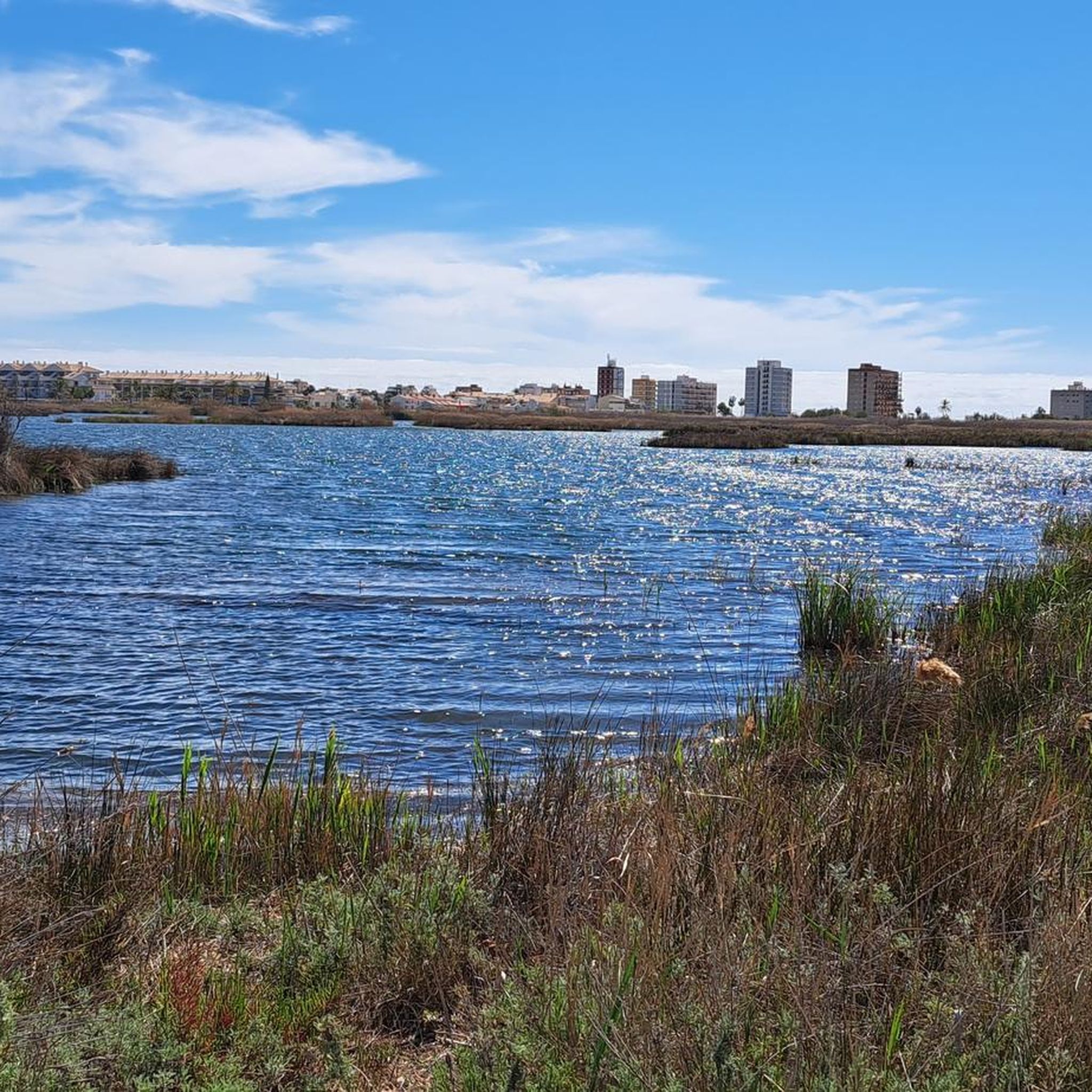
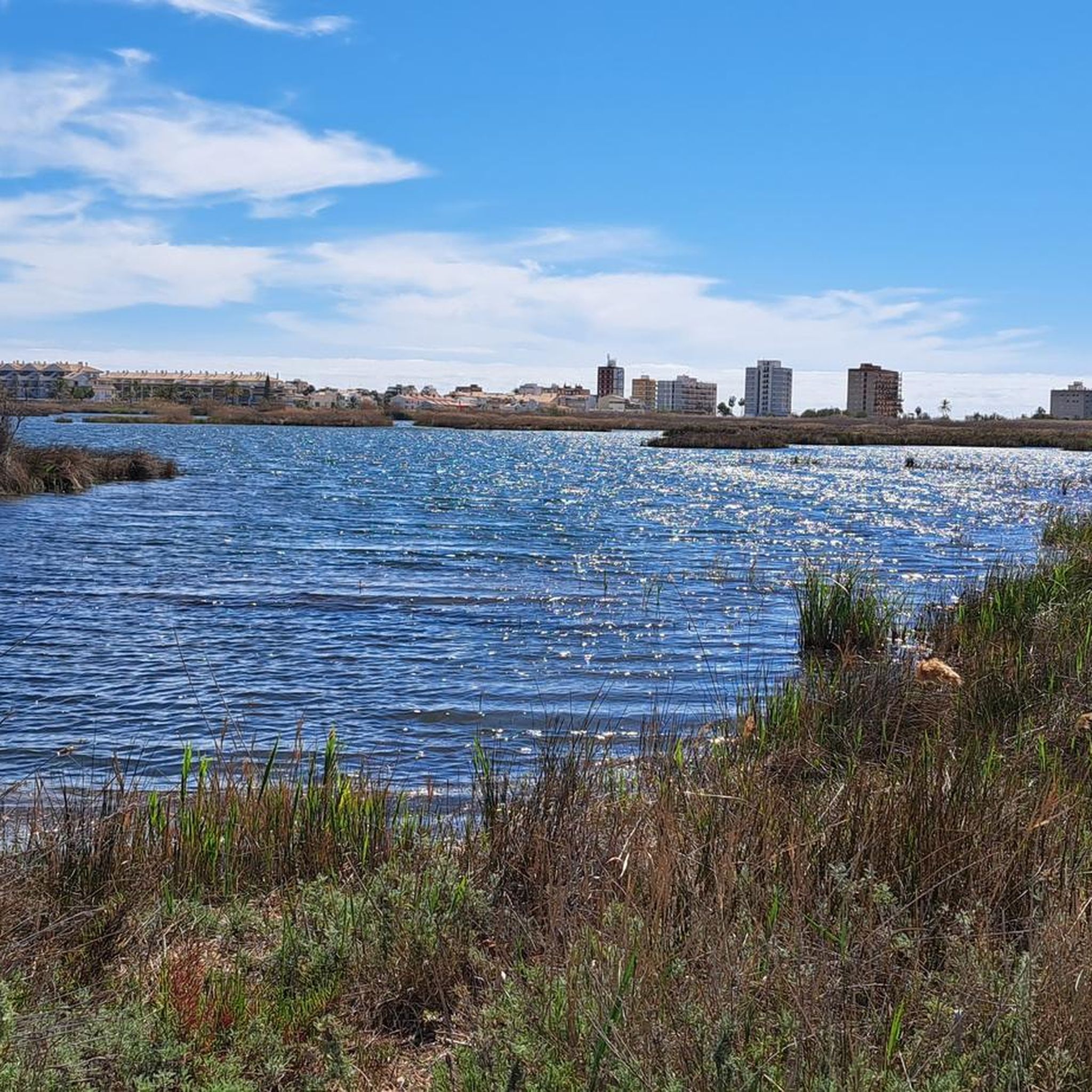
Bassa Llona
Highlight • Lake
Unfortunately, there is rubbish everywhere.
Translated by Google •
Tip by

El Portell
Highlight • Mountain Pass
Translated by Google •
Tip by
Sign up for free to discover even more natural monuments around Torreblanca.
Already have an account?
Start today with a free account
Your next adventure awaits.
Tips from the Community

Park is great, what a contrast with all those apartment complexes
1
0

Collado that divides the Alcalà valley with the Estopet valley. In this, spectacular views of the whole valley and the sea.
1
0
Raft prepared as a recreational area where you can observe fauna of the area. Next to it, there is a large rural house for rent.
0
0

Recreational place near Alcalà de Xivert. There is a raft with picnic areas, formerly it was used to water the cattle in the area.
0
0

The tour can also be done with a trekking bike.
3
0
In the municipality of Benlloch, there are not abundant natural sources, on the other hand we can do it with urban sources, important as public works at the service of the citizenry. The most popular in town is the Tres Cañones Fountain, built in 1889 as a public work and for its supply, water was channeled from the Pozo de la Reja. It is a historic and robust stately fountain. The other fountains available to Benlloch are simpler and with more contemporary styles. Some fountains are: the Subarra Fountain, the Tres Cañones Fountain, the La Reja Fountain and the Plaza San Antonio Fountain.
0
0

Castle of Xivert. The castle is located in the southwestern foothills of the Sierra de Irta mountains. She is of Muslim descent and was born in the late 11th century (Wiki)
3
0
Frequently Asked Questions
What are some must-visit natural monuments in the Torreblanca area?
The region around Torreblanca offers several remarkable natural monuments. Key among them are the Prat de Cabanes-Torreblanca Natural Park, a vital wetland ecosystem, and the Sierra de Irta Natural Park, known for its untouched coastal mountain range. Additionally, Ribamar Cove within the Serra d'Irta offers stunning coastal beauty.
What makes the Prat de Cabanes-Torreblanca Natural Park a significant natural monument?
The Prat de Cabanes-Torreblanca Natural Park is a vital 800-hectare wetland ecosystem, recognized internationally under the Ramsar Convention. It's a haven for biodiversity, home to protected bird species like the Collared Pratincole and Montagu's harrier, unique flora such as marsh rue, and endemic fish species like the fartet. Visitors can explore its serene environment via hiking and cycling trails.
What can I expect to see at the Sierra de Irta Natural Park?
The Sierra de Irta Natural Park is one of the last untouched coastal mountain ranges in the Mediterranean. It features a dramatic coastline with cliffs, hidden coves, and pristine beaches like Ribamar Cove. The park is rich in Mediterranean flora and diverse fauna, including seabirds. It's an ideal spot for hiking, cycling, and water sports like snorkeling.
Are there any historical natural monuments worth visiting near Torreblanca?
Yes, the Castillo de Xivert is a notable historical site located within the Parc Natural de la Serra d'Irta. This Islamic fortification, later adapted by the Templars, is one of the best restored castles in the Valencian Community and offers impressive panoramic views from its mountain top location.
Are there family-friendly natural monuments around Torreblanca?
Absolutely. The Prat de Cabanes-Torreblanca Natural Park offers compact dirt tracks suitable for family cycling and wildlife observation. Additionally, Bassa Llona is a recreational lake area with picnic tables and benches, perfect for a family outing surrounded by nature.
What kind of wildlife can I observe in the natural monuments near Torreblanca?
The natural monuments around Torreblanca are rich in wildlife. The Prat de Cabanes-Torreblanca Natural Park is a birdwatcher's paradise, hosting protected species like the Collared Pratincole and Montagu's harrier, as well as migratory birds. It's also home to endemic fish like the fartet. The Sierra de Irta Natural Park is an important habitat for seabirds, various mammals, and is a migratory crossing point for birds.
What outdoor activities can I do near these natural monuments?
The natural monuments around Torreblanca offer a variety of outdoor activities. You can enjoy hiking and cycling through the trails of the Sierra de Irta Natural Park, or explore the wetlands of the Prat de Cabanes-Torreblanca Natural Park. For more structured routes, you can find numerous road cycling routes, gravel biking trails, and MTB trails in the wider Torreblanca area.
Are there easy hiking trails available in the natural parks?
Yes, both the Prat de Cabanes-Torreblanca Natural Park and the Sierra de Irta Natural Park offer trails suitable for various fitness levels. The Prat de Cabanes-Torreblanca has compact dirt tracks ideal for leisurely walks and cycling. In Sierra de Irta, while some trails can be challenging, there are also easier paths that provide access to its beautiful coves and viewpoints, such as those leading to Ribamar Cove.
What is the best time of year to visit the natural monuments around Torreblanca?
The natural monuments around Torreblanca are enjoyable throughout much of the year. Spring and autumn offer pleasant temperatures ideal for hiking and cycling, with blooming flora and active wildlife. Summer is perfect for enjoying the coastal areas and beaches, though it can be warmer. Even winter can be a good time for peaceful exploration, especially for birdwatching in the wetlands, as migratory birds are present.
Can I find natural monuments that are less crowded or considered 'hidden gems'?
While the main natural parks are popular, you can often find quieter spots within them. The Sierra de Irta Natural Park, with its extensive coastline and numerous coves, has many areas that require a bit more effort to reach, offering a more secluded experience. Exploring the less-traveled paths within the Prat de Cabanes-Torreblanca Natural Park can also lead to peaceful wildlife observation opportunities away from the main access points.
What should I bring when visiting the natural monuments?
When visiting the natural monuments, it's advisable to bring appropriate footwear for hiking or walking, water to stay hydrated (especially if visiting Subarra Fountain or other areas without immediate facilities), sun protection, and binoculars for wildlife observation, particularly in the Prat de Cabanes-Torreblanca Natural Park. A camera is also recommended to capture the stunning landscapes.
Are there any natural monuments with facilities like picnic areas?
Yes, Bassa Llona, a recreational lake area near Alcalà de Xivert, is equipped with tables and benches, making it an ideal spot for a picnic. It's easily accessible and suitable for families looking to spend time outdoors.
Most popular routes around Torreblanca
Most popular attractions around Torreblanca

Get inspired with the komoot mobile app


Explore more
Extend your search for the best caves by checking out these guides of the top ones around Torreblanca:
