The best MTB trails around Lassan
4.8
(233)
771
riders
38
rides
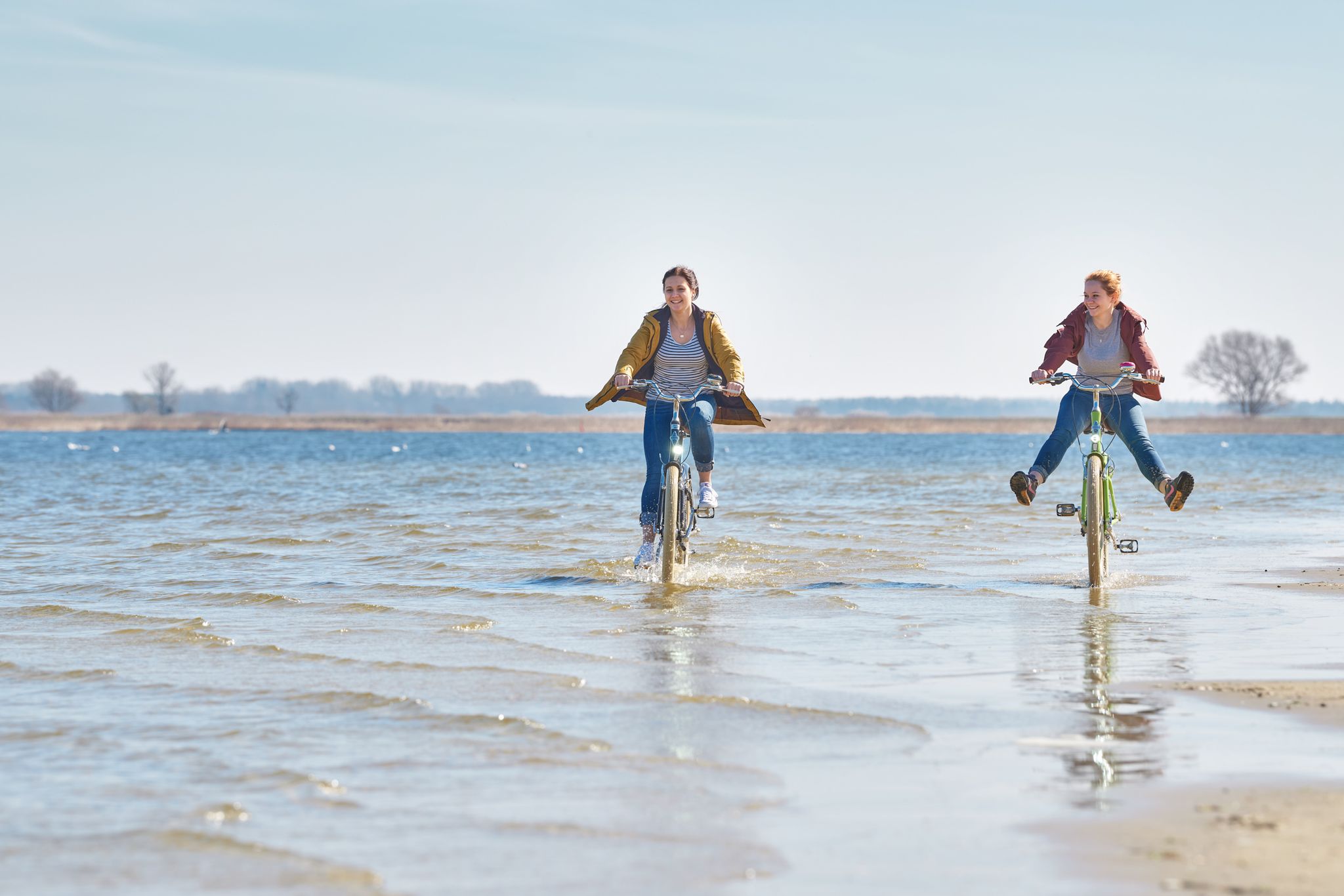
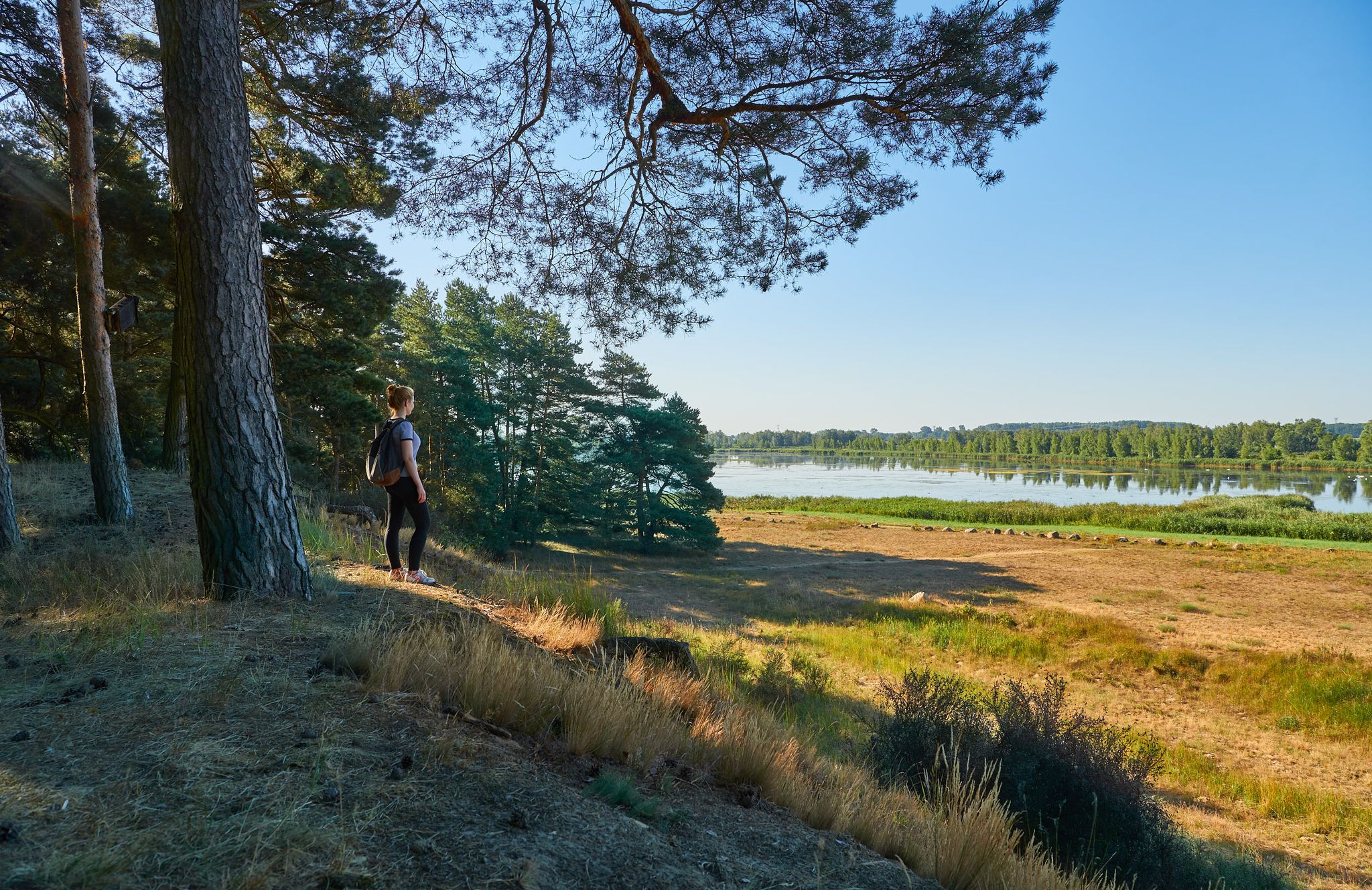
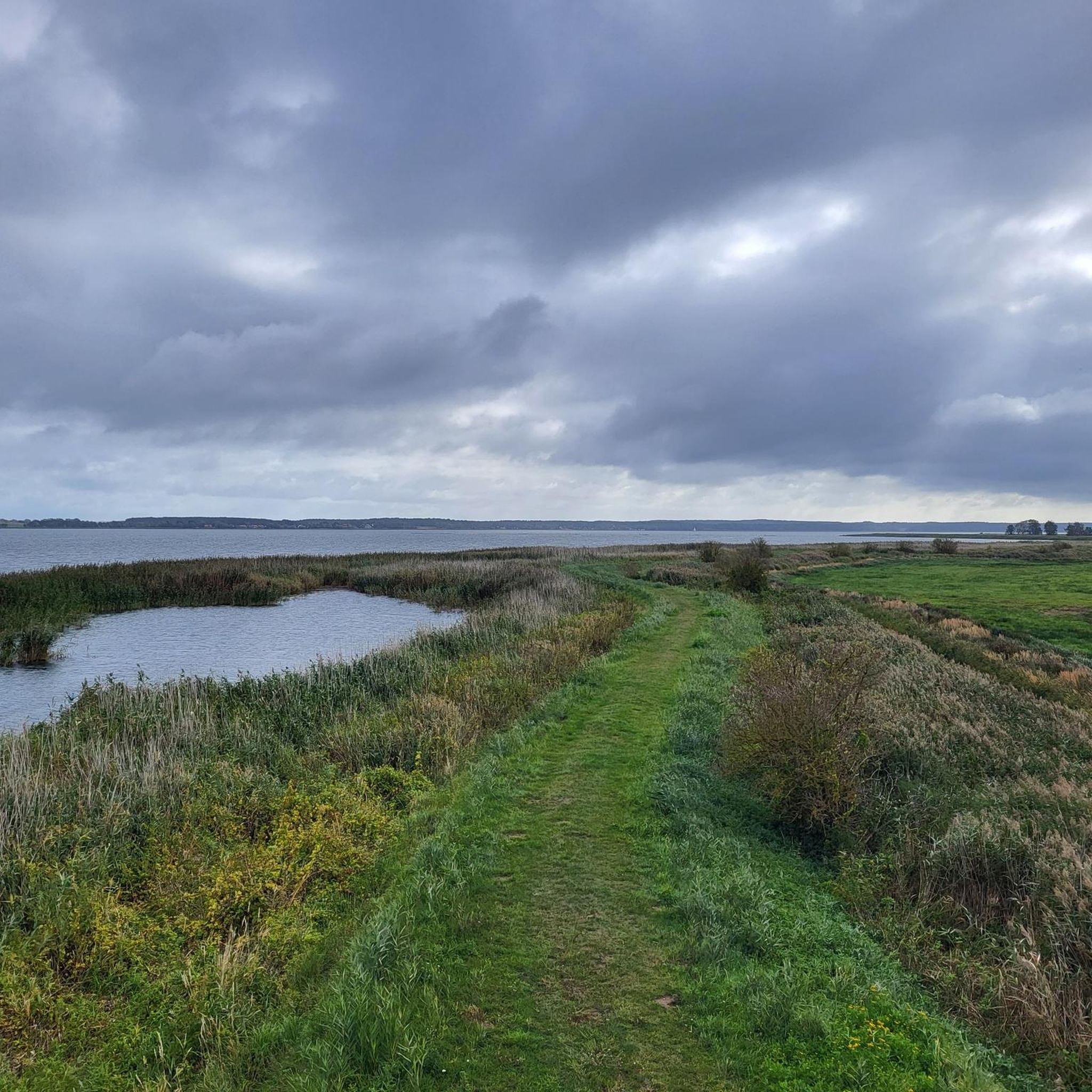
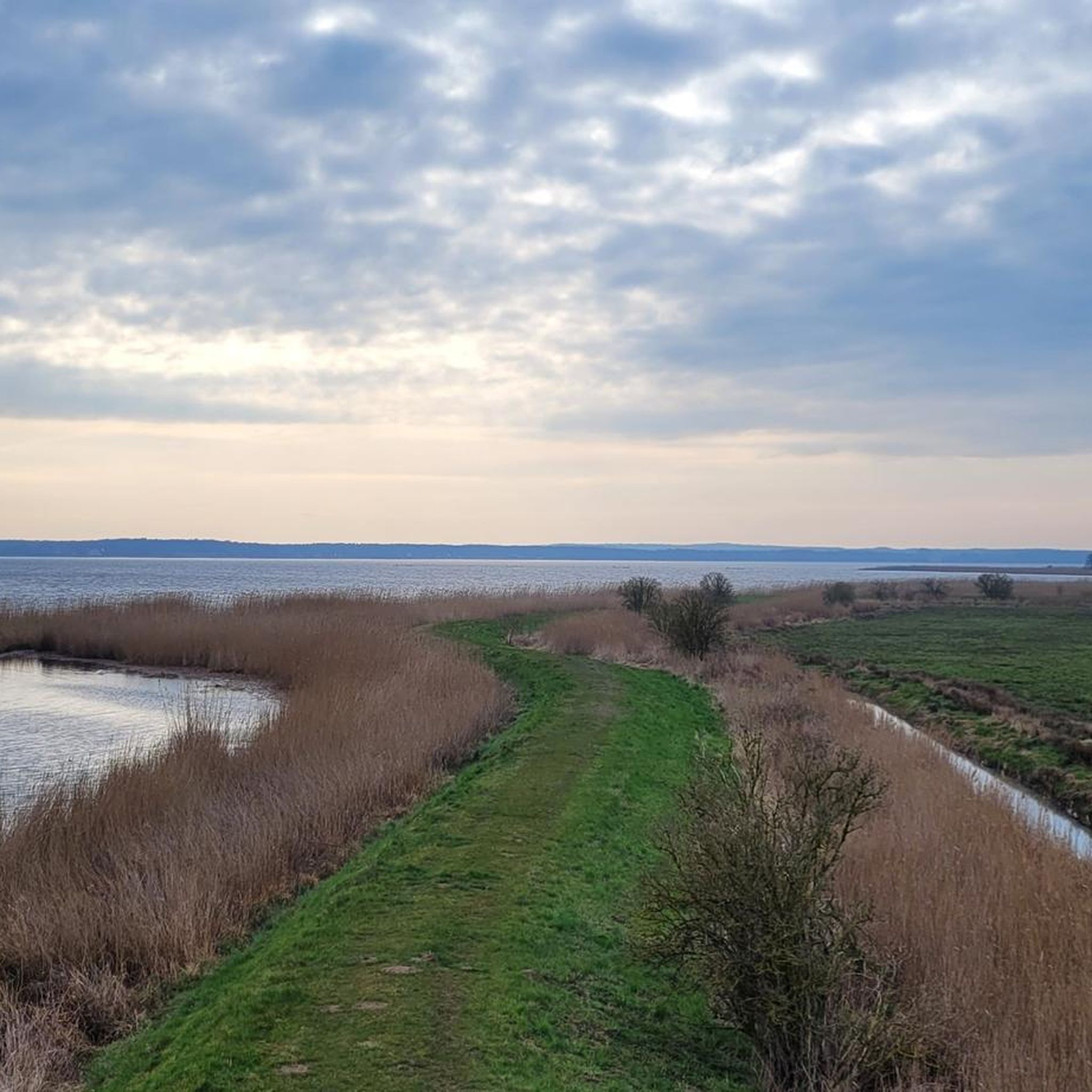
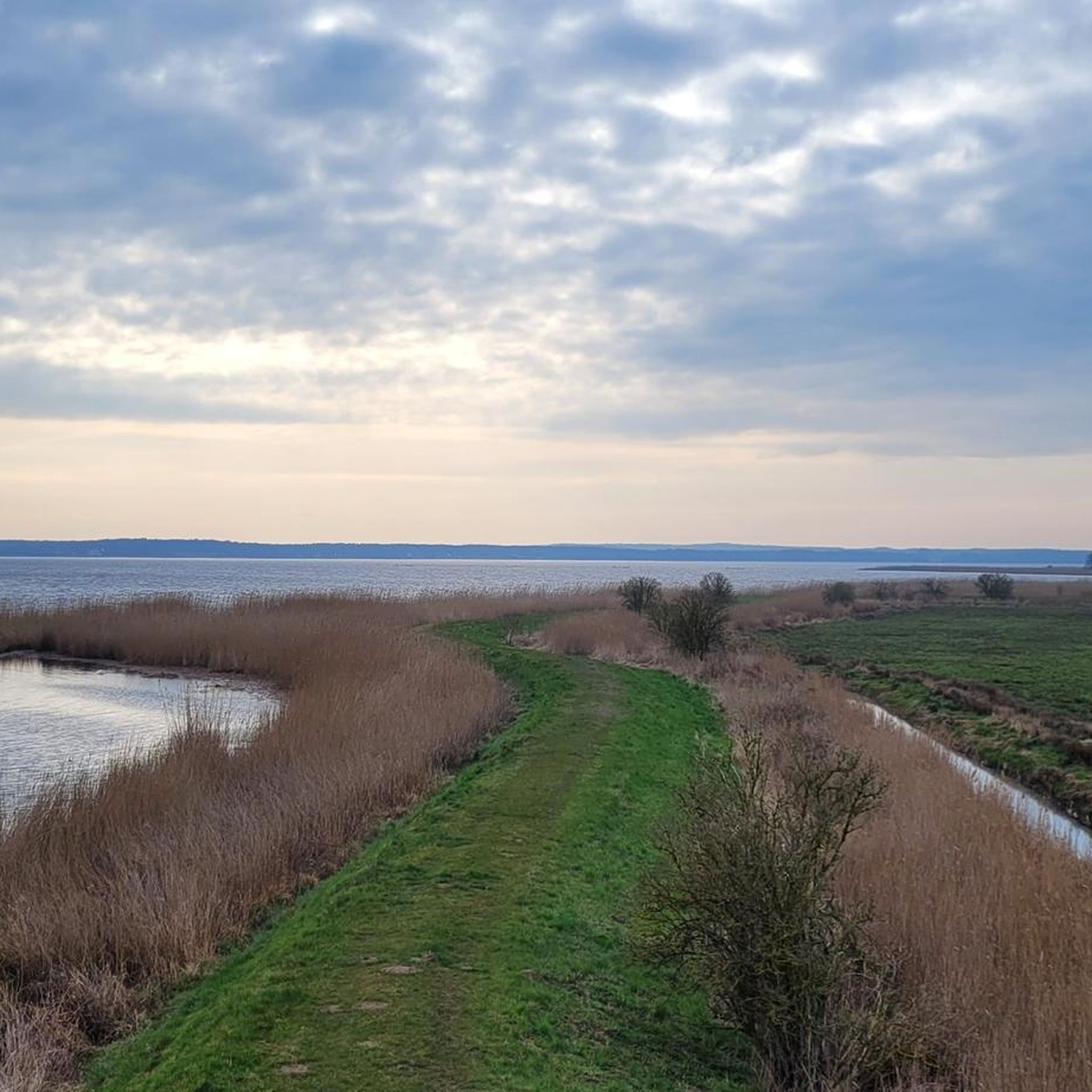
Mountain biking around Lassan offers diverse routes through a landscape characterized by coastal areas, open fields, and views of the Achterwasser lagoon. The region features generally low elevation gains, making it accessible for various skill levels. Many mountain bike trails in Lassan follow loop configurations, providing varied scenery. The terrain is primarily flat to gently rolling, with some routes passing through small villages and along waterfronts.
Best mountain bike trails around Lassan
- The most popular mountain bike trail is Bockwindmühle…
Last updated: May 11, 2026
4.5
(25)
69
riders
53.4km
03:07
250m
250m
Moderate mountain bike ride. Good fitness required. Advanced riding skills necessary.
4.7
(7)
46
riders
19.6km
01:21
40m
40m
Moderate mountain bike ride. Great for any fitness level. Advanced riding skills necessary.

Sign up for free
4.5
(4)
25
riders
20.7km
01:21
40m
40m
Moderate mountain bike ride. Great for any fitness level. Advanced riding skills necessary.
5.0
(5)
10
riders
47.3km
02:44
190m
190m
Moderate mountain bike ride. Good fitness required. Suitable for all skill levels.
4.8
(4)
10
riders
Easy mountain bike ride. Great for any fitness level. Suitable for all skill levels.
Get access to more routes and recommendations from other explorers.
Sign up for free
Already have an account?
Our route recommendations are based on thousands of hikes, rides, and runs completed by other people on komoot.
Start today with a free account
Your next adventure awaits.
Login or Signup
Popular around Lassan

Tips from the Community

Very nice resting area in Anklam, which invites you to linger.
1
0

The Old Fish Factory is a worthwhile destination. Top restaurant and shop. 😄
1
0

Here you can find delicious fish away from the hustle and bustle!
1
0

Very good smoked fish specialties at fair prices.
1
1

During the heaviest bombing raid on Anklam on October 9, 1943, the window panes of St. Nicholas' Church were destroyed by pressure waves and splinters from the bombs hitting the area, and the copper covering of the tower was significantly damaged[1]. However, the church itself was not hit. The church was not destroyed until April 29, 1945 by German shelling from the village of Ziethen, north of Anklam[2] on the town, which was already occupied by the Red Army. The spire fell into the nave. Part of the spire was found in 2022 during construction work on a sidewalk in front of the church. The tower ball, which traditionally also contained contemporary historical records, remains missing, however.[3] The church partially burned down, only the stump of the tower and the surrounding walls with free pillars and transverse arches remained standing. After the war, the ruins were made provisionally secure. Only the south extension with the two chapels, the south entrance and the sacristy were roofed over again and used temporarily by the parish, while the tower was made temporarily accessible and provided with a small spire so that the tower could be used as a platform for radio antennas. The nave remained exposed to the elements for over 50 years. Source https://de.wikipedia.org/wiki/Nikolaikirche_(Anklam)
2
0
Construction began around 1280 and was completed by the end of the 14th century. The church was first mentioned in documents in 1300. It is named after Nicholas of Myra, who is considered the patron saint of sailors. St. Nicholas' Church was finally completed around 1500 with the installation of the choir stalls. In contrast to St. Mary's Church with its Romanesque origins, St. Nicholas' Church is a purely Gothic building, although a previous church had already been built in 1180. Until it was destroyed, the church was considered a landmark of Anklam and was a pilot's mark that was visible from afar. St. Nicholas' Church around 1972 with a secure, walkable tower Condition of the ruins in the 1970s The important brick Gothic building is a three-aisled hall church with a four-story tower and sacristy. The nave was covered with a large gable roof until 1945. The tower has always had a high Gothic spire over 100 metres high, which was damaged and restored several times by lightning strikes and storms. Together with St. Mary's Church, which received a similar spire at the end of the 19th century, both churches formed the unmistakable townscape of Anklam with their "twin towers". The spire of St. Nicholas had a special feature: its spire showed a clearly visible twist. It was popularly said that the devil himself had twisted the spire. On June 25, 1848, the aviation pioneer Otto Lilienthal was baptized in St. Nicholas Church, whose birthplace was in the immediate vicinity of the church. The interior was richly decorated with valuable furnishings. Despite being stored away during the Second World War, some parts are still missing today. Others, such as the magnificent candlesticks, the apostle bell and parts of the choir stalls, are now in Anklam's St. Mary's Church and in the Stralsund Cultural History Museum. Medieval frescoes on the side walls and pillars have only been preserved in fragments. Qhttps://de.wikipedia.org/wiki/Rathaus_Anklam
2
0
The Hanseatic and Lilienthal town of Anklam with 12,331 inhabitants (2019) was first mentioned in 1243 as an oppidum (settlement) and in 1264 as a civitas (town). Around 1400, a two-storey 40 × 14 meter Gothic town hall was built in the middle of Anklam's market square with the representative pillar gables. The striking large roof turret dates from 1549. The facades were remodeled in the Renaissance style. In 1842, the building was demolished along with the rest of the market buildings without any plans for a new building. The administration moved into the extended and converted former garrison hospital in Brüderstraße (later the Zur Heimat hostel). In 1876, the town hall moved to the Peene in the converted main customs office (previously Haus Buschick). The building, which was extended in 1904 with a tower extension, was destroyed by bombs in 1945.[2] After the town hall was destroyed, the administration was temporarily housed in the Käthe Kollwitz School until the new building was built. The three-storey building on the market was built in 1950/52 in a functionally representative form as an eleven-axis plastered building. Stylistically, the town hall can be classified between the traditional pre-war design language and a moderate socialist classicism. The representative natural stone entrance aligned with the central axis of the market with the crowning city coat of arms and the window frames are the dominant decorative elements, along with the side arcades with pillars made of rusticated masonry. After 1991, the gently sloping hipped roof was given a steel ridge turret with a tower clock. The original building concept probably envisaged an extension of the house over the entire north side of the market square. The old building structure on the northeast corner of the market seems to have prevented further expansion of the town hall. This is probably also the reason for the decentralized arrangement of the entrance in the facade and the arcade that was originally only present in the west. The eastern arcade was only added after 1991. The city council meets in the town hall at Am Markt 3 and the mayor and department 2 with financial management have their headquarters. Other parts of the city administration are located in town hall II at Burgstrasse 15 and at Frauenstrasse 12. Source https://de.wikipedia.org/wiki/Rathaus_Anklam
3
0
The Garrison Church or Holy Spirit Church is, alongside the two large town churches, the third and smallest church building in the Anklam town center in Western Pomerania. The Holy Spirit Church was first mentioned in 1272. In the style of the time, it was a brick Gothic building, but burned down in 1376. After being rebuilt, the brick building was destroyed again by fire in 1659. The church was rebuilt in the Baroque style for the Prussian garrison in 1738 and served as the garrison church from then on. During the French occupation from 1806 to 1808, it was used as a field bakery. From 1854 onwards, the building no longer served any ecclesiastical purposes and was converted to residential purposes. In the Second World War, the Garrison Church was badly damaged and after the war it was rebuilt with a slightly modified spire and prepared as a residential building for senior citizens until 1955. After the fall of the Berlin Wall, the Garrison Church was restored. It is located together with the Heilig-Geist-Stift (today the city administration/town hall II) near the Peene in the city center. In the inner courtyard of the two buildings there was a cemetery for inmates who had no money for a burial. Source https://de.wikipedia.org/wiki/Zecheriner_Br%C3%BCcke
2
0
Frequently Asked Questions
How many mountain bike trails are there around Lassan?
There are nearly 40 mountain bike trails available around Lassan on komoot. These routes cater to various skill levels, with a good selection of easy and moderate options.
What is the best time of year for mountain biking in Lassan?
The Lassan region is generally suitable for mountain biking from spring through autumn. The terrain is mostly flat to gently rolling, making it less susceptible to extreme winter conditions, though paths can be muddy after rain. For the most pleasant experience, consider late spring or early autumn when the weather is mild and the scenery is vibrant.
Are there easy mountain bike trails suitable for beginners in Lassan?
Yes, Lassan offers a good selection of easy mountain bike trails. Approximately 12 of the routes are classified as easy, providing accessible options for beginners or those looking for a relaxed ride. An example of an easy route is the Village shop at Rankwitz harbor – View of the Achterwasser loop from Rankwitz, which offers scenic views without significant elevation.
Can I find family-friendly mountain bike routes in Lassan?
Many of the easy and moderate routes in Lassan are suitable for families, especially given the region's generally flat terrain and low elevation gains. Routes that follow waterfront paths or pass through small villages are often good choices for a family outing. Always check the specific route details on komoot for distance and difficulty to ensure it matches your family's capabilities.
Are there any mountain bike trails in Lassan that are dog-friendly?
While komoot routes don't specifically tag trails as 'dog-friendly,' many of the paths in Lassan are suitable for riding with a well-behaved, leashed dog, especially those through open fields and along less crowded sections. However, always be mindful of local regulations, wildlife, and other trail users. It's advisable to avoid routes that pass through sensitive nature reserves or very busy areas if you're bringing your dog.
What kind of views and scenery can I expect on Lassan's mountain bike trails?
Mountain bike trails around Lassan offer diverse scenery, characterized by coastal areas, open fields, and views of the Achterwasser lagoon. Many routes pass through small villages and along waterfronts, providing picturesque landscapes. For example, the Warthe Sluice – Lieper Winkel Flowering Fields loop from Rankwitz leads through beautiful flowering fields.
Are there loop trails available for mountain biking in Lassan?
Yes, many of the mountain bike trails in Lassan are designed as loop configurations. This allows riders to experience varied scenery without retracing their steps. Examples include the Bockwindmühle Pudagla – Neppermin Waterfront loop from Warthe and the Warthe Sluice – Lieper Winkel Flowering Fields loop from Warthe.
What are some interesting places to see or landmarks along the mountain bike routes?
The Lassan area offers several interesting attractions that you might encounter or detour to from the mountain bike trails. You can explore natural highlights like the Balmer Lake or the Gnitz Peninsula. For historical interest, consider visiting the St. Mary's Church, Anklam, which is part of a longer route.
What do other mountain bikers say about the trails in Lassan?
The mountain bike trails in Lassan are highly regarded by the komoot community, holding an impressive average rating of 4.8 stars from over 200 reviews. Riders often praise the diverse terrain, the scenic waterfront paths, and the well-maintained loop trails that offer a great experience for various skill levels.
Are there options for food and drink near the mountain bike trails in Lassan?
While specific cafes and pubs are not detailed for every route, many trails pass through or near small villages and harbors, such as Rankwitz. These locations often have local shops or eateries where you can find refreshments. For instance, the Village shop at Rankwitz harbor is explicitly mentioned as a starting point for a route, suggesting amenities are available nearby.
What is the typical difficulty and length of mountain bike trails in Lassan?
The mountain bike trails in Lassan primarily range from easy to moderate difficulty. There are no trails classified as difficult. Lengths vary significantly, from shorter loops suitable for a quick ride to longer routes exceeding 50 kilometers, such as the Bockwindmühle Pudagla – Neppermin Waterfront loop from Warthe, which is over 53 km long.
Where can I find parking for mountain biking in Lassan?
Parking availability varies by starting point. Many routes begin from villages or popular points like harbors (e.g., Rankwitz) or specific landmarks, where public parking is often available. It's recommended to check the specific tour details on komoot for suggested starting points and any parking information provided by other users.
Most popular routes around Lassan
Most popular attractions around Lassan

Get inspired with the komoot mobile app


Explore more
Browse the best MTB trails in other regions.
