Top 10 Natural Monuments around Caravia
Best natural monuments around Caravia, a municipality in Asturias, Spain, are characterized by a landscape that transitions from the sea to the mountains. The region features the Sierra del Sueve, home to Picu Pienzu, which provides coastal views. This area offers a variety of natural formations, including unique beaches, impressive geological features, and significant paleontological sites.
Best natural monuments around Caravia
- The most popular natural monuments is Pienzu Peak, a summit that offers views of the Asturian coast and…
Last updated: June 4, 2026
Mirador del Fito
Highlight • Viewpoint
Pienzu Peak
Highlight • Summit
Translated by Google •
Tip by

Sign up now to discover places like this
Get recommendations on the best single tracks, peaks, & plenty of other exciting outdoor places.
Sign up for free
Dinosaur footprints in La Griega beach
Highlight • Natural Monument
Translated by Google •
Tip by

La Cuevona of Cuevas del Agua
Highlight • Cave
Translated by Google •
Tip by
Entrepeñas Gorge
Highlight • Gorge
Translated by Google •
Tip by

Sign up for free to discover even more natural monuments around Caravia.
Sign up for free
Already have an account?
Start today with a free account
Your next adventure awaits.
Login or Signup
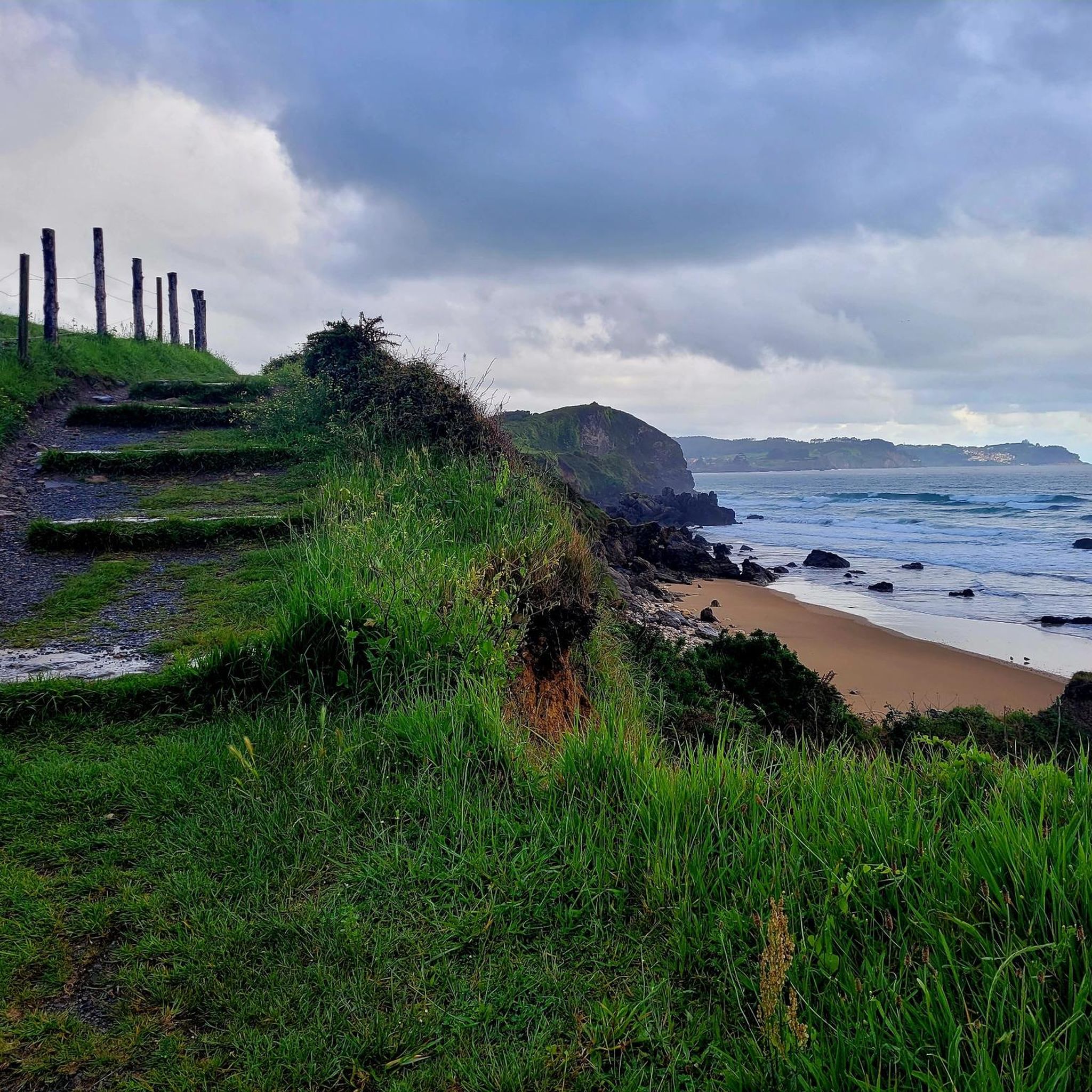
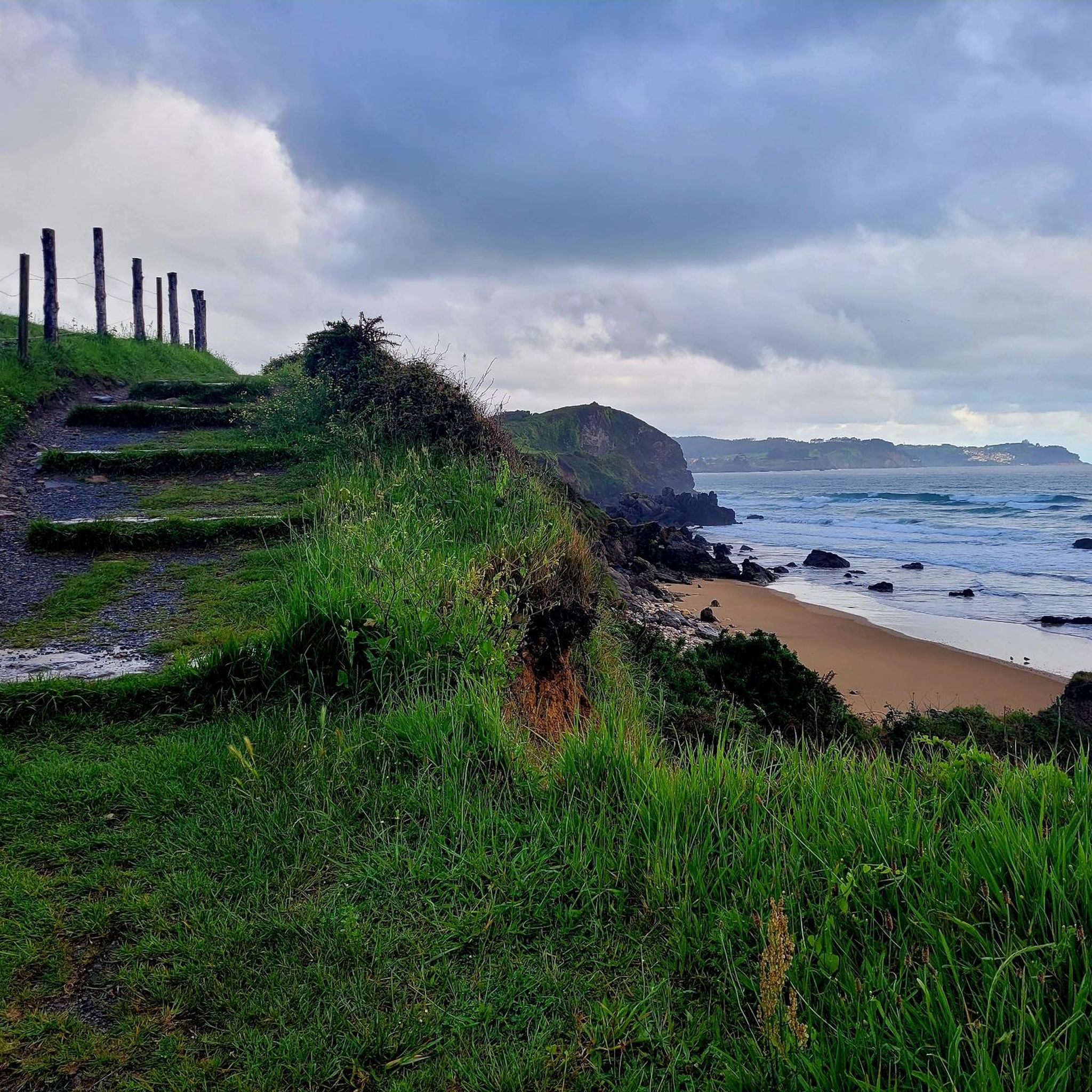
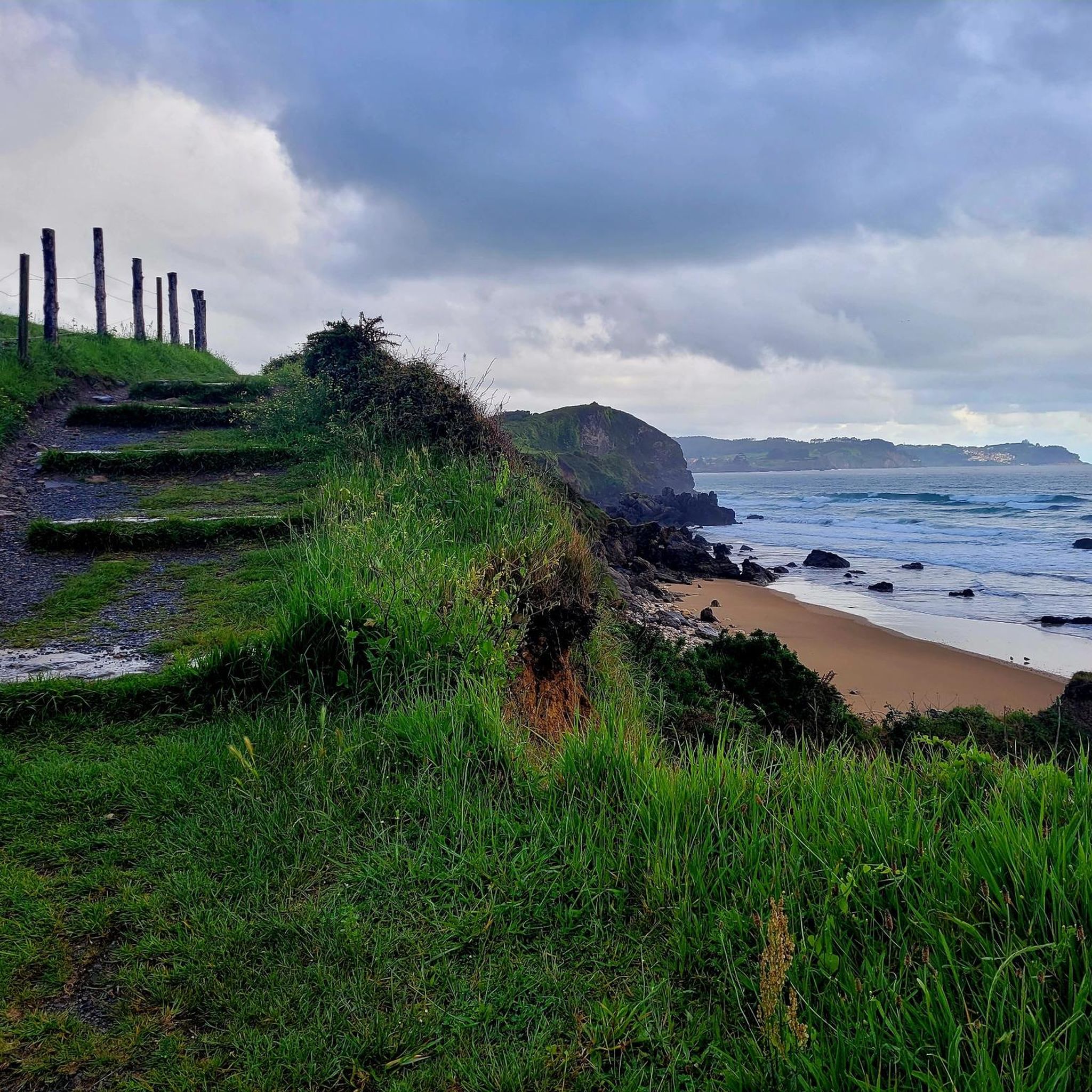
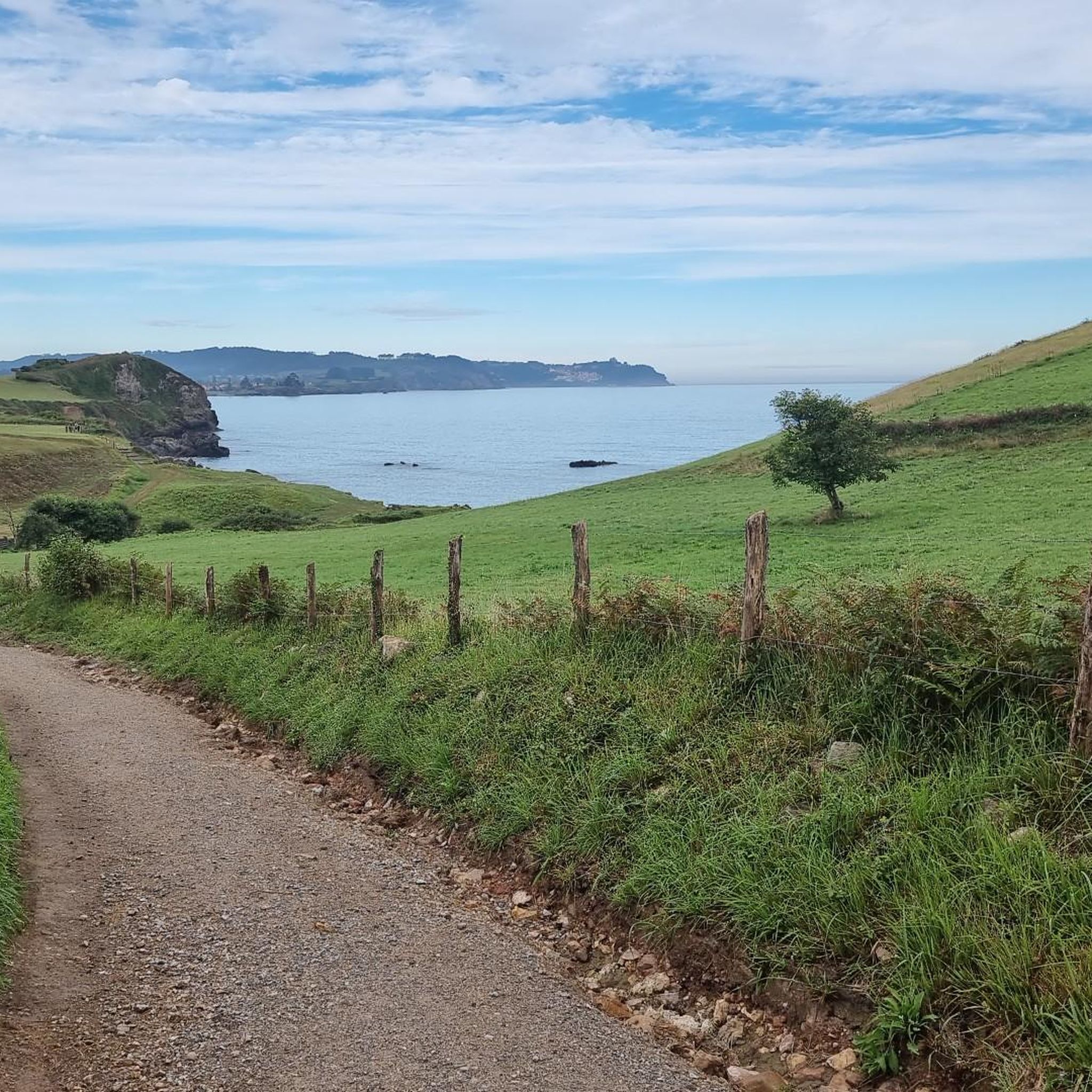

Tips from the Community

The ascent of Pico Pienzu can be one of the most rewarding routes you'll find in the Asturian mountains. The contrast between sea and mountains at its summit will leave you speechless, and any route you choose for the climb will offer a fantastic day in the mountains.
0
0

mythical place, beware of a lot of traffic in summer
0
0

Bronchosaurs...we just missed them.
1
0

The nearby sandy beach completes the experience of seeing dinosaur tracks.
1
0
Park at the entrance to the cave and walk through it. Worth. If you can turn on your cell phone so that you can see the cars well because it is very dark
1
0
Frequently Asked Questions
What are the most unique natural monuments to visit near Caravia?
Near Caravia, you can discover several unique natural monuments. One is Playa de Gulpiyuri, an inland beach formed by a flooded sinkhole, where seawater enters through underground galleries. Another spectacular site is the Bufones de Pría, marine geysers that erupt powerfully during high tide and strong swell. For a journey back in time, explore the Coast of the Dinosaurs, where you can find abundant dinosaur footprints from the Jurassic period, particularly at sites like Dinosaur footprints in La Griega beach.
Are there natural monuments around Caravia that offer panoramic views?
Yes, the region around Caravia is known for its stunning viewpoints. Pienzu Peak, the highest point in the Sierra del Sueve, offers spectacular views of the Asturian coast and the Picos de Europa. Another excellent spot is Mirador del Fito, an old concrete watchtower providing a seamless view of the Asturian landscape, including the sea, mountains, meadows, and valleys.
What kind of geological formations can I explore in the natural monuments near Caravia?
The natural monuments near Caravia showcase diverse geological formations. You can explore the unique inland beach of Playa de Gulpiyuri, a flooded sinkhole. The Bufones de Pría feature impressive marine geysers formed by karstic erosion in limestone cliffs. Additionally, La Cuevona of Cuevas del Agua is a natural cave with various rock formations like stalactites and stalagmites, through which a road and pedestrian walkway pass.
Are there family-friendly natural monuments around Caravia?
Absolutely! Several natural monuments are great for families. Playa de Gulpiyuri, with its calm, inland waters, is a favorite for families. Dinosaur footprints in La Griega beach offers an exciting paleontological experience for all ages. Santa Marina Beach is also a protected landscape suitable for various sports activities and family outings.
What is the best time to visit the Bufones de Pría?
To witness the Bufones de Pría in their full splendor, it is best to plan your visit during high tide and when there is a strong swell. These conditions cause the marine geysers to erupt powerfully, shooting saltwater high into the air with a roaring sound, creating a truly breathtaking spectacle.
Can I find historical or paleontological sites among the natural monuments?
Yes, the region is rich in paleontological history. The Coast of the Dinosaurs, spanning coastal areas near Caravia, is one of Europe's most important icnite sites. Here, you can find abundant dinosaur footprints from the Jurassic period, particularly at locations like Dinosaur footprints in La Griega beach, offering a unique glimpse into prehistoric life.
What outdoor activities can I do near these natural monuments?
The area around Caravia offers a variety of outdoor activities. You can find numerous routes for cycling, mountain biking, and gravel biking. For example, explore cycling routes like the 'Arenal de Morís Beach – San Juan de Duz ⛪ Colunga loop' or MTB trails such as the 'Espasa Beach – La Isla Beach loop'. You can find more details on these and other routes in the Cycling around Caravia, MTB Trails around Caravia, and Gravel biking around Caravia guides.
Are there any natural monuments accessible by car?
Yes, La Cuevona of Cuevas del Agua is unique as the AS-114 road passes directly through it. This allows you to drive through the cave, and there's also a pedestrian walkway if you prefer to explore its rock formations on foot. Parking is available at the cave's entrance.
What do visitors enjoy most about the natural monuments around Caravia?
Visitors particularly enjoy the dramatic contrast between the sea and mountains, especially from viewpoints like Pienzu Peak. The unique geological features, such as the inland Playa de Gulpiyuri and the powerful Bufones de Pría, also captivate visitors. The opportunity to step back in time at the dinosaur footprint sites is another highlight, offering a fascinating experience for all ages.
Are there any natural monuments that are also protected landscapes?
Yes, several natural monuments in the region are part of protected landscapes. Playa de Gulpiyuri is a Natural Monument and part of the Protected Landscape of the Eastern Coast of Asturias. Santa Marina Beach is also considered a protected landscape from an environmental point of view.
What should I know about visiting the dinosaur footprints?
The dinosaur footprints, or 'icnites,' are found along the Coast of the Dinosaurs, particularly at sites like Dinosaur footprints in La Griega beach. These are fossilized traces from the Jurassic period. It's an open-air site, and guided visits are often available to help you explore these ancient marks. Explanatory panels are usually present to help identify the different types of footprints.
Most popular routes around Caravia
Most popular attractions around Caravia

Get inspired with the komoot mobile app


Explore more
Extend your search for the best caves by checking out these guides of the top ones around Caravia:
