Top 10 Natural Monuments around Salobreña
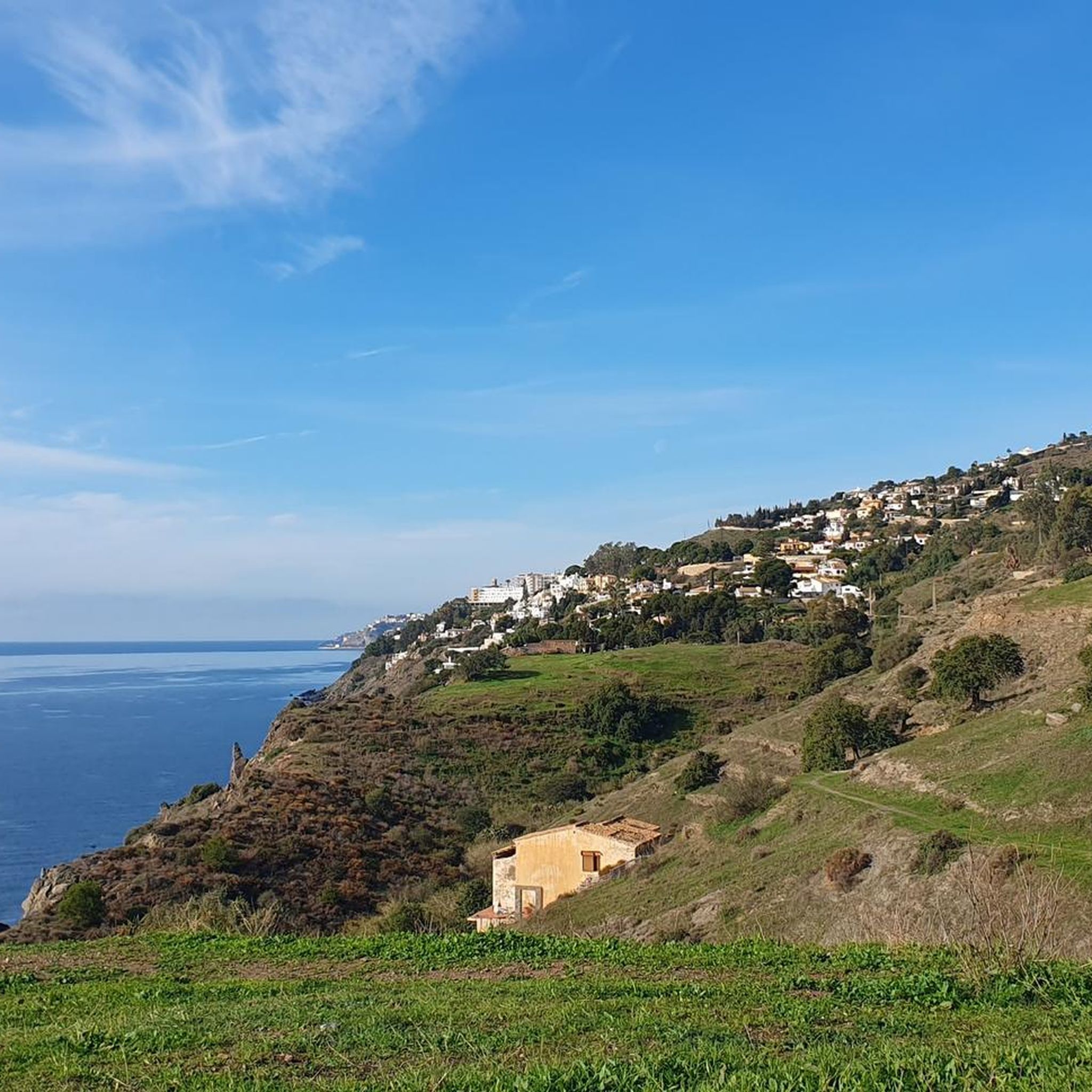
Best natural monuments around Salobreña showcase a diverse landscape on Spain's Costa Tropical. The region features a mix of coastal formations, historical sites, and mountainous terrain. These areas offer insights into the local geology and provide opportunities to observe varied ecosystems. The town's history is reflected in several sites, adding a cultural dimension to its natural appeal.
Best natural monuments around Salobreña
- The most popular natural monuments is Cliffs of Playa de la Joya, a gorge that features steep…
Last updated: June 4, 2026
Charca Suárez
Highlight • Lake
Translated by Google •
Tip by

Cerro del Toro Mines
Highlight • Historical Site
Sign up now to discover places like this
Get recommendations on the best single tracks, peaks, & plenty of other exciting outdoor places.
Sign up for free
Cliffs of Playa de la Joya
Highlight • Gorge
Translated by Google •
Tip by

El Majuelo Park — Archaeological Site and Sculpture Garden
Highlight • Historical Site
Translated by Google •
Tip by

Guadalfeo River Spring in Salobreña
Highlight • River
Sign up for free to discover even more natural monuments around Salobreña.
Sign up for free
Already have an account?
Start today with a free account
Your next adventure awaits.
Login or Signup

Tips from the Community


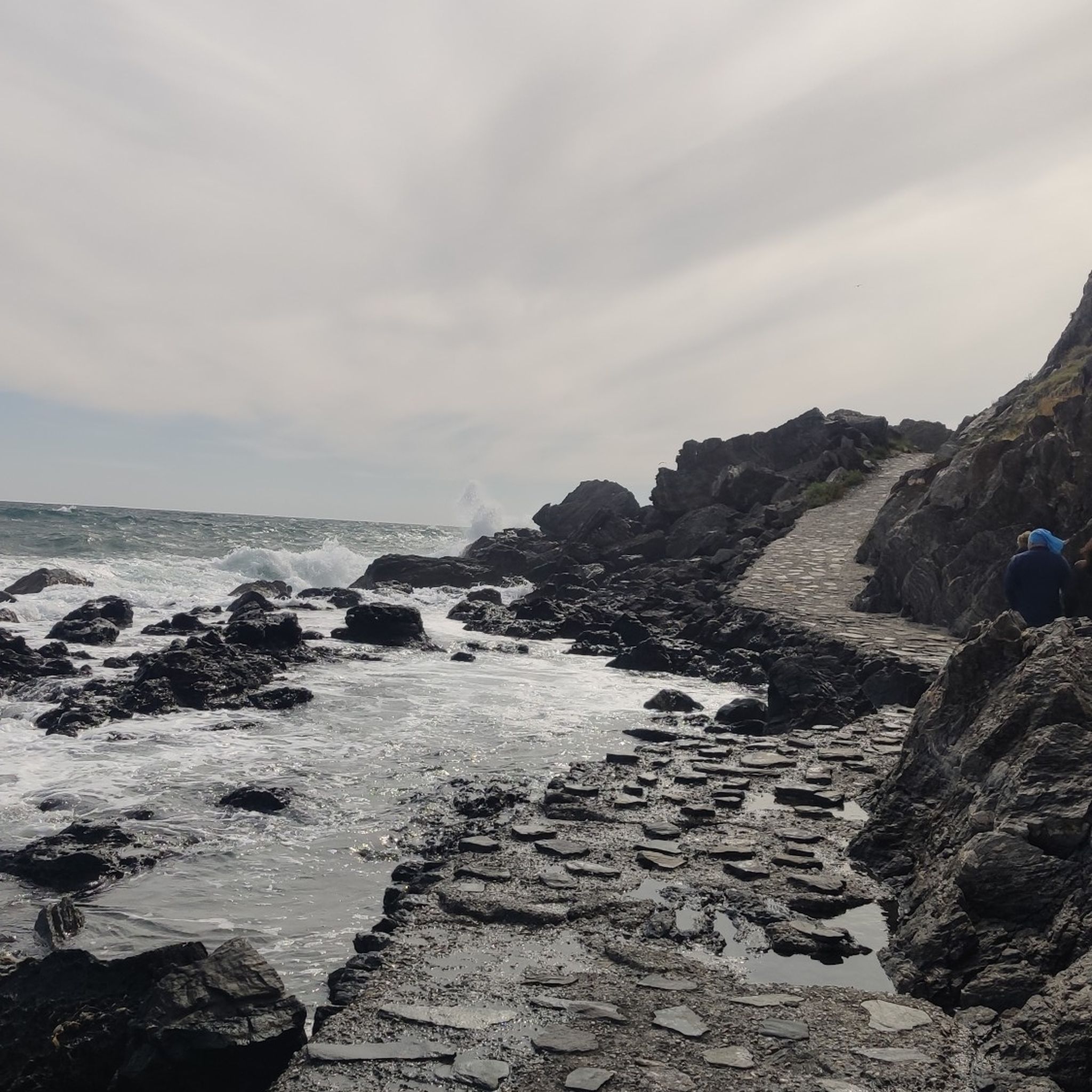
Beautiful views of the cliffs and coves. La Joya Beach has excellent swimming opportunities and is easily accessible via a stairway.
3
0

An interesting park with a view of the Castillo.
4
0

A really nice park. In addition to the many plants, there is also an excavation site and many different sculptures by local artists. From time to time there are also festivals in this park.
2
0

There are perhaps many photos, but the area deserves it and you can get an idea.
25
0
The "Charca Suárez" is a surface of perennial free water, although fluctuating, which is fed both by groundwater from the Motril-Salobreña aquifer, and by the contributions of return water from the irrigation of La Vega. This surface comes from the transformation of the Guadalfeo River Delta, which, due to the increase in sedimentation in the area, produced a retreat of the coastline, giving rise to the Vega Motril-Salobreña, where finally, due to the dominance of fluvial sedimentation in front of Due to the erosive action of the coastal waters, a fluvial system of intertwined channels was created, where the frequent changes in the position of the channel gave rise to the appearance of flooded areas. The "Charca Suárez" wetlands are located on the southern limit of the Motril-Salobreña detritic aquifer. This hydrogeological unit has an area of 42 km2, reserves of 181 Hm3 and annual resources of 47.3 Hm3.
28
0

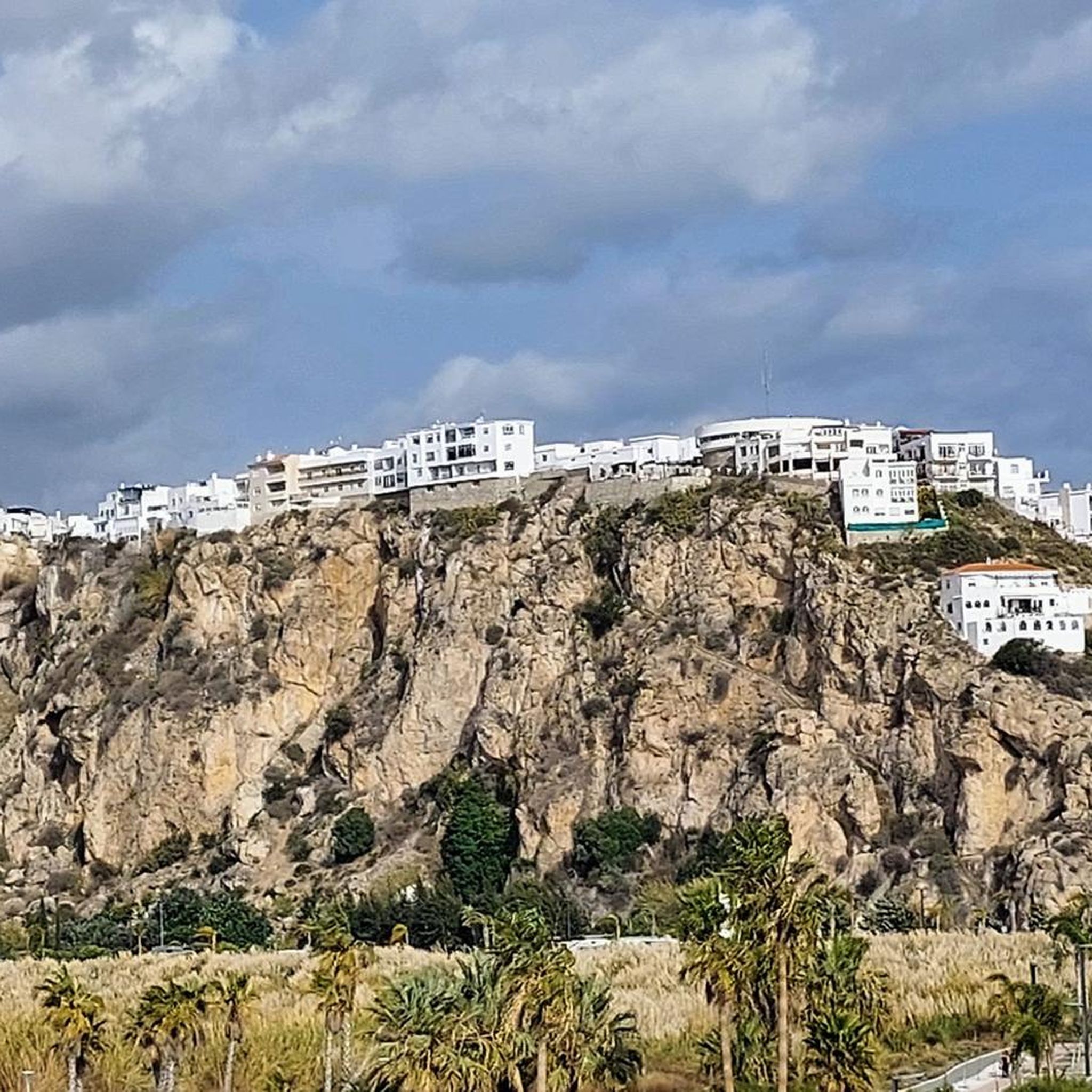
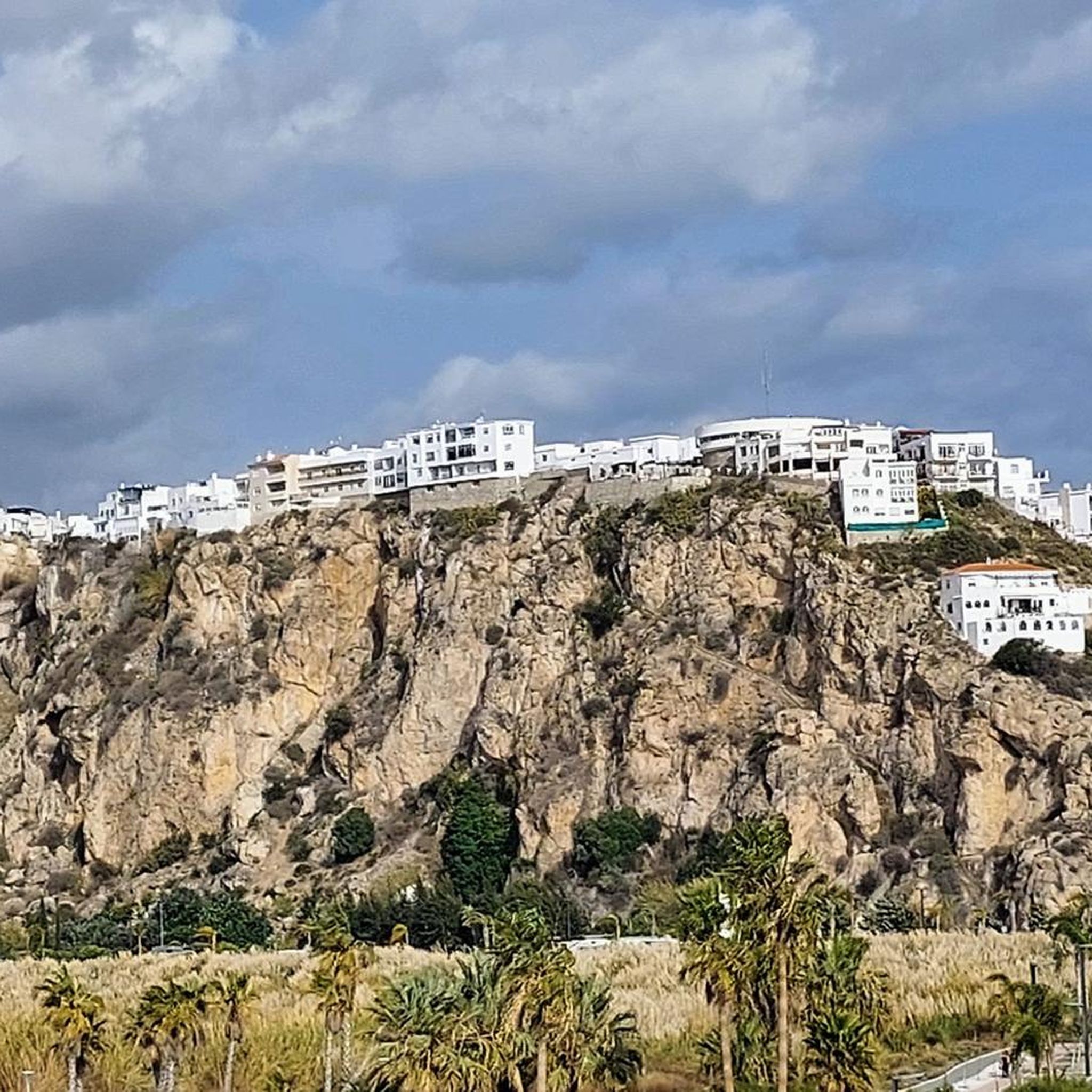
At the end of the village there is a steep cliff
3
0
Frequently Asked Questions
What types of natural monuments can I explore around Salobreña?
The region around Salobreña offers a diverse range of natural monuments, from coastal formations and beaches to wetlands and mountainous areas. You can find iconic rocky outcrops like El Peñón de Salobreña, important birdwatching sites such as Charca Suárez, and dramatic coastal features like the Cliffs of Playa de la Joya. The area also includes historical sites that blend with nature, like El Majuelo Park — Archaeological Site and Sculpture Garden.
Are there any family-friendly natural monuments in the Salobreña area?
Yes, several natural monuments are suitable for families. Charca Suárez is a great option for nature observation and birdwatching, offering an educational experience. El Majuelo Park — Archaeological Site and Sculpture Garden combines natural beauty with historical elements and sculptures, making it engaging for various ages.
Where can I go for birdwatching near Salobreña?
For birdwatching, Charca Suárez is the most important wetland on the Granada coast. It serves as a vital environment for bird hibernation and migration, and you might also spot other wildlife like wild boars, foxes, and chameleons. Guided visits are available upon request.
What historical natural monuments are there to visit?
Salobreña's natural monuments often have a rich historical dimension. El Peñón de Salobreña, for instance, has archaeological remains from Phoenician and Roman times. El Majuelo Park — Archaeological Site and Sculpture Garden features an excavation area and sculptures, offering a glimpse into the past. Additionally, the Cerro del Toro Mines are an old historical site with underground features, though they are currently closed to the public.
Are there natural monuments with good viewpoints for panoramic views?
Absolutely. Salobreña is known for its numerous viewpoints. Climbing El Peñón de Salobreña offers spectacular panoramic views of the town, the Arab castle, and the Mediterranean Sea. The Cliffs of Playa de la Joya also provide beautiful vistas of the cliffs and coves. Other notable viewpoints include Mirador de la Punta de la Mona and Mirador del Peñón, offering stunning coastal and mountainous landscapes.
What kind of outdoor activities can I do near these natural monuments?
The area around Salobreña is excellent for various outdoor activities. You can find numerous routes for road cycling, running, and mountain biking. For example, there are several road cycling routes, running trails, and MTB trails that allow you to explore the diverse landscapes, including coastal areas and the foothills of the mountains.
Are there any natural monuments suitable for swimming or beach access?
Yes, several natural monuments offer opportunities for swimming and beach access. El Peñón de Salobreña is a popular spot for bathing in its serene waters. The Cliffs of Playa de la Joya lead to La Joya Beach, which has excellent swimming opportunities and is easily accessible via a stairway. The Peñones de San Cristobal in Almuñécar divide two beaches, San Cristobal and La Caletilla, and the ZEC Cliffs of Calahonda also feature beautiful beaches for enjoyment.
Can I find hiking trails that pass through or near natural monuments?
Yes, the region offers various hiking opportunities. The Junta de Los Ríos Walk, starting in Otívar, is a moderate route that takes you through the La Almijara mountains, featuring hanging bridges, canyons, and natural waterfalls. While not directly within Salobreña, the expansive Almijara, Tejeda and Alhama Natural Park offers a rich environment for mountain activities and hiking amidst Mediterranean pine forests and rivers.
What unique geological features can be observed?
The area boasts several unique geological features. The iconic El Peñón de Salobreña and the Peñones de San Cristobal are prominent rocky outcrops. The Cliffs of Playa de la Joya showcase steep cliffs and coves. The Almijara, Tejeda and Alhama Natural Park is particularly appealing to geology enthusiasts, with its diverse mountainous terrain and formations.
What do visitors say about the natural monuments around Salobreña?
Visitors appreciate the diverse natural beauty and the blend of natural and historical sites. For instance, the Cliffs of Playa de la Joya are praised for their beautiful views and excellent swimming opportunities. El Majuelo Park — Archaeological Site and Sculpture Garden is noted for its interesting mix of plants, excavation sites, and local sculptures, often hosting festivals. The area's natural monuments have received 11 upvotes and 42 photos shared by the komoot community, highlighting their appeal.
Is the Almijara, Tejeda and Alhama Natural Park accessible from Salobreña?
Yes, the Almijara, Tejeda and Alhama Natural Park is located between the provinces of Granada and Malaga, making it accessible from Salobreña. It offers a vast area for mountain activities, canyoning, hiking, and nature experiences, including Mediterranean pine forests, rivers, and waterfalls. It also features thermal-medicinal waters with historical significance.
Where can I see the Guadalfeo River as a natural monument?
You can visit the Guadalfeo River Spring in Salobreña. This highlight marks a spot at the mouth of the Guadalfeo river in Salobreña, where you can experience the river's natural flow and enjoy the surrounding area, often mentioned as a point of interest on local routes.
Most popular routes around Salobreña
Most popular attractions around Salobreña

Get inspired with the komoot mobile app


Explore more
Extend your search for the best caves by checking out these guides of the top ones around Salobreña:
