Top 7 Natural Monuments around Algarrobo
Best natural monuments around Algarrobo include a diverse range of coastal features and ecological sanctuaries. This Chilean coastal commune offers varied landscapes and rich biodiversity. The region is characterized by significant natural observatories and unique microclimates that preserve ancient native forests. Visitors can explore pristine beaches, rock formations, and crucial habitats for marine wildlife.
Best natural monuments around Algarrobo
- The most popular natural monuments is View of Canillas de Aceituno, La Viñuela Reservoir, and Montes de Málaga, a viewpoint…
Last updated: June 4, 2026
Virgen del Mar Memorial
Highlight • Religious Site
Translated by Google •
Tip by

Palo Borracho (Ceiba Chodatii) on Paseo de Larios
Highlight • Natural Monument
Translated by Google •
Tip by

Sign up now to discover places like this
Get recommendations on the best single tracks, peaks, & plenty of other exciting outdoor places.
Sign up for free
Mouth of the Vélez River
Highlight • River
Translated by Google •
Tip by

Rusty Fig (Ficus rubiginosa)
Highlight • Natural Monument
Translated by Google •
Tip by
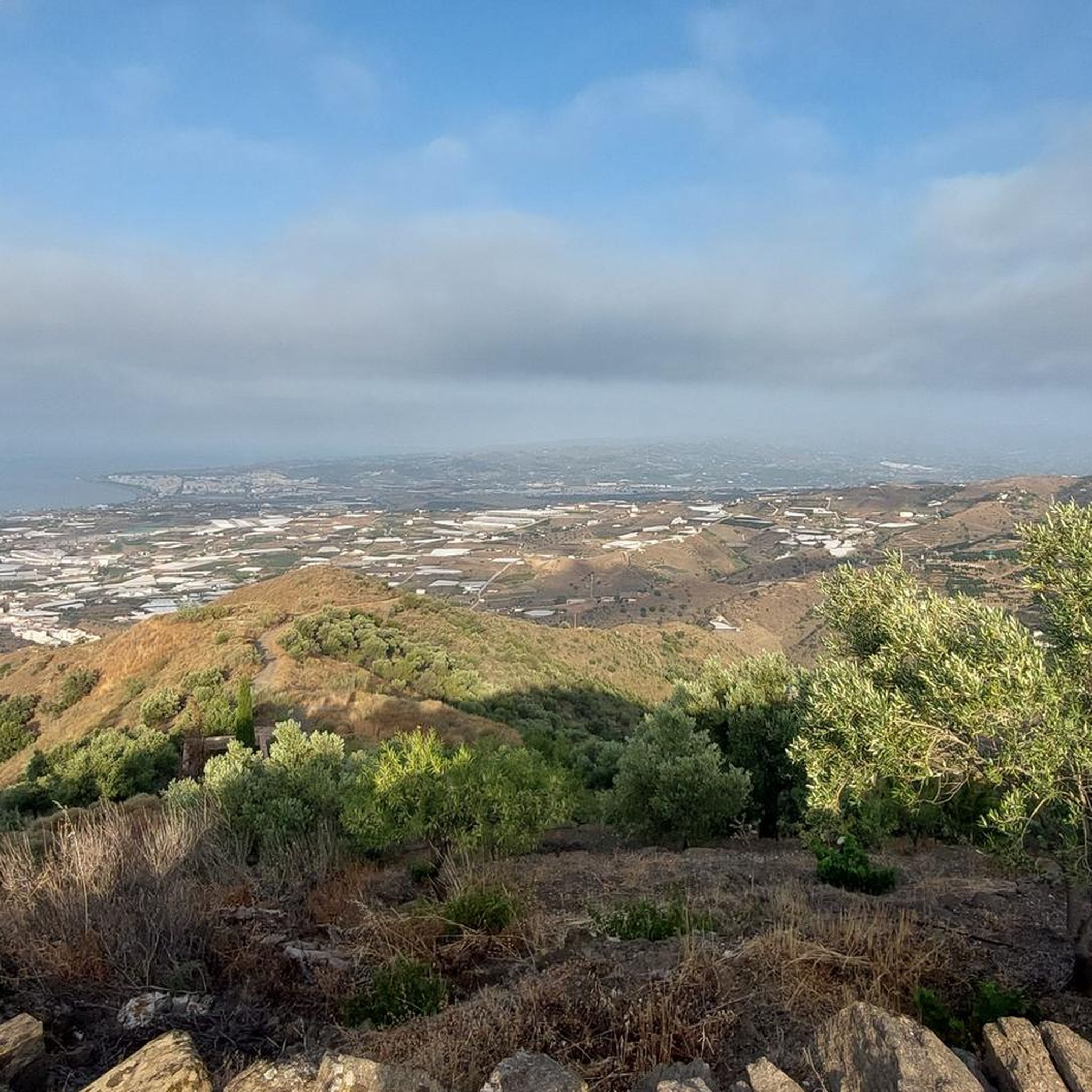
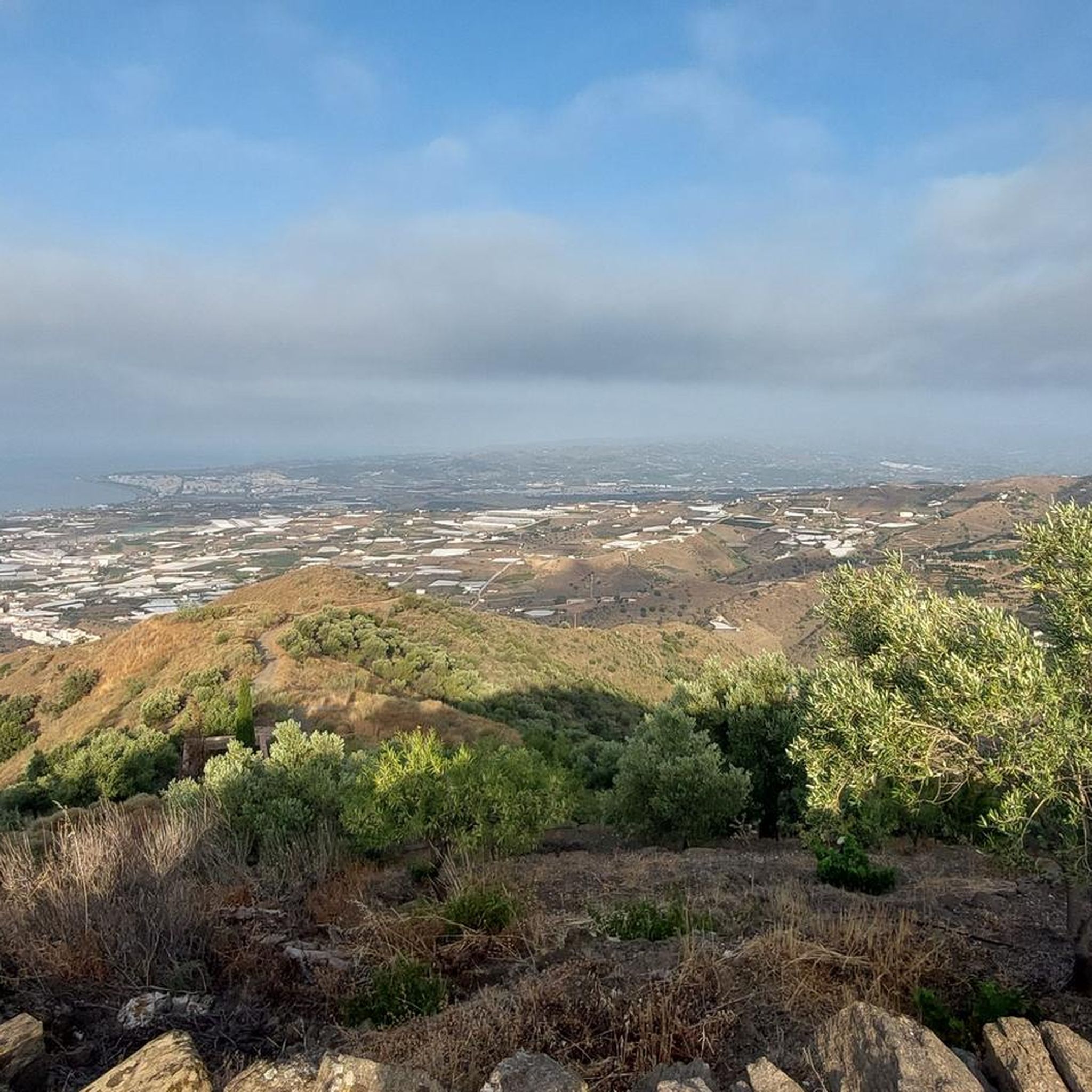
View of Canillas de Aceituno, La Viñuela Reservoir, and Montes de Málaga
Highlight • Viewpoint
Translated by Google •
Tip by

Sign up for free to discover even more natural monuments around Algarrobo.
Sign up for free
Already have an account?
Start today with a free account
Your next adventure awaits.
Login or Signup

Tips from the Community


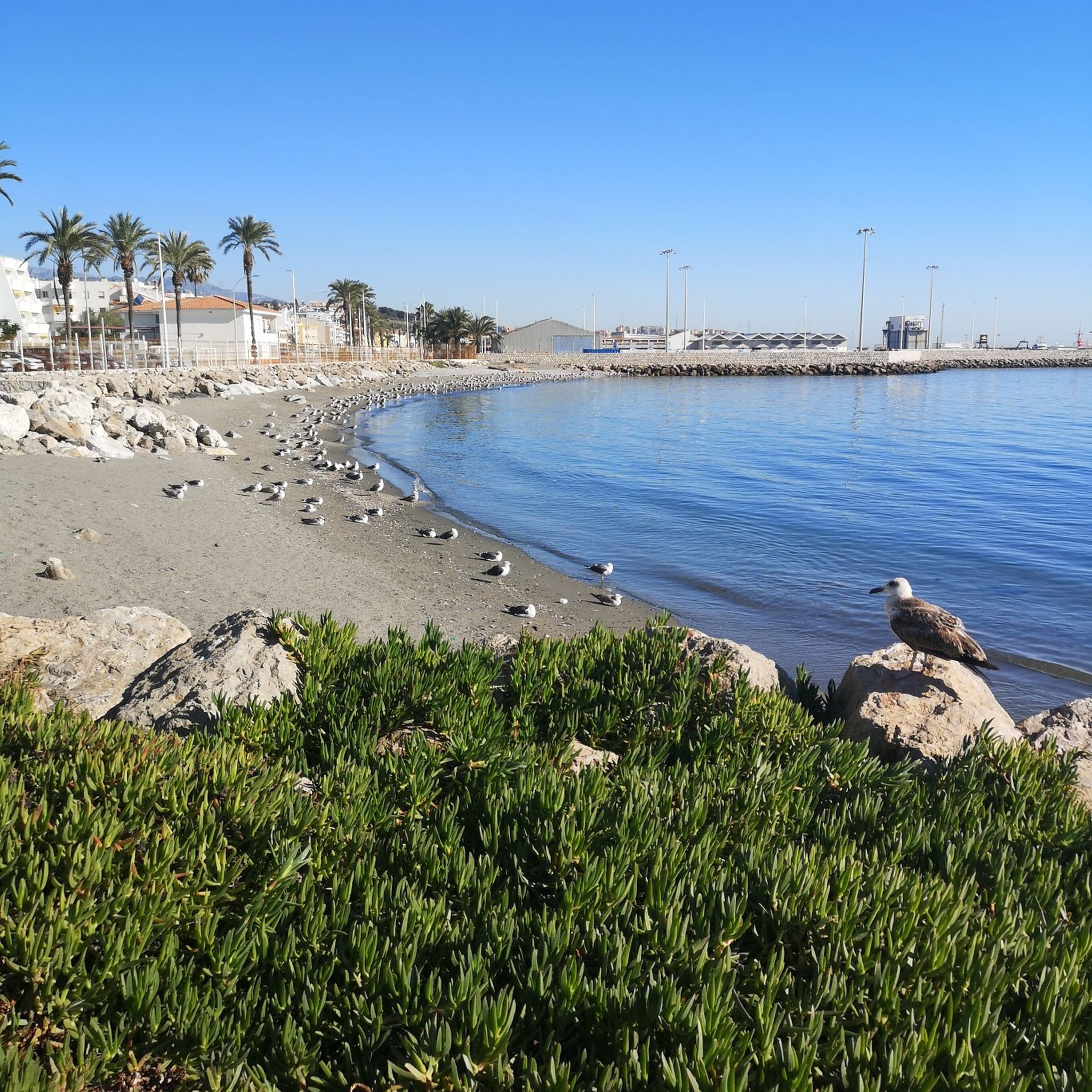
The mouth of the Río Vélez is an excellent birdwatching area, especially during migration. The river's low water level encourages the formation of an estuary that provides a habitat for numerous bird species. In addition, its strategic location on the southern edge of Europe makes this area an important resting place for migratory birds. Species such as the Little Bittern, Moorhen and Reed Warbler live here. The vegetation, made up of reeds and white poplars, provides ideal conditions for birds.
4
0
In Torre del Mar, these striking trees grace the Paseo de Larios, one of the city's main promenades. The tree change from the original orange trees and plane trees to the Ceiba chodatii occurred in the 1920s, giving the area a unique tropical feel. Originally native to the tropical and subtropical forests of South America, the Ceiba chodatii is now widespread in many parts of the world, particularly in Mediterranean climates such as the Costa del Sol. The Ceiba chodatii, known in South America as Palo Borracho, is an impressive tree. Its name "Palo Borracho" translates to "Drunk Tree" because of its distinctive bottle-shaped trunk, reminiscent of a drunken man. The tree is characterized by a thick, plump trunk that stores water and is covered in prickly thorns.
3
0

Beware of the angry farmer who seem to have claimed a part of the natueal park. He threthened us about 1km up and we had to return back
2
0
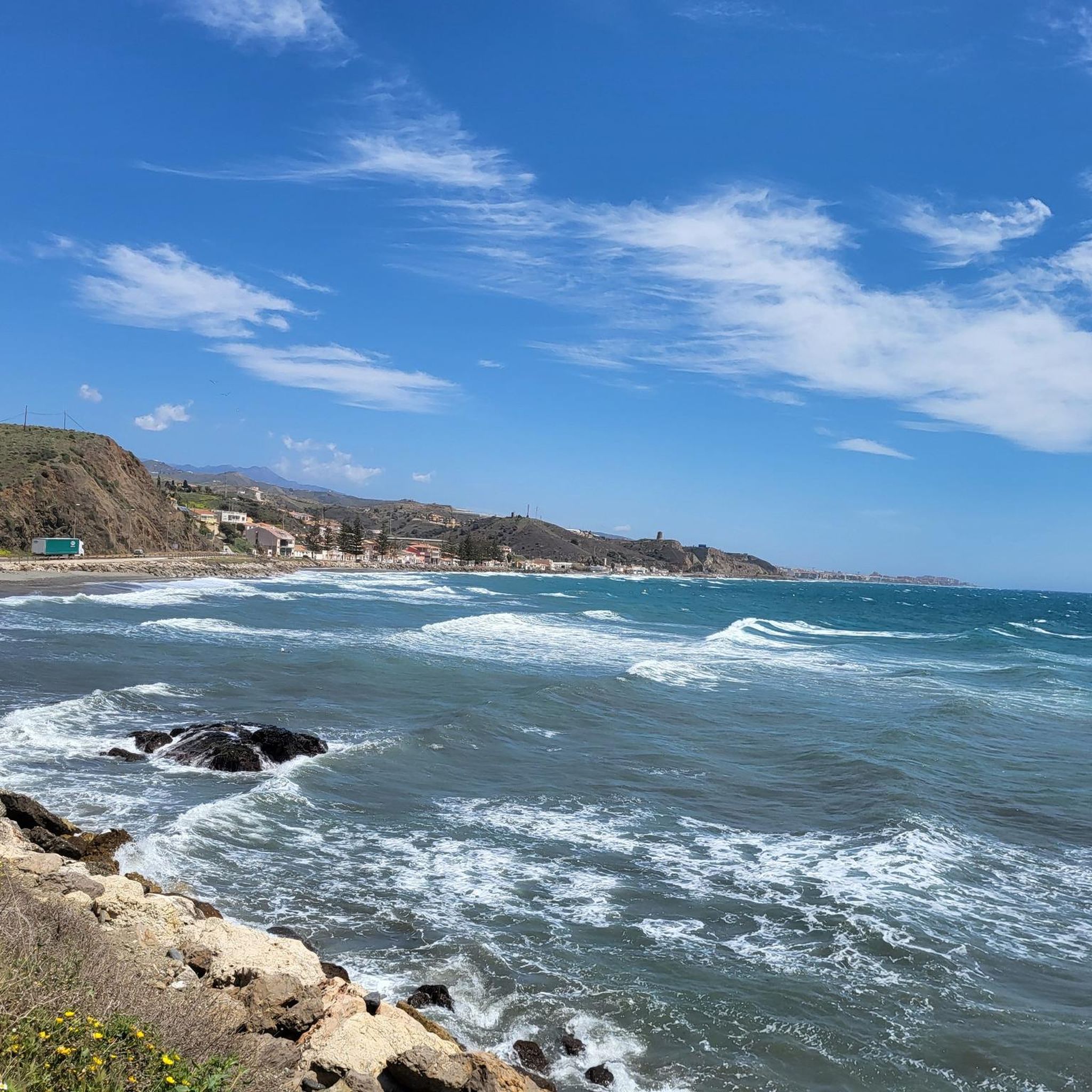
On the steep coast you can find this rock, on which a white miniature chapel stands. A few niches have been carved into the rock, in which, among other things, a picture of the Virgin del Carmen (patron saint of fishermen and sailors) is kept. People put flowers there, light candles and place small, inscribed stones on the rock. With the sea in the background and the view of the coast, it is a real eye-catcher. A point of attraction, it was very well attended.
9
0

The rusty fig (Ficus rubiginosa) is an evergreen tree and originally comes from Australia. The undersides of the leaves are covered with fine rust-colored hairs. The tree belongs to the mulberry family. Birds and other wild animals eat its fruit.
2
0
The white-flowered drunken bottle tree (Ceiba chodatii) is a medium-sized deciduous tree native to the tropical and subtropical forests of South America. It is notable for its succulent, swollen trunk covered with spines and its buttress roots. The name palo borracho ("drunken tree"), which is common in Paraguay and Chile, is derived from the distinctive growth form of the trunk. The Argentinian name palo botella ("bottle tree") also refers to the same characteristics. - The genus Ceiba is closely related to the baobabs (genus Adansonia) in Africa and Australia, which also have quite unusual trunk shapes.
3
0

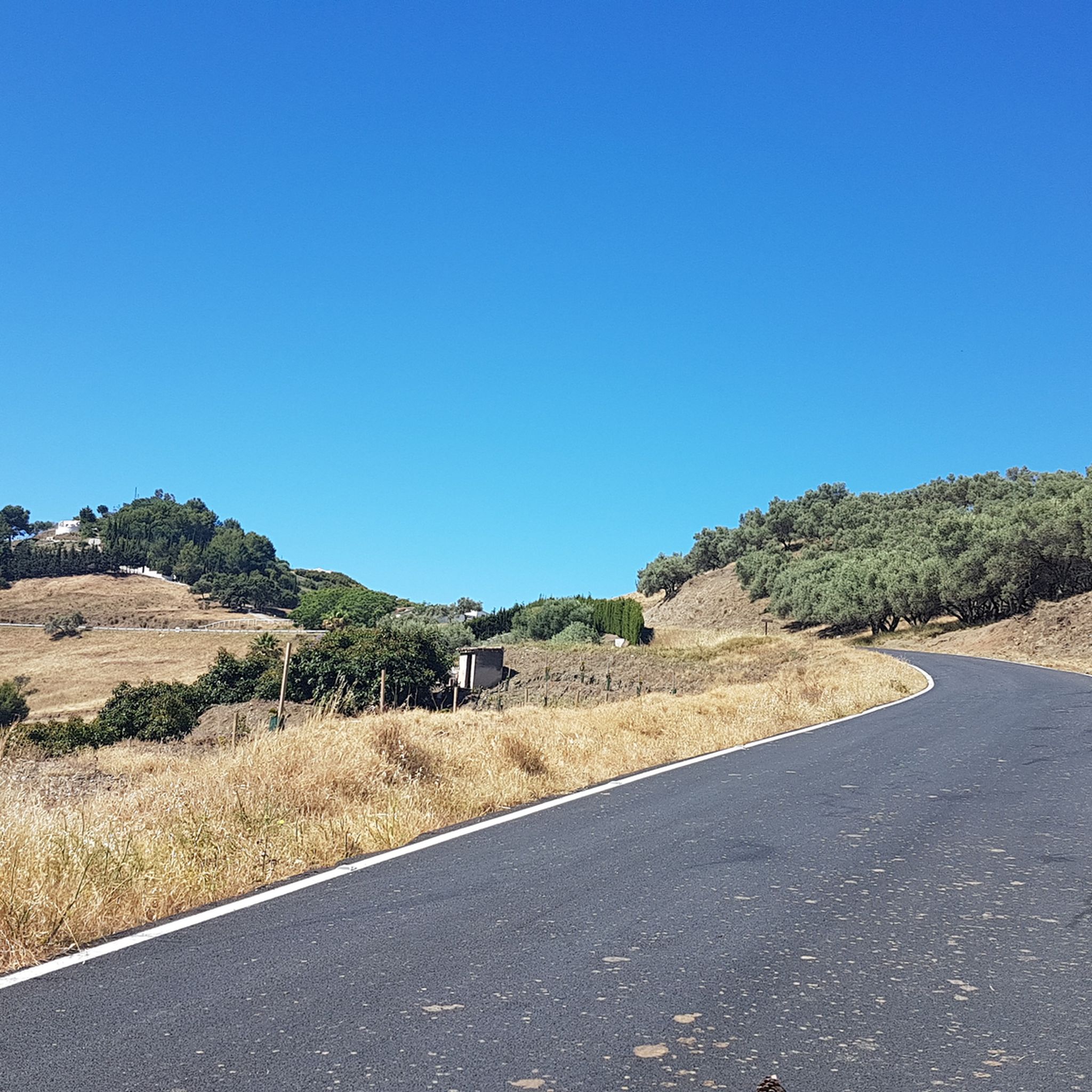
Cultivation area through which the cycle path leads.
2
0
Frequently Asked Questions
What unique natural features can I explore around Algarrobo?
Algarrobo offers a diverse range of natural features. You can find significant marine bird sanctuaries like the Virgen del Mar Memorial, which is carved into a steep coast, and the Islote Pájaros Niños, a crucial nesting site for Humboldt and Magellanic penguins. There's also the Quebrada de Córdova Nature Sanctuary, known for its ancient native forest and unique microclimate, and striking rock formations such as Peñón Peña Blanca.
Are there opportunities for birdwatching near Algarrobo's natural monuments?
Yes, Algarrobo is excellent for birdwatching. The Islote Pájaros Niños Nature Sanctuary is home to over 20 species of marine birds, including penguins, best viewed from boat tours. The Quebrada de Córdova Nature Sanctuary also hosts numerous bird species, including raptors. Additionally, the Mouth of the Vélez River is an important birdwatching area, especially during migration, and the Peñón Peña Blanca is a natural observatory for marine birds.
Which natural monuments are suitable for families?
Families can enjoy several natural monuments. The Mouth of the Vélez River is a family-friendly spot with a bird observatory. The Rusty Fig (Ficus rubiginosa) is an interesting tree for children to observe. The Canelo-Canelillo Coastal Sector offers pristine beaches and natural trails suitable for family outings.
Are there any wheelchair-accessible natural monuments in Algarrobo?
Yes, the Palo Borracho (Ceiba Chodatii) on Paseo de Larios is noted for being wheelchair accessible. This distinctive tree with its bottle-shaped trunk provides a unique natural sight along a promenade.
What kind of hiking or outdoor activities can I do near these natural monuments?
You can find various outdoor activities. The Quebrada de Córdova Nature Sanctuary offers hiking through diverse ecosystems. The Canelo-Canelillo Coastal Sector features natural trails. For more structured routes, you can explore options for gravel biking, cycling, and MTB trails around Algarrobo, which often pass by or near natural attractions.
What is the best time to visit Algarrobo's natural monuments?
The best time to visit depends on your interests. For birdwatching, especially to see migratory species, spring and autumn can be ideal. The unique microclimate of areas like Quebrada de Córdova, influenced by coastal humidity and fog, makes it pleasant year-round. Coastal areas like Canelo-Canelillo are enjoyable during warmer months for beach activities, but also offer scenic beauty in cooler seasons.
Can I observe wildlife at these natural sites?
Absolutely. The Islote Pájaros Niños Nature Sanctuary is famous for its Humboldt and Magellanic penguins and other marine birds. The Quebrada de Córdova Nature Sanctuary is a habitat for numerous bird species, aquatic animals, raptors, and endangered species like the cururo and coipo. The Mouth of the Vélez River is also an excellent spot for observing various bird species.
Are there any natural monuments with historical or cultural significance?
Yes, the Virgen del Mar Memorial is a religious building carved into the steep coast, featuring a miniature chapel and niches for offerings, making it a site of both natural beauty and cultural importance. Additionally, nearby Punta de Tralca, while not solely a natural monument, is a coastal area with significant archaeological heritage, including pre-Hispanic shell middens.
Where can I find scenic viewpoints among Algarrobo's natural monuments?
Algarrobo offers several stunning viewpoints. The View of Canillas de Aceituno, La Viñuela Reservoir, and Montes de Málaga provides expansive vistas. The Virgen del Mar Memorial offers picturesque views of the coast. Peñón Peña Blanca is a striking rock formation that serves as a natural observatory, and the Canelo-Canelillo Coastal Sector has viewpoints offering incomparable scenic beauty.
What makes the Quebrada de Córdova Nature Sanctuary special?
The Quebrada de Córdova Nature Sanctuary is special due to its high biodiversity and unique microclimate. It preserves a relict forest of olivillo, a particularly important conservation object, and features sclerophyllous scrub and forest. Its deep canyon and coastal humidity create a 'greenhouse' effect, sustaining an ancient native forest and providing a habitat for numerous bird species and endangered animals.
What should I bring for a trip to Algarrobo's natural monuments?
For coastal areas and birdwatching, binoculars are highly recommended. Comfortable walking shoes are essential for exploring trails in places like Quebrada de Córdova or the Canelo-Canelillo Coastal Sector. Sun protection, water, and a camera to capture the scenic beauty and wildlife are also advisable.
Are there any unique trees or plant life to see?
Yes, you can see unique plant life. The Palo Borracho (Ceiba Chodatii) is known for its distinctive bottle-shaped trunk. The Quebrada de Córdova Nature Sanctuary is home to a relict forest of olivillo and diverse native flora, including sclerophyllous scrub and succulents. The Rusty Fig (Ficus rubiginosa) is another notable tree with rust-colored hairs on its leaves.
Most popular routes around Algarrobo
Most popular attractions around Algarrobo

Get inspired with the komoot mobile app


Explore more
Extend your search for the best caves by checking out these guides of the top ones around Algarrobo:
