Top 20 Natural Monuments around Aia
Best natural monuments around Aia offer a diverse landscape, featuring unique geological formations along the coast. The region is known for its distinctive flysch rock structures, which reveal millions of years of Earth's history. Aia provides opportunities to discover these natural wonders and plan outdoor adventures. The area preserves both the natural environment and cultural heritage, including historical remnants.
Best natural monuments around Aia
- The most popular natural monument is Algorri Flysch, a natural monument featuring spectacular rock structures…
Last updated: July 15, 2026
Algorri Flysch
Highlight • Natural Monument
Translated by Google •
Tip by

San Telmo Hermitage
Highlight • Religious Site
Translated by Google •
Tip by

Sign up now to discover places like this
Get recommendations on the best single tracks, peaks, & plenty of other exciting outdoor places.
Sign up for free
Cretaceous–Paleogene Boundary Cliffs
Highlight • Natural Monument
Attention: Be aware of the tides - the coast cannot be safely crossed during high tides
Translated by Google •
Tip by

Mount San Antón
Highlight • Summit
Translated by Google •
Tip by

Playa de Sakoneta
Highlight • Beach
Translated by Google •
Tip by
Sign up for free to discover even more natural monuments around Aia.
Sign up for free
Already have an account?
Start today with a free account
Your next adventure awaits.
Login or Signup
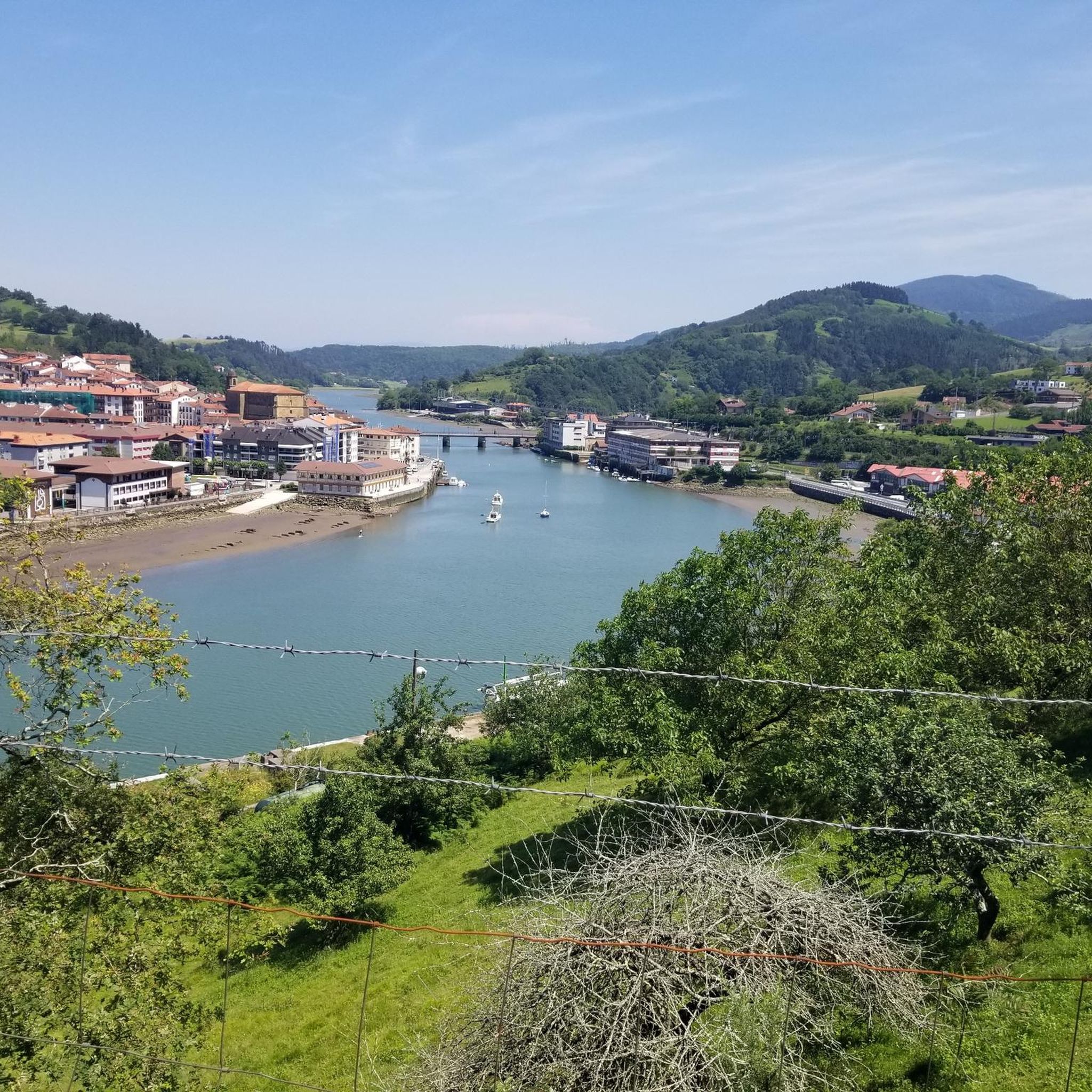
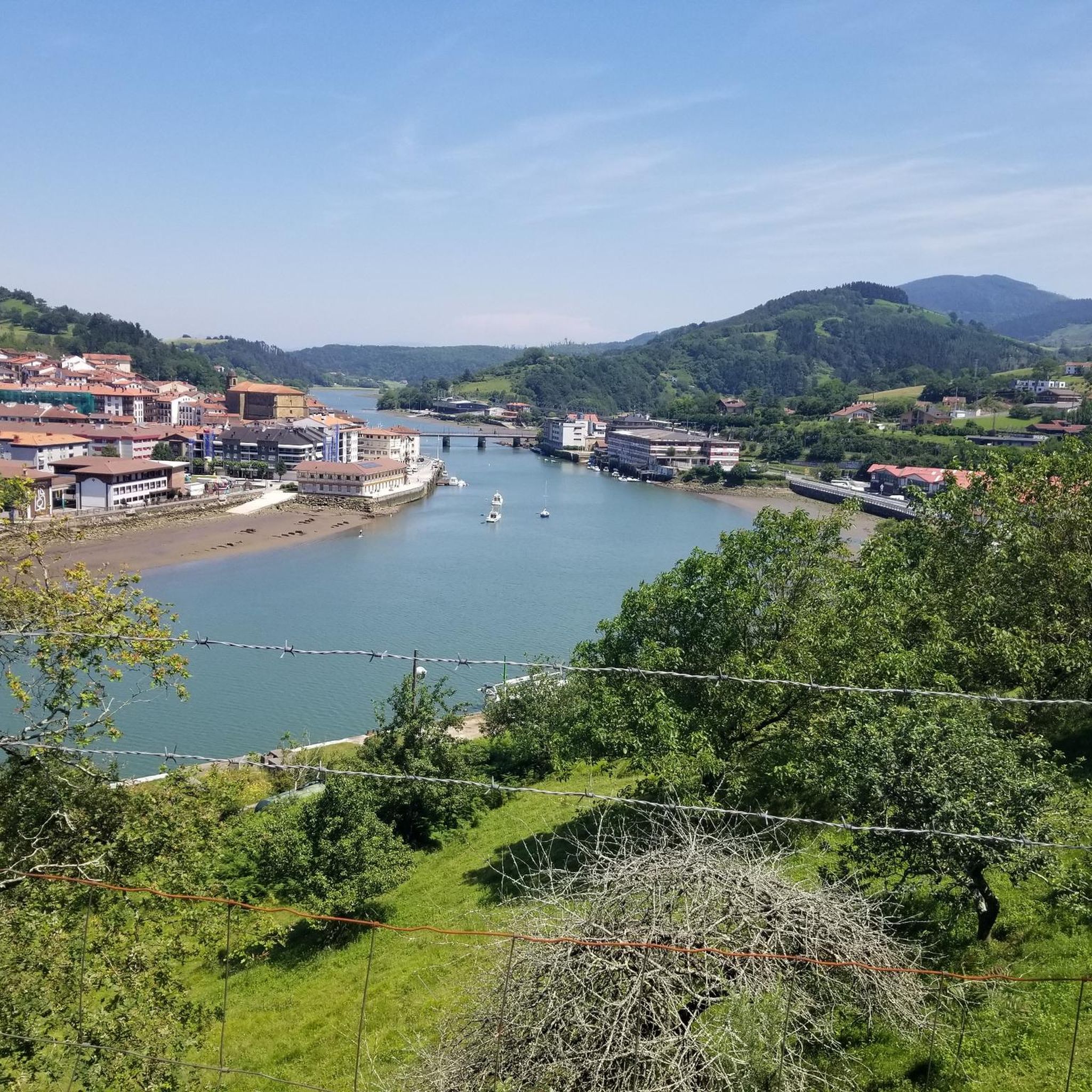
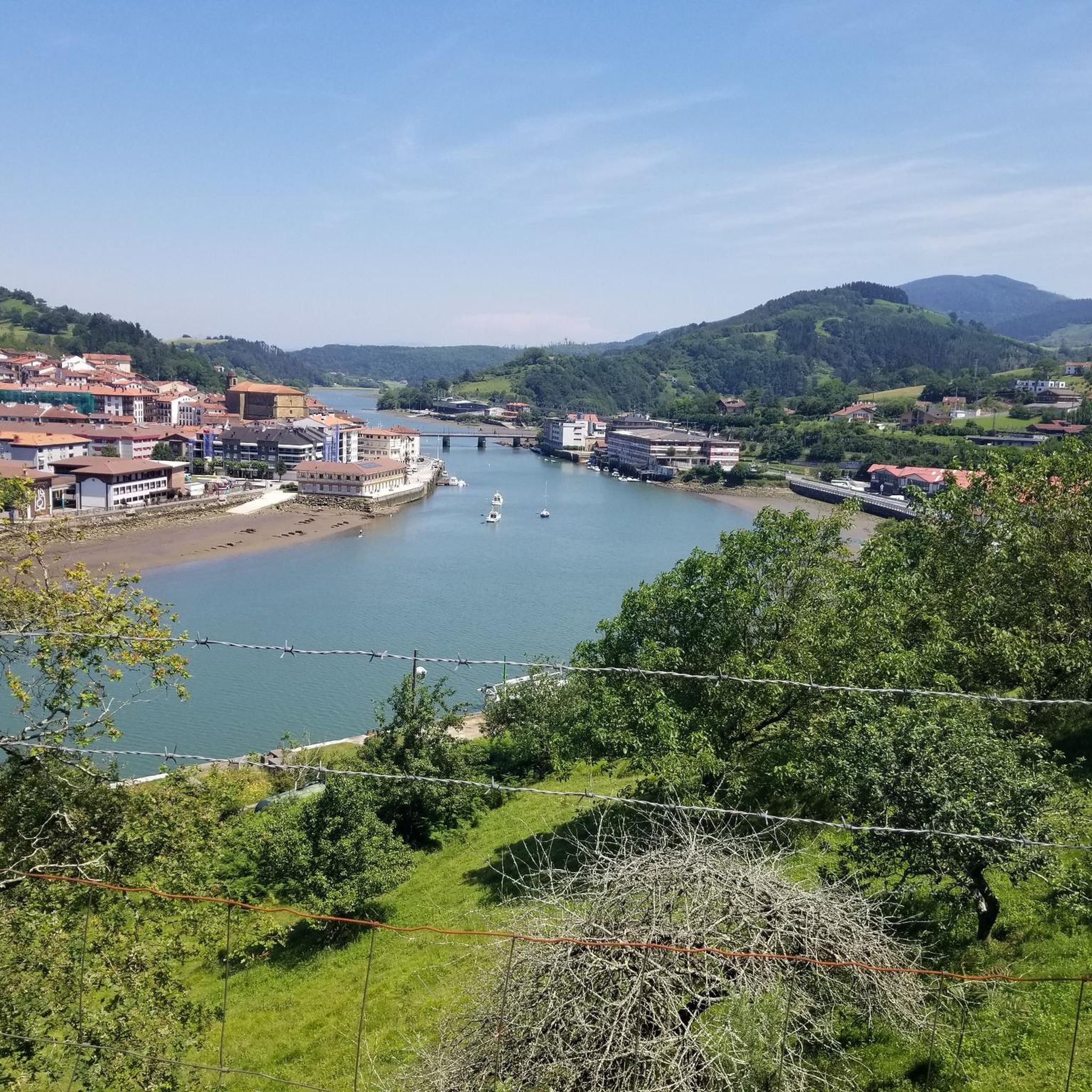
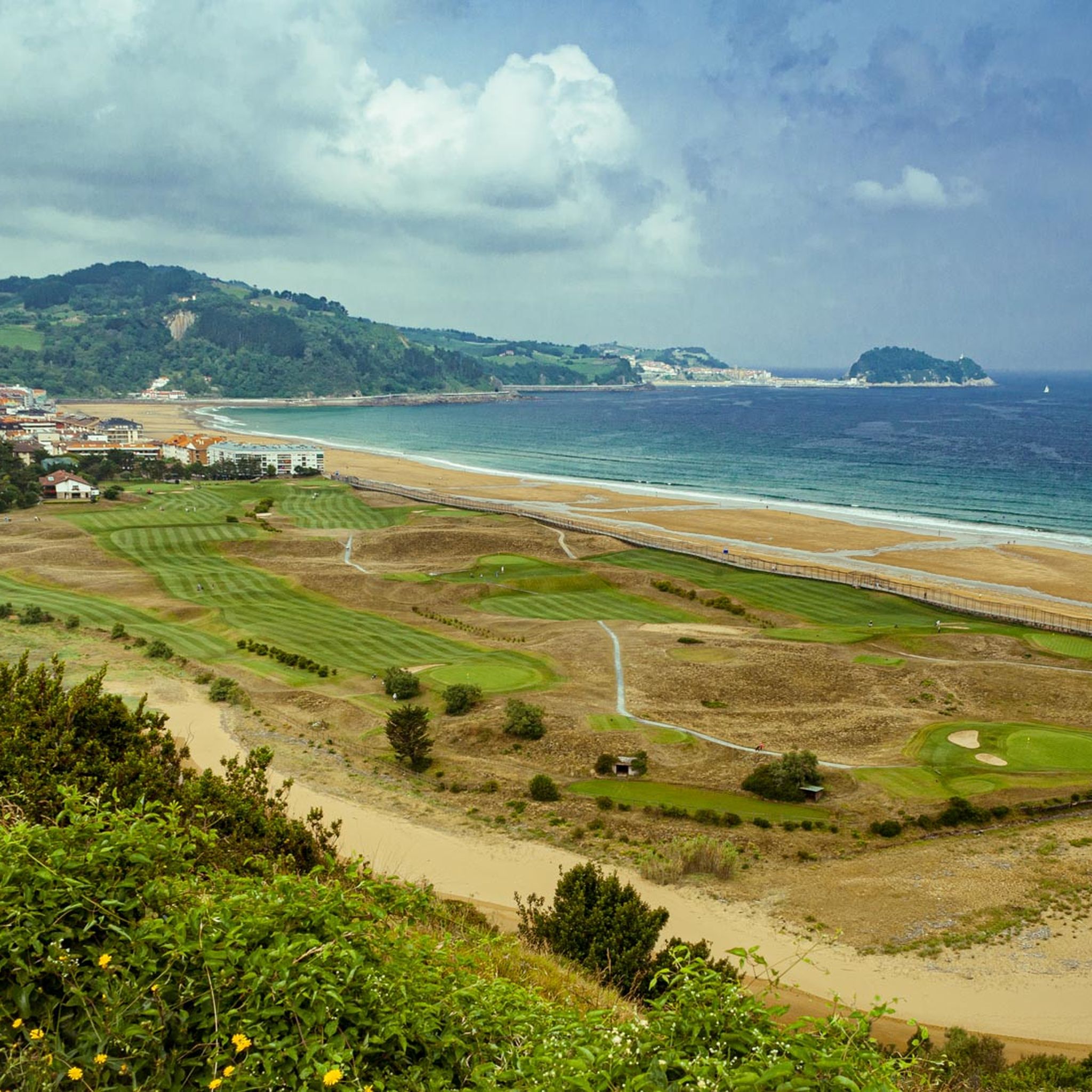

Tips from the Community

Super beautiful cliffs! Unfortunately, it was still high tide where we were, so the flysch cliffs were only visible at low tide. Check the tides at tideschart.com.
0
0

The first (or last section if reversing the route) section is absolutely NOT accessible. Possibly only at extreme low tide. We were there an hour before extreme low tide, and it was completely impossible. I would choose to simply follow the route at a higher elevation and skip the "beach" section. Especially since the beach is made up of large stones and rocks, difficult to walk on because you always have to watch your step due to loose stones.
1
0

Mostly the area is windy especially due to topography. Do not forget to carry water with yourself. Enjoy the Bay of Biscay
2
0


Spectacular route along the Cantabrian cornice enjoying the famous flich dating back 50 million years and its small hermitage with 8 Basque surnames.
3
0

Sant Telmo viewpoint where we have spectacular views
2
1
ATTENTION/WARNING: The first or - if you are doing a reversed tour - the last part of the coast is only recommended/possible at absolute low tide. Otherwise it is very dangerous and difficult and definitely not possible with children.
5
0

Depending on the tide, the section at sea level is either accessible, not accessible, or only accessible to a limited extent. But in any case, it's extremely worthwhile.
5
0
Frequently Asked Questions
What unique geological features can I explore around Aia?
Aia is renowned for its distinctive flysch rock structures, which are unique geological formations revealing millions of years of Earth's history. You can explore ancient cliffs and scenic viewpoints. Notable sites include the Zumaia Flysch Cliffs, formed over 100 million years, and the Algorri Flysch, known for its spectacular alternating layers of sediments.
Are there any natural monuments around Aia with historical or scientific significance?
Yes, several natural monuments in Aia hold significant historical and scientific value. The Zumaia Flysch Cliffs showcase sediments exposed during a collision between tectonic plates and include a thin black layer of rock from a meteorite impact 66 million years ago. Similarly, the Cretaceous–Paleogene Boundary Cliffs expose the geological boundary from 65 million years ago, marking the dinosaur extinction event.
What outdoor activities can I do near the natural monuments around Aia?
The area around Aia offers a variety of outdoor activities. You can find numerous routes for road cycling, touring cycling, and running. For instance, there are challenging road cycling routes like the 'Muro de Aia and coast between Getaria to Zarautz' and scenic touring cycling routes such as the 'Pagoeta Natural Park Loop'. Runners can explore trails like 'Ernio loop' or 'Pagoeta Natural Park – Pagoeta Cross'. You can find more details on these activities in the Road Cycling Routes around Aia, Cycling around Aia, and Running Trails around Aia guides.
What should I be aware of when visiting coastal natural monuments like the flysch formations?
When visiting coastal natural monuments such as the flysch formations, it's crucial to be aware of the tides. Sections at sea level, like parts of Algorri Flysch or the path near San Telmo Hermitage, may only be accessible or safe at low tide. High tide can make these areas dangerous or impassable. Always check tide charts before planning your visit to ensure a safe and enjoyable experience.
Are there any viewpoints offering panoramic views of the natural monuments?
Yes, several spots provide excellent panoramic views. Mount San Antón, also known as the 'rat of Getaria' due to its shape, offers beautiful views of the Cantabrian coast. Additionally, many of the flysch formations themselves, like the Zumaia Flysch Cliffs and Cretaceous–Paleogene Boundary Cliffs, are considered viewpoints due to their dramatic coastal settings.
What do visitors particularly enjoy about the natural monuments around Aia?
Visitors frequently highlight the unique geological interest and the spectacular rock structures. Many enjoy seeing the flysch, crabs, and starfish along the seashore, especially during spring tides. The dramatic views from places like Mount San Antón are also highly appreciated. The komoot community has shown strong engagement, with over 400 upvotes and more than 180 photos shared, reflecting the region's appeal.
Can I visit the natural monuments with children?
While many areas are suitable for families, caution is advised for certain coastal sections. For example, the path along the coast near San Telmo Hermitage is only recommended at absolute low tide and is definitely not suitable for children during high tide due to safety concerns. Always check tide conditions and choose routes appropriate for your family's abilities.
What is the best time of year to visit the natural monuments in Aia?
The natural monuments around Aia can be enjoyed any time of the year, especially during spring tides for optimal coastal exploration. However, for activities like exploring the flysch at sea level, checking tide times is more critical than the season. The region offers stunning views and geological insights regardless of the time of year.
Are there any challenging hikes or routes near the natural monuments?
Yes, the region offers several challenging routes. For road cycling, you can tackle the 'Muro de Aia' or the 'Zarautz Beach – Panoramic view of Deba' route. For running, trails like 'Ernio loop' and 'Friends of Hernio Shelter – Hernio Summit' are rated as difficult. These routes provide a more strenuous way to experience the natural beauty surrounding Aia's monuments.
Is there a specific natural monument that marks a significant geological event?
Yes, the Cretaceous–Paleogene Boundary Cliffs are particularly significant. This site exposes the geological boundary from 65 million years ago, which is widely recognized as the period marking the extinction event of the dinosaurs. It offers a unique opportunity to witness such a pivotal moment in Earth's history.
What is the 'rat of Getaria' and where can I find it?
The 'rat of Getaria' is another name for Mount San Antón, named for its distinctive shape. It's located near Getaria and offers a watchtower from which you can enjoy beautiful views of the Cantabrian coast. You can ascend it on foot or by bike, and along the way, you might discover various sculptures carved in sandstone.
Most popular attractions around Aia

Get inspired with the komoot mobile app


Explore more
Extend your search for the best caves by checking out these guides of the top ones around Aia:
