Top 4 Natural Monuments around Antas
Best natural monuments around Antas offer a diverse natural landscape, characterized by its fertile plain at the northeastern end of the Filabres mountains. The region features undulating slopes and the geological impact of its rivers, such as the Rio Antas, which has carved ravines through soft sandstone cliffs. These cliffs provide nesting sites for birds and reveal geological history. The area's agricultural richness includes extensive orange and lemon groves, contributing to a verdant landscape set against mountain backdrops.
Best natural…
Last updated: June 4, 2026
Salar de los Caños Wetland
Highlight • Lake
Translated by Google •
Tip by

Fuente Mora of Mojácar
Highlight • Monument
Translated by Google •
Tip by
Sign up now to discover places like this
Get recommendations on the best single tracks, peaks, & plenty of other exciting outdoor places.
Sign up for free
Puerto Rey Lagoon
Highlight • Lake
Translated by Google •
Tip by
Cuevas del Calguerín
Highlight • Cave
Translated by Google •
Tip by

Cerro Piedra de Illora
Highlight • Summit
Translated by Google •
Tip by

Start today with a free account
Your next adventure awaits.
Login or Signup

Tips from the Community

The Salar de los Canos is a coastal wetland located in the municipality of Vera, in the province of Almería, Andalusia. This natural space is characterized by its high salinity and its biodiversity, especially in terms of birds. The salt flat has two lagoons and is an excellent place for bird watching, including species such as the common flamingo, the white-headed duck and the squacco heron. In addition, more than 150 species of birds have been documented in this environment. Access to the Salar de los Canos is easy, and you can park in the parking lot in front of the Consum Supermarket in Vera Playa. From there, you can explore the area on foot and enjoy the observatories available.
6
0
This natural space covers an area of approximately 57.38 hectares and is one of the most important ecosystems in the province. The salt flat is located near Vera beach and is known for its rich biodiversity. Among the birds that can be observed here are the white-headed duck, the marbled teal, the squacco heron, flamingos, grey herons, black-winged stilts and mallards. In addition, the salt flat is home to endangered species such as the Moorish tortoise. The surroundings of the Salar de los Canos are ideal for bird watching and nature photography, offering a unique and peaceful landscape.
3
0

Be sure to bring empty water bottles to fill up at will
0
0


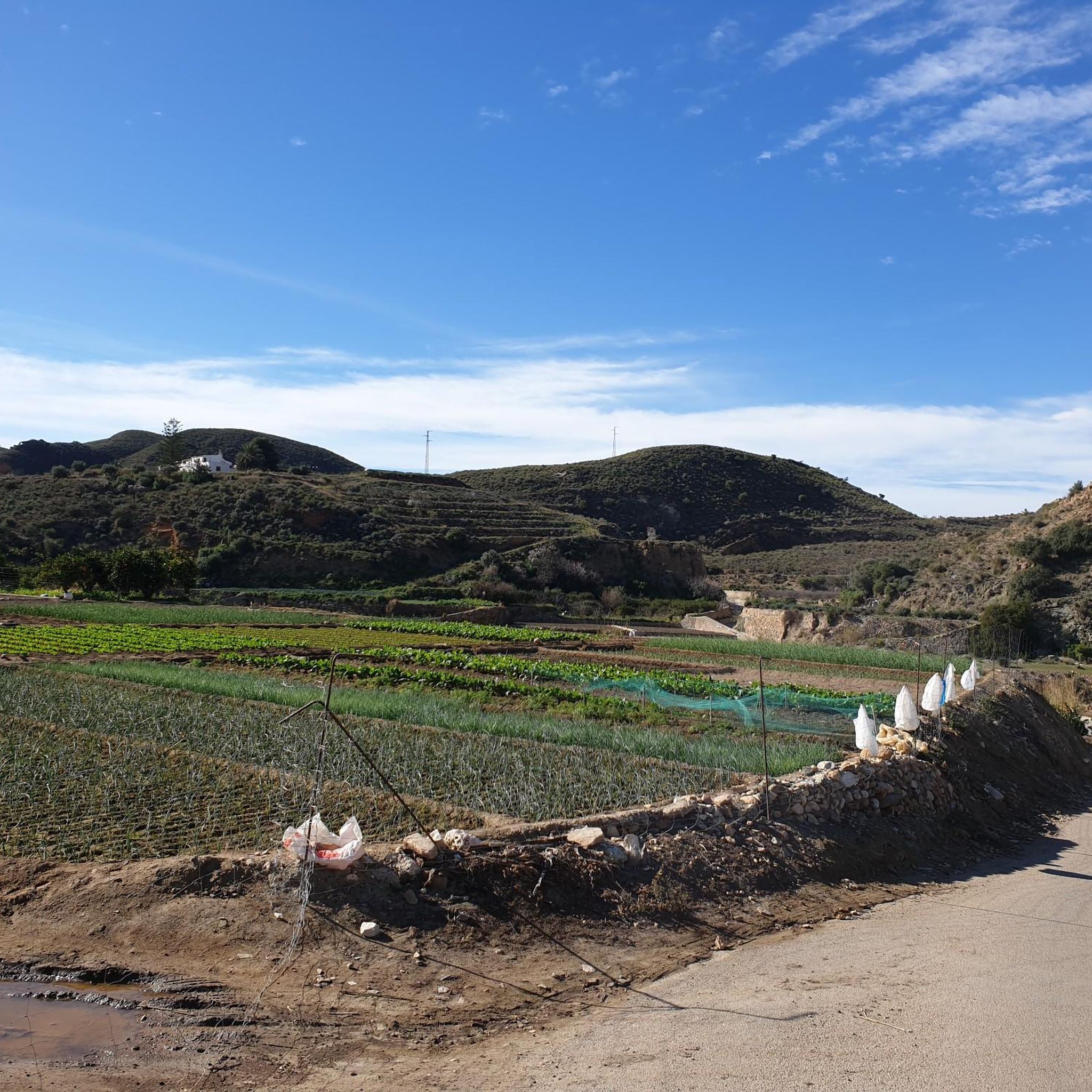
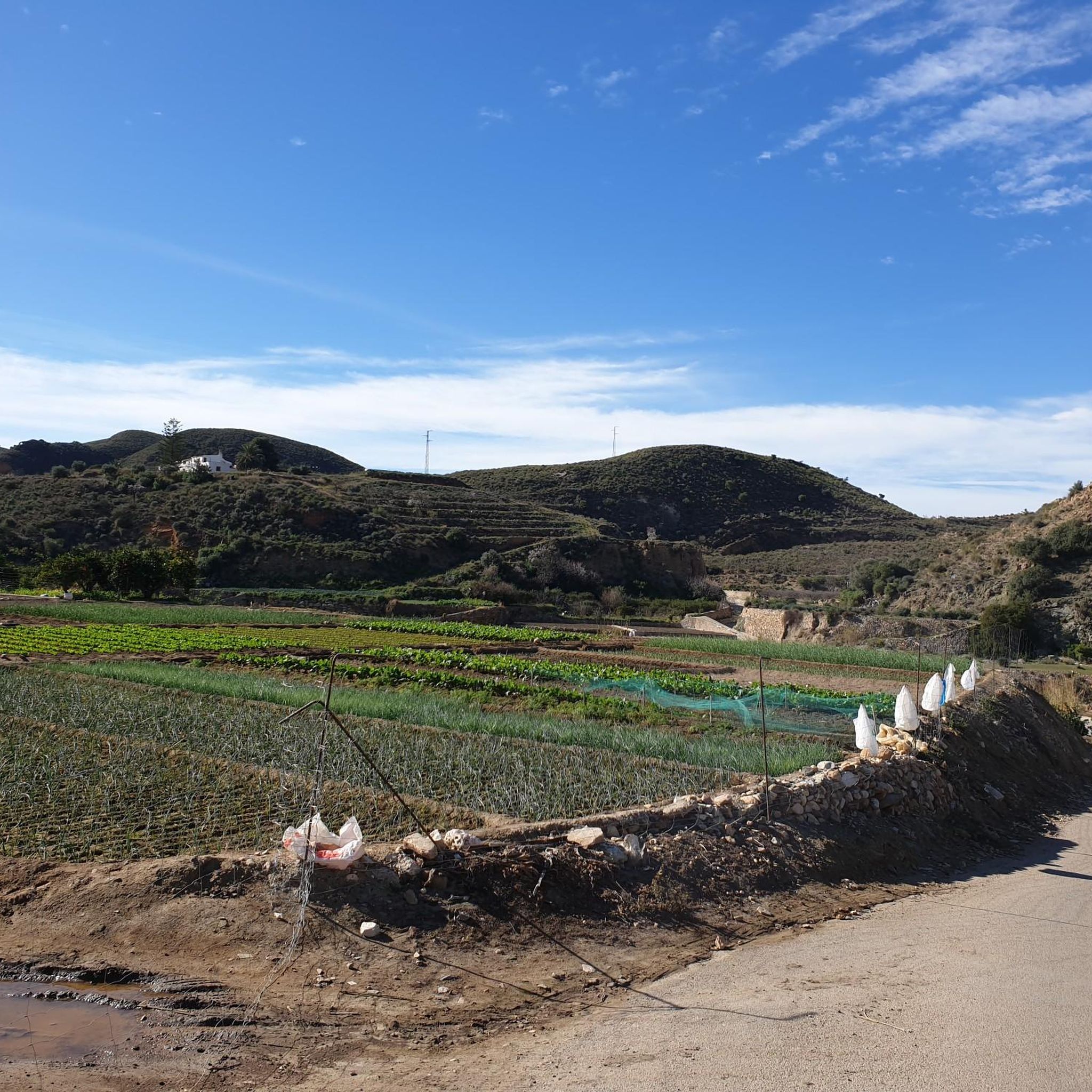
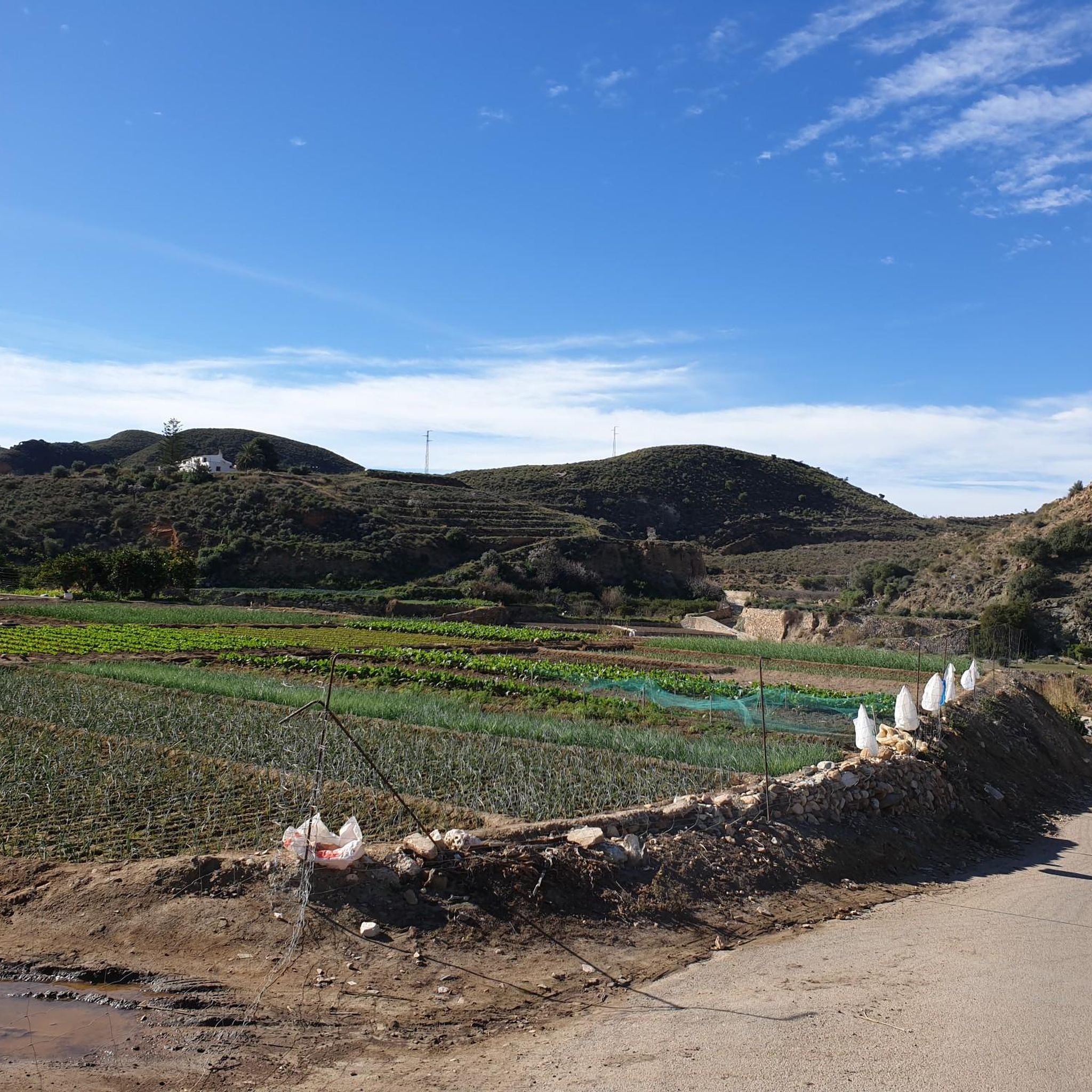
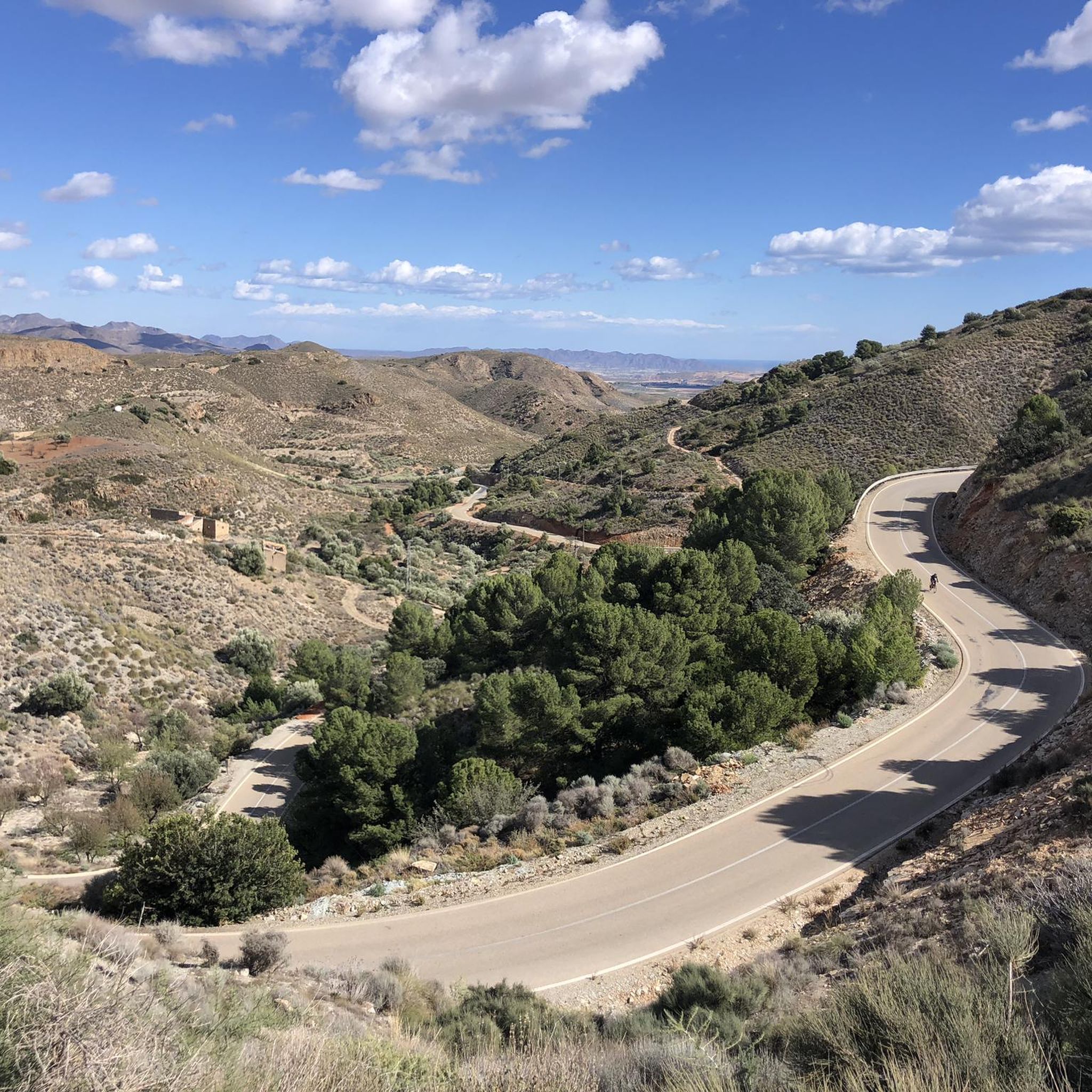
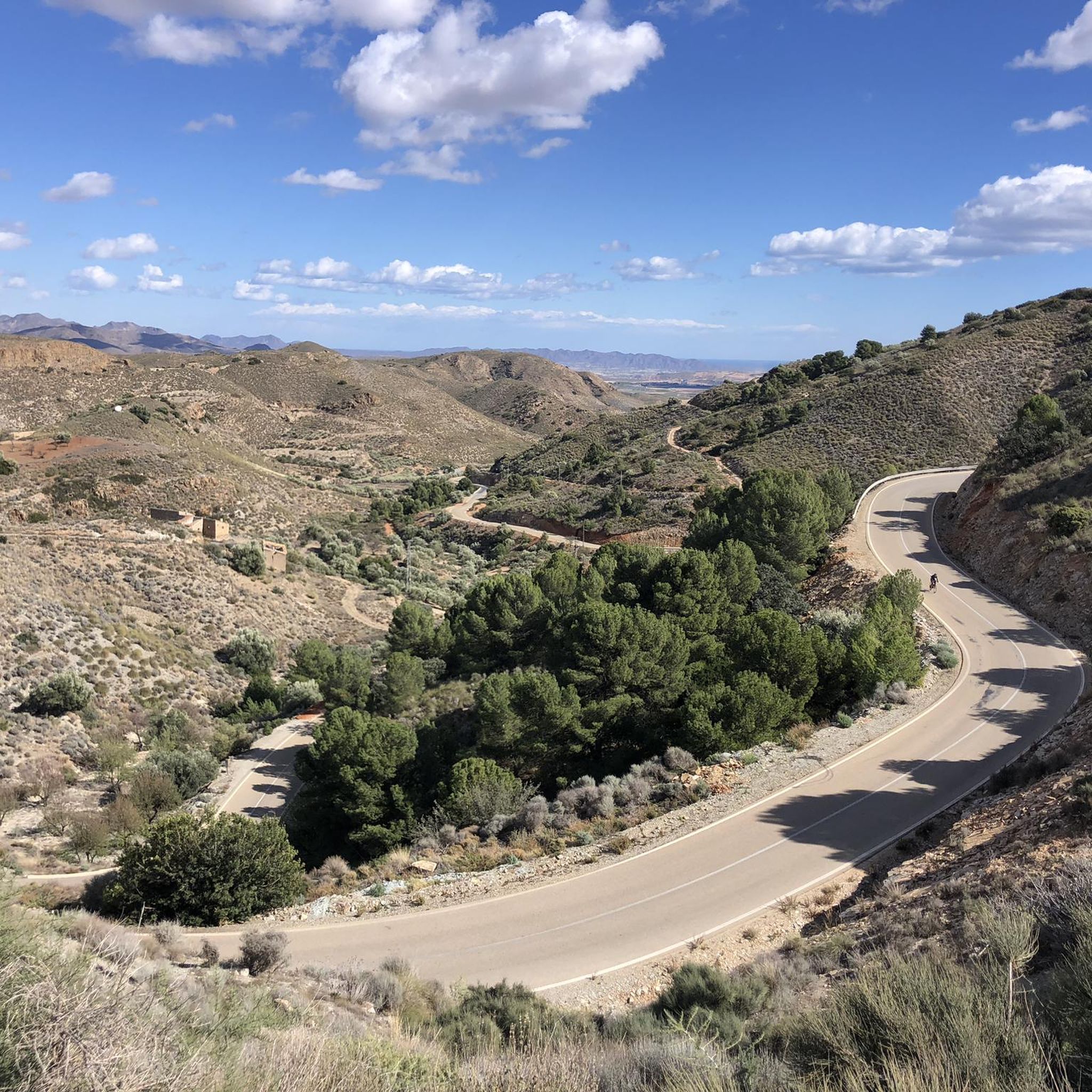
Beautiful corner at the beginning of the Sierra de los Filabres that was a settlement of past civilizations. Solitary, winding roads and highways where small population centers appear.
0
0

The Cuevas del Calguerín are a testimony of human settlement in the area since prehistoric times. Known for their Levantine-style cave paintings, these caves have been used by different cultures over the centuries. Thanks to its restoration and adaptation for tourism, today it is possible to explore and better understand the historical and cultural wealth of the region.
0
0

Here you can see a multitude of waterfowl, especially the most colorful "Flamingo"
1
0
Frequently Asked Questions
What unique natural features can I explore around Antas?
Beyond specific sites, the region around Antas is characterized by its fertile plain at the northeastern end of the Filabres mountains. The Rio Antas, though often dry, has carved significant ravines through soft sandstone cliffs, which provide nesting sites for birds and offer a glimpse into the area's geological history. You'll also find extensive orange and lemon groves, contributing to a picturesque and verdant agricultural landscape.
Are there any historical natural monuments in the Antas area?
Yes, the area boasts significant historical natural monuments. The Cuevas del Calguerín are a prime example, serving as a testimony of human settlement since prehistoric times and known for their Levantine-style cave paintings. Another historical site is the Fuente Mora of Mojácar, a man-made monument with 12 natural spring water spigots, mentioned in ancient Arabic writings as vital for the town's location.
What kind of wildlife can I observe near Antas's natural monuments?
The Salar de los Caños Wetland is an excellent spot for bird watching, with over 150 species documented, including common flamingos, white-headed ducks, and squacco herons. It's also home to endangered species like the Moorish tortoise. The Puerto Rey Lagoon also attracts numerous waterfowl, especially ducks, during their migrations between Africa and Europe.
Are there family-friendly natural monuments to visit around Antas?
Absolutely. The Fuente Mora of Mojácar is a great family-friendly spot where you can cool off and fill water bottles from its natural springs. The Salar de los Caños Wetland and Puerto Rey Lagoon are also suitable for families, offering opportunities for bird watching and enjoying nature in a peaceful setting.
What outdoor activities can I do near these natural monuments?
The region around Antas offers various outdoor activities. You can explore gravel biking routes, such as the 'Lagoon of the Ducks – Macenas Castle loop' or 'Mojácar Playa Promenade – Mojácar Seafront Bike Path loop'. For running, there are trails like the 'Bédar Village loop' or a 'Running loop from Antas'. Road cycling enthusiasts can enjoy routes like the 'Climb to Collado de la Palmerica (El Chive)'. You can find more details on these activities in the Gravel biking around Antas, Running Trails around Antas, and Road Cycling Routes around Antas guides.
What is the best time to visit the natural monuments around Antas?
The region's natural beauty, with its agricultural landscapes and geological formations, can be appreciated year-round. However, for comfortable outdoor activities like hiking or cycling, spring (April-May) and autumn (September-October) offer milder temperatures. Summers can be very hot, while winters are generally mild.
Are there any viewpoints or scenic spots to enjoy the landscape?
Yes, the Cerro Piedra de Illora offers a beautiful corner at the beginning of the Sierra de los Filabres, providing scenic views of the surrounding solitary, winding roads and small population centers. The agricultural richness of the Aguas river basin, with its orange and lemon groves, also creates picturesque and verdant vistas against the backdrop of the Filabres mountains.
Can I find any hidden natural gems in the Antas area?
While not 'hidden' in the sense of being unknown, the geological impact of the Rio Antas, which has carved significant ravines through soft sandstone cliffs, offers a unique natural feature that might be less frequented than other sites. These ravines provide an interesting glimpse into the region's geological history and serve as bird nesting sites.
What do visitors enjoy most about the natural monuments around Antas?
Visitors particularly enjoy the blend of natural beauty and historical significance. The Fuente Mora of Mojácar is appreciated for its natural spring water and historical context. The wetlands like Salar de los Caños are highly rated for bird watching and their peaceful atmosphere. The ancient Cuevas del Calguerín offer a fascinating journey into prehistoric human settlement.
Is there public transport or parking available near these natural monuments?
Access to some sites, like the Salar de los Caños Wetland, is easy, with parking available in front of the Consum Supermarket in Vera Playa, from where you can explore on foot. For other locations, it's advisable to check local transport options or plan for car access, as public transport might be limited in more rural areas.
Are the natural monuments around Antas suitable for beginner hikers?
Many of the natural features around Antas, such as the agricultural plains and coastal wetlands, offer relatively flat and accessible terrain suitable for leisurely walks. While specific hiking trails vary in difficulty, exploring areas like the Salar de los Caños Wetland or the vicinity of the Rio Antas ravines can be enjoyed by beginners looking for gentle exploration.
Most popular attractions around Antas

Get inspired with the komoot mobile app


Explore more
Extend your search for the best caves by checking out these guides of the top ones around Antas:
