Top 20 Natural Monuments around Famorca
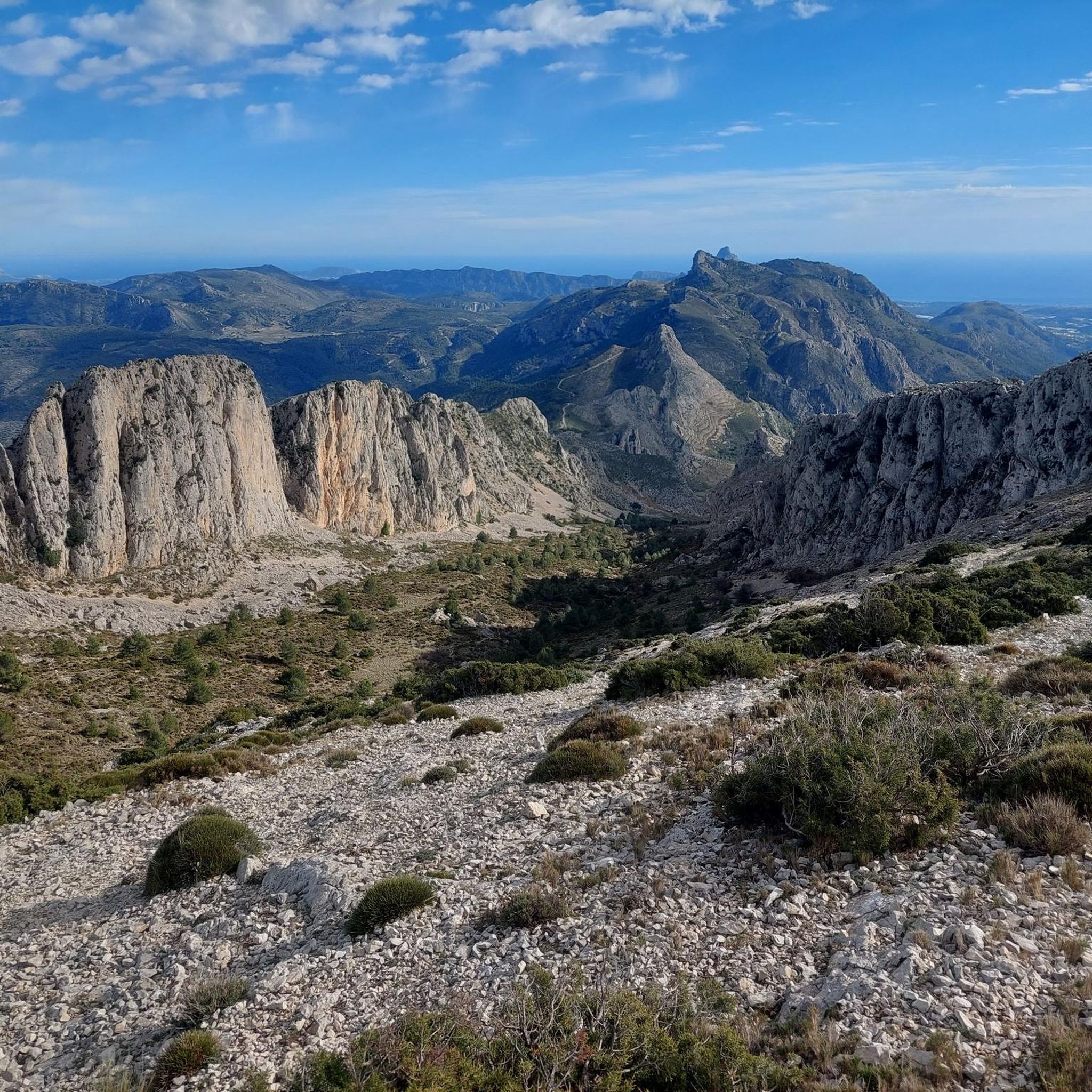
Natural monuments around Famorca showcase the mountainous heart of Alicante, offering a diverse landscape for exploration. This region features significant natural features and protected areas, exemplifying outstanding natural beauty and geological interest. Visitors can discover impressive peaks, deep ravines, and unique geological formations. The area provides an ideal destination for nature enthusiasts seeking varied outdoor experiences.
Best natural monuments around Famorca
- The most popular natural monuments is Guadalest Reservoir, a lake that offers a tour around its entire perimeter.…
Last updated: August 11, 2026
Guadalest Reservoir
Highlight • Lake
Translated by Google •
Tip by

Penya Foradà
Highlight • Natural Monument
Translated by Google •
Tip by

Sign up now to discover places like this
Get recommendations on the best single tracks, peaks, & plenty of other exciting outdoor places.
Sign up for free
Rabosa Pass
Highlight • Mountain Pass
Translated by Google •
Tip by
Mirador de Cocoll
Highlight • Viewpoint
Translated by Google •
Tip by

The Arches
Highlight • Natural Monument
Translated by Google •
Tip by

Sign up for free to discover even more natural monuments around Famorca.
Sign up for free
Already have an account?
Start today with a free account
Your next adventure awaits.
Login or Signup

Other adventures around Famorca

Tips from the Community

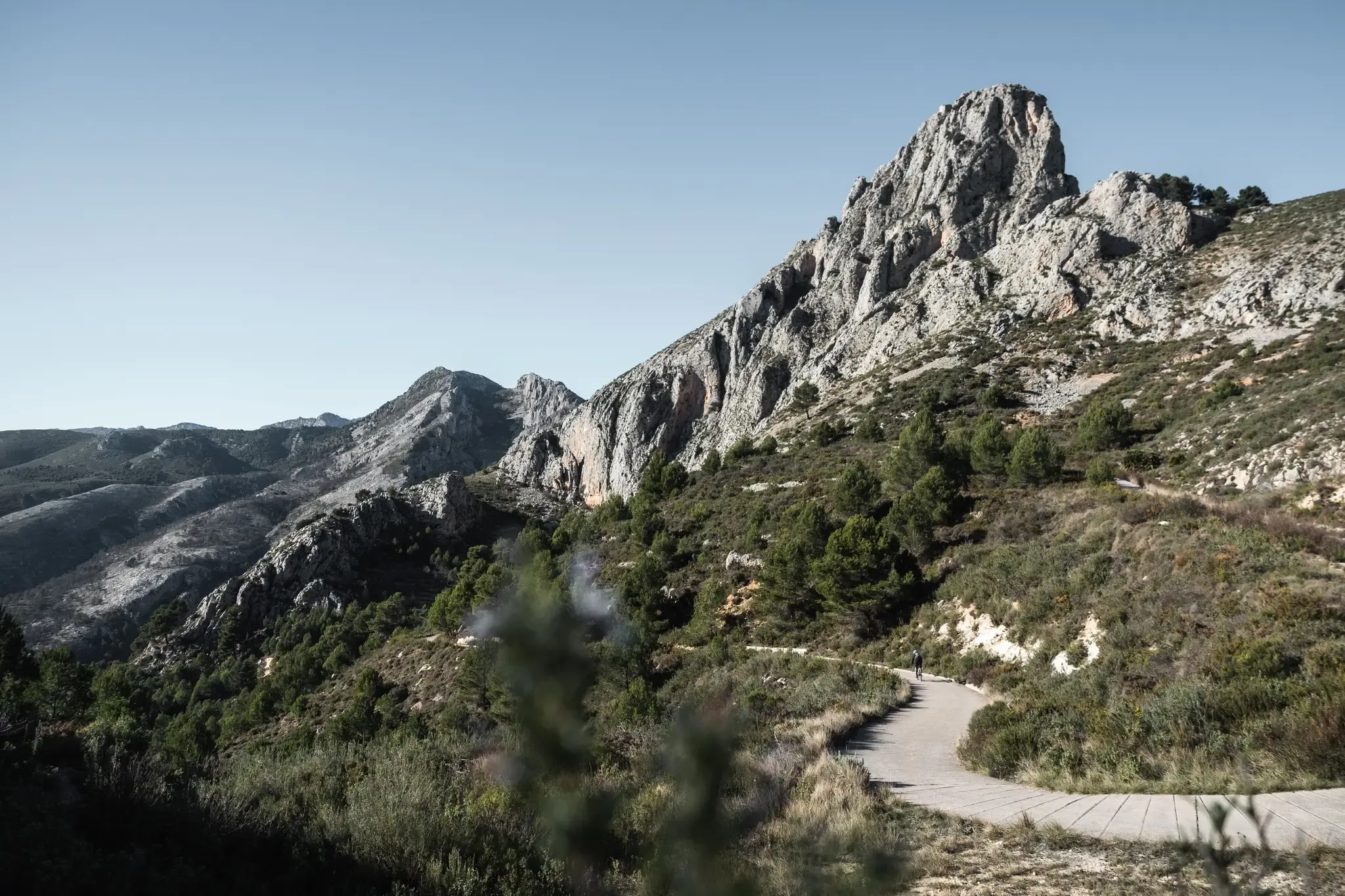
Good paved road, moderate traffic. Views of the reservoir, the Aitana and Serrella mountain ranges, and villages like Beniardà and Benimantell.
6
0

short VIDEOs about this hike could be found at the following links at my youTUBE channel: https://www.youtube.com/watch?v=77nMyRJvnZw https://www.youtube.com/watch?v=WVZN57p8yuA https://www.youtube.com/watch?v=7QFmKmQYq4U
0
0

a short passage that requires a little skill clambering over rocks. The start is a narrow passage where some people might need to take off their rucksack.
0
0

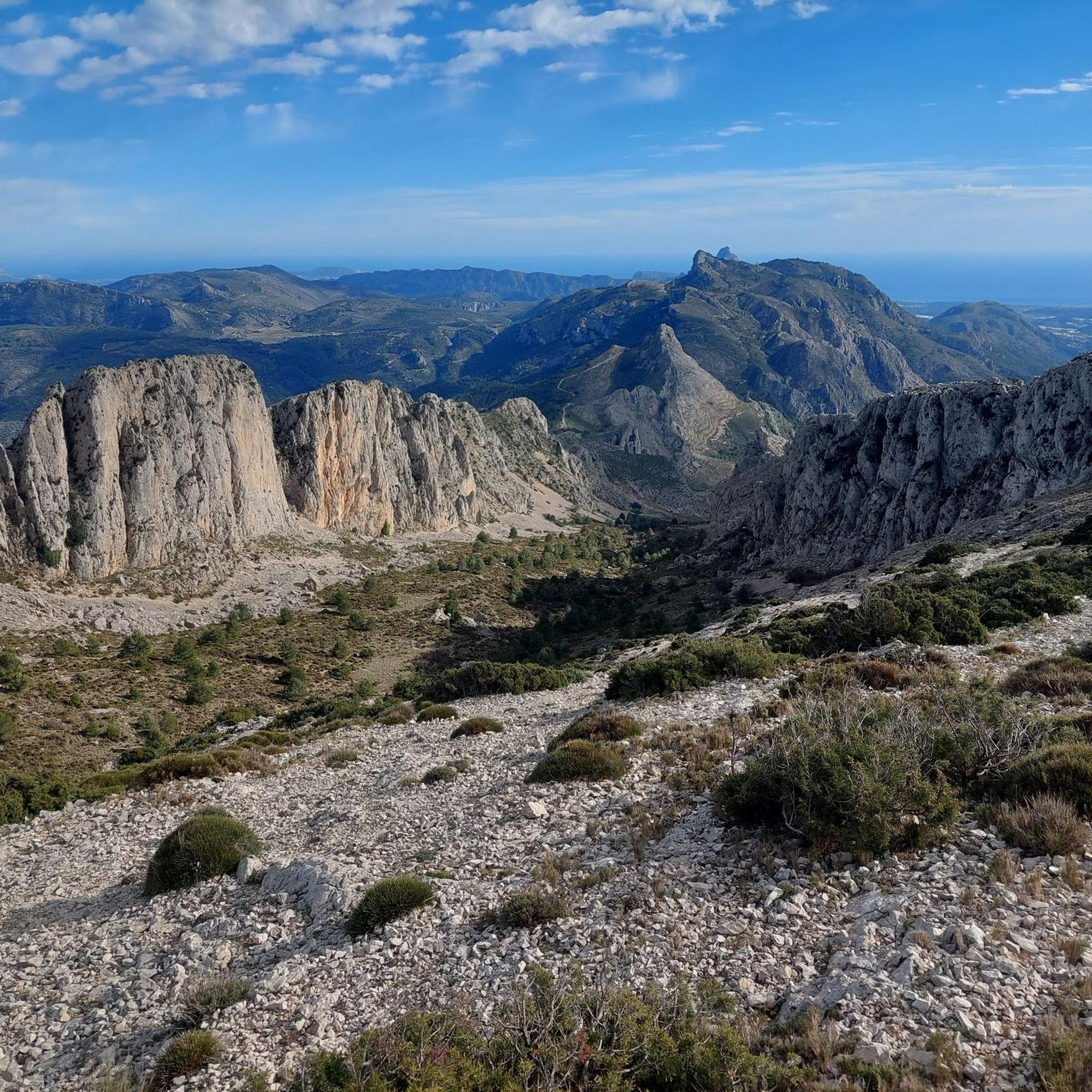
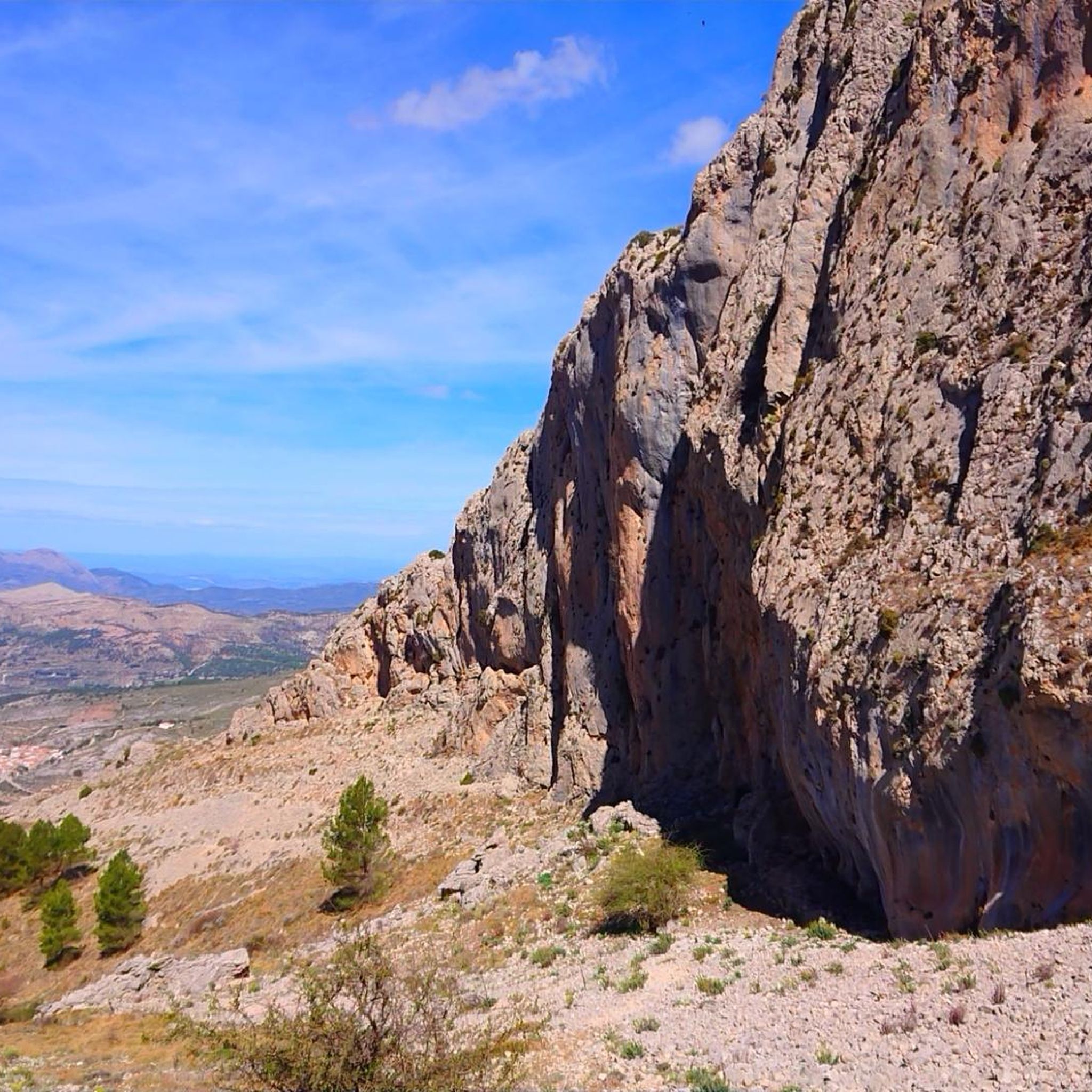
One of the ideal towns for mountain biking in the Marina Alta is Castell de Castells. From there you can climb to the Cima del Cocoll. It is an ascent of moderate difficulty in which you can climb to the geodesic vertex which is next to a forest observatory. From the top there is a beautiful panoramic view. The route to this summit can be started from Benigembla. Or, from Castell de Castells passing quite close to the natural area of Els Arcs. The last section towards the Cim del Cocoll along the PR-CV 427 runs near the Paraje de Els Arcs. In fact, you begin to climb along a track in good condition at just over 722 meters above sea level that leads towards the location of the Corrales de Plans d'Aialt. Although, the first 400 meters along this track do not have a slope. There is no doubt that it is a spectacular natural environment. And, walking along the track that leads to Cocoll, you will also see Es Crestall and Es Pla de Sa Cova.
0
0

Now it's cherry blossom. All levels of maturity can be seen.
0
0

This is a passage with two very short chain-insured sections. One route leads between a crevice in the rock. The chain can be helpful when climbing to pull yourself up. On the other route, a narrow path leads over coarser scree, so you don't really need the chain. Viewed from above, it looks worse than it is.
0
0

The best place to take a break, eat and drink.
1
0
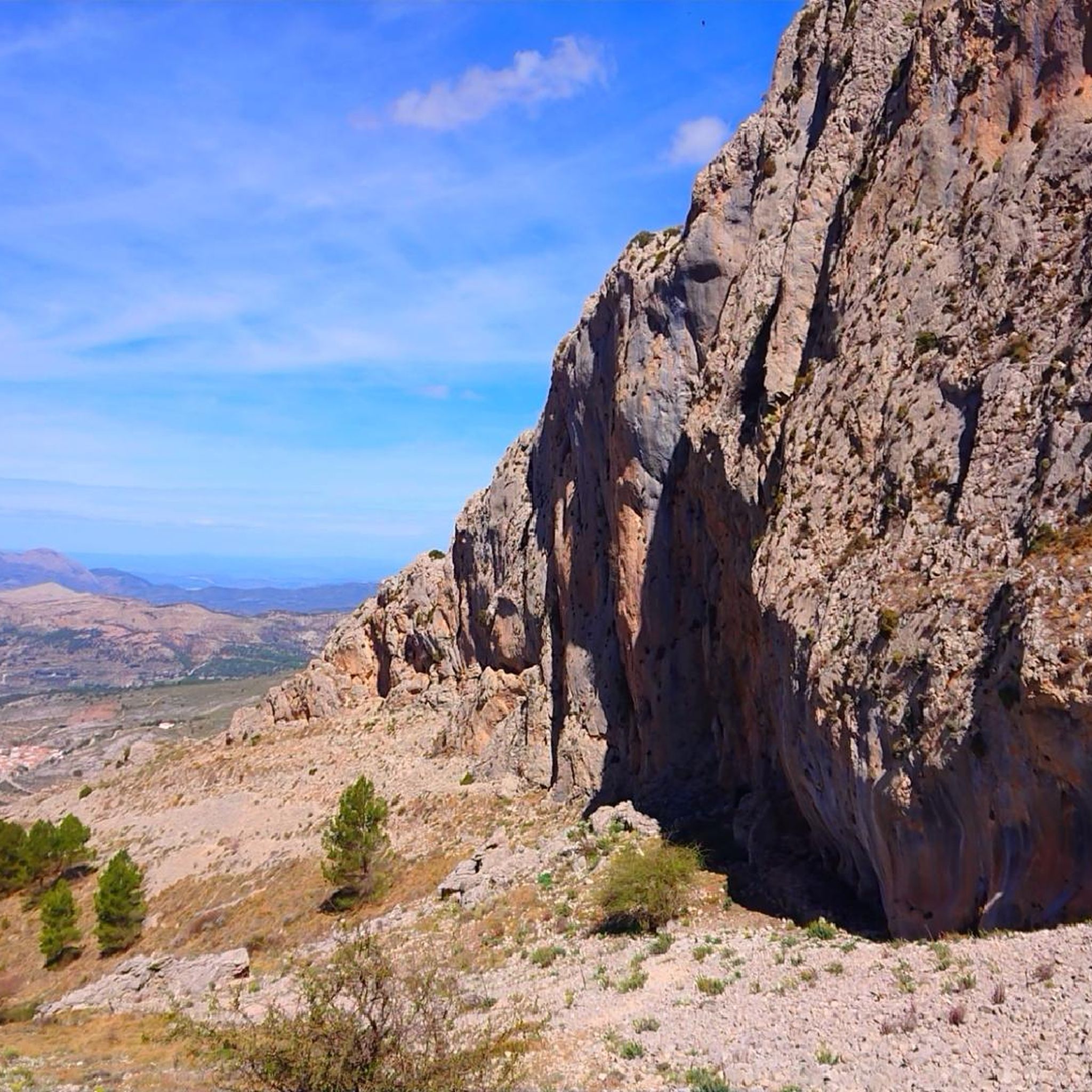
Joan Pellicer described it as "a watchtower of light, a swaying arch and well drawn by chance, an eye looking at the sea, a portal open to those who seek, the moons and sea breezes, the Peña Foradada, grotesque, beautiful and Gaudinian..." .
1
0
Frequently Asked Questions
What are some prominent natural features to explore around Famorca?
Famorca is nestled within the mountainous heart of Alicante, offering a diverse landscape. Key natural features include the extensive Sierra de Mariola Natural Park, known for its botanical diversity and abundant springs. You can also explore significant geological formations like the Penya Foradà, a natural arch, and the ancient Rabosa Pass, a narrow gap through rocks.
Where can I find the best panoramic views of the Famorca region?
For breathtaking panoramic views, consider visiting Penya Foradà, which offers extensive vistas of the Vall de la Gallinera. The Rabosa Pass also provides incredible views towards the valleys of La Marina Baja and Alta. Additionally, the Mirador de Cocoll offers a beautiful panoramic perspective from its summit.
Are there any family-friendly natural monuments or areas around Famorca?
Yes, several spots are suitable for families. The Guadalest Reservoir offers an easy tour around its perimeter, and its dam provides impressive views. The Font de Partegat is a recreational area with barbecues and tables, ideal for a picnic. While the ascent to Penya Foradà can be a challenge, some routes are suitable for children, offering spectacular views.
What kind of outdoor activities can I do near Famorca's natural monuments?
The area around Famorca is excellent for various outdoor activities. You can find numerous hiking trails, including moderate to difficult loops like the 'Mallada del Llop – Morro dels Regalls loop' or 'Forat d'Àfrica – Pla de la Casa Summit loop'. For running enthusiasts, there are several running trails, and road cyclists can explore scenic routes such as the 'Descent Along the Río Xaló' or 'Barranco del Portet Road' loops. You can find more details on these activities in the hiking guide, running guide, and road cycling guide for Famorca.
Are there any natural caves or archaeological sites near Famorca?
Yes, the Cova de Bolumini (also known as Cova Blanca de Mariola) is a spectacular natural cave within the Sierra de Mariola. It holds significant archaeological importance with evidence of human habitation from the Upper Paleolithic period through the Bronze Age. Its impressive dimensions and historical context make it a fascinating site to visit, offering a glimpse into both geological processes and prehistoric human activity.
What is the highest point in the Sierra de Mariola Natural Park?
The highest point within the Sierra de Mariola Natural Park is Montcabrer Peak, standing at an impressive 1,390 meters above sea level. The ascent to Montcabrer offers spectacular views of the surrounding countryside and is considered a rewarding experience for hikers.
What do visitors enjoy most about the natural monuments around Famorca?
Visitors frequently praise the stunning views and the diverse natural landscapes. The turquoise waters of the Guadalest Reservoir framed by mountains, the unique arch of Penya Foradà, and the incredible vistas from Rabosa Pass are often highlighted. The opportunity for hiking and exploring protected natural environments, along with the integration of natural rock formations with historical human activity, also makes the area appealing.
Is there a good spot for picnics or recreation near Famorca's natural areas?
Yes, the Font de Partegat is a well-preserved recreational area. It features barbecues and tables, making it an ideal spot for picnics and spending a day outdoors. It also has a cool drinking water source and offers parking nearby, serving as a great base for exploring the Serra d'Aitana.
Are there any natural monuments with historical significance in the area?
Beyond its natural beauty, the Cova de Bolumini is a natural cave with significant historical and archaeological importance, showing evidence of ancient human habitation and use as a place of worship and burial. Additionally, Pla La Cova features old corrals naturally formed under rocks, offering a glimpse into traditional rural life intertwined with the natural environment.
What is the best time to visit Famorca for exploring its natural monuments?
While specific seasonal considerations are not detailed, the region's mountainous terrain and diverse flora suggest that spring and autumn would be ideal for comfortable hiking and enjoying the natural beauty. These seasons typically offer milder temperatures, making outdoor exploration more pleasant than the peak heat of summer.
Can I find natural springs or water sources in the Famorca area?
Yes, the Sierra de Mariola Natural Park, which encompasses Famorca, is known for its abundant natural springs. The Font de Partegat is a notable example, offering a cool drinking water source. Other local spots like Font dels Olbits are also recognized for their fresh spring water, contributing to the region's natural charm.
Most popular attractions around Famorca

Get inspired with the komoot mobile app


Explore more
Extend your search for the best caves by checking out these guides of the top ones around Famorca:
