Top 12 Natural Monuments around Rucandio
Best natural monuments around Rucandio are found within the municipality and the wider Cantabria region of Spain. Rucandio is situated in an area known for diverse natural attractions, including natural parks and unique geological formations. The landscape offers a variety of natural features, from mountainous terrain to coastal environments, providing opportunities for outdoor exploration.
Best natural monuments around Rucandio
- The most popular natural monument is Trespaderne, a trail that follows a section of the Santander-Mediterranean Natural Trail. This area…
Last updated: November 1, 2026
Trespaderne
Highlight • Trail
74.5 kilometers. 480 positive meters.
The third day of the gravel adventure has little description and no possibility of confusion, it follows the same section of the …
Translated by Google •
Tip by

Poza de la Sal Salt Flats and Old Railway Station
Highlight • Historical Site
74.5 kilometers. 480 positive meters.
The third day of the gravel adventure has little description and no possibility of confusion, it follows the same section of the …
Translated by Google •
Tip by

Sign up now to discover places like this
Get recommendations on the best single tracks, peaks, & plenty of other exciting outdoor places.
Hocinos Gorge (Garganta de los Hocinos)
Highlight (Segment) • Gorge
Translated by Google •
Tip by

Monte Pilas
Highlight • Summit
Translated by Google •
Tip by

Caves of Penedo de los Portugueses Hermitage
Highlight • Cave
Translated by Google •
Tip by

Sign up for free to discover even more natural monuments around Rucandio.
Already have an account?
Start today with a free account
Your next adventure awaits.
Tips from the Community

next to the road
0
0


Next to the greenway, a good place to rest and get supplies in town.
0
0
Beautiful and surprising place. It's somewhat hidden if you don't look closely; a very curious cave-like structure opens up in the canyon. Its origin is unclear, but they have plenty of hypotheses! Definitely a must-see if you're passing by this road!
0
0
Caves dug into the road from Trespaderne to Oña. A very cool place whose origin is unclear, whether they were used to shelter nomads or as cells for monks.
0
0

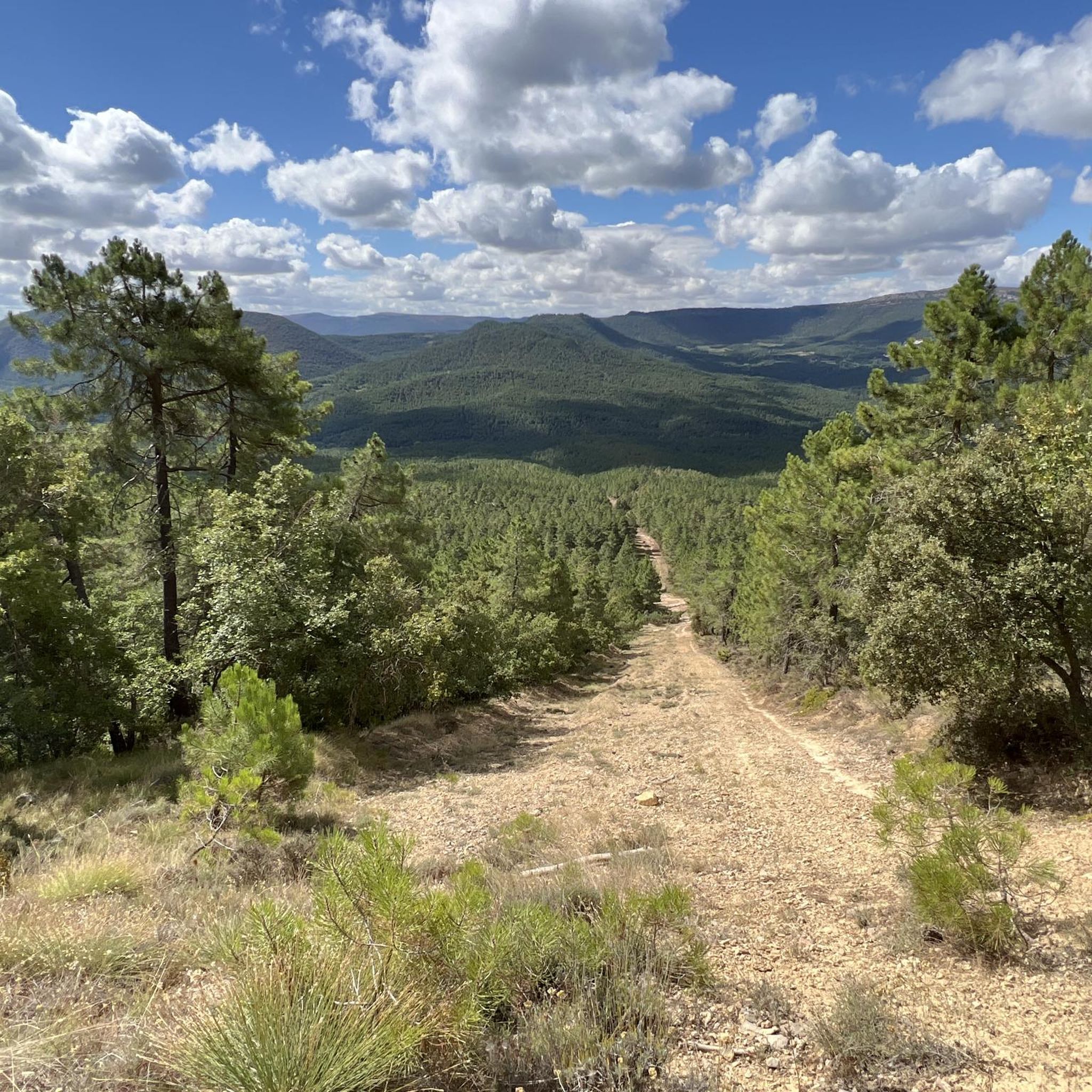
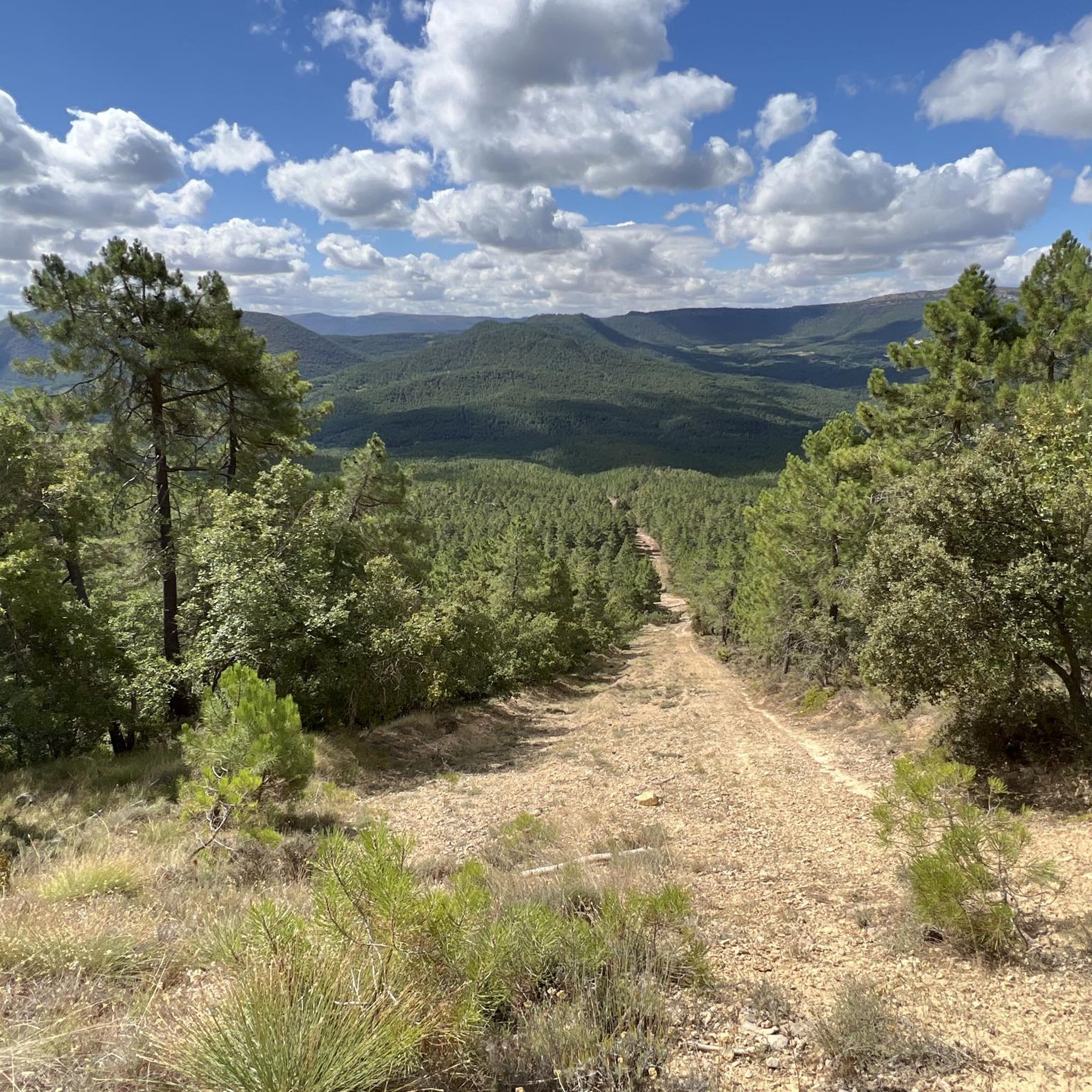
nice descent, from mass moor, to right valley
0
0

One of the most beautiful Via Verdes in Spain. It is finally finished
0
0

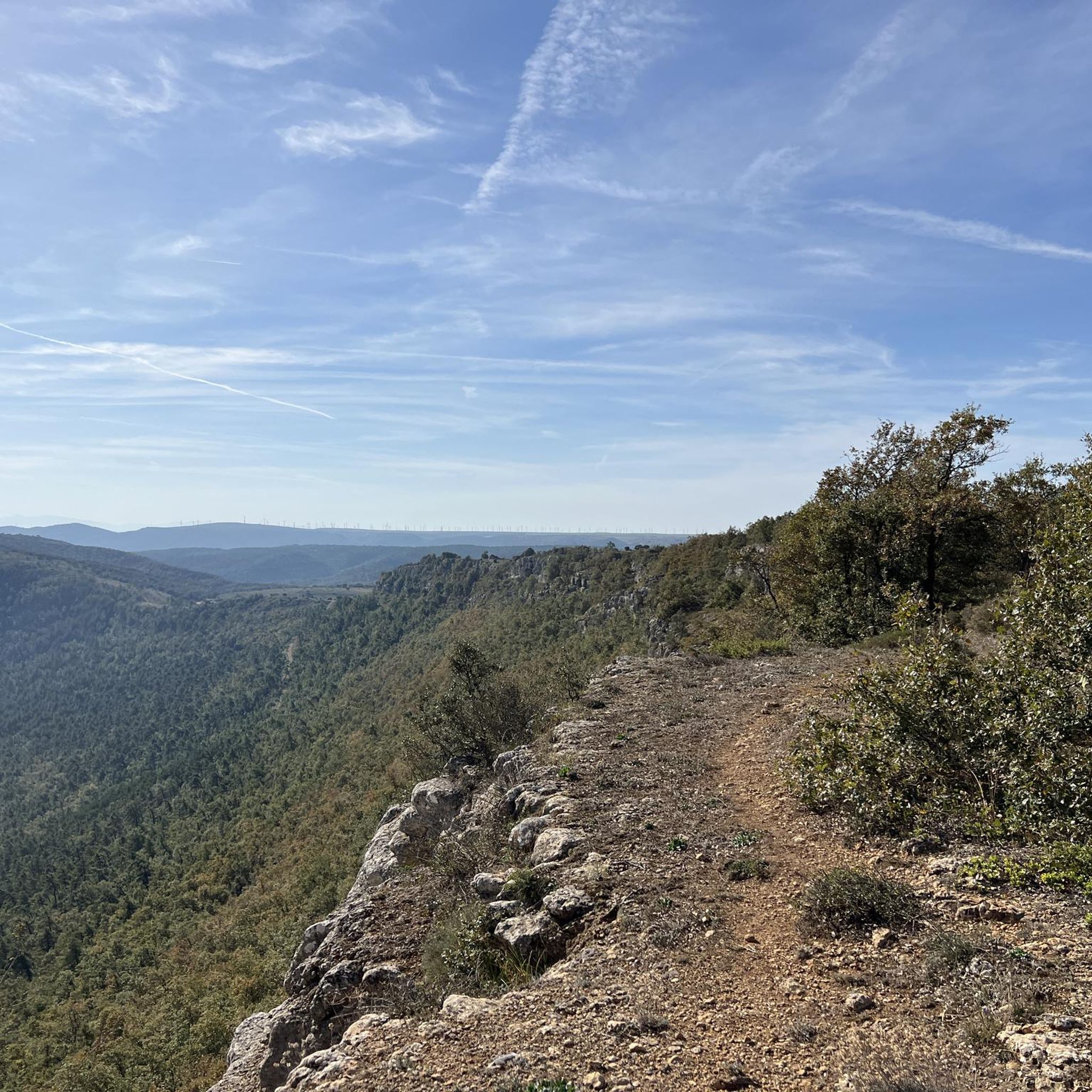
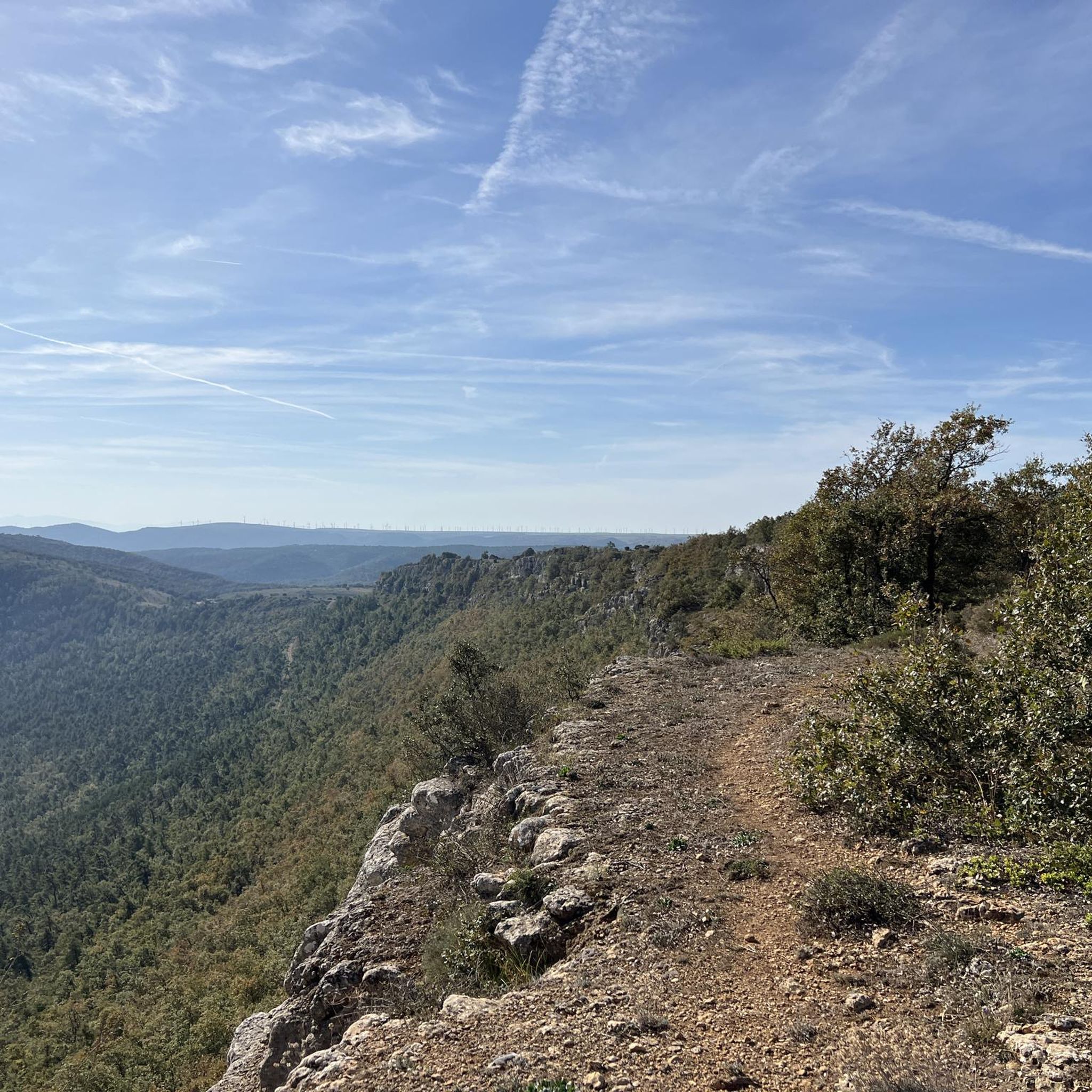
Stage 3. Trespaderne/Burgos 74.5 kilometers. 480 positive meters. The third day of the gravel adventure has little description and no possibility of confusion, it follows the same section of the Santander-Mediterranean Natural Trail as the first stage to the city of Burgos. The Trespaderne exit passes again over the medieval bridge and connects with the railway line at the old station, equipped with benches and a recreation area. Now there are 350 meters of positive slope to the Peñahorada pass, but you barely notice it, the surface is magnificent and the kilometers fly by. The natural fantasies of the Ebro and Oca canyons end in Oña, gateway to La Bureba and its peaceful villages nestled between hills of saline marl and primitive volcanic materials, giving the landscape a particular atmosphere of shapes, reliefs, colors and textures in the Homino River plain. The Poza de la Sal detour is highly recommended, it is close to the old railway station, it would be unforgivable to pass through the door and not stop to see this medieval town declared a Historical-Artistic Site in 1982, which was also the birthplace of the naturalist Félix Rodríguez de the fountain. The salt flats are an extraordinary set of industrial architecture at the foot of the Páramo de Masa with notable geological, ethnographic, historical and cultural interest. They have been exploited since the Iron Age until recent times. And a walk through the historic center is also essential, an interesting example of popular architecture and medieval streets staggered around the castle hill, with remains of the original wall and several doors that gave access to the interior of the town, the best known. and monumental is the Arco de la Concepción or Puerta del Conjuradero, between Plaza Nueva and Plaza Vieja. The trip continues through the Burebana plain to the Peñahorada pass and the tunnels that save the La Serrezuela canyon, entering the path into the peasant plain of the Ubierna valley. The passage through Sotopalacios always brings excitement because the old railway does not cross many towns, it always passes glancingly. In the Villalonquéjar Industrial Park you have to change the outbound route slightly to make it easier to go through the roundabouts and enter the bike lane that leads directly to La Estación without passing through the historic center. The bike path is well indicated outside the street carriageways, it passes over the Arlanzón bridge and continues parallel to the river to the starting point in the gardens of the old North Station, where we end the intense gravel bikepacking trip. of three days in the north of the province of Burgos.
0
0
Frequently Asked Questions
What are some of the most popular natural monuments to visit around Rucandio?
Visitors to the Rucandio area highly appreciate several natural monuments. Among them, Trespaderne is a popular trail following a section of the Santander-Mediterranean Natural Trail, known for the natural formations of the Ebro and Oca canyons. Another must-see is the Peña Escalera Viewpoint, which features unique rock formations and stairs leading to a narrow passage with small cavities.
Are there any historical natural monuments near Rucandio?
Yes, the Poza de la Sal Salt Flats and Old Railway Station is a significant historical and natural monument. This site showcases an extraordinary set of industrial architecture at the foot of the Páramo de Masa, with notable geological, ethnographic, historical, and cultural interest, having been exploited since the Iron Age.
What kind of natural features can I expect to see around Rucandio?
The Rucandio area and wider Cantabria region offer diverse natural features. You can explore mountainous terrain, unique rock formations like those at Peña Escalera Viewpoint, and the impressive canyons of the Ebro and Oca near Trespaderne. The region also boasts extensive forests, coastal landscapes, and even ancient caves like the Caves of Penedo de los Portugueses Hermitage.
Are there any natural parks or larger natural attractions in the broader Cantabria region accessible from Rucandio?
Absolutely. While Rucandio itself is a small municipality, its location in Cantabria provides access to several remarkable natural parks. These include the unique Cabárceno Natural Park, the Natural Monument of the Sequoias of Monte Cabezón, and vast areas like Saja-Besaya Natural Park, Oyambre Natural Park, and Liencres Dunes Natural Park. Each offers distinct landscapes and experiences.
What outdoor activities can I do near these natural monuments?
The area around Rucandio is excellent for various outdoor activities. You can find numerous routes for hiking, mountain biking, and road cycling. For example, there are several hiking trails like the 'Goblins' Trail' and 'Peña Escalera Trail' which you can explore. You can find more details and routes in the Hiking around Rucandio guide, MTB Trails around Rucandio guide, and Cycling around Rucandio guide.
Are there any family-friendly natural monuments or activities in the area?
Yes, the wider Cantabria region offers family-friendly options. The Natural Monument of the Sequoias of Monte Cabezón features a 2-kilometer circular trail, partially wheelchair accessible, making it suitable for families. Cabárceno Natural Park, though not a traditional natural monument, is also highly recommended for families due to its unique semi-freedom animal park setting and educational facilities.
What is the best time of year to visit the natural monuments around Rucandio?
The best time to visit the natural monuments around Rucandio and the broader Cantabria region generally depends on your preferred activities. Spring and autumn offer pleasant temperatures for hiking and cycling, with lush landscapes or vibrant fall colors. Summer is ideal for enjoying coastal parks like Oyambre and Liencres Dunes, though it can be busier. Winter can be beautiful for snowy mountain views, but some trails might be less accessible.
Is there a natural monument that offers panoramic views?
Yes, Monte Pilas is a mountain exceeding 1,200 meters that offers impressive views of the entire Sierra de Tesla. Its table-shaped summit with cliffs provides a distinctive vantage point for panoramic vistas.
What do visitors enjoy most about the natural monuments in this region?
Visitors frequently highlight the diverse landscapes, from the unique rock formations and canyons to the historical significance of sites like the Poza de la Sal Salt Flats. The opportunity for outdoor activities like hiking and cycling through varied terrain is also a major draw. Many appreciate the unexpected natural beauty and the sense of discovery these sites offer.
Are there any accessible natural monuments for visitors with mobility considerations?
While specific accessibility details for all monuments around Rucandio are not readily available, the Natural Monument of the Sequoias of Monte Cabezón in the wider Cantabria region offers a 2-kilometer circular trail that is partially wheelchair accessible, providing an option for visitors with mobility considerations.
Can I find information about permits or public transport for visiting these natural monuments?
Specific permit requirements for individual natural monuments around Rucandio are generally not needed for basic access to trails and viewpoints. For public transport, options might be limited directly to the more remote natural monuments. It is advisable to check local transport schedules or consider private vehicle access for greater flexibility, especially when visiting sites further afield in Cantabria.
Most popular routes around Rucandio
Most popular attractions around Rucandio

Get inspired with the komoot mobile app


Explore more
Extend your search for the best caves by checking out these guides of the top ones around Rucandio:
